
Last week my 12-year-old told me dinner was "mid" and his sister was "throwing" at Monopoly. Six months ago, I would've grounded him for speaking gibberish. Now? I laughed, because I finally get it. Understanding gaming terminology for parents like me has opened up a whole new way to connect with my kids. More importantly, I get him.
Here's what took me way too long to figure out: gaming language isn't just noise. It's how our kids communicate their entire emotional world. Every time I rolled my eyes at "that's so cringe" or "he's one-shot," I was missing a chance to understand what actually mattered to my son that day.
I spent two years being the dad who'd walk past my kid's room, hear him shouting "Let's GO!" and just shake my head. Classic "kids these days" attitude. Then one Saturday, instead of telling him to quiet down, I asked what made him so excited. Twenty minutes later, I understood he wasn't just playing a game. He was leading a team, making split-second decisions, and feeling genuinely proud of helping his friends win.
That conversation changed everything. Not because I suddenly loved Fortnite (I'm still terrible at it), but because I finally had a window into his world. And it all started with understanding the words.
Why Your Kid's Gaming Language Actually Matters
The wider parent angle is in our parent guide to gaming culture.
Let me be straight with you. Gaming terms aren't the enemy. They're not rotting your kid's brain or ruining their vocabulary. They're actually doing something pretty amazing: giving kids a framework to process complex emotions and social dynamics.
When your daughter says the math test was "broken," she's not being dramatic. She's using gaming logic to express that something felt unfairly difficult or poorly designed. When your son calls his friend "cracked" at basketball, he's showing admiration in a way that makes sense to his generation.
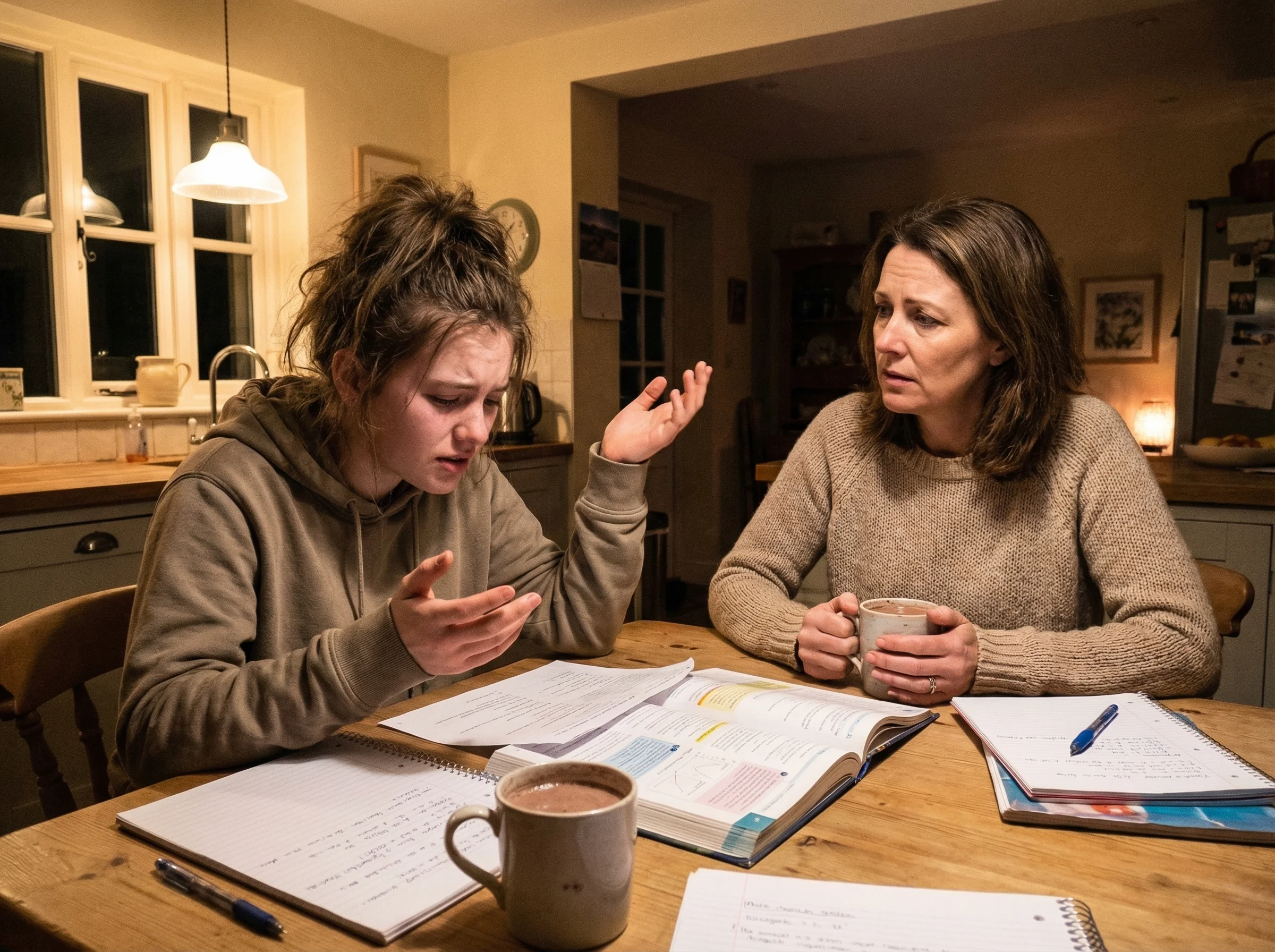
I learned this the hard way. For months, I'd hear my kids end every gaming session with "GG" and assumed it was just noise. Then I watched my son lose a brutal match where his teammate abandoned him. He was frustrated, maybe even close to tears. But he still typed "GG" to his opponents. That's when it hit me. This wasn't just slang. This was my 11-year-old practicing sportsmanship in the digital age.
Think about it. We taught our kids to shake hands after Little League games. They're teaching themselves to say "good game" after digital competitions. Same values, different venue.
The real kicker? Once I started paying attention to gaming language, I noticed my kids were processing their entire day through these terms. Bad grade? "The teacher's RNG hates me." Good presentation? "I clutched that speech." Friend drama? "She's being toxic." This wasn't lazy language. This was them making sense of their world using the vocabulary that resonated with them.
 The feeling behind the wordPause, Play, Connect: Core Deck172 prompts that help you hear the feeling underneath a word like tilted or broken.$49 CAD • 90 cards • 18 reviewsShop the deck
The Essential Gaming Terms (And What They Really Tell You)
Alright, let's decode the matrix. But not in a "hello fellow kids" way. These aren't just definitions. They're windows into how your kid thinks and feels.
GG/GG EZ - "Good game" and its cockier cousin "good game, easy." Here's what matters: kids who consistently say GG are practicing digital sportsmanship. Kids who always add EZ might be struggling with winning gracefully. My daughter taught me this when she explained why she stopped playing with certain friends. "They always say GG EZ even when we barely won. It's mean." That's emotional intelligence in action.
OP/Broken/Nerf - "Overpowered," something that's unfairly strong, and reducing something's power. This is how kids talk about fairness. When my son says his teacher is "OP" for giving a pop quiz after a substitute teacher day, he's not being disrespectful. He's expressing that the situation feels unbalanced. Listen for these terms. They're telling you what feels unfair in their world.
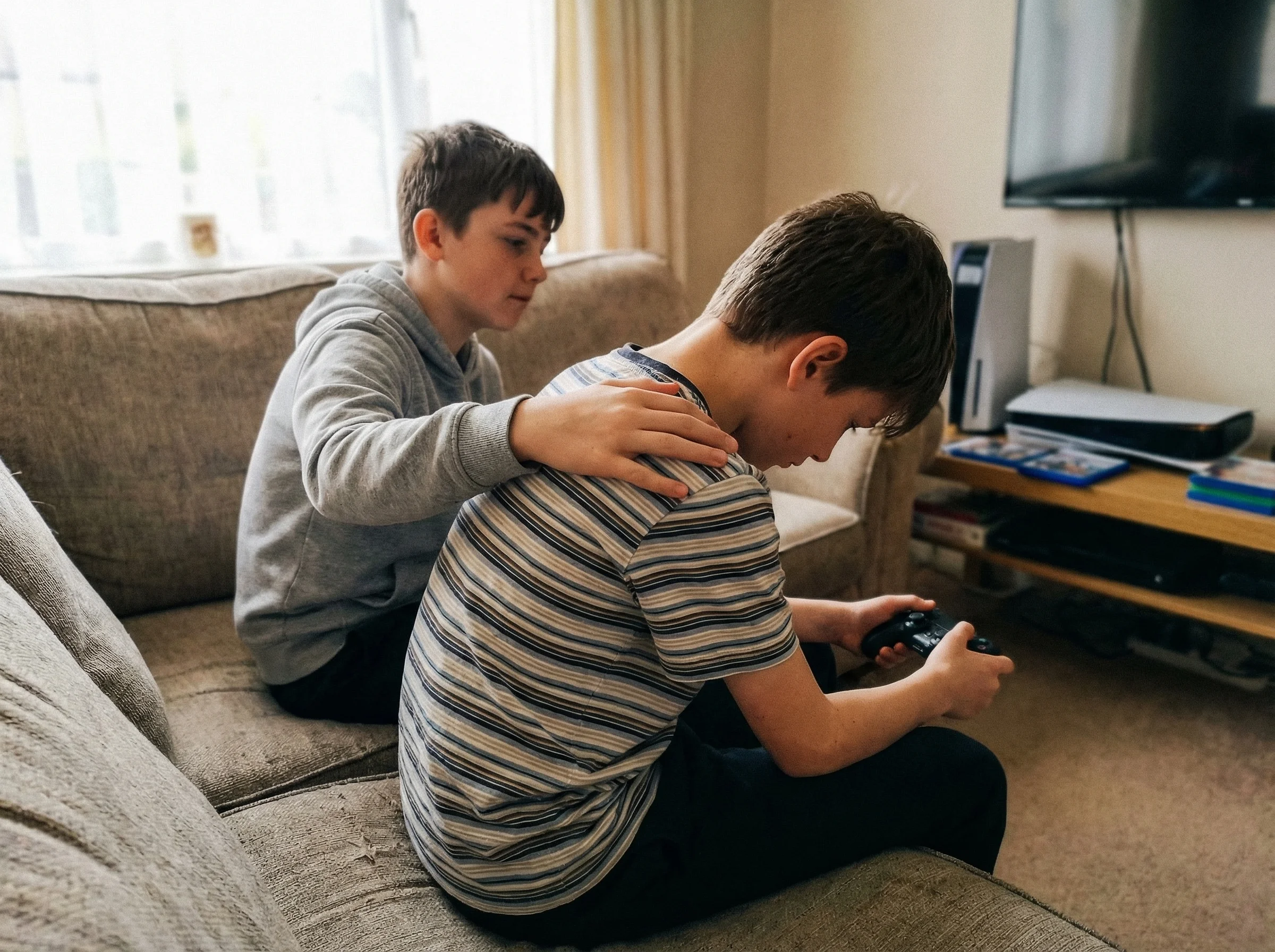
Clutch/Throwing/Carry - Performing under pressure, intentionally failing, and supporting weaker teammates. This trilogy tells you everything about how your kid handles responsibility. My proudest gaming-adjacent moment? When my son described helping his struggling lab partner as "carrying them through science class." He wasn't bragging. He was recognizing his role in helping others succeed.
Toxic/Salty/Tilted - These emotional regulation terms are gold. "Toxic" is behavior that ruins everyone's experience. "Salty" means bitter about losing. "Tilted" is being so frustrated you can't play well. When my daughter told me she was "tilted" about her friend group drama, we had our first real conversation about taking breaks when emotions run high.
Here's a story that still makes me wince. My daughter came home from school crying because someone called her a "bot." I almost said "who cares about made-up insults?" Thank God I asked what it meant instead. Turns out, "bot" means you're so bad at something, you play like a computer on easy mode. In her world, that's a deep cut about competence and belonging. We talked for an hour about skill development and not letting others define your worth. All because I asked about a four-letter gaming term.
The Terms That Cross Into Real Life (And Why That's OK)
Your kid isn't "ruining" their vocabulary when they say dinner is "mid" or their homework is "cringe." They're doing what every generation does: adapting language to fit their experience.
"Mid" means mediocre, by the way. Not bad, not good, just disappointingly average. When my son called my famous spaghetti "mid," I'll admit it stung. Then I realized he was giving me honest feedback in his language. So I asked what would make it "goated" (greatest of all time) instead. Turns out, more garlic. Who knew?
"No cap" means no lie. "Based" means authentic or admirable. "Cringe" is secondhand embarrassment. These aren't just gaming terms anymore. They're how kids communicate nuance. My daughter's text after her school play? "Performance was lowkey cringe but highkey fun no cap." Translation: "I was embarrassed but enjoyed it, honestly." That's sophisticated emotional expression disguised as slang.
The crossover that really got me was "RNG." Random Number Generator. In games, it means luck-based outcomes. In life? My kids use it for anything that feels arbitrary. "Mr. Johnson's grading is pure RNG." "Getting picked for the good gym class team is RNG." Once I understood this, we could actually talk about fairness versus randomness, effort versus luck.
Pro tip: Don't try to use all these terms yourself. I said "no cap" once and my kids looked at me like I'd grown a second head. But understanding them? That's parenting gold. When my son complains about "RNG," I know to dig deeper about what feels unfair. When my daughter says something is "based," I know she's found something she respects.
Red Flags vs. Normal Trash Talk
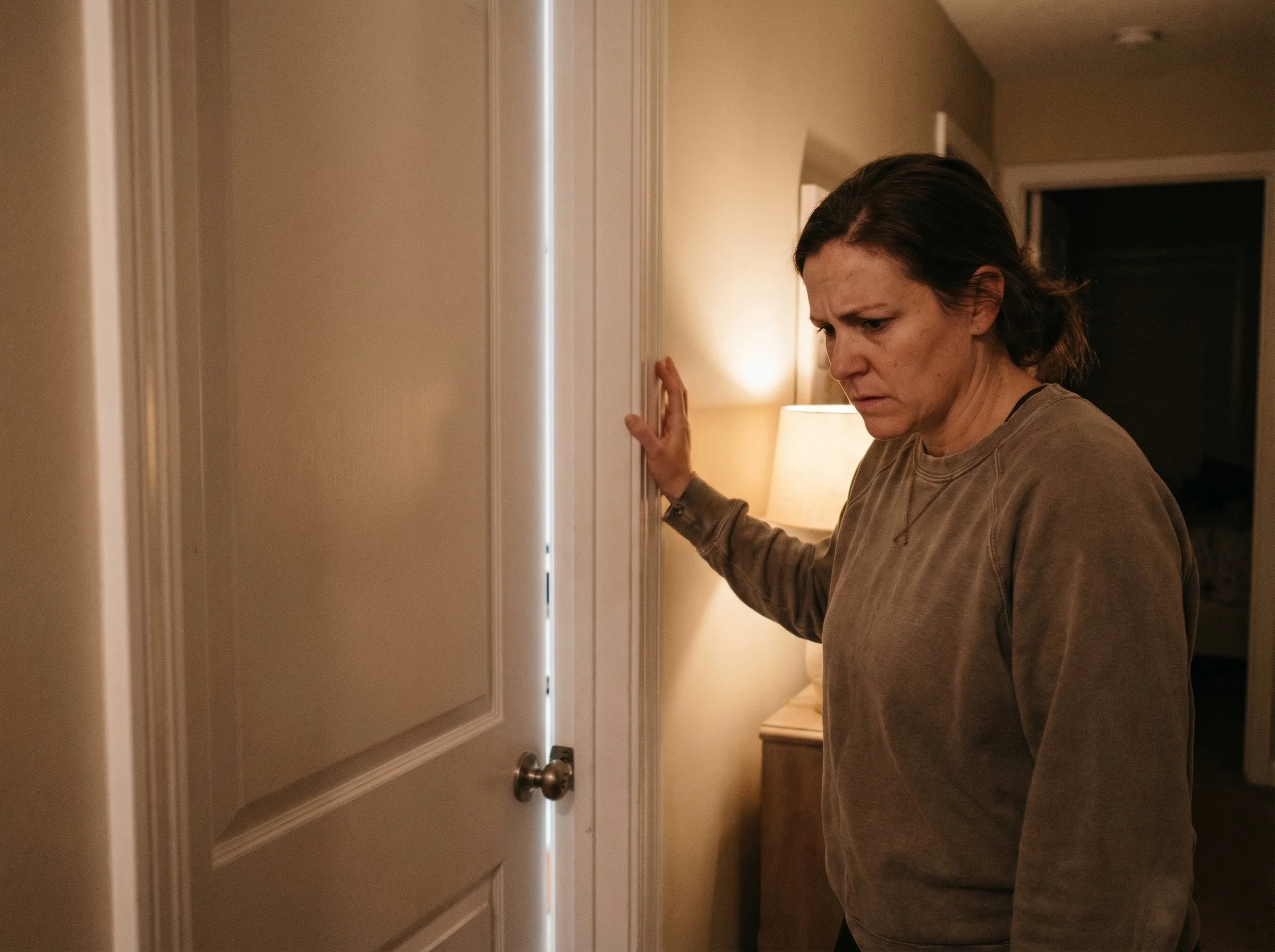
Let's address the elephant in the room. Online gaming can get rough. But there's a massive difference between competitive banter and actual problems.
Normal trash talk sounds like: "You're trash at building." "Get good." "Nice try, bot." It's directed at game performance, not personal attacks. My son's friend group roasts each other constantly in-game, then laughs about it together at school.
Red flags sound like: Personal attacks about appearance, family, or real-life circumstances. Threats that extend beyond the game. Persistent targeting of one person. Trust your gut here. If it sounds cruel rather than competitive, it probably is.
Here's how I learned the difference. I overheard my son telling someone they were "actually dogwater" at Fortnite. I was ready to shut down his system. Then I heard the other kid laugh and say "whatever, you can't even crank 90s." They were sparring, not fighting. But when I heard someone tell my daughter to "delete the game and herself," that was an immediate conversation about blocking, reporting, and why that crossed every line.
The key question isn't "are kids being mean?" It's "are they being mean-spirited?" Competition brings out strong emotions. That's normal. Personal attacks aren't.
Want to check in without seeming like you're interrogating them? Try these:
- "Anyone being weird in your lobbies lately?"
- "Your friends still fun to play with?"
- "Any drama in the game today?"
Notice I didn't ask "is anyone cyberbullying you?" That's cop language. Keep it casual, and you'll get real answers.
For the Mid-Match Beat: A term lands better with a question on hand. Set the Pause, Play, Connect deck beside the couch so a card is within reach during co-play.
Using Gaming Terms to Start Real Conversations
The full set of starters is in our conversation cards for families with gamer kids.
This is where the magic happens. Once you understand gaming language, you can use it to unlock conversations you never thought possible.
"How was Fortnite?" gets you nowhere. Trust me, I tried it for months. Grunt, shrug, "fine." Every. Single. Time.
"What was your clutch moment today?" That's conversation fuel. Suddenly my son's telling me about saving his squad with two health left, but more importantly, he's sharing a moment when he felt capable and important.
My game-changer Yakety Pack question: "If you could add any character to your game, who would it be?" Simple question, complex answers. My daughter wanted to add her art teacher to Minecraft "because she sees cool patterns in everything." My son wanted his grandfather in his racing game "because he tells the best stories about old cars." Those aren't just game answers. Those are insights into who matters to them and why.
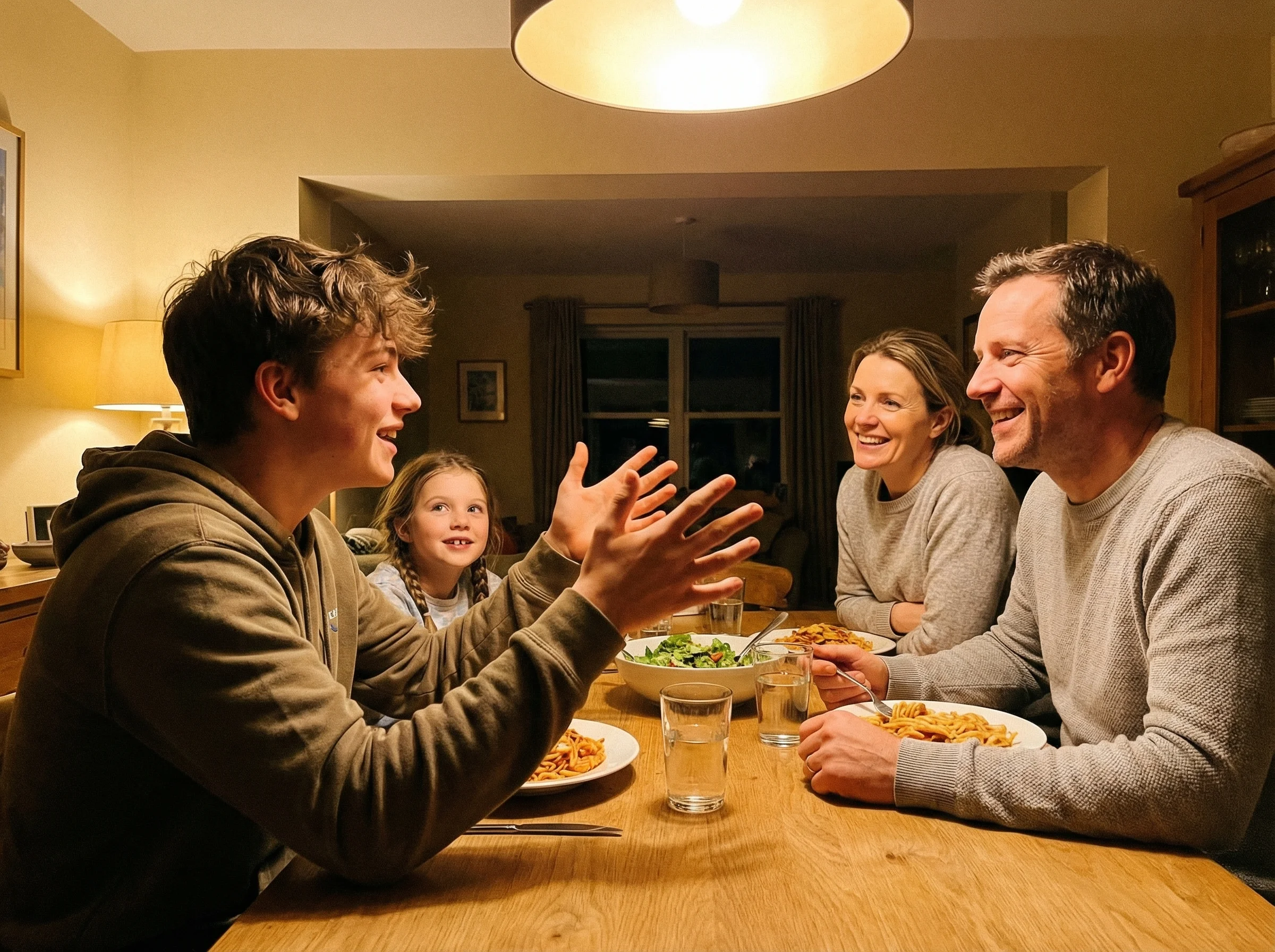
Other conversations that actually work:
- "What's the most broken thing in your game right now?" (Leads to fairness discussions)
- "Who's the best teammate you played with today?" (Reveals their values in friendship)
- "Did anything tilting happen?" (Opens up frustration in a safe way)
- "What made you rage quit yesterday?" (If they did - we've all been there)
The secret? You're not asking about the game. You're asking about their experience, their emotions, their relationships. The game is just the setting.
Last month, my son was clearly upset after school. Old me would've pushed: "What's wrong? Did something happen? Talk to me!" Instead, I asked, "School felt kind of RNG today, huh?" He laughed, then told me about unfair group assignments where he got stuck with slackers. Gaming language became our bridge to real issues.
 Instead of how was FortnitePause, Play, Connect: Core Deck$49 CAD • 172 promptsSee the deck
Your Kid's Favorite Game, Decoded
Not all games speak the same language. Understanding your kid's specific game helps you connect better.
Minecraft: This is architecture and art vocabulary. "Griefing" (destroying others' creations), "redstone" (complex mechanisms), "modding" (customization). Minecraft kids are usually builders and creators. When my daughter shows me her latest build, she's showing me her imagination made digital. Ask about their worlds, their projects, what they're planning next.
Fortnite/Apex/Battle Royales: Competition central. "Rotation" (movement strategy), "third-party" (attacking already fighting teams), "box fighting" (close combat). These games are about quick thinking and adaptation. My son processes daily challenges through battle royale logic. Bad test? "Got third-partied by essay questions." Success? "Won the gulag." It's all about surviving and adapting.
Roblox: This isn't one game. It's thousands. "Obby" (obstacle course), "tycoon" (business games), "RP" (roleplay). Roblox kids are exploring different experiences constantly. My nephew plays everything from pizza-making games to prison escapes. Ask which "experience" they're into this week and why.
Among Us/Party Games: Social dynamics and deduction. "Sus" (suspicious), "self-report" (reporting your own crime), "marinating" (building false trust). These games teach social reading and strategy. When kids call something "sus" in real life, they're pattern-matching and questioning motives. That's critical thinking.
Each game reflects different skills. Minecraft kids might show creativity through building. Fortnite kids might process competition and pressure. Roblox kids might explore different identities. There's no "better" game, just different ways kids engage with digital worlds.
The Ultimate Cheat Sheet for Gaming Conversations

Ready for the real talk? Here's your practical guide to not sounding like you're trying too hard.
Terms you can use without embarrassing yourself:
- "That sounds clutch" (when they achieve something difficult)
- "That's rough/brutal" (when something goes wrong)
- "Nice play" (universal approval)
- "How'd that match go?" (not "game" - matches are specific sessions)
- "Who were you playing with?" (shows interest in their social gaming)
Terms to understand but never say out loud:
- "Poggers/Pog" (just... don't)
- "No cap" (unless you're under 25)
- "Bet" (agreement - but sounds forced from parents)
- "Cracked" (extremely skilled - appreciate it, don't use it)
- Any term your kid uses constantly (that's theirs, not yours)
How to show interest without invading:
- Watch them play occasionally, but don't hover
- Ask about strategies, not just outcomes
- Celebrate their wins without overreacting
- Commiserate with losses without solving
- Let them teach you something
My breakthrough moment? I stopped trying to be the cool gaming dad and started being the interested dad. "Teach me why that was impressive" works better than pretending I understand everything.
When to engage vs. when to just listen:
- Engage: When they're excited, proud, or openly frustrated
- Listen: During active gameplay, when they're with friends, when they're processing a loss
- Never: When they're in party chat with friends (unless invited)
The power move? "Can you teach me?" My son spent an hour explaining Fortnite building techniques. I retained maybe 10%, but he felt like an expert sharing knowledge. That conversation led to him explaining why his math teacher's methods were "inefficient like playing on 300 ping." Gaming became our common language for discussing everything else.
Common Mistakes (That I Definitely Made)
Let me save you some pain by sharing my spectacular failures.
Trying to be the "cool gaming parent." I joined my son's Minecraft server uninvited and built a giant dad joke in blocks. The silence in his room was deafening. Lesson: Interest yes, invasion no.
Using gaming as leverage wrong. "No Fortnite until homework!" seems logical. But I learned "finish this match, then homework" works better. Respecting their game sessions shows you understand their world.
Panicking over every term. My daughter said someone was "toxic" and I went full investigation mode. Turns out they just kept stealing her Minecraft sheep. Sometimes toxic just means annoying, not dangerous.
Dismissing gaming achievements. When my son hit Champion rank in Rocket League, I said "cool, but how about that math grade?" I might as well have punched him. That rank took months of practice and skill development. Now I celebrate gaming achievements like sports victories. Because they are.
Forcing gaming conversations. Daily "gaming check-ins" made my kids clam up faster than phone inspections. Natural opportunities work better than scheduled talks.
FAQs (From Real Parents, Not Made Up Ones)

Q: My kid won't stop gaming to come to dinner. Says they can't pause an online game. Are they lying? A: They're probably telling the truth. Most online games can't be paused because other real players are involved. Asking them to pause Fortnite is like asking someone to pause a live soccer match. Try: "How long until this match ends?" Usually 10-20 minutes. Set the boundary there.
Q: What's "sweaty" and why is my kid obsessed with not being it? A: "Sweaty" means trying too hard, being overly competitive in casual settings. It's like wearing full baseball gear to a backyard catch. Kids want to be good without looking like they're taking it too seriously. It's actually about social awareness, not the game itself.
Q: My kid gets actually angry at games. When should I worry? A: Getting frustrated at games is normal. I've seen grown adults throw controllers (not my proudest moment). Worry if: anger lasts hours after gaming, it affects real relationships, or physical aggression becomes common. Otherwise, teach breaks. "Sounds like you're tilted. Take five?" works better than "stop getting so upset over a game."
Q: Is my 10-year-old too young for voice chat? A: Depends on the kid and the game. My rule: start with friends-only chat, monitor occasionally (openly, not secretly), and have regular check-ins about weird interactions. Most games have great parental controls now. Use them.
Q: How do I know if my kid is actually good at gaming or just thinks they are? A: Does it matter? But seriously, if they're consistently playing with the same group, improving ranks, or teaching others, they're probably solid. My son isn't going pro, but he's better than me at basically everything. That's worth celebrating.
For the Long Build: Fluency in your kid's game language comes from many small low-pressure conversations. A deck of Yakety Pack conversation cards on the dinner table keeps the door open every night.
Your Next Move (It's Easier Than You Think)
Here's your homework, and it's stupidly simple. Tonight, ask your kid one question: "What's the most exciting thing that happened in your game today?"
Not "how was gaming?" Not "did you win?" Ask about excitement. Then actually listen to the answer.
When my son explained how he "clutched a 1v3" to save his team, I had no idea what that meant technically. But I understood he felt like a hero. When my daughter told me about finally defeating the Minecraft Ender Dragon with her friends, I heard accomplishment and teamwork.
That's the thing about gaming terminology for parents. You don't need to memorize every word. You just need to recognize that these words matter to your kids. They're not speaking gibberish. They're sharing their world with you, one "GG" at a time.
Want to level up these conversations? We created Yakety Pack specifically for parents who want to connect with their gaming kids. No judgment, no "get off the games" energy. Just real questions that turn gaming time into connection time. Because the goal isn't less gaming. It's better conversations about the games they already love.
Trust me on this one. Six months ago, I was the dad shaking his head at gaming slang. Now I'm having the best conversations with my kids I've ever had. All because I stopped treating their language like a barrier and started seeing it as a bridge.
Your kid's gaming world is waiting. Time to spawn in.
For tonight's one questionPause, Play, Connect: Core Deck172 prompts that ask about the match, the teammate and the moment, not just the score.$49 CAD • 90 cards • 18 reviewsShop the deck
Related Articles
Looking for more? Check out these related articles:

