
Your kid just spent four hours trying to shave three seconds off their "personal best" in a game they've beaten 50 times. If you need a speedrun gaming term parent explanation before asking them to "play something new," let me tell you why this might be the most impressive thing they've done all week.
I used to think speedrunning was the dumbest thing I'd ever heard of. My daughter would watch someone beat Celeste - a game that took her weeks to finish - in under 30 minutes. "Why would anyone want to rush through a game?" I'd ask. "Don't they want to enjoy it?"
Then one afternoon, she called me over to watch a specific moment. The speedrunner was attempting a trick called a "spike jump" that would save maybe two seconds. They failed it 47 times in a row. On attempt 48, they nailed it. My daughter literally cheered.
That's when it clicked. She wasn't watching someone rush through a game. She was watching someone turn a game into art.
What Speedrunning Actually Is (In Parent Terms)
For the broader frame, see our parent guide to gaming culture.
Forget the technical definition. Here's what speedrunning really is: It's taking something you love and seeing how perfectly you can do it. It's like a figure skater practicing the same routine hundreds of times, except the ice rink is Mario 64 and the triple axel is clipping through a wall to skip half the game.
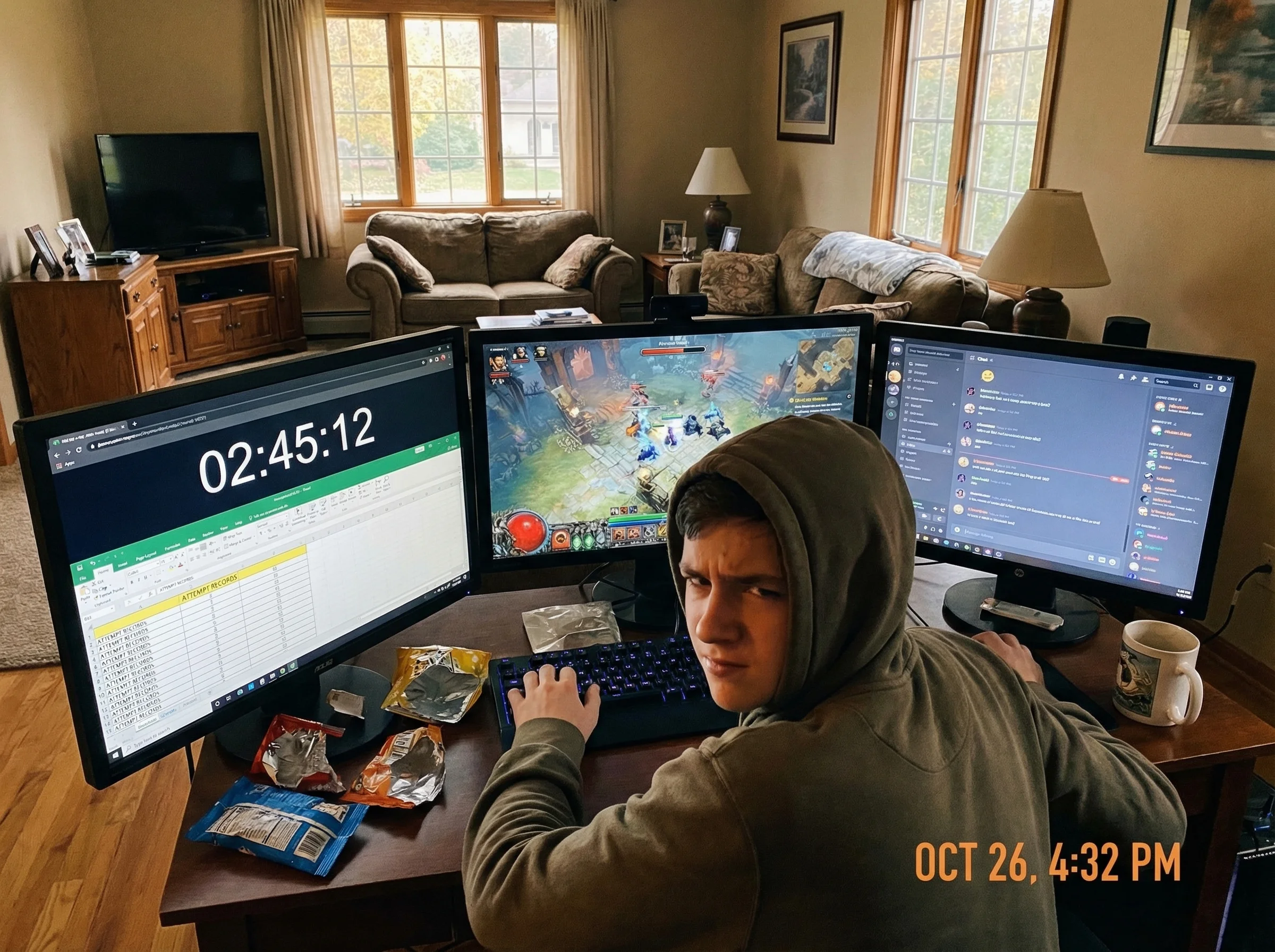
When your kid says they're "speedrunning," they're not just playing fast. They're:
- Studying every pixel of a game to find the optimal path
- Practicing the same 30-second section for hours to get it frame-perfect
- Joining a community that shares strategies and celebrates each other's victories
- Setting personal goals and systematically working to beat them
There are different types too. "Any%" means finishing as fast as possible by any means necessary. "100%" means collecting everything while still going fast. "Glitchless" means no exploits - pure skill. Your kid probably has strong opinions about which type is "real" speedrunning. Ask them. Watch their face light up.
 Attempt 48 finally landedPause, Play, Connect: Core Deck172 prompts that get a kid explaining the run they have watched a hundred times.$49 CAD • 90 cards • 18 reviewsShop the deck
How to Spot a Speedrunner in Your House
Not sure if your kid is into speedrunning? Here's what to look for:
They play the same section over and over. And I mean the SAME section. Like, the first 90 seconds of a level, repeatedly, for an entire Saturday. This is normal. They're practicing.
They watch more than they play. Speedrunning is weirdly social. They'll spend hours watching others attempt runs, studying techniques, celebrating world records they had nothing to do with. It's like watching SportsCenter, except the athletes are named things like "cheese05" and they're really good at Kirby games.
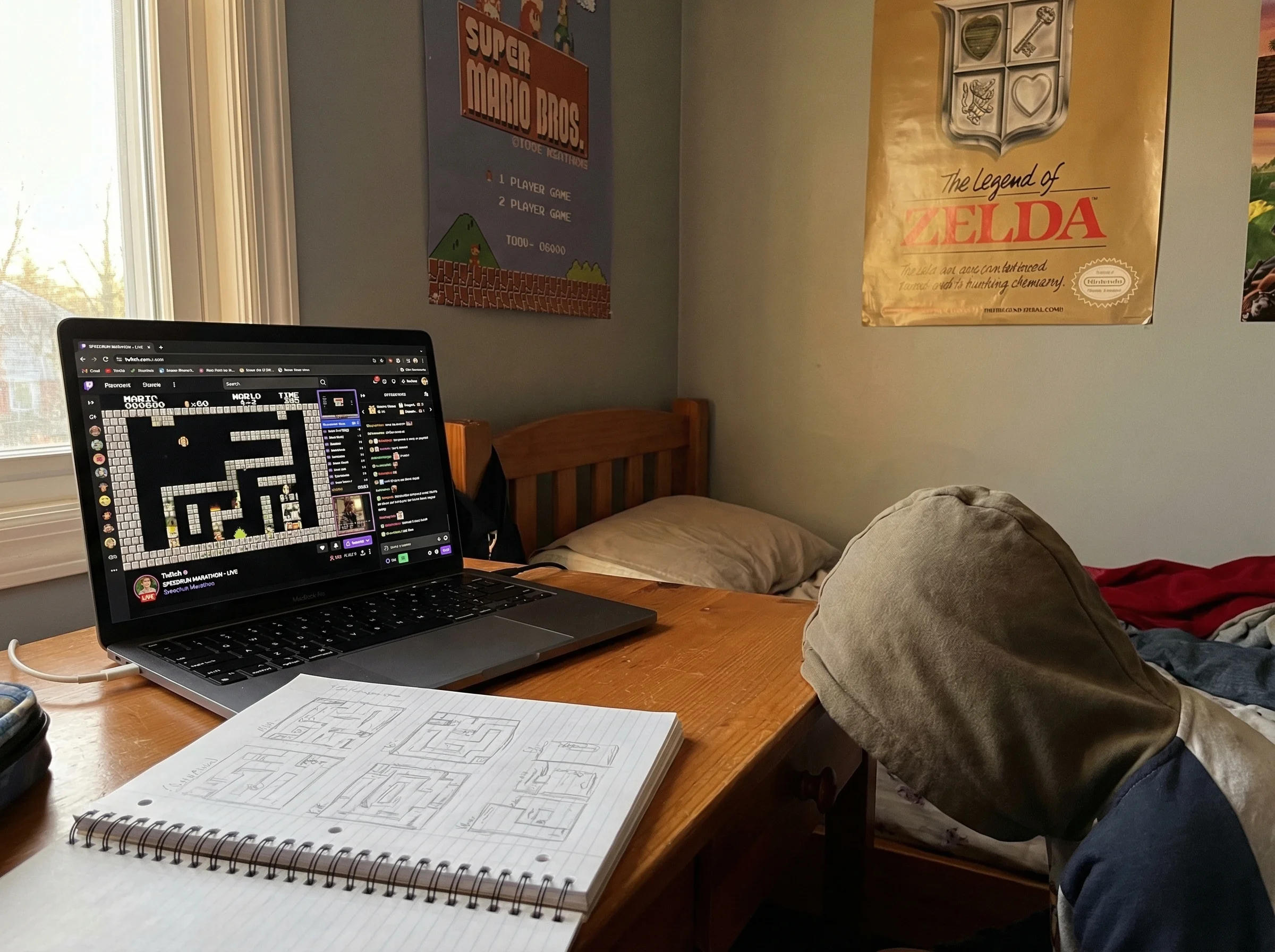
They speak in code. "I just got a new PB but my sum of best is still 4 seconds better because of bad RNG in 4-2." Translation: They beat their personal record but know they can do better because the game's randomness screwed them over in one section.
They get excited about failing differently. My son once yelled "YES!" after dying in Super Meat Boy. Why? He'd died two pixels further than his previous attempts. That's progress in speedrunning.
For the Speedrun Moment: Curiosity beats interruption. Keep a Pause, Play, Connect deck by the setup so a quick prompt is right there between attempts.
The Conversation Starters That Actually Work
The full set of starters is in our conversation cards for families with gamer kids.
I spent months asking my kids the wrong questions about speedrunning. "Why don't you play something new?" got me eye rolls. "Isn't that boring?" got me silence.
Here's what actually works:
"What's the coolest trick in that run?" This shows you recognize skill is involved. Your kid will probably show you some pixel-perfect jump or frame-perfect input that looks impossible. Be impressed. It is impossible for 99% of players.
"Is that a popular game to speedrun?" Some games are terrible for speedrunning (too much RNG, unskippable cutscenes). Others are perfect. Your kid knows the difference and has opinions.

"Who's the best speedrunner you follow?" They have favorites. These speedrunners are celebrities in their world. Ask what makes them special. Is it their consistency? Their innovation? Their personality while streaming?
"What's your best time?" If they speedrun, they know their PB (personal best) to the millisecond. If they're grinding for a new one, ask how close they're getting. Celebrate improvements measured in seconds.
One parent told me Yakety Pack's "What game would you speedrun in real life?" card led to a 30-minute discussion about optimization. Their kid explained how they'd speedrun getting ready for school - skipping unnecessary animations like making the bed, optimizing the route from bathroom to kitchen. Sometimes the right question unlocks everything.
 Two pixels further than beforePause, Play, Connect: Core Deck$49 CAD • 172 promptsSee the deck
When Speedrunning is Healthy (And When It's Not)
Let's be real about this. Spending six hours perfecting one jump in Mario can be dedication or obsession. Here's how to tell the difference:
Green flags:
- They're excited to share their progress
- They celebrate others' achievements in the community
- They can explain why they find it fun
- They take breaks (even if reluctantly)
- They're learning from failures, not just repeating them
Yellow flags:
- Getting genuinely angry at small mistakes
- Comparing themselves constantly to top runners
- Skipping meals to maintain a run
- Losing interest in everything except one specific speedrun
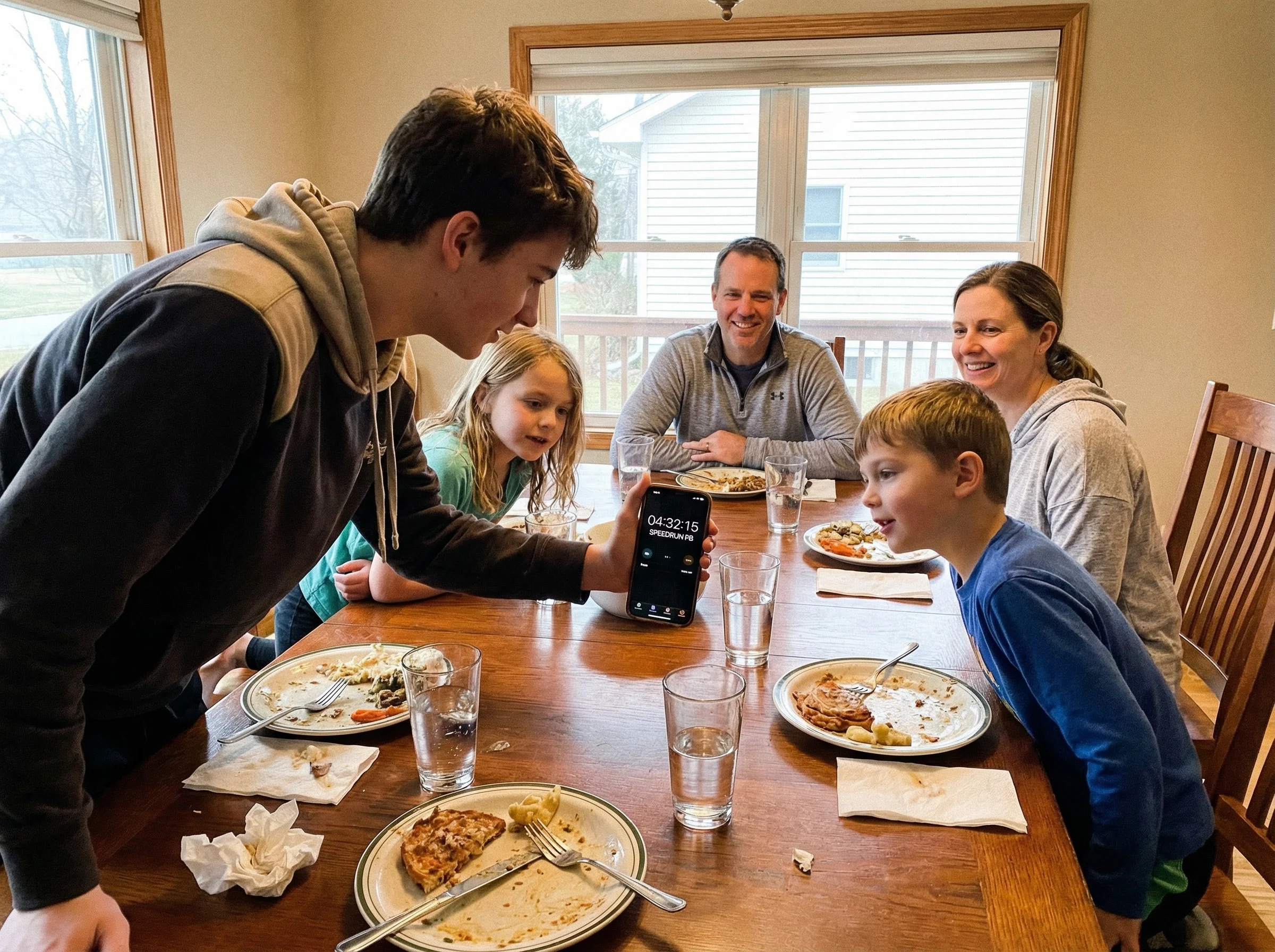
Red flags:
- Extreme rage at failures (breaking things, self-harm)
- Lying about time spent speedrunning
- Completely dropping real-world responsibilities
- Isolating from family and friends who "don't get it"
The solution isn't to ban speedrunning. It's to engage with it. When my daughter gets too frustrated with a trick, I ask her to teach it to me. Watching me fail spectacularly usually helps her remember it's supposed to be fun.
The Skills They're Actually Building
Here's what blew my mind: speedrunners develop legitimate, marketable skills. My neighbor's kid parlayed speedrunning into a game testing job because he could systematically break any game in ways developers never imagined.
They're learning:
- Systems thinking - Understanding how all parts of a game interact
- Video production - Many speedrunners edit highlight videos, stream, create tutorials
- Community building - Sharing knowledge, mentoring newcomers, organizing events
- Performance under pressure - Executing perfectly while hundreds watch
- Documentation - Creating guides, tracking improvements, analyzing data
The patience part kills me. These are kids who can't wait five minutes for dinner, but they'll spend five hours perfecting one trick. It's not about patience, really. It's about passion. They've found something worth being patient for.
For the Long Build: The best support is many small curious chats. A deck of Yakety Pack conversation cards near the setup makes those chats the default.
Your Next Steps as a Speedrun-Supportive Parent
You don't need to become a speedrunner. You just need to show you value what they value. Here's how:
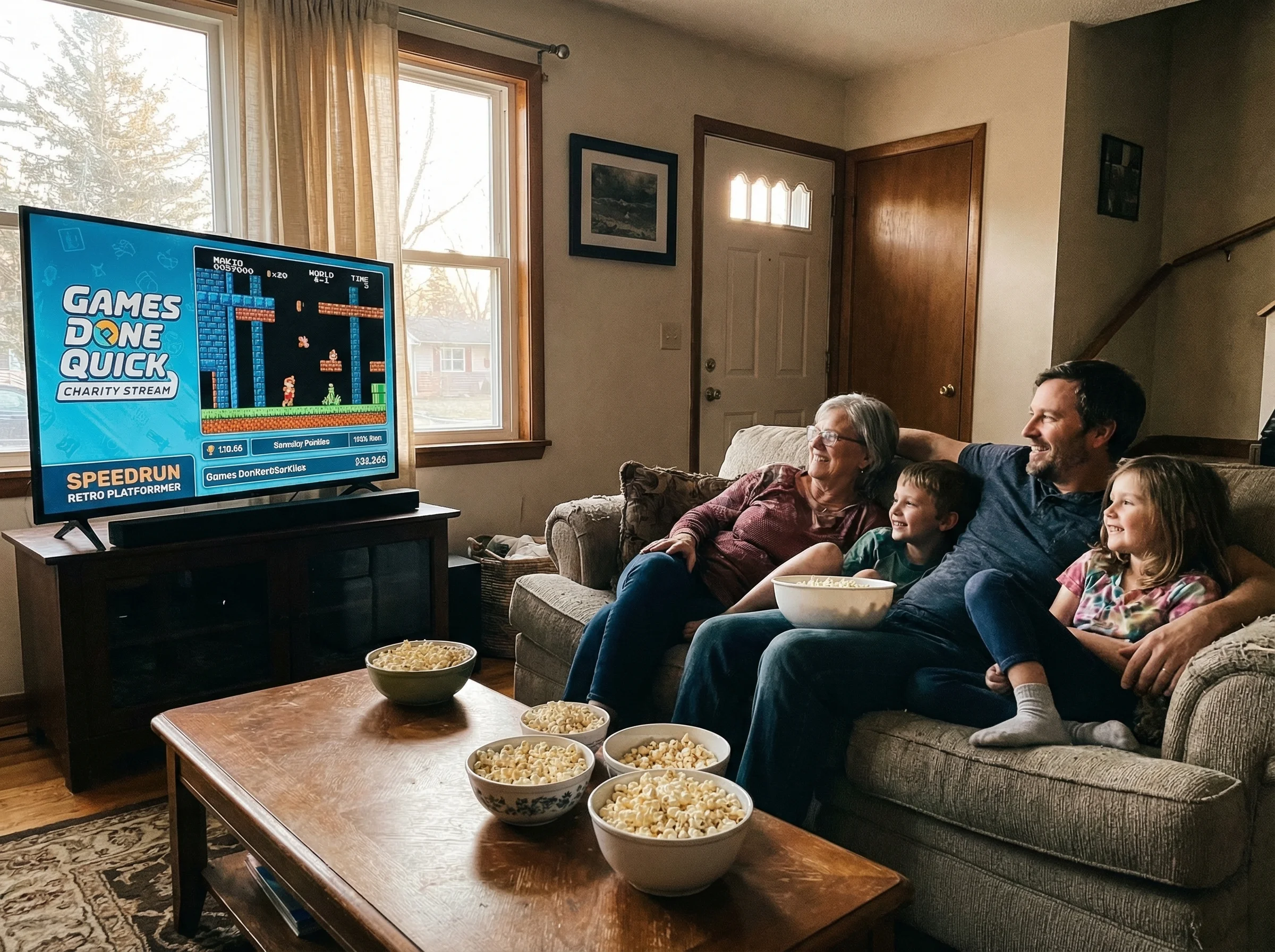
Watch one speedrun with them. Pick a short one - there are 10-minute speedruns that are just as impressive as 2-hour ones. Ask them to explain one cool moment. You don't need to understand everything.
Learn one term to use correctly. "PB" (personal best) is easy. When they mention playing a game, ask "Are you going for a PB?" Watch them realize you've been paying attention.
Check out Games Done Quick. It's a charity speedrunning marathon that happens twice a year. Speedrunners break games live to raise money for good causes. It's like the Olympics of speedrunning, and it shows the community at its best.
Respect the grind. When you see them playing the same section repeatedly, don't ask why. Ask how it's going. Ask if they're getting closer. Show interest in the process, not confusion about the repetition.
Stop trying to get them interested in "normal" gaming. Speedrunning IS normal gaming for this generation. The dedication they show to shaving seconds off a run is the same dedication athletes show in training. Respect it the same way.
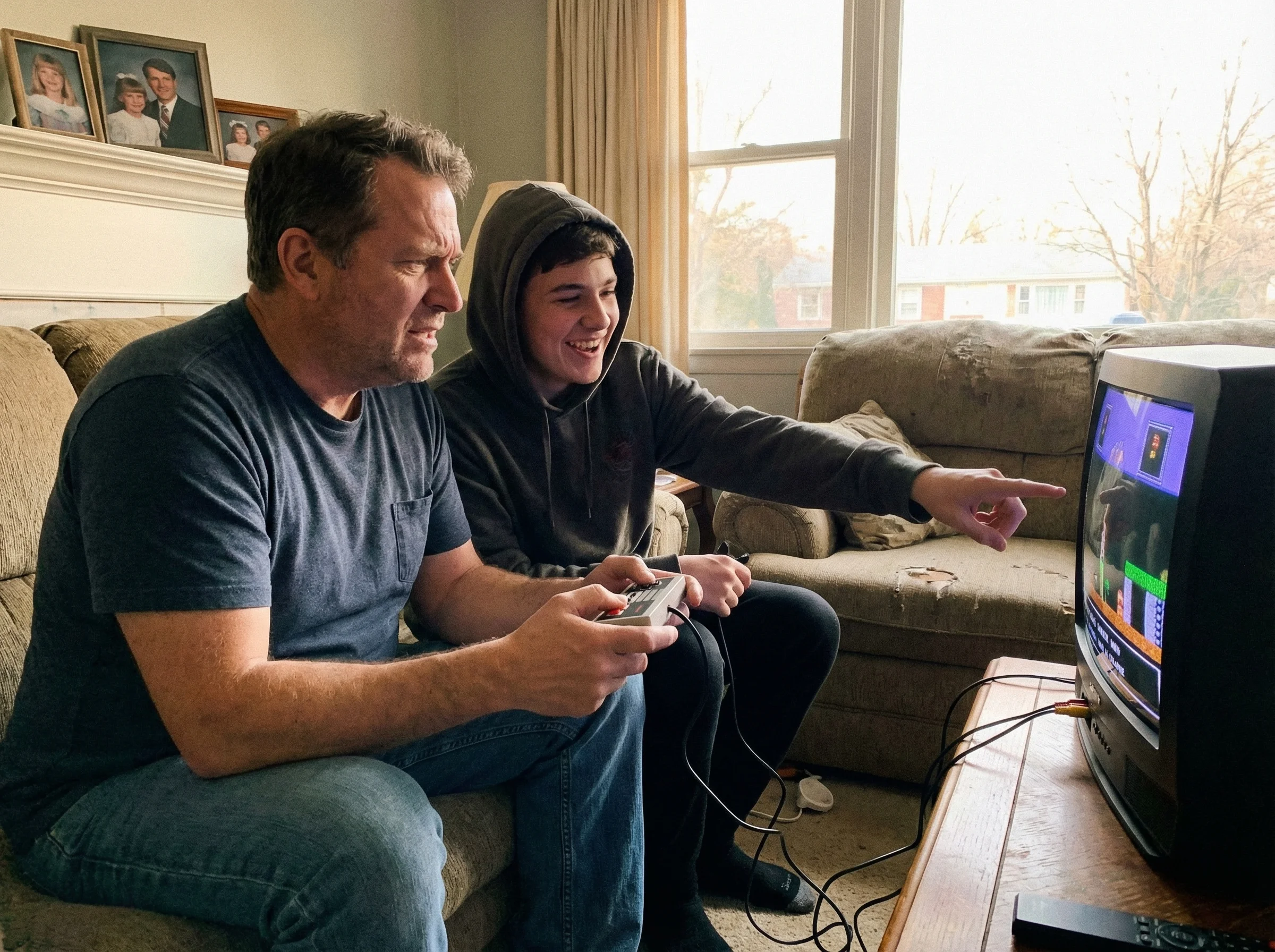
Your kid found something they're passionate about. Something that challenges them. Something that connects them to a global community of people who share their interest. In a world of endless scrolling and passive consumption, they chose active mastery.
That's not just impressive. That's incredible.
The next time your kid mentions they got a new PB, don't just nod. Ask them how much they beat it by. Ask them what made the difference. Show them you understand that three seconds isn't just three seconds - it's hours of practice, analysis, and determination finally paying off.
Because once you start seeing speedrunning through their eyes, you'll understand why they can't just "play something new." They're not done mastering this one yet. And honestly? That's the kind of dedication we should all hope our kids develop.
Even if it means watching them play the same level 1,000 times.
What the three seconds costPause, Play, Connect: Core Deck172 prompts that make room for the practice, the failures, and why this run matters.$49 CAD • 90 cards • 18 reviewsShop the deck
Related Articles
Looking for more? Check out these related articles:

