
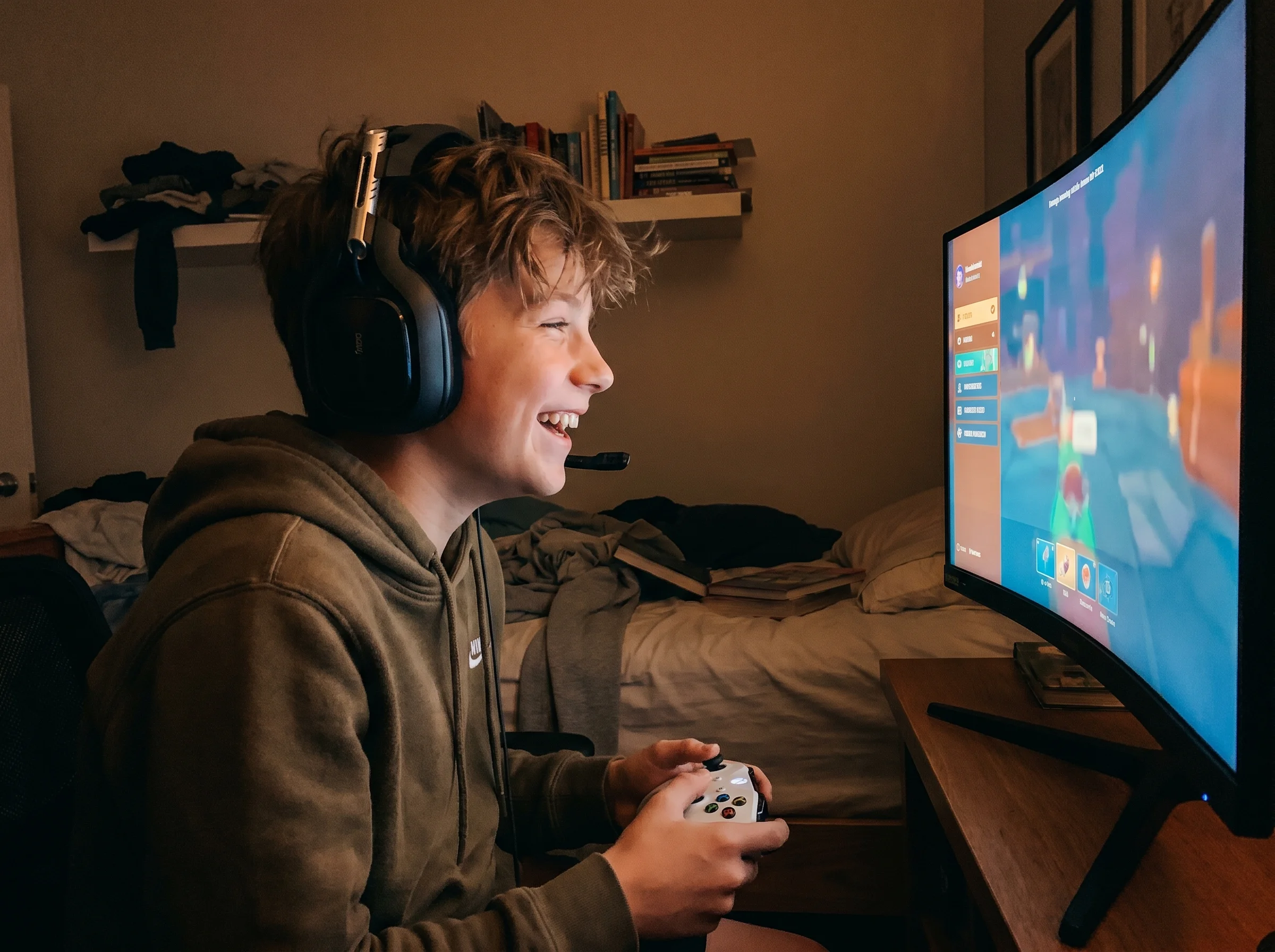
Last spring I overheard my 11-year-old yell "you're absolutely cooked, kid" into his headset and I almost ripped the controller out of his hands. I was sure it was something awful. Sexual, maybe. Drug-related, definitely. I had my parent face ready, the "we need to have a conversation" voice loaded up.
Turns out "cooked" means "you lost badly." That's it. That's the whole thing.
Meanwhile, the actually ugly stuff happening in his lobbies, the slurs, the "kys" jokes, the stuff he was hearing from strangers in voice chat? I was completely missing it. I was so busy clutching pearls over harmless trash talk that I had zero credibility left for the conversations that mattered. That's why I wanted to write this piece: toxic gaming slang explained for parents who want to tell the difference between noise and actual danger.
If you've ever stood outside your kid's bedroom trying to decode what you're hearing, let me save you the trip I took.
The Three Tiers of "Toxic" (And Why Lumping Them Together Backfires)
Most articles on gaming slang treat every weird word as equally alarming. That's how you end up with parents panicking about "noob" while their kid is hearing real slurs in a Call of Duty lobby.
Here's how I sort it now:
- Tier 1: Trash talk. Annoying, loud, sometimes mean, but it's the same energy as the dad on the sidelines of any youth sports game in America. Words like "cooked," "washed," "mid," "L," "ratio," "bot."
- Tier 2: Edgy parroting. Words and phrases your kid picked up from a streamer or a TikTok clip and is using without really understanding what they mean. "Based," "cope," "skill issue," and the one that actually matters, "kys."
- Tier 3: Genuinely harmful. Slurs, sexual language directed at people, targeted harassment, doxxing threats. This is the stuff that should actually stop the game.
Here's why this matters. When you respond to all three the same way, your kid learns that you can't tell the difference. And the second they think you can't tell the difference, they stop bringing you anything. Why would they? In their head, you're going to overreact no matter what they say.
That "cooked" moment cost me weeks of trust. My son still brings it up. "Remember when you thought 'cooked' meant something bad?" Yeah, buddy. I remember.
 Talking without a glossaryPause, Play, Connect: Core Deck172 prompts that start an ordinary conversation about what happens in their lobbies.$49 CAD • 90 cards • 18 reviewsShop the deck
Tier 1: The Trash Talk That Sounds Worse Than It Is
Let me run through the big ones with the actual meaning:
- Cooked / washed: You lost. Badly. "He's washed" = he's not good anymore.
- Mid: Mediocre. "That skin is mid."
- L / ratio: "L" is a loss, "ratio" comes from Twitter and basically means "you got dunked on in the replies." Together they're a dismissive jab.
- Bot: Calling someone a bot means they're playing so badly they might as well be a computer. It's the modern "scrub."
- Diff: Short for "difference," as in "skill diff," meaning the gap in skill was the whole reason you won or lost.
- Get clapped: Got beaten badly.
- Touch grass: "Go outside, you've been gaming too long." Kids say this to each other, ironically, while gaming.
Here's the thing I had to swallow. I called my buddies "hacks" and "scrubs" on the basketball court in 1995. My dad called his friends worse in his bowling league. Trash talk between friends is one of the oldest forms of male bonding on Earth, and gaming didn't invent it.
When does Tier 1 become a problem? When it stops being playful and starts being targeted. Volume matters. Tone matters. If your kid is the one always being "cooked" and never doing the cooking, that's worth a conversation, not because the word is bad but because something else might be going on.
Otherwise? Let most of this go. You'll thank yourself later.
Tier 2: The Edgy Stuff Kids Are Parroting From Streamers
This is the murky middle, and it's where most parents either over- or underreact.
- Based: Originally meant "unapologetically yourself." Now it's basically meaningless. Kids say it the way we said "cool."
- Cope / seethe: Telling someone they're mad about losing. Annoying but not dangerous.
- Skill issue: "Your problem is that you're bad." Dismissive trash talk.
- Rent free: "You're so obsessed with me I live in your head rent free." Pulled from internet beefs.
- Unalive: TikTok workaround for "kill" or "suicide" because the algorithm punishes those words. Kids use it casually now.
- Kys: This one matters. It stands for "kill yourself."
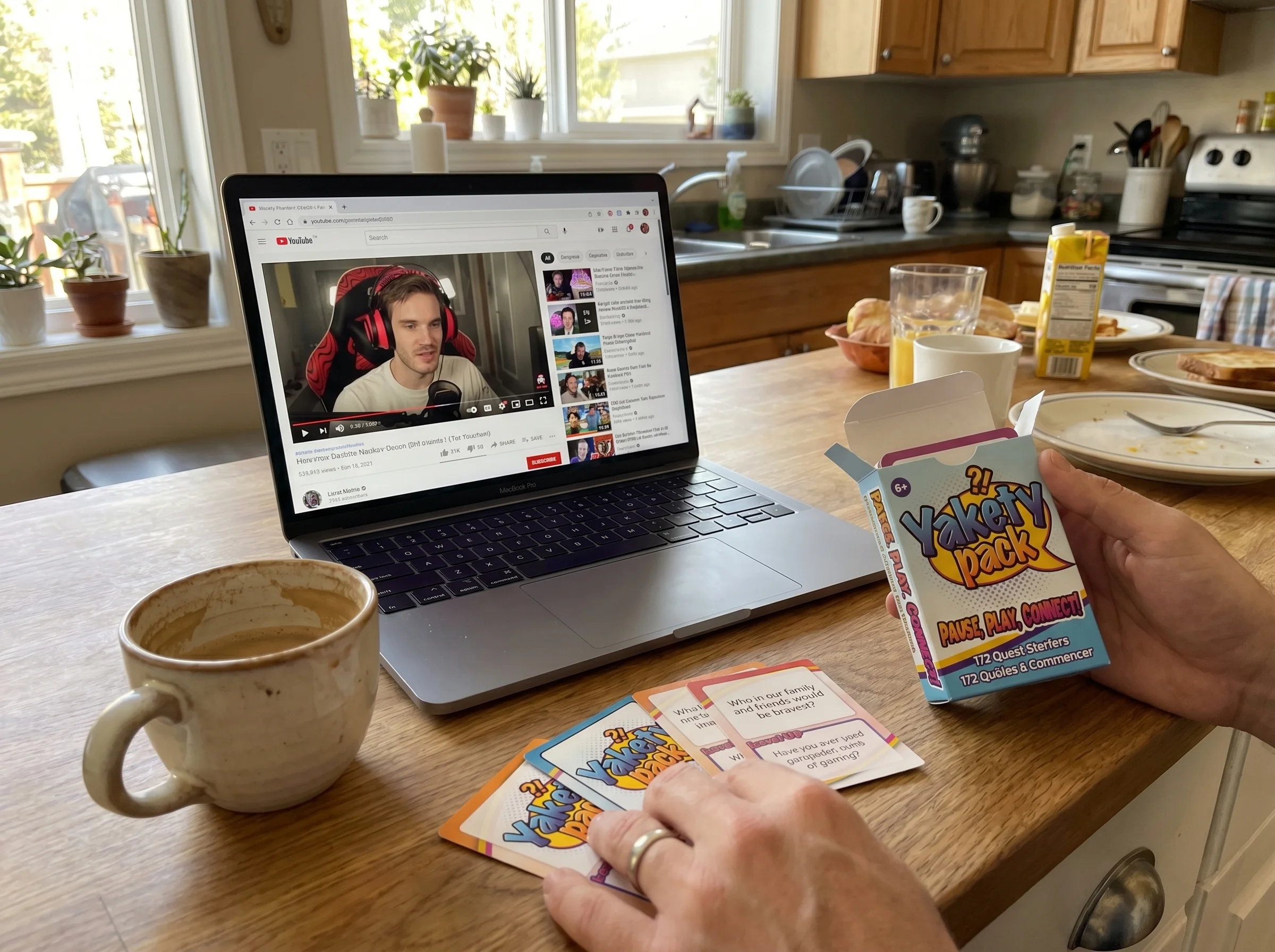
I asked my son to explain "based" to me. He tried four different times. By the fourth try he said, "I don't actually know, Dad, people just say it." That's most of Tier 2. Kids hear it from a streamer they like, it sounds older and cooler, they start saying it.
But "kys" is the one I'd flag specifically. Kids will tell you "everyone says it ironically." That's mostly true. It's also still telling someone to kill themselves. According to the American Academy of Pediatrics, the way kids absorb language from media affects how they understand the weight of words long before they understand the meaning. The conversation I had with my son wasn't "you're a monster," it was "I get that nobody means it. Here's why we still don't say that one. Words like that land different when the person on the other end is having a bad day, and you have no idea what their day looks like." He got it. He didn't love it, but he got it.
Naming the source helps. When I started watching clips of the streamers my son watched, I understood where 80% of his vocabulary came from. You don't have to love these creators. You just have to know they exist.
Tier 3: Toxic Gaming Slang Explained for Parents: The Stuff That Should Actually Stop the Game
I'm not going to write a glossary here because I don't want this article to become a how-to. But you know what these are:
- Racial slurs, homophobic slurs, ableist slurs.
- Sexual language directed at another player, especially anything aimed at someone who sounds young or female.
- Doxxing threats ("I know where you live"), even when said as a joke.
- Coordinated harassment, where a group ganged up on one player in chat.
The "it's just a joke" defense is the one you'll hear. Don't accept it, but don't blow up the whole house over it either. The conversation is: "I don't care if you meant it. I care that you said it. Here's why those words have weight you don't get to opt out of."
The bigger thing to watch for in Tier 3 is what your kid is hearing versus what they're saying. If a stranger in a public lobby is using sexual language toward your kid, that's not a slang problem. That's a safety problem. Different conversation, different response. Possibly a report to the platform, possibly pulling the plug on public lobbies entirely. The Anti-Defamation League's research on online harassment in games is worth a read if you want to see how common this stuff really is.

Why Your Kid Says Stuff They'd Never Say at Dinner
This used to baffle me. My son is a sweet kid. He holds doors open. He says "ma'am." And then he gets on Fortnite and turns into a feral creature for three hours.
Here's what I finally understood. Kids code-switch. They have a school self, a dinner-table self, a gym self, and a lobby self. The lobby self is the loudest because the peer pressure in a voice chat is more intense than in a hallway at school. You can mute someone but you can't really "leave." You're stuck in there together, and the social currency is being funny, sharp, and not flinching at what anyone else says.
That doesn't make the lobby self okay when it leaks out. But understanding it means you stop asking "why would you say that" and start asking better questions.
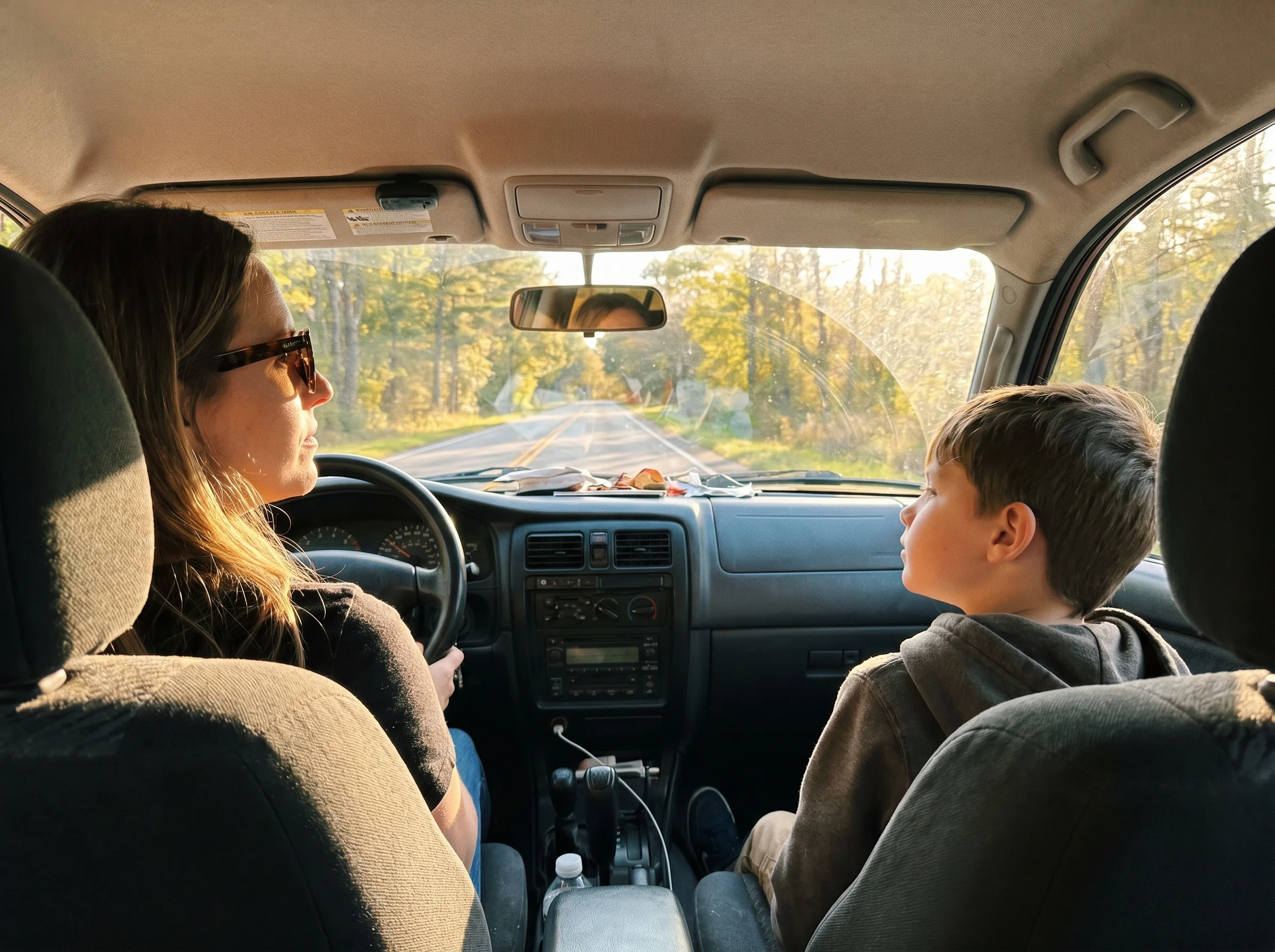
The best conversation I had about a sketchy word my son used happened three days after I heard him say it. Not in the moment. Three days later, casually, in the car. "Hey, where'd you pick up [word]?" And because it wasn't a trial, he actually answered. A streamer. His friend Jacob says it. He didn't know what it meant.
In the moment is for fires. Days later is for conversations.
 When nobody is in troublePause, Play, Connect: Core Deck$49 CAD • 172 promptsSee the deck
What to Actually Say (Scripts That Don't Make Them Shut Down)
Here's what I've found works, by tier.
For Tier 1 trash talk: Mostly, let it go. If the volume or meanness is too much, address the behavior, not the words. "I don't care that you said 'bot.' I care that you screamed it for ten minutes straight at midnight."
For Tier 2 edgy stuff:
- "I heard a word I didn't know. Help me understand it."
- "Where'd you hear that first? Is that a [streamer name] thing?"
- "What does it mean when you say it? What does it mean when someone else says it?"
That last question is the one that opens doors. Kids actually love being the expert. Let them teach you.
For Tier 3 harmful language:
- "I'm not mad. I want to understand what happened in that lobby."
- "Was that aimed at you, or did you hear it happen to someone else, or did you say it?"
- "What did the other people in the lobby do?"
What NOT to say: "I was listening to you play." The second your kid feels surveilled, the door slams. You can absolutely have been listening. You just don't lead with it.
One of the cards in our Yakety Pack deck asks kids about the worst thing they've ever heard online. I'll be honest, that card has opened more real conversations in my house than anything I ever did cold. It works because the question comes from a game, not from a parent who looks worried. The kid gets to be the one with the story. You get to be the one who listens.
When to Worry, When to Wait, and When to Get Help
Most of what you'll hear is noise. Here's when noise becomes a signal:
- Your kid's mood changes after gaming. Quiet, withdrawn, angry coming off the headset.
- They get cagey about who they're playing with. Won't say names, changes the subject.
- Specific kids they used to play with are suddenly off the friends list, with no explanation.
- They're staying up later and later, like they can't step away.
- Real-world friendships are getting hurt by stuff that happened in-game.

That's when it's past slang. That's bullying, harassment, or something worse, and that's when you bring in a school counselor or a therapist. The StopBullying.gov guide on cyberbullying has solid plain-language steps if you're not sure where to start. Don't go it alone on that one.
The rest of the time? Your kid is going to hear ugly stuff. That's unavoidable. The win isn't shielding them from all of it. The win is being the parent they actually tell when something lands wrong.
I'd rather my son know I can tell the difference between "cooked" and a slur than pretend the whole world he lives in doesn't exist. That's the credibility I almost burned. It's the credibility you still have time to build.
The goal was never to be a slang cop. It was to be the parent who understands enough about the room to be trusted with what happens in it. That's still the goal.

From this article
Pause, Play, Connect: Core Deck
Credibility beats decoding: Sorting the tiers saves you from burning trust on a false alarm, and that trust is what gets you told about the real stuff. A card question from the Pause, Play, Connect Core Deck opens that door without the worried-parent face.

