
Last week, my 13-year-old looked at me serving the same Tuesday night tacos I've made for three years and said, "Dad, you're such an NPC." If you're confused about what does NPC mean kids say nowadays, you're not alone. Instead of getting mad about being compared to a video game character, I asked him to explain. What followed changed how I think about the way gaming shapes how our kids see the world.
If you're wondering what your kid means when they call someone an NPC, you're not alone. I've had this conversation with dozens of parents who heard the term and immediately assumed their kid was being disrespectful. But here's what I learned: understanding this term opened doors to conversations I never expected to have with my son about conformity, authenticity, and what it means to think for yourself.
What NPC Actually Means (And Why Your Kid Isn't Just Being Mean)
The bigger frame is in our parent guide to gaming culture.
NPC stands for Non-Player Character. In video games, these are the characters controlled by the game itself, not by real people. Think of the villagers in Minecraft who wander around saying "Hrmm" and trading emeralds for bread. Or the storm troopers in Fortnite who follow predictable patterns and never surprise you. In Roblox, they're the shopkeepers who repeat the same lines no matter how many times you talk to them.
My son explained it to me using his favorite game as an example. "Dad, you know how in Skyrim, every guard says 'I used to be an adventurer like you, then I took an arrow to the knee'? That's peak NPC behavior. They all say the same thing, every time, no matter what."
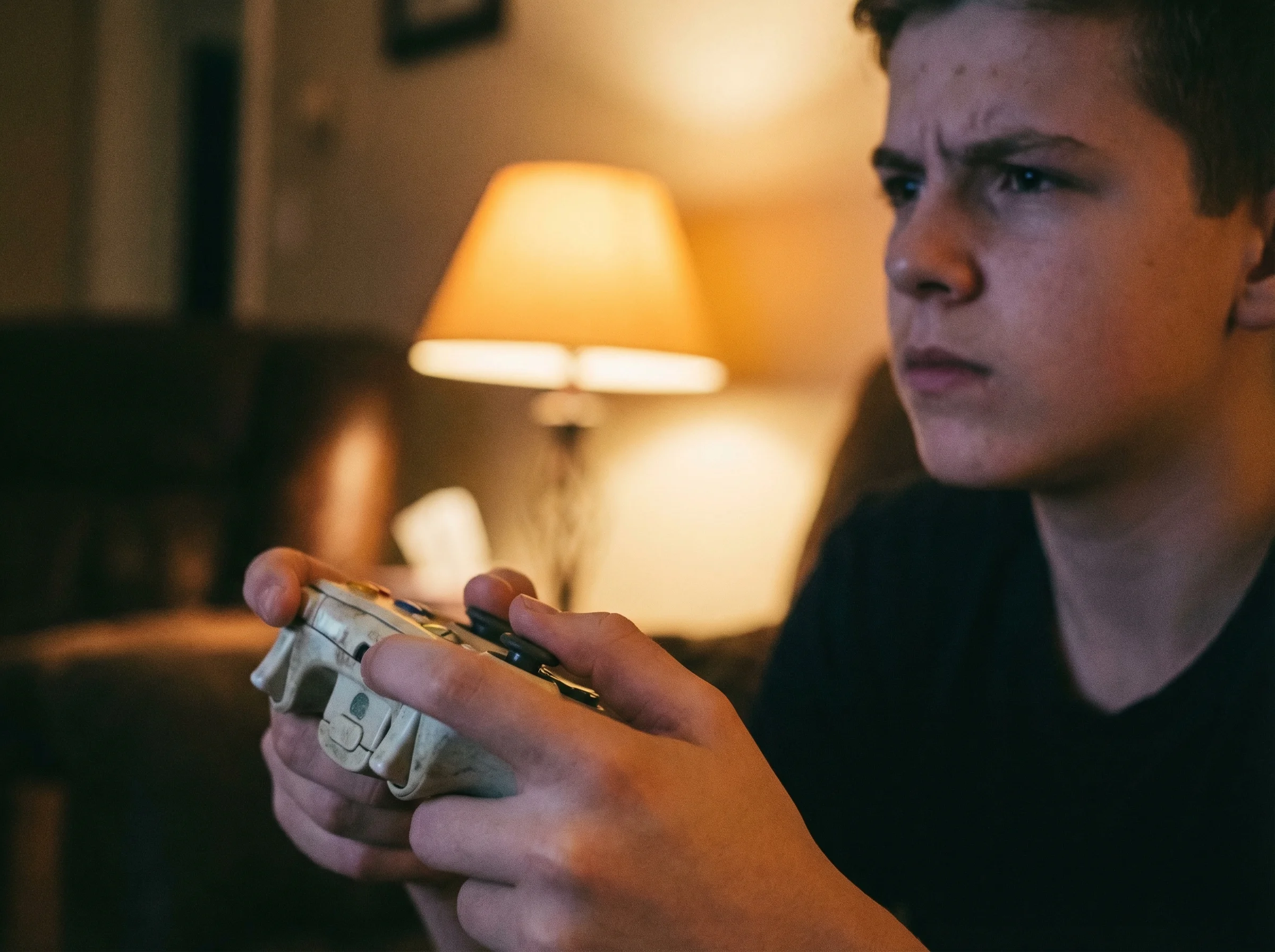
Kids find this comparison funny because they've spent hundreds of hours interacting with these predictable characters. When they see someone in real life following a script - whether it's a teacher saying "the bell doesn't dismiss you, I do" or a parent asking "how was school?" every single day at 3:15 PM - they recognize the pattern.
The key insight? They're not calling you stupid. They're noticing predictability.
 When the slang needs translatingPause, Play, Connect: Core Deck172 prompts that turn a word you had to look up into a conversation worth having.$49 CAD • 90 cards • 18 reviewsShop the deck
From Gaming Term to Playground Slang: How NPC Evolved
The journey from gaming terminology to everyday slang tells us a lot about how our kids process the world. It started in gaming forums and Twitch streams, where players would joke about "NPC behavior" when someone did something predictable or followed the crowd without thinking.
Then TikTok got hold of it. Suddenly, there were viral videos of people acting like NPCs - repeating phrases, moving robotically, following simple patterns. Streamers started doing "NPC streams" where they'd only respond to specific triggers, like a character in a game. My daughter showed me one where the streamer only moved when someone donated, just like how game NPCs only activate when you approach them.
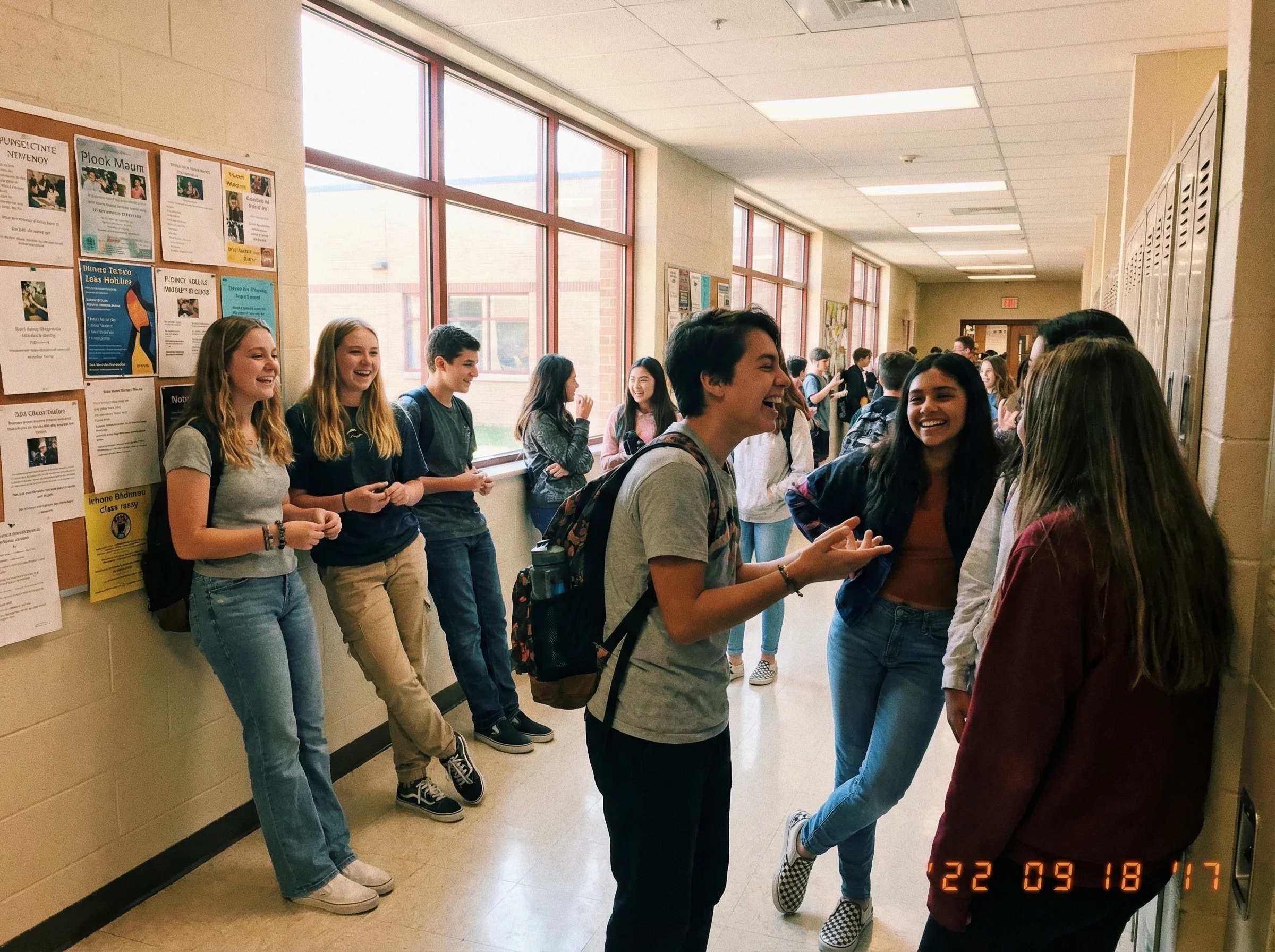
By the time it hit middle school hallways, "NPC" had evolved into shorthand for anyone who seemed to be running on autopilot. The kid who always sits in the same spot. The one who laughs at every joke whether it's funny or not. The parent who says "because I said so" without explanation.
Here's what matters: most of the time, kids use it playfully. It's more observation than insult. They're pattern-spotters, trained by years of gaming to notice when someone's following a script.
When Your Kid Calls You an NPC (It's Not Always an Insult)
Back to taco night. When my son called me an NPC, my first instinct was to get defensive. But instead, I asked, "What would a main character do differently?"
He thought for a moment. "Well, a main character would probably try something new. Like, maybe tacos on a Monday? Or pizza on a Tuesday? Something unexpected."
That's when it clicked. He wasn't criticizing the tacos (he actually loves them). He was noticing that I'd fallen into a routine so predictable, I'd become like those Minecraft villagers going about their programmed day.
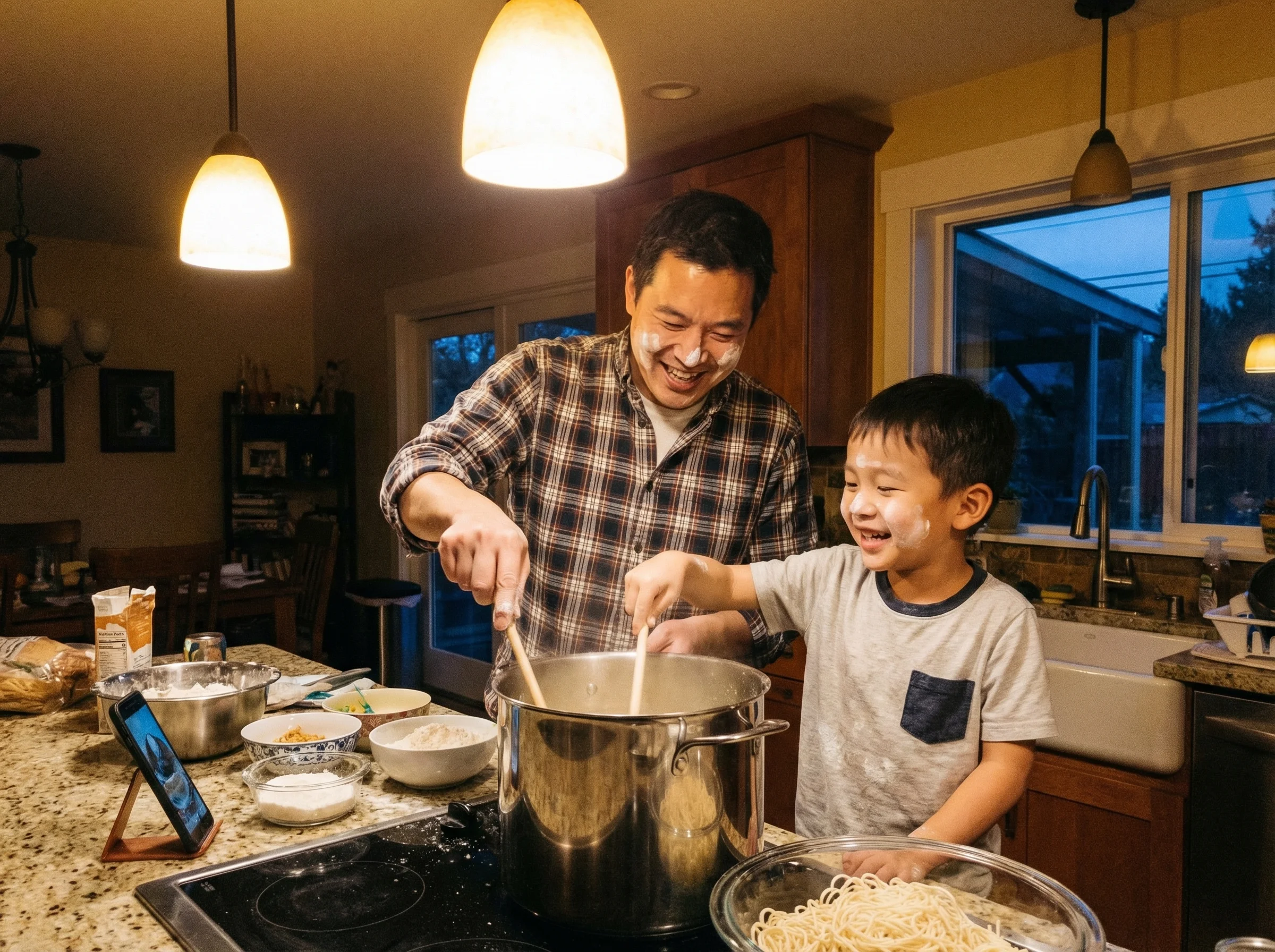
So I asked him, "Want to help me break the script? You pick next Tuesday's dinner."
His eyes lit up. We ended up making homemade ramen together, badly, while he explained the difference between NPCs and "boss characters" in his games. I learned that boss characters have phases - they change their behavior based on what's happening. "That's what you're doing now, Dad. You entered phase two."
 Ask about their main characterPause, Play, Connect: Core Deck$49 CAD • 172 promptsSee the deck
The Deeper Conversation: What NPC Culture Reveals About Your Kid
When kids use NPC as an insult or observation, they're often expressing something deeper about their values. They prize authenticity, original thinking, and breaking patterns. This is especially true in middle school, where the pressure to conform is intense.
My son once came home and said, "Everyone at school is such an NPC. They all wear the same clothes, like the same music, say the same things."
Instead of dismissing it as teen angst, I asked, "What makes you feel like a main character?"
That led to a conversation about how gaming teaches you that main characters make choices, take risks, and drive the story forward. NPCs just exist in the world. He was really talking about his fear of blending in, of losing himself in the crowd.
We talked about times when being predictable is actually good (like how he counts on me to pick him up from practice) and times when breaking the pattern matters (like standing up for someone when everyone else stays quiet).
When to Worry (And When to Just Roll With It)
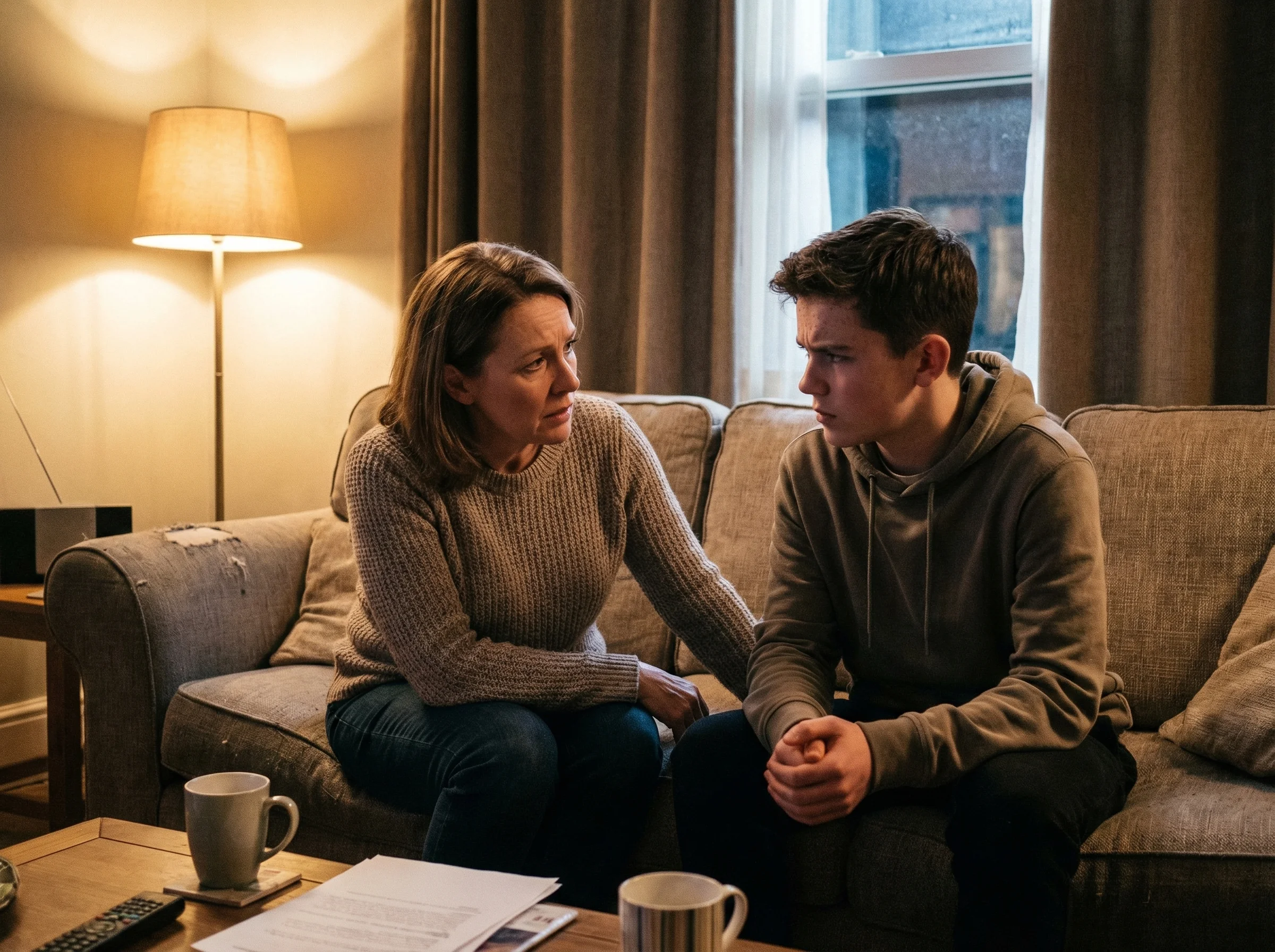
Not all NPC talk is harmless. Here's when to pay attention:
Red flags:
- Using it to consistently dehumanize specific people
- Refusing to see others as complex individuals
- Expressing that nothing they do matters because "everyone's an NPC anyway"
Normal usage:
- Joking with friends about predictable behavior
- Describing boring, repetitive situations
- Using it about themselves when feeling stuck in routine
My son sometimes says he feels like an NPC when school gets repetitive. "Just going through the same quests every day, Dad. Math, English, Science, repeat." That's not depression - it's boredom and a desire for something meaningful. We use those moments to talk about finding "side quests" that make the daily grind more interesting.
For the Slang Moment: A curiosity card beats a defensive question. Keep the Pause, Play, Connect deck nearby so a soft prompt is ready when your kid drops slang.
Turning NPC Moments into Real Conversations
The full set of starters is in our conversation cards for families with gamer kids.
The best part about understanding gaming language? You can use it to connect. Here are questions that have worked for me:
"What game has your favorite NPCs and why?" This got my son talking about how some NPCs in his games have surprising depth if you pay attention. We related it to how people who seem boring on the surface might have interesting stories.
"If our family was a game, who would be the main character?" Turns out, he thinks his little sister is the main character because "she's always starting new storylines." He sees himself as "the tutorial character who explains things." That led to talking about different types of leadership.
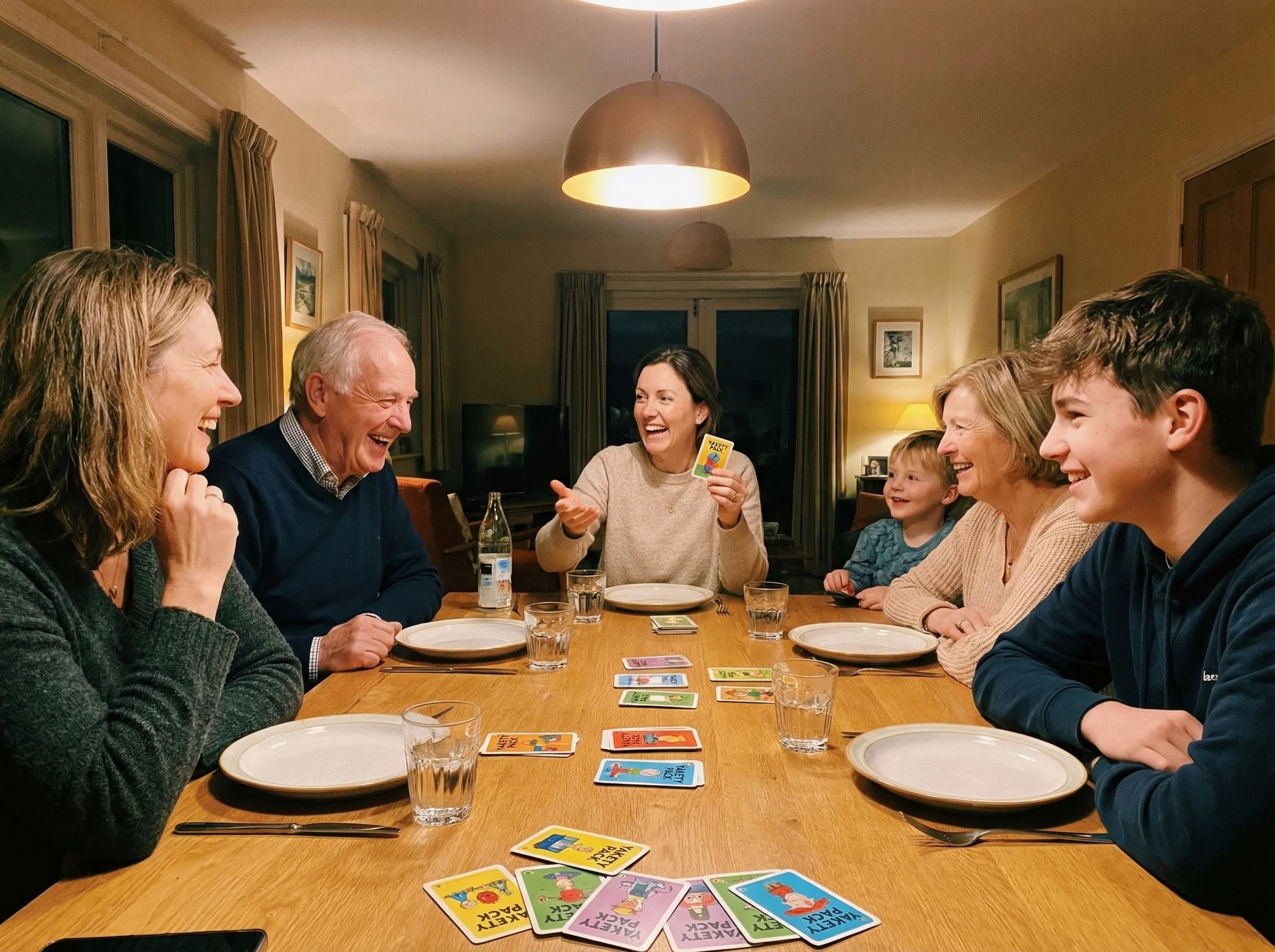
"What makes someone act like a real person versus an NPC to you?" His answer surprised me: "When they actually listen and respond to what you said, not just wait for their turn to say their thing."
One of our Yakety Pack cards asks, "If you could reprogram any character in your favorite game, who and how?" My son said he'd make the NPCs in Minecraft able to learn and remember things. "Like, if I save their village, they should remember and treat me differently." That sparked a discussion about gratitude and how our actions affect others.
For the Long Build: Slang chats land when the deck is on the table. A deck of Yakety Pack conversation cards at dinner makes these talks routine.
The Plot Twist: When Being an NPC Is Actually Good
Here's something the internet doesn't tell you: sometimes kids need NPC-mode parents. They need the predictability, the consistency, the knowledge that some things don't change.
A few months after the taco incident, I was tucking my son in (yes, he still lets me sometimes), and he said, "Dad, I'm glad you're an NPC about bedtime."
I asked what he meant.
"You always do the same thing. Come in, ask about my day, tell me you're proud of me, say goodnight. Even when I'm being a jerk. It's like... reliable."
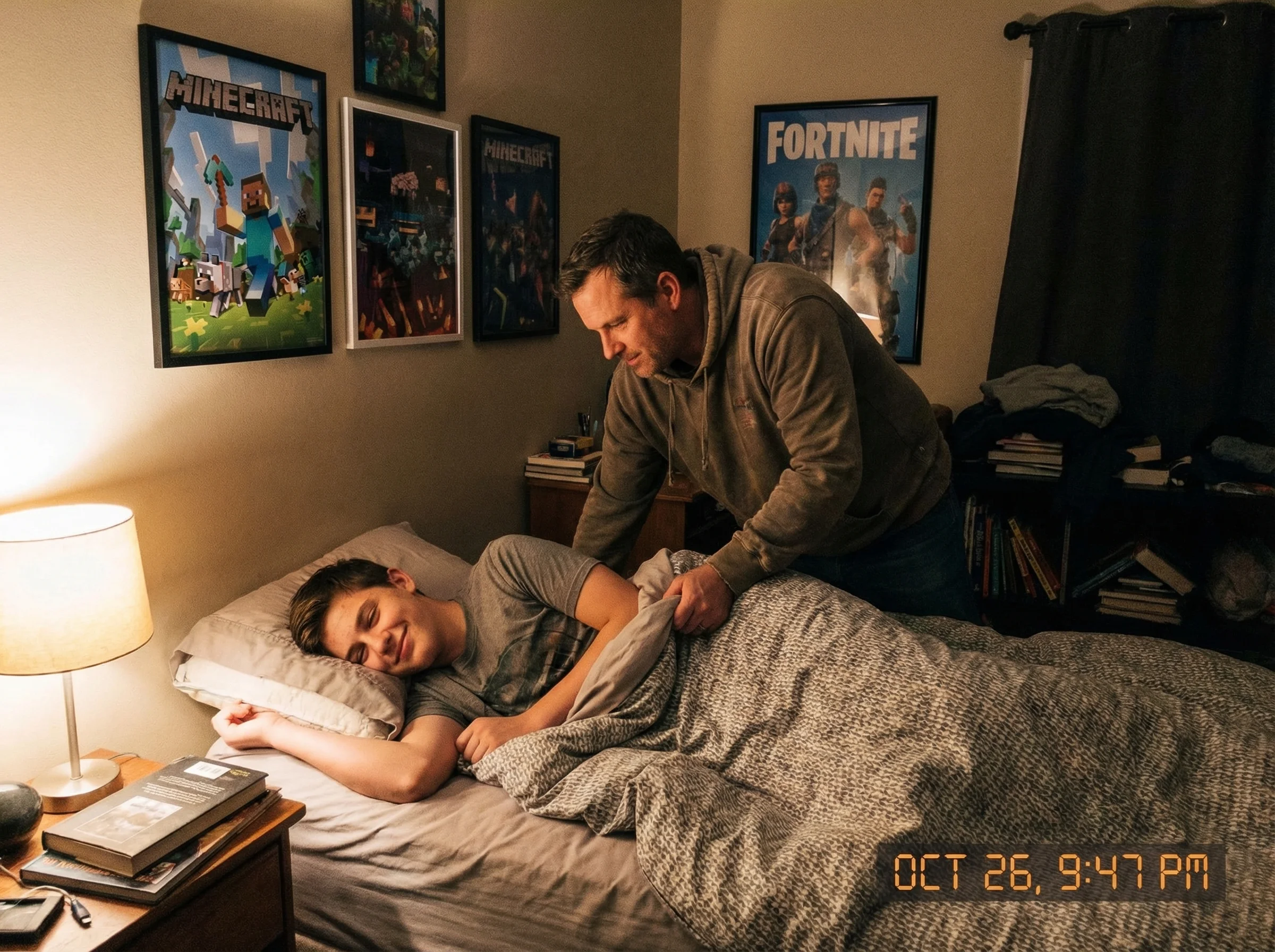
That's when I realized being an NPC isn't always bad. Sometimes it means being the constant in their chaotic world. The shopkeeper who's always there. The guard who always protects the town. The parent who shows up, predictably, boringly, reliably.
The trick is knowing when to run the script and when to surprise them with your humanity.
Last week, I made tacos on a Monday. My son noticed immediately. "Dad broke his programming!" he announced to the family. But you know what? This Tuesday, I might just make them again. Because sometimes being an NPC parent - predictable, stable, always there - is exactly what they need. And sometimes, breaking the pattern shows them that even NPCs can surprise you.
Want to explore more gaming conversations with your kids? Next time they call something "NPC behavior," try asking them to design a better quest line for that situation. You might be surprised where the conversation leads.
Slang is an openingPause, Play, Connect: Core Deck172 prompts that meet a kid in the games and the words they already use.$49 CAD • 90 cards • 18 reviewsShop the deck
Related Articles
Looking for more? Check out these related articles:

