
Last week, my 11-year-old son gave me a 20-minute tour of his Minecraft world, and I finally understood the sandbox game meaning for parents: our kids aren't just playing, they're world-building. Not a game. Not a level. A world he'd been building for six months. Complete with a working train system, a museum of "ancient artifacts" (dirt blocks from when he started), and a neighborhood where each house was designed for a specific friend based on their favorite colors.
That's when it hit me. This wasn't gaming. This was architecture, urban planning, and storytelling rolled into one. And I'd been missing it for years because I kept asking the wrong questions.
What Sandbox Games Actually Are (Hint: Not What You Think)
For the bigger frame, see our parent guide to gaming culture.
Here's what most parents think sandbox games are: time-wasting digital toys where kids mindlessly stack blocks. Here's what they actually are: creative platforms where your kid becomes god of their own universe.
When my daughter says she's "working on her world," she means it. She's not playing Minecraft. She's managing a virtual city with infrastructure problems, zoning decisions, and aesthetic choices. Last month, she spent three hours redesigning her road system because "the old one didn't flow right."
The term "sandbox" comes from the idea of a literal sandbox. Give a kid sand and some tools, and they'll create whatever they imagine. No rules, no goals set by someone else, no "right" way to play. Digital sandbox games work the same way. The game provides the tools and physics. Your kid provides everything else.
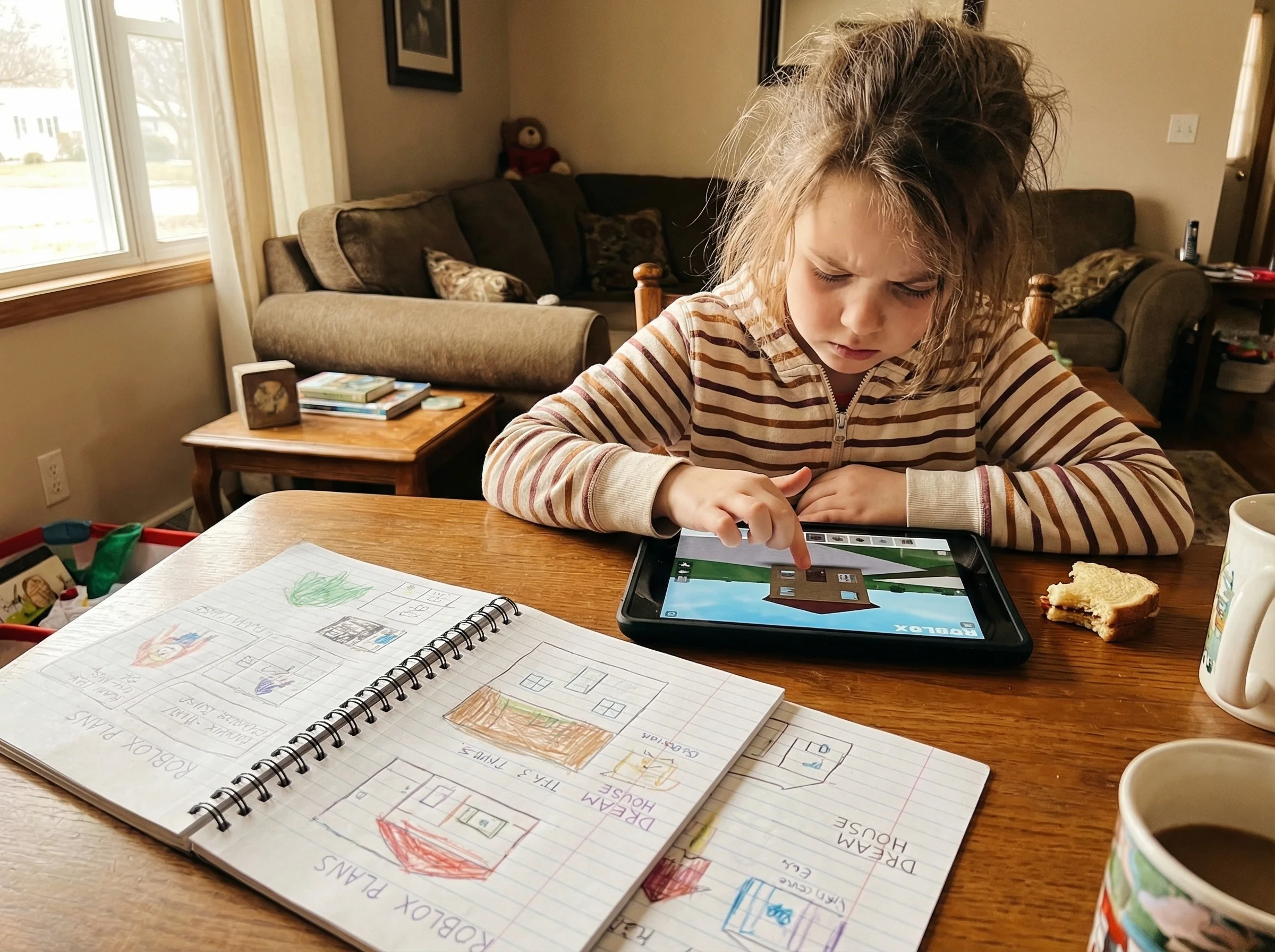
What blew my mind was discovering my daughter's Roblox game had an actual business model. She'd created a pet adoption center where players could buy virtual pets with in-game currency. She was tracking daily users, adjusting prices based on demand, and reinvesting profits into new features. She's 13.
 The museum of dirt blocksPause, Play, Connect: Core Deck172 prompts that keep a world tour going past the first three rooms.$49 CAD • 90 cards • 18 reviewsShop the deck
The Big Three: Minecraft, Roblox, and Everything Else
Not all sandbox games are created equal, and understanding the differences helps you connect with what your kid loves.
Minecraft is the gateway drug of sandbox games. It's infinite digital Legos with survival elements thrown in. Creative mode lets kids build without limits. Survival mode adds resource management and monsters. My youngest explained it perfectly: "Creative is when I want to build something amazing. Survival is when I want to earn it."
Roblox isn't actually a game. It's millions of games created by users, many of them kids. Think of it as YouTube for games. Your kid might be playing someone else's creation, or they might be building their own. The day my son casually mentioned he had "47 people playing his obby" (obstacle course), I realized he wasn't just playing games. He was publishing them.
Terraria is like Minecraft's intense cousin. More combat, more complexity, but the same build-anything spirit. Kids often graduate to this when they want more challenge. My nephew describes it as "Minecraft if it was an actual adventure game."
Then there's Garry's Mod, popular with older kids who want to break physics and create chaos in controlled environments. And yes, Grand Theft Auto has sandbox elements, but let's be clear - that's a sandbox filled with content absolutely not meant for kids.
Why Kids Get Lost for Hours (And Why That Might Be Okay)
I used to panic when my kids played Minecraft for three hours straight. Then I remembered spending entire Saturdays building elaborate fort systems in the woods behind our house. Same impulse, different medium.
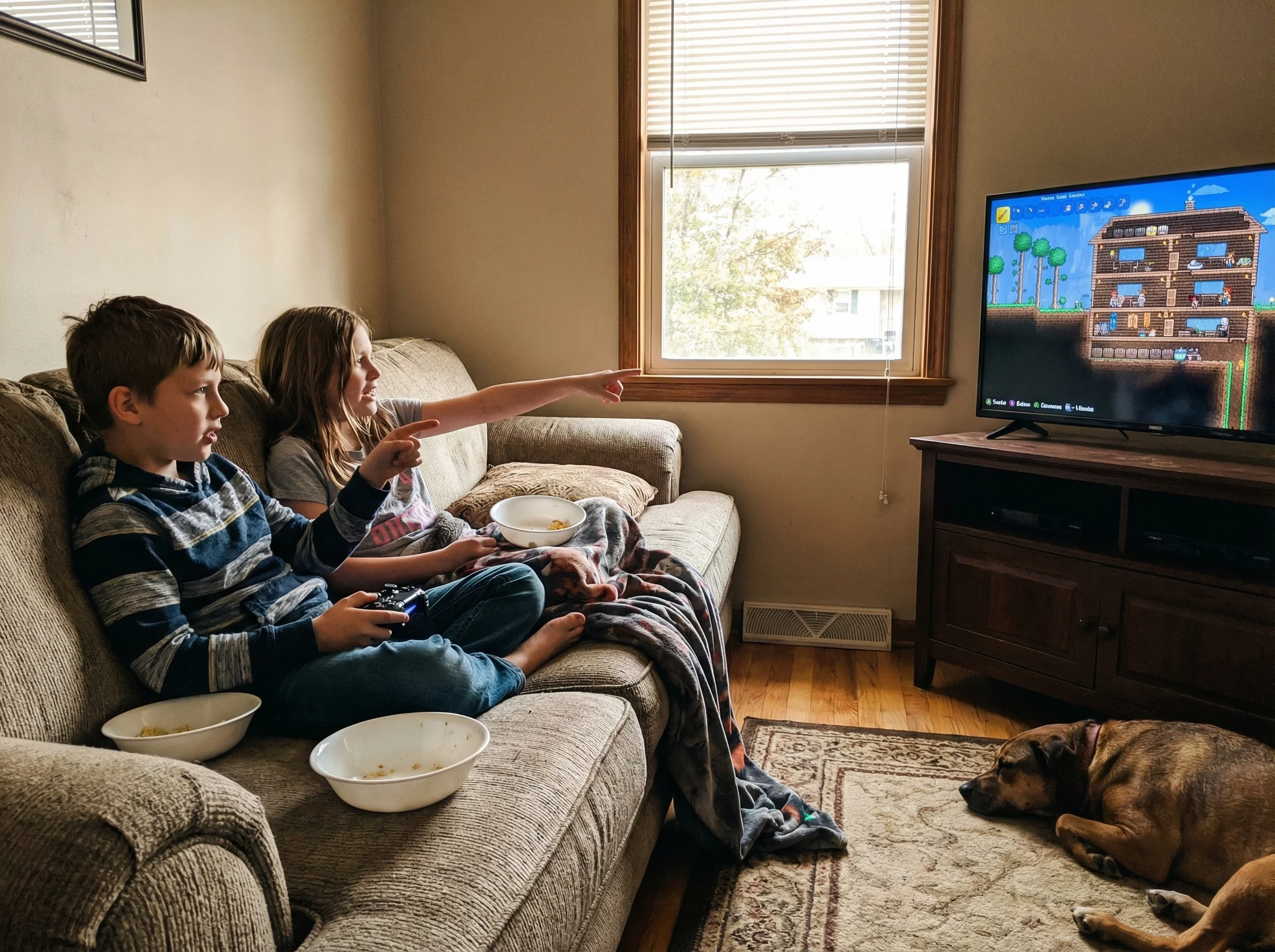
Sandbox games scratch the creation itch in a way that's immediate and limitless. No waiting for Dad to buy more wood. No weather delays. No gravity making your treehouse structurally impossible. Just pure creation at the speed of thought.
The pride factor is real. When my son gives tours of his Terraria base, he's not showing off random achievements. He's displaying months of planning, problem-solving, and artistic choices. He remembers why every room exists, which friend helped with what, and the story behind every decoration.
Here's my "one more block" negotiation trick: Instead of arbitrary time limits, we set creation goals. "Finish the roof on your house, then dinner." It respects their project while establishing boundaries. Plus, I learned that "one more block" really means "I'm in the middle of something important" - the same way I feel when someone interrupts me mid-paragraph.
 Between the roof and dinnerPause, Play, Connect: Core Deck$49 CAD • 172 promptsSee the deck
Red Flags vs. Creative Flags: What to Actually Watch For
Normal sandbox behavior:
- Getting genuinely upset when worlds get deleted (imagine someone erasing your novel)
- Playing alone sometimes to focus on building
- Talking endlessly about their creations
- Wanting to show you every little addition
- Spending hours on tiny details nobody else will notice
Actually concerning behavior:
- Only consuming, never creating (just playing others' worlds)
- Refusing all real-world creative activities
- Extreme anger over minor game setbacks
- Lying about playtime consistently
- Choosing games over basic needs like eating or sleeping
My daughter once cried for an hour when her Minecraft dog died. My first instinct was "it's just a game." Then she explained she'd had that dog for two real-world months, took it on every adventure, and built it a custom house. That's not gaming addiction. That's genuine attachment to something she cared for.
For the Build Session: A curiosity card lands better than "what are you doing?" Keep the Pause, Play, Connect deck beside the screen so a soft prompt is right there during co-play.
How to Connect Through Sandbox Games (Without Being Cringe)
The full set of soft starters is in our conversation cards for families with gamer kids.
Stop asking "did you win?" Start asking "what did you create?"
Questions that actually work:
- "What's the story behind this build?"
- "If I lived in your world, where would I stay?"
- "What's the hardest thing you've built?"
- "Who would win in a fight - your character or mine?"
- "Can you build our actual house?"
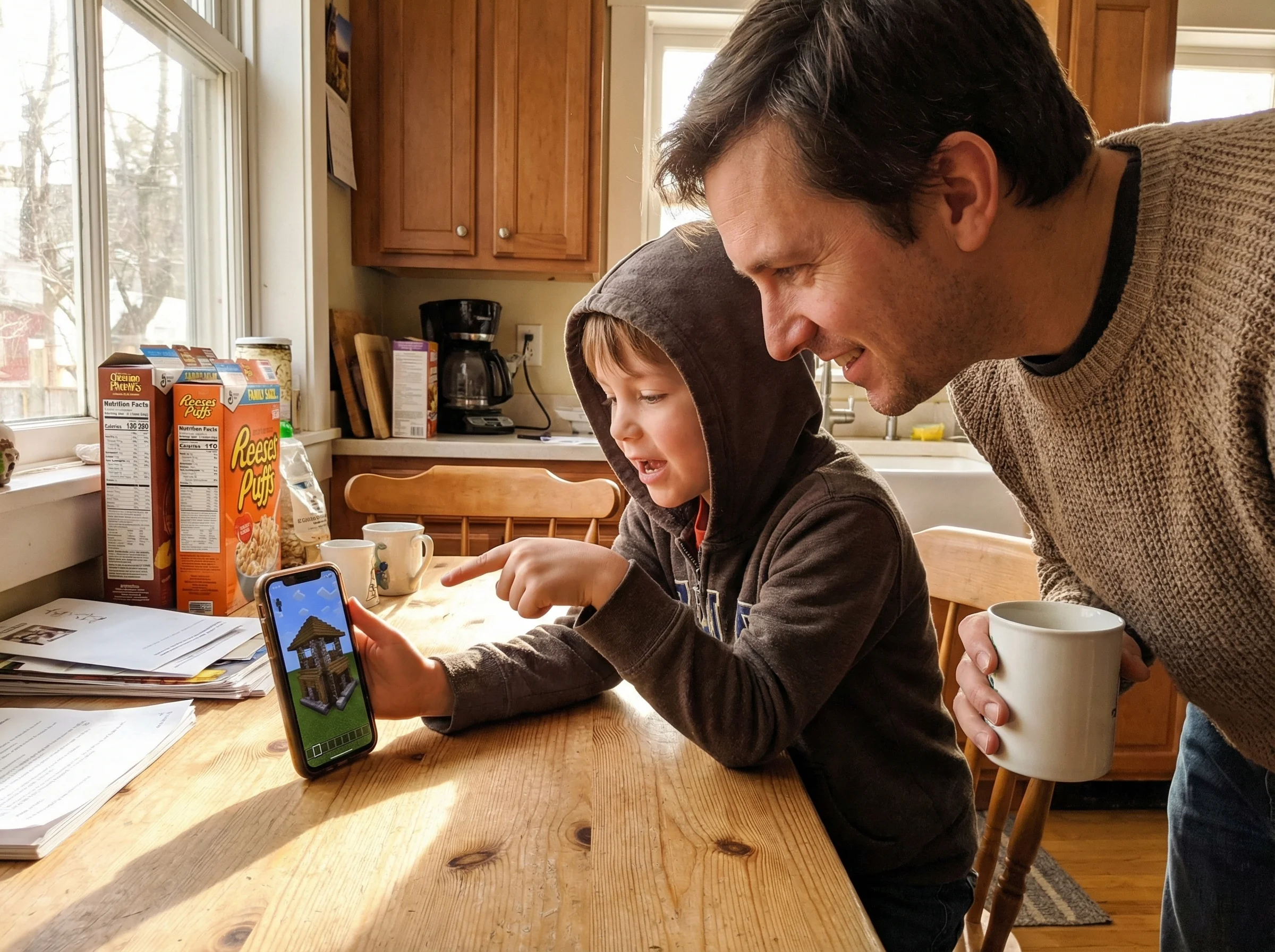
Last month, I challenged my kids to recreate our home in Minecraft. The details they included (and excluded) were fascinating. My son included the creaky step on our stairs. My daughter added a secret room she wishes existed. It became a two-hour conversation about our actual home and their dream improvements.
Watching them play beats asking about their day, every time. Pull up a chair during their gaming session and just observe. Ask about what you see. "Why did you put the farm there?" leads to explanations about efficiency, aesthetics, and virtual city planning I never expected from a 10-year-old.
One Yakety Pack question asks "If you could redesign our house, what would you change?" My builder son went deep on architecture while my social daughter focused on spaces for friends. Same question, totally different insights into who they are.
From Sandbox Games to Real-World Interests
My Minecraft architect daughter now sketches house plans in notebooks. My Roblox game designer son is learning actual coding. The kid who spent months perfecting redstone circuits in Minecraft just joined the robotics club.
These connections aren't automatic. They need nurturing. When your kid shows passion for building in games, feed that interest outside the screen:
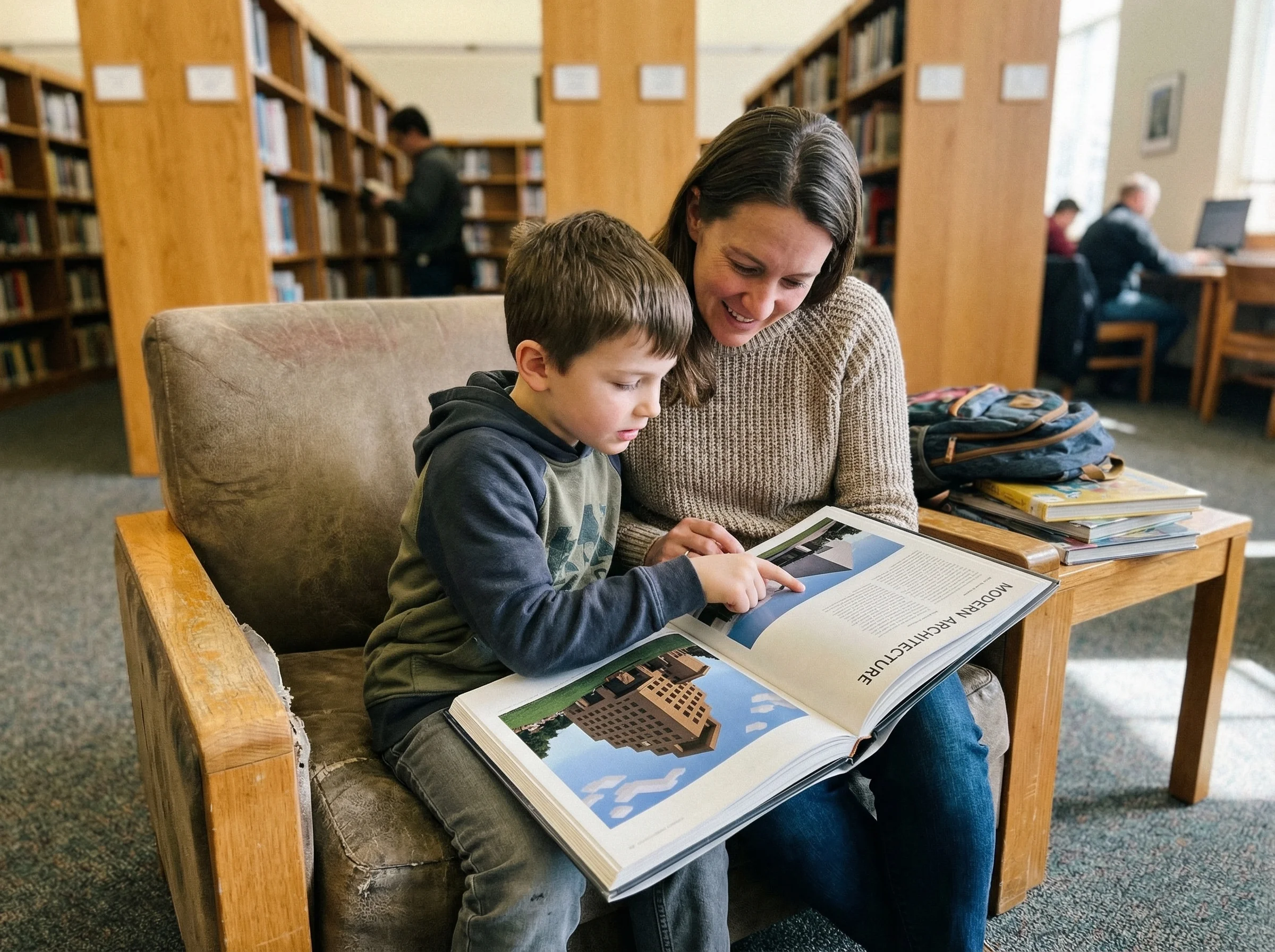
- Architecture books from the library
- Basic coding classes (many are game-focused now)
- Building challenges with actual materials
- Photography walks to study how real buildings work
- Simple game design tools like Scratch
The key is presenting these as extensions of what they love, not replacements for it. "Since you're so good at designing Minecraft houses, want to see how real architects plan buildings?"
The Quick Parent Survival Guide
Age guidelines: Most sandbox games are fine for ages 7 and up. Minecraft and Roblox have built-in safety features. Turn on creative mode for younger kids to avoid combat stress.
Online safety basics:
- Start with friends-only multiplayer
- Disable chat until they're ready (usually 10+)
- Regular check-ins about who they're playing with
- Teach them to never share personal info
- Screenshot and report inappropriate content
When to actually worry:
- Grades dropping significantly
- Abandoning all other interests
- Physical symptoms (headaches, not eating)
- Extreme mood swings tied to gaming
- Isolation from real-world friends
The inappropriate content talk: "Sometimes people build things that aren't kind or appropriate. If you see something that makes you uncomfortable, tell me. You won't be in trouble, and we'll handle it together."
My one simple rule: Create more than you consume. If you're spending most of your time in other people's worlds, it's time to build something yourself.
What This All Means
Sandbox games aren't the enemy. They're not even really games. They're creative platforms where your kids are learning to be architects, storytellers, and world-builders.
The shift happened for me when I stopped seeing Minecraft as something to manage and started seeing it as something to explore together. Now our best conversations happen while touring virtual worlds. I learn more about my kids' dreams, fears, and friendships from their builds than from direct questions.
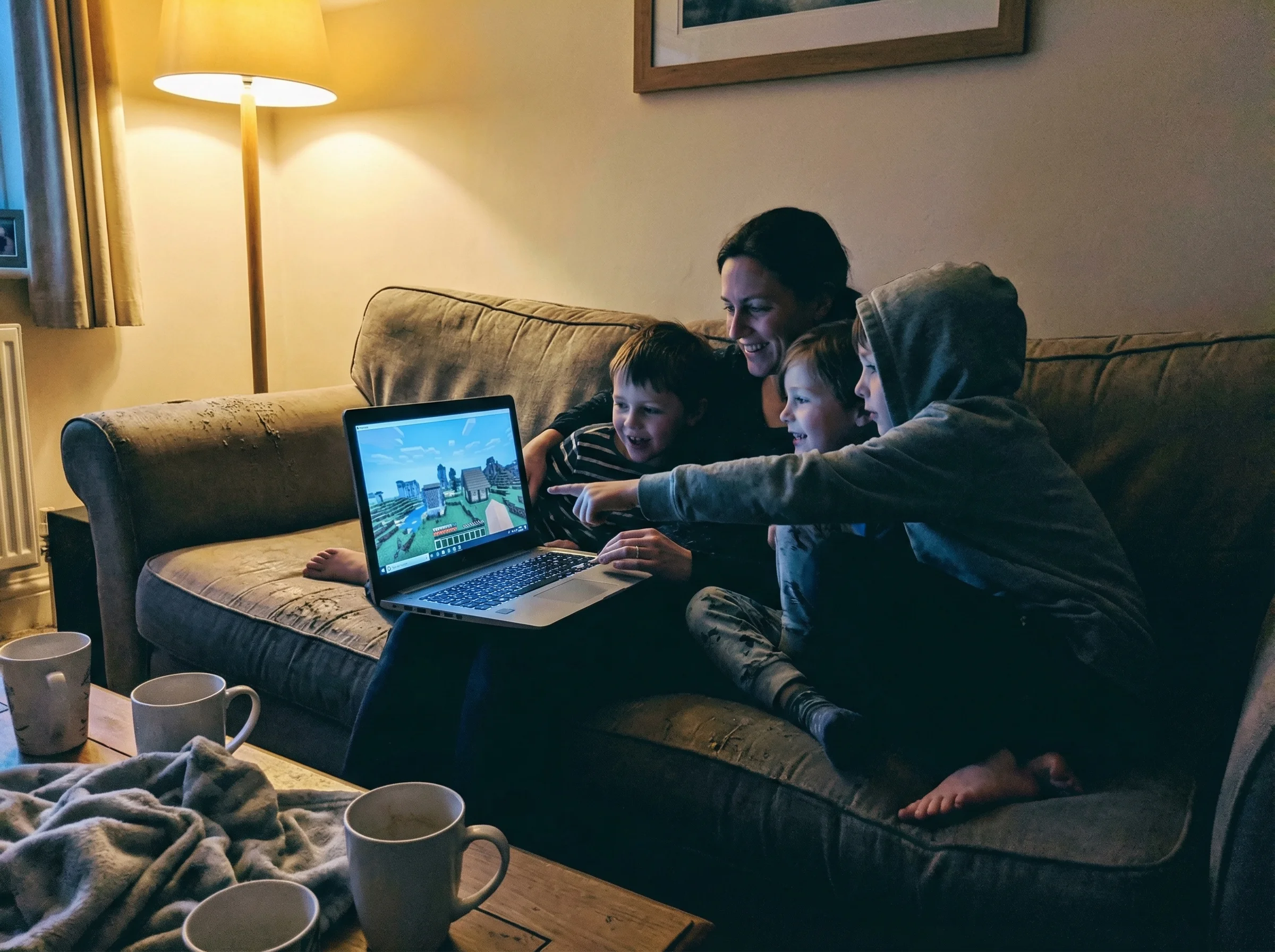
Your mission, if you choose to accept it: This week, ask your kid for a tour of their world. Not a quick peek. A real tour. Ask about the stories behind their builds. Ask why they made specific choices. Ask what they're planning next.
You might discover your kid isn't just playing games. They're practicing for life, one block at a time.
Room by room, ask whyPause, Play, Connect: Core Deck172 prompts that turn a build tour into a conversation about the kid who built it.$49 CAD • 90 cards • 18 reviewsShop the deck
Related Articles
Looking for more? Check out these related articles:
- gaming terminology for parents
- what does NPC mean kids say
- mmo rpg fps gaming acronyms explained
- speedrun gaming term parent explanation
- what is a battle royale game
FAQ
Q: My kid only plays creative mode and never wants challenge. Is that bad? Some kids are builders, period. That's like worrying because your kid prefers painting to competitive sports. Creative mode develops different skills - planning, design, spatial reasoning. Embrace what they love.
Q: How do I handle when friends' parents don't allow sandbox games? Respect their rules but share your perspective if asked. I usually say something like: "We see Minecraft as digital Legos. My kids have learned so much about design and problem-solving from it." Sometimes seeing it differently helps.
Q: Should I learn to play these games myself? You don't need to master them, but basic familiarity helps. Ask your kid to teach you. They love being the expert, and you'll understand their world better. Warning: You might get hooked. The Common Sense Media game reviews can help you understand what each game involves.
Q: My teen wants to stream their gameplay. Thoughts? Start with recording videos (not live streaming) for family only. Teach them about online safety and privacy. If they're serious and responsible, consider supervised streaming with strict privacy settings. Many successful content creators started as teen Minecraft YouTubers.
Q: What about sandbox games on phones versus computers/consoles? Pocket editions are limited but perfect for younger kids or creative-only play. Serious builders usually graduate to PC for better controls and features. It's like the difference between sketching in a notebook versus painting on a canvas - both valid, different purposes.
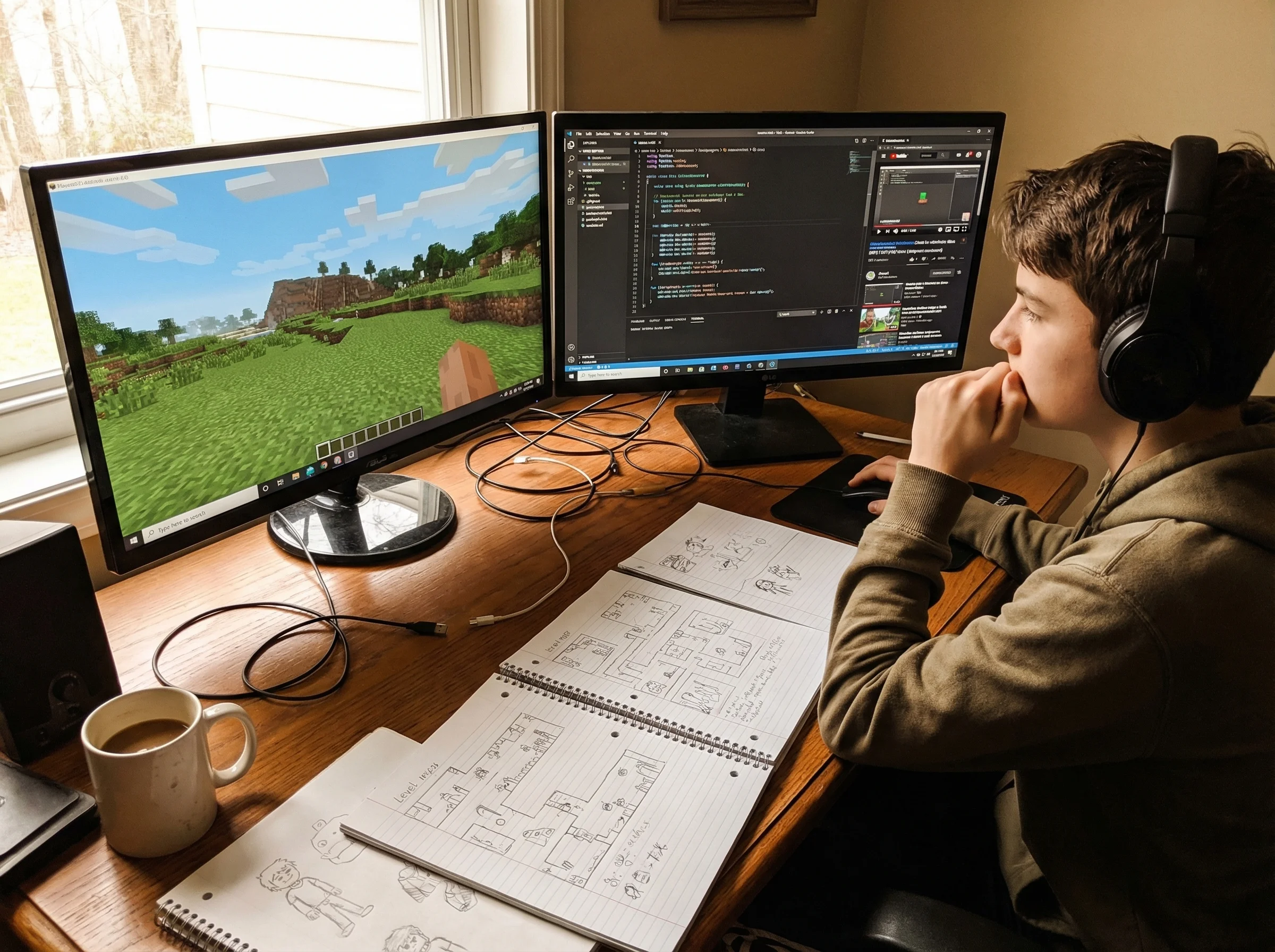
For the Long Build: Connection in sandbox games grows from many small low-pressure chats. A deck of Yakety Pack conversation cards near the console makes those talks the default.
Your Next Move
Tonight, when your kid mentions their sandbox game, try this: "Show me your favorite creation and tell me the story behind it." Then actually listen. Pull up a chair. Ask follow-up questions. Show the same interest you'd show if they built something with their hands.
Because they did build something. They built entire worlds. And they're waiting for someone to notice.

