
Look, I'm going to level with you. I used to be the dad who'd walk past my son's room, hear him gaming, and feel my jaw clench. "He's escaping reality again," I'd mutter to my wife. "This can't be healthy."
Then one night, after another blow-up about screen time, my 12-year-old looked me dead in the eye and said, "Dad, you take away everything that helps."
That stopped me cold. Because he wasn't being dramatic. He was being honest. And I'd been too busy fighting his gaming to notice I was fighting the wrong battle entirely.
The Night Everything Changed
It was 9 PM on a Tuesday. I'd just yanked the wifi because he'd blown past his two-hour limit. Again. He was deep in a Minecraft build with friends, and I gave him the five-minute warning, then cut it off. The meltdown was epic. Screaming, crying, the whole thing.
But here's what got me: Between the sobs, he said, "You don't get it. That's the only place where things make sense. Where I'm good at something. Where my brain shuts up."
My brain shuts up.
Those three words changed how I saw everything. Because suddenly I wasn't looking at a kid addicted to screens. I was looking at a kid who'd found something in that pixelated world that he desperately needed. And instead of trying to understand what that was, I'd been trying to rip it away.
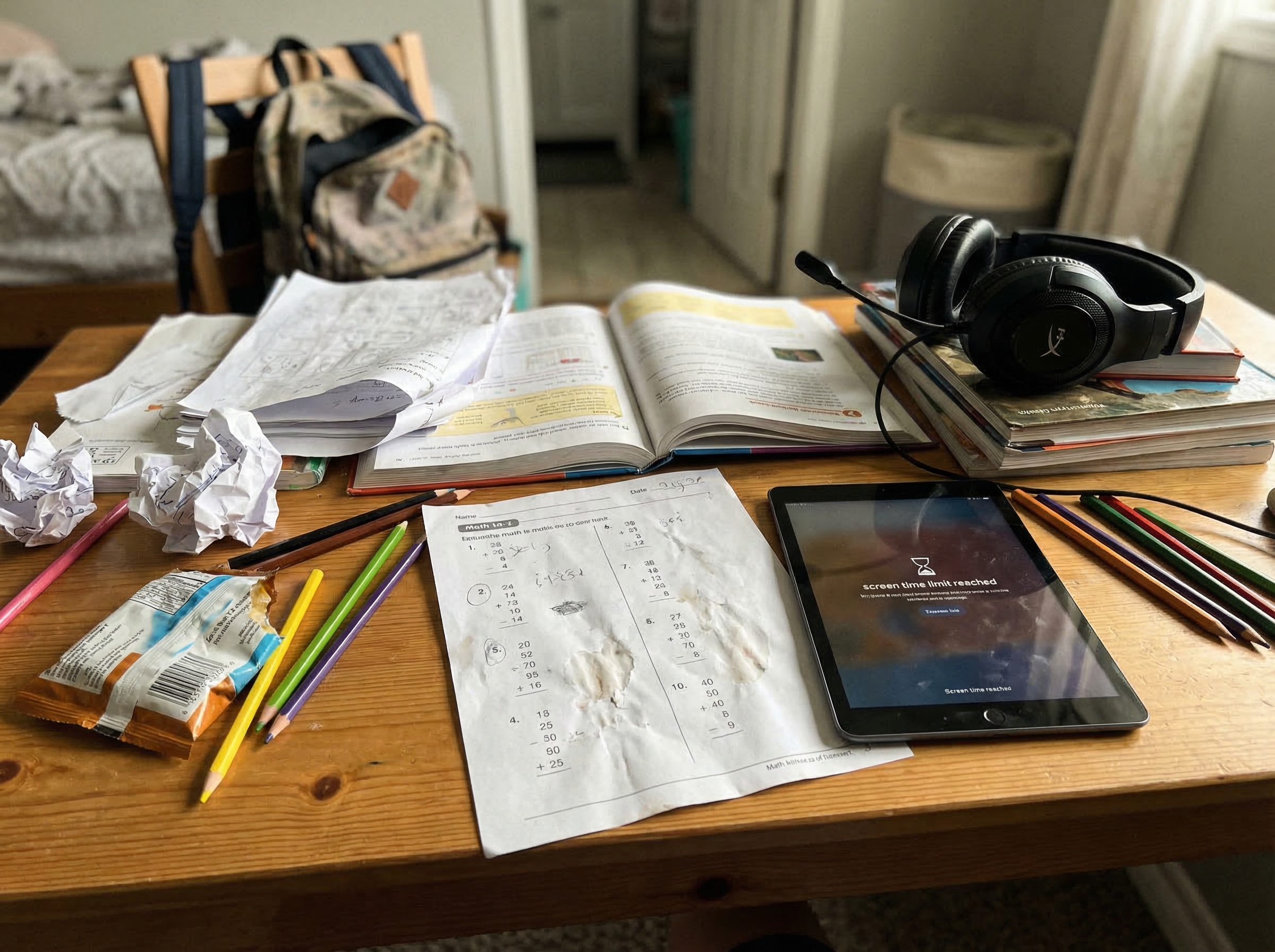
When Gaming Stops Being a Tool and Starts Being a Trap
Here's what took me months to figure out: There's a massive difference between kids who game to regulate their emotions and kids who game to escape them entirely. And most of us parents? We can't tell the difference because we're standing on the outside, counting hours instead of paying attention to what's actually happening. If you want a wider read on the warning signs, our piece on when gaming becomes a problem walks through what to look for before things tip.
Gaming for emotional regulation looks like this:
- Your kid plays Minecraft for an hour after a rough day at school, then comes to dinner calmer
- They use Animal Crossing as a wind-down routine before bed
- They can talk about what happened in their day AFTER some game time
- Gaming is ONE of several things that help them cope
- They can step away without their world ending (maybe some grumbling, but not devastation)
Gaming as problematic escape looks different:
- Your kid ONLY seems okay when gaming
- Real-world problems get worse, not better, over time
- They can't process emotions without booting up a game first
- Every non-gaming activity becomes a battle
- Stepping away causes genuine panic, not just disappointment
The tricky part? Most kids live somewhere in the middle. And that gray area is where we parents usually panic and make things worse.
The Warning Signs Nobody Talks About
Forget the generic "plays too much" lists. Here are the real flags I missed with my own son:
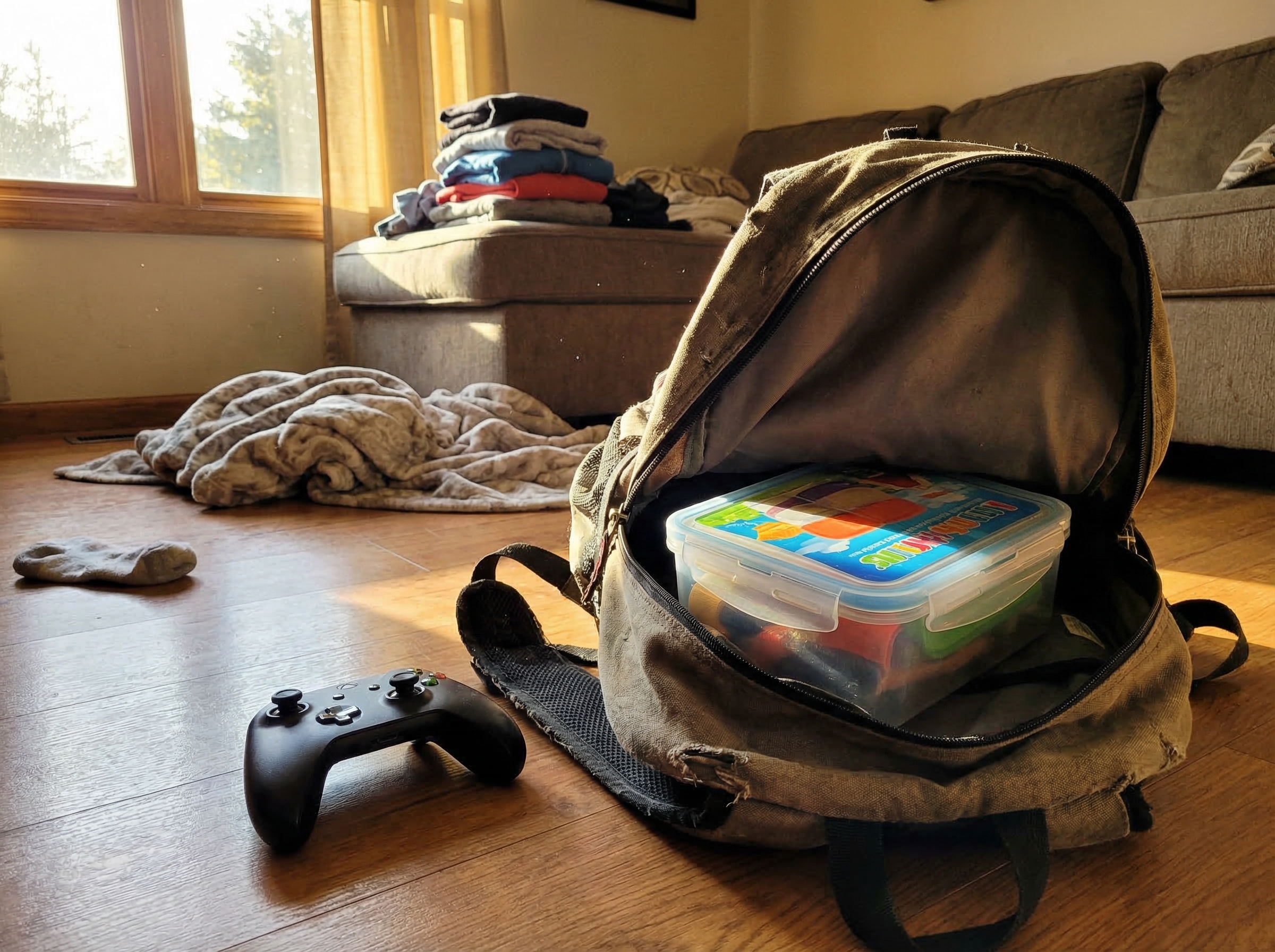
The Lying Started Small He wasn't lying about gaming at first. It was little stuff. "Did you finish homework?" "Yeah." (He hadn't.) "Did you eat lunch?" "Uh-huh." (The sandwich was still in his backpack.) The lies weren't about defiance. They were about buying more game time without conflict.
His Whole World Shrank Remember when your kid had opinions about everything? My son used to talk my ear off about soccer, his friends, YouTube videos, whatever. Slowly, every conversation became about gaming. Not because he loved it that much, but because it was the only place he felt competent enough to have opinions.
The Physical Stuff We Explained Away Headaches? "Too much screen time." Stomach aches? "Gaming posture." Exhausted all the time? "He stays up gaming." We had an explanation for everything. What we missed: his body was screaming that anxiety was eating him alive, and gaming was his only relief.
Real Friends Became NPCs This one hurt. My social kid stopped wanting playdates unless they involved gaming. Not because he was antisocial, but because in-game interactions felt safer. No awkward silences in Fortnite. No saying the wrong thing in Roblox. The social rules were clearer online.
Why Our Kids Choose Pixels Over People
Want to know why my anxious kid loved survival games? Because in Minecraft, when a creeper blows up your house, you just rebuild. When zombies attack, you respawn. When you fall in lava, you lose some items, not your entire sense of self.
Real life doesn't have respawns. Real life has math tests you can't retake, friendships you can't reload from save, and mistakes that actually matter.
For kids drowning in anxiety, depression, or just the overwhelming chaos of growing up, games offer something irreplaceable:
Predictable rules in an unpredictable world. My son knew exactly what would happen if he placed water next to lava. He had no idea what would happen if he raised his hand in class.
Control when everything feels chaotic. He could choose his difficulty level in games. Real life came set to "hardcore mode" with no option to adjust.
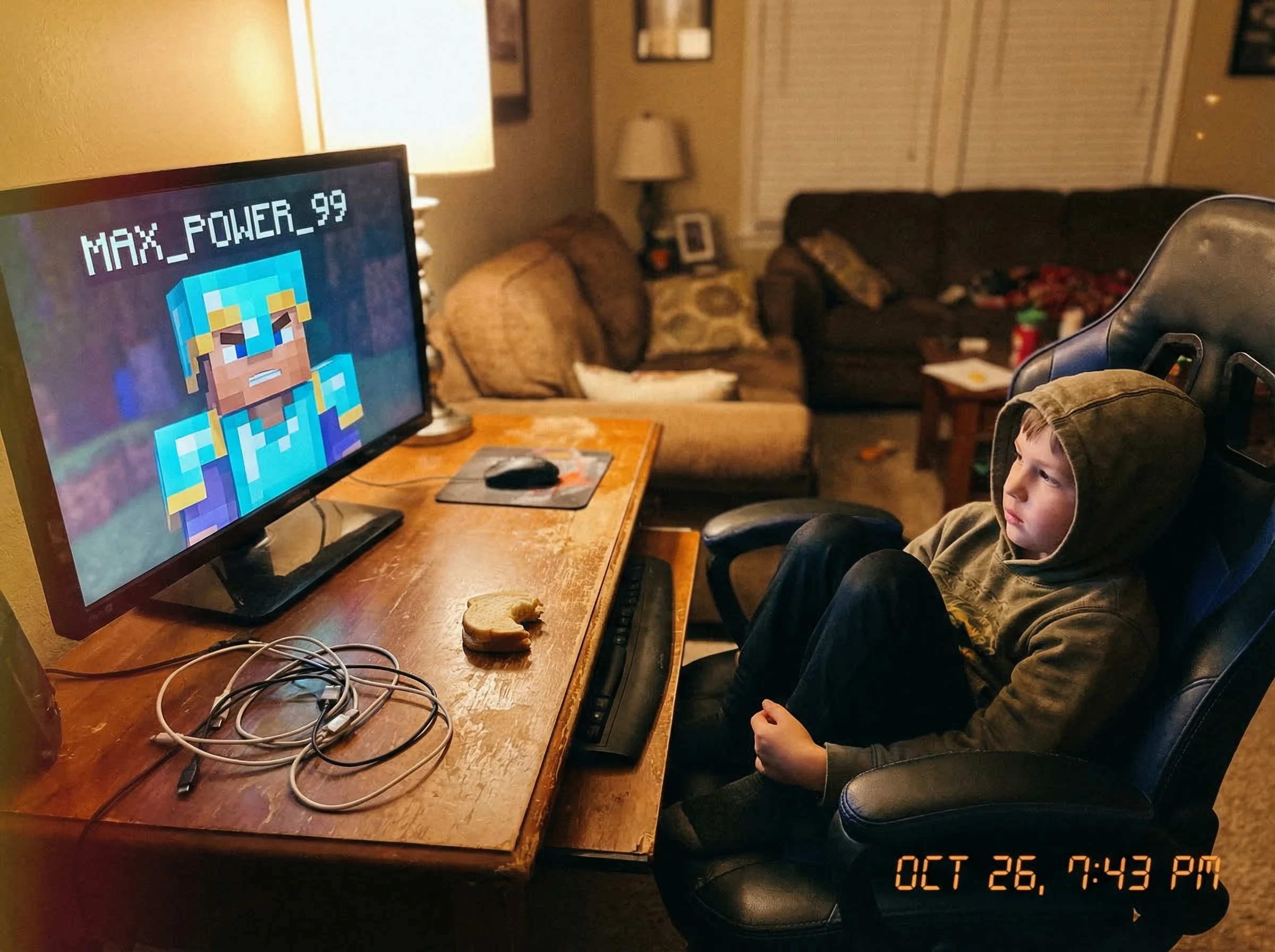
Achievement that feels attainable. Building a castle in Minecraft took time but was guaranteed to work. Making friends at school? No tutorial for that.
Connection without vulnerability. Voice chat with gaming buddies meant never making eye contact during hard conversations. Genius, really.
 Questions that are already writtenPause, Play, Connect: Core Deck172 prompts that give you a starting question about the game they just showed you.$49 CAD • 90 cards • 18 reviewsShop the deck
The Questions That Opened Doors (Not Arguments)
Here's where I finally got smart. Instead of "Don't you think you're gaming too much?" (which never works), I started asking different questions. The shift in framing is the same one that helps you turn screen time into connection time instead of treating the game as the enemy:
"What's the coolest thing you built this week?" led to him explaining his underwater city, which led to him mentioning he builds underwater because it feels peaceful, which led to talking about why school doesn't feel peaceful.
"If Steve from Minecraft gave you advice about school, what would he say?" Sounds ridiculous, right? But my kid answered, "He'd probably say to build shelter first before exploring." That opened up a whole conversation about what "shelter" meant in real life.
"What's your favorite game for when you're stressed versus when you're bored?" This question revealed he had different games for different emotional needs. Minecraft for anxiety, Fortnite for anger, Animal Crossing for sadness. Kid had built himself an entire emotional regulation toolkit, and I'd been trying to take away his tools.
One question from our Yakety Pack conversation cards that changed everything: "If your game had a feelings meter like a health bar, what would yours show right now?" My son's answer revealed more about his daily emotional state than months of "how was your day?"
Building Bridges to the Real World (Without Burning the Digital Ones)
Here's what most articles get wrong: You can't just yank kids out of gaming and expect them to magically develop other coping skills. That's like taking crutches from someone with a broken leg and telling them to "just walk it off."
What worked for us:
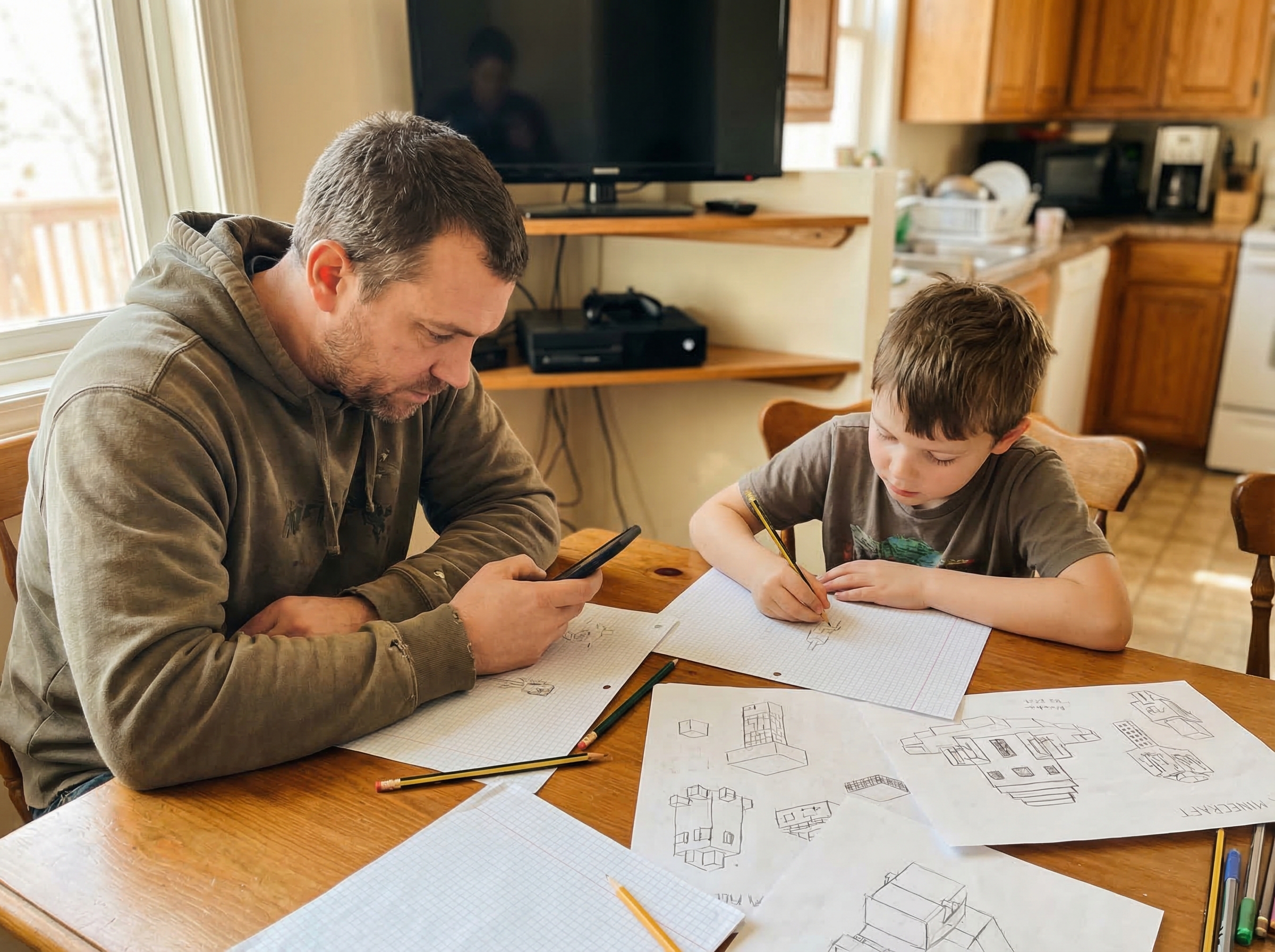
Gaming WITH Intention We started playing Minecraft together, but with real-world tie-ins. Built a castle in-game? Let's sketch it on paper. Farmed virtual crops? Here's a real garden plot. It wasn't about replacing gaming. It was about extending what he loved into other spaces.
The Loading Screen Life Talks You know those annoying loading screens? Perfect conversation time. Quick questions, no eye contact required, natural time limit. We'd use conversation cards during these breaks. Nothing heavy, just connectors between his world and ours.
Celebrating Tiny Wins Finished homework before gaming? That's worth noting. Tried a new food at dinner? Big deal for an anxious kid. Handled a friend conflict without melting down? Victory dance time. We started celebrating real-world achievements with the same enthusiasm he showed for gaming victories.
The 'Yes, And' Approach Instead of "No gaming until..." we switched to "Yes, gaming after..." Small change, huge difference. It stopped making gaming the enemy and started making it part of a balanced day.
When Gaming Becomes Emotional Escape Problem: Time to Worry
After walking this path with my own kid and talking to hundreds of parents through Yakety Pack, here's my real-talk guide on when to get help:
The Three-Month Rule Bad weeks happen. Bad months happen. But if you're seeing the same concerning patterns for three months straight, that's not a phase. That's a pattern that needs attention.
The Body Keeps Score Headaches, stomach issues, sleep problems, eating changes - if these last more than a few weeks AND only improve during gaming, your kid's body is telling you something their words can't. Research shows that physical symptoms often manifest when kids can't express emotional distress verbally.
When Gaming Becomes the ONLY Only happy when gaming. Only calm when gaming. Only connected when gaming. Only motivated by gaming. When gaming becomes the singular source of all positive emotions, that's concerning.
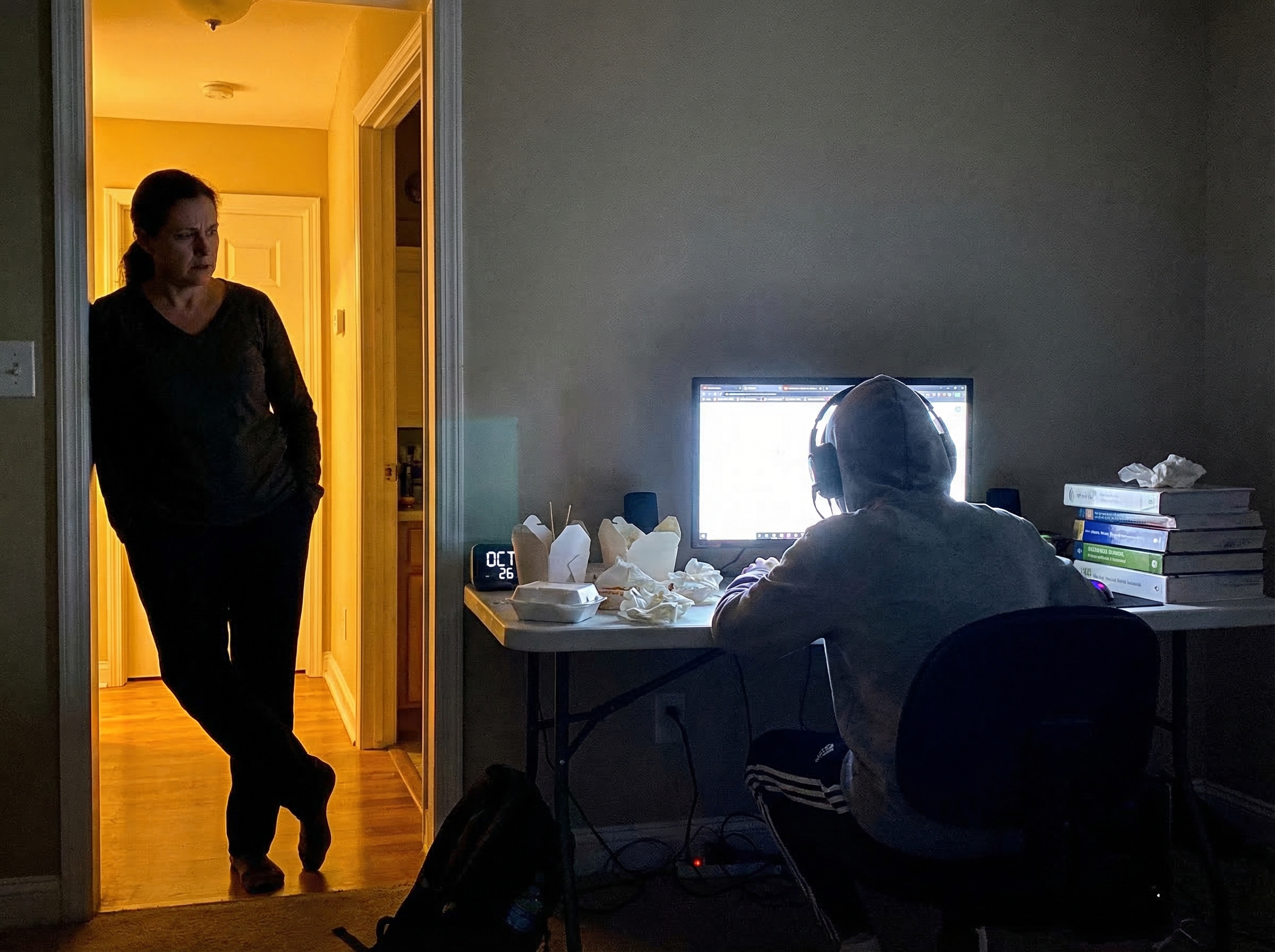
The Spiral Pattern Problem at school → Extra gaming to cope → More problems from gaming → More need to escape → Worse problems. If you're watching this spiral accelerate, intervention time.
Finding Your Way Forward
Look, I'm not going to tell you this is easy. Some days I still want to throw every device in our house in the trash. But here's what I know now that I wish I'd known then:
Gaming isn't the enemy. It's a window into what our kids need and aren't getting elsewhere. My son wasn't escaping FROM our family - he was escaping TO a world where he felt capable. Once I understood that, I could help him find that feeling in other places too.
Start with one question tonight. Not "How much did you game?" but "What felt good about gaming today?" Listen to the answer. Really listen. Because somewhere in their explanation about defeating bosses or building worlds, you'll hear what they're really searching for.
And maybe, just maybe, you can help them find it on this side of the screen too.
 Keep it about the gamePause, Play, Connect: Core Deck$49 CAD • 172 promptsSee the deck
What to Do Right Now
Tonight, try this: Sit near your kid while they game. Don't talk about time limits or homework. Just ask them to explain what they're doing. Show genuine curiosity about their digital world. Watch their face light up when they realize you're interested, not investigating.
That connection? That's your bridge. Build it strong. Because when kids feel understood in their world, they're more willing to join us in ours.
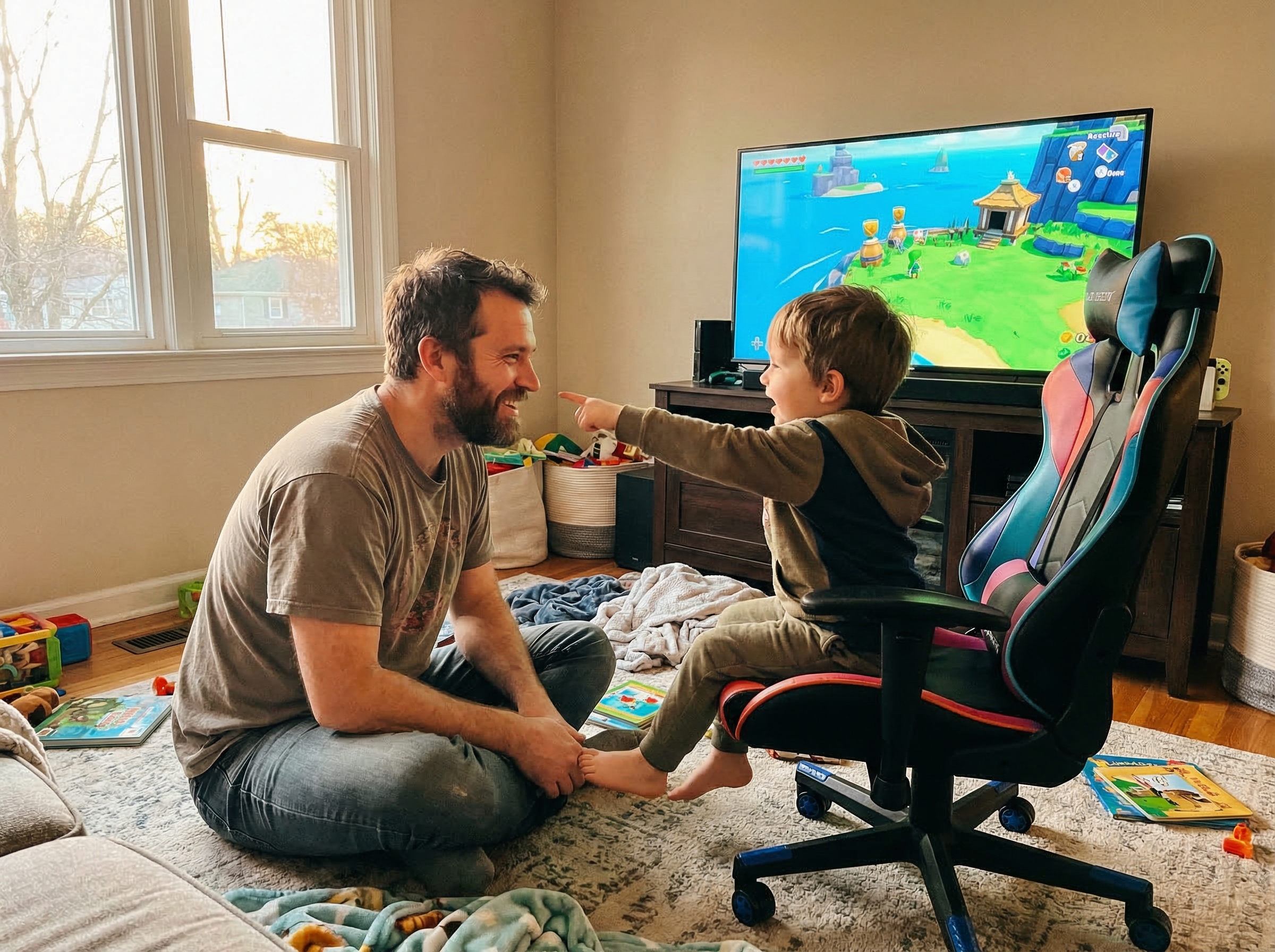
And if you need help starting those conversations, grab some conversation cards designed by a dad who's been there. Sometimes the right question at the right moment changes everything.
Trust me on this one. I learned the hard way so you don't have to.
Everyday questions, kept nearbyPause, Play, Connect: Core Deck172 prompts about games and family life, kept in the box until you want one.$49 CAD • 90 cards • 18 reviewsShop the deck
Related Articles
Looking for more? Check out these related articles:

