
When Gaming Becomes a Problem: A Parent's Guide to Warning Signs and What Actually Works
I was sitting outside my son's bedroom door on a Tuesday night, listening to him scream at his screen for the third time that evening. Something about a teammate who "threw the game." He'd skipped dinner. Again. His homework sat untouched on the kitchen table. And I was trying to figure out the same thing every parent of a gaming kid eventually asks themselves.
Is this normal? Or is this a problem?
I spent weeks googling that question. Most of what I found was either terrifying ("Your child is ADDICTED!") or useless ("Just set time limits!"). Neither helped. Because the real answer, the one I had to learn the hard way, is more complicated than a checklist or a timer.
Here's what I wish someone had told me back then.
The Question Every Gaming Parent Asks
"Is my kid gaming too much?" feels like the right question. It's not.
The better question is: "Is gaming serving my kid, or is it replacing something?"
There's a huge difference between a kid who plays Fortnite for three hours on a Saturday because they love it and a kid who plays for three hours because they have nothing else and nobody else. Same screen time. Completely different situations.
I had to learn this distinction with my own kids. There was a stretch where my son was deep into Minecraft. I'm talking all-day Saturday sessions, talking about it at dinner, watching YouTube videos about it before bed. My first instinct was to panic. But when I actually paid attention, he was building these insane worlds with his friends. They were collaborating, problem-solving, laughing together on voice chat. He was still showing up for dinner. Still doing his homework (mostly). Still playing basketball on Sundays.
That wasn't a problem. That was a kid with a passion.
The problem came later, and it looked very different.
 A way back into talkingPause, Play, Connect: Core Deck172 prompts that give you something to ask besides how long have you been on.$49 CAD • 90 cards • 18 reviewsShop the deck
When Gaming Becomes a Problem - The Real Warning Signs
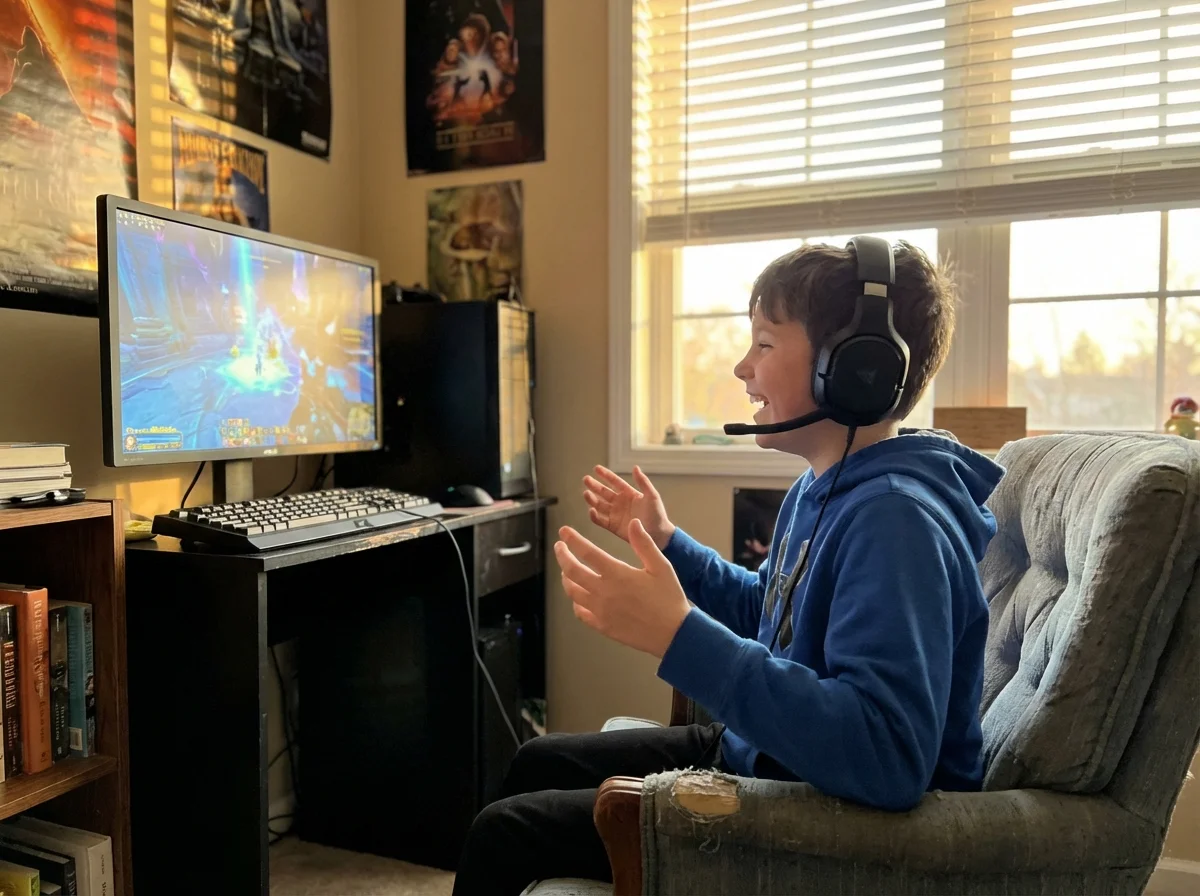
Let me be clear about something. The number of hours your kid spends gaming is not the best indicator of a problem. I know that goes against everything you've read. But a kid who games four hours on a weekend and is otherwise engaged in life is in a completely different situation than a kid who games one hour but has zero connection with family or friends.
Here are the actual warning signs I've learned to watch for, both from my own experience and from talking with hundreds of parents:
1. Emotional Regulation Falls Apart Around Gaming
Your kid can't handle losing. Rage-quitting is constant. They explode when you ask them to get off. The emotional response to gaming, both the highs and the lows, feels way out of proportion.
My son went through this. Every loss was a personal attack. Every request to pause for dinner triggered a meltdown. That intensity was the first red flag.
2. Other Interests and Friendships Fade
This is the big one. A kid who used to draw, play sports, hang out with friends in person, or read before bed gradually drops all of it. Gaming becomes the only thing. Not the main thing. The only thing.
If you're noticing this pattern, it's worth exploring screen time alternatives that actually work to help your kid rediscover other interests.
3. Sleep, Hygiene, and School Performance Drop
When your kid starts staying up past midnight on school nights, skipping showers, or letting grades slip because they can't stop playing, you're past the "passion" stage.
4. They Lie About Gaming Time
If your kid is sneaking devices, playing when they said they stopped, or lying about how long they've been on, pay attention. Secrecy around a behavior is a classic warning sign, regardless of what the behavior is.
5. Gaming Is Their Only Coping Mechanism
Bad day at school? Game. Fight with a friend? Game. Bored? Game. Anxious? Game. When gaming becomes the only tool in their emotional toolkit, that's when it crosses from hobby into problem.
The Key Difference
Here's what most articles miss. Passionate gaming and problematic gaming can look similar on the surface. The difference isn't time. It's flexibility. A kid with a healthy relationship to gaming can pause for dinner, shift to homework, and handle being told "not right now." A kid with a problem can't.
Why Kids Game Too Much (It's Not What You Think)
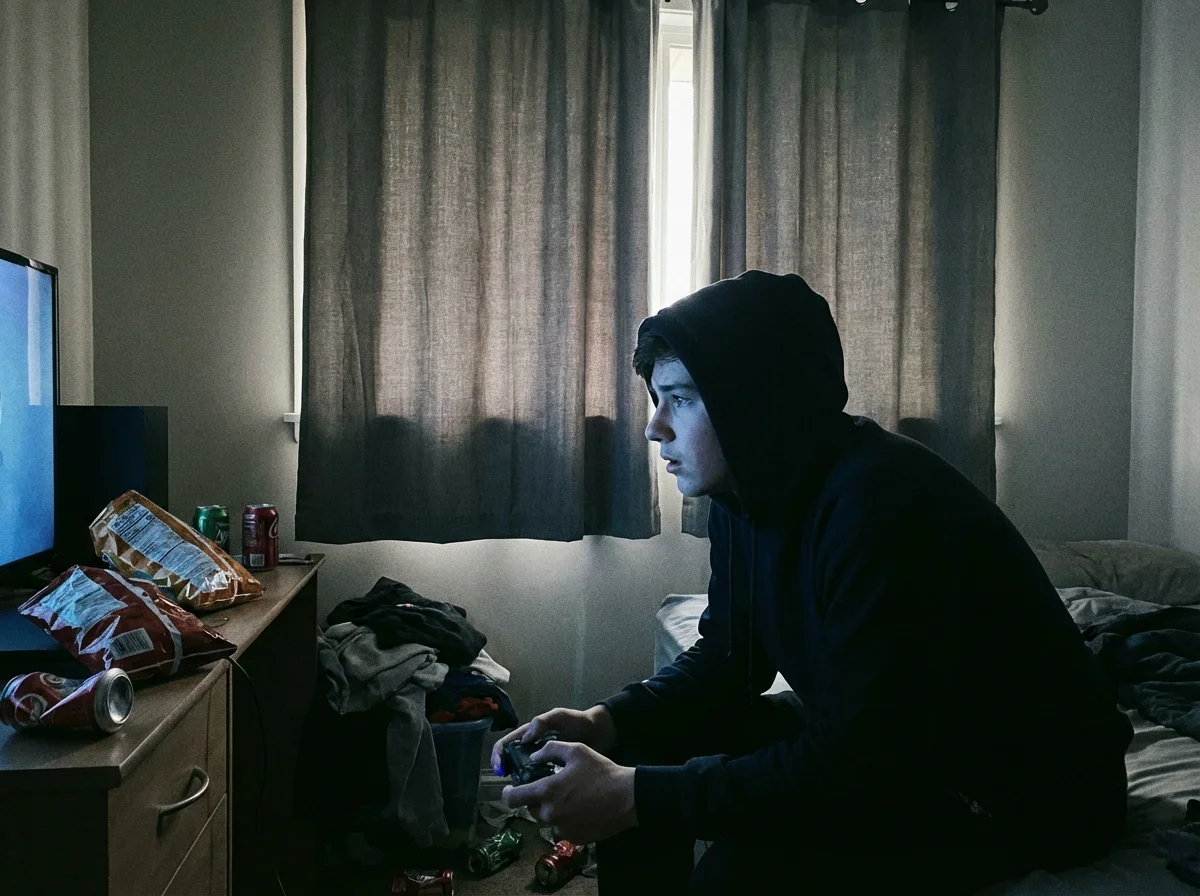
When my son's gaming started getting out of hand, my first instinct was to blame the game. "These companies design games to be addictive!" And sure, there's truth to that. Game designers do use psychological principles to keep players engaged. The American Academy of Pediatrics notes that about 10% of adolescents show symptoms of unhealthy gaming that get worse over time.
But blaming the game misses the point.
Kids who game excessively are almost always meeting a real need. And until you figure out what that need is, no amount of screen time rules will fix it.
Social connection. For a lot of kids, especially after the pandemic, gaming is where their friendships live. Taking away the game means taking away their social life.
Achievement. School might feel pointless or overwhelming. But in a game, effort leads to clear, immediate rewards. Kids who feel like they're failing everywhere else can feel competent in a game.
Autonomy. Kids have very little control over their lives. School, schedules, rules. Gaming is one of the few places where they're in charge.
Escape. This is the one that scares parents most, and it should get your attention. When a kid uses gaming primarily to avoid uncomfortable feelings, stress, loneliness, or anxiety, that's a signal that something deeper is going on.
Here's the counter-intuitive part. Restricting gaming without addressing the underlying need almost always makes things worse. The kid feels more controlled, more disconnected, more desperate for the one thing that was helping them cope. You end up in an escalating power struggle where gaming becomes the battlefield instead of the actual issue.
The Mistakes I Made (And What I Learned)
I'm going to be honest about this because I think it helps more than pretending I had it figured out.
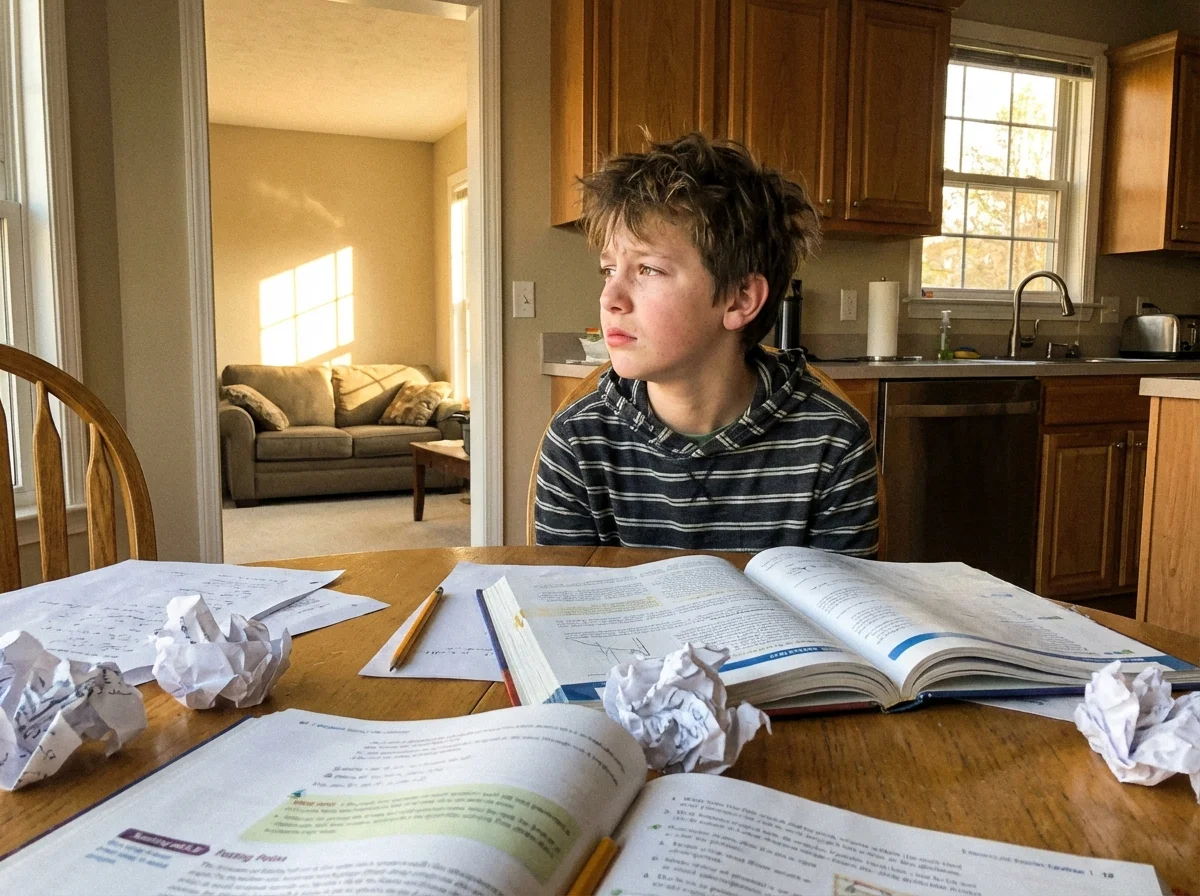
Mistake 1: I made gaming the enemy. I'd say things like "You're always on that thing" and "Why can't you do something productive?" That pushed my son away. He stopped talking to me about what he was playing because he knew I'd judge it. I lost visibility into his world.
Mistake 2: I set arbitrary time limits. "Two hours a day." Why two? I had no real reason. It was just a number that felt reasonable. My son knew it was arbitrary too, which made every enforcement a negotiation and every negotiation a fight.
Mistake 3: I didn't bother understanding what he was playing. I treated all gaming as the same thing. But there's a massive difference between a kid playing a creative sandbox game with friends and a kid grinding a predatory mobile game alone at 2 AM. I didn't know enough to tell the difference.
What finally worked was getting curious instead of controlling. I sat down one evening and asked my son to show me what he was building in his game. Not "why are you still playing?" but "what are you working on?" He talked for twenty minutes straight. About redstone circuits and automated farms and this tower he'd been designing for weeks. I understood almost none of it, but I understood him a little better.
That conversation didn't fix everything overnight. But it changed the dynamic. He started talking to me about his gaming instead of hiding it. And once I could see what was going on, I could tell the difference between a good day and a bad day. Between playing for fun and playing to escape.
If you're struggling to start those conversations, having specific questions designed for gaming kids makes a real difference. Generic questions like "how was your day?" just don't cut it.
What Actually Works - A Step-by-Step Approach
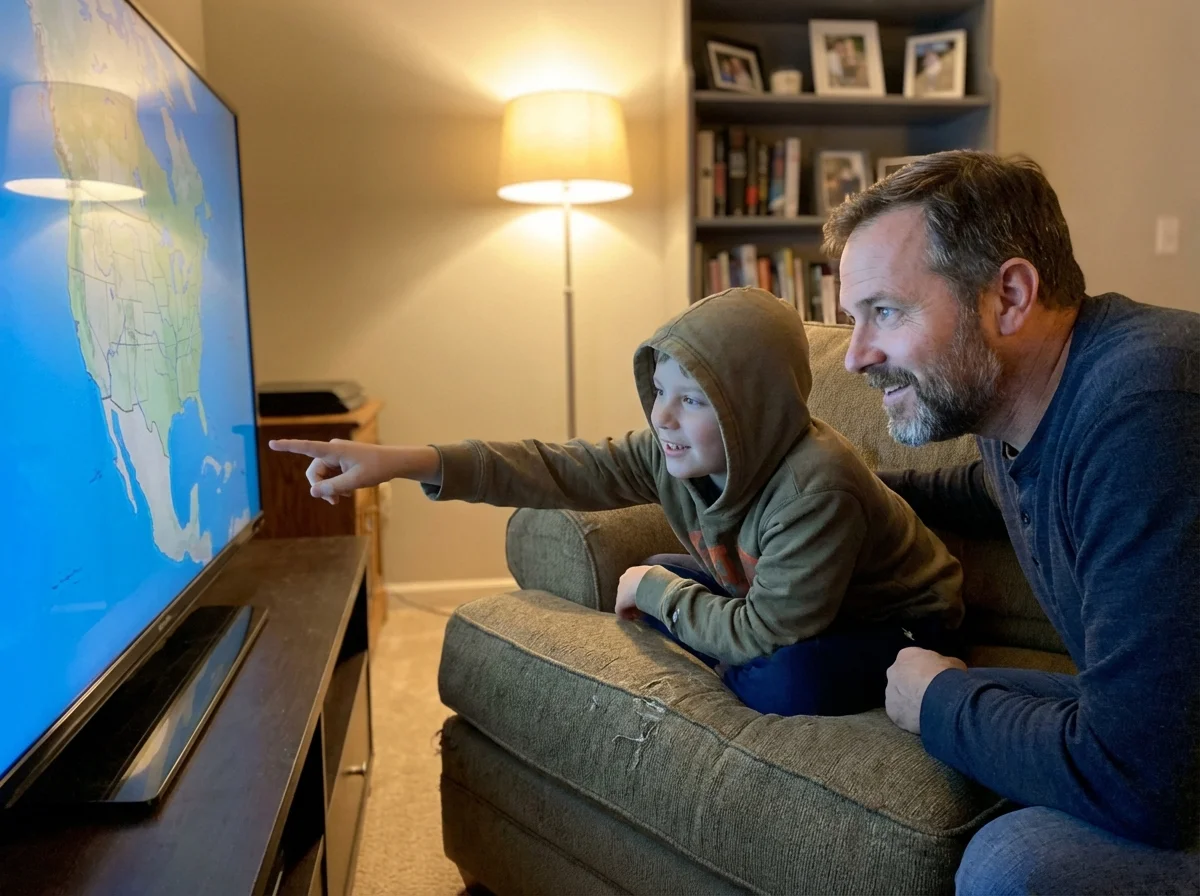
Based on what I've lived and what I've learned from other parents, here's what actually moves the needle when gaming becomes a problem.
Step 1: Get Curious, Not Furious
Before you change a single rule, spend a week just observing and asking questions. What games does your kid play? Who do they play with? What do they love about it? What frustrates them?
You don't have to like gaming. You just have to show genuine interest in something your kid cares about. That builds trust. And trust is what you need to have the harder conversations later.
 Twenty minutes of their worldPause, Play, Connect: Core Deck$49 CAD • 172 promptsSee the deck
Step 2: Build Connection Outside the Screen
This was the biggest lesson for me, and honestly, it's the reason I ended up co-founding Yakety Pack. I realized my son and I had lost our non-gaming connection points. We didn't have easy ways to talk anymore.
Kids who feel connected to their parents naturally self-regulate better. It's not magic. When a kid has other sources of belonging, achievement, and fun, gaming doesn't have to carry all the weight.
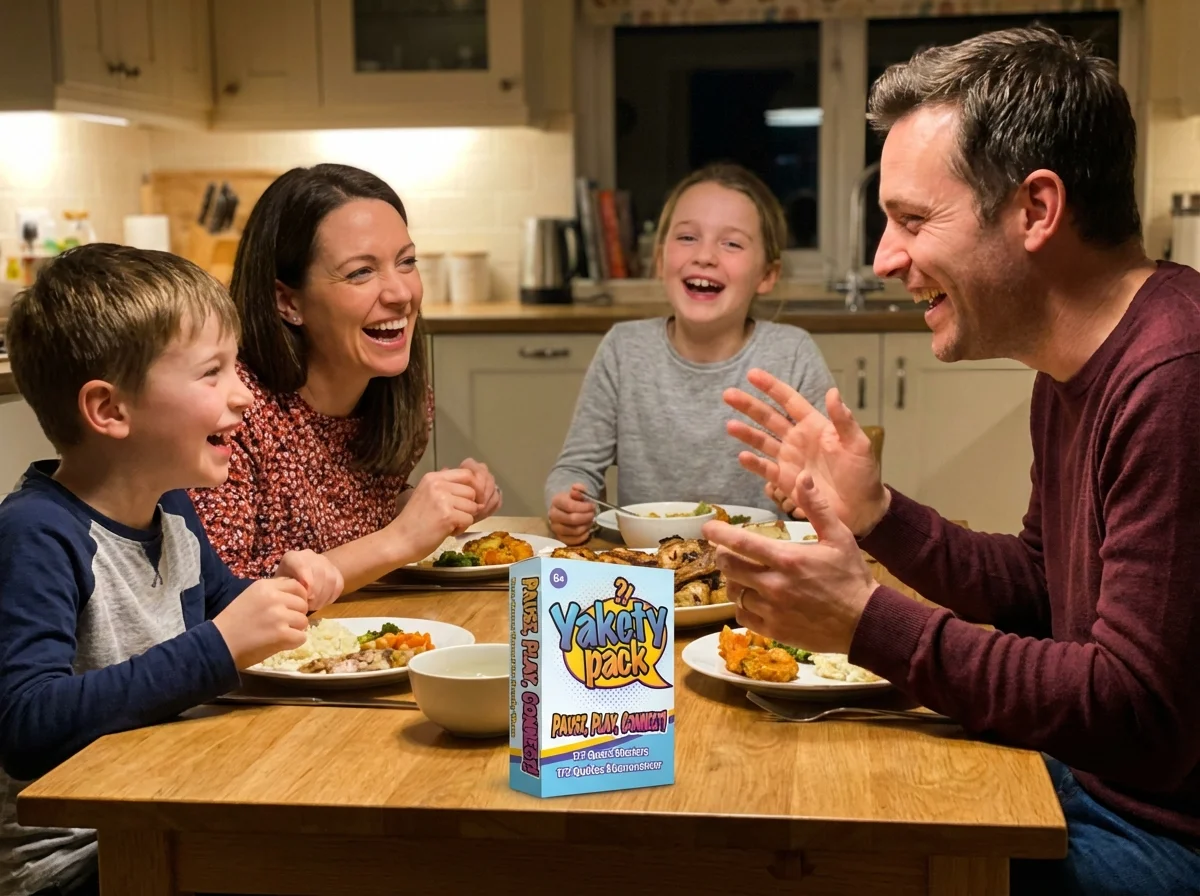
The trick is finding ways to connect that don't feel forced. Dinnertime conversations, car rides, even just sitting together without screens. We created Yakety Pack conversation cards because we found that having specific questions to ask, like "What's the bravest thing you've done this year?" or "If you could have any superpower for one day, what would you pick?", got our kids talking in ways that "how was your day?" never did.
Step 3: Set Boundaries Together
This one changed everything for us. Instead of imposing rules from above, we sat down as a family and talked about what reasonable gaming looked like. My son had input. He had ownership. And because he helped create the rules, he actually followed them (most of the time).
Some things we agreed on:
- No gaming until homework is done
- Devices charge in the kitchen at bedtime (everyone, parents included)
- Weekend gaming can be longer, but you still show up for family meals
- If grades drop, we revisit the agreement
The key word is "agreement," not "punishment." When kids feel respected in the process, they push back less.
Step 4: Address the Underlying Needs
If your kid is gaming to escape loneliness, time limits won't fix loneliness. If they're gaming because school feels impossible, taking away the controller won't make school easier.
Ask yourself: What is gaming giving my kid that they're not getting somewhere else? Then work on filling that gap. Sometimes it's social, they need more in-person friend time. Sometimes it's emotional, they need someone to talk to. Sometimes it's just boredom, and they need help finding other activities that feel rewarding.
Step 5: Know When to Get Help
You don't have to figure this out alone. If you've tried the steps above and your kid's behavior isn't improving, or if you're seeing signs of depression, extreme withdrawal, or aggression, it's time to bring in a professional.
When to Get Professional Help
Here's the line I wish someone had drawn for me earlier.
You can probably handle it yourself if:
- Your kid pushes back on limits but eventually complies
- They still have some interests outside gaming
- They're willing to have conversations about it
- The behavior has been going on for less than a few months
Consider professional help if:
- Your kid becomes aggressive or violent when gaming is restricted
- They've completely withdrawn from friends, family, and activities
- School performance has crashed and isn't recovering
- They show signs of depression or anxiety beyond gaming
- You've tried everything and nothing is working
A family therapist who understands gaming culture (not one who treats all gaming as bad) can be incredibly helpful. They can identify whether gaming itself is the problem or whether it's a symptom of something else, like anxiety, ADHD, or social struggles.
The World Health Organization recognizes "gaming disorder" as an official condition, so this isn't made up. But it's also relatively rare. Most kids who game a lot are not addicted. They just need better boundaries and more connection.
Gaming Isn't the Enemy - Disconnection Is
If you take one thing from this article, let it be this: the goal isn't to eliminate gaming. It's to make sure gaming isn't the only thing.
Kids who feel connected to their families, who have interests and friendships beyond the screen, who feel heard and respected, those kids naturally find balance. Not perfectly. Not every day. But over time.
The parents I've talked to who've successfully navigated this all say the same thing. It wasn't about the rules. It was about the relationship. When the relationship was strong, the rules were easy. When the relationship was strained, no rule in the world worked.
So if you're sitting outside your kid's door tonight, wondering if you should march in and unplug the console, try this instead. Tomorrow, sit down next to them and ask what they're playing. Listen. Really listen. That conversation might be the first step toward everything changing.
Stop counting hours. Start counting conversations.

Counting conversations, not hoursPause, Play, Connect: Core Deck172 prompts that are just questions to ask at dinner, not a fix for anything bigger.$49 CAD • 90 cards • 18 reviewsShop the deck
Related Articles
Looking for more ways to connect with your kids in the digital age? Check out these guides:
- A Parent's Guide to Understanding Gaming Culture - Comprehensive guide to gaming culture, language, and social dynamics
- Conversation Starters for Gaming Kids - Specific questions that actually get gaming kids talking
- How to Talk to Kids About Fortnite (Without Getting One-Word Answers) - Game-specific conversation strategies that work
- Screen Time Alternatives That Actually Work - What to do when you want to offer something beyond "go play outside"
FAQ
How many hours of gaming per day is too many for kids?
There's no magic number. The American Academy of Pediatrics used to recommend strict time limits but has shifted toward emphasizing balance. A kid who games for three hours but also exercises, does homework, and connects with family is in better shape than a kid who games for one hour but does nothing else. Focus on what gaming is displacing rather than the clock.
What's the difference between a gaming hobby and gaming addiction?
Flexibility. A kid with a hobby can pause, shift gears, and handle "not right now." A kid with a problem can't. Other signs include lying about gaming time, losing interest in everything else, and using gaming as the only way to manage emotions. True gaming addiction (gaming disorder) affects roughly 3-10% of gamers.
Should I take away my kid's video games completely?
In most cases, no. Removing games entirely often backfires because it doesn't address why your kid was over-gaming in the first place. It also damages trust and can increase conflict. A better approach is setting clear boundaries together while building connection and addressing underlying needs. The exception is if a professional recommends it as part of a treatment plan.
Why does my child get so angry when I turn off the game?
Games are designed around momentum, progression, and social commitments. When you interrupt mid-game, your kid might be letting down their team, losing progress, or breaking a flow state. That doesn't excuse extreme reactions, but understanding the context helps. Try giving a 10-15 minute warning before it's time to stop, and avoid interrupting during multiplayer matches when possible.
When should I talk to a doctor about my child's gaming?
If your child shows signs of depression or anxiety connected to gaming, has become aggressive or violent when games are taken away, has completely withdrawn from other activities and relationships, or if their school performance has dropped significantly, it's time to consult a professional. A therapist familiar with gaming culture will give you much better guidance than generic parenting advice.

