
Here's a scene that played out in our house roughly four hundred times before I figured out what I was doing wrong.
Me: "Okay buddy, time's up. Put the iPad away."
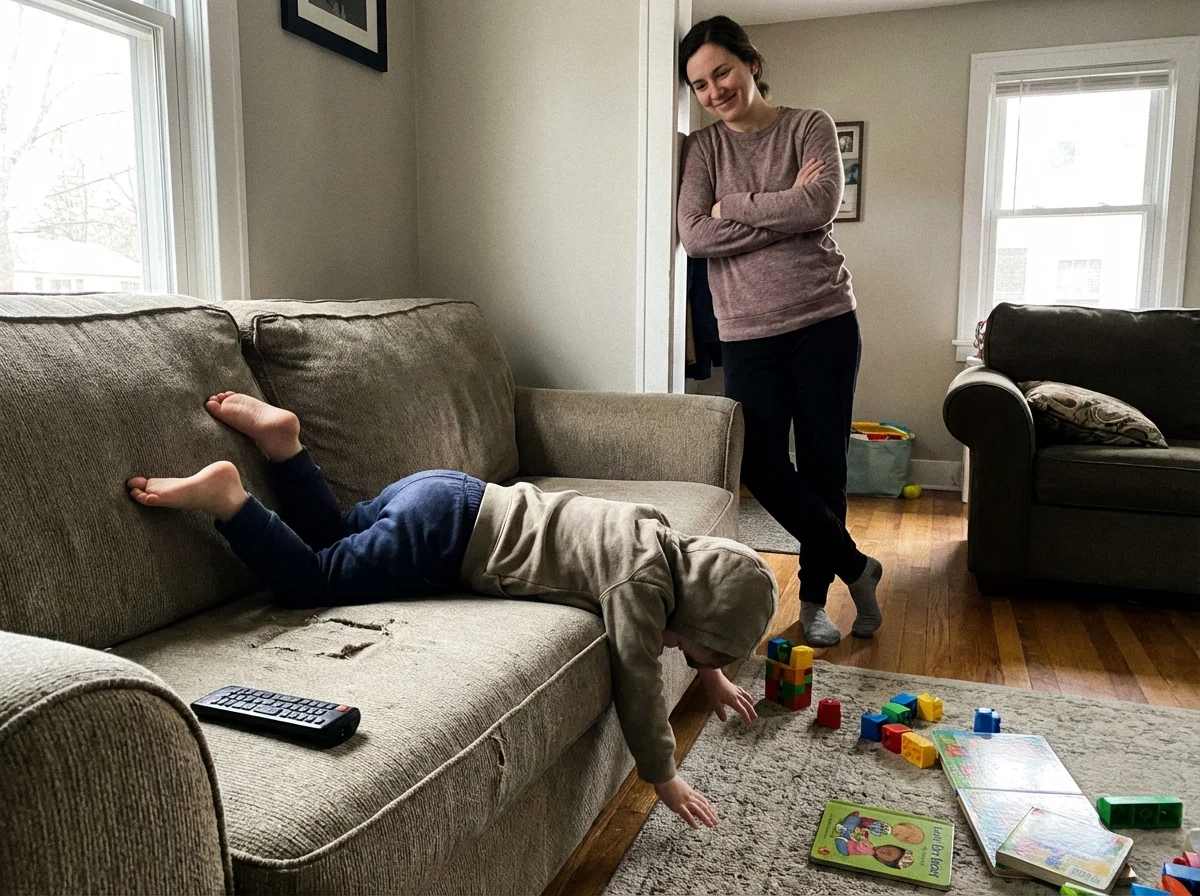
My son: Doesn't move. Doesn't blink. Might actually be fused to the couch.
Me: "I said time's up."
Him: "Five more minutes."
Me: "You said that ten minutes ago."
Him: Full meltdown. Tears. Door slamming. Something about how I'm the worst dad in the history of dads.
Me: Feeling like maybe he's right.
If you've had some version of this conversation, you're not a bad parent. You just don't have screen time rules that work yet. And honestly, most of the advice out there about setting screen time limits is either too rigid to survive real life or so vague it's useless. "Set healthy boundaries" - great, thanks, very helpful.
I've spent the last few years testing what actually sticks. Not what sounds good on a parenting blog. What survives a Tuesday night when you're exhausted and your kid is losing it because Roblox got turned off. Here's what I've learned.
Why Your Current Screen Time Rules Aren't Working
The deeper why is in our pillar piece on turn screen time into connection time; rules without connection rarely hold.
Before I tell you what works, let me explain why most screen time rules fail. Because if you don't understand the failure, you'll just repeat it with fancier language.
Problem one: your rules are reactive. You wait until your kid has been on screens for too long, then try to enforce a boundary in the moment. That's like trying to put a leash on a dog that's already sprinting through the park. The time to set the rule is before the screen turns on, not when you're trying to pry it away.
Problem two: your rules have no buy-in. Rules that come from "because I said so" work until your kid is about seven. After that, you need them to understand and agree, at least partially, with the logic. Kids who help create the rules follow them more consistently. That's not my opinion - that's basic human psychology. We resist what's imposed on us and commit to what we choose.
Problem three: you're inconsistent. And I don't say that to shame you. Consistency is genuinely hard. You enforce the rule on Monday, let it slide on Wednesday because you're on a work call, then try to enforce it again on Friday. Your kid learns that the rule is negotiable. And kids are the best negotiators on the planet. They will find the crack and drive a truck through it.
Problem four: you're fighting dopamine with willpower. Screens deliver fast, reliable dopamine. When you remove screens, your kid's brain is literally experiencing a drop in feel-good chemicals. Their tantrum isn't manipulation - it's a neurological response. Expecting a child to calmly accept that transition through pure willpower is like expecting yourself to calmly walk away from half a piece of cake. The brain doesn't work that way.
If you want to understand more about that dopamine gap and how to bridge it, our complete guide to screen time alternatives goes deep on the neuroscience. But for now, let's focus on building rules that account for all four of these problems.
 Sitting down to agreePause, Play, Connect: Core Deck172 prompts that give you something to talk about while you sort the rules out.$49 CAD • 90 cards • 18 reviewsShop the deck

The Two-Week Reality Check
I need to be honest with you about something before we go further. Whatever screen time rules you set, the first two weeks will be hard. Not "slightly annoying" hard. "I'm questioning every parenting decision I've ever made" hard.
Your kid will test the boundaries. They'll have meltdowns. They'll tell you they hate you and that every other kid's parents are cooler. One of mine told me he was going to "call the police on the screen time rules." He was eight. I admired the commitment.
Here's what I want you to know: this is normal, and it passes.
Every family I've talked to who successfully changed their screen time dynamics says the same thing. The first week is rough. The second week is better but still bumpy. By week three, something shifts. The fights decrease. The tantrums get shorter. Your kid starts finding other things to do without being prompted.
But most families quit at day four.
They set rules on Sunday, get pushback on Monday, face a full meltdown on Wednesday, and abandon the whole thing by Thursday afternoon because "it's not working." It IS working. You just haven't reached the other side yet.
Think of it like sleep training, if you did that. The first few nights are miserable. You question everything. And then one night they just... sleep. Screen time boundaries work the same way. The adjustment period is real, and you have to commit to surviving it.
For the Talk About Rules: Negotiating rules works better when you have a question on hand. Put a Pause, Play, Connect deck on the kitchen table so a soft prompt is ready when the rule chat starts.
Building Rules Your Kids Will Actually Follow
The same upstream pressure that breaks rules is unpacked in our piece on why kids cannot stop screen time.
Okay, here's the practical stuff. These are screen time rules that work not because they're strict, but because they're designed around how kids (and parents) actually behave.
Rule 1: Create the Rules Together
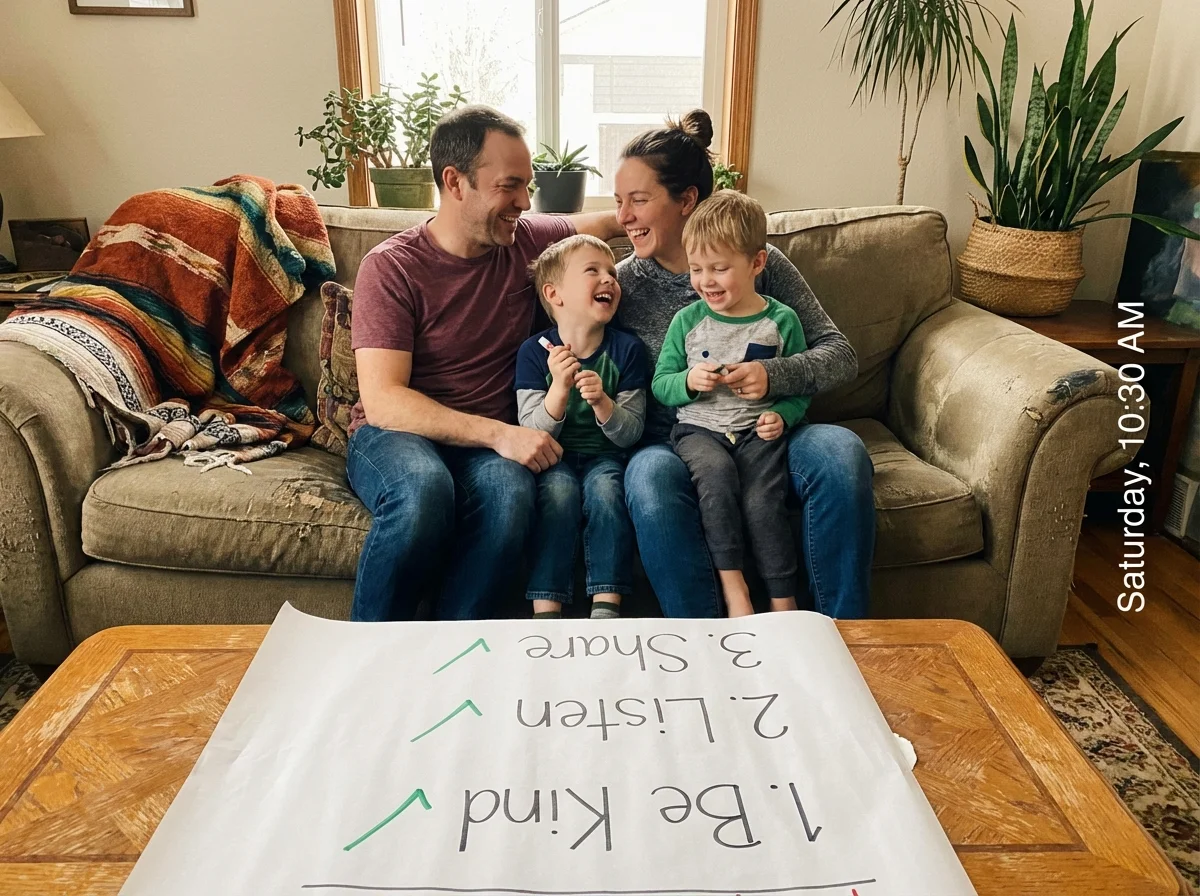
Sit down with your kids, and I mean literally sit down at the table, and build the screen time agreement as a team. Not "here are the new rules," but "we need to figure this out together."
Ask them: "How much screen time do you think is fair on a school day?" You'll be surprised. Most kids, when asked genuinely, suggest something reasonable. Maybe slightly more than you'd pick, but close. And if they suggest four hours, you negotiate. "That feels like a lot to me. What about two hours, and you get to pick when you use them?"
Write it down. Literally put it on paper. This matters more than you'd think. A written agreement feels more real and binding than a verbal conversation that everyone remembers differently.
Our family agreement includes:
- How much screen time on school days vs. weekends
- When screens need to be off (we chose 30 minutes before dinner and one hour before bed)
- What counts as "screen time" (watching YouTube counts, FaceTiming grandma doesn't)
- What happens when time is up (a 5-minute warning, then screens go to the charging station)
- What they can do instead (we keep a list they helped create)
The magic isn't in the specific numbers. It's in the fact that your kids helped decide them.
Rule 2: Use Transitions, Not Cold Stops
This is probably the single biggest thing that reduced meltdowns in our house. Never cut screens off cold. Always use a transition.
Five minutes before screen time ends, give a warning. "Hey, you've got five minutes. Start wrapping up whatever you're doing." This gives their brain time to begin disengaging. It's the difference between someone ripping a book out of your hands mid-sentence and someone saying "finish this chapter."
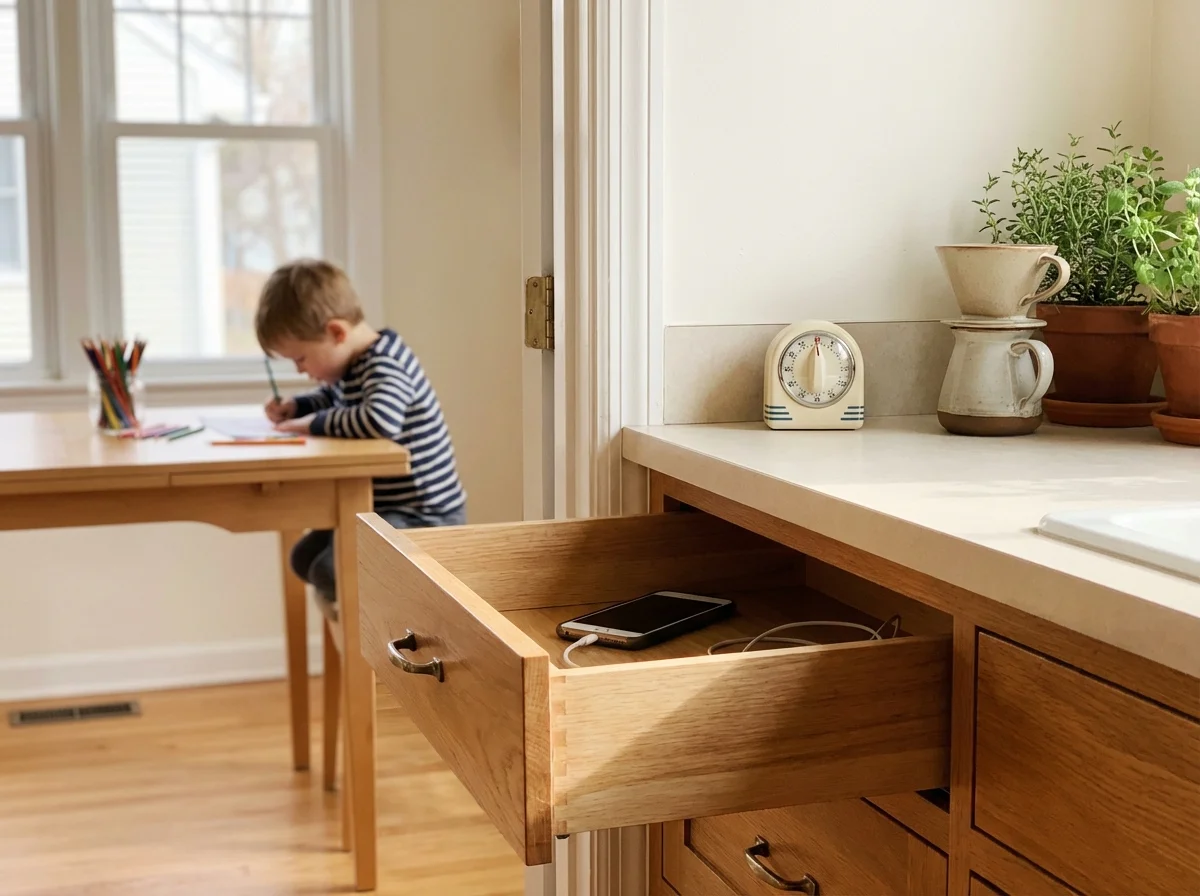
Some families use a physical timer that the kid can see. Others use the built-in screen time features on devices. We use a kitchen timer because the ticking sound actually helps my kids track the time. Find what works for your household.
The key insight: tantrums at screen-off time are usually about surprise, not disagreement. When kids know it's coming and have time to prepare, the emotional reaction drops dramatically.
Rule 3: Make the "After" Better Than the "Before"
This is where most parents stop. They set the limit, enforce the cutoff, but don't think about what comes next. Your kid puts down the iPad and then... what? Stares at a wall?
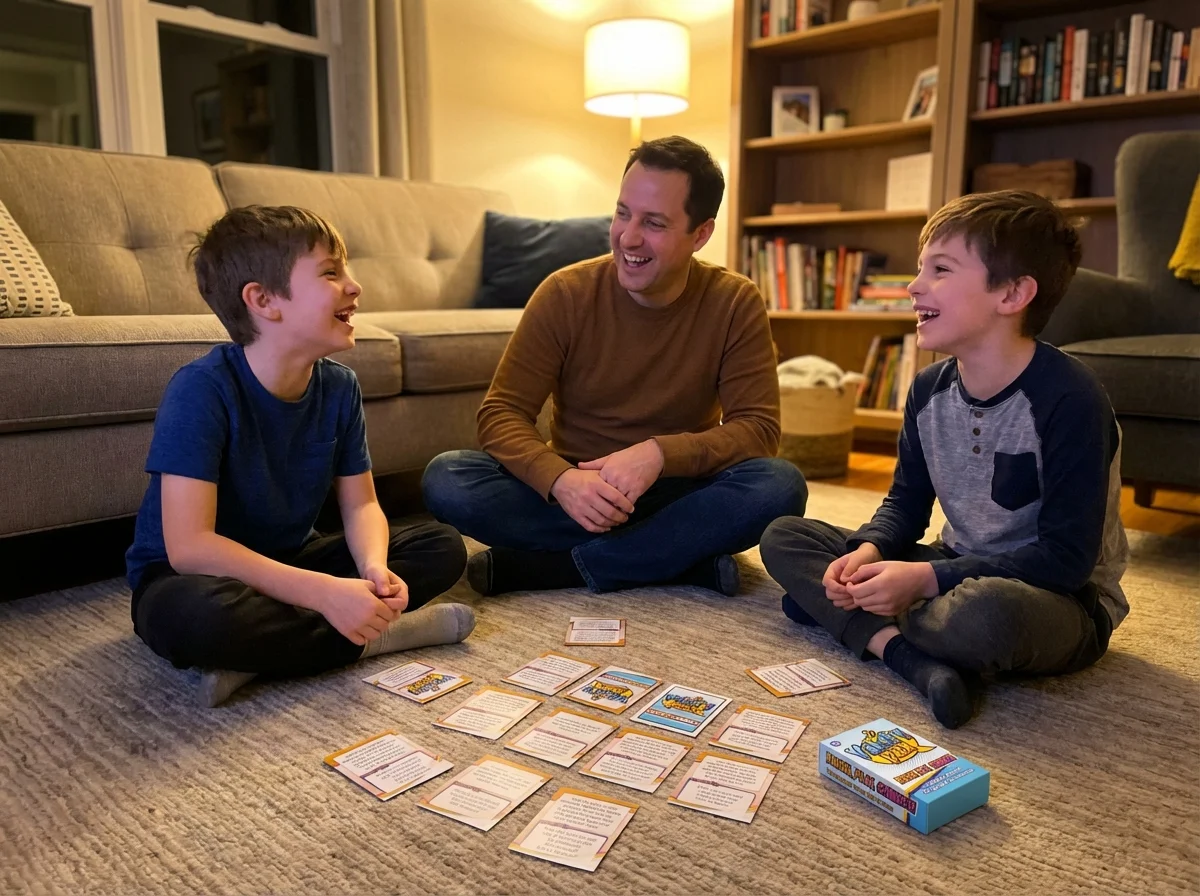
You need something ready. Not something you suggest in the moment. Something that's already set up and waiting. A puzzle that's half done on the table. Art supplies laid out. A book they're in the middle of. Pause, Play, Connect cards waiting on the counter for a quick round of questions before dinner.
We learned this from our own product development. When we were building Yakety Pack, we realized that the transition from screens to conversation had to be effortless. If there's any friction - setting up a game, explaining rules, finding missing pieces - kids default back to the screen. The alternative has to be as easy to start as tapping an app.
If you want a deep dive on reducing friction for screen-free activities, our article on screen time alternatives that actually work covers what we call "friction engineering" in detail.
 Ready before the timer endsPause, Play, Connect: Core Deck$49 CAD • 172 promptsSee the deck
Rule 4: Be Boring About Enforcement
Here's a counterintuitive one. When your kid pushes back on the rules (and they will), be the most boring person alive.
Don't lecture. Don't explain your reasoning for the fifteenth time. Don't engage in the argument. Just repeat the rule calmly and move on.
"I know you're upset. Screen time is over. The timer went off."
That's it. Say it once. Don't defend it. Don't escalate. Don't match their emotional energy.
Kids escalate because they're looking for an emotional reaction. If you give them one - whether it's anger, guilt, or a ten-minute explanation about brain development - you've just taught them that escalation gets engagement. And engagement means there's still a chance to negotiate.
Boring enforcement removes the incentive. There's nothing to push against. The rule just... is. Like gravity. You don't argue with gravity.
This was the hardest thing for me to learn. I'm a talker. I wanted to explain, justify, convince. But every explanation became a negotiation, and every negotiation ended with more screen time than we agreed to.
Rule 5: Model What You're Asking
I can't skip this one even though it's uncomfortable. If you're scrolling Instagram while telling your kid to put down the iPad, they see the hypocrisy. Kids are incredibly observant about double standards.
I started putting my phone in a kitchen drawer during our screen-free times. Not because I'm noble. Because my son literally said "why do you get to be on your phone when I can't be on mine?" And he had a point.
You don't have to be perfect. But you do have to be visibly trying. Let your kids see you choose a book over your phone. Let them catch you being bored and not immediately reaching for a screen. That models the behavior better than any rule ever could.

When to Be Flexible (and When to Hold the Line)
Rigid rules break. This is important. If your screen time system can't handle a rainy Saturday or a sick day, it's too brittle to survive real life.
Be flexible with:
- Sick days (screens are survival tools when your kid has the flu)
- Travel and long car rides
- Special occasions (movie night, new game release)
- Times when they've had a genuinely hard day
Hold the line on:
- Before-bed cutoffs (sleep hygiene isn't negotiable)
- Screens during family meals
- Using tantrums to get more time (this one matters most)
- The agreements they helped create
The flexibility isn't random. It's intentional. When you're flexible on sick days, your kid learns that the rules are compassionate, not controlling. When you hold firm on tantrums, they learn that emotional manipulation doesn't work. Both lessons matter.
A good phrase I use: "The rules are the rules on normal days. Today isn't a normal day, so we can adjust." This teaches your kid that exceptions exist but they're acknowledged, not demanded.
What to Do When It All Falls Apart
Some days the rules will fail. Your kid will melt down. You'll lose your temper. The iPad will come out at 9 PM because you're just done.
That's not failure. That's parenting.
The difference between families who succeed with screen time boundaries and those who don't isn't perfection. It's recovery. Can you have a bad day and get back to the system tomorrow? Can you acknowledge the slip without abandoning the whole plan?
One thing that helps: talk about it afterward. Not in the moment. Later, when everyone's calm. "Yesterday was tough. The rules didn't work great. What happened? What should we do differently?"
This turns a failure into data. And it reinforces that the rules aren't punishment - they're a system you're building together, and systems need adjustments.
If you're dealing with bigger gaming behavior concerns, like your kid can't disengage at all, our article on when gaming becomes a problem covers the warning signs worth watching for.
The Controversial Take: Perfect Screen Time Rules Don't Exist
Every article you'll find online acts like there's some magic formula. Two hours a day. One hour of educational content. No screens before age two.
Here's what nobody says: the "right" amount of screen time depends entirely on your kid, your family, and what's happening in your life that week.
A kid who's using Scratch to learn coding for three hours is in a completely different situation than a kid passively scrolling TikTok for thirty minutes. A family going through a move or a divorce might lean on screens more for a few months, and that's okay. A child with ADHD might need a different approach entirely than their neurotypical sibling.
The goal isn't zero screens. It's intentional screens. It's your kid knowing why they're using a screen, choosing it actively instead of defaulting to it, and being able to put it down when they're done.
If you can get there, the exact number of hours matters a lot less than everyone pretends.
Your First Week Game Plan
One easy first step: park a deck of conversation cards for families with gamer kids where the screens live.
For the Long Build: Rules stick when paired with a nightly ritual. A deck of Yakety Pack conversation cards on the dinner table is the easiest one.
Don't overhaul everything at once. Here's a simple plan for the first seven days:
Day 1-2: Have the conversation. Sit down with your kids and create the agreement together. Write it down. Put it on the fridge.
Day 3-4: Start the 5-minute warning transitions. Don't change the total screen time yet - just practice the transition system. Get them used to warnings and stopping points.
Day 5-7: Implement the full agreement. Expect pushback. Be boring about enforcement. Have alternatives ready. Breathe.
Week 2: Adjust what isn't working. Ask your kids what they think. Modify the agreement if needed.
That's it. No dramatic declarations. No smashing iPads. Just steady, boring, consistent progress.
For week one, night onePause, Play, Connect: Core Deck172 prompts that give the table something to do on the night the screens go off.$49 CAD • 90 cards • 18 reviewsShop the deck
Related Articles
Looking for more ways to manage screen time and connect with your kids? Check out these guides:
- Screen Time Alternatives That Actually Work - the complete system for what to do instead of screens
- When Gaming Becomes a Problem: Signs to Watch For - if the screen time battles are getting more intense
- How to Talk to Kids About Fortnite - understanding what gaming means to your kid socially
FAQ
How much screen time is okay for kids?
There's no universal number that works for every family. The AAP suggests one hour for ages 2-5 and consistent limits for older kids, but those are starting points, not laws. What matters more than the hours is the quality. Passive scrolling is different from creative screen use. Set a limit that your family can actually maintain, and adjust based on how your specific kid responds.
What do I do when my kid throws a tantrum over screen time?
Stay calm and boring. Acknowledge their feelings ("I know you're frustrated") but don't engage in negotiations or lectures. The tantrum is a response to a dopamine drop, not a logical argument. If you stay consistent through the first few tantrums, they get shorter and less intense. Most families see a real shift by the second or third week.
Should screen time rules be different on weekends?
Most families find that some flexibility on weekends helps. Slightly more total time, or a later cutoff, can make the weekday rules feel less restrictive. The key is that the weekend rules are still agreed upon in advance, not just "do whatever." Having structure on weekends, even looser structure, maintains the habit.
What if my partner and I disagree about screen time limits?
This is really common and really important to sort out. Have the conversation privately, not in front of the kids. Find a compromise you can both live with, because inconsistency between parents teaches kids to play one against the other. Even if the compromise isn't exactly what either of you wanted, a united front matters more than the perfect number.
Do screen time rules work for teenagers?
They work differently. Teenagers need more autonomy, so "because I said so" backfires. Involve them heavily in creating the rules. Focus less on total hours and more on specific boundaries like no phones at meals, devices out of bedrooms at night, and homework before gaming. Respect earns cooperation at this age.
My kid says all their friends have unlimited screen time. What do I say?
"Different families have different rules, and these are ours." Don't get pulled into comparing. Your kid might be right that some of their friends have fewer limits, but that doesn't change what works for your family. You can also point out, gently, that having some structure isn't the same as being strict - it's just being intentional.

