
Your kid's been on YouTube for two hours. You suggest going outside, and they look at you like you just asked them to do long division. So you try board games, except half the pieces are missing and nobody wants to read the rules. Back to the iPad. You tried, right?
I've been there. More times than I want to admit.
Here's what took me years to figure out: the problem with screen time alternatives isn't finding better activities. You already know your kid could read, draw, play outside, build with Legos. The problem is that every single one of those options requires more effort than tapping a screen. And that gap, the effort gap, is where every good intention goes to die.
Why Most "Alternatives" Lists Are Completely Useless
Go ahead, Google "screen time alternatives." I'll wait.
You'll find approximately ten thousand articles with titles like "75 Fun Things to Do Instead of Screens!" And every one of them lists the same stuff: board games, outdoor play, arts and crafts, reading, cooking together.
None of them work. And here's why.
Screens have zero friction. Your kid picks up a phone, taps an icon, and they're instantly entertained. Dopamine flowing. Social connection happening. Progress being made in whatever game they're playing.
Now compare that to the "alternatives" on those lists. Board games? You need to find the box, check if all the pieces are there (spoiler: they're not), read the rules nobody remembers, convince a sibling to play, and negotiate who goes first. That's fifteen minutes of setup for an activity your kid didn't even want to do.
Of course they'd rather watch YouTube.
The issue isn't that kids lack options. It's that every option has more friction than the screen in their hand. And until you solve the friction problem, no list of alternatives matters.
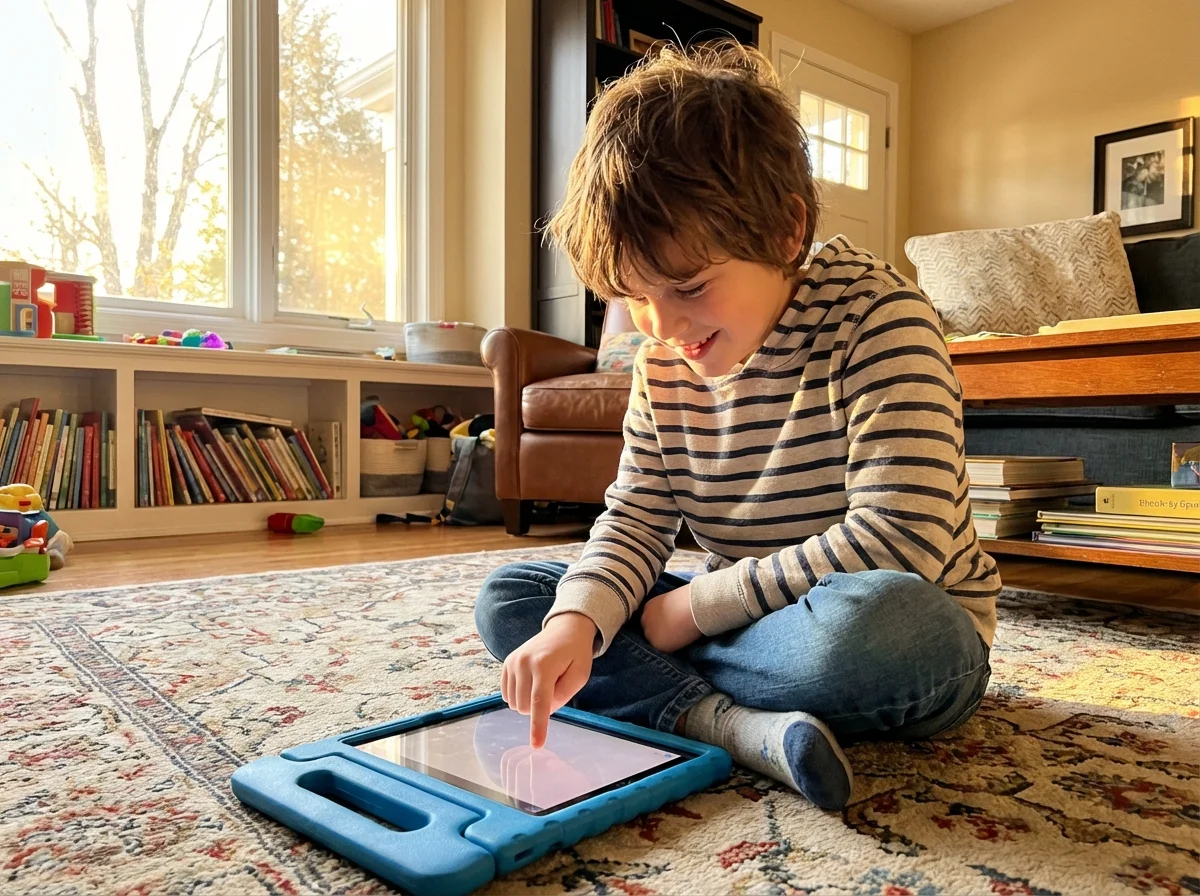
The Boredom Hump Is Real
There's this thing I call the boredom hump. It's the first 5-10 minutes after screens go away where your kid wanders around like a lost ghost, sighing dramatically, declaring that "there's nothing to do" in a house full of toys, books, and art supplies.
Most parents give in during the boredom hump. I did too, for years. But here's what I've learned: if you can get through those 10 minutes, something clicks. Kids start finding things to do on their own. Their brains shift from consumption mode to creation mode. But that transition is painful, and nobody talks about how to actually survive it.
 The lowest friction optionPause, Play, Connect: Core Deck172 prompts that need no setup, no rules and no missing pieces to get going.$49 CAD • 90 cards • 18 reviewsShop the deck
The Friction Formula: Make Alternatives as Easy as Screens
This is the everyday version of our pillar approach to turn screen time into connection time.
The single biggest change we made in our house wasn't finding new activities. It was making existing activities easier to start.
I call it friction engineering, and it's embarrassingly simple once you see it. (For a full room-by-room guide, check out how to set up your home for screen-free play.)
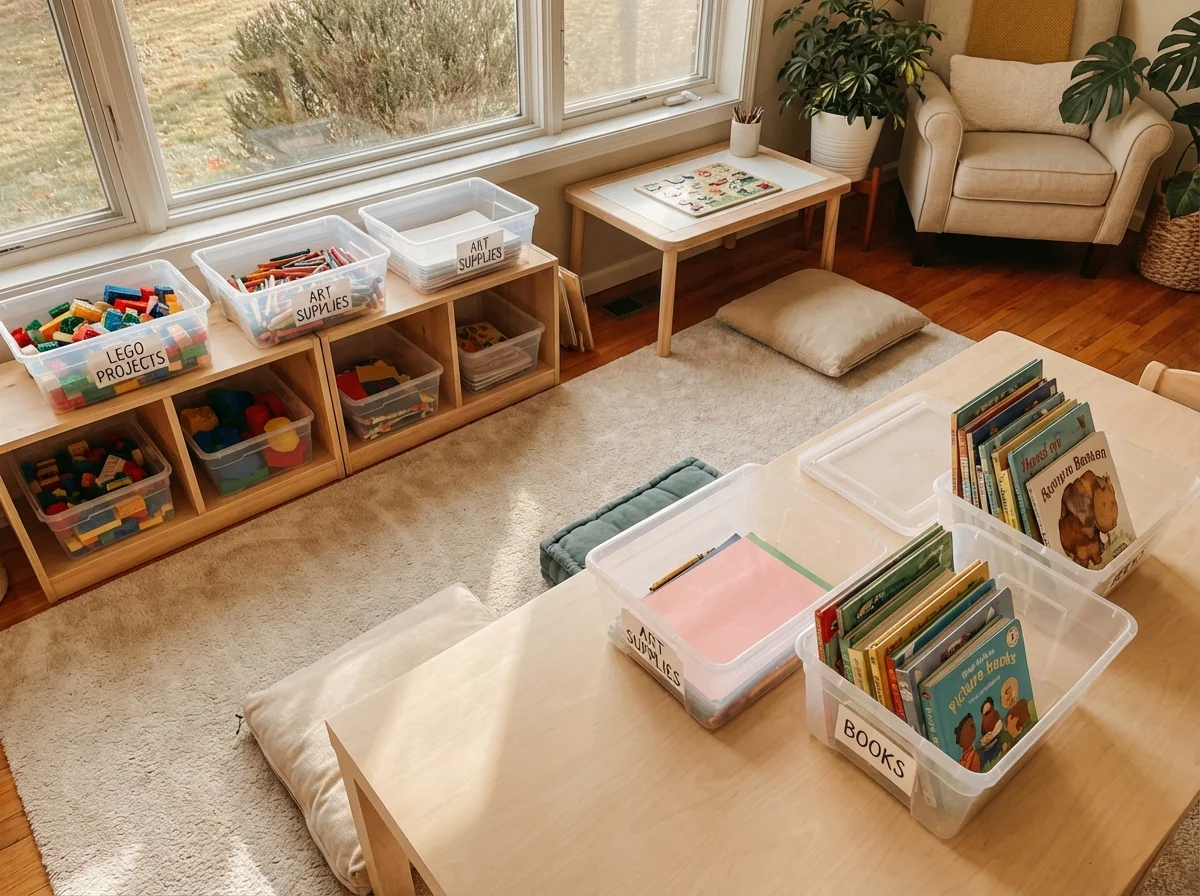
My Lego story: We had a massive bin of mixed Legos that sat untouched for months. My kids would look at it, see chaos, and walk away. Then one weekend I spent an hour sorting them into project boxes, each with a printed picture of something they could build and the right pieces inside. Same Legos. Different packaging. My son built three things that week without being asked.
The activity didn't change. The friction did.
How to Reduce Friction (Practical Steps)
Pre-stage everything. Don't store art supplies in a closet. Leave colored pencils and a sketchpad on the kitchen table. Put a puzzle on the coffee table, already started. Leave a book open on the couch. Visual cues beat verbal suggestions every single time.
Try rotation bins. Get 3-4 bins. Fill each with a different set of activities (art supplies in one, building toys in another, science experiment kits in the third). Rotate them weekly. New stuff feels exciting even when it's the same stuff from three weeks ago.
Use the 5-minute rule. When your kid resists an alternative, don't negotiate for an hour of activity. Just say "try it for 5 minutes, and if you hate it, you can stop." Nine times out of ten, they're still going at the 20-minute mark. The hardest part is starting.
Make the screen harder. This sounds sneaky, but it works. Put devices in a drawer instead of on the counter. Require a short task before screen access (nothing punitive, just friction). Add two extra steps between "I'm bored" and "I'm watching YouTube." You don't need to ban screens. You just need to level the playing field.
We learned this the hard way when building Yakety Pack. Our conversation cards had to be grab-and-go. If parents needed to read instructions or set up a game board, they wouldn't use them. The box opens, you pull a card, you start talking. That's it. Because we knew: friction kills engagement.
Alternatives Kids Can Actually Do Alone
Here's the dirty secret about most screen time alternative lists: they require YOU. Bake cookies together. Do a science experiment. Play catch.
That's great advice if you have unlimited free time. But if you're cooking dinner, answering emails, managing a household, or just need twenty minutes of quiet, "do it together" isn't helpful.
You need alternatives that kids can sustain independently. And those look different at every age.

Ages 6-9: The Imagination Window
This is the golden age for self-directed play, but only if the environment supports it.
- Audio adventures. Podcasts and audiobooks are massively underrated. "Wow in the World," "Story Pirates," "Brains On!" - these are screen-free, zero-friction, and kids get hooked. Download a few to an old phone with no apps.
- Building challenges. Give them a prompt ("build the tallest tower that can hold a book") and walk away. Constraints spark more creativity than open-ended play.
- Drawing prompts. Leave a jar of folded-up drawing prompts on their desk. "Draw your dream house" or "Design a new animal." Self-directed and endless.
- Sensory play. Kinetic sand, water beads, clay. Messy? Yes. But it holds attention like nothing else in this age group.
Ages 10-13: The Tricky Middle
This is where most alternatives lists completely fall apart. A 12-year-old isn't going to play with kinetic sand or do a coloring page. Their brain craves complexity, social validation, and autonomy.
- Creation tools. Scratch coding, Canva design, GarageBand music production, stop-motion animation. These are screen-adjacent but creative rather than consumptive.
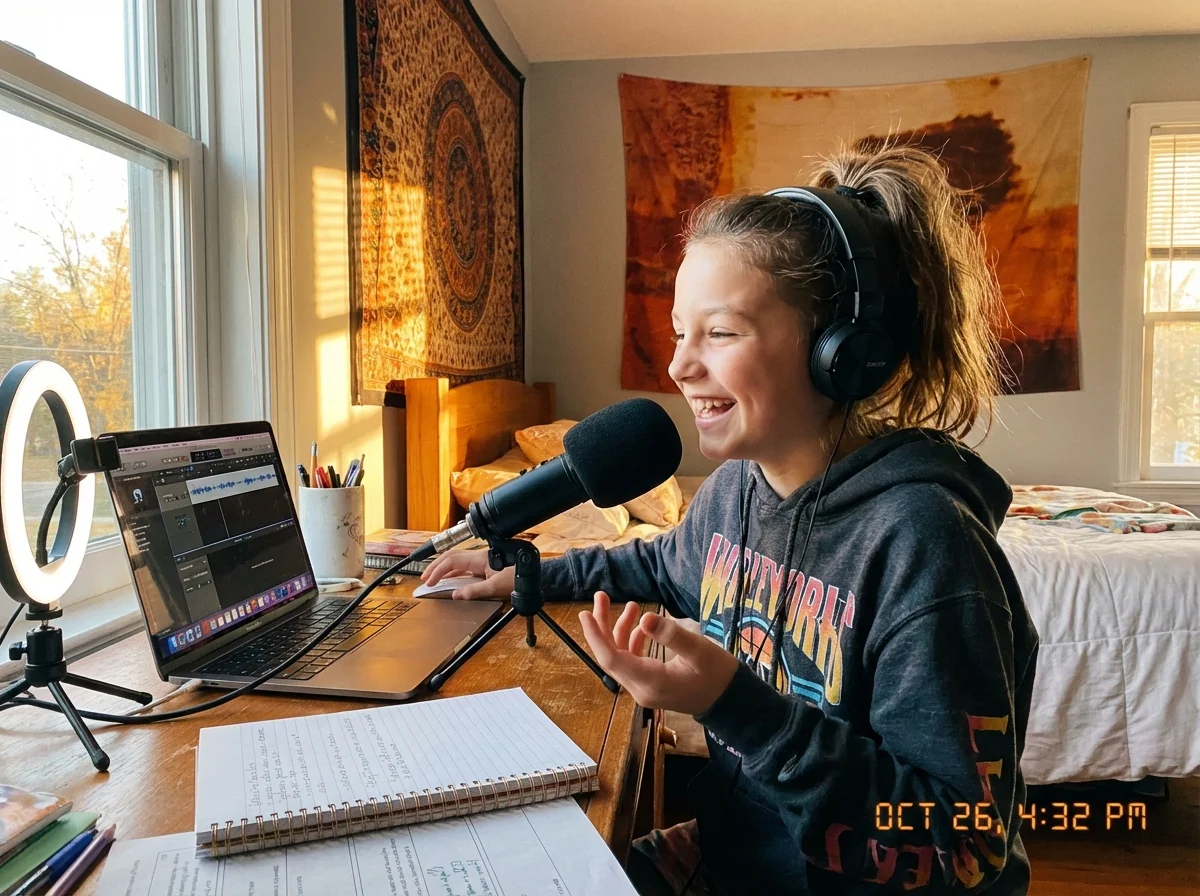
- Podcast creation. One family I know gave their 11-year-old a cheap microphone and he started interviewing his friends about random topics. He hasn't asked for YouTube time since. The kid went from consuming content to creating it. Same dopamine, better outcome.
- Physical challenges. Skateboarding, basketball trick shots, fitness challenges from apps (yeah, screen-assisted is okay). Anything with progression and skill-building.
- Passion projects. Help them find a thing and go deep. Baking, woodworking, photography, coding. The key is letting them choose.
Ages 14+: Respect the Autonomy
Teenagers need to feel like reducing screen time is THEIR idea, not yours. Direct commands backfire spectacularly.
- Connect screen skills to real-world output. Gaming kid? Point them toward game development. YouTube watcher? Suggest they make videos. Social media obsessed? Photography, graphic design, content creation.
- Entrepreneurship. You'd be amazed how many teens get fired up by the idea of making money. Selling art on Etsy, starting a lawn care business, flipping thrift store finds.
- Fitness with tech integration. Apple Watch rings, Strava challenges, gym buddy apps. Meets them where they are.
- Reading (but make it cool). Graphic novels, manga, true crime, fantasy series. Don't push "classics." Push stuff they'd actually devour.
 Something to say insteadPause, Play, Connect: Core Deck$49 CAD • 172 promptsSee the deck
The Social Problem Nobody Talks About
Here's something that drives me crazy about the "put down the screen" conversation: screens are social.
Your kid isn't just watching videos in isolation (well, sometimes they are). They're texting friends, playing multiplayer games like Fortnite, sharing memes, building in Roblox together. When you take screens away, you're not just removing entertainment. You're removing their social connection. (If gaming is a big part of your kid's social life, check out our guide on how to talk to kids about Fortnite - it's all about understanding what gaming means to them socially.)
And then we wonder why they resist.
Any real screen time alternative has to address the social piece. Otherwise you're asking your kid to choose boredom AND loneliness over fun AND friends. That's not a fair fight.
Social Alternatives That Actually Compete
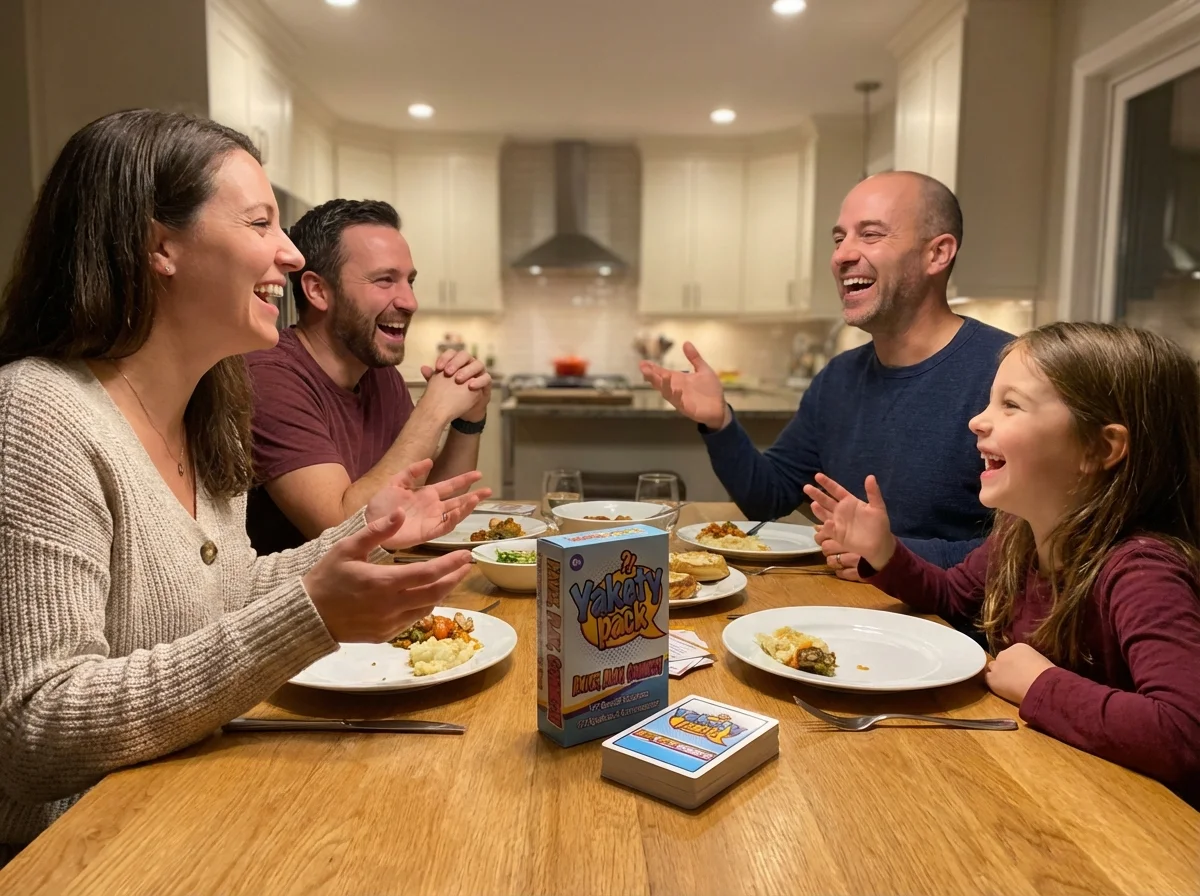
Conversation as connection. This is literally why we built Pause, Play, Connect. Family dinner was turning into everyone on their phones, and we realized: the problem wasn't screens at dinner. The problem was we had nothing better to talk about than "how was school." The cards gave us something to actually say to each other. Turns out, kids will choose real conversation over screens if the conversation is interesting enough. (If your kids are into gaming, these conversation starters designed specifically for gaming kids work way better than generic questions.)
Structured hangouts. "Have a friend over" is too vague. "Have a friend over for a cooking challenge" or "invite someone to build something in the garage" gives structure that replaces the structure screens provide.
Neighborhood networks. Talk to other parents. Coordinate screen-free afternoons where kids rotate between houses. Social pressure works on kids AND parents.
The Dopamine Bridge: Getting From High-Stim to Low-Stim
The flip side of this bridge is our piece on why kids cannot stop screen time, which explains the upstream dopamine issue.
You cannot go from TikTok to reading a book. The brain doesn't work that way.
TikTok delivers new stimulation every 15-30 seconds. A book asks you to sustain attention on one thing for hours. Asking your kid to make that jump is like asking someone running a sprint to suddenly sit in a meditation class. The nervous system revolts.
You need bridge activities. Things that are still stimulating but differently stimulating.
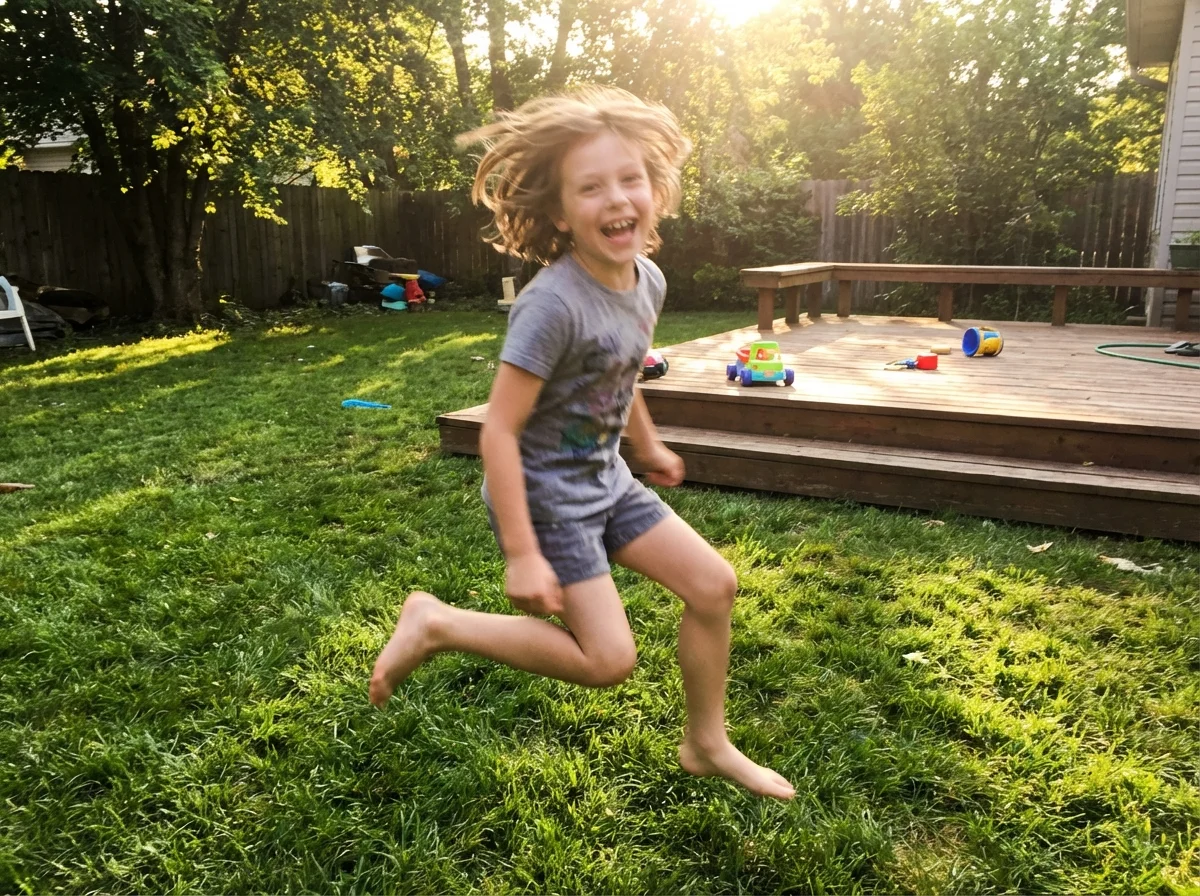
High-energy physical activity works brilliantly as a bridge. After screens, get them moving first. Dance party in the kitchen. Ten minutes of basketball. A bike ride around the block. Physical movement helps discharge the restless energy that builds during screen time.
Music is another incredible bridge. Listening, playing an instrument, or just being goofy with a karaoke machine. It's stimulating enough to not feel like punishment.
The timeline is real. Families I've talked to who successfully reduced screen time say the first two weeks are rough. By week three, kids start initiating non-screen activities on their own. By month two, the default shifts. But you have to survive the transition period. And most families quit at day four.
When Screens ARE the Alternative
I'm going to say something that might surprise you: sometimes the best screen time alternative is... better screen time.
Not all screen engagement is equal. Passively scrolling TikTok for two hours is fundamentally different from:
- FaceTiming grandparents. That's relationship building. It counts.
- Playing Minecraft with friends. That's collaborative problem-solving. It counts.
- Making digital art on Procreate. That's creative expression. It counts.
- Watching a documentary together as a family. That's shared learning. It counts.
Stop counting minutes. Start evaluating quality.
The goal was never "zero screens." The goal is intentional engagement instead of passive consumption. A kid who spends an hour building something in Minecraft is having a completely different experience than a kid scrolling YouTube Shorts for an hour. If we treat them the same, we're missing the point entirely.
For the Awkward Beats: The first 10 minutes off screens needs a script. Set a Pause, Play, Connect deck where the remote lives so a low-pressure prompt is ready when the screens go off.
Making It Stick: Behavior Over Minutes
The easiest sticky alternative is a deck of conversation cards for families with gamer kids sitting where the controller used to be.
How do you know if your screen time alternatives are actually working? Not by counting minutes. By watching behavior.
Signs it's working:
- Your kid initiates a non-screen activity without being asked
- They sustain focus on something for longer stretches
- Post-activity mood is positive (not frustrated or bored)
- They talk about what they did, not just what they watched
- Resistance to screen-free time decreases over weeks
Signs you need to adjust:
- Every screen-free moment feels like a battle
- Compliance without engagement (they "do" the activity but check out)
- Increased anxiety or agitation during off-screen time
- You're spending more energy policing than connecting
Expect regression. Kids are human. There will be weeks where screens win. Holidays, sick days, rainy weekends, stressful periods. That's normal. The goal is a general trend, not perfection.
And here's my most practical piece of advice: celebrate the small moments. Your kid spent twenty minutes drawing without being asked? That's a win. They chose to read before bed instead of watching a video? Win. They asked a question at dinner instead of staring at their plate? Huge win.
If you're looking for an easy way to create more of those dinner conversations, that's exactly what we designed Pause, Play, Connect for. It turns "how was school" into actual conversations that surprise you. But whatever tools you use, the principle is the same: make the non-screen option the path of least resistance.
Open the box, pull onePause, Play, Connect: Core Deck172 prompts that give the dinner table something to talk about besides how was school.$49 CAD • 90 cards • 18 reviewsShop the deck
Related Articles
Looking for more ways to connect with your kids in the digital age? Check out these guides:
- Conversation Starters for Gaming Kids - Specific questions that actually get gaming kids talking
- How to Talk to Kids About Fortnite - Understanding what gaming means to your kid socially
FAQ
How much screen time is actually okay for kids?
Honestly? There's no magic number. The AAP used to say two hours, then they backed off that recommendation because they realized context matters more than minutes. A kid video-chatting with a cousin for an hour is having a totally different experience than a kid watching random YouTube clips for an hour. Focus on what they're doing with screens, not how long.
My kid throws a tantrum every time I take screens away. What do I do?
First, that's normal. Screens trigger dopamine responses similar to sugar, and withdrawal is real. Don't negotiate during the tantrum. Set the boundary calmly, acknowledge their frustration ("I know it's hard to stop when you're in the middle of something"), and give them space to be upset. The tantrums decrease dramatically after the first two weeks of consistent boundaries. Consistency is everything.
What if my kid says they're bored with every alternative I suggest?
Good. Boredom is actually the gateway to creativity. Research backs this up. When kids say "I'm bored," they're really saying "I don't want to put effort into starting something." That's the boredom hump. Don't rush to fix it. Say "that's okay, something will come to you" and give it ten minutes. They'll find something. They always do.
Do screen-free alternatives work for kids with ADHD?
Yes, but they need to be higher stimulation and more structured. Kids with ADHD struggle more with the transition from screens because the dopamine gap is larger. Use physical bridge activities (trampoline, climbing, running) first, then transition to focused activities with clear short-term goals. Timer-based challenges work really well. "How many baskets can you make in 3 minutes?" gives the urgency their brain craves.
Should I do a "screen detox" or gradually reduce screen time?
Gradual wins every time. Cold turkey creates resentment and power struggles. Start by making one time block screen-free (dinner, for example) and pre-stage an alternative. Once that's normal, add another block. Within a month, you've reclaimed hours without a single fight. The families who try weekend-long detoxes usually end up with exhausted parents and resentful kids by Sunday afternoon.

