
"How was school?"
"Fine."
"What did you do?"
"Nothing."
"Did anything interesting happen?"
"No."
If you've had this exact exchange, word for word, at least three hundred times, welcome to the club. Membership is free. The frustration is not.
I used to think my kids just didn't want to talk to me. That somewhere around age seven, a switch flipped and I became the last person on earth they wanted to share anything with. I took it personally for years. I tried different tactics. I asked more questions. I asked fewer questions. I waited. I pushed. I bribed. I googled "how to get your kid to talk to you" at midnight more times than I'm comfortable admitting.
Here's what nobody told me, and what I had to learn the painful way: the problem was never that my kids didn't want to talk. The problem was that I was asking the wrong questions, at the wrong times, in the wrong way.
And here's the thing that really messed with my head: what works at four doesn't work at eight. What works at eight actively backfires at thirteen. The way you talk to your kids has to evolve as fast as they do, and nobody hands you an updated manual.
So I wrote one.
This is everything I've learned about having real conversations with my kids, from the toddler years through the teenage gauntlet. Some of it I figured out through trial and error. Some of it I picked up from other parents who were further down the road. And some of it came from a realization that changed my whole approach: understanding what your kids are into is the fastest shortcut to getting them to open up.
Why Conversations Break Down (It's Not What You Think)
The deeper pattern is in our pillar piece on turn screen time into connection time.
Before we get into the age-by-age stuff, let me save you some grief. There are three reasons your kids stop talking to you, and none of them are "they don't love you anymore."
Reason 1: Your questions feel like surveillance.
"How was school?" sounds innocent to you. To your kid, it sounds like a pop quiz. If you want better questions that actually work, start there. They don't want to report on their day. They want to share what excited them, frustrated them, or made them laugh. But your question doesn't give them permission to do that. It asks for a summary, so they give you one. Fine. Nothing. No.
Reason 2: Your timing is terrible.
I know. Nobody wants to hear this. But the moment your kid walks through the door is the worst possible time to ask about their day. They're transitioning. Their brain is switching from school mode to home mode. Hitting them with questions in that window is like someone ambushing you with a work meeting the second you leave the office.
Reason 3: They don't think you actually care about their answer.
This one stings. But kids are perceptive. If you ask "how was your day?" while scrolling your phone, while cooking dinner, while half-watching the news, they know. They can tell the difference between genuine curiosity and going through the motions. And they respond accordingly.
The good news? All three of these are fixable. And fixing them doesn't require a psychology degree. It requires paying attention to who your kid is right now, not who they were six months ago.
 When fine is the whole answerPause, Play, Connect: Core Deck172 prompts that get past "fine" and into a real answer, with questions that land differently at every age.$49 CAD • 90 cards • 18 reviewsShop the deck

Toddlers (Ages 2-4): When Every Answer Is a Story
Talking to toddlers is an exercise in patience and wonder. They have huge feelings, tiny vocabularies, and zero filter. It's actually the best.
The mistake most parents make at this age is asking questions that are too open-ended. "What did you do today?" is meaningless to a three-year-old. They don't organize their memories by timeline. They organize them by emotion and sensation.
What Works
Ask about specifics they can picture. Instead of "what did you do at daycare?" try "did you play outside today? What was on the playground?" Give them something concrete to grab onto.
Name emotions for them. "You look really happy right now. What's making you smile?" Toddlers are learning to connect feelings with words. When you label it for them, you're teaching them the language of self-expression.
Follow their lead. If your toddler starts talking about a bug they saw, that bug conversation is the most important thing in your world for the next three minutes. Don't redirect. Don't correct. Don't teach. Just listen.
Conversation Starters That Work at This Age
- "What was the best part of your lunch today?"
- "Did anything make you laugh today? What was so funny?"
- "If you could be any animal right now, which one?"
- "Tell me about the picture you drew. What's happening in it?"
The magic at this age isn't the questions. It's the response. When a toddler tells you something, and you react with genuine interest, you're programming them to believe that sharing things with you is rewarding. That programming carries forward for years.

Young Kids (Ages 5-7): The Golden Window
I call this the golden window because kids this age still want to tell you everything. Every detail of every interaction at school. Every perceived injustice on the playground. Every fact they learned about dinosaurs or space or why frogs are wet.
Your only job at this age is to not shut it down.
And that's harder than it sounds. Because a five-year-old will start telling you about their friend's new shoes and somehow end up on a fifteen-minute tangent about volcanoes, and your brain will scream "get to the point." Don't say that. Ever.
What Works
Ask "and then what happened?" a lot. This is the single most powerful question for this age group. It tells them you're following along and you want more. Kids this age are learning narrative structure. They're practicing telling stories. "And then what happened?" is how you encourage that skill.
Use "I wonder" instead of direct questions. "I wonder what your teacher thought about that" lands differently than "what did your teacher say?" The first one invites thinking. The second one demands an answer.
Talk about your own day too. This one surprised me. When I started sharing small things about my day, my kids started sharing more about theirs. It modeled what a conversation actually looks like, two people exchanging, not one person reporting.
Conversation Starters That Work at This Age
- "What's one thing that happened today that you want to tell me about?"
- "Who did you sit with at lunch? What did you guys talk about?"
- "If you were the teacher for one day, what would you change?"
- "What's something you learned today that you didn't know yesterday?"
Elementary Age (Ages 8-10): When Opinions Start Forming
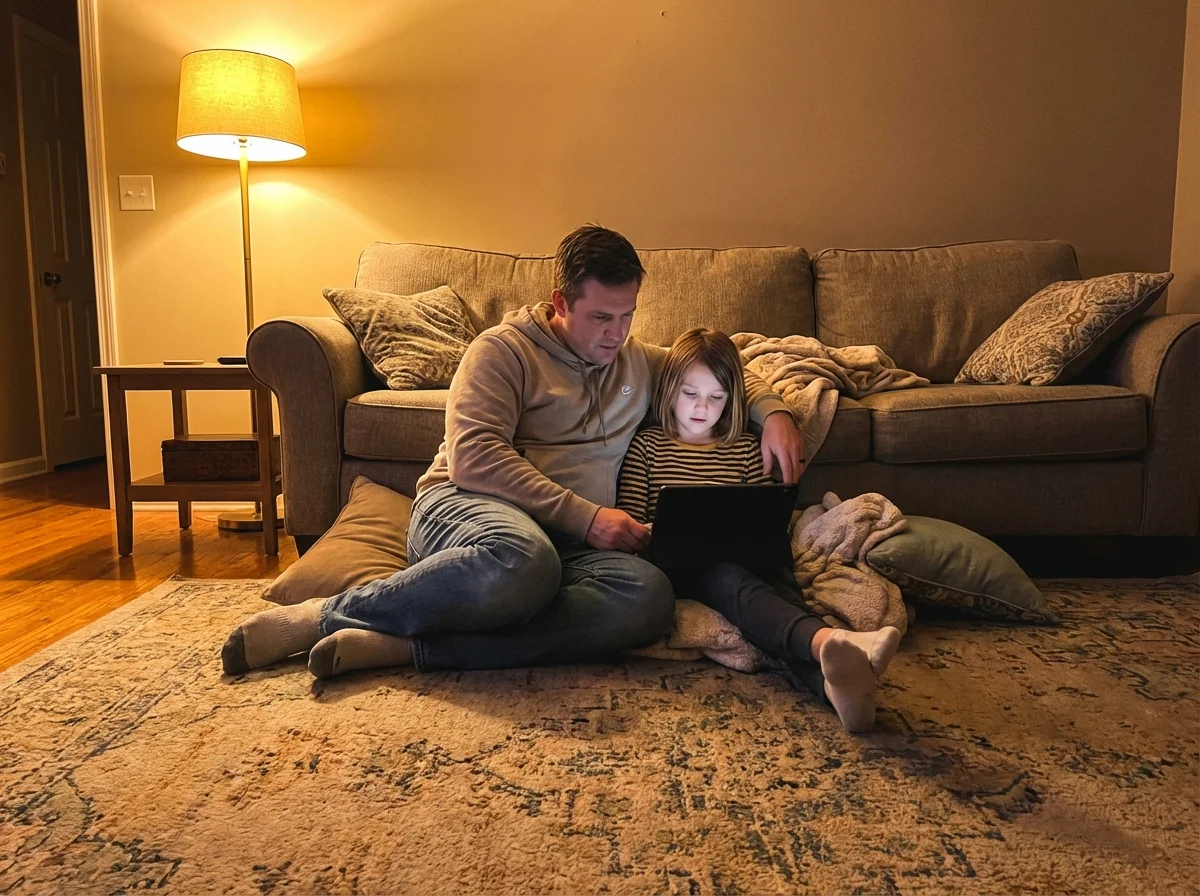
This is when things start getting interesting. Your kid is developing opinions. Real ones. About fairness, friendship, what's cool, what's not. They're starting to notice inconsistencies in how adults behave. They're comparing you to other parents.
It's also when gaming often enters the picture in a serious way, and if you're not ready, it can feel like a door closing. Kids this age start having a whole social life inside Minecraft, Roblox, or whatever comes next. If you dismiss that world, you dismiss a chunk of who they're becoming.
What Works
Ask about their opinions, not just their day. "What do you think about that?" is an upgrade from "what happened?" at this age. They want to be taken seriously. Asking what they think signals that you value their perspective.
Get specific about their interests. If they're into Minecraft, learn enough to ask real questions. Not "how was Minecraft?" but "did you finish that redstone contraption you were working on?" The specificity tells them you've been paying attention. And if you need a crash course, learning the basics of what they're playing goes a long way.
Side-by-side beats face-to-face. I noticed something around age eight or nine. My kids clammed up when we sat across from each other. But in the car, on walks, while building something together, they'd talk forever. There's research behind this. Direct eye contact can feel confrontational. Parallel positioning feels safe.
Conversation Starters That Work at This Age
- "What's the most unfair thing that happened this week?"
- "If you could make one rule for our family, what would it be?"
- "What are your friends talking about these days that I probably don't know about?"
- "Is there anything you wish I understood better about [their current interest]?"
 Keep the conversation goingPause, Play, Connect: Core Deck$49 CAD • 172 promptsSee the deck
Tweens (Ages 11-13): The Great Pullback
Welcome to the hardest years. I'm not going to sugarcoat this.
Your tween is going through more change, physically, socially, emotionally, than at any other point in their life. Their brain is literally rewiring. Their social world has exploded in complexity. They're navigating friend drama, identity questions, academic pressure, and the constant hum of social media, all while pretending everything is totally fine.
And they're going to tell you approximately 12% of it. On a good day.
Here's what saved me during this stage: I stopped trying to extract information and started trying to create conditions where sharing felt natural.
What Works
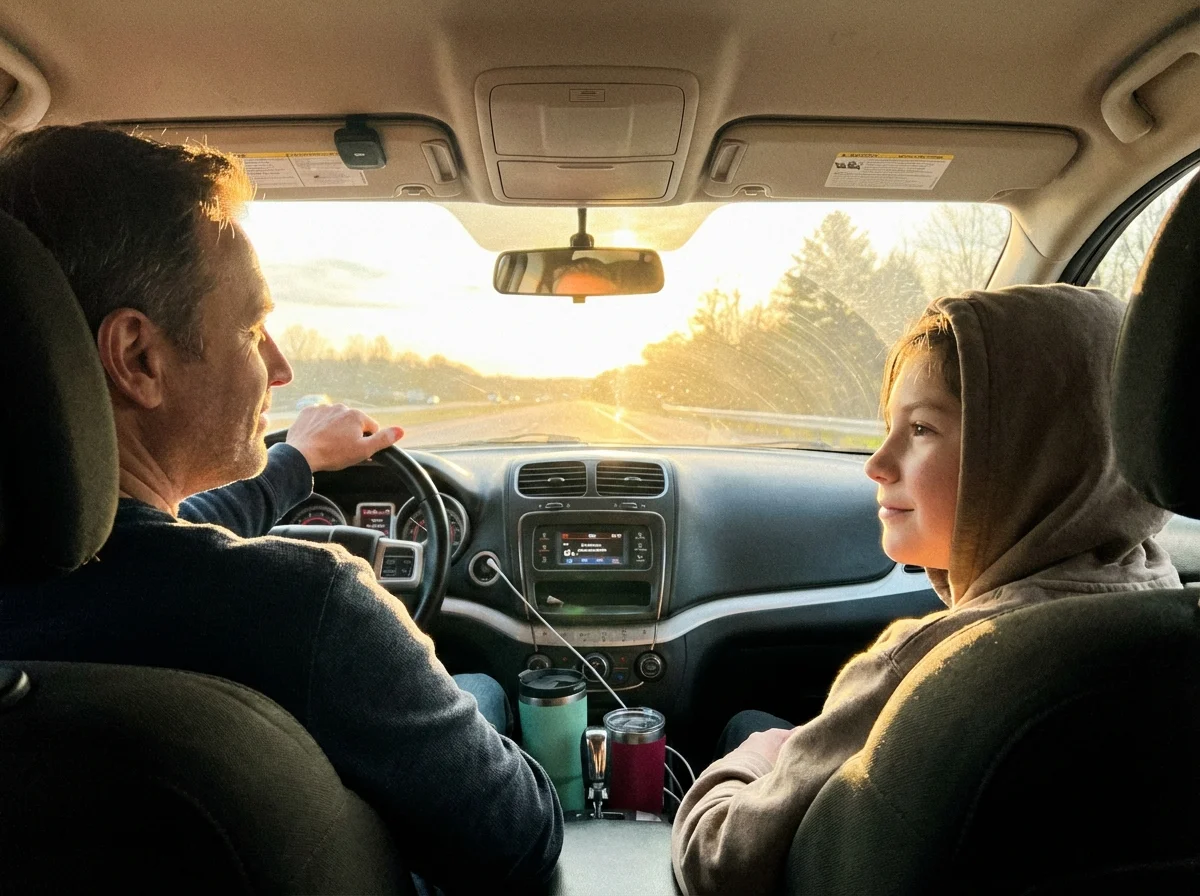
Use car rides strategically. The car is your secret weapon from now through the teen years. Something about being side by side, looking forward, with a defined end point makes hard conversations easier. Some of the best talks I've ever had with my kids happened on fifteen-minute drives to practice.
Don't react immediately. This is the hardest thing I've learned as a parent. When your tween tells you something shocking, your first job is to not freak out. Your reaction in that moment determines whether they'll tell you the next thing. Take a breath. Say "tell me more." Process your panic later.
Meet them in their world. If your kid lives on Discord or spends hours gaming, that's where their emotional life is happening. Asking about it with genuine curiosity, not suspicion, opens doors. Understanding how they communicate online isn't optional at this age. It's essential.
Be available without being intrusive. Tweens need to know you're there without feeling like you're hovering. I started a habit of just being in the room. Not asking questions. Not checking in. Just present. Cooking while they did homework. Reading while they gamed. And eventually, they'd start talking on their own.
Conversation Starters That Work at This Age
- "What's the most interesting thing someone said to you this week?"
- "Is there anything going on with your friends that's stressing you out?"
- "What's something you wish adults understood about being your age?"
Notice how none of these are yes/no questions. At this age, yes/no questions are dead on arrival.
Teens (Ages 14-17): Playing the Long Game
Here's the truth about teenagers that nobody prepares you for: they still need you. Desperately. They just can't show it.
Teenagers are building independence. That means pushing away from the people they depend on most, which is you. It's healthy. It's necessary. And it feels like rejection.
I went through a stretch where my teenager barely looked at me for three months. I thought I'd lost him. I questioned every parenting decision I'd ever made. Then one random Tuesday night, he sat down next to me on the couch and talked for forty-five minutes straight about something happening in his friend group. No preamble. No warm-up. Just started talking.
That only happened because I'd spent those three months being patient and keeping the door open.
What Works
Don't take the bait. Teens will test you. They'll say provocative things to see how you react. They'll share a small piece of something big to gauge whether it's safe to share more. If you overreact to the small thing, you'll never hear the big thing.
Ask about their world, not your worries. "Tell me about that show you're watching" works. "Are you drinking at parties?" does not. You get to the serious conversations by building trust through the casual ones.
Share your own struggles. Not in a "when I was your age" way. In a "I'm dealing with something hard at work and I'm not sure what to do" way. Teenagers respect vulnerability. It tells them that being unsure is human, not weak. And it models the kind of sharing you're hoping they'll do with you.
Let some conversations happen over text. I resisted this for a long time. I wanted "real" conversations, face-to-face, eye contact, the whole thing. But I realized some of the most honest things my teen shared with me came through text messages. Late at night. In short bursts. The medium doesn't matter. The honesty does.
Respect the closed door. Sometimes they need space. Actual physical space. Knocking, poking your head in, and saying "just checking on you" is not respecting space. Saying "I'm here if you need anything" once, and then actually leaving, is.
Conversation Starters That Work at This Age
- "What's something you've changed your mind about recently?"
- "Is there anything you wish you could talk to me about but feel like you can't?"
- "What's something your generation does better than mine?"
- "What's the hardest part of your life right now that I might not see?"
That last one is a risk. Your teen might say "nothing" or they might say something that breaks your heart. Either way, asking it tells them you see them as a whole person with a complex inner life, not just a kid following your rules.
The Gaming Bridge: Your Secret Weapon for Connection
A deck of conversation cards for families with gamer kids is the easiest way to make the bridge stick night after night.
Here's where everything I've learned comes together.
I spent years trying to have conversations with my kids about school, about their feelings, about their friends. And I got varying degrees of "fine" and "I don't know." Then I started asking about their games.
Not in a surveillance way. Not "what are you playing and is it appropriate?" In a genuine curiosity way. "What happened in your game today? Walk me through it."
And suddenly I had kids who wouldn't stop talking.
It turns out that when you ask about what they actually care about, the floodgates open. And once they're talking, really talking, they don't always stay on the topic of games. They drift into how they're feeling. What their friends are going through. What's stressing them out. The game was just the on-ramp.
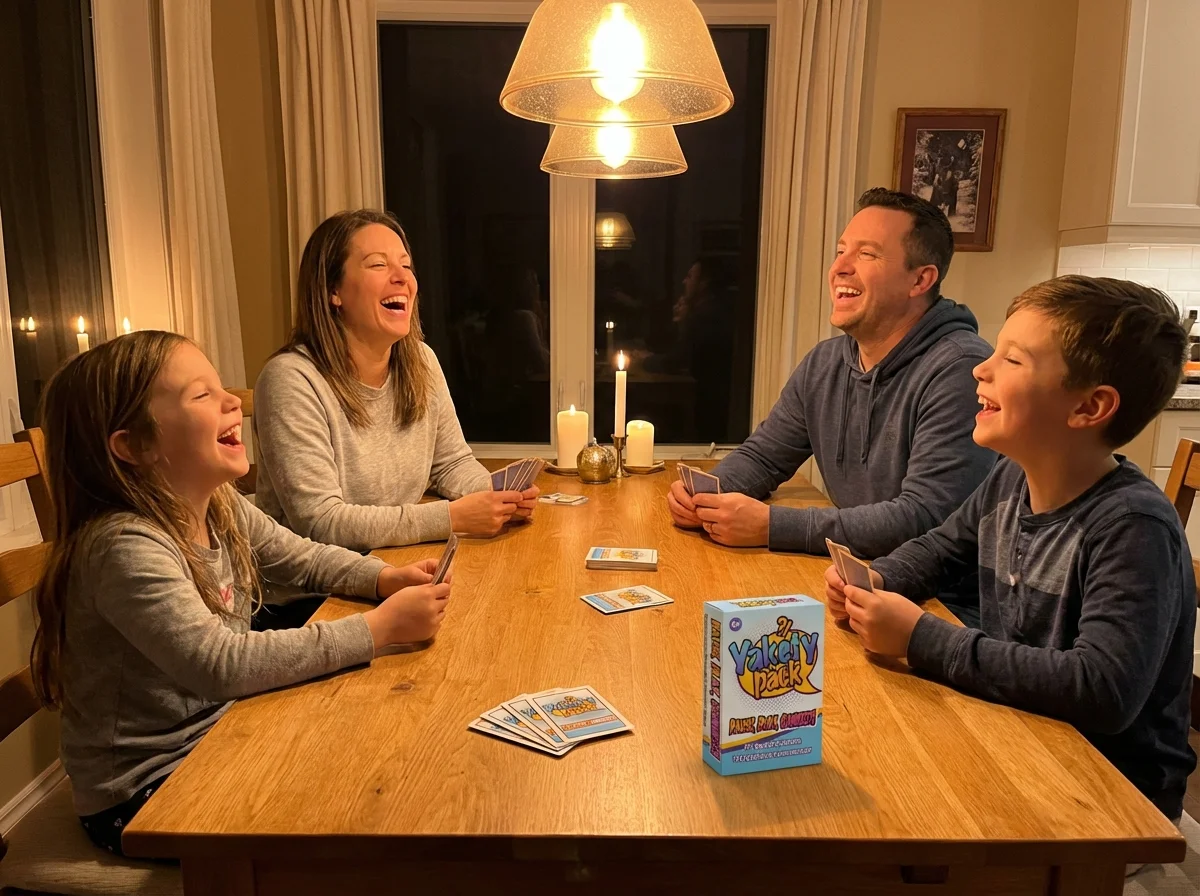
This realization is actually why we created Pause, Play, Connect. My co-founder and I kept having the same experience: the best conversations with our kids didn't come from sitting them down for a "talk." They came from a question that met them where they were. A question about their world, not ours. We built a whole deck of those questions into a card game because we figured other families might need the same thing.
One card asks something like "what game character would you want as a best friend and why?" Sounds light, right? But the answers tell you everything. Your kid's values, their sense of humor, how they think about relationships, all wrapped up in a question about something they love.
The point isn't the cards. The point is the principle: start with their interests, and the real conversations follow.
Five Mistakes That Kill Conversations (I Made All of Them)
Mistake 1: Turning every conversation into a lesson. Your kid tells you about a conflict with a friend, and you immediately go into problem-solving mode. "Well, have you tried talking to them? Maybe you should..." Stop. They didn't ask for advice. They needed to be heard.
Mistake 2: Asking questions you already know the answer to. "Did you brush your teeth?" is not a conversation. It's a compliance check. Kids learn fast which questions are genuine and which ones are traps.
Mistake 3: Multitasking during their stories. I cannot stress this enough. Put the phone down. Close the laptop. Turn away from the stove. When your kid decides to talk, that is the priority. Full stop. You might not get another chance today.
Mistake 4: Comparing them to siblings or other kids. "Your sister always tells me about her day." Congratulations, you've just ensured this kid will never tell you about theirs.
Mistake 5: Giving up too early. Some kids need time to warm up. My youngest doesn't talk until about an hour after school. My oldest didn't really open up until bedtime. If you ask once, get nothing, and walk away defeated, you're quitting before the game starts.
When to Worry vs. When to Wait
Not every silent kid is struggling. Some kids are processors. They think before they speak. They need more time to decompress. They share on their timeline, not yours.
But there are signs that silence means something more:
- Complete withdrawal from all family interaction (not just conversations)
- Changes in eating, sleeping, or basic habits
- Loss of interest in things they used to love
- Friends suddenly changing or disappearing
- Emotional outbursts that seem disproportionate
If you see a pattern of these together, that's worth a conversation with their pediatrician or a counselor. One quiet afternoon isn't a crisis. Three weeks of total shutdown might be.
The distinction matters because overreacting to normal developmental independence can push your kid further away. But under-reacting to genuine distress is worse.
Trust your gut. You know your kid better than any article on the internet can.
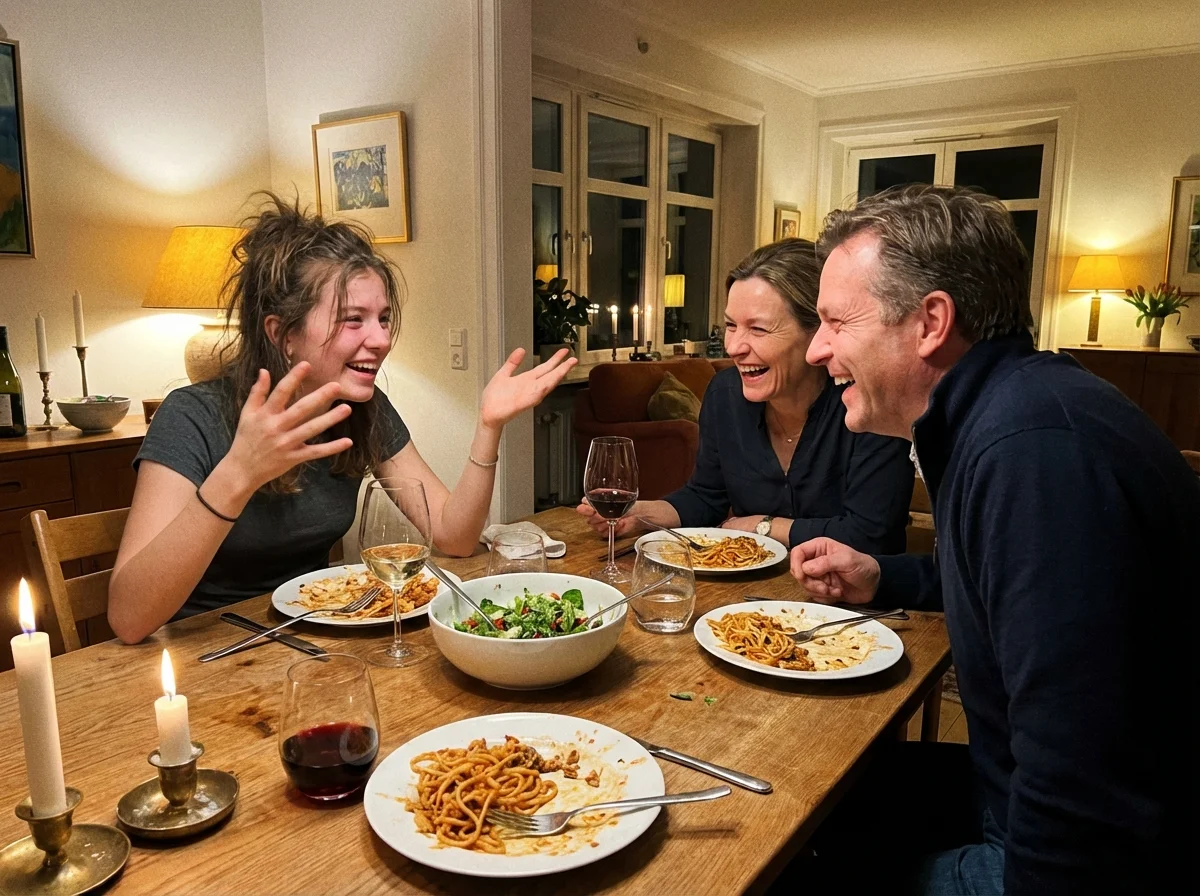
For Tonight: The one move tonight is easier with a prompt in hand. Keep a deck of Pause, Play, Connect on the table so a question is ready when the kids walk in.
The One Thing to Try Tonight
One small example: try our companion piece on how to use Yakety Pack in real life for the specific moments that work.
Here's your homework. It's simple.
Tonight, at some point when your kid seems relaxed, ask one question. Not "how was your day." Something specific. Something about their world.
"What's the funniest thing that happened this week?" "What are you and your friends into right now that I probably don't know about?" "If you could skip school tomorrow and do anything, what would you pick?"
Then shut up. Don't follow up with another question. Don't comment. Don't teach. Just listen.
If they give you one sentence, great. Say "that's awesome" or "tell me more" and see what happens.
If they give you nothing, great too. You planted a seed. They noticed you asked. Try again tomorrow.
The conversations that matter don't happen because you found the perfect question. They happen because your kid believes, down to their bones, that you actually want to hear the answer.
That belief gets built one question at a time. Starting tonight.
The right question, at every agePause, Play, Connect: Core DeckGaming-aware conversation starters for the real moments kids actually open up. Keep it on the table and you never have to think of the question yourself.$49 CAD • 90 cards • 18 reviewsShop the deck
Related Articles
Conversation Strategies & Question Guides
- Questions to Ask Your Kids Instead of 'How Was School?' - Get beyond one-word answers
- How to Get Your Teenager to Actually Talk to You - Teen-specific strategies that work
- How to Ask Curiosity Questions That Actually Work - The question framework
- 5 Types of Questions That Build Connection - When to use each type
- 20 Curiosity Questions for Gamers - Gaming-specific conversation starters
Gaming & Connection
- A Parent's Guide to Understanding Gaming Culture - The foundation for connecting through your kid's interests
- How to Talk to Kids About Fortnite - Specific conversation starters for gaming families
- Gaming Slang Parents Should Know - Learn the language so you can join the conversation
- Playing Video Games With Your Kids - Turn gaming into quality time together
FAQ
What age do kids stop wanting to talk to their parents?
There's no single age. Most parents notice a shift between ages 10-13 when kids start pulling back. But they don't stop wanting to talk. They stop wanting to be interrogated. The shift is about independence, not disconnection. If you adjust your approach, most kids keep sharing, just differently than before.
How do I get my teenager to open up?
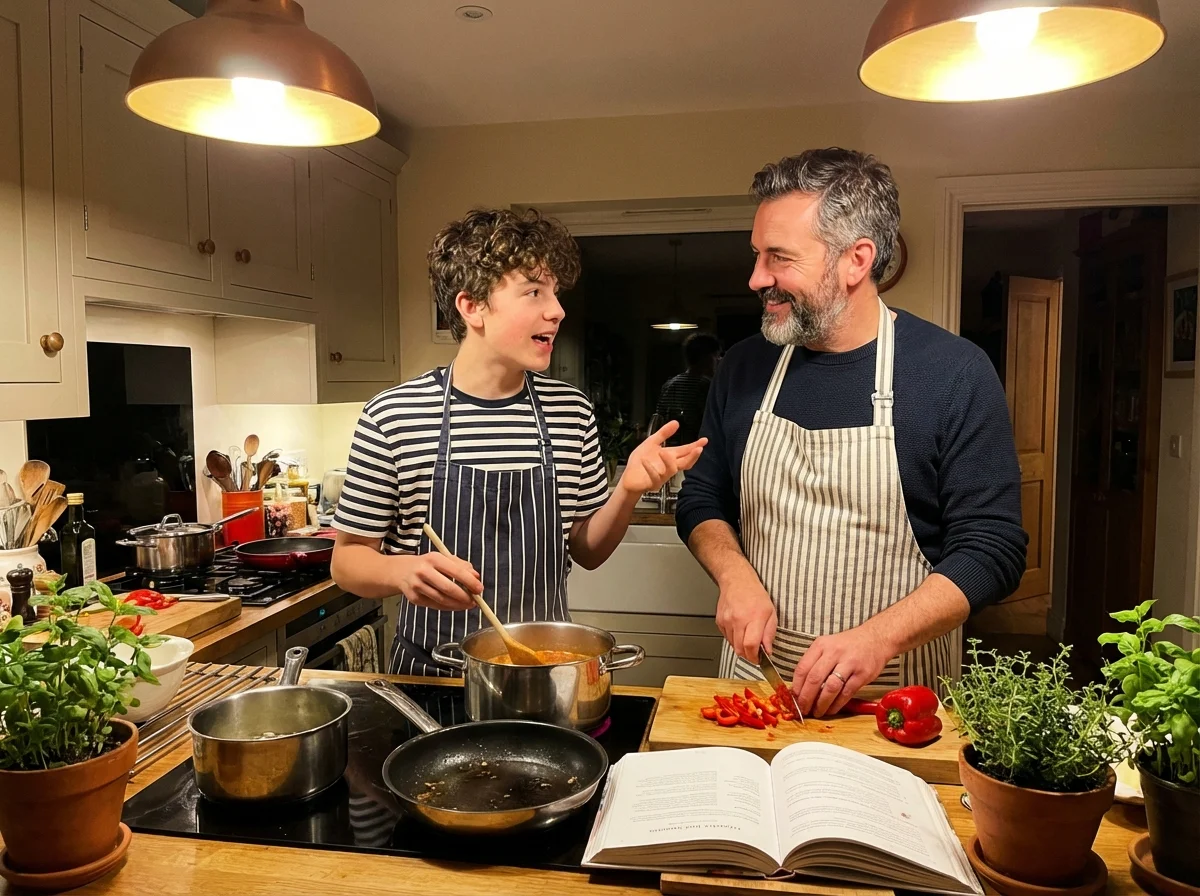
Stop trying to extract information and start creating conditions where talking feels safe. Use side-by-side activities (driving, cooking, walking). Don't react with shock or judgment to what they share. And be willing to go first by sharing something vulnerable about your own life. Trust takes time to build, especially if there's been a pattern of conflict.
Are conversation starters gimmicky or do they actually work?
They work when they're genuine. A random question out of nowhere can feel forced. But a question that connects to something your kid cares about, asked at the right moment, can open a conversation you'd never have gotten to otherwise. The key is matching the question to the kid and the moment.
What if my kid really won't talk to me?
First, make sure you're not asking during transition times (right after school, during meals if that's stressful, when they're focused on something else). Try different settings, especially the car or during a shared activity. If nothing works after consistent effort over weeks, consider whether something deeper is going on and whether a family therapist might help create a safe space to reconnect.
How often should I try to have "real" conversations with my kids?
Don't schedule connection. That makes it feel like a chore for everyone. Instead, create small daily windows where conversation can happen naturally. Family meals, car rides, bedtime routines. The goal is 5-10 minutes of genuine connection per day, not a weekly hour-long heart-to-heart. Frequency beats intensity every time.
How do I talk to my kids about their gaming without sounding judgmental?
Start with curiosity, not concern. "Tell me what you're building" works better than "how long have you been on that?" Learn enough about their games to ask specific questions. If you don't know where to start, our guide to understanding gaming culture breaks it all down in parent-friendly language.

