
I used to ask my kids "How was school?" every single day. And every single day I got the same answer: "Good."
Sometimes I'd get "Fine." On a really exciting day, maybe "Okay." That was it. The whole conversation, start to finish, in under three seconds.
For a while, I thought this was just what parenting school-aged kids looked like. You ask. They grunt. You move on. But then one random Tuesday, my son came home and I was distracted making dinner. I didn't ask about school at all. Instead, I said something like, "Hey, I had the weirdest thing happen today. This guy at the coffee shop was arguing with the barista about oat milk."
And my son just... started talking. He told me about a kid in his class who argued with the teacher about whether a hot dog is a sandwich. Which led to him telling me about his friend who only eats plain pasta. Which led to a 15-minute conversation about the grossest foods we've ever tried.
That was the day I realized the problem wasn't that my kids didn't want to talk. The problem was my question. If you want to build real conversations with your kids at every age, it starts with changing how we ask.
Why "How Was School?" Never Works
The deeper pattern is in our pillar piece on turn screen time into connection time.
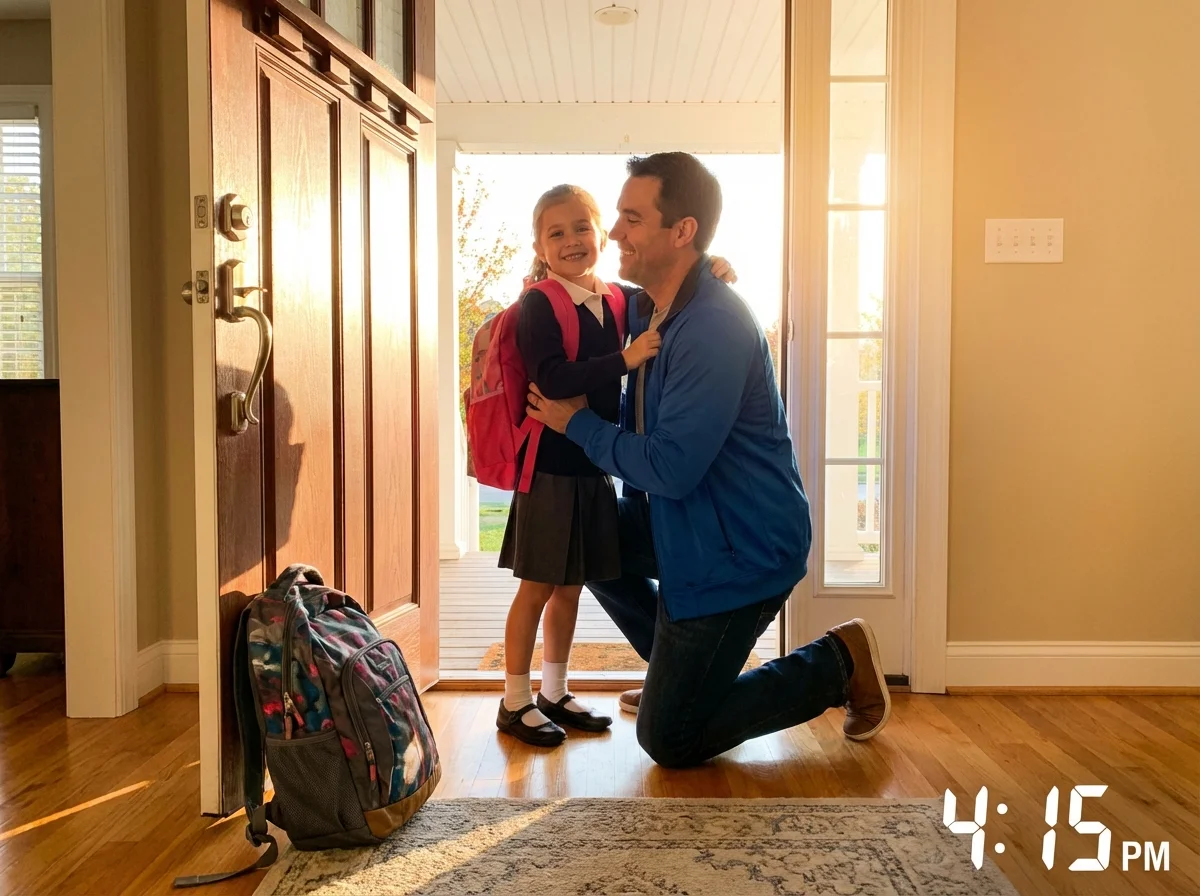 Here's the thing about "How was school?" that nobody tells you: it's a terrible question. Not because you're a bad parent for asking it. Every parent asks it. It's practically a reflex. But it fails for a few very specific reasons.
First, it's too big. You're asking a kid to summarize 7 hours of experiences, emotions, social dynamics, and learning into a single response. Adults can barely do that about their own workday. We default to "It was fine" too.
Second, it signals that you expect a short answer. The question itself is quick and casual, so the response matches. Your kid reads the social cue and gives you what the question asks for: a surface-level summary.
Third, and this is the one that took me the longest to figure out, kids process their day differently than adults. We come home and can articulate "I had a frustrating meeting and then a good lunch and then a boring afternoon." Kids don't naturally narrate their day like that. They remember moments. Feelings. Specific things that were funny or weird or unfair.
So when you ask "How was school?", you're asking them to do something their brain isn't wired for in that moment. The question doesn't match how they experienced the day.
The fix isn't complicated. You just need questions that are specific enough to trigger a real memory instead of asking for a general summary.
 One moment, not seven hoursPause, Play, Connect: Core Deck172 prompts that ask about one specific thing, which is how kids actually remember their day.$49 CAD • 90 cards • 18 reviewsShop the deck
The Timing Problem Most Parents Miss
The timing piece is laid out moment by moment in our companion piece on how to use Yakety Pack in real life.
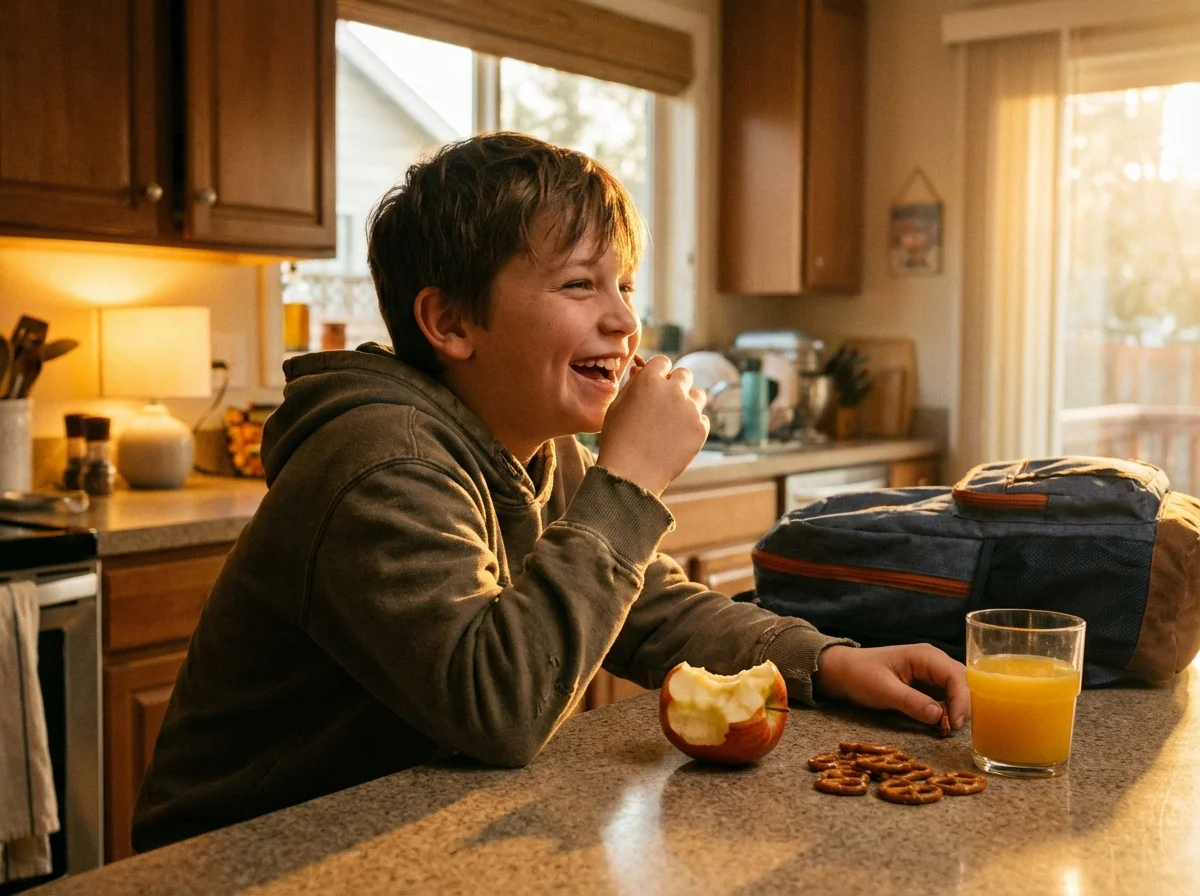 Before I get into the actual questions, I need to talk about timing, because it matters more than the question itself.
When your kid walks through the door (or gets in the car), they are in what I call "decompression mode." Their brain is transitioning from school-mode to home-mode. They've been performing all day, sitting still, following rules, navigating social hierarchies, answering questions from teachers. The last thing they want is another adult asking them to perform.
I learned this the hard way. I used to ambush my daughter the second she got in the car. "What did you learn today? Did you play with Sarah? How was the math test?" And she would literally put her head against the car window and close her eyes.
Here's what works better:
Give them 15-30 minutes of nothing. Let them eat a snack. Let them zone out. Let them play. Let them decompress. Their brain needs to shift gears.
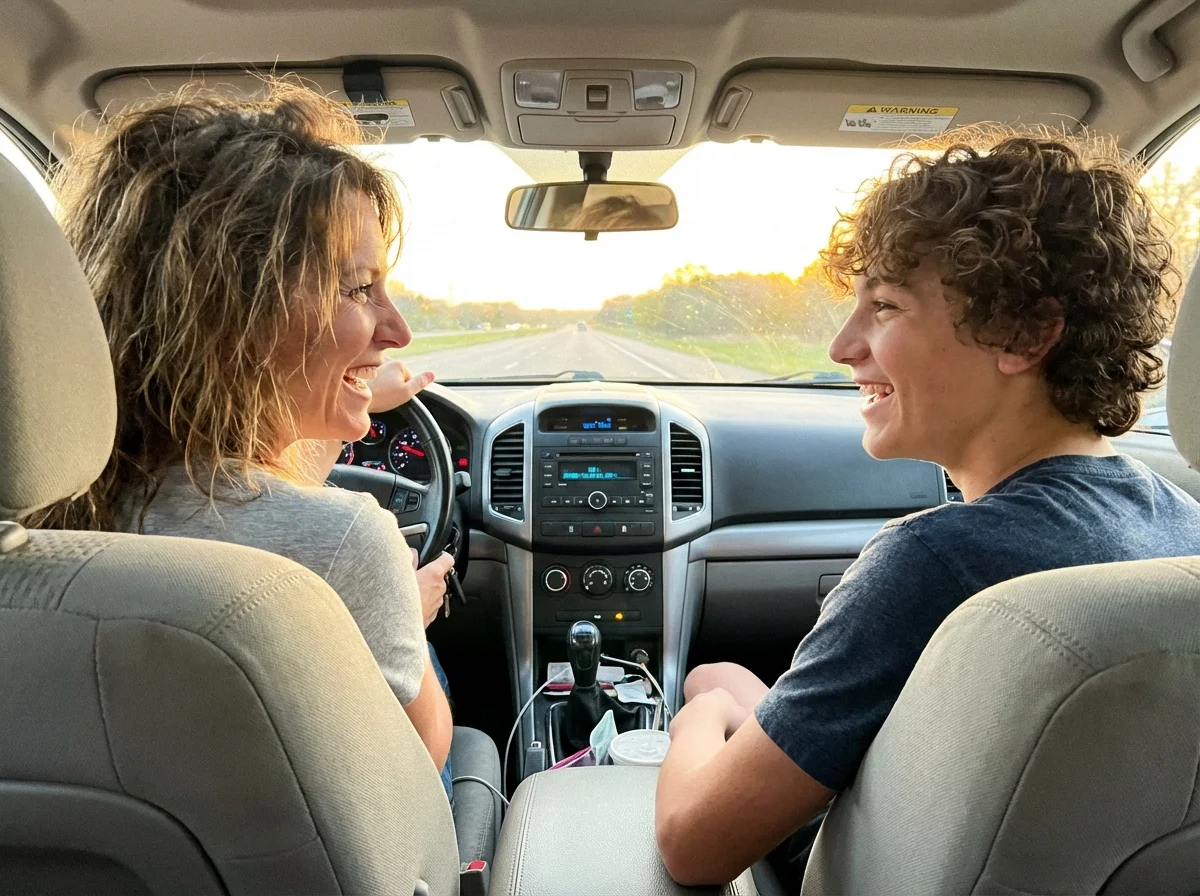
Find the natural openings. For my family, the best conversations happen during three windows: in the car (something about not making eye contact makes kids talk more), during dinner, and right before bed. Your family will have its own windows. Pay attention to when your kid naturally starts sharing, and lean into those moments.
Don't make it an interrogation. If you fire off five questions in a row, you're not having a conversation. You're conducting an interview. One good question, then follow their lead.
For the School Pickup: The right question lands when you have it in your hand. Stash a Pause, Play, Connect deck in the car so a question is ready in the pickup line.
20 Questions That Actually Get Kids Talking
 Alright, here's what you came for. These are questions I've actually tested on my own kids and on friends' kids. Not all of them work every time, and different ages respond to different ones. But every single one of these is better than "How was school?"
Questions About Their Social World
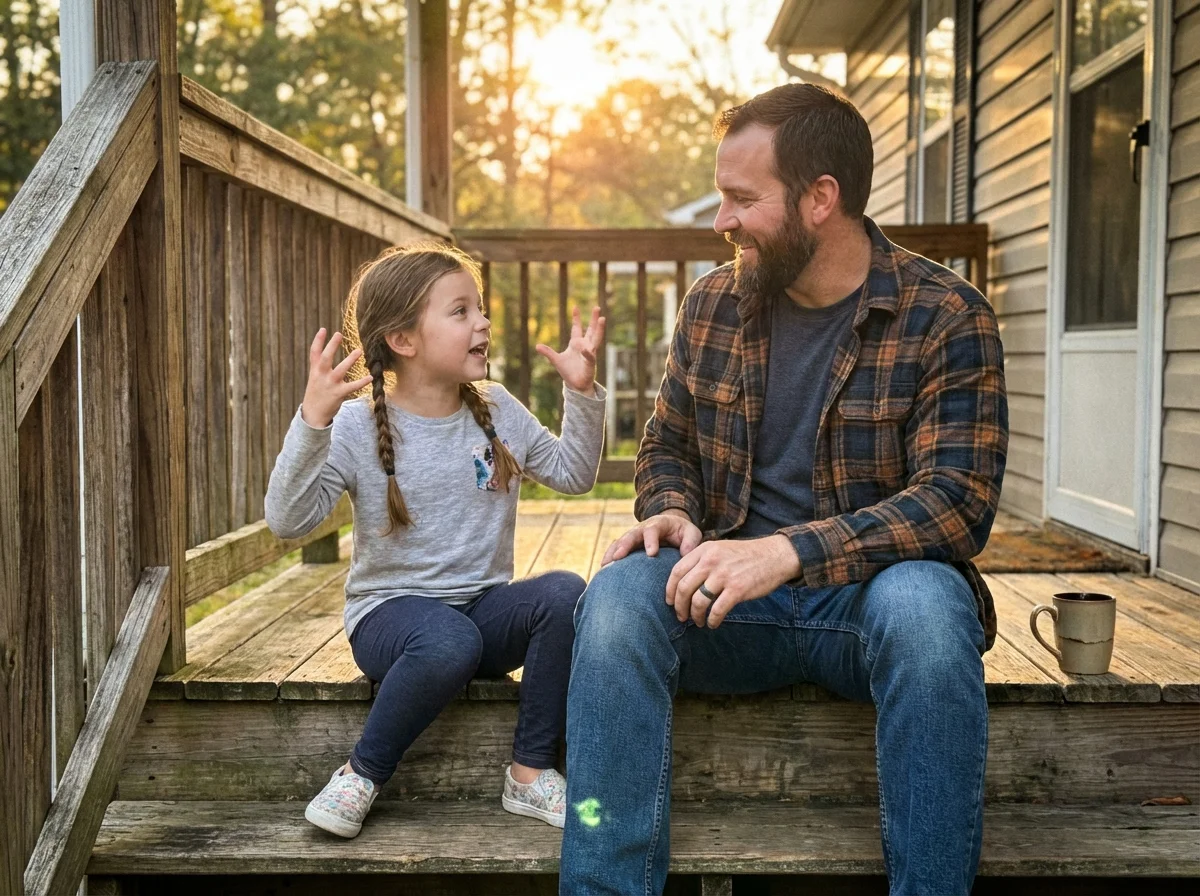 These work because kids care about social dynamics more than anything else at school. If you're looking for deeper questions that build trust, these social questions are a great foundation. More than academics, more than lunch, more than recess. Who likes who, who said what, who's in trouble. That's their real world.
1. "Who did you sit with at lunch today?" This is simple but gold. It opens the door to their social map. You'll learn who their actual friends are (not who they say their friends are), who they're avoiding, and how the social landscape is shifting. Follow up with genuine curiosity, not judgment.
2. "Did anyone do anything that made you laugh today?" Kids love telling funny stories. This question gives them permission to share the silly, ridiculous moments that actually made their day. It also tells you a lot about their sense of humor and who they think is funny.
3. "Was anyone having a bad day?" This one surprised me. My daughter started answering this question in incredible detail. She'd tell me about a classmate who was crying, or a kid who got in trouble, or her friend who was upset about something at home. It opened up conversations about empathy, kindness, and how she responds when people around her are struggling.
4. "Did you help anyone today, or did anyone help you?" This reframes the day around kindness instead of achievement. Kids light up when they get to tell you about how they helped someone. And if someone helped them, it teaches them to notice and appreciate that.
5. "Who did you play with at recess? What did you play?" For younger kids especially, recess IS school. It's where friendships form and break, where conflicts happen, where they figure out how to negotiate and cooperate. Take recess seriously because your kid does.
Questions About Specific Moments
These work because they ask about one thing instead of everything. They trigger a specific memory, which is how kids actually think about their day.
6. "What was the best part of today?" Classic for a reason. The key is to actually listen to the answer and ask a follow-up. If they say "recess," don't just nod. Ask what they did at recess. Who they were with. What game they played.
7. "What was the most boring part of today?" Kids love complaining. Lean into it. This question gives them permission to be honest about what they didn't enjoy, which is way more interesting than pretending everything was great. And sometimes their "boring" things reveal important stuff, like they don't understand the material, or they're not being challenged enough.
8. "Did anything surprise you today?" This is one of my favorites. It gets kids thinking about their day in a different way. Instead of good/bad, it's about the unexpected. You'll hear about substitute teachers, fire drills, weird things the class pet did, a friend who wore something funny.
9. "What's something you learned today that you didn't know yesterday?" Way better than "What did you learn?" because it's specific. It forces them to pinpoint one thing. And sometimes their answer has nothing to do with academics, which is even better. "I learned that Marcus can burp the alphabet" is a perfectly valid answer.
10. "If you could change one thing about today, what would it be?" This question gets at the stuff they don't usually share. The frustrating moments. The unfair moments. The times they wished they'd done something different. Handle the answers gently, because this is vulnerability.
 More than you can memorizePause, Play, Connect: Core Deck$49 CAD • 172 promptsSee the deck
Questions That Invite Stories
These questions are designed to get more than a one-word answer. They're prompts for storytelling, and kids are natural storytellers if you give them the right opening.
11. "Tell me something that made you smile today." Notice this isn't a question. It's an invitation. "Tell me" is different from "Did anything." It assumes something good happened and asks them to share it. The framing matters.
12. "What was the hardest thing you had to do today?" This normalizes struggle. It says "I know your day isn't all easy, and I want to hear about the hard parts too." You'll get answers about tests, difficult assignments, conflicts with friends, or dealing with a strict teacher.
13. "If your day was a movie, what would the plot be?" My son loves this one because he's dramatic. He'll narrate his entire day like a movie trailer. "So first, the villain, that's the substitute teacher, made everyone sit in assigned seats..." It's hilarious and incredibly informative.
14. "Did your teacher say anything interesting or funny?" Kids pay more attention to their teachers than we think. This question often reveals what's actually being taught, how the classroom culture feels, and whether your kid respects and enjoys their teacher.
15. "What would you rate today on a scale of 1 to 10?" This gives you a quick temperature check without requiring a detailed answer. But the magic is in the follow-up: "What would have made it an 8?" or "What made it that high?" Now they're explaining, not just reporting.
Questions for Tweens and Teens
Older kids need different approaches. They're more self-conscious, more aware of being "interrogated," and more likely to shut down if they feel you're prying. These questions work because they feel more like conversation and less like a parent checklist.
16. "What's everyone talking about at school right now?" This is cultural intelligence gathering disguised as casual conversation. You'll learn about trends, drama, social media stuff, and what matters in their world. And because you're asking about "everyone" instead of them specifically, it feels less invasive.
Sometimes the answer connects to their online world too. If they mention something from a game or a streamer, that's your opening to connect through their interests. Understanding gaming culture or why kids watch gaming videos can help you follow those conversations instead of going blank.
17. "Did you disagree with anything a teacher said today?" This is a sneaky-good question for teens. It validates their critical thinking and tells them you see them as someone with opinions that matter. It often leads to fascinating conversations about what they're learning and how they're processing it.
18. "What's the most random thing that happened today?" Teens love randomness. This question gives them complete freedom to share whatever weird, funny, or bizarre thing caught their attention. No filter, no expectations. Just "what was weird today?"
19. "Did you have any good conversations today?" This is meta, but it works. Teens are building their identity through conversation, and asking about their conversations validates that. You'll hear about debates with friends, inside jokes, and the social dynamics they're navigating.
20. "Is there anything you've been thinking about that you want to talk through?" This is the open door. You're not asking about school specifically. You're saying "I'm available if you need me." Sometimes the answer is "Nope." And that's fine. But sometimes, especially if you've built the habit of asking, they'll surprise you with something real.
Why Specific Questions Work (The Science)
 There's actual psychology behind this, and it's worth understanding because it'll help you come up with your own questions.
When you ask a vague question ("How was your day?"), you activate what psychologists call "gist memory." Your kid's brain searches for the overall feeling and gives you a one-word summary. That's all gist memory can do.
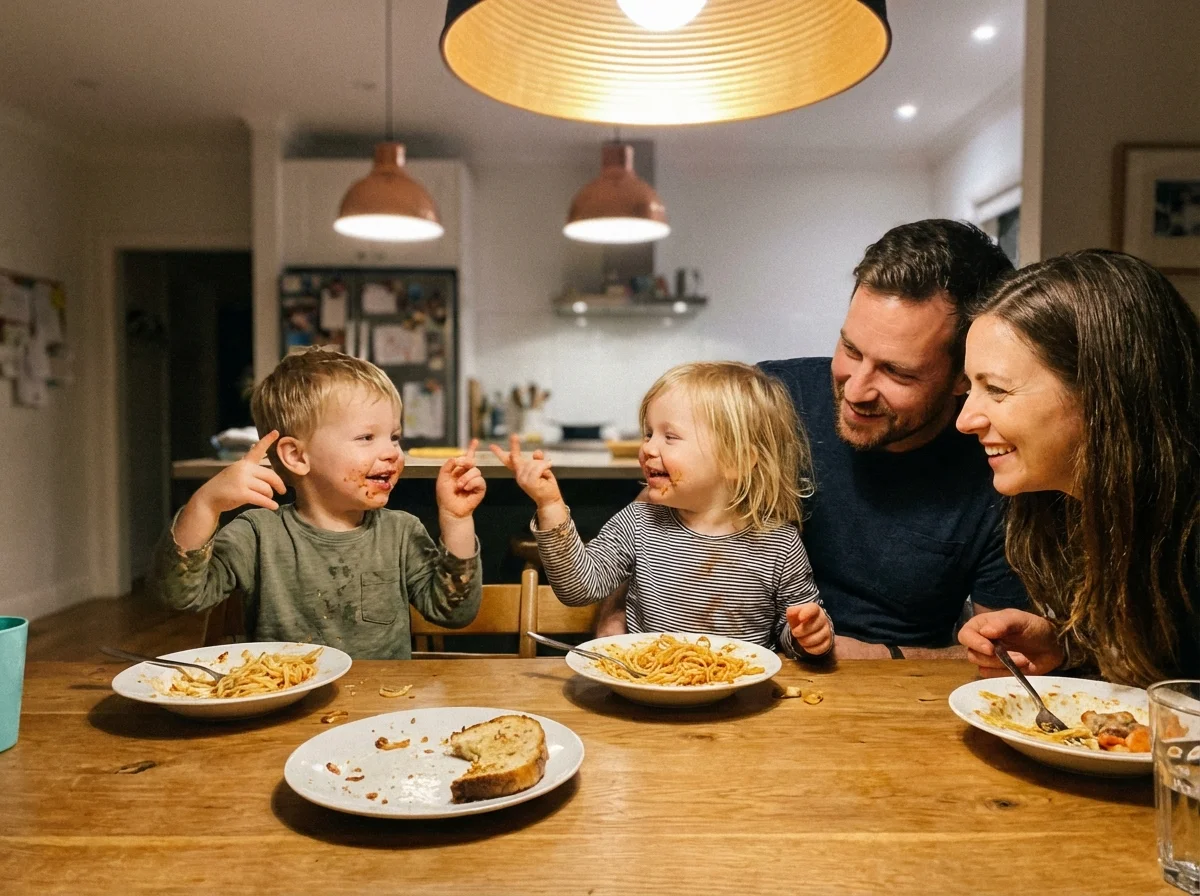
When you ask a specific question ("Who made you laugh today?"), you activate "episodic memory." This is why different question types trigger different responses. Now their brain is searching for a specific event, which triggers a chain of related memories. One funny moment reminds them of another thing that happened, which reminds them of a conversation, and suddenly they're telling you a story.
This is also why the best conversations often happen 30 minutes to an hour after school, not immediately. The brain needs time to process and consolidate memories. When you ambush them at the door, their episodic memory hasn't had time to organize.
Building the Habit: What Worked for Our Family
A deck of conversation cards for families with gamer kids in the cup holder is the easiest way to make this stick.
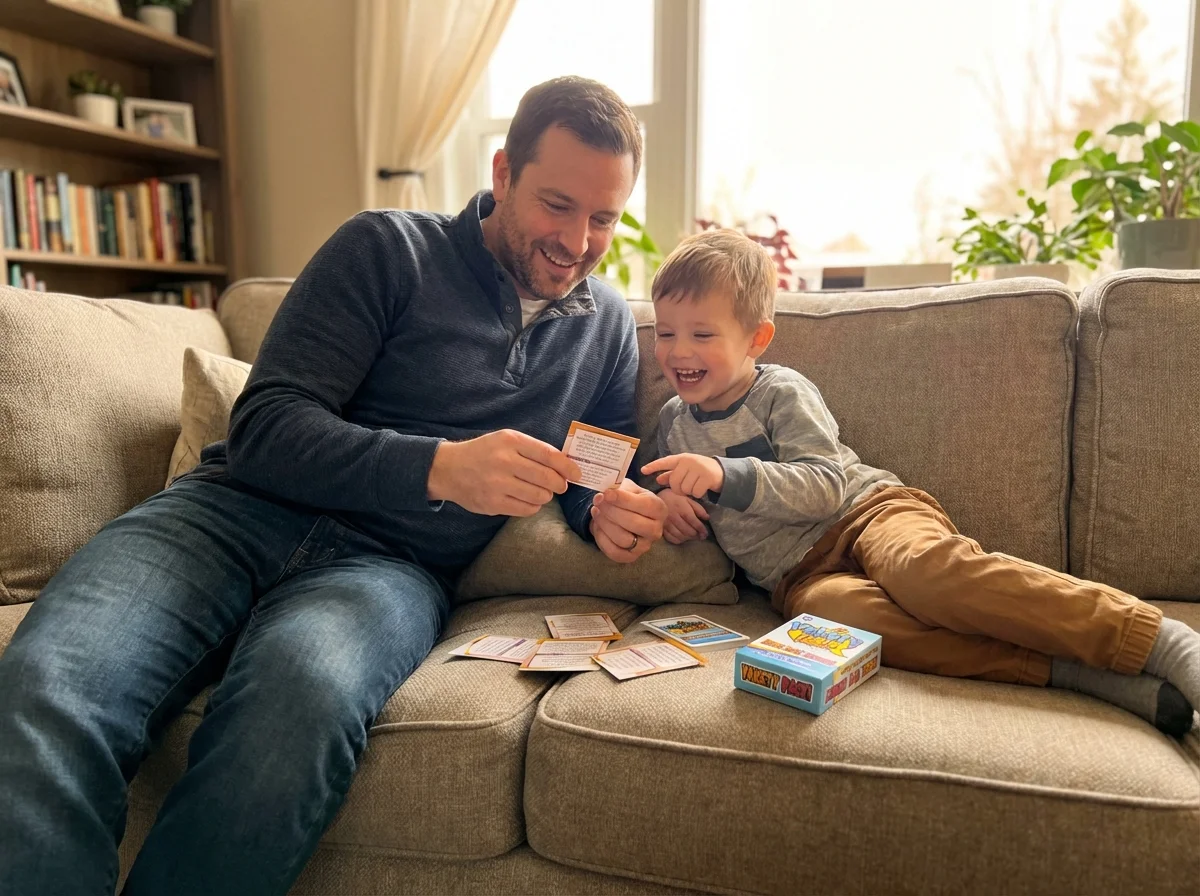
For the Long Run: A deck of Yakety Pack conversation cards on the dinner table extends the after-school window into the night.
 I'll be honest: switching from "How was school?" to specific questions felt awkward at first. My kids looked at me like I'd lost my mind. "Why are you asking weird questions?"
Here's what helped us:
Start with one question per day. Don't overhaul everything at once. Pick one question from the list, use it, and see what happens. If it lands, great. If not, try a different one tomorrow.
Share your own day first. This is the single biggest unlock I've found. If you want your kid to share a specific moment from their day, share one from yours first. "The funniest thing happened at work today..." is an invitation for them to match your energy with their own story.
Don't react with lectures. If your kid tells you someone was mean to them, resist the urge to immediately problem-solve or give advice. Just listen. Ask follow-up questions. "That sounds frustrating. What did you do?" The moment you turn their answer into a teaching moment, they'll stop answering honestly.
Use the car. I cannot stress this enough. Something about the car, maybe it's the lack of eye contact, maybe it's the forward motion, maybe it's the contained space, makes kids talk. Our best conversations happen in 10-minute car rides. If you do after-school pickup, that drive home is prime time.
Make it a game sometimes. We started doing "rose, thorn, bud" at dinner. Rose: best part of the day. Thorn: worst part. Bud: something you're looking forward to. Everyone shares, including the adults. It became a ritual our kids actually look forward to.
We also use Pause, Play, Connect cards sometimes to mix it up, especially on weekends when there's no school day to debrief. The questions on the cards are designed to go deeper than surface-level stuff, and having a physical card to read takes the pressure off both the asker and the answerer. My daughter actually asks to play with them now, which tells me more about the need kids have for real conversation than any parenting book ever could.
The Questions Behind the Questions
 Here's what I want you to take away from this, and it's not the specific questions on the list.
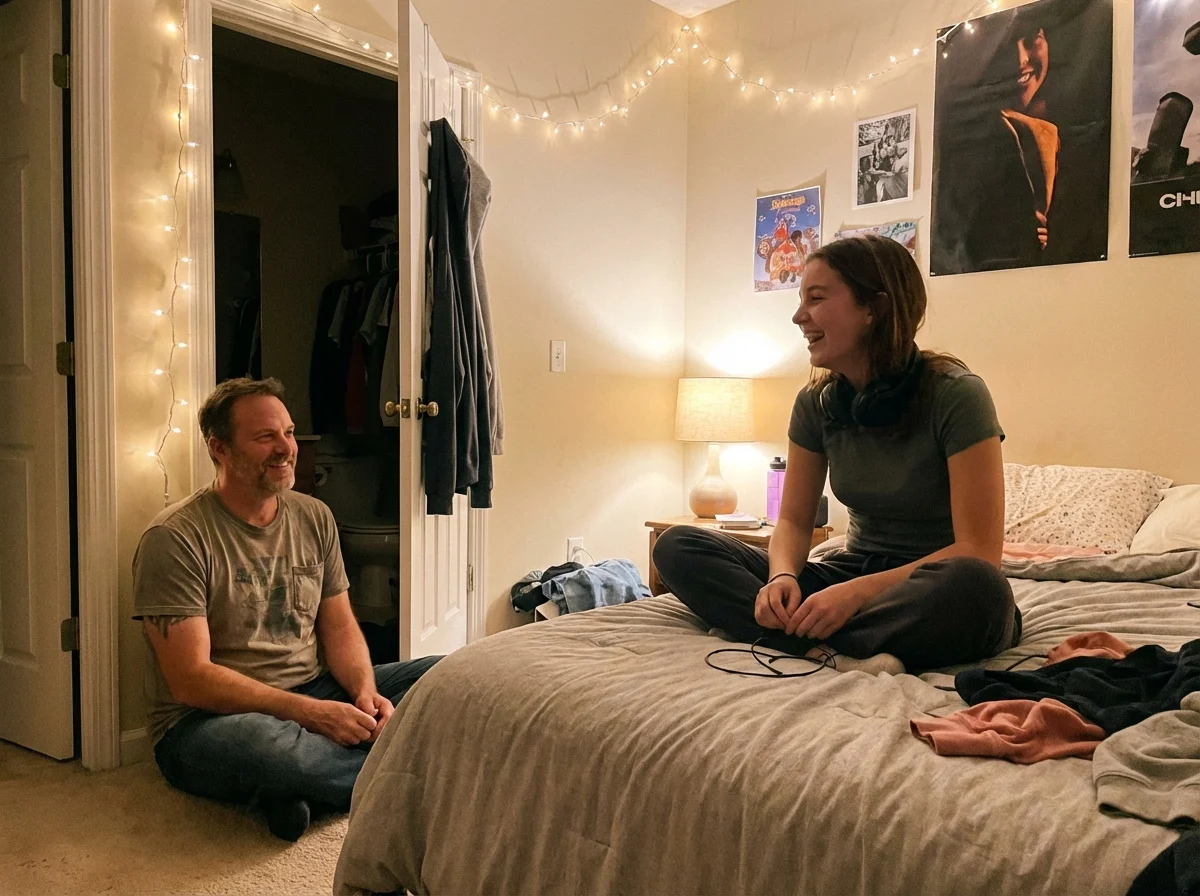
The real shift isn't about memorizing 20 clever questions. It's about changing what you're communicating when you ask. "How was school?" communicates: "Give me a quick update so I can check this box." A specific, curious question communicates: "I actually want to know about your life. The details matter to me. You matter to me."
Kids are incredibly perceptive. They know the difference between a parent who's going through the motions and a parent who's genuinely curious. And they respond accordingly.
Some days, even the best question will get you a "Fine." That's okay. They're tired. They had a bad day. They don't want to talk right now. Don't force it. The goal isn't to extract information every day. The goal is to build a pattern where your kid knows you're interested, you're available, and you're not going to judge whatever they share.
That pattern, built over hundreds of small conversations, is what keeps the door open when they're 15 and dealing with something real. The parent who's been asking good questions for years is the parent a teenager trusts with the hard stuff.
Having real conversations with your kids isn't about finding the magic question. It's about showing up with curiosity, day after day, and letting them know you're genuinely interested in their world.
Quick Reference: Questions by Age
Ages 4-7 (Little Kids)
- Who did you play with today?
- What made you smile?
- Did you help anyone?
- What was the silliest thing that happened?
- What did you eat for snack?
Ages 8-12 (Big Kids)
- Who did you sit with at lunch?
- What was the hardest thing today?
- If your day was a movie, what would the title be?
- Did anything surprise you?
- Rate your day 1-10, what would've made it higher?
Ages 13+ (Teens)
- What's everyone talking about at school?
- Did you disagree with anything today?
- What's the most random thing that happened?
- Any good conversations today?
- Anything you want to talk through?
For tomorrow's pickup linePause, Play, Connect: Core Deck172 prompts that are already written, for the days you cannot think of a good question.$49 CAD • 90 cards • 18 reviewsShop the deck
Related Articles
- How to Have Real Conversations With Your Kids - Our complete guide to meaningful family conversations
- Understanding Gaming Culture for Parents - Connect with your kids through what they love
- Why Do Kids Watch Gaming Videos? - Understanding a huge part of their world
Frequently Asked Questions
What if my kid still gives one-word answers even with specific questions?
That's normal, especially at first. Don't push it. Try sharing something from your own day instead and see if they match your energy. Also check your timing. Right after school might not be their window. Try during dinner or before bed.
What age should I start asking these kinds of questions?
As early as preschool. The questions get simpler ("What did you play?", "Did you sing any songs?"), but the habit of specific, curious questions starts early. The younger you start, the more natural it feels as they get older.
How many questions should I ask at once?
One. Maybe two if the conversation is flowing. The goal is conversation, not interrogation. Ask one question, listen to the answer, ask a follow-up based on what they said. That's a conversation.
My teenager thinks these questions are annoying. What do I do?
Back off the direct questions and try the indirect approach. Share something from your day first. Comment on something in the news or something they're interested in. Teens respond better to conversation that feels organic rather than structured. Also, the car trick works wonders with teens.
Should I ask the same question every day?
Mixing it up keeps it interesting, but having one ritual question (like "rose, thorn, bud" at dinner) gives kids a predictable structure they can prepare for. A combination of ritual and variety works best.
What if they tell me something concerning?
Listen first. Don't react with alarm or immediately jump to solutions. Say something like "Thank you for telling me that" before anything else. Your reaction to small things determines whether they'll tell you the big things. If it's serious (bullying, safety issues), follow up calmly after they've finished sharing.
Do these questions work for kids who are neurodivergent?
Many of these questions work well for neurodivergent kids, but you may need to adjust. Some kids do better with visual prompts (drawing their day instead of describing it). Some need more processing time. Some prefer yes/no questions that you can follow up on. Know your kid and adapt accordingly.

