
My 12-year-old son just mediated a fight between two friends who were arguing over loot distribution in their Minecraft realm. He used active listening, proposed a fair solution, and got everyone back to building together. Six months ago, I would have missed this completely because I was too busy telling him his "screen time" was up.
That moment changed how I see my kids' gaming. Not as hours lost to screens, but as a social laboratory where they're practicing skills I spent years trying to teach them at the dinner table.
Look, I get it. When you hear your kid yelling "HE'S ONE SHOT! PUSH PUSH PUSH!" at their monitor, it doesn't sound like social development. It sounds like chaos. But stick with me here, because what's actually happening in those headsets is way more complex than most of us realize.
The Social World Inside the Screen
Last week, I watched my daughter navigate a situation that would make most adults sweat. Her Minecraft server had a griefer. Someone who joined just to destroy what others built. But instead of rage quitting or retaliating, she organized the other players. They built a courtroom. Had a trial. Voted on consequences.
She basically ran a small government at age 10.
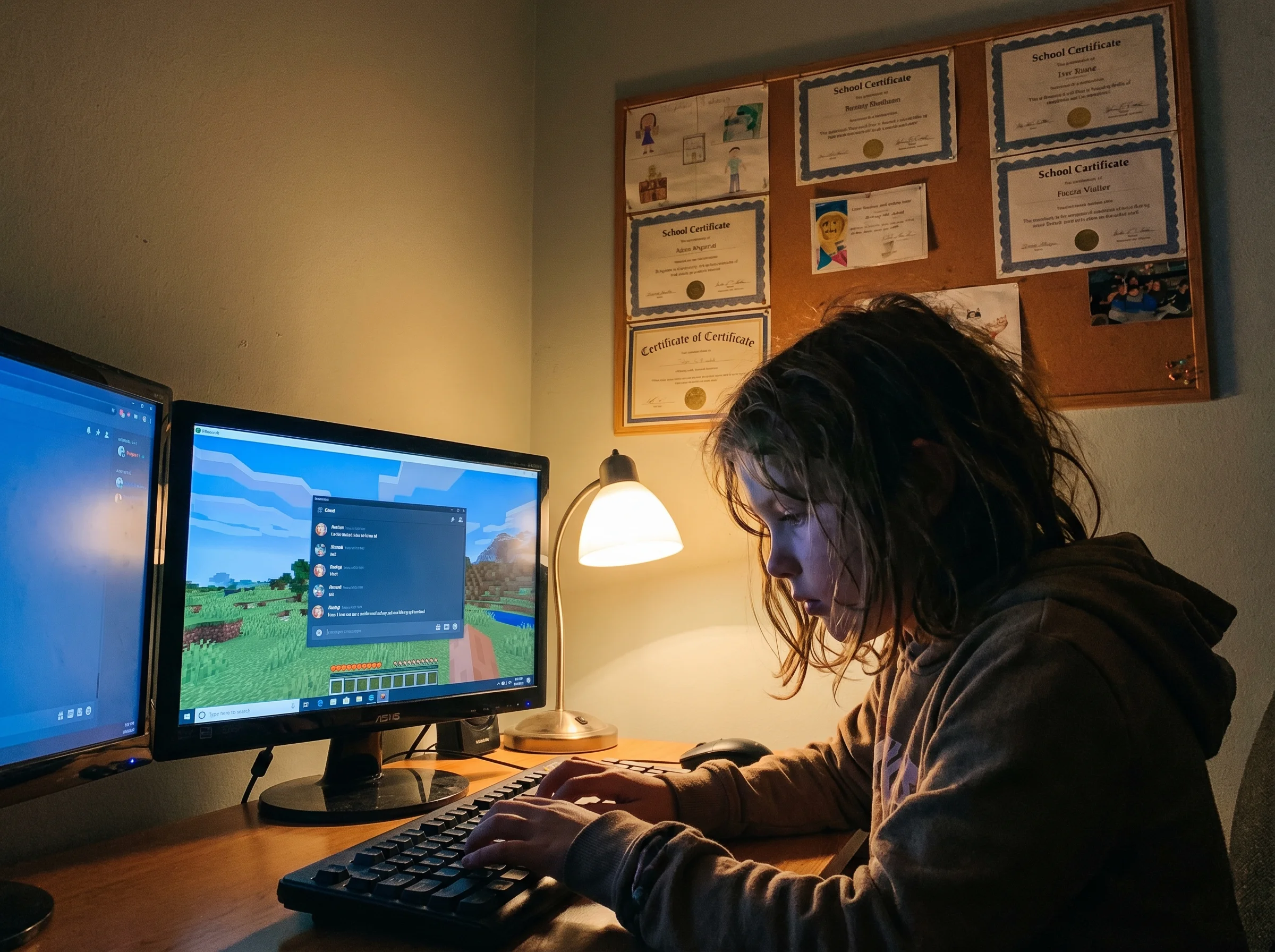
This isn't unique. Kids navigate incredibly complex social hierarchies in games every single day. There are guild leaders who manage dozens of personalities. Raid teams that require precise coordination and clear communication. Server moderators who mediate disputes and enforce community standards.
My son's Discord server has roles, ranks, and responsibilities. There's a clear leadership structure. They have meetings (yes, actual meetings) to plan builds and events. They vote on rule changes. They manage resources and delegate tasks.
When he was struggling with a group project at school, I reminded him: "Remember how you organized that Nether highway project with kids from three different time zones?" The lightbulb moment on his face was priceless. He already had the skills. He just didn't know they transferred.
The identity exploration happening in games is just as real. My daughter spent months as a healer in Overwatch. Always choosing support characters. When I asked why, she said, "Someone needs to help the team win, not just get kills." That philosophy shows up everywhere in her life now. She's the kid who notices when someone's left out. The one who shares her snacks without being asked.
Your kids aren't just pushing buttons. They're trying on different versions of themselves.
 Their server has politicsPause, Play, Connect: Core Deck172 prompts that give you a way into the world they are already running online.$49 CAD • 90 cards • 18 reviewsShop the deck
Why Your Shy Kid Becomes a Leader Online
My youngest wouldn't order his own food at restaurants until he was 11. But online? He was commanding 20-person raids by age 9.
Here's what I learned: online spaces give kids room to experiment with confidence. The stakes feel lower when you can log off. Mess up a callout in Valorant? Try again next round. Say something awkward in voice chat? Switch servers.
It's like social skills training with a safety net.
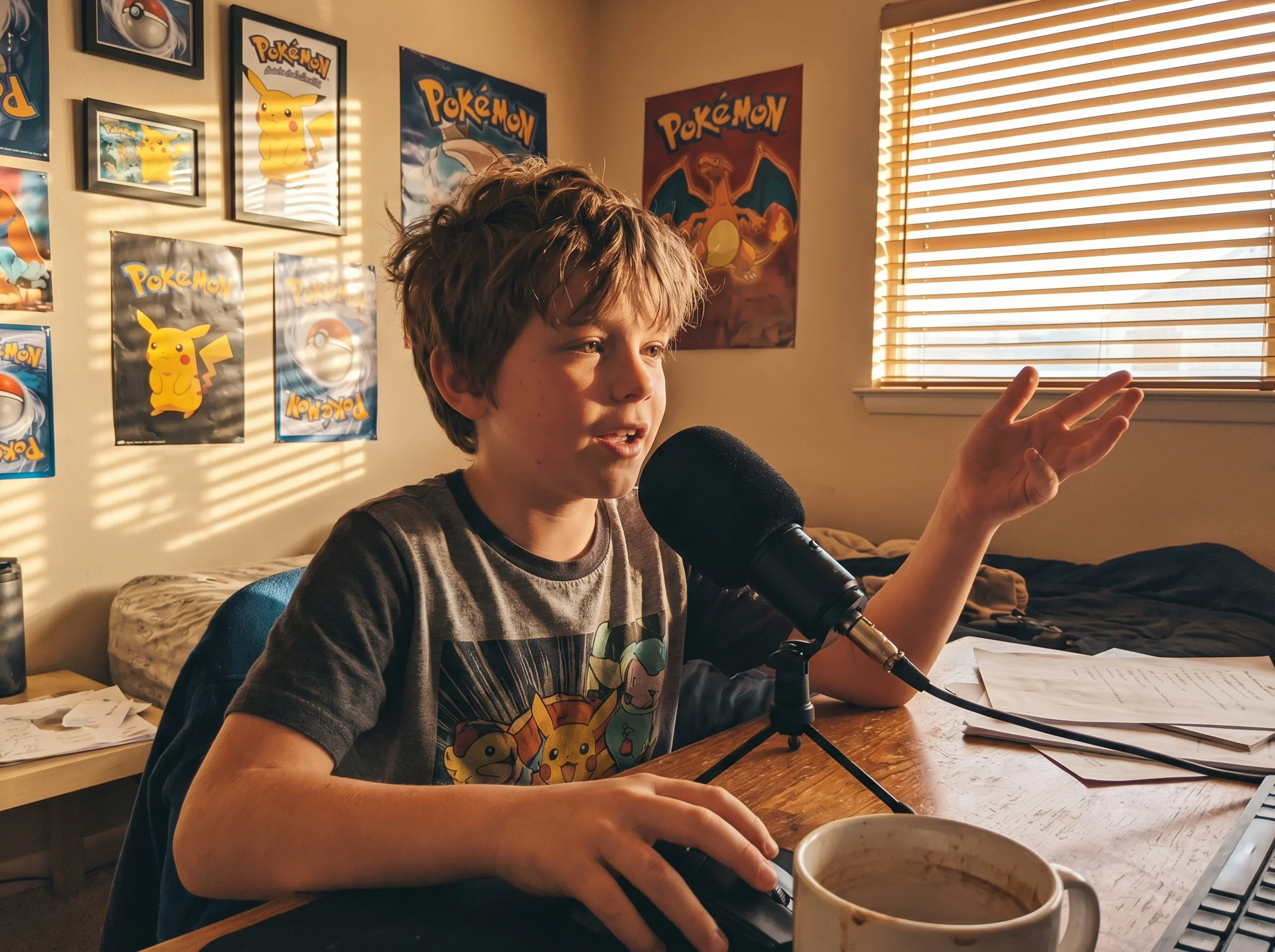
I watched him progress from only typing in chat, to talking with close friends, to confidently shot-calling with strangers. Each step built on the last. No pressure. His timeline.
Then something amazing happened. The kid who couldn't order pizza became class president. When I asked what changed, he said, "It's just like organizing my guild. You have to listen to what everyone wants and find a way to make it work."
The skills were real. They just developed in a digital space first.
The Right Questions Change Everything
For months, I asked my kids the same dead-end questions:
- "How was your game?" (Fine.)
- "Did you win?" (Yeah/No.)
- "Who were you playing with?" (Friends.)
Conversation over. Connection missed.
Then I learned to speak their language. Now I ask:
- "What's the drama in your server this week?"
- "Show me the coolest thing you built/did/discovered today."
- "How did your team handle that loss?"
- "What's the most ridiculous thing that happened in your game?"
The floodgates open. Every. Single. Time.
Here are 20 conversation starters that actually work:
- What's the funniest fail you saw today?
- Did anyone do something that surprised you?
- What's the current meta and do you agree with it?
- Who's the best player you know and what makes them good?
- What would you change about the game if you could?
- Did you help anyone learn something new today?
- What's the most creative strategy you've seen?
- Is there drama in your guild/server/team?
- Did anyone rage quit? What happened?
- What's the most clutch play you've ever made?
- Who would you want on your dream team?
- What's your favorite role to play and why?
- Did you try anything new today?
- What's the hardest part about that game?
- If I wanted to start playing, what should I know?
- What makes a good teammate in that game?
- What's your biggest gaming pet peeve?
- Who taught you that strategy/technique?
- What game do you want to try next?
- What would you teach a new player?
The key? These questions show you care about their world, not just their screen time.
When Gaming Social Dynamics Go Wrong
Not gonna lie, gaming can get toxic. I've heard my kids called names that would make a sailor blush. They've been betrayed by "friends" who only wanted their rare items. They've dealt with bullies, cheaters, and straight-up jerks.
But here's what surprised me: they handle it better than most adults.
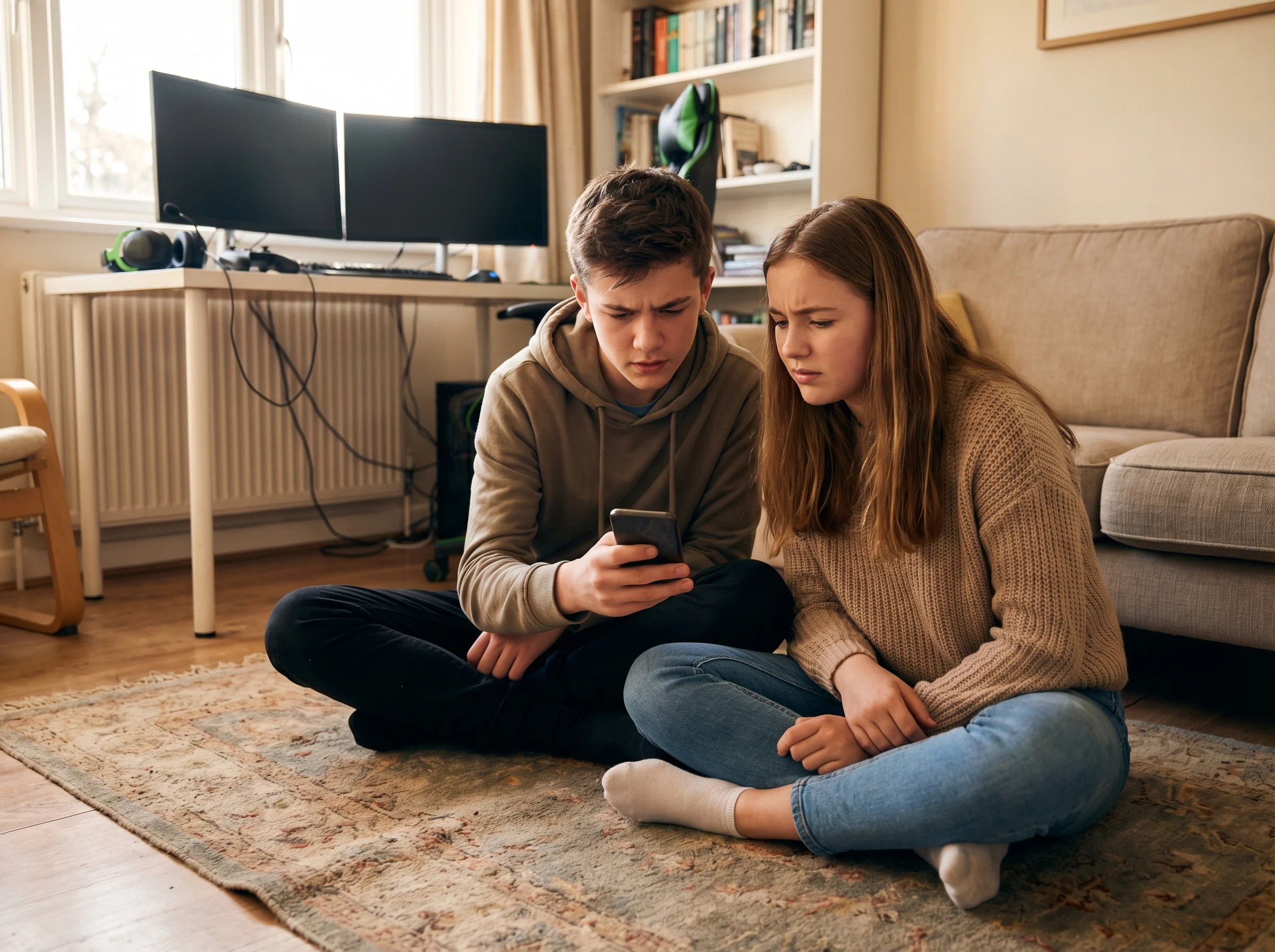
My son had a "friend" who only invited him to games when he needed help, then ignored him the rest of the time. Classic user behavior. Instead of intervening, I watched. My son noticed the pattern, confronted the kid, and when nothing changed, he quietly removed him from his friends list.
"Why'd you unfriend him?" I asked.
"He wasn't really a friend. Friends don't just use you for your legendary weapons."
Life lesson learned. No lecture needed.
The key is knowing when to step in versus when to let them figure it out. Red flags that need intervention:
- Threats of real-world harm
- Requests for personal information
- Adults seeking private communication
- Persistent harassment after blocking
- Money/gift card requests
Everything else? Usually a learning opportunity. Kids learn boundaries fast when they have block, mute, and report buttons. They figure out who's worth their time and who's not. They develop thick skin and emotional regulation.
When my daughter got kicked from a squad for "not being good enough," we talked about it like any other rejection. How it felt. What she learned. Whether those were people she wanted to play with anyway. The emotions were real, so we treated them that way.
Building Bridges Between Gaming Social Skills and Real Life
The magic happens when you help kids connect their gaming experiences to everything else.
My son was struggling with a school presentation. Nervous about speaking in front of the class. I reminded him: "You explain strategies to your raid team every week. Twenty people listen to you call shots. This is just like that, but easier. They can't even type in chat to disagree!"
He laughed. Then he nailed the presentation.
We use gaming scenarios constantly now:
- "Remember when you saved all your resources for that boss fight? That's like saving money for something important."
- "How did you feel when that random player helped you? That's why we help strangers too."
- "You spent weeks practicing that combo. Same idea with piano."
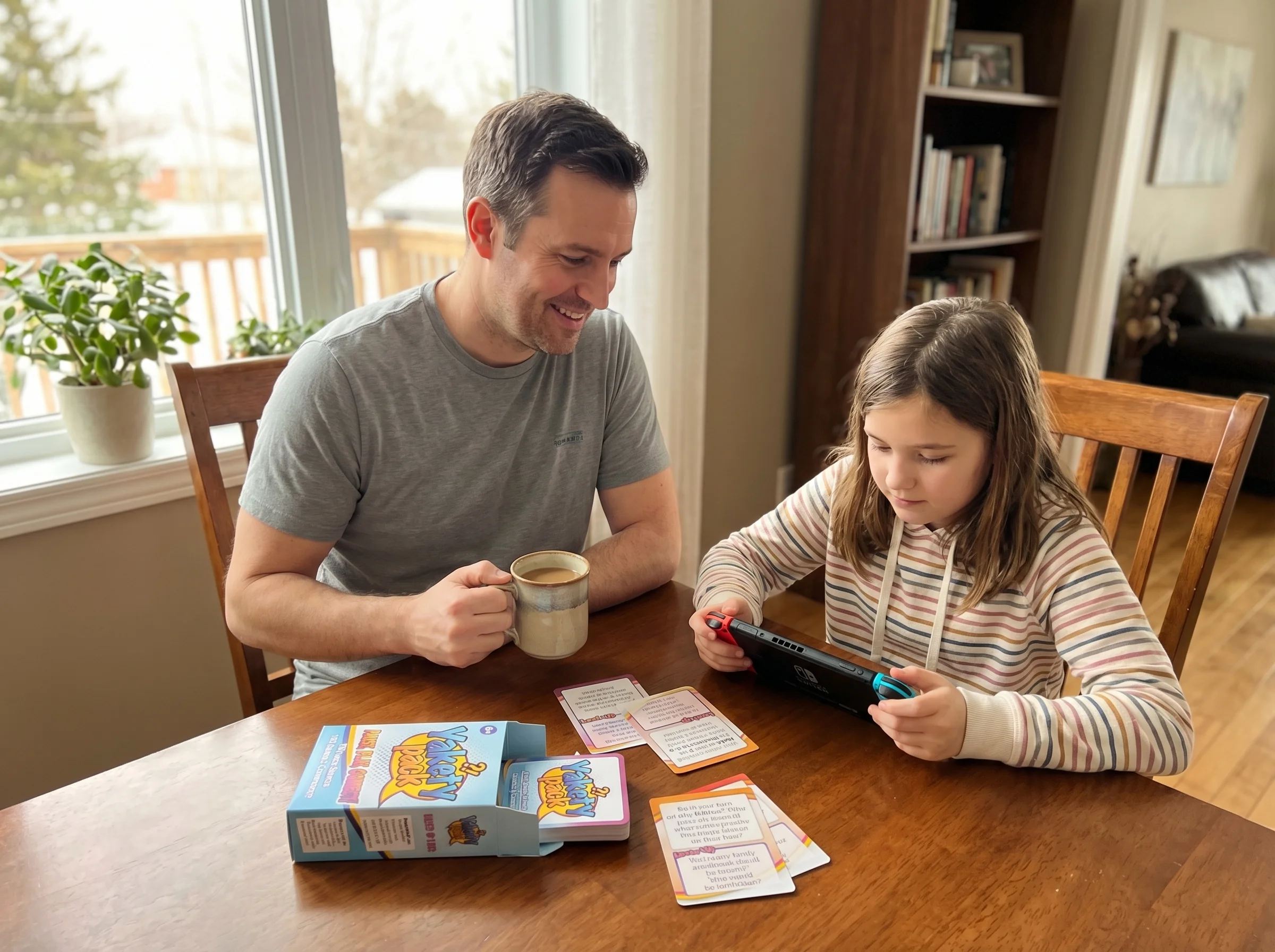
During family game nights, we pull out Yakety Pack cards between rounds. One card asks: "If you could bring one game character to dinner, who would it be and what would you ask them?" My daughter picked Kirby because "he'd eat everything and Mom wouldn't bug me about vegetables."
The conversations that follow are gold. Gaming becomes the bridge, not the barrier.
 The bridge, not the barrierPause, Play, Connect: Core Deck$49 CAD • 172 promptsSee the deck
The Collaboration Skills Hidden in Every Game
Every game teaches different social skills. Once you know what to look for, it's everywhere:
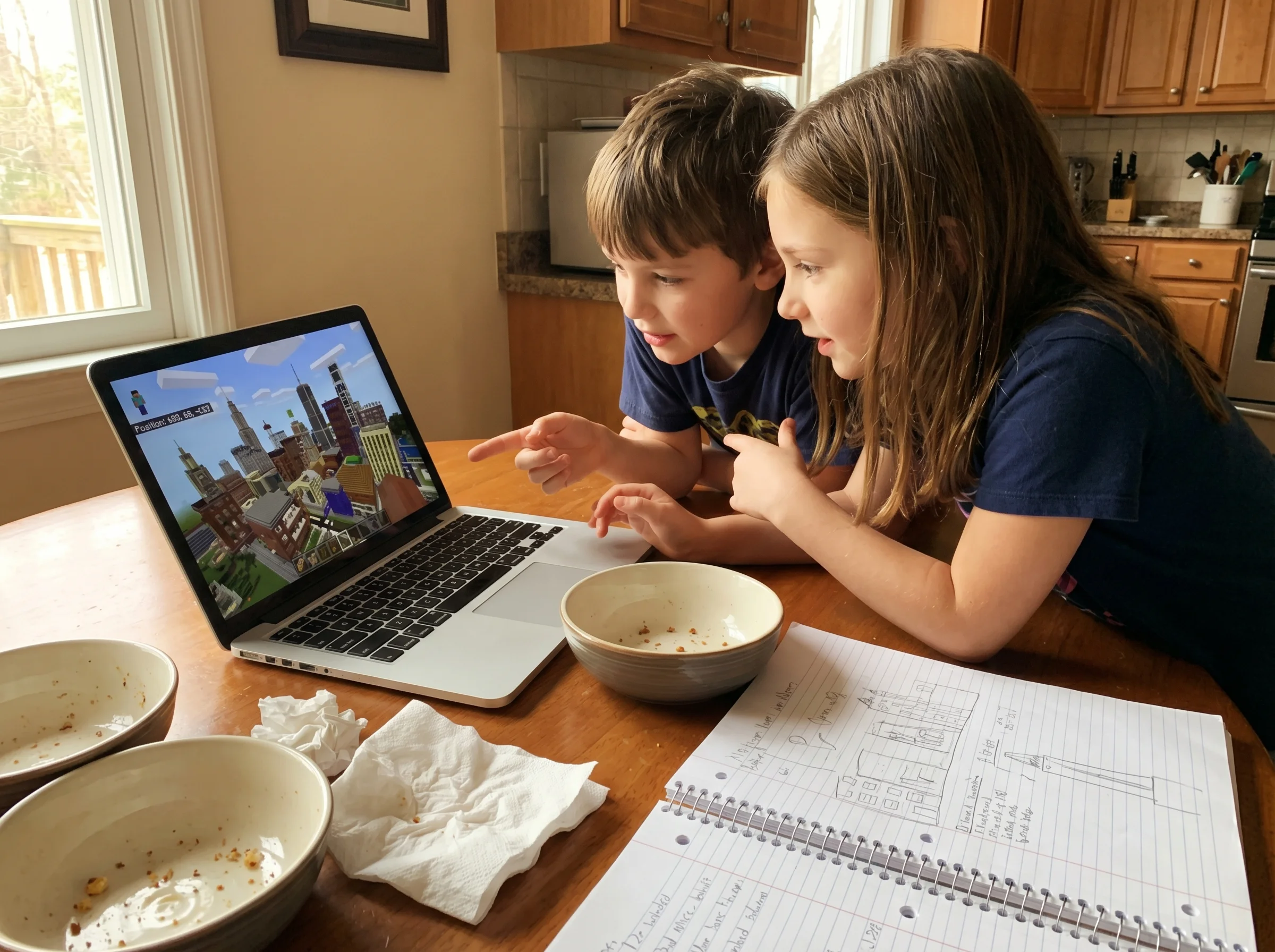
Minecraft: My kids learned project management by building a city together. They had to compromise on design, delegate tasks, share resources, and work through creative differences. It's basically a corporate team-building exercise disguised as blocks.
Fortnite: Rapid communication under pressure. Clear callouts. Role adaptation when plans fall apart. Split-second trust decisions. My son's improved communication skills? Thank the storm circle.
Among Us: Deductive reasoning meets social deduction. Reading people. Building trust. Making accusations with evidence. My daughter became scary good at spotting lies after a summer of Among Us. (Great for her. Less great for me trying to hide her birthday presents.)
Pokemon: Trading negotiations that would impress Wall Street. Delayed gratification from training. Strategic planning. Community building through local tournaments. My kids learned fair trades and patience from pixels.
Rocket League: Team rotation. Spatial awareness. Accountability (can't blame lag for everything). Recovery from mistakes. Learning to lose gracefully when the replay clearly shows you whiffed.
Roblox: Entrepreneurial thinking through creating games. Understanding user experience. Basic coding logic. Community moderation. My nephew made $50 from a game he designed. Better business education than most MBAs.
These aren't just games. They're skill-builders wrapped in fun.
Supporting Gaming Social Development Without Hovering
The hardest part? Giving them space to grow while staying informed.
I don't read every chat or monitor every interaction. That's not sustainable or healthy. Instead, I:
- Play occasionally so I understand the environment
- Keep devices in common areas (not for surveillance, for natural check-ins)
- Know their main gaming friends by name/voice
- Celebrate victories and commisserate defeats
- Set boundaries through natural consequences, not arbitrary rules
When my son gamed until 3 AM and felt terrible the next day, we talked about it. "How'd that feel?" "Terrible." "What would help next time?" "Maybe stop at midnight." He set his own boundary based on experience.
Way more effective than me imposing a bedtime.
Signs gaming social time needs balancing:
- Declining grades (obvious one)
- Skipping meals to play
- Extreme mood swings based on game outcomes
- No interest in anything else
- Physical symptoms (headaches, sleep issues)
- Friends expressing concern
But also watch for positive signs:
- Making new friends
- Developing leadership skills
- Learning to lose gracefully
- Helping newer players
- Setting their own limits
- Translating skills to real world
The Truth About Gaming and Connection
Here's what I wish someone had told me years ago: the connections your kids make in games are real. The friendships are real. The skills are real. The emotions are real.
My son has a friend in Australia he's played Minecraft with for three years. They've never met in person. They know each other's favorite foods, fears, dreams, and dad jokes. They've supported each other through family struggles and celebrated victories together. That's not a "fake internet friend." That's a real relationship that happens to exist online.
The best thing I did for my kids' social development wasn't limiting their gaming. It was learning to see what they see. To ask better questions. To recognize the growth happening right in front of me.
Your kid raging at Fortnite? They're learning emotional regulation. Your kid organizing a Minecraft server? They're learning leadership. Your kid helping noobs? They're learning empathy. Your kid getting destroyed in Rocket League? They're learning resilience.
It's all social development. It's all real. It just happens to involve a screen.
Start Today With One Question
Tonight, when your kid is gaming, try this: Watch for 5 minutes. Not to monitor. To understand. Then ask one question from that list of 20. Pick one that fits what you saw.
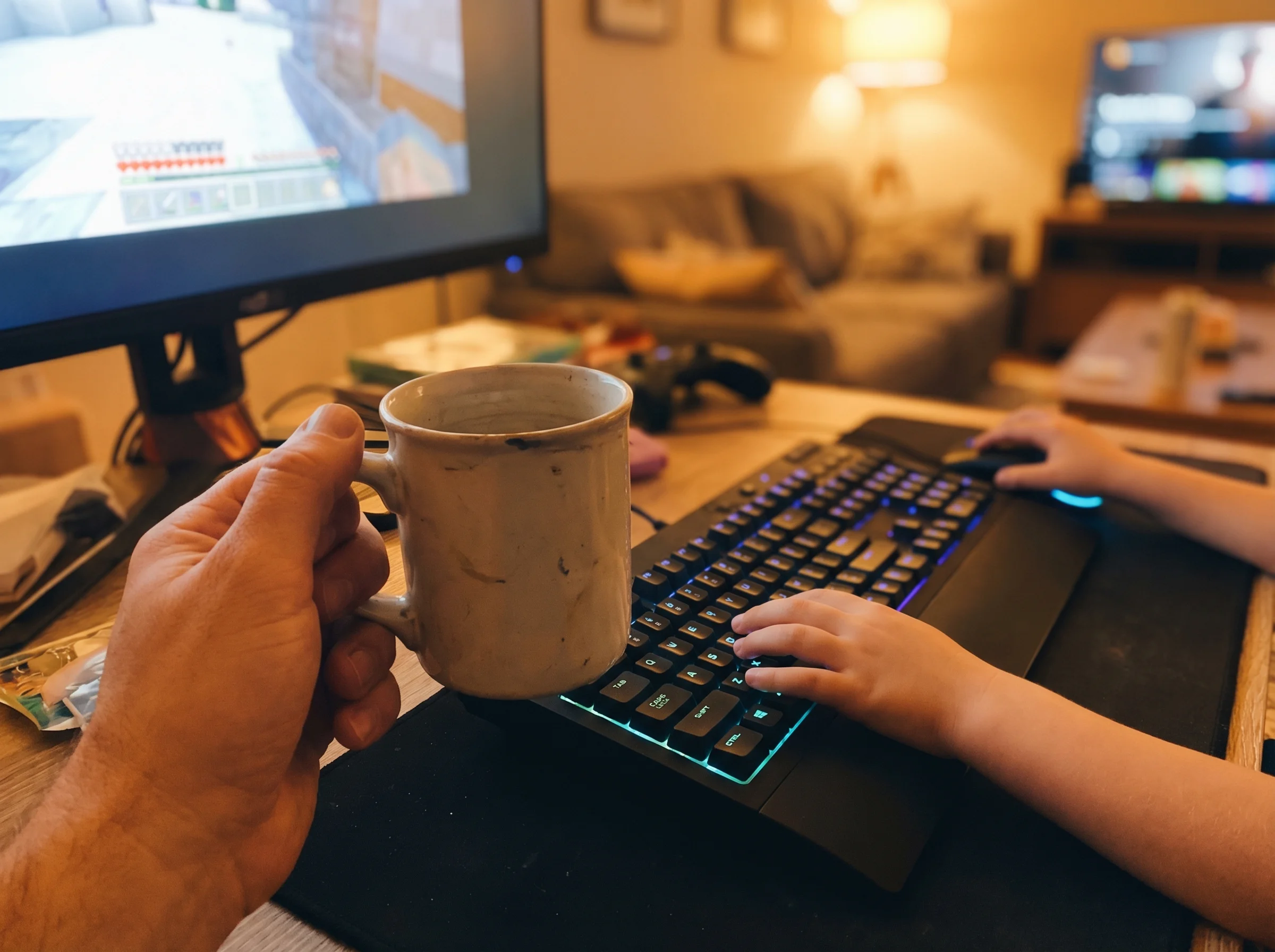
Listen to the answer. Really listen. Ask a follow-up question. Show genuine interest.
That's it. That's how the bridge building starts.
Your kids want to share their world with you. They just need to know you see it as real and valuable as they do. Because it is.
Trust me. I learned this the hard way. Don't wait six months like I did. Don't miss the social development happening right now, in that headset, in that Discord call, in that Minecraft server.
The drama, friendships, conflicts, and connections in their games? That's not pretend.
That's practice for life. And they're already doing it.
You just have to pay attention.
One question after you watchPause, Play, Connect: Core Deck172 prompts that turn what you just watched into a question worth asking.$49 CAD • 90 cards • 18 reviewsShop the deck
Related Articles
Looking for more? Check out these related articles:
