
My son once explained a 45-minute Civilization VI strategy to me without taking a breath, then had a complete meltdown because his sister took 30 seconds too long in the bathroom. Same kid, same day, wildly different "self-regulation."
That's when I realized I was measuring the wrong things.
For years, I'd been tallying up the meltdowns, the interruptions, the can't-sit-still moments. Meanwhile, I was completely missing the four-hour Minecraft building sessions, the careful resource management in Stardew Valley, the bounce-back-from-defeat resilience in Rocket League.
Turns out, my kid didn't have poor self-regulation. He had context-dependent self-regulation. Just like literally every human on the planet.
What Self-Regulation Actually Looks Like (Spoiler: It's Not What You Think)
Here's what blew my mind: self-regulation isn't about being calm all the time. My daughter can scream at Geometry Dash like she's auditioning for a horror movie, then calmly explain her strategy for the next attempt. That's not poor self-regulation. That's knowing when to let emotions out and when to rein them in.
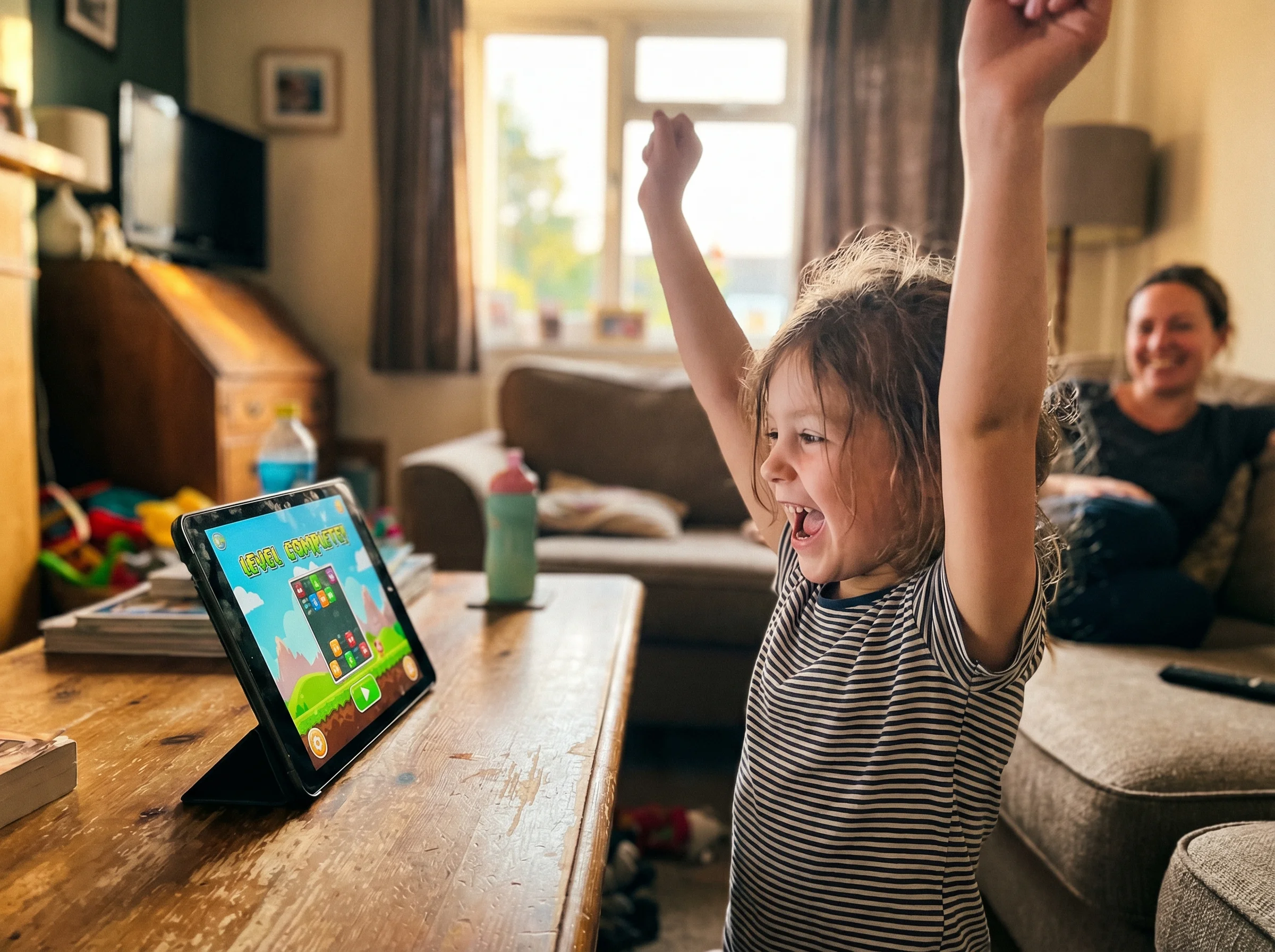
Watch any pro gamer stream. They're not zen monks. They yell, they celebrate, they get frustrated. But they know when to take a breath before the next round. They know when to push forward in Fortnite and when to heal up. That's self-regulation.
My daughter taught me this without realizing it. She'd rage-quit Geometry Dash, storm off to her room, then come back exactly 10 minutes later to try again. At first, I thought the rage-quitting was the problem. Then I realized - she'd developed her own cooling-off system. She knew she needed those 10 minutes. She took them. She came back ready.
That's better self-regulation than most adults I know.
 Strategy talk comes easierPause, Play, Connect: Core Deck172 prompts that ask about the game first, because that is the conversation kids will actually have.$49 CAD • 90 cards • 18 reviewsShop the deck
The Context Problem: Why Your Kid Can Focus on Roblox but Not Math
"How can he focus on Pokemon for three hours but not spelling for three minutes?"
Every parent of a gamer has asked this. Here's the truth: interest-based nervous systems are real. We all regulate better when we care about the outcome.
Think about it. You can probably binge Netflix for hours but struggle through a boring work meeting. Same regulation system, different context.
My son proved this to me daily. Minecraft? He'd plan elaborate builds, gathering resources for days, delaying gratification like a patience master. Math homework? Rushed through in 30 seconds with the focus of a caffeinated squirrel.
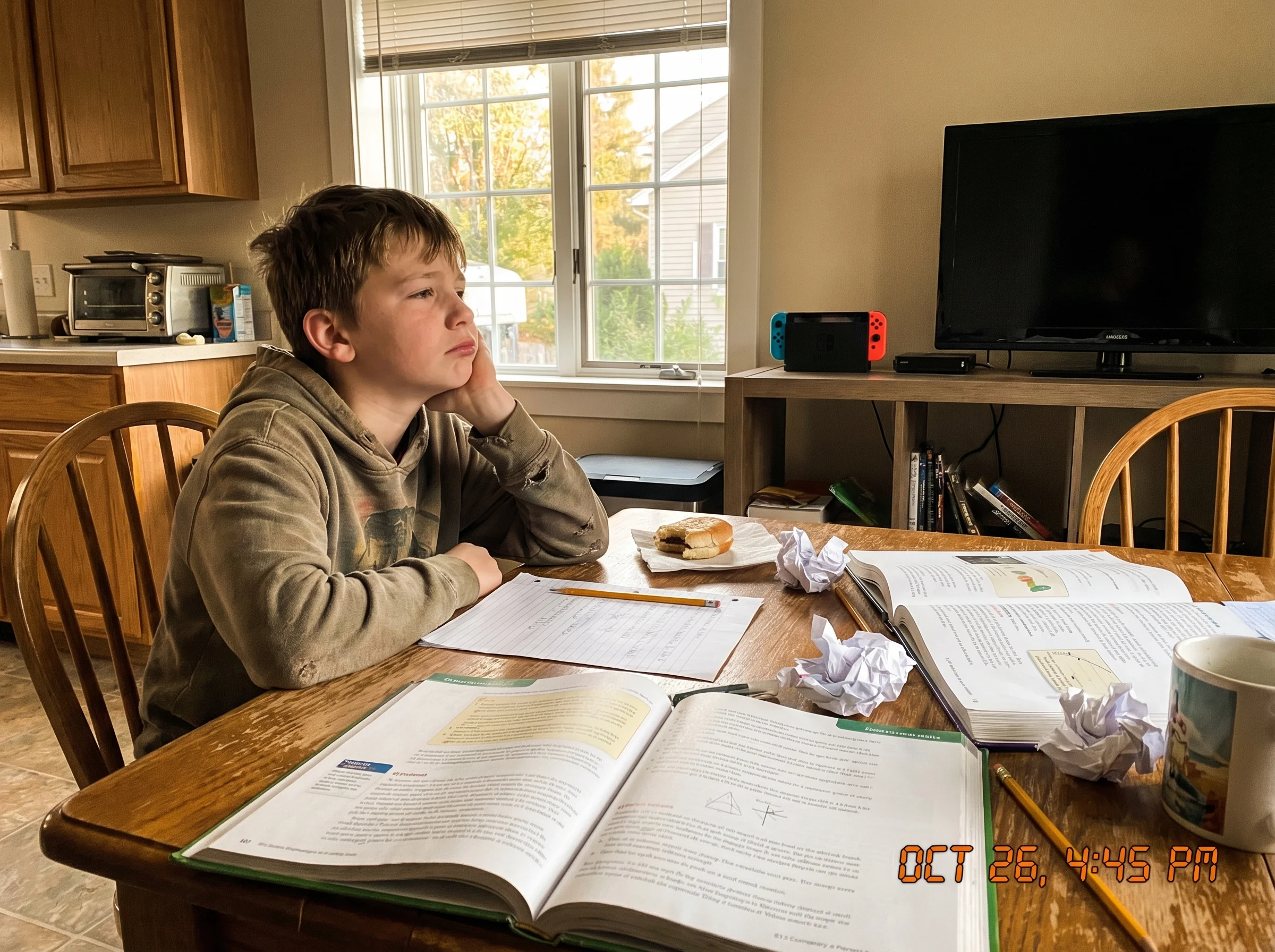
Was he incapable of self-regulation? No. He just couldn't manufacture caring about long division.
There's also the "can't vs won't" distinction that drives parents crazy. Sometimes kids genuinely can't regulate (overwhelmed, tired, hungry). Sometimes they won't because the payoff for melting down (skipping the task, getting attention) beats the payoff for keeping it together.
Gaming helped me see this clearly. When my son "can't" beat a boss, he tries different strategies. When he "won't" clean his room, he suddenly develops the self-regulation skills of a toddler. Same kid, different motivation.
Real Signs of Self-Regulation Struggles (Beyond the Obvious)
After years of watching my kids game (and parent), here's what actual self-regulation struggles look like:
They can't recover from setbacks. Not just getting upset - that's normal. I mean staying upset for hours, unable to move on. My friend's son would quit games permanently after one loss. That's different from my daughter's strategic rage-quit-and-return.
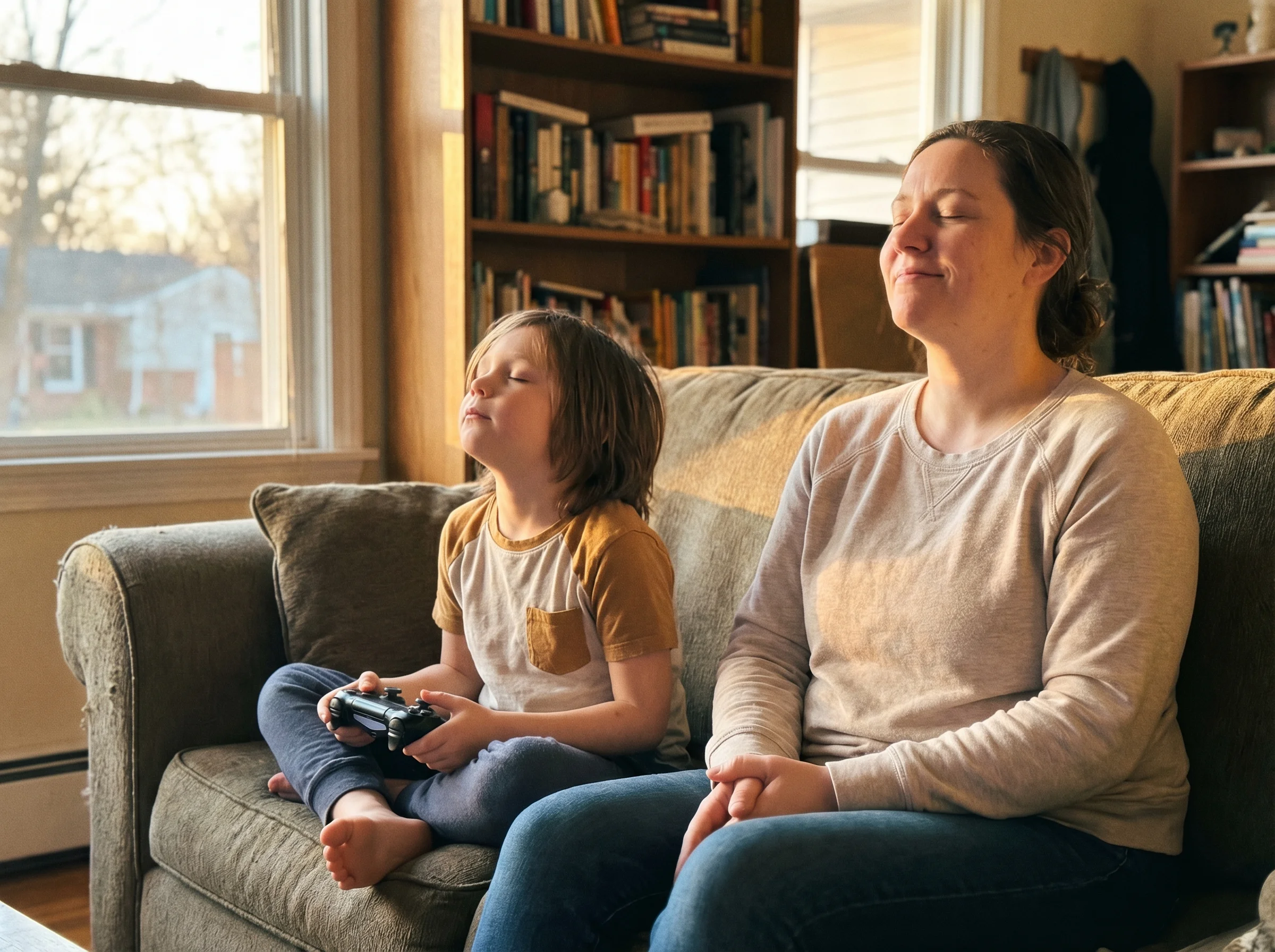
They have no strategies for calming down. Always need adult intervention. Never develop their own systems. My kids learned breathing techniques from Minecraft (seriously - try mining without rhythmic clicking). Kids with real struggles don't develop these strategies even with time.
They can't identify their own feelings or needs. "I'm mad!" is normal. Not knowing why you're mad, ever, is concerning. My son went through a phase where every emotion was "bored." Turned out he meant frustrated, excited, anxious, and hungry. Gaming conversations helped us figure this out.
They're genuinely surprised by consequences every time. Not "I knew but hoped it would work anyway" (that's every kid). I mean truly shocked that jumping off the couch breaks things. Again. And again.
Here's a perfect example: both my kids rage at games. But my daughter's rage has a purpose - she's processing disappointment. She'll yell "THIS GAME IS STUPID!" then immediately start planning her next attempt. My son used to just... rage. No recovery plan. No strategy. Just stuck in the anger.
Guess which one we got help for?
Plot Twist: Where Kids Actually Learn Self-Regulation
This is the part that makes traditional parenting experts uncomfortable: gaming might be where your kid is learning self-regulation best.
Think about what games teach:
Consequence-action relationships: Touch lava, you die. Save your game, you don't lose progress. Clear, immediate, consistent.
Respawning equals resilience practice: Death isn't permanent. Failure isn't final. Try again with the knowledge you gained.
Resource management equals impulse control: Spend all your coins now or save for better gear? Use your special attack or wait for the boss?
Dealing with toxic players equals emotional regulation: Learning not to feed the trolls is a life skill, people.
My kids learned patience from Animal Crossing turnip prices. Not joking. Watching them wait for good prices, tracking patterns, not panic-selling - better economics lesson than anything I could teach.
They learned planning from Minecraft, teamwork from Among Us, perseverance from literally every game with a difficulty curve. These aren't just gaming skills. They're self-regulation skills with real-world applications.
 Not a feelings interviewPause, Play, Connect: Core Deck$49 CAD • 172 promptsSee the deck
The Age Thing Nobody Talks About
Here's what nobody tells you: a 6-year-old melting down over Mario is normal. A 13-year-old doing the same thing? Different conversation.
Development isn't linear, especially with screens involved. My son at 8 would throw controllers (soft ones, we learned). Same son at 12 calmly puts the controller down and says "I need a break." That's four years of practice paying off.
But here's the trick - gaming can actually accelerate this development if you let it. Traditional activities give kids maybe one or two chances per hour to practice regulating. Gaming? Dozens of micro-opportunities. Every death, every close call, every resource decision.
The key is recognizing improvement. My daughter at 7 screamed through every Geometry Dash session. At 9, she mutters "okay, okay, I got this" between attempts. That's growth.
How to Help Without Helicoptering
Want to support your kid's self-regulation without becoming the regulation police? Start with their games.
Ask about their strategies. "How do you decide when to attack and when to defend?" You'll be shocked at the self-regulation gold hiding in their answers. My son once explained his Civilization diplomacy strategy, and I realized he understood delayed gratification better than I thought.
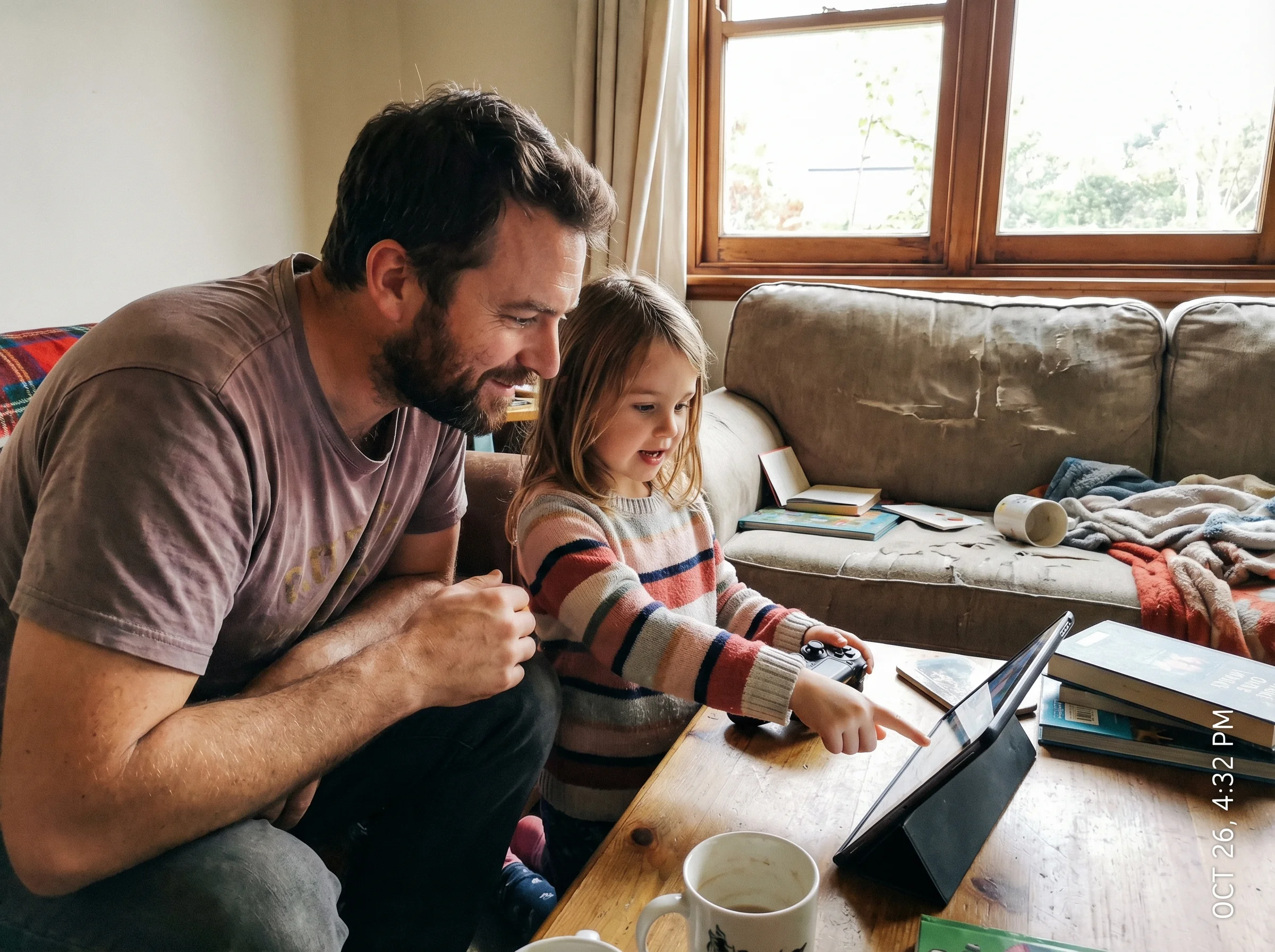
Notice and name when they regulate well. "Hey, I saw you take a break when you got frustrated with that level. Good call." Don't make a big deal. Just notice.
Help them connect gaming skills to life skills. "Remember how you save up coins in Mario? Same idea with your allowance." They'll roll their eyes, but they'll get it.
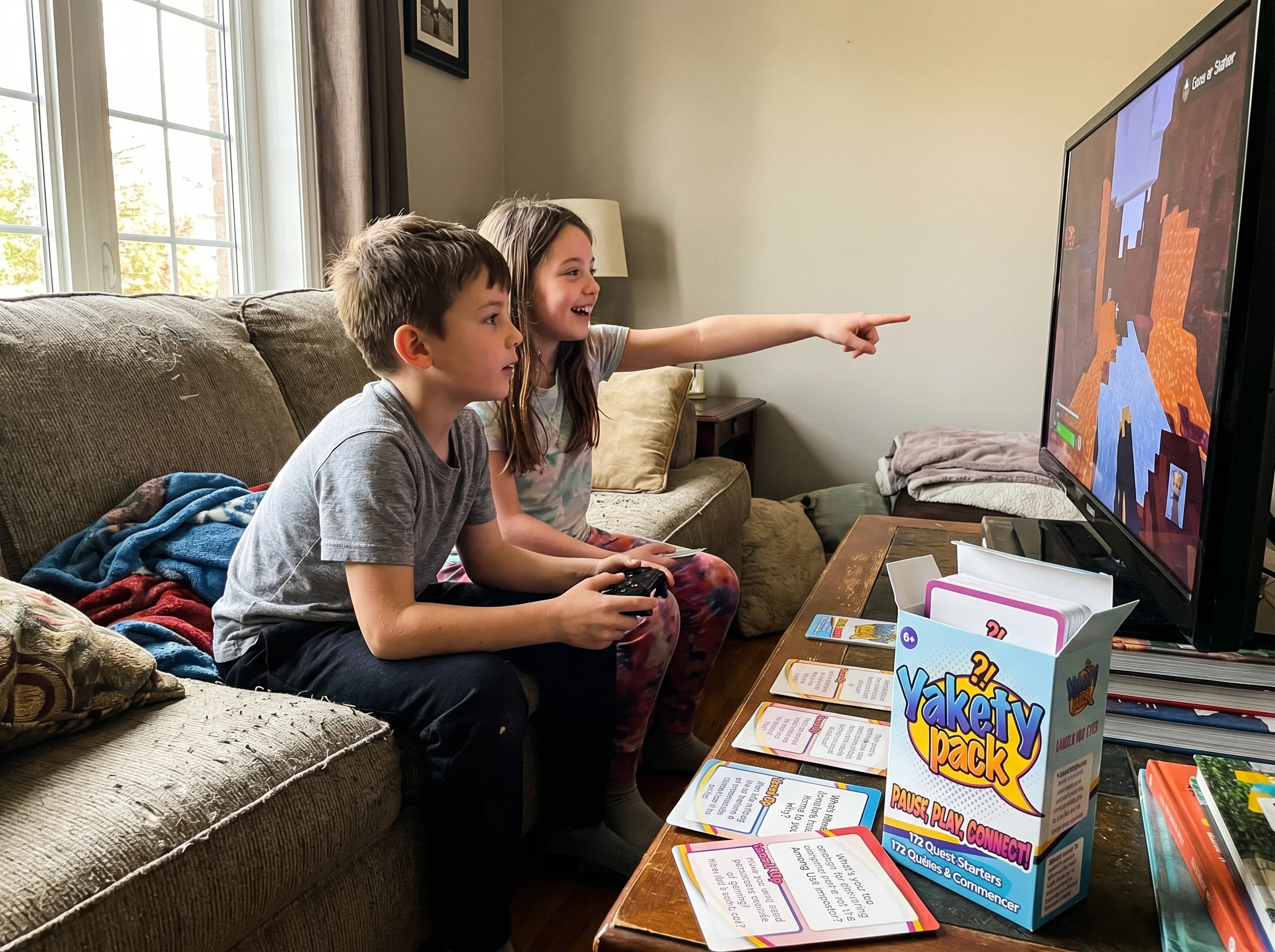
This is actually where Yakety Pack came in handy for us. Cards like "What's your strategy when a game gets frustrating?" opened conversations I never could have started on my own. Kids are way more willing to talk about game strategies than feelings.
The biggest change? I stopped managing their gaming breaks. Terrifying at first. But they figured it out. My daughter still takes her 10-minute Geometry Dash breaks. My son learned to feel when he's tilting and walks away. They developed these skills because I stopped doing it for them.
When to Actually Worry (And What to Do)
Sometimes it really is a problem. Here's when to get help:
Safety issues. Breaking things, hurting people (including themselves), genuine inability to stop dangerous behaviors. This isn't "threw a pillow in frustration." This is "punched a hole in the wall again."
Complete inability to function in multiple settings. Not just "struggles at school but fine at home." I mean can't regulate anywhere, ever, with anyone.
No improvement with age or practice. My friend's kid is 11 and still has the exact same meltdowns as when he was 6. Same triggers, same intensity, same inability to recover. That's when they sought help.
If you need help, find someone who understands gaming culture. Seriously. A therapist who thinks all gaming is evil won't help your kid. Find someone who gets that Fortnite might be your kid's main social space. The American Psychological Association has resources on finding professionals who understand digital play.
The Real Sign of Poor Self-Regulation
Here's what I wish someone had told me years ago: poor self-regulation isn't about the meltdowns or the hyperfocus or the interrupting. It's about the inability to develop strategies.
Kids with genuine self-regulation struggles don't learn from experience. They don't develop systems. They don't improve with practice.
Your kid who rage-quits but comes back? They're learning. Your kid who games to decompress after school? They're self-medicating in a healthy way. Your kid who can explain their entire Pokemon strategy but melts down over homework? They have selective self-regulation, just like every adult who can't sit through a boring meeting but binges Netflix for hours.
Stop measuring the wrong things. Start watching how your kid handles their gaming frustrations. You might discover they're already better at self-regulation than you thought - they just need help translating those skills to the non-gaming world.
And if you're looking for ways to start those conversations, sometimes a simple question about their gaming strategies opens doors that "how are you feeling?" never could.
Trust me. I learned this the hard way. Multiple times. With two very different kids. The gaming isn't the problem. It might actually be the solution.
Ninety cards, no agendaPause, Play, Connect: Core Deck172 prompts that start a conversation about the game, with nothing to measure and nothing to fix.$49 CAD • 90 cards • 18 reviewsShop the deck
Related Articles
Looking for more? Check out these related articles:
