
My son built a graveyard in Minecraft every day for three months. Not because he was morbid or disturbed - but because his grandfather had died and this was the only way his 10-year-old brain could process it. I almost missed it because I was too busy counting screen time hours instead of paying attention to what was happening on the screen.
That's when I learned something that changed how I parent: games aren't where kids go to escape their feelings. They're where kids go to work through them. And if you know what to look for, your child's gaming can tell you more about their emotional state than any conversation that starts with "how was your day?"
 Cards, not a checklistPause, Play, Connect: Core Deck172 prompts that give you something to ask about the game instead of asking how their day was.$49 CAD • 90 cards • 18 reviewsShop the deck
Why Gaming Behavior Is Your Best Emotional Radar
Here's what took me way too long to figure out: kids have been expressing emotions through play since the dawn of time. We just moved the sandbox online. When my daughter was four, she'd make her dolls act out fights she had with friends. At fourteen, she does the same thing in The Sims. The medium changed. The processing didn't.
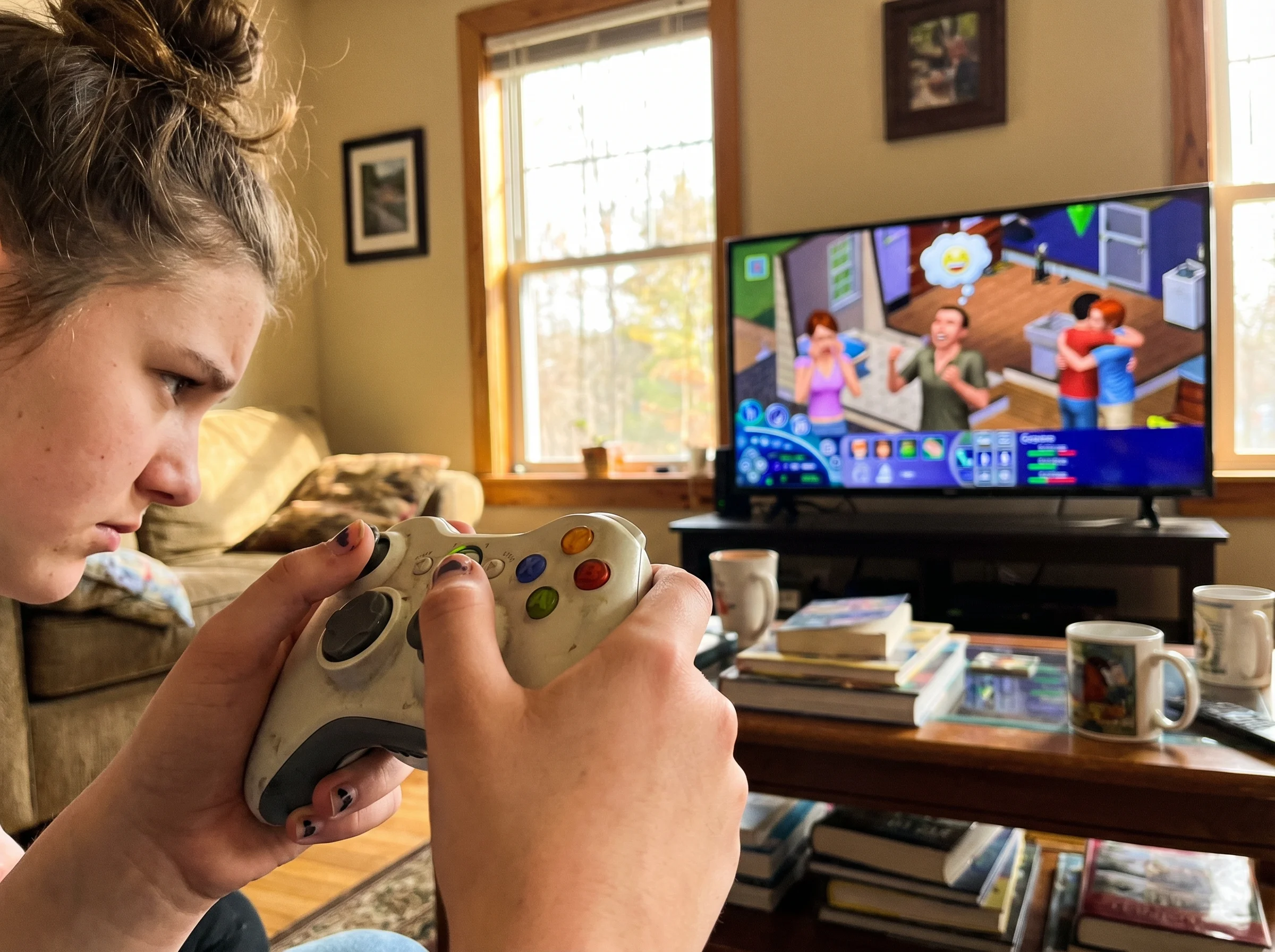
Last year, I noticed my daughter switched from building rainbow castles in Minecraft to digging elaborate underground bunkers. She'd spend hours perfecting hidden doors and secret passages. Still creative, still engaged, but something had shifted. When I finally asked her to give me a tour of her world, she casually mentioned she was building places where "no one could find her."
Turns out she was being excluded at school. Those bunkers? They were her digital version of pulling the covers over her head. The game was showing me what she couldn't say out loud.
Think about it. In games, kids face failure, success, social dynamics, and creative expression - basically a concentrated dose of real life. How they handle a lost match in Rocket League tells you about their resilience. What they build in creative mode shows you their inner world. Whether they play with others or alone reveals their social comfort. It's all there, broadcasting loud and clear. You just need to tune in to the right frequency.
The Real Warning Signs (That Have Nothing to Do With Hours Played)
Forget the screen time counter. I spent months obsessing over hours while missing the actual red flags waving right in front of me. Here's what actually matters:
The shift from social to solo. My son used to beg to play Fortnite with his squad every night. Then suddenly he was only interested in single-player games. Not because he discovered a love of story modes - but because group dynamics had become painful after a falling out with friends.
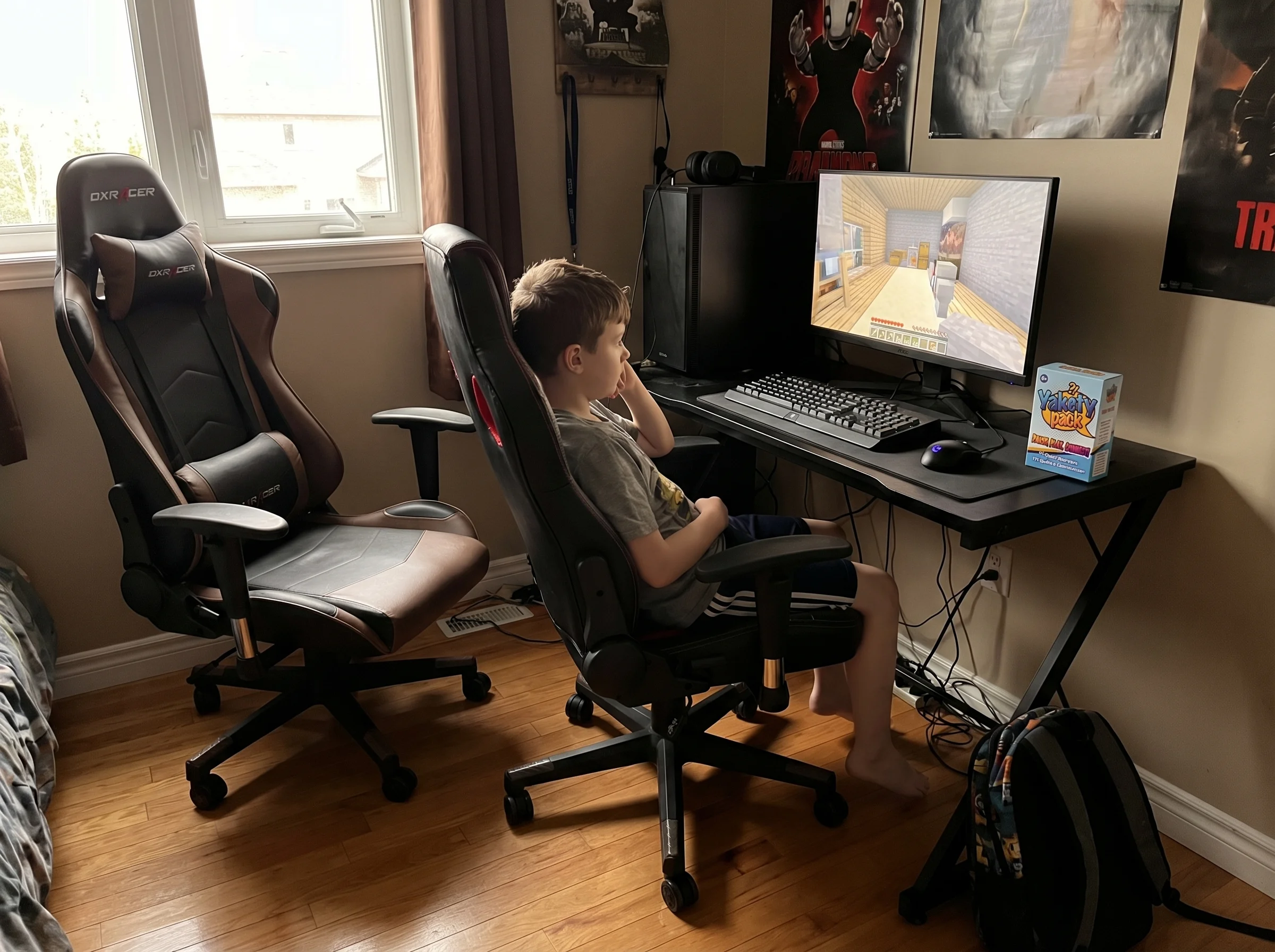
What they create tells you what they're feeling. When kids start exclusively building traps in Minecraft instead of houses, or when every Roblox game they make involves isolation or destruction, they're working through something. My nephew spent a month only creating TNT cannons. Turns out his parents were talking divorce and blowing things up was how he processed the feeling that his world was exploding.
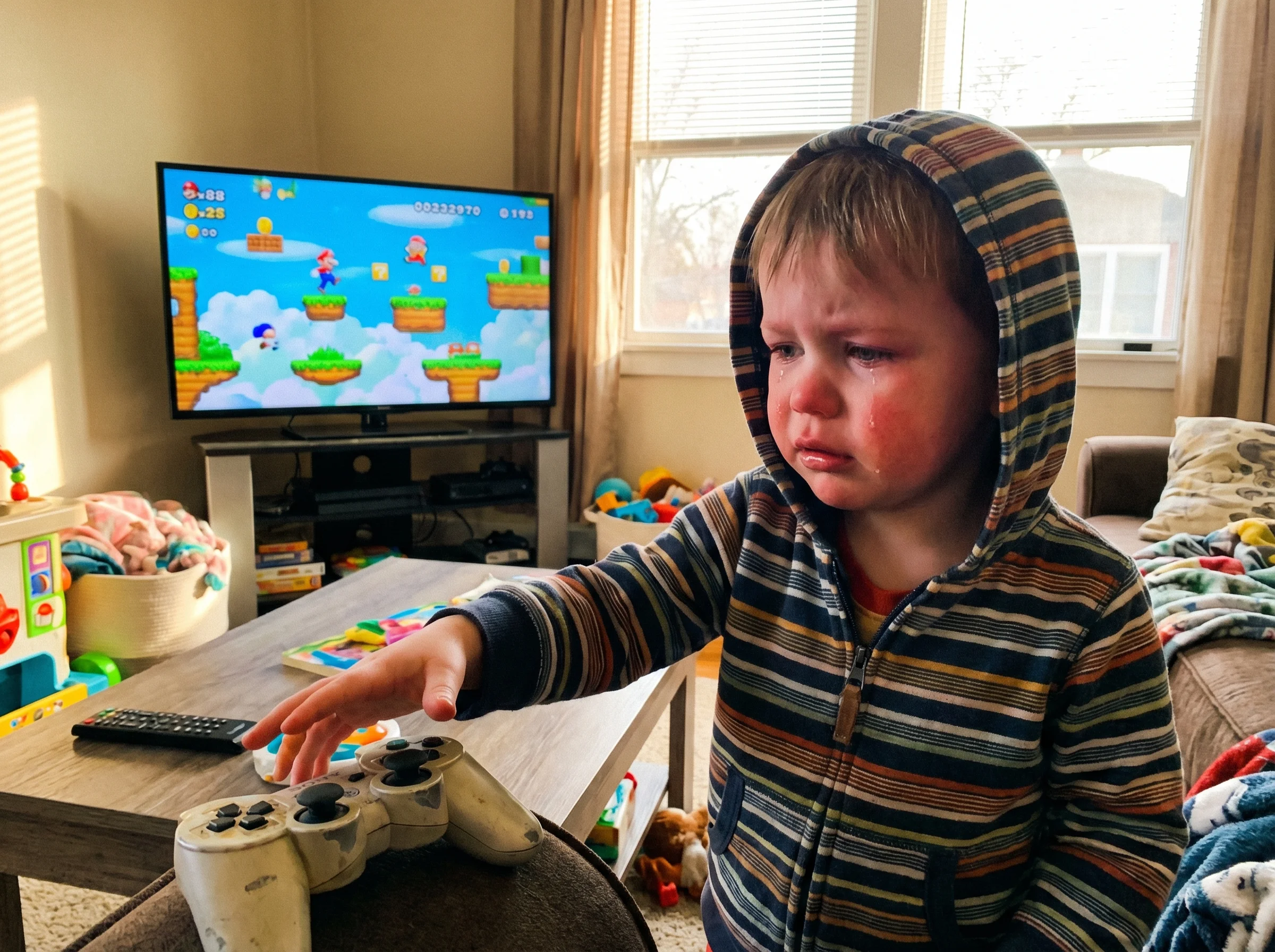
How they handle failure is everything. Every kid gets frustrated at games sometimes. My daughter once threw a controller over Mario Kart (not my proudest parenting moment letting it get that far). But when the rage moves from occasional outburst to consistent pattern, when every loss becomes a personal attack on their worth, that's different. That's pain looking for an outlet.
The pride disappears. This one broke my heart. My son used to drag me to the computer to see every building, every achievement, every silly thing he did in games. Then he stopped. Not gradually - just stopped. The joy of sharing evaporated. When kids stop wanting to show you their victories, they're not just pulling away from you. They're pulling away from their own accomplishments.
Gaming becomes a chore. "I have to log in for my dailies" replaced "Can I play?" The obligation took over from enjoyment. When games become another thing they're failing at instead of something they're choosing, when they play not for fun but because NOT playing feels worse, you're looking at someone using gaming as a numbing agent, not an activity.
Age Matters - What's Normal vs. Concerning
My sister called me panicked because her 7-year-old had a meltdown over losing in Fall Guys. "Is he depressed?" she asked. I had to laugh. At seven, losing at Fall Guys IS a tragedy. That's not a red flag, that's Tuesday.
Ages 6-9: Learning Through Losing Kids this age are just figuring out emotional regulation. When my youngest was eight, he'd cry over Roblox obstacles like the world was ending, then boot it up again five minutes later. That's not concerning - that's learning. Concerning is when they stop trying again.
Ages 10-13: Identity Shopping My daughter went through a phase where every Sims character she made had blue hair and was a loner who painted. Was she depressed? No, she was twelve and trying on identities like clothes. When my son made his Minecraft skin into a grief-stricken knight after his grandpa died, that wasn't unhealthy - it was processing. The warning sign at this age isn't the experimenting. It's when they lock into only dark or isolated identities with no variation.
Ages 14-17: Digital Natives Here's where parents mess up most. "They only talk to online friends!" Yeah, because online friends don't judge them for their acne or witness their awkward hallway moments. My 16-year-old nephew has deeper conversations with his World of Warcraft guild than his school friends. That's not concerning - that's modern adolescence. Concerning is when they can't maintain any relationships, online or off.
The Questions That Actually Get Answers
"How was your day?" gets you nowhere. "What's the most unfair thing that happened in your game today?" might actually start a conversation. Here's what works:
Instead of "Are you okay?" try "That boss fight looked brutal - what made it so hard?" Kids will tell you about game challenges when they won't tell you about life challenges. But here's the thing - they usually connect.
My son was getting griefed (repeatedly killed by the same player) in Minecraft. When I asked "How do you handle griefers?" he said "I just leave and find a new server." Then he paused. "Kind of like how I eat lunch in the library now." That's when I learned about the bullying.
"Show me your favorite build/character/achievement" opens doors. "What made you switch from creative to survival mode?" reveals mindset shifts. "Who do you like playing with most?" uncovers social dynamics.
The magic question that changed everything for us: "If this game had a story mode about your life, what would this chapter be called?" My daughter said "The Underground Season" and we had our first real conversation about her anxiety in months.
 Something to open withPause, Play, Connect: Core Deck$49 CAD • 172 promptsSee the deck
When Gaming Is the Solution, Not the Problem
This is where I'm going to lose some of you, but stick with me. Sometimes an unhappy child needs MORE gaming, not less. Specifically, the right kind with the right support.
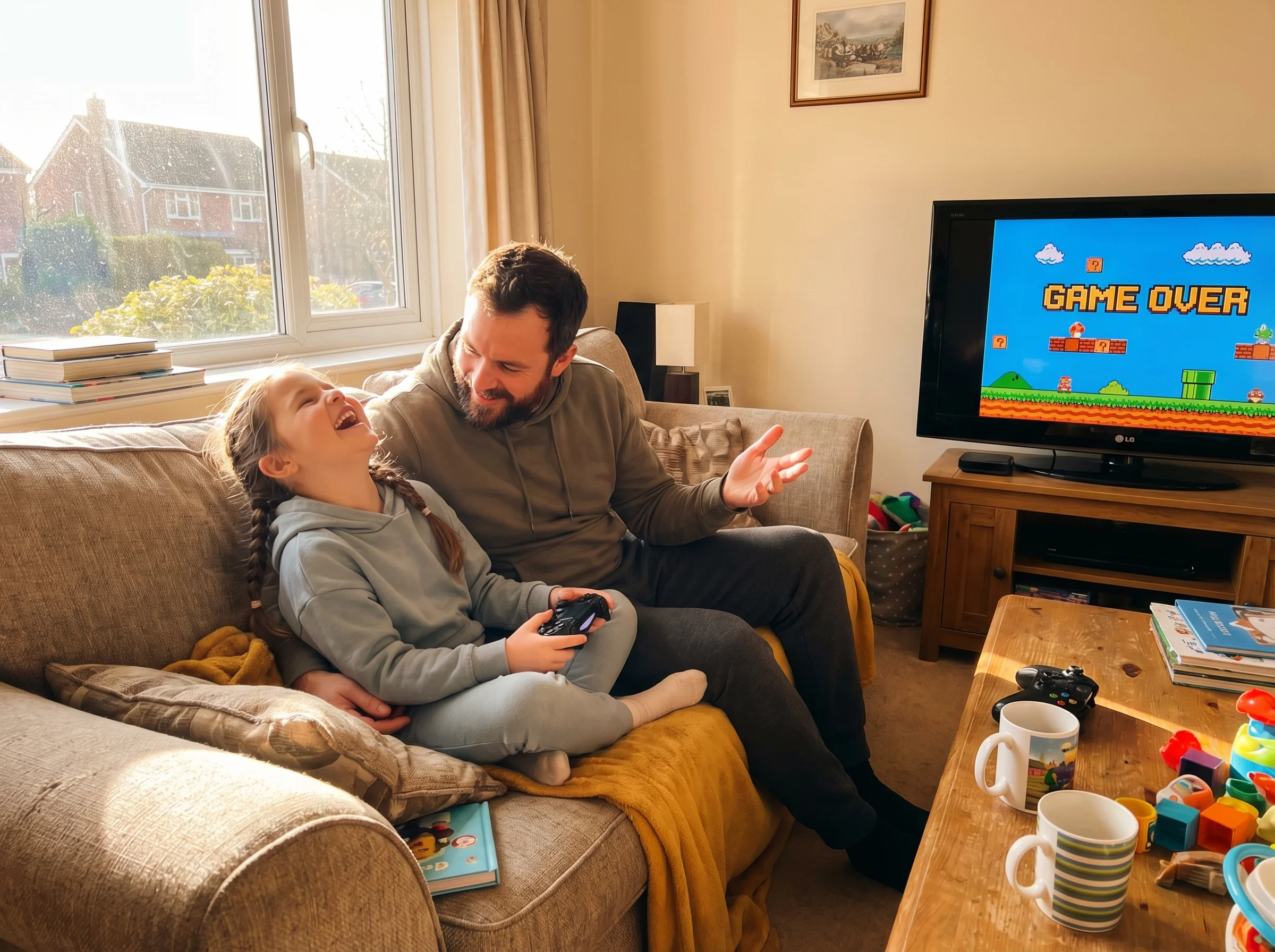
My daughter was a perfectionist heading toward burnout. Couldn't handle any mistake, melted down over B+ grades. Then she discovered speedrunning - literally the art of failing fast and trying again. Watching her learn to laugh at deaths in Celeste, to see them as data instead of disasters, changed her entire approach to failure. Gaming didn't create a problem. It solved one.
When my friend's son lost his dad, he couldn't talk about it. But he could play Journey with me, a game about loss and moving forward. We never discussed his grief directly, but we played through that metaphor together until he was ready to use words.
Games provide safe spaces to fail, to be angry, to process. They offer community when the real world feels hostile. They give control when life feels chaotic. Taking that away from an unhappy child is like taking away their journal or their music. You're removing a coping tool, not solving a problem.
Red Flags That Need Real Action
I'm not saying all gaming behavior is healthy processing. Some things need immediate attention:
When self-harm shows up in games - creating scenarios where their character repeatedly dies, naming things with self-hatred themes, or playing in deliberately punishing ways - that's not processing, that's practicing. A friend's son started making his character jump off cliffs repeatedly "for no reason." That wasn't random. Get help.
Complete withdrawal from all social gaming AND real-world activities. Not choosing solo games - refusing all human contact through games too. When my neighbor's daughter stopped playing with her online Animal Crossing friends (her only social contact during COVID), that was the moment her parents should have intervened. They waited three more months.
When gaming becomes self-punishment. "I don't deserve to play the fun mode." "I'm too trash to play with friends." When they use gaming to reinforce negative self-talk rather than escape or process it, you're past normal unhappiness.
The inability to stop even when it's hurting them - and I don't mean "just five more minutes." I mean playing through hunger, exhaustion, missing things they actually care about, and hating themselves for it but being unable to stop. That's addiction territory and needs professional help.
Building Bridges Through Their World
Want to know what actually works? Meet them where they are. Not where you think they should be.
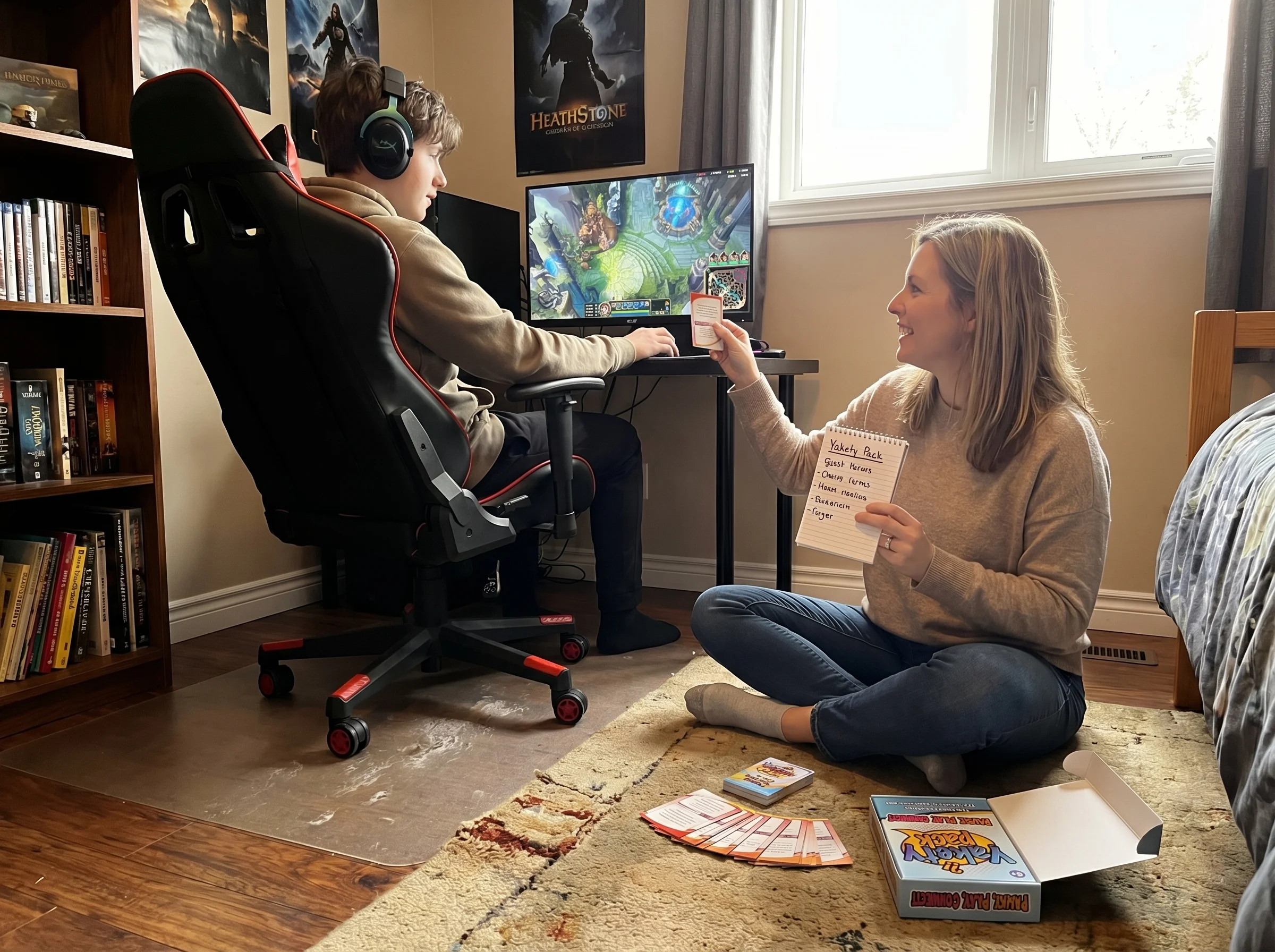
I started with "teach me your game." Not "let's play together" - that assumes competence I didn't have. "Teach me" put them in the expert role. My kids loved watching me fail at Fortnite. But while they were laughing at my inability to build, they were also talking. About school. About friends. About fears.
Weekend Minecraft sessions became our therapy. Not formal, structured talks - just building together. Side by side, focused on blocks instead of eye contact, the words came easier. My son told me about his anxiety while teaching me about mob spawners. My daughter explained friendship drama through village politics.
Create gaming check-ins that don't feel like interrogations. "What's your current gaming goal?" leads to "What's your current life goal?" naturally. "Show me your favorite skin/character/build this week" becomes a window into their self-expression.
Here's what changed everything for us: I stopped treating gaming as the enemy and started treating it as a translator. Now when my kids are struggling, I don't take away the games. I pay attention to them. I join them. I learn their language.
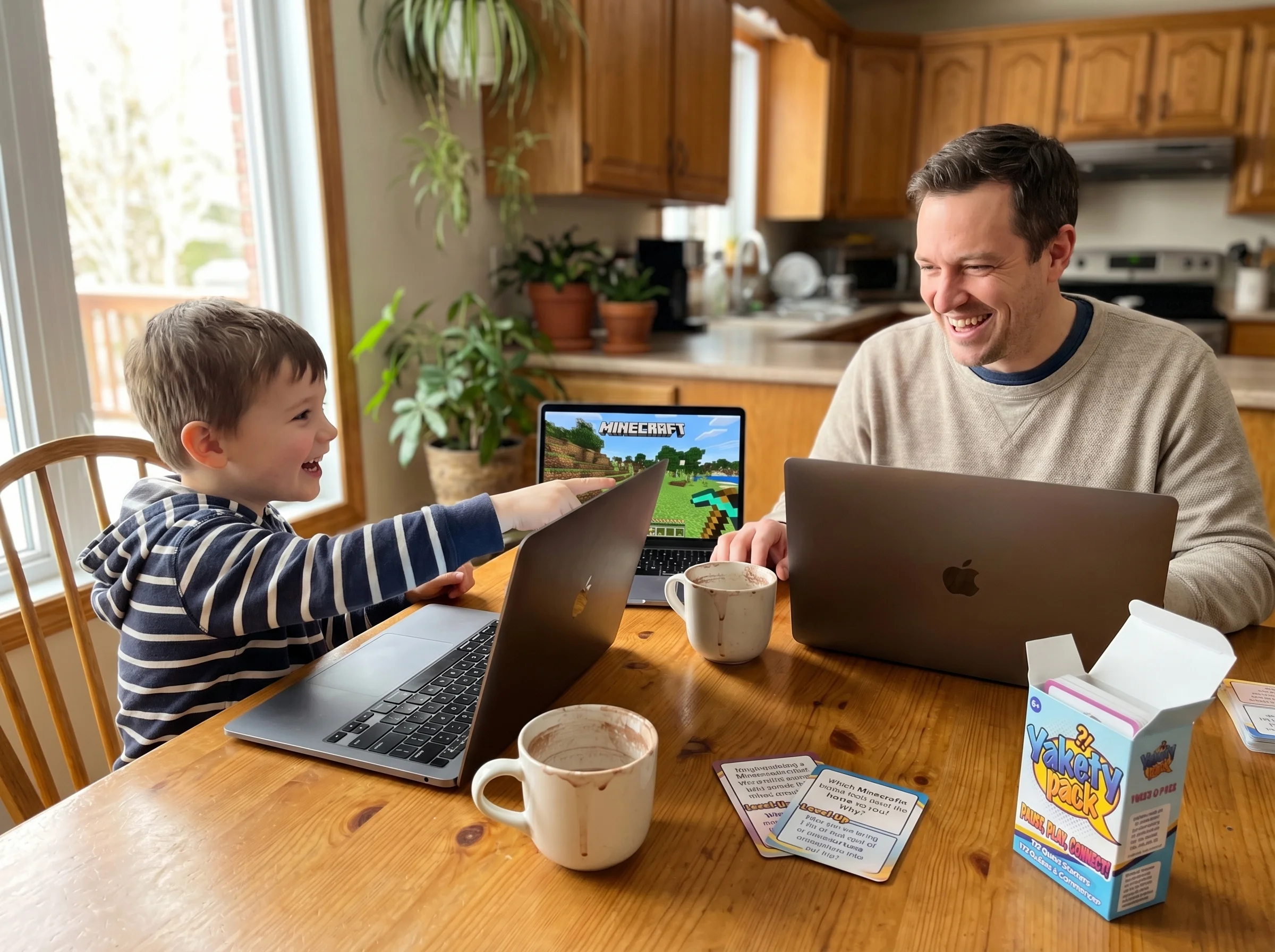
One mom told us her son finally opened up about school anxiety when she asked him our Yakety Pack question "What game boss reminds you of a real-life challenge?" He said "My math teacher is basically a Dark Souls boss - impossibly hard and I keep dying." That started a real conversation about getting help with math, not about limiting Dark Souls.
Your unhappy child is already telling you everything through their games. The question is: are you listening in the right language?
The Next Step That Actually Helps
Tonight, instead of checking their screen time, check their game world. Ask to see what they built, created, or achieved today. Don't judge it. Don't analyze it. Just notice it.
And if they've stopped wanting to show you, that tells you something too.
The path back to connection might just be through that screen you've been fighting against. Trust me - I fought it for years before I realized the screen wasn't a wall between us. I was.
A place to begin tonightPause, Play, Connect: Core Deck172 prompts that hand you a question for the evenings when you cannot find the words yourself.$49 CAD • 90 cards • 18 reviewsShop the deck
Related Articles
Looking for more? Check out these related articles:
