
My son once spent an entire birthday party telling every kid about beating Sans in Undertale. Twenty minutes. Same story. Five different kids. By the end, he was sitting alone while everyone else played tag. That's when I realized: the problem wasn't his pride in the achievement - it was that I'd left him to celebrate alone.
Look, I get it. When your kid corners every adult at family dinner to explain their Fortnite stats or won't stop talking about their Minecraft builds, it's exhausting. But here's what took me too long to understand: those gaming wins matter to them as much as hitting a home run mattered to us.
Why Gaming Achievements Hit Different for Kids
Gaming wins are measurable, shareable, and comparable. Unlike being "good at reading" or "nice to others," beating a boss or reaching a new level comes with proof. Screenshots. Stats. Leaderboards. It's concrete in a world where most kid achievements feel abstract.
Think about it. When I was a kid, I collected baseball cards and memorized batting averages. I'd corner anyone who'd listen to tell them about my Ken Griffey Jr. rookie card. My son does the same thing with his gaming achievements. Different medium, same pride.
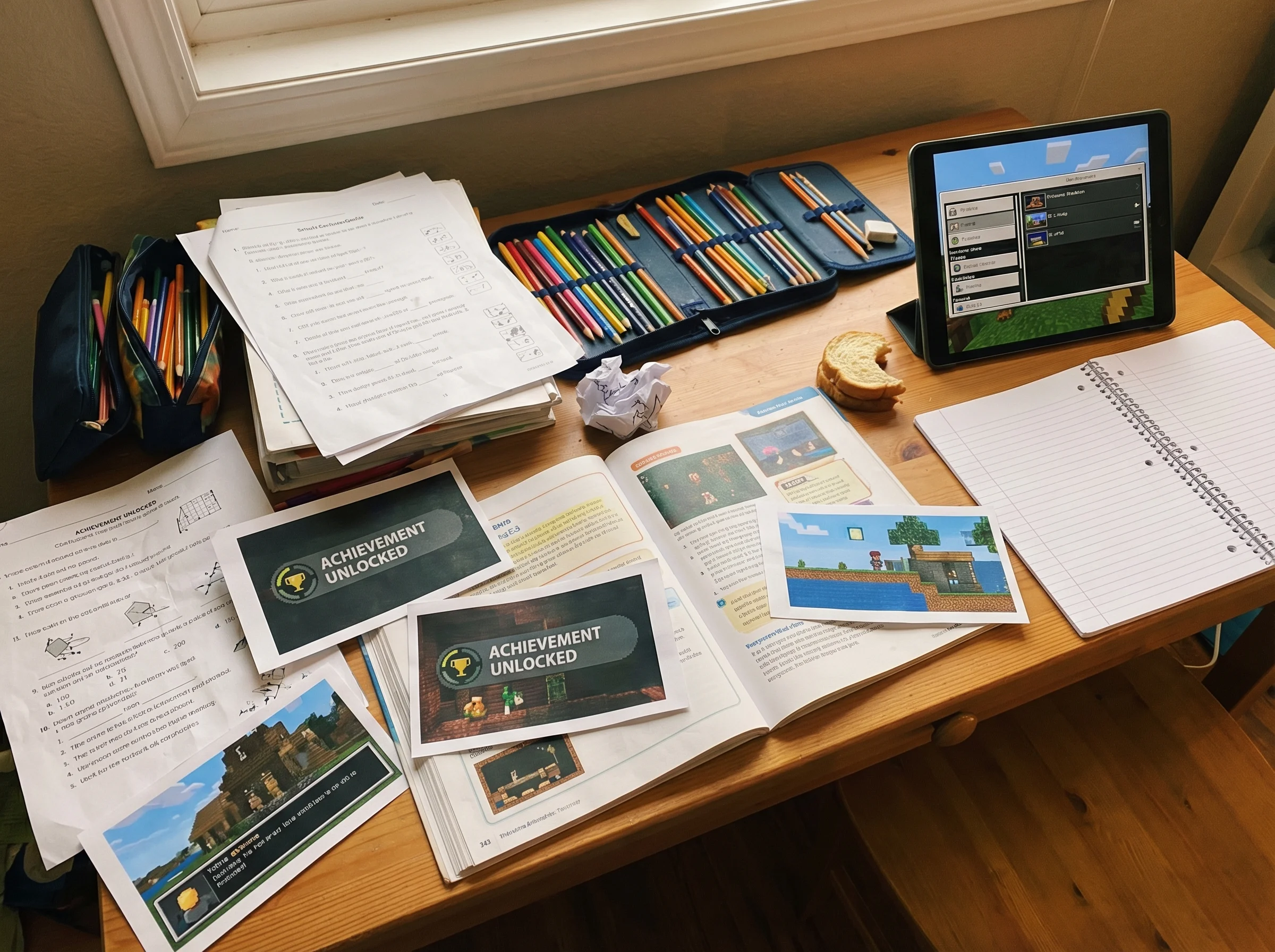
These are often the first achievements kids earn entirely on their own. No parent helped. No teacher guided. They figured out the strategy, practiced the timing, and earned the victory through their own persistence. Of course they want to share that.
My son's Minecraft village took him three months to build. He planned it, gathered resources, dealt with creeper explosions that destroyed sections, and rebuilt. When he finally finished, he was bursting with pride. And honestly? It deserved as much celebration as any science fair project.
 The win deserves a listenerPause, Play, Connect: Core Deck172 prompts that make room for the win they just pulled off, at your kitchen table.$49 CAD • 90 cards • 18 reviewsShop the deck
The Difference Between Pride and Problem Bragging
Here's where it gets tricky. There's healthy sharing and then there's the kind that makes other kids roll their eyes and walk away.
Healthy sharing sounds like: "I finally beat that boss! Want me to show you the trick?" or "That level took me forever, but I figured out you have to..." These kids share their excitement, offer to help others, then move on to other topics.
Problem bragging sounds like: "I beat it on my first try. It was easy. I'm probably the best player in our grade. Did I mention I also beat..." These kids dismiss others' achievements, make everything a competition, and can't talk about anything else.
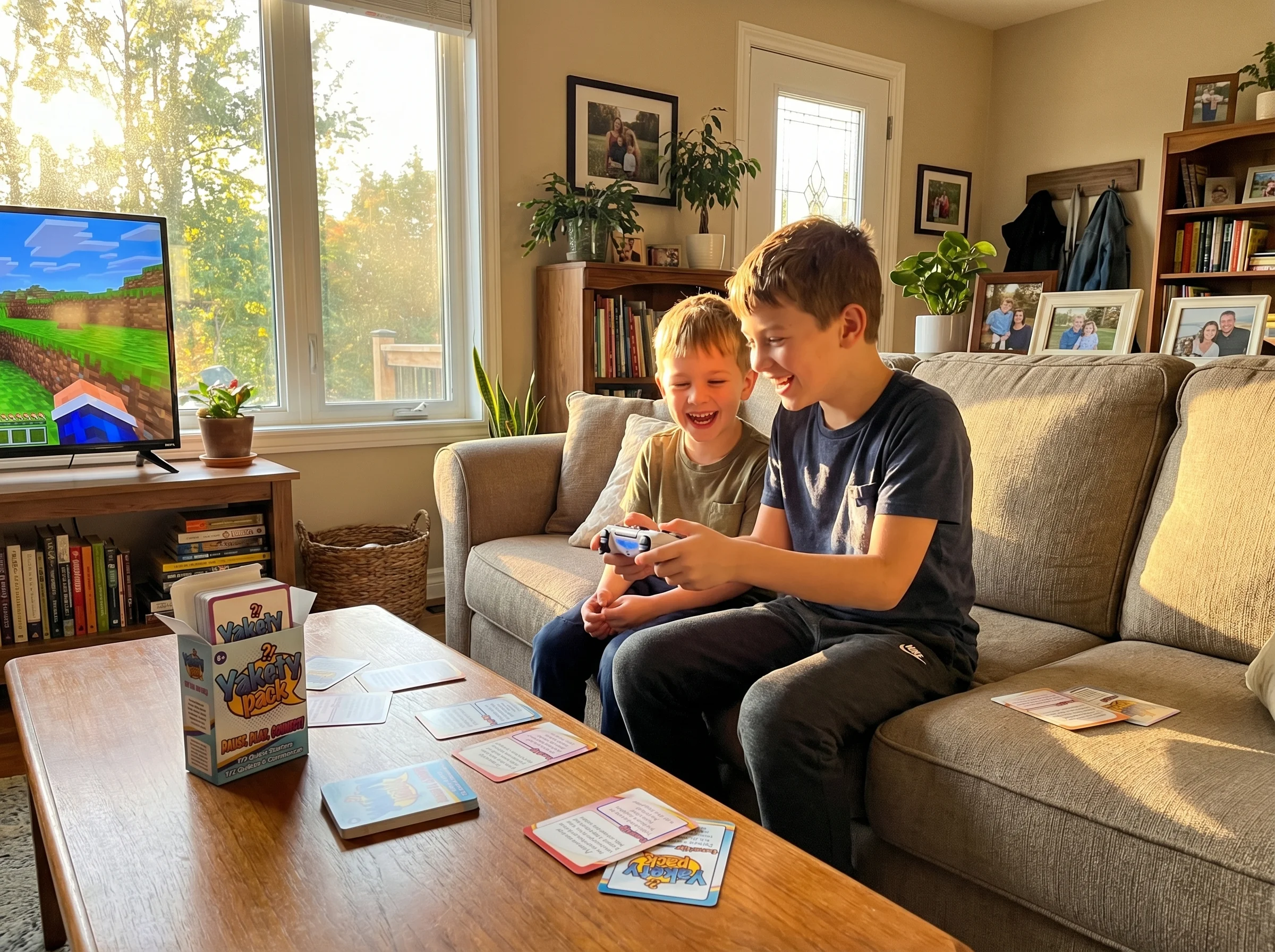
Here's the part that broke my heart: kids who brag excessively often feel unheard at home. They're so desperate for someone to care about their achievement that they'll tell anyone who'll listen. Or pretend to listen.
I watched this play out with two kids in my son's friend group. Jake would share his Rocket League rank, offer to play with others, then ask about their games. Kids loved gaming talk with Jake. Meanwhile, Tyler just listed his achievements like a resume. Same game, same skills, totally different reception.
Become Your Kid's First Audience
The solution hit me after that birthday party disaster. If I became my son's first audience - really listened, really engaged - maybe he wouldn't need to corner every kid at social events.
So I started asking specific questions. Not "how was gaming?" but "What was the hardest part of that boss fight?" and "How many tries did it take?" and "What strategy finally worked?"
The change was immediate. When I asked about his Fortnite strategies, he lit up. Not just because he could talk about it, but because I cared enough to understand the details. He even offered to teach me to play. (I'm terrible, but now I know why that Victory Royale matters so much.)
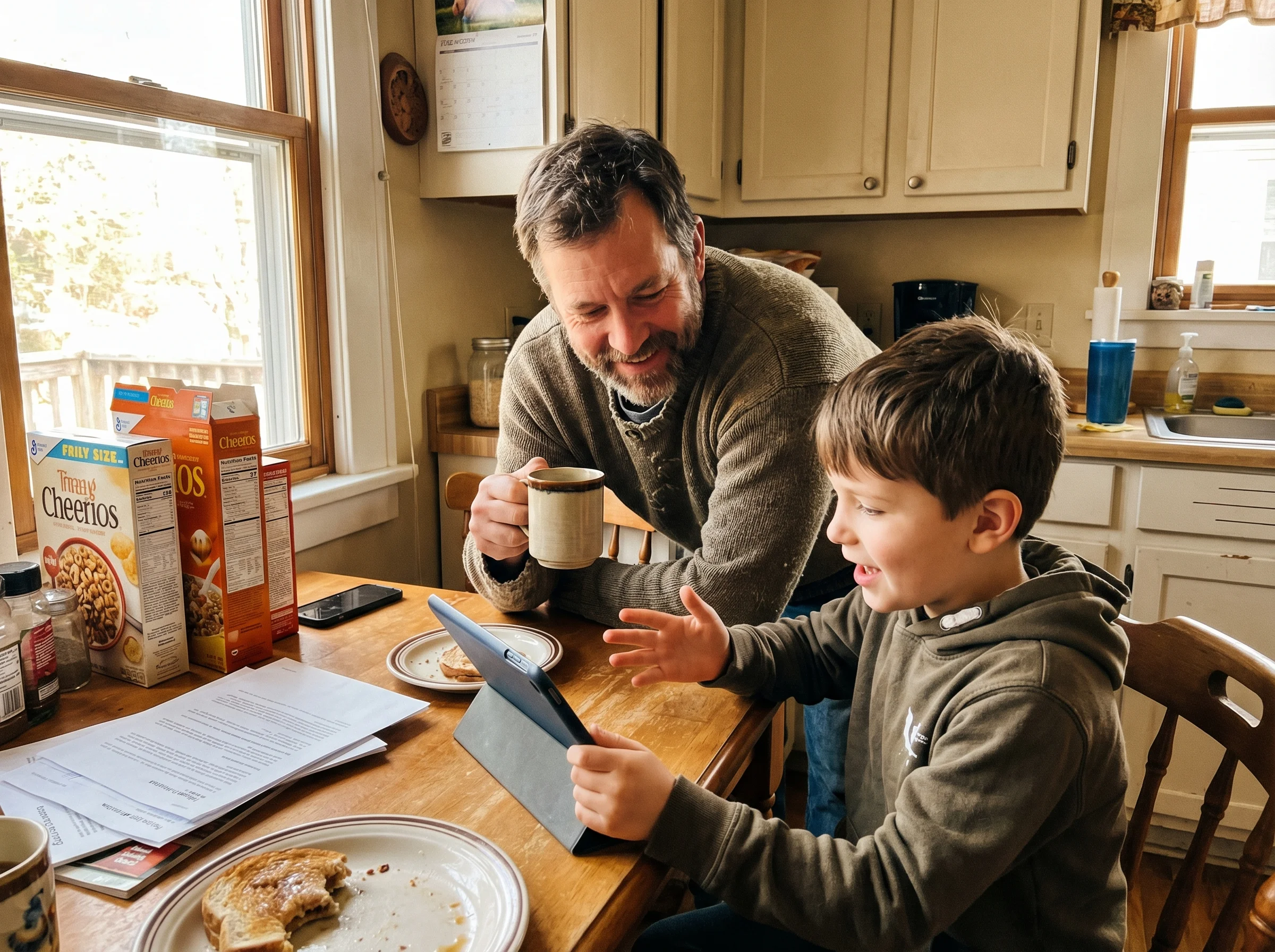
We started doing five-minute victory laps. When he achieved something big in a game, he got five minutes of my full attention to explain it. I'd ask questions. We'd watch replays. Sometimes we'd take screenshots for his "achievement journal" - just a Google doc where he tracks his gaming milestones.
Suddenly, he wasn't desperately seeking validation from every kid at the park. He'd already celebrated at home.
Teaching the Art of the Quick Share
But kids still need to share with friends. The trick is teaching them how to read their audience.
We practiced the 30-second version versus the 5-minute version. The 30-second version for mixed groups: "I finally beat that impossible level!" The 5-minute version for fellow gamers who actually want the details.
We also worked on bridge phrases that connect gaming to other interests:
- "It felt like when you made the winning goal last week"
- "You know how you felt when you finished that huge Lego set? Same feeling"
- "It was like solving that really hard math problem, but with explosions"
Role-playing helped. We'd practice different scenarios. What if someone doesn't game? What if they play different games? What if they're clearly not interested?
My favorite script we developed: "I just had the best gaming session! What have you been up to?" Share your excitement, then immediately show interest in their world.
 The five-minute versionPause, Play, Connect: Core Deck$49 CAD • 172 promptsSee the deck
When Friends Don't Game (Or Don't Care)
This is reality for lots of kids. Not everyone games, and even gamers might not care about your particular game.
We came up with the "one and done" rule. Share your achievement once, gauge the reaction, then move on. No repeating the story to the same person. No sulking if they're not impressed.
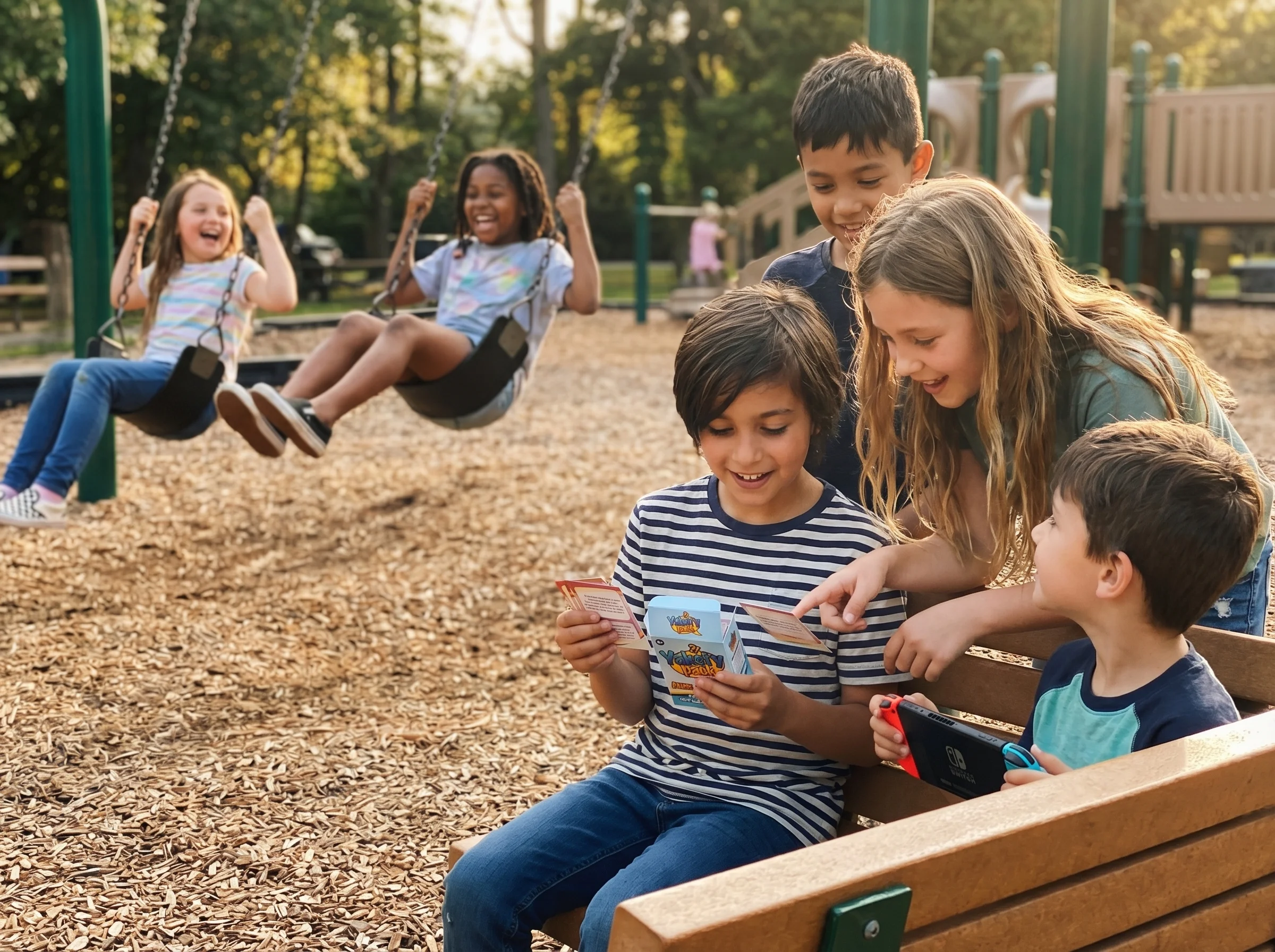
The breakthrough came when my son learned to find common ground beyond specific games. His friend loved Legos but didn't game. My son started explaining Minecraft as "Legos you can walk around in." Suddenly they were comparing building techniques. Different mediums, same creativity.
Teaching kids to read the room is crucial. Are people leaning in or looking away? Asking questions or giving one-word responses? These social cues matter more than the achievement itself.
Building Identity Beyond the Game
Here's what scared me early on: my kid seemed to only find pride in gaming achievements. Nothing else sparked that same excitement.
Instead of pushing him toward other activities, I started celebrating different aspects of gaming. Not just "I won" but "I figured out how to win" and "I helped my friend beat it too" and "I kept trying even when it was frustrating."
We started connecting gaming skills to other areas. That problem-solving in Portal? Same skill as debugging code. The persistence to beat Dark Souls? Same grit needed for learning guitar. The creativity in Minecraft? Applies to any art form.
My son's pride gradually shifted. Instead of just "I beat the game," he'd say "I figured out a strategy nobody else thought of" or "I taught three friends how to beat that level." The achievement became about more than just winning.
The Family Victory Lap
We turned solo achievements into family moments. Sunday dinner includes "weekly wins" where everyone shares their proudest moment. Gaming achievements count equally with work promotions or good test scores.
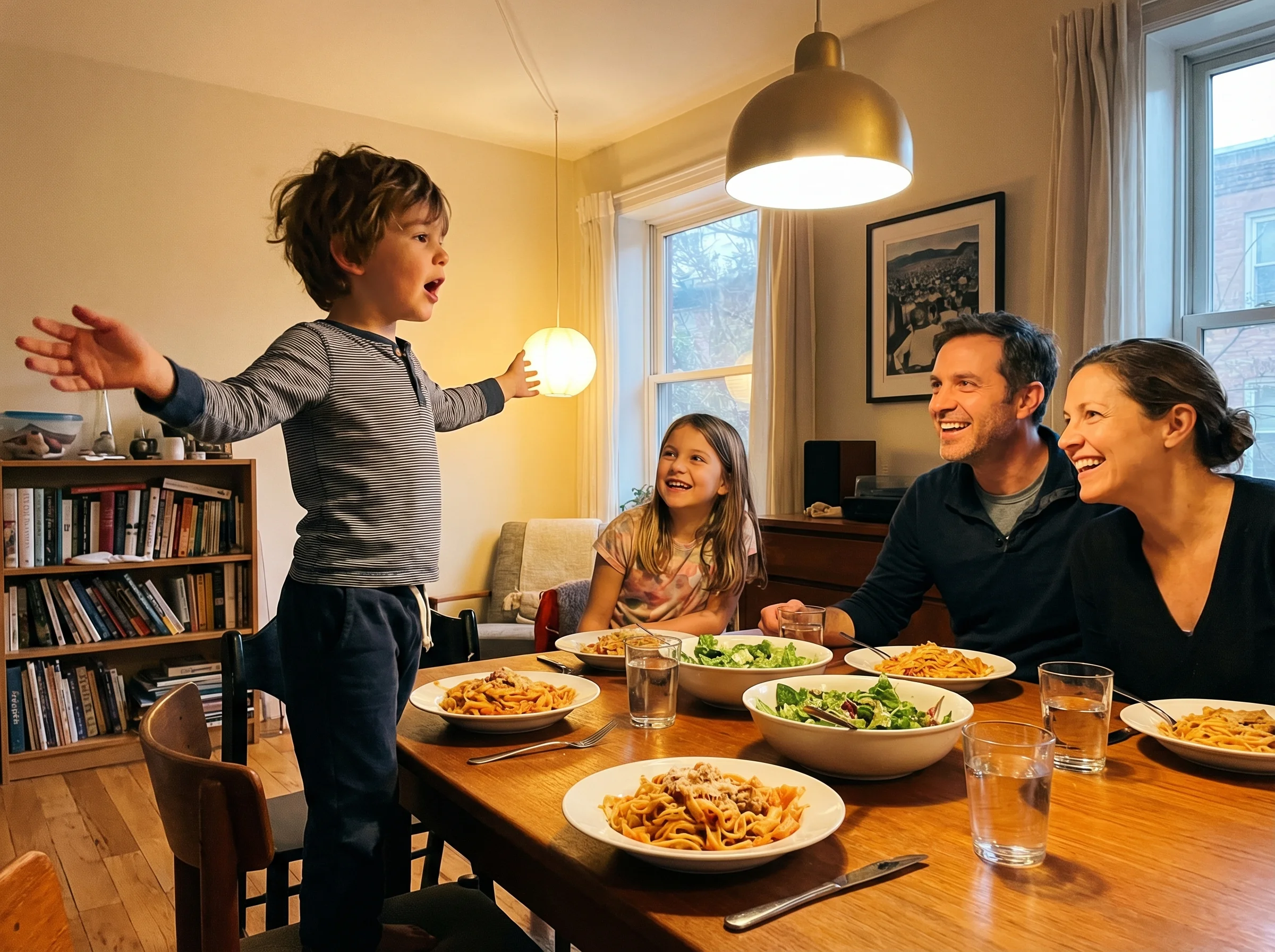
Creating celebration rituals satisfied his need for recognition. We do virtual high-fives for small wins. For big achievements, he gets to pick the music during dinner. His sister started asking him about his games, and he helps her with Roblox challenges.
One of our Yakety Pack cards asks "What's the most epic thing you've done in a game?" It gives kids permission to share these stories with the whole family listening. Not interrogating, not judging, just celebrating together.
The unexpected benefit? My daughter started sharing her achievements too. Turns out she'd been quietly proud of her reading progress but didn't think it was worth mentioning compared to her brother's gaming wins. Now everyone gets their moment.
What Actually Works
After months of trial and error, here's what actually helped:
Listen first. Really listen. Ask follow-up questions. Show genuine interest in the details that matter to them. Kids who feel heard at home don't desperately seek validation elsewhere.
Teach the social skills explicitly. Don't assume kids know how to share appropriately. Practice different scenarios. Give them actual words to use.
Celebrate at home. Make space for gaming achievements in your family culture. They count. They matter. They deserve recognition.
Connect gaming to life. Help kids see how their gaming skills translate to other areas. Problem-solving is problem-solving, whether it's in Zelda or real life.
Model good sharing. When you're excited about something, show them how you share with different audiences. Your work win gets explained differently to your spouse than to your kid.
The Real Win
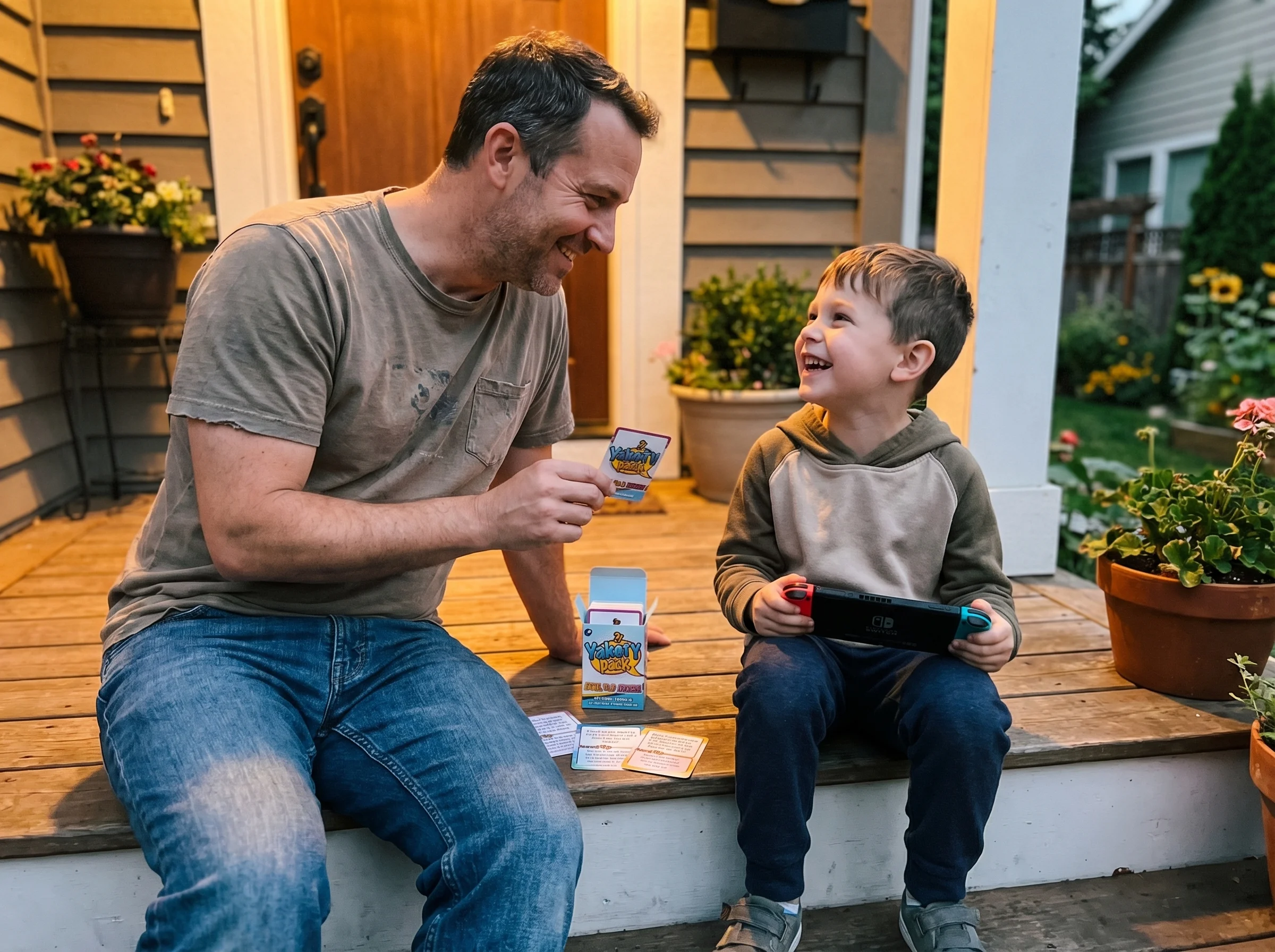
That kid who monopolized every conversation at the birthday party? He recently went to another party. I watched him share his latest achievement with one friend who games, help another kid with a level they were stuck on, then join the soccer game outside.
Later he told me, "I saved the long version for you, Dad. Want to see the replay?"
Yeah, kid. I really do.
If you're looking for more ways to connect with your gaming kid beyond just managing the bragging, we created conversation starters that meet them where they are - in their digital worlds. Because sometimes the best way to redirect excessive sharing is to make sure they're heard at home first.
Save the long versionPause, Play, Connect: Core Deck172 prompts that give the long version somewhere to land, with you asking the questions.$49 CAD • 90 cards • 18 reviewsShop the deck
Related Articles
Looking for more? Check out these related articles:
