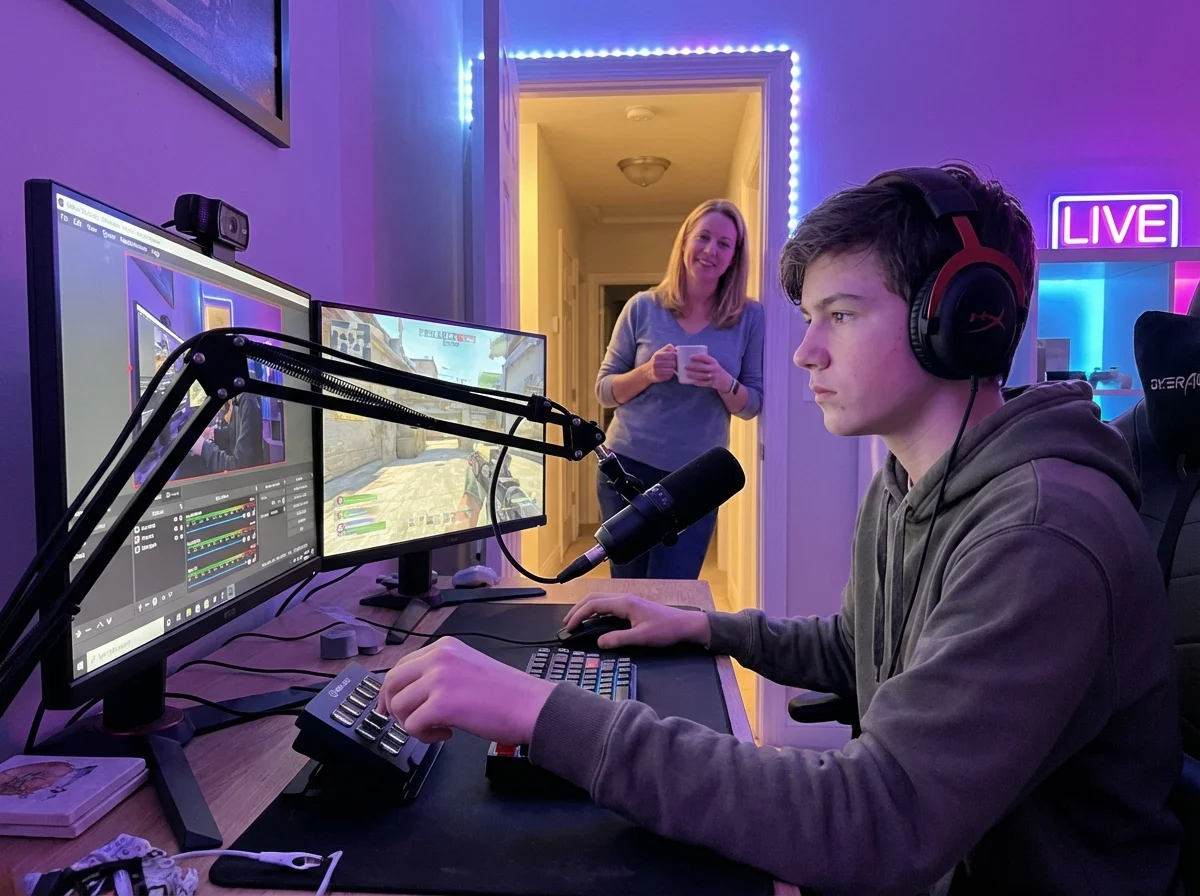
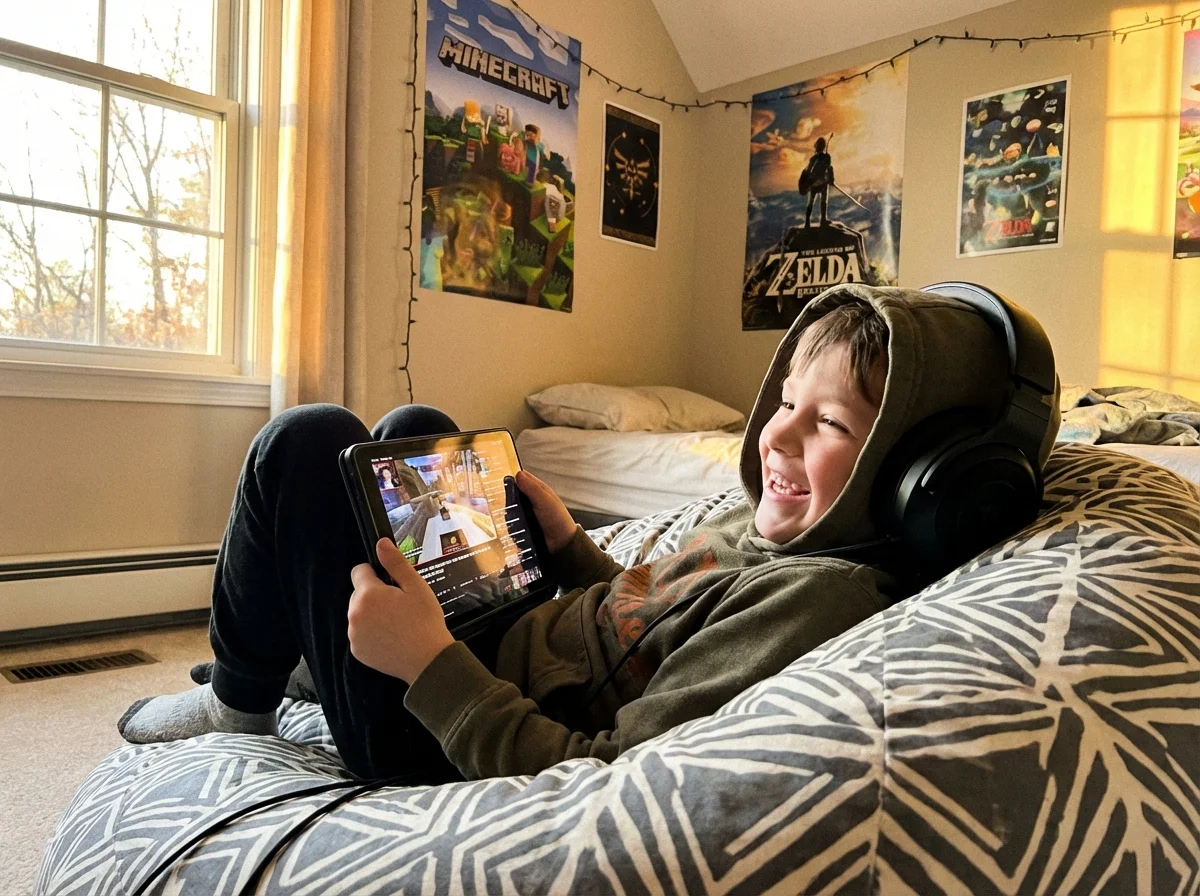
The first time I caught my son watching someone else play a video game, I genuinely didn't understand. He had the exact same game installed on his own console. He could be playing it right now. Instead, he was glued to his iPad watching a stranger play it while yelling into a microphone.
"Why don't you just... play it yourself?" I asked.
He looked at me like I'd asked why people watch the Super Bowl instead of just going outside and throwing a football.
That moment was a turning point for me. Not because his answer was particularly profound (it was something like "Dad, you don't get it"). But because it made me realize I was judging something I didn't understand. And once I actually took the time to understand why kids watch gaming videos, it changed how I connected with my son about his entire online life.
Why Watching Is as Natural as Playing
For the bigger frame, see our pillar piece on turn screen time into connection time.
Here's the thing that clicked for me when I finally got it: watching gaming content isn't a weird new thing. It's the same impulse that's been around forever.
You watch cooking shows even though you have a kitchen. You watch basketball even though there's a court at the park. You watch woodworking videos even though you could go buy a saw. Watching skilled people do things you enjoy is entertainment. It always has been.
For kids, gaming videos serve the same purpose. They get to watch someone who's incredibly good at a game they love, and that person is usually funny, engaging, and relatable. It's sports commentary meets reality TV meets a friend hanging out in your room.
But it goes deeper than entertainment. Kids watch gaming content for a few specific reasons that are worth understanding:
Learning. They genuinely pick up strategies, techniques, and game knowledge. My son got dramatically better at Fortnite by watching skilled players and studying their building techniques. It's like watching film in sports.
Community. Live streams especially have active chat rooms where thousands of people are reacting together in real time. It's a shared social experience. Your kid isn't watching alone even when they're physically alone.
Personality. The biggest gaming creators aren't famous because they're the best players. They're famous because they're entertaining. Kids develop favorites based on humor, personality, and values, the same way you might have a favorite podcast host or TV presenter.
Aspiration. Some kids dream of being streamers the way kids used to dream of being athletes or musicians. Watching successful creators is research for their own future plans, whether or not those plans pan out.
Once I understood this, I stopped saying "why don't you just play it yourself" and started asking "what's happening in the stream?" The conversations got a lot better.
Watching gaming content is a huge part of modern gaming culture. If your kid games, they almost certainly watch gaming content too. Understanding why helps you connect with that whole world, not just the playing part.
 Who they watch every dayPause, Play, Connect: Core Deck172 prompts that make it easy to ask about the person your kid watches every night.$49 CAD • 90 cards • 18 reviewsShop the deck
Twitch vs YouTube Gaming: What Parents Need to Know
If your kid watches gaming content, it's probably on one of two platforms. Here's the quick breakdown:
YouTube Gaming
YouTube is the one you probably already know. Gaming videos on YouTube are mostly pre-recorded and edited. They range from a few minutes to a couple hours. Creators upload videos on a schedule, and your kid subscribes to their favorites.
The good news: because videos are pre-recorded and edited, the worst content usually gets cut. Creators who want a broad audience (and ad revenue) tend to keep things relatively clean. YouTube also has decent content filtering and a dedicated YouTube Kids app for younger children, though most gaming content lives on the main platform.
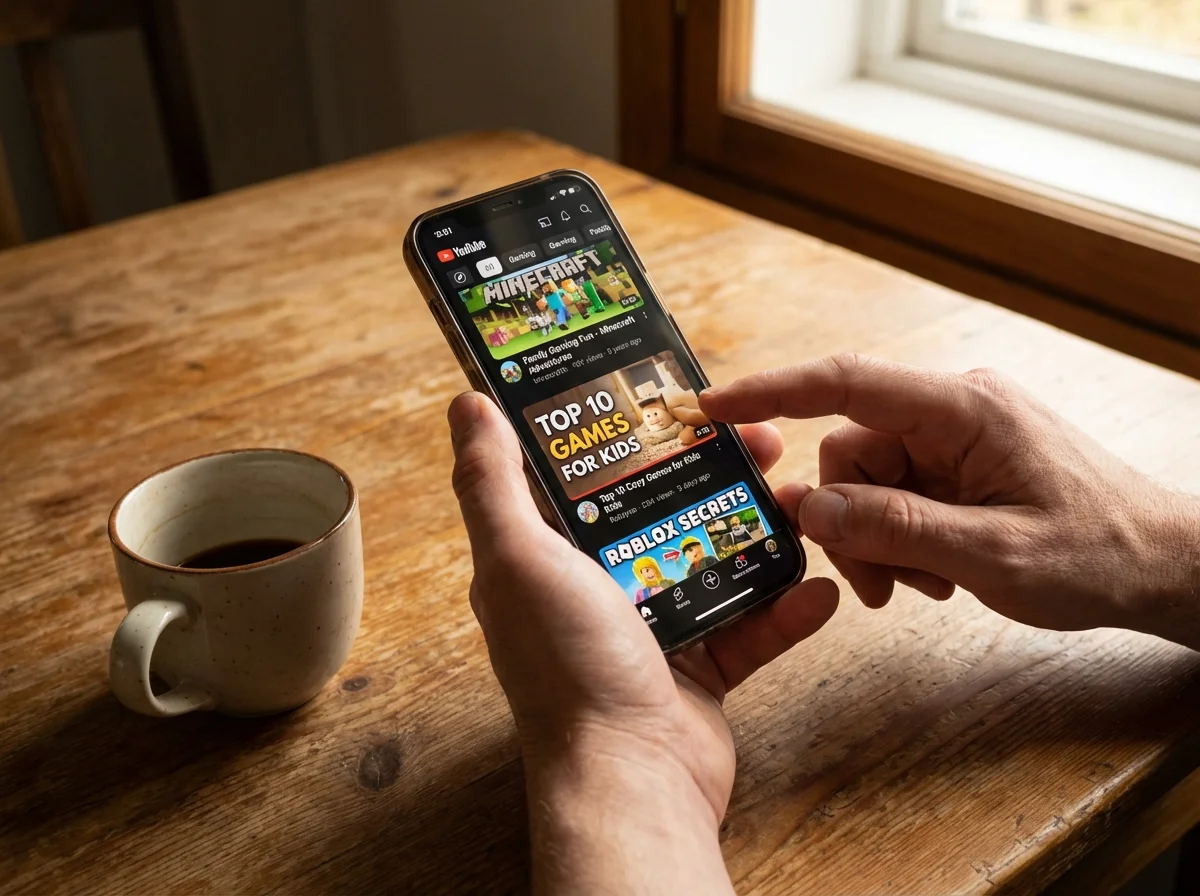
The thing to know: YouTube's recommendation algorithm is powerful. Your kid might start watching a family-friendly Minecraft video and end up three clicks deep into something edgier. The autoplay feature is especially sneaky. One video ends and the next one starts automatically.
Twitch
Twitch is live streaming. Think of it as live TV, but the "TV show" is one person playing games while talking to their audience in real time through chat. There's no editing, no delay (mostly), and no take-backs.
This is where things get trickier for parents. Because Twitch is live, streamers sometimes say things they shouldn't. Language can be rougher. Chat rooms can be chaotic. And the culture around Twitch donations and subscriptions creates dynamics that are worth understanding (more on that below).
The good news: Twitch has content labels and categories. Many streamers actively moderate their chats and cultivate positive communities. Some of the biggest streamers are genuinely good role models who promote kindness, fair play, and community.
What about TikTok and Instagram?
Your kid probably also watches short gaming clips on TikTok, Instagram Reels, or YouTube Shorts. These are usually highlights or funny moments pulled from longer content. They're less of a safety concern (short clips, usually edited) but they're how many kids discover new creators and then follow them to Twitch or YouTube for the full experience.
The Parasocial Thing (It's Not as Scary as It Sounds)
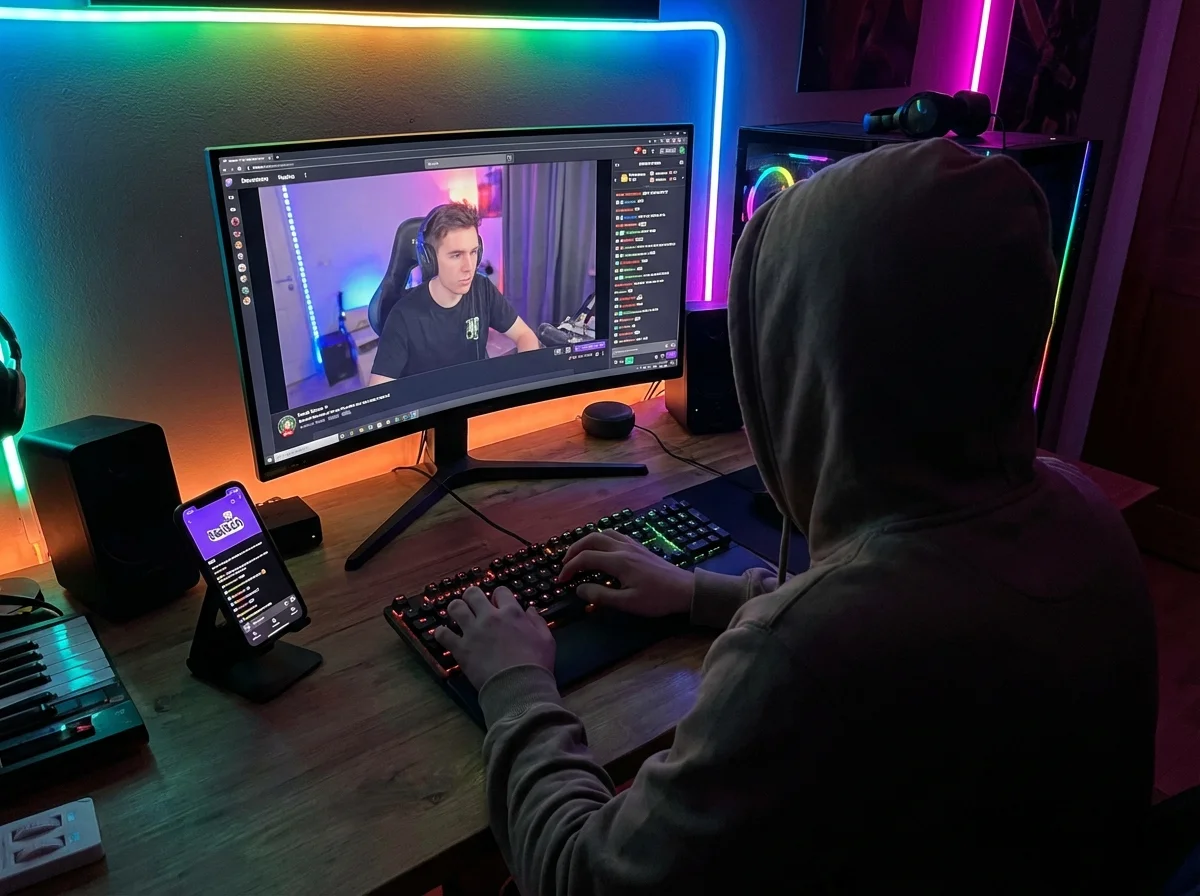
Here's a word you'll see if you start reading about kids and streaming: parasocial relationships. It sounds clinical, but the concept is simple. It's when your kid feels like they have a real relationship with a creator who doesn't know they exist.
Your kid watches the same streamer every day after school. They know the streamer's dog's name, their favorite food, what they did last weekend. They feel like they're friends. The streamer, meanwhile, is talking to an audience of 50,000 people and has no idea your kid exists.
Before you panic: parasocial relationships are normal. You probably have them too. That podcast host who feels like a friend? The sports commentator whose voice feels like home? Same thing.
For kids, these relationships can actually be positive. A streamer who models good sportsmanship, kindness, and humor can be a genuinely good influence. Many kids credit their favorite creators with teaching them about teamwork, perseverance, and even social skills.
When to pay attention: Parasocial relationships become a concern when your kid confuses them with real relationships to the point where they're neglecting actual friendships, when they're spending money they don't have to get a streamer's attention (donations, gifts), or when a creator is not someone you'd want influencing your child's values.
The fix isn't banning streaming. It's talking about it. "Do you think [streamer] would be a good friend in real life? What do you like about them?" These conversations help kids develop media literacy without you having to be the bad guy.
 The person on the screenPause, Play, Connect: Core Deck$49 CAD • 172 promptsSee the deck
Co-Viewing: How to Watch Together Without Ruining It
This is the part I wish someone had told me earlier. Watching gaming content with your kid is one of the easiest ways to connect with their world. But there's a right way and a wrong way to do it.
The wrong way: Sitting down next to them, immediately criticizing the streamer's language, questioning why this is entertaining, and asking "is this really what you spend your time on?" I did this. It did not go well.
The right way: Treating it like your kid invited you to watch their favorite show. You're a guest in their world. Act like it.
Here's what worked for me:
Let them pick. Ask your kid to show you their favorite creator. Don't pick a "safe" one you found from a parenting blog. Watch what they actually watch.
Watch for at least 15 minutes. Gaming content needs context. The first few minutes might seem random, but give it time. The humor, the narrative, the community dynamics, they reveal themselves if you stick around.
Ask genuine questions. "Why is chat going crazy right now?" or "Is this person actually good or just funny?" shows you're engaged without being judgmental.
Laugh when it's funny. If you find something genuinely amusing, say so. Nothing validates a kid's taste more than a parent who actually gets it.
Save the concerns for later. If you notice something that worries you (language, content, chat behavior), don't bring it up mid-stream. Wait until after and bring it up as a conversation, not a verdict.
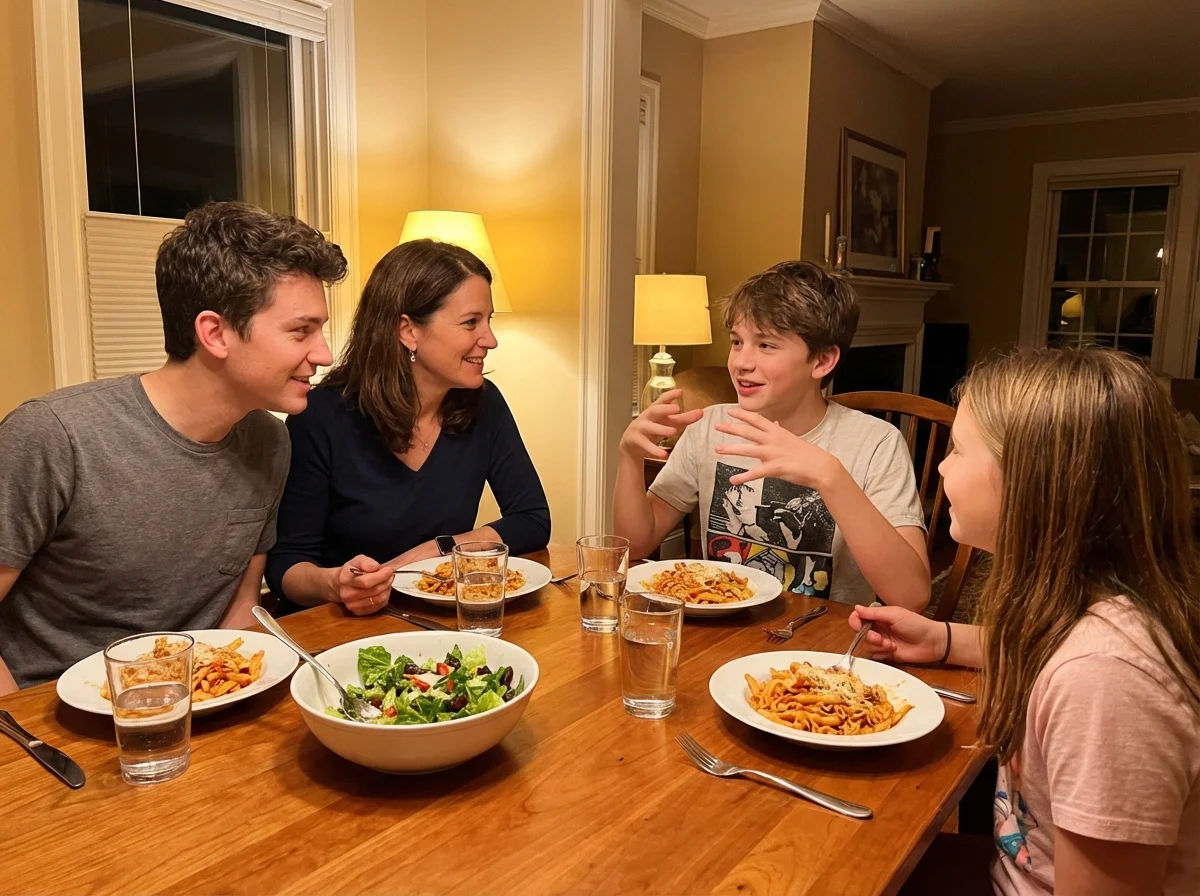
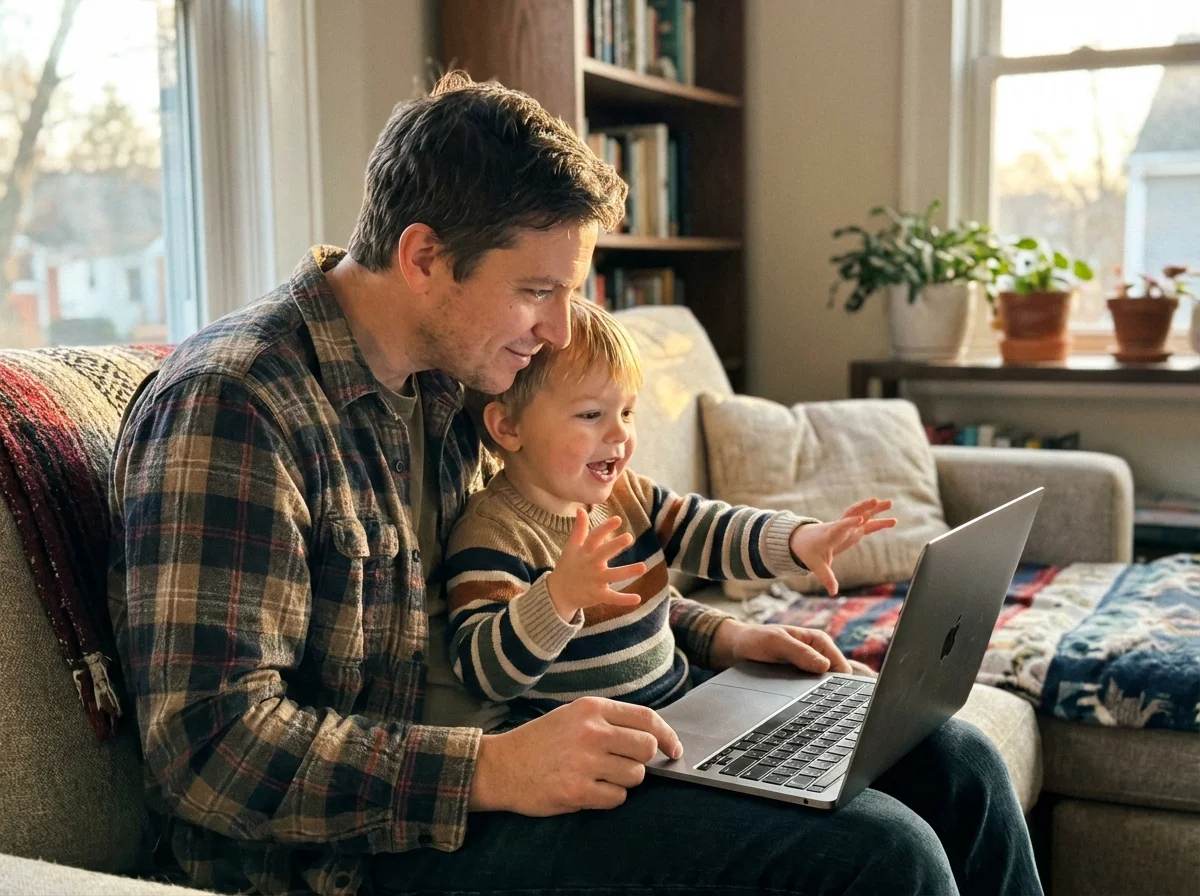
I started watching streams with my son maybe once a week. Twenty minutes on a Sunday afternoon. It became one of our things. He'd explain what was happening, I'd ask questions, and sometimes we'd both end up laughing at something ridiculous. Those sessions taught me more about his world than any monitoring app.
If starting conversations about your kid's digital life feels awkward, that's completely normal. We designed Yakety Pack specifically for moments like these. One of our prompts asks "Who's someone online you look up to and why?" It's the kind of question that opens the door to talking about streamers, values, and influence without it feeling like an interrogation. Having a structured way to kick off these conversations makes them feel natural instead of forced.
For the Co-Watch Window: A curiosity card lands during the in-between beats. Bring out the Pause, Play, Connect deck during a break in the stream so a prompt is on hand when you sit down together.
Red Flags: What to Watch For
For the Long Build: Connection grows from many small low-pressure conversations. A deck of conversation cards for families with gamer kids on the table makes those talks routine.
Most gaming content is fine. Loud, chaotic, occasionally annoying, but fine. However, there are some things worth watching for:
Language and behavior
Some streamers use language that would get your kid grounded if they said it at the dinner table. Others rage at games in ways that model terrible emotional regulation. If your kid's favorite streamer screams and curses every time they lose, that's worth a conversation about how we handle frustration.
Gambling-adjacent content
Some streamers promote gambling sites, open loot boxes for content, or run giveaways that function like lotteries. This is a genuine concern. Kids are particularly susceptible to gambling mechanics, and normalizing it through entertainment is problematic. If you see a streamer sponsored by a gambling or betting site, that's a red flag.
Donation culture
On Twitch especially, viewers can donate money to streamers. Sometimes the streamer reads the donor's message out loud on stream. For kids, this creates a powerful incentive: "If I donate $5, my favorite person in the world will say my name." Some kids have spent hundreds of dollars of their parents' money on donations.
What to do: Make sure your payment methods aren't saved in their accounts. Talk to them about how donations work and set clear boundaries. And have an honest conversation about why they want to donate. Sometimes it's about feeling seen, which is a need you can help address in other ways.
Inappropriate chat
Live stream chats can be wild. Even in well-moderated streams, things slip through. Hate speech, sexual content, spam, and trolling are all common in larger chats. Most kids learn to ignore chat toxicity pretty quickly, but younger kids might not have that filter yet.
Sponsored content
Many gaming creators are paid to play specific games or promote products. Kids often can't distinguish between genuine enthusiasm and paid promotion. This is a great media literacy teaching moment. "Do you think they actually like that game, or do you think they're being paid to play it?"
Not every concern requires action. Sometimes the best move is using what you see as a conversation starter. "I noticed that streamer got really angry when they lost. What do you think about that?" teaches critical thinking without lecturing.
For more on navigating the tricky stuff in gaming, our guide to handling toxic behavior in online gaming covers what to do when things cross a line.
Screen Time: Watching vs Playing
Here's a question I hear from every parent: "Isn't watching gaming videos on top of playing games just too much screen time?"
I'm not going to give you a number of hours because every kid is different. But here's a framework that helped me think about it:
Not all screen time is equal. Playing a game actively (problem-solving, coordinating with teammates, making decisions) is fundamentally different from passively watching. And watching a stream where your kid is engaged in chat and learning strategies is different from zoning out to autoplay videos at 2 AM.
Look at what's being displaced. If your kid watches streams instead of homework, sleep, physical activity, or time with friends and family, that's a problem regardless of the content. If they're watching for an hour after finishing their homework and before dinner, that's probably fine.
Quality over quantity. An hour watching an educational Minecraft creator is probably better for your kid than an hour of mindless TikTok scrolling. Context matters more than the clock.
Set boundaries together. "No screens after 9 PM" or "homework and chores first, then you can watch" works better than trying to micromanage minutes. Kids who feel they have some autonomy over their screen time tend to self-regulate better than kids who feel constantly restricted.
The skills kids learn from gaming often extend to what they pick up from watching, too. Watching a skilled player break down their decision-making process teaches strategic thinking. Watching a streamer manage a community of thousands teaches social dynamics. It's not all passive consumption.
The Bottom Line
Your kid watches gaming videos for the same reasons you watch your favorite content: entertainment, community, learning, and connection with personalities they enjoy. It's not weird. It's not lazy. It's a normal part of growing up in 2026.
The parents who handle this best aren't the ones who ban Twitch or restrict YouTube to educational content only. They're the ones who sit down, watch along, and ask questions. They're the ones who know which streamers their kid loves and can explain why. They're the ones who've turned "why are you watching that" into "tell me about what's happening."
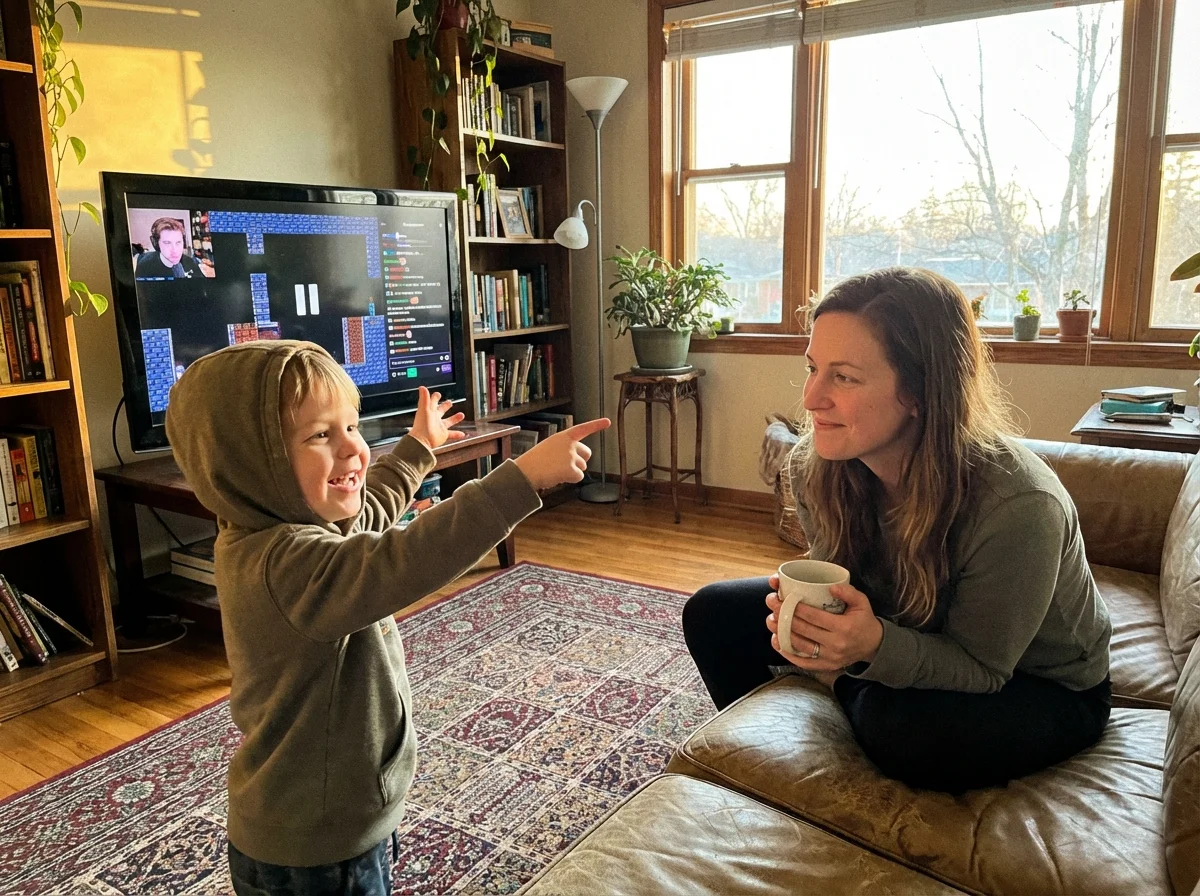
If you do one thing after reading this, ask your kid to show you their favorite gaming creator. Watch for fifteen minutes. Ask questions. Don't judge. You'll learn more about your kid's world in that fifteen minutes than you'd learn in a month of worrying from the sidelines.
That's what drives everything we do at Yakety Pack. Whether it's through our conversation cards or simply understanding enough about your kid's world to ask better questions, connection beats control every single time.
Fifteen minutes and a questionPause, Play, Connect: Core Deck172 prompts that turn what your kid watches into something the two of you can talk about.$49 CAD • 90 cards • 18 reviewsShop the deck
Related Articles
Want to keep exploring your kid's gaming world? These guides can help:
- Understanding Gaming Culture for Parents
- How to Talk to Kids About Fortnite (Without Getting One-Word Answers)
- Discord Safety Guide for Parents: What You Need to Know
- What Do Video Games Actually Teach Kids? 7 Real Skills Explained
- Playing Video Games With Your Kids: A Parent's Real Guide
For the Repeat Sessions: A deck of Yakety Pack conversation cards near the gaming setup keeps the post-game ritual going.
Frequently Asked Questions
Why does my kid watch other people play video games instead of playing themselves?
For the same reason you watch cooking shows, sports, or home renovation content instead of just doing it yourself. Watching gaming videos combines entertainment, learning, and community. Kids pick up strategies from skilled players, enjoy the creator's personality, and feel part of a shared experience through live chat and comments. It's spectator entertainment for a generation that grew up with games as their primary media.
Is Twitch safe for kids?
Twitch has real risks because it's live and unedited, so language and content can be unpredictable. However, many streamers actively moderate their communities and create positive spaces. The key is knowing which streamers your kid watches, enabling Twitch's content filters, and having open conversations about what they see. Twitch requires users to be 13+, and younger kids should only watch with parental supervision.
Should I let my kid donate money to streamers?
This deserves a real conversation. Kids donate because they want to be noticed by someone they admire, which is a completely understandable desire. Set clear rules: no saving payment methods in streaming accounts, a strict spending limit (or zero), and an honest talk about why the urge to donate is so strong. If your kid wants to support a creator, consider it a family discussion like any other spending decision.
How do I find age-appropriate gaming content for my kid?
Start by asking your kid who they already watch. Then watch a few videos or streams yourself to gauge the content. Look for creators who don't rely on excessive profanity, who handle losing gracefully, and who moderate their chat communities. YouTube's restricted mode can filter some content, but it's not perfect. The best filter is your own awareness of who your kid follows.
My kid wants to become a streamer. Should I be worried?
Not necessarily. Wanting to create content is a creative ambition, like wanting to make movies or start a podcast. The concerns are practical: privacy (don't let young kids stream with real names or locations visible), screen time, and realistic expectations about "making it." If your kid is interested, treat it like any other hobby. Support it within boundaries. Many kids try streaming, learn valuable skills (public speaking, video editing, community building), and move on.