
Last Thanksgiving, my brother-in-law looked at my kids playing Rocket League and said, "Must be nice to sit around doing nothing all day." I bit my tongue. Mostly.
But here's what I wanted to say: my 11-year-old just spent the last hour coordinating rotations with two teammates in different time zones, adjusting his strategy on the fly after every goal, and managing his frustration after a bad loss without throwing his controller. That's not "nothing." That's a workout for skills most adults struggle with.
If you've ever wondered what do video games actually teach kids, the answer might surprise you. Not because gaming is secretly school. It's not. But because the skills kids build through gaming are the same ones we spend thousands on tutors, sports leagues, and summer camps to develop.
I'm not here to tell you gaming is all sunshine. It's not. But after years of watching my own kids and talking to hundreds of parents through Yakety Pack, I can tell you this: the "video games rot your brain" narrative is outdated. Let me show you what's actually happening.
For the broader frame, see our pillar piece on turn screen time into connection time.
1. Problem-Solving Under Pressure
Every game is a series of problems. How do I get past this boss? How do I build a shelter before nightfall? How do I score with 30 seconds left?
What makes gaming different from a worksheet is the pressure. There's a clock ticking, or an opponent adapting, or resources running out. Kids can't just think about the answer. They have to think, decide, and act, all in real time.
My son spent three days trying to beat a puzzle in Zelda: Tears of the Kingdom. He drew diagrams. He tested different approaches. He failed probably fifty times. And when he finally cracked it, the look on his face was pure triumph. No teacher assigned that. He chose it because the problem was interesting enough to keep trying.
That's intrinsic motivation meeting iterative problem-solving. Fancy words for something gamers do every single day without thinking about it.
 Three days on one puzzlePause, Play, Connect: Core Deck172 prompts that give you a question to ask about the thing they just spent hours on.$49 CAD • 90 cards • 18 reviewsShop the deck
2. Teamwork and Communication
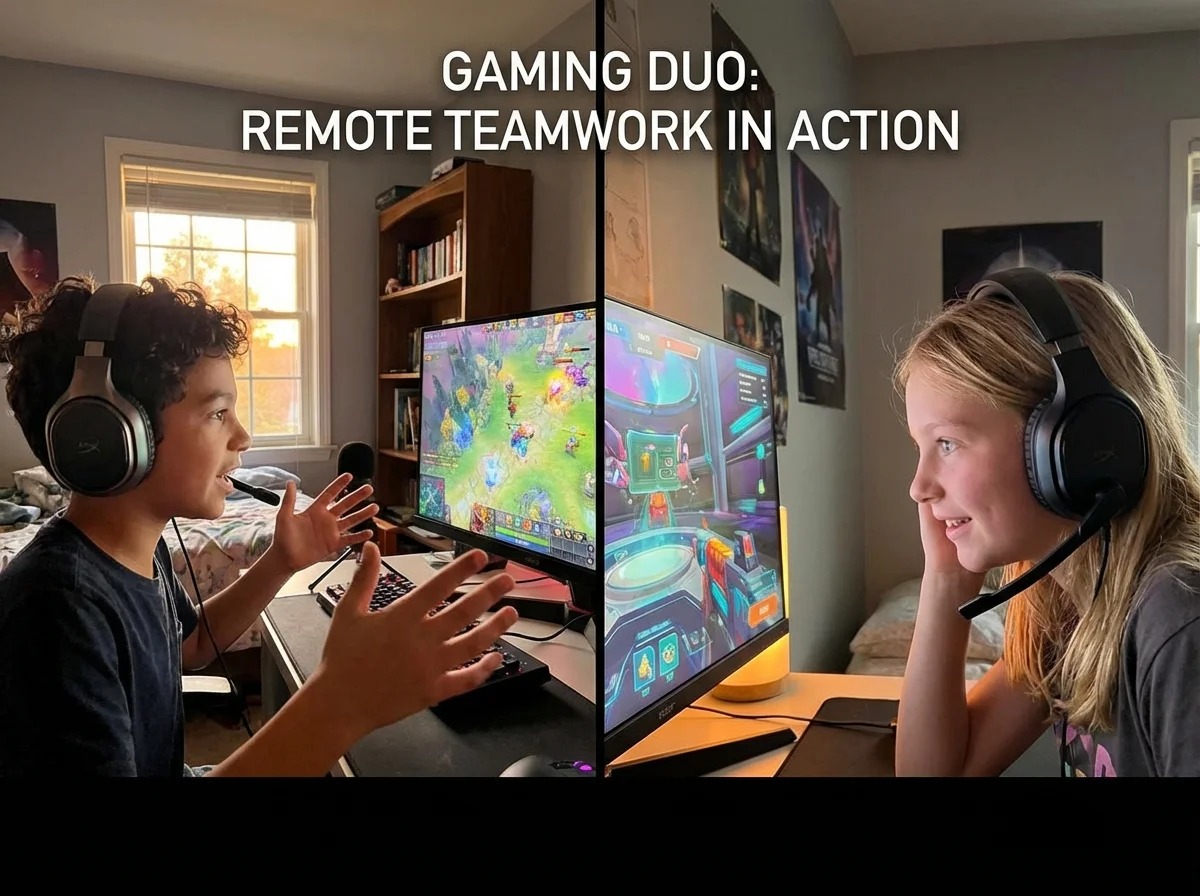
Online multiplayer games are group projects where everyone actually wants to participate. Kids playing Fortnite squads, Overwatch, or Valorant have to communicate constantly. Who's flanking left? Who has healing? When do we push?
The communication is fast, specific, and high-stakes. Miss a callout and your team loses. And unlike school group projects, kids can't hide behind one overachiever. Everyone has a role.
I watched my daughter go from barely speaking in online lobbies to confidently leading a team of four in Splatoon. She was assigning positions. Calling out enemy locations. Adjusting the plan mid-match. She's twelve. Most adults don't run meetings that well.
And here's the part parents miss: these aren't anonymous strangers. Many kids play with the same group regularly. They build trust, learn each other's strengths, and develop real friendships. It's social skill development disguised as fun.
3. Strategic Thinking and Planning
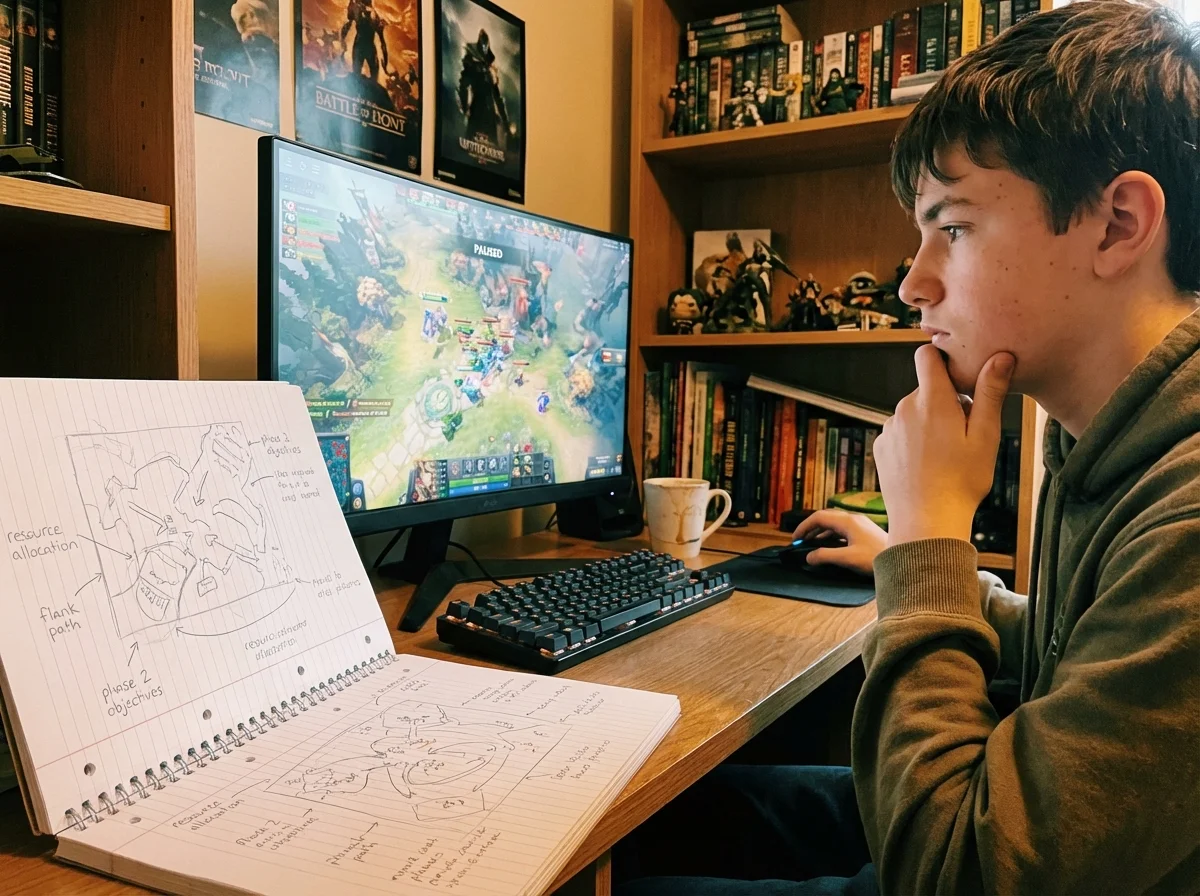
Games like Civilization, Minecraft survival mode, and even Fortnite require kids to think multiple steps ahead. Where should I build my base? What resources do I need for the next phase? Should I engage this fight or save my ammo?
This is strategic thinking. Weighing tradeoffs. Considering short-term gain versus long-term advantage. It's the same skillset that makes someone good at chess, business, or managing a household budget.
One thing I've noticed with my own kids: gaming taught them to plan backwards. They'll say something like, "I need diamond armor, which means I need diamonds, which means I need an iron pickaxe first." That's backwards planning, a skill they now use for school projects without even realizing where they learned it.
If you want to see this in action, ask your kid to walk you through their strategy in whatever they're playing. You'll hear planning skills that would impress a project manager. Our Understanding Gaming Culture guide has conversation starters that make these moments happen naturally.
4. Emotional Regulation and Resilience
This one might be the most important, and the most overlooked.
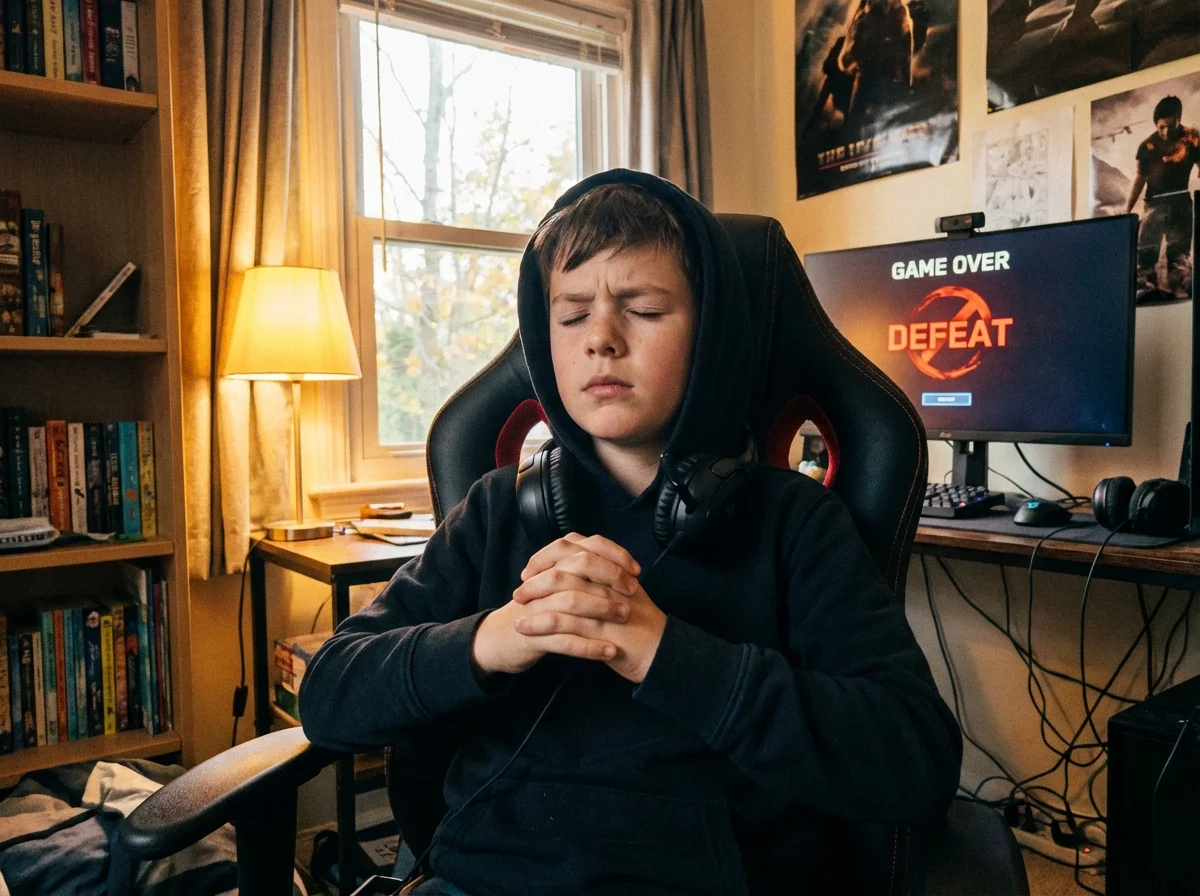
Games are full of failure. You die. You lose. Your build gets destroyed. Your team falls apart. And then you hit "play again." Over and over and over.
Kids who game regularly develop a relationship with failure that's genuinely healthy. They learn that losing isn't the end. That frustration is temporary. That the path to getting good at something runs straight through being terrible at it first.
Now, I'm not going to pretend every kid handles this gracefully. We've had our share of controller-throwing moments. But over time, I've watched my kids develop a tolerance for frustration that carries into everything else. Bad grade on a test? Disappointing, but not devastating. They've been training for setbacks without knowing it.
The key is how we respond as parents. If your kid rages after a loss, that's not evidence that gaming is bad. That's a coaching moment. "What happened? What would you do differently?" Those questions work just as well for a lost match as they do for a lost soccer game. When gaming starts causing more frustration than growth, that's worth paying attention to. Our article on when gaming becomes a problem covers the signs to watch for.
5. Resource Management
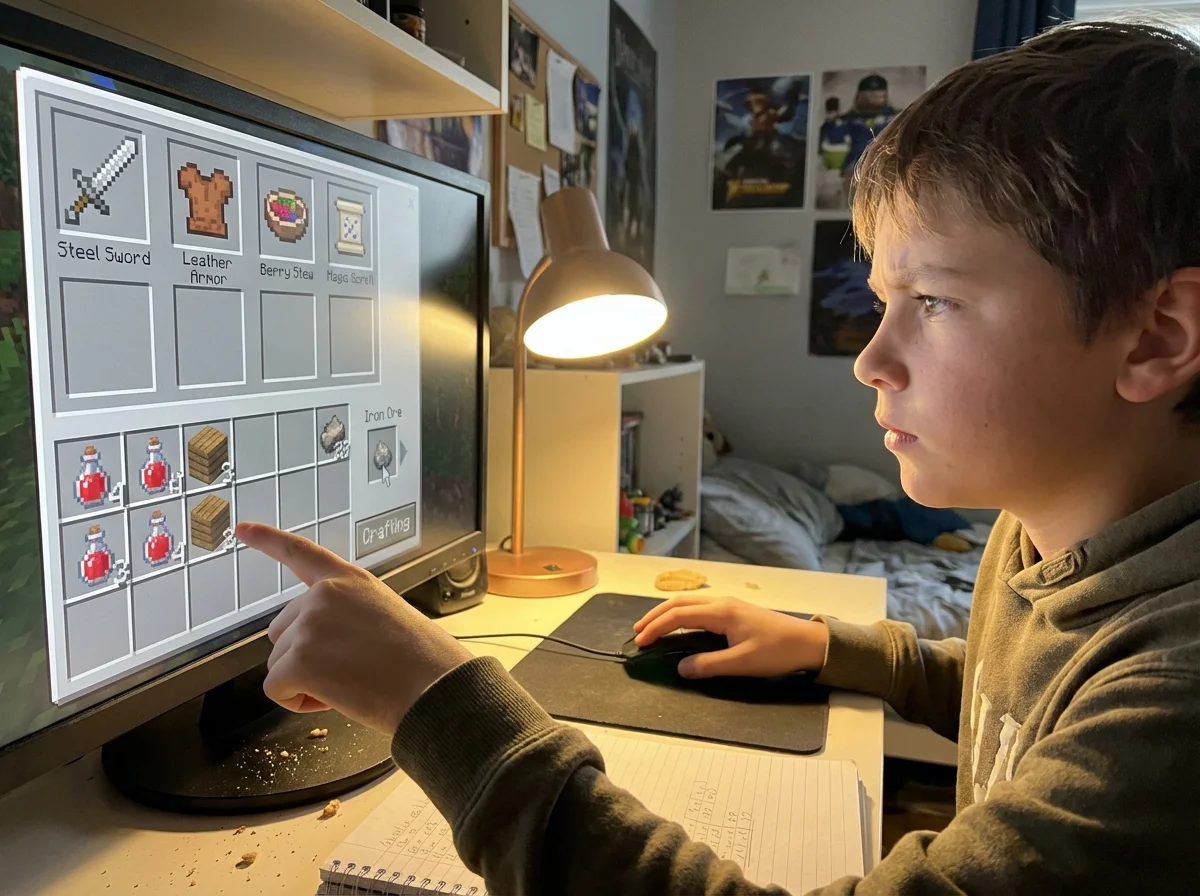
Almost every game involves managing limited resources. Health packs, building materials, in-game currency, inventory space, crafting ingredients. Kids learn to budget, prioritize, and make tough choices about what to keep and what to sacrifice.
In Minecraft, my kids learned resource management before they learned it in math class. "I only have 14 iron ingots. Do I make a shield or save them for a bucket?" That's opportunity cost. They're doing economics without a textbook.
This extends to time management too. Battle passes and seasonal events teach kids about deadlines and prioritization. "I have three weeks to finish this battle pass. What challenges should I focus on first?" It's project management with cooler outfits.
 What they were working onPause, Play, Connect: Core Deck$49 CAD • 172 promptsSee the deck
6. Creativity and Self-Expression
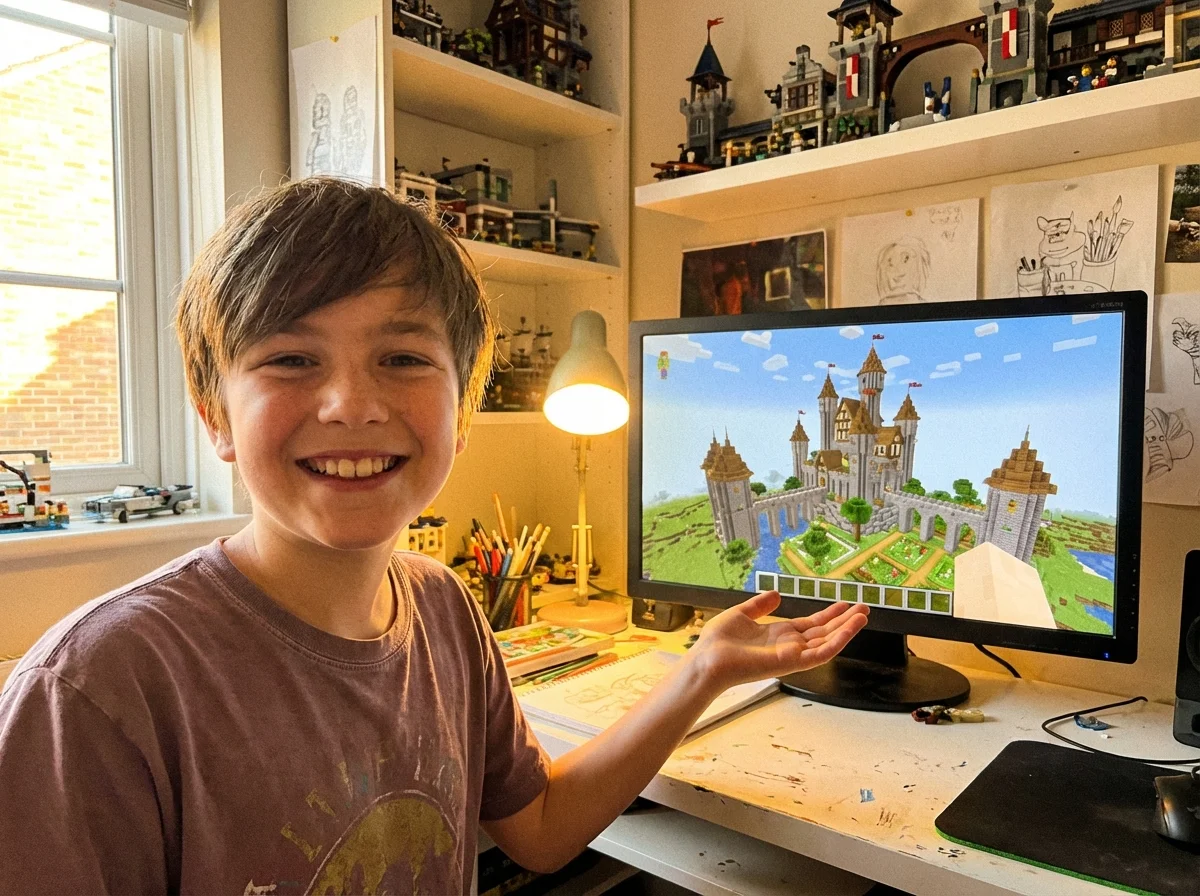
Games like Minecraft, Roblox, and Fortnite Creative give kids a blank canvas and unlimited tools. What they build is genuinely impressive.
My daughter designed an entire adventure map in Fortnite Creative. Custom terrain, hidden puzzles, a storyline with branching paths. She spent weeks on it and then had friends play through it. She was a game designer at age 11, testing her work, getting feedback, iterating.
Roblox takes this further. Kids aren't just playing games. They're building them. Learning basic coding concepts, designing user interfaces, even understanding monetization. Some teenagers are making real money from their Roblox creations. That's entrepreneurship.
Even kids who aren't building are expressing themselves through character customization, photo modes, and in-game performances. When your kid spends 30 minutes picking the right skin combo, they're not wasting time. They're curating an identity and presenting it to a social group. Sound familiar? It's the same thing we did picking outfits for school.
7. Digital Literacy and Technical Skills
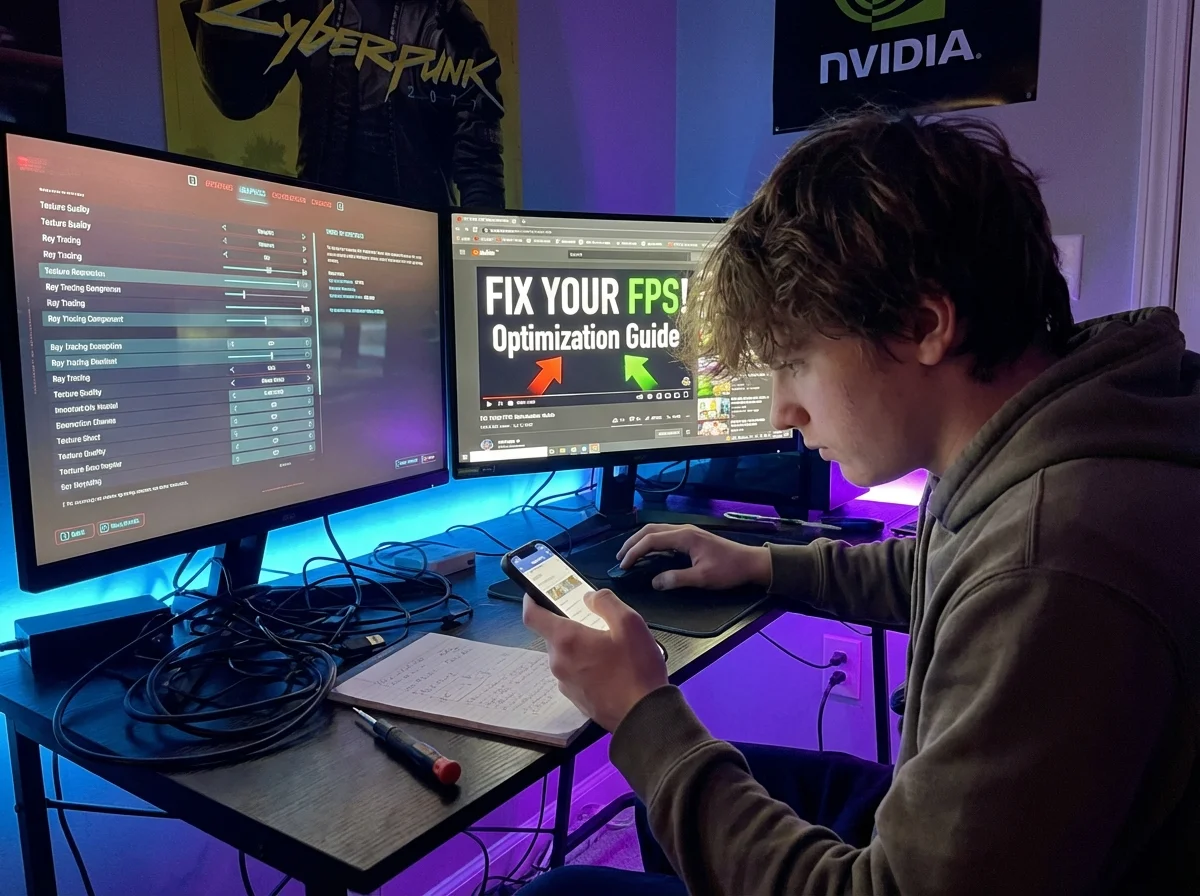
Kids who game develop technical fluency that extends way beyond the screen. They learn to troubleshoot connection issues, adjust settings for performance, navigate complex menus and interfaces, and communicate across platforms.
My son taught himself basic video editing to make gaming clips for his friends. He figured out OBS for streaming. He learned about file management, resolution settings, and audio mixing. Nobody assigned this. Gaming made him want to learn it.
This digital literacy is a genuine career advantage. Understanding systems, interfaces, and technology at an intuitive level is exactly what employers look for. And gaming builds it naturally, without a single class.
The Catch: When Gaming Isn't Teaching Much
I'd be dishonest if I said every minute of gaming is a learning experience. It's not.
Passive gaming, where a kid is just running around without purpose, repeating the same thing mindlessly, or watching others play without engaging, teaches less. The skills I've described come from active play. Making decisions. Facing challenges. Collaborating with others.
The difference between educational gaming and time-wasting isn't the game itself. It's how your kid engages with it. A kid actively strategizing in Fortnite is developing more skills than a kid passively building the same Minecraft house for the hundredth time.
How can you tell which one your kid is doing? Ask them. "What are you working on?" "What's hard about this right now?" "Did you try anything new today?" The answers will tell you everything. If you need help starting those conversations, that's exactly why we created Yakety Pack. Our cards include questions like "What game taught you something you didn't expect?" that open up these discussions naturally.
For the Skill Talk: Naming skills works when you have a soft prompt. Pick up the Pause, Play, Connect deck so a curiosity card is always within reach.
How to Help Kids Recognize Their Own Skills
The full set of skill-naming starters is in our conversation cards for families with gamer kids.
Here's something most parents skip: helping kids connect the dots between gaming skills and real life.
Your kid probably doesn't realize they're developing leadership, strategic thinking, or emotional resilience. To them, they're just playing. But if you help them see it, two things happen. They feel validated (you see value in what they love). And they start transferring those skills intentionally.
Try these:
- "The way you coordinated your team in that match, that's the same skill managers use at work."
- "You spent three days solving that puzzle. That's persistence. That's a real skill."
- "You handled that loss way better than you would have six months ago. I noticed."
For older kids and teens, gaming skills translate directly to resumes and college essays. Team leadership, creative design, project management, community building. These aren't fluff. They're the same skills every extracurricular claims to teach.
The match they just playedPause, Play, Connect: Core Deck172 prompts that mean you are not inventing a question at the end of a long day.$49 CAD • 90 cards • 18 reviewsShop the deck
Related Articles
Want to dig deeper into specific games and gaming topics? These guides pick up where this one leaves off:
- What Is Minecraft Teaching Your Kids? 7 Real Skills Explained
- How to Talk to Kids About Fortnite (Without Getting One-Word Answers)
- Playing Video Games With Your Kids: A Parent's Real Guide
- A Parent's Guide to Understanding Gaming Culture
Frequently Asked Questions
Are video games actually good for kids' brains?
Yes, with caveats. Research from institutions like Oxford and MIT shows that moderate gaming improves spatial reasoning, reaction time, and problem-solving speed. The benefits come from active, engaged play, not passive screen time. Like most things, the dose and the quality matter more than the activity itself.
What skills do video games teach that school doesn't?
Games excel at teaching iteration (trying, failing, adjusting), real-time collaboration under pressure, and intrinsic motivation. School teaches you to get the right answer. Games teach you to keep going when you get it wrong. Both matter.
Which video games are most educational for kids?
Minecraft (creativity, resource management, engineering), Civilization (history, strategy, long-term planning), Kerbal Space Program (physics, problem-solving), and any team-based multiplayer game (communication, leadership). But honestly, most games teach something if your kid is actively engaged.
How much gaming is healthy for kids?
There's no magic number. The American Academy of Pediatrics moved away from strict hour limits years ago. Focus on whether gaming is displacing sleep, exercise, homework, and face-to-face relationships. If your kid is meeting their responsibilities and staying connected to family and friends, the exact hours matter less than you think.
My kid just watches other people play games. Is that teaching anything?
It can. Watching skilled players is how many kids learn strategies, discover new games, and participate in gaming community discussions. It's similar to watching sports or cooking shows. The learning value depends on whether they're absorbing and applying what they see, or just zoning out. Ask them what they learned from the last video they watched. Their answer will tell you a lot.

