
My 10-year-old used to throw up every school morning from anxiety. Traditional coping strategies failed. Then I discovered he'd been self-medicating with Minecraft, and it was actually working better than anything else we'd tried.
I know how that sounds. Trust me, I wrestled with it. Here I was, a dad who limited screen time religiously, suddenly watching my anxious kid find more relief in a video game than months of breathing exercises and therapy techniques. The guilt was real. Was I taking the easy way out? Was I creating a bigger problem?
But here's what changed my mind: Jake wasn't throwing up anymore. For the first time in months, he was eating breakfast. He was talking at dinner. He was sleeping through the night without waking up worried about tomorrow. All because I'd started letting him play Minecraft for 30 minutes before school.
The Morning I Stopped Fighting and Started Listening
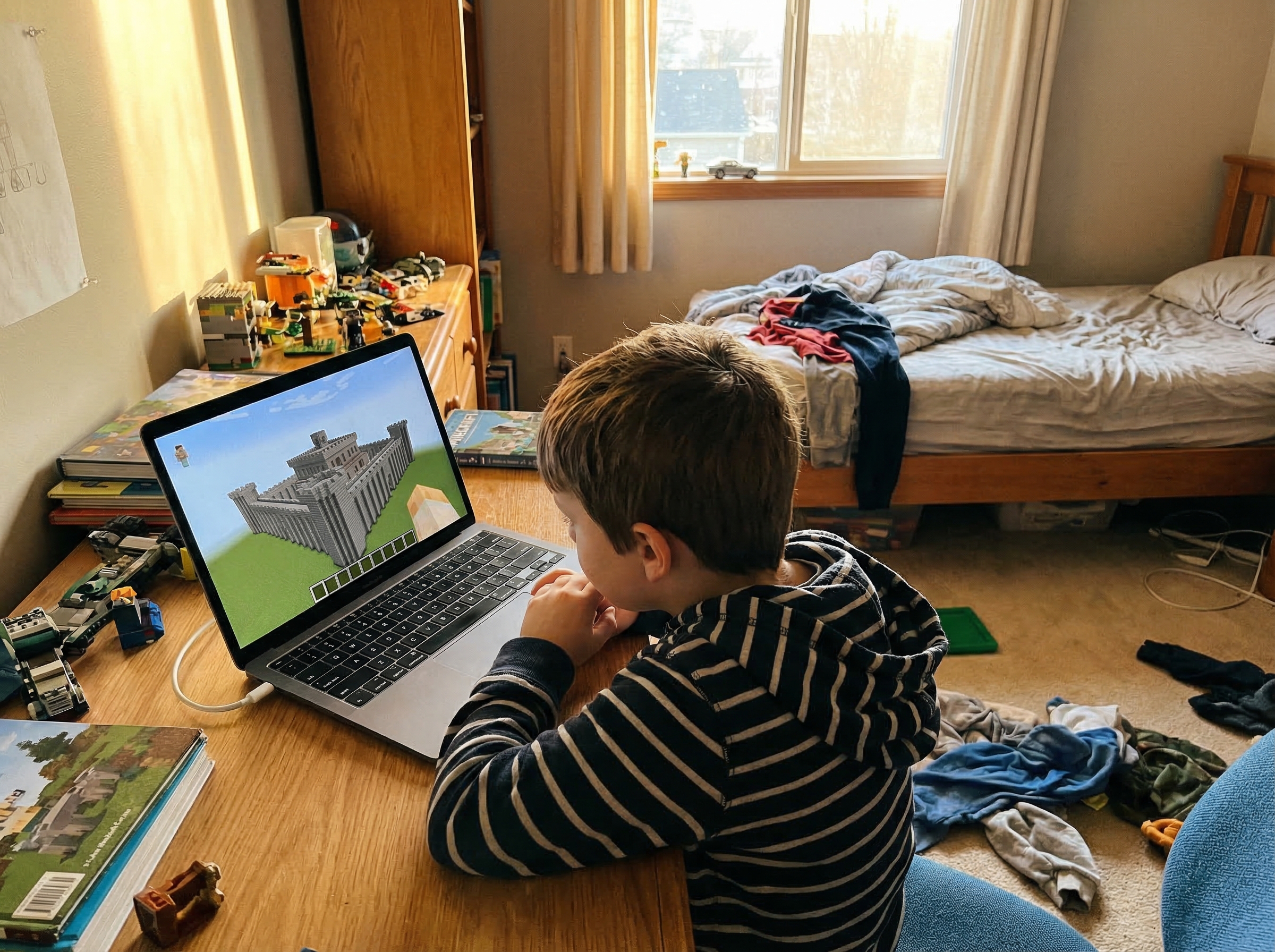
It happened by accident. Jake had woken up early on a Saturday, and I found him in his room playing Minecraft, completely absorbed. When I called him for breakfast, he came immediately. No complaints. No stomachache. No rushing to the bathroom.
"Dad, look what I built to keep the zombies out," he said, showing me an elaborate fortress with multiple defense layers. "Even if they break through the first wall, I have backup plans."
Something clicked. This wasn't mindless entertainment. Jake was literally building coping mechanisms. In a world that felt completely out of control, he'd found a space where he could create safety, test boundaries, and respawn when things went wrong. Once you see the regulation work happening on the screen, it gets easier to turn screen time into connection time instead of treating the game as the enemy.
The next Monday, instead of our usual morning battle, I tried something different. "Want to show me your world for a bit before breakfast?" His whole body relaxed. Thirty minutes later, he ate a full bowl of cereal. No throwing up. No tears.
That's when I realized I'd been looking at this all wrong.
 Questions about what they playPause, Play, Connect: Core Deck172 prompts that give you a question about the game, ready before you need it.$49 CAD • 90 cards • 18 reviewsShop the deck
Why Gaming Works for Anxious Kids (In Words Parents Understand)
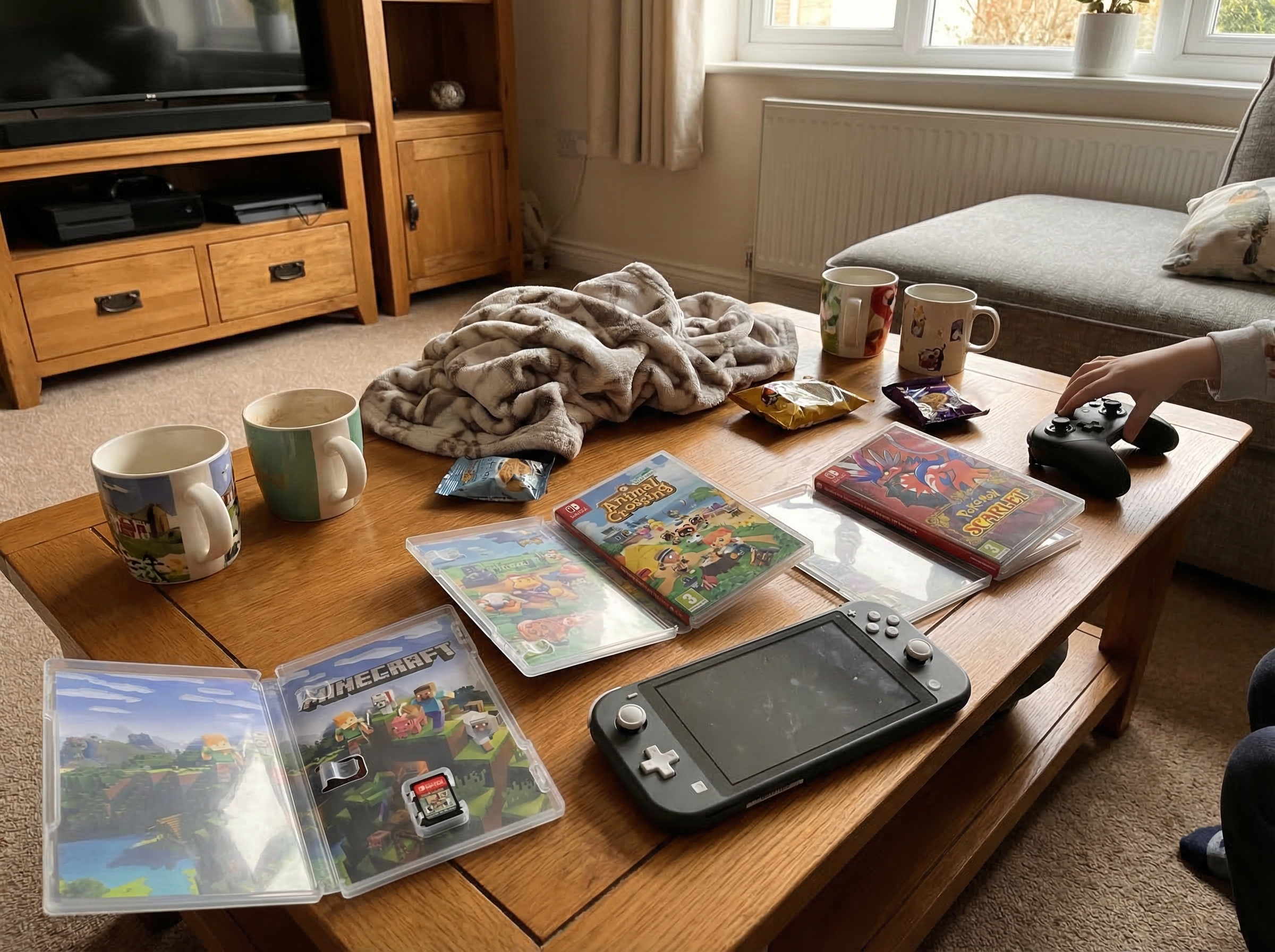
Jake explained it better than any therapist could: "In Minecraft, I know what happens next. If a creeper blows up my house, I can rebuild it. If I die, I respawn. At school, I don't know what happens if I mess up."
Think about it. For anxious kids, the real world is full of unpredictable social interactions, unexpected changes, and consequences that feel permanent. Games offer:
Predictable patterns: Enemies behave consistently. Rules don't suddenly change. If you press A, B happens. Every time.
Control over outcomes: Made a mistake? Reload your save. Said the wrong thing to a villager? They'll reset tomorrow. There's always a way to fix it.
Clear progression: You can see yourself getting better. Level 10 today, level 11 tomorrow. Tangible proof that effort equals improvement.
Safe social practice: In Animal Crossing, if Tom Nook judges your outfit choice, it's low stakes. If a real kid at school does it, that's different.
My son put it perfectly: "In games, being scared makes sense. There's actually a dragon. At school, I'm scared of nothing, and that feels worse."
The Games That Actually Help (And Why)
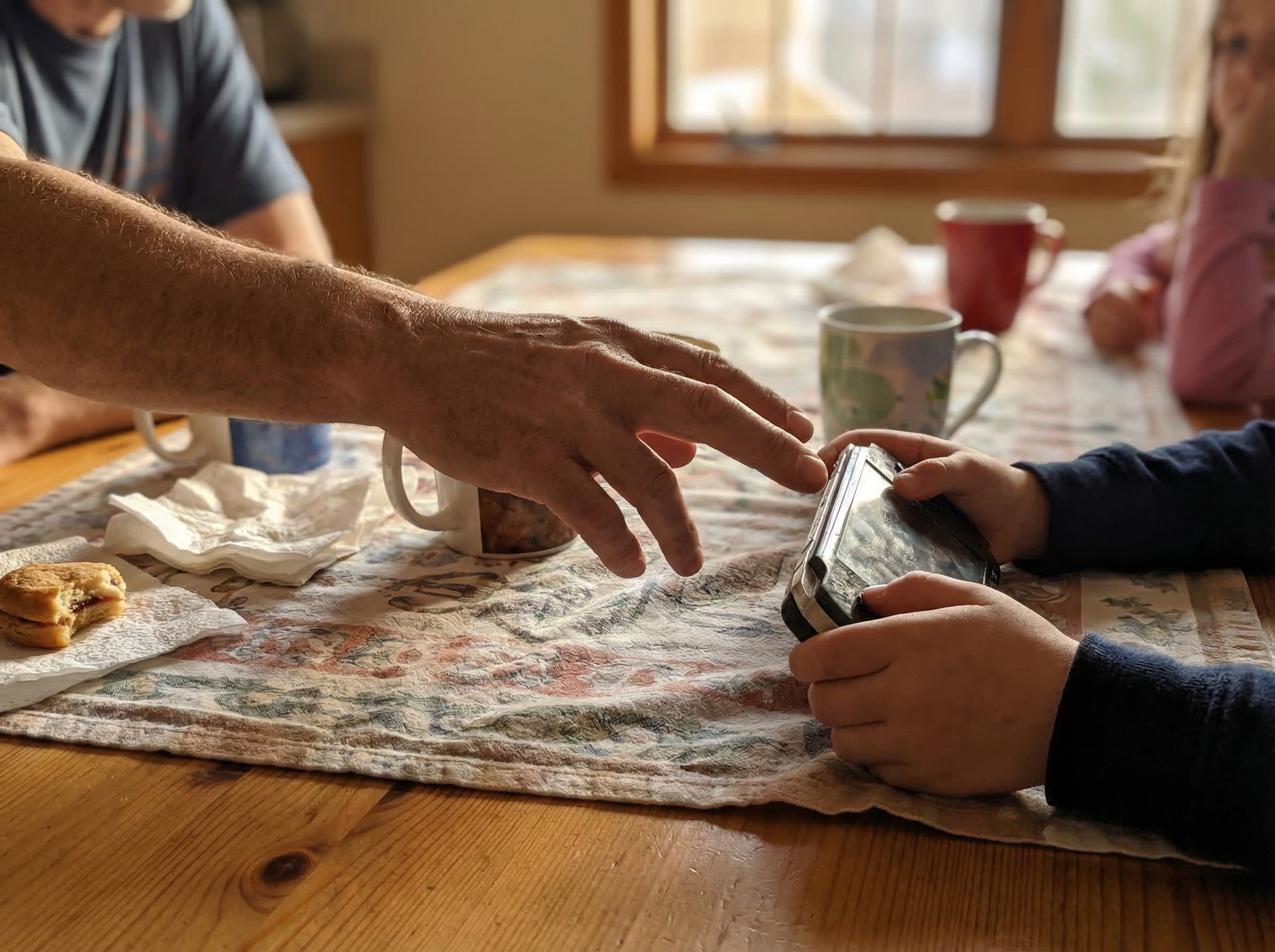
Not all games work for anxiety. Jake and I learned this through trial and error. Here's what actually helps:
Minecraft (ages 7+): The creative mode specifically. No threats, just building. Jake uses it to create "safe spaces" when he's anxious. The repetitive mining motion calms racing thoughts.
Animal Crossing (ages 6+): Gentle routine and social interaction. Perfect for social anxiety. Villagers are always kind. Daily tasks provide structure without pressure.
Stardew Valley (ages 10+): Low-stakes decision making. You can't really fail at farming. Great for kids who catastrophize about choices.
Pokemon (ages 6+): Collecting and organizing helps anxious kids feel in control. Battles have clear rules. Type advantages never change.
A Short Hike (ages 8+): Cannot recommend this enough. Calm exploration, no time limits, achievement without pressure. Jake plays this when other games feel too intense.
Avoid: Competitive multiplayer games, anything with jump scares, games with permanent consequences or time pressure. We learned this when Jake tried Fortnite. The unpredictability of other players sent his anxiety through the roof.
Red Flags: When Gaming Stops Being Therapy
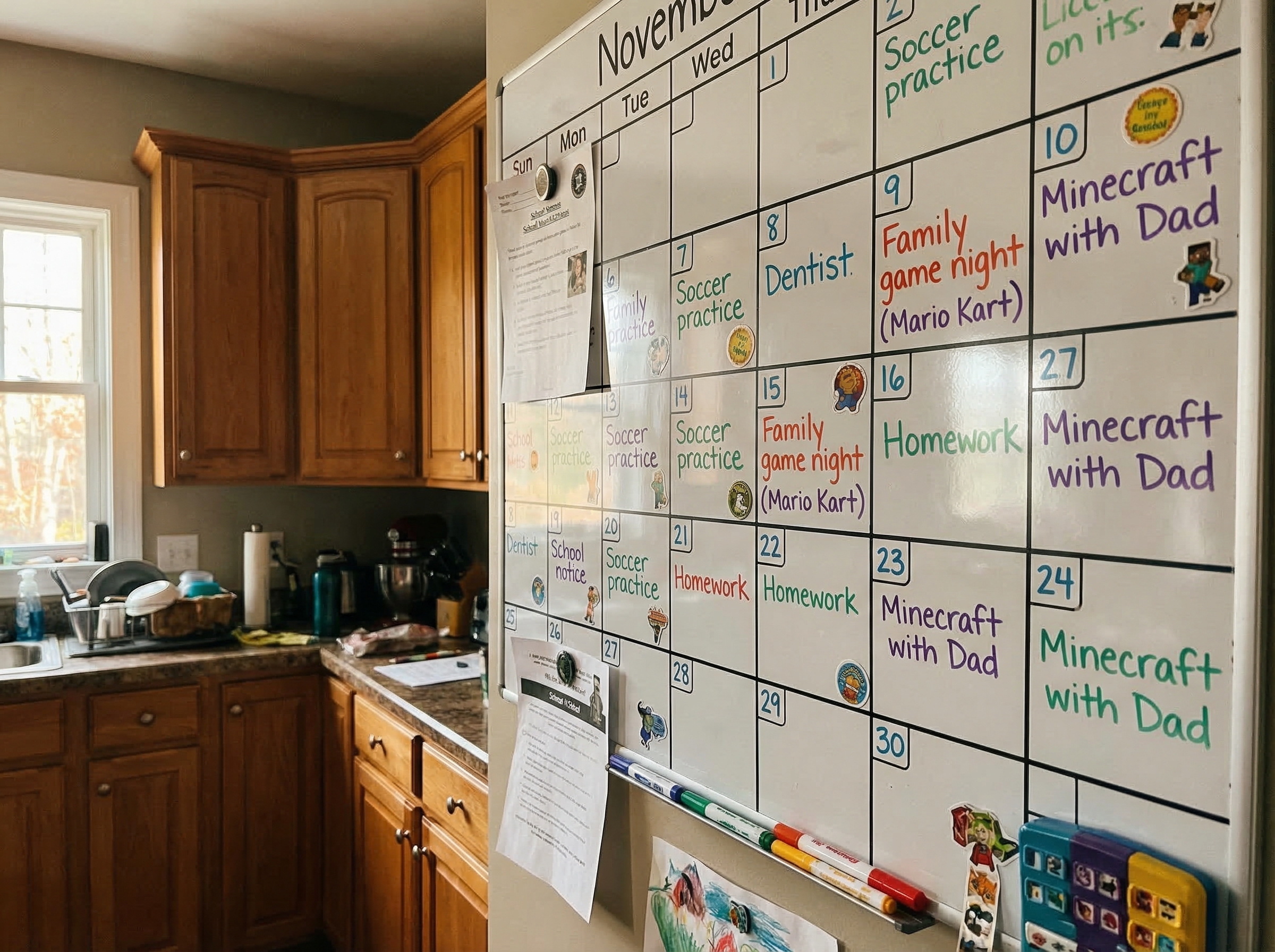
I'm not going to sugarcoat this. There's a line between coping and avoiding, and we crossed it once.
Jake started skipping lunch to game at school (bringing his Switch). He was "going to the bathroom" during classes to play mobile games. When I tried to talk about it, he had a full meltdown. "It's the only thing that helps!" he screamed.
He was right and wrong. Gaming was helping momentarily, but he was using it to avoid anxiety triggers instead of processing them. Here's what I watch for now:
- Gaming becomes the ONLY coping tool
- Anxiety increases when gaming isn't available
- Physical needs ignored (not eating, not sleeping)
- Avoiding specific situations instead of preparing for them
- Lying about gaming time
- Panic when games aren't accessible
The difference? Therapy gaming helps you face the world. Avoidance gaming helps you hide from it.
How to Talk to Your Anxious Gamer
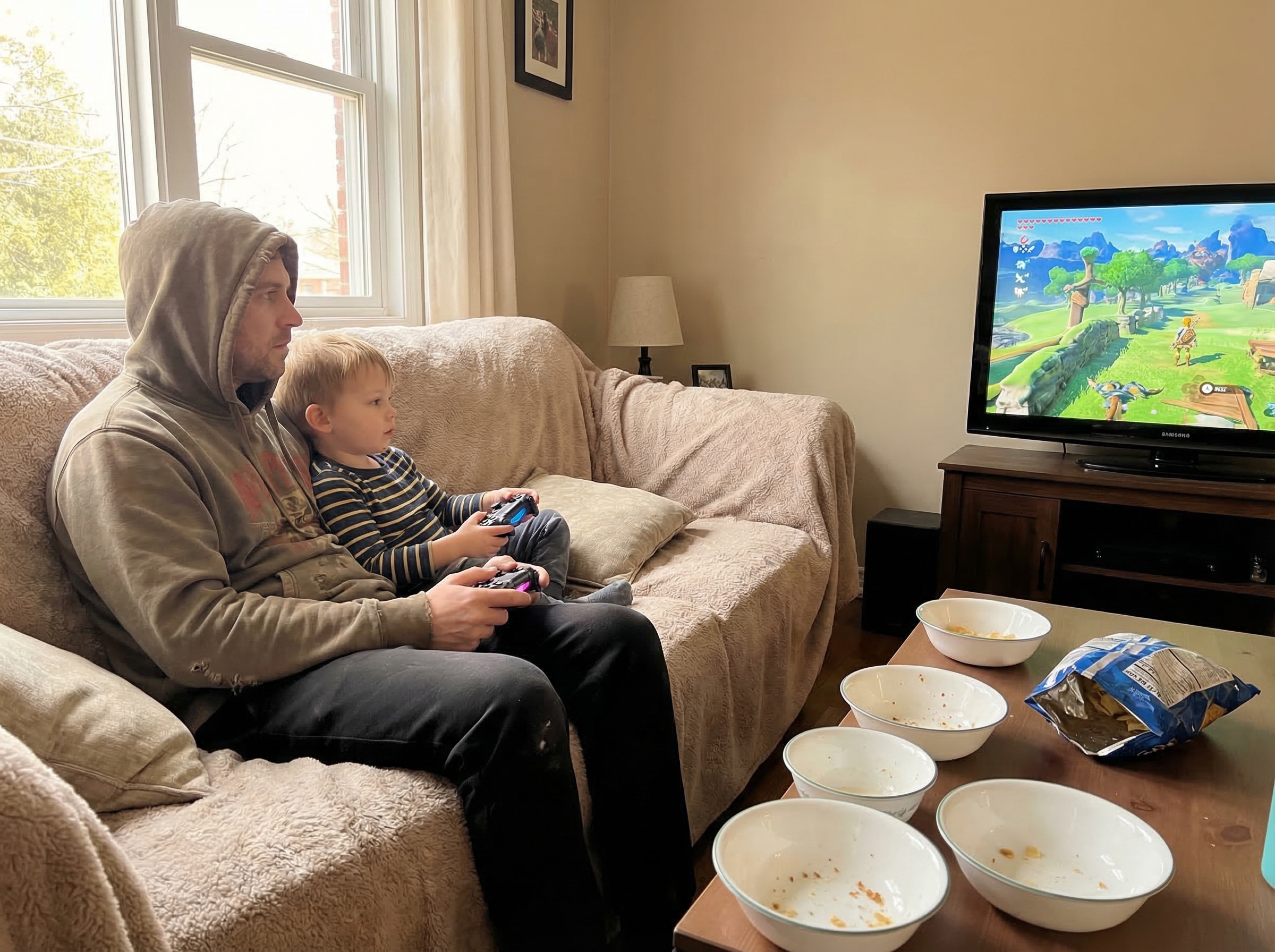
This took me forever to figure out. My questions were all wrong. I'd ask "Don't you think you've played enough?" or "Why don't you try something else?" Instant shutdown.
Here's what actually works:
"What made you feel powerful in your game today?" This opens up conversations about what they're lacking in real life.
"Show me the safest place in your world." Jake once showed me an underground bunker in Minecraft. We talked about what his "bunker" at school could be (the library).
"What's the hardest thing you overcame in your game this week?" Links gaming achievements to real-world capability.
"If school was a video game level, what would make it easier?" This question changed everything. Jake said "Save points between classes." We created "save points" - quick check-ins with his teacher.
Never ask "Why can't you just..." or compare them to kids who don't need gaming. Your anxious gamer already feels different enough.
(This is exactly why we created Yakety Pack conversation cards. After years of failed dinner conversations, we realized kids want to connect. They just need questions that meet them where they are, like "What game world would you live in if you could?" These conversations led to Jake opening up about wanting school to be more like Animal Crossing - predictable, kind, with clear expectations.)
 Nothing clever required from youPause, Play, Connect: Core Deck$49 CAD • 172 promptsSee the deck
Working With (Not Against) Gaming
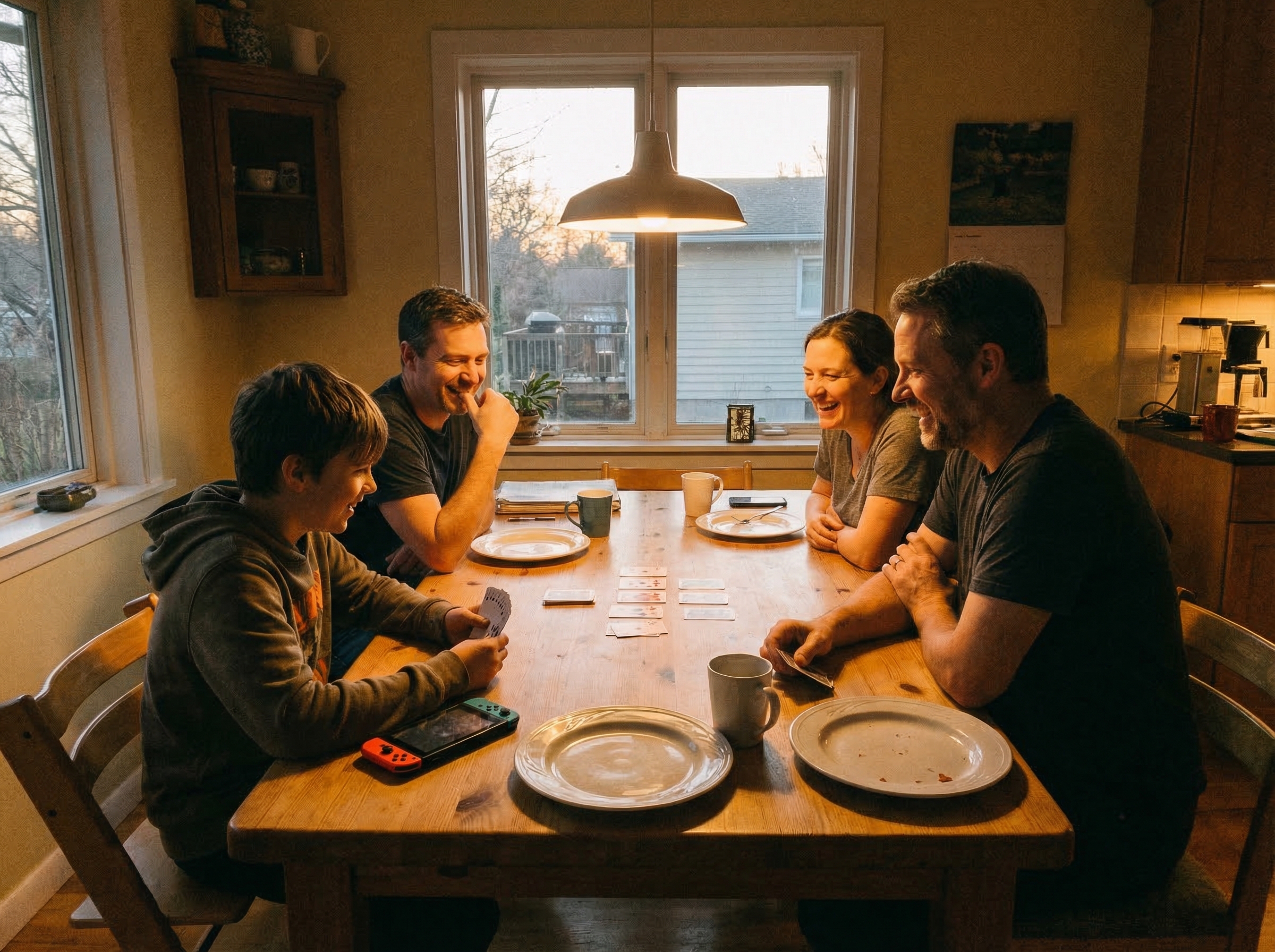
Here's our current routine that actually works:
Morning gaming: 30 minutes of Minecraft creative mode before school. Non-negotiable. It's his anxiety medication.
Transition ritual: Five-minute warning, then we talk about one thing he built. This bridges game world to real world.
After-school decompression: 20 minutes of whatever game he needs. No questions asked. Then homework.
Weekend deep dives: Longer gaming sessions where I sometimes join. This is when real conversations happen.
The game isn't the problem. The transition is. We use timers, give warnings, and always have a specific next activity. "Game time's done, snack time" works better than "Turn it off now."
For siblings, we frame it as Jake's "worry medicine." His sister gets special activities during his gaming time. No fairness arguments. Different kids, different needs.
The Truth Nobody Tells You
Gaming might always be part of your anxious kid's toolkit. And that's okay.
Jake's therapist (who's amazing) told me something that changed my perspective: "Some kids use fidget toys. Some use breathing exercises. Jake uses Minecraft. If it works, it works."
She even incorporated gaming into their sessions. They'd discuss anxiety triggers using game metaphors. Fear became "boss battles." Coping skills became "power-ups." Social situations became "co-op missions."
The goal was never to eliminate gaming. It was to expand Jake's toolkit. Now he has gaming AND breathing techniques AND fidget tools. But on the really hard days? He still needs his 30 minutes of Minecraft. I've stopped seeing that as failure.
Your anxious gamer isn't broken. They've actually found a sophisticated coping mechanism that provides control, achievement, and community. Your job isn't to take it away. It's to help them use it wisely.
Your Next Step Today
Tonight, sit next to your anxious gamer. Don't bring up screen time or limits. Ask them to show you their favorite safe space in their game. Listen to why it feels safe. Then ask, "What would make school (or wherever they're anxious) feel more like this?"
You might be surprised by the insights. Jake's answers led to real changes - a quiet corner in his classroom, permission to eat lunch in the library twice a week, and a "reset" signal he can use with his teacher when overwhelmed.
The games aren't the enemy. They're showing you what your kid needs to feel safe. Start there.
(By the way, some of our best conversations now happen during "game tours" where Jake shows me his worlds. The questions in our Yakety Pack specifically include gaming topics because we learned that kids open up when you speak their language. "What's your biggest gaming fail?" led to Jake telling me about his fear of failing tests. Sometimes the path to connection is through the game, not around it.)
Look, I still sometimes feel weird about my kid using video games as anxiety therapy. But then I watch him head to school without throwing up, see him laughing with friends he made through gaming, and remember what really matters. He's managing his anxiety. He's learning coping skills. He's talking to me.
The controller in his hands isn't the problem. It might just be the solution.
Their world, your questionsPause, Play, Connect: Core Deck172 prompts about games and family life, so you have a question that is already written.$49 CAD • 90 cards • 18 reviewsShop the deck
Related Articles
Looking for more? Check out these related articles:

