
My 12-year-old threw his controller so hard it left a dent in the drywall. My first instinct was to ban Fortnite forever. Then I realized something: he'd never thrown anything at school, despite being bullied that whole week. The game wasn't creating anger. It was the only place he felt safe enough to let it out. If the controller hit happens at session-end, our piece on when kids melt down as games end covers what to actually do in the next 60 seconds.
That dent taught me more about my kid than six months of "how was your day" conversations. And it completely changed how I think about gaming for kids with anger issues.
Gaming Anger Isn't What You Think It Is
Here's what took me way too long to figure out: when kids rage at games, they're usually not mad about the game. They're mad about something else, and the game is just where it shows up.
Think about it. Where else can a 10-year-old safely feel powerful? Where else can they fight back when they feel pushed around? Where else can they scream without getting in trouble?
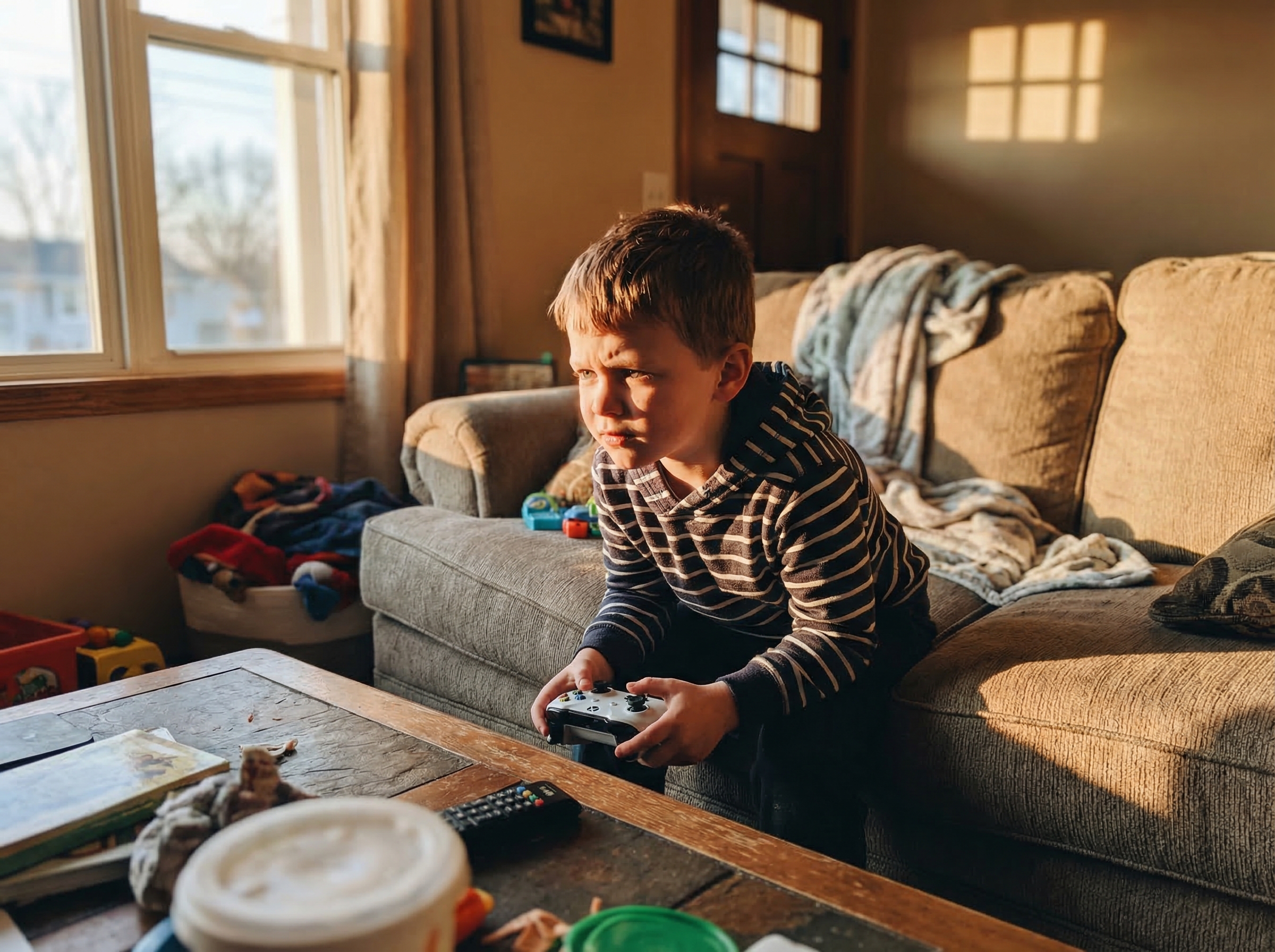
My son started playing Minecraft obsessively during his worst semester at school. I thought the game was making him angrier because he'd blow up when creepers destroyed his builds. Turns out, he was already angry. The game was just the only place he had any control.
Once I understood that, everything shifted. Instead of seeing gaming as the problem, I started seeing it as information. When he games more, something's up. When he picks violent games over creative ones, he's processing something. When he rage-quits, there's usually a real-world trigger.
The game isn't making your kid angry. It's showing you anger that's already there.
 After the controller landsPause, Play, Connect: Core Deck172 prompts that give you a way back in once the meltdown has passed.$49 CAD • 90 cards • 18 reviewsShop the deck
The Good, The Bad, and The Controller-Throwing Mad
Not all gaming anger is created equal. Some of it's actually healthy. Some of it's a red flag. Learning to tell the difference changed everything for us.
Good gaming anger looks like:
- Getting frustrated at a tough boss, taking a break, trying again
- Yelling "That's not fair!" but then figuring out the pattern
- Getting competitive but still congratulating opponents
- Being mad at themselves for messing up, then practicing
Worrying gaming anger looks like:
- Breaking things (controllers, keyboards, walls)
- Anger that lasts hours after gaming stops
- Only being happy while gaming, miserable everywhere else
- Targeting anger at real people, not game characters
My son went through a phase where he'd scream at every Dark Souls death. I almost took the game away. Then I watched him closer. He'd yell, then immediately say "Okay, what did I do wrong?" He was processing frustration, not stuck in rage.
The difference? He was learning from the anger, not drowning in it.
Games That Help vs Games That Hurt
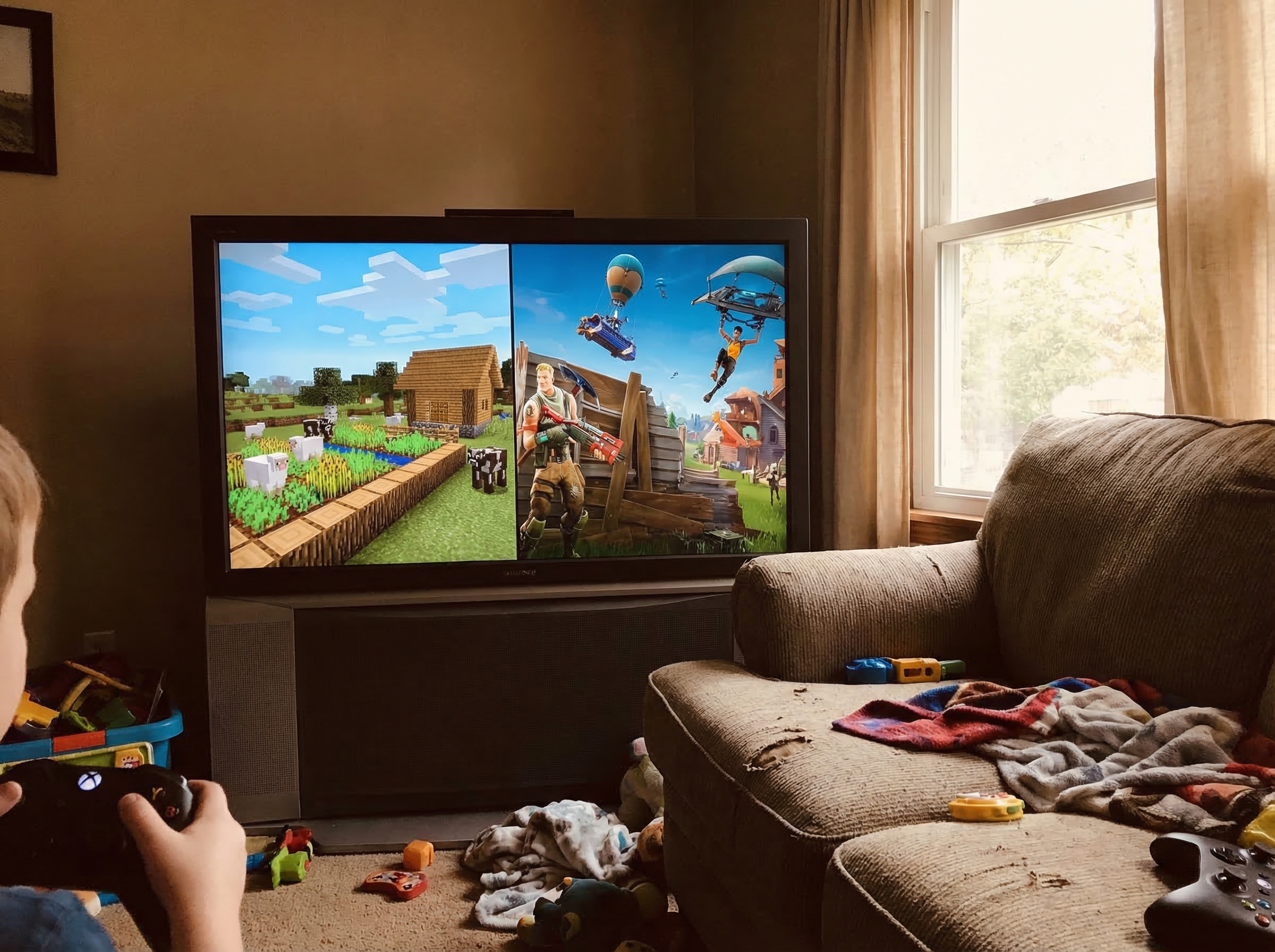
Here's what nobody tells you: the right game for an angry kid depends on what kind of angry they are.
For kids who hate losing: Skip competitive shooters. Try Minecraft, Stardew Valley, or Animal Crossing. These games let them build and create without constant failure. My nephew couldn't handle Fortnite losses but spent hours peacefully farming in Stardew Valley.
For kids who need to feel powerful: Spider-Man, Zelda games, or Horizon Zero Dawn. These games let them be the hero without the pressure of online competition. When my son felt bullied at school, web-swinging through New York as Spider-Man gave him the strength he needed.
For kids working through frustration: Puzzle games like Portal, platformers like Celeste, or rhythm games. These teach persistence without the social pressure of multiplayer games.
For kids who actually NEED competition: Rocket League, Splatoon, or Mario Kart. Some kids process anger through competition. The key is games with quick matches and immediate rematches, not long investments that feel devastating to lose.
The worst thing I did early on? I tried to force "calm" games on my competitive kid. He needed to compete. He just needed better outlets for it.
 Before you say anythingPause, Play, Connect: Core Deck$49 CAD • 172 promptsSee the deck
What To Do When The Controller Flies
The first time my son threw a controller, I went full dad-mode. Yanked the console, launched into a lecture about respect for property. You know what happened? He shut down completely. Learned nothing. Got angrier.
Here's what actually works:
The 3-minute rule: When they're in full meltdown, wait three minutes before engaging. I know it's hard. But immediate intervention just adds fuel to the fire. Let the initial wave pass.
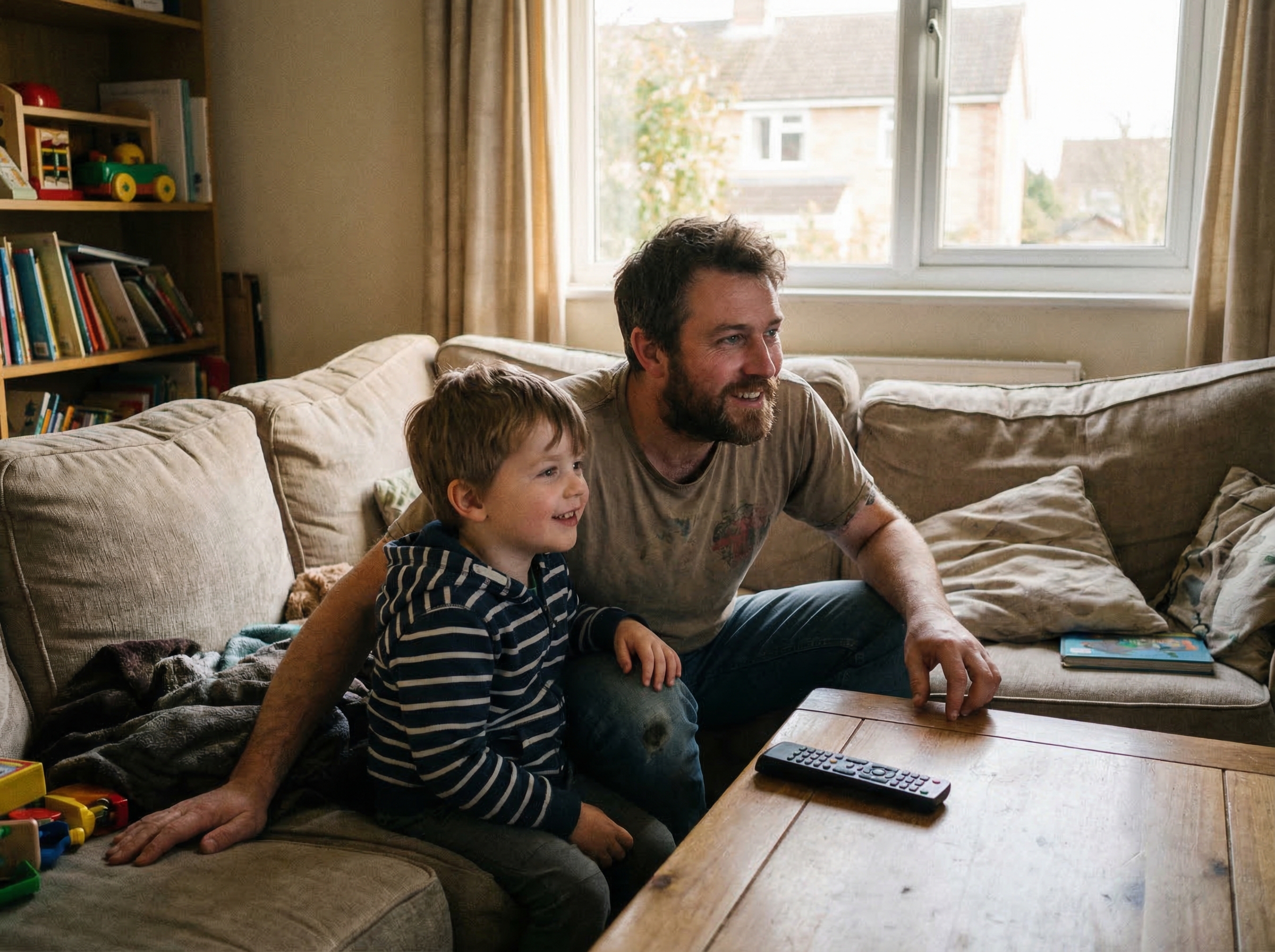
Join, don't judge: Instead of "It's just a game," try "That looked really frustrating." Instead of "You need to control yourself," try "Show me what happened."
The night I finally got this right, my son had died to the same boss 47 times. I sat down and said, "Can I watch you try again?" He explained every move the boss made, why it was "cheap," how the hitbox was "broken." I just listened. After about ten minutes, he said, "I think I'm playing too aggressive." Boom. Self-awareness.
Magic phrases that actually work:
- "That boss looked impossible"
- "I'd be mad too if that happened"
- "Want to show me what keeps killing you?"
- "Should we try something else and come back?"
- "What's the most annoying part?"
Never say "calm down" to an angry gamer. It's like telling someone who's crying to stop being sad. Acknowledge first, redirect second. Once you see the anger as data instead of bad behaviour, it gets easier to turn screen time into connection time instead of taking the game away as punishment.
The After-Game Conversation
"How was your game?" gets grunts. These questions get actual conversations:
- "What made you maddest today?"
- "Did anything cool happen before the bad part?"
- "If you could change one thing about that game, what would it be?"
- "Who was the most annoying enemy/player?"
- "Did you get revenge?"
My best breakthrough came from asking, "If that boss was a person at school, who would it be?" Suddenly we weren't talking about gaming anymore. We were talking about the kid who kept cutting in lunch line, and how my son felt powerless to stop him.
One Yakety Pack conversation card asks "If your game character met you in real life, what would they think of you?" My son's answer revealed more about his self-image than months of direct questions ever did.
When Gaming Anger Is Actually About Something Else
Sunday night Fortnite rage? That's Monday morning anxiety. Thursday afternoon Minecraft destruction? That's usually a bad day at school. Random Saturday morning controller throwing? Check if there's a social event later they're dreading.
My son's patterns became obvious once I started looking:
- He played competitive games after feeling powerless
- He played creative games when he felt good
- He played destruction-heavy games when he was mad at someone specific
- He avoided games entirely when he was sad
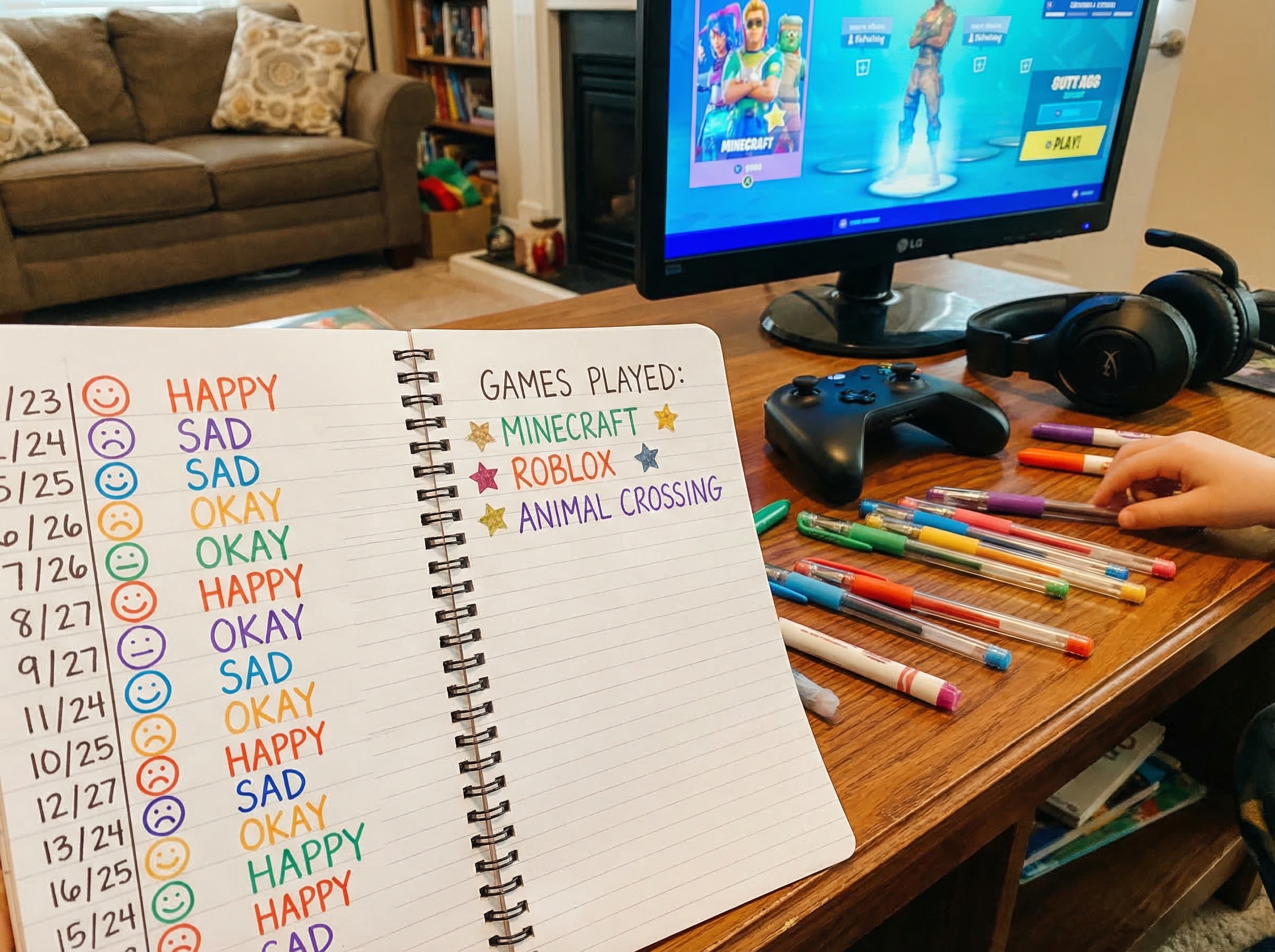
We started keeping a "game mood journal" together. Not to limit gaming, but to understand it. He'd rate his mood before gaming, pick a game, then rate it after. The patterns blew both our minds. Minecraft usually made him feel better. Competitive shooters made bad moods worse.
His avatar choices told stories too. When he picked angry-looking characters or dark skins, something was up. When he went back to his favorite cheerful character, things were improving.
Building Better Gaming Habits (Without Being the Bad Guy)
Here's where most parents mess up: they make rules TO their kids instead of WITH them. My son helped create our gaming anger plan:
His ideas (way better than mine):
- If he throws something, he has to take a 10-minute snack break
- If he's yelling too much, he switches to a calmer game
- If he's stuck on something for over an hour, he asks for help or moves on
- He can always vent to me about a game without judgment
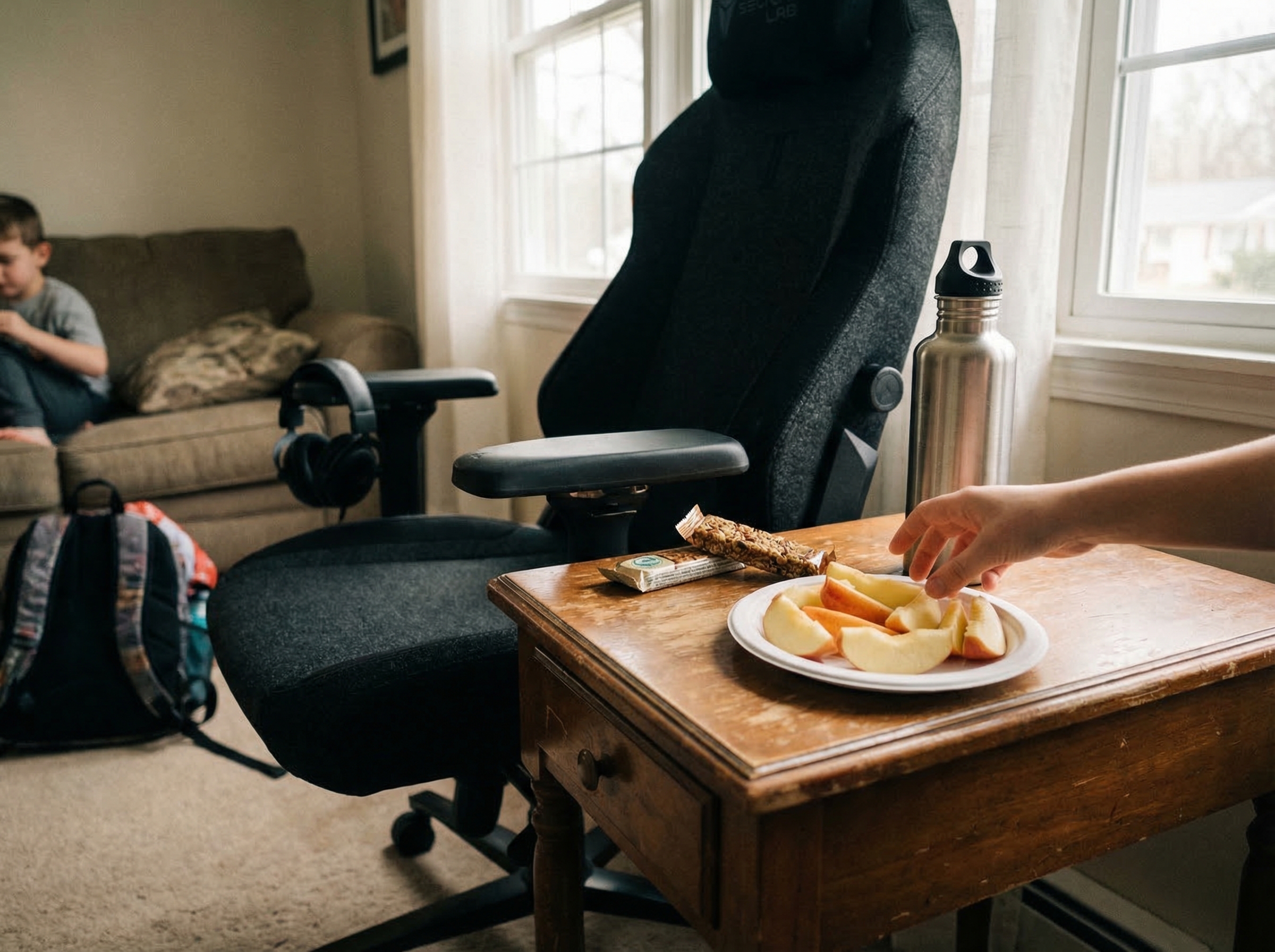
The "pause and snack" strategy: When emotions run high, blood sugar is usually low. We keep easy snacks near the gaming setup. Amazing how often "uncontrollable rage" is actually "forgot to eat lunch."
Why banning games backfires: Take away the outlet, and the anger just finds other targets. My friend banned Fortnite, and his son started picking fights with siblings instead. The anger didn't go away. It just lost its safe target.
The Bottom Line
Your kid's gaming anger is trying to tell you something. Your job isn't to silence it. It's to decode it.
Start here: The next time your kid rages at a game, don't say anything for three minutes. Then sit down and ask, "What happened?" Listen to the whole story. Ask what made them maddest. Ask if anything like that happens in real life.
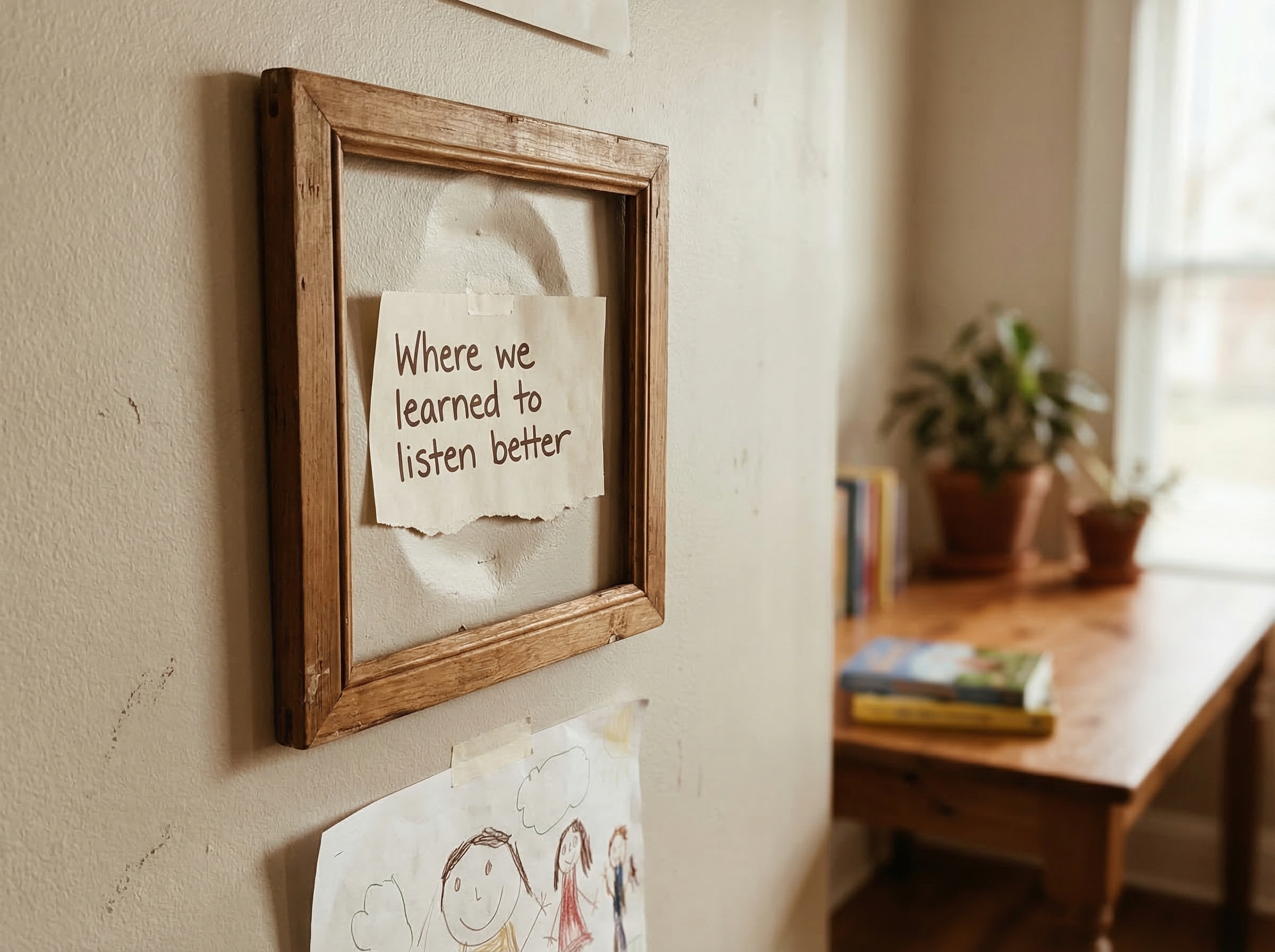
That controller flying across the room? It might just be the beginning of the most important conversation you'll have with your kid this year.
Because once you crack the code of what gaming for kids with anger issues really means, you don't just solve the gaming problem. You help your kid understand their emotions everywhere else too.
And that dent in my wall? I haven't fixed it yet. It reminds me that sometimes the biggest breakthroughs come from the biggest meltdowns. You just have to be willing to see what's really happening.
For the quieter moment laterPause, Play, Connect: Core Deck172 prompts that help a kid name what the game was really about, without a direct question.$49 CAD • 90 cards • 18 reviewsShop the deck
Related Articles
Looking for more? Check out these related articles:

