
My son once threw a controller at his sister during a cooperative Mario game where they were supposed to be on the same team. Let that sink in. If you're searching for cooperative games for arguing siblings like mine, I've got news: a game literally designed to make them work together became ground zero for World War III in my living room.
If you're nodding along because your kids can turn "working together" into "working against each other," you're in the right place. I've been there. I've refereed the fights, confiscated the controllers, and wondered if my kids would ever be able to share oxygen without conflict.
Here's what I learned after years of trial and error: the problem wasn't finding the "right" cooperative game, even though I cover the broader playbook in our guide on sibling gaming conflicts. The problem was expecting a game to fix what was really going on between my kids.
Why Traditional Cooperative Games Often Fail with Fighting Siblings
Last year, I bought Pandemic. You know, that board game where everyone works together to save the world from disease? Seemed perfect for teaching cooperation. What actually happened? My daughter became a tiny dictator, telling everyone exactly what moves to make. My son checked out completely, started making random moves just to annoy her. Within 20 minutes, she was crying, he was yelling, and I was wondering why I thought a board game could solve sibling rivalry.
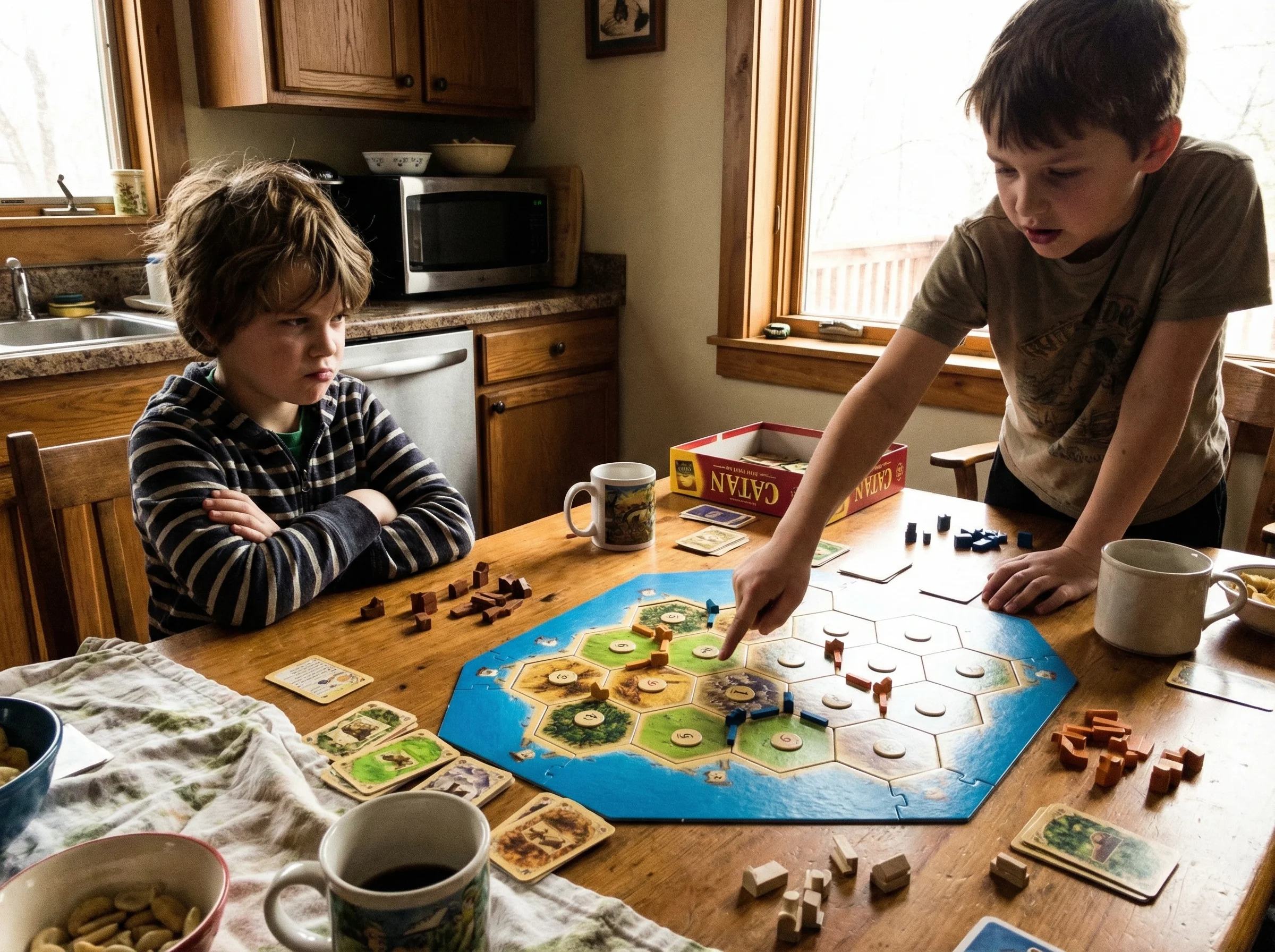
The "forced fun" problem is real. When you announce "we're going to play this nice cooperative game together," kids can smell the agenda from a mile away. They know you're trying to make them get along. And nothing makes kids want to fight more than being told they have to cooperate.
My kids were obsessed with fairness to a fault. Every move, every decision, every tiny advantage got scrutinized. "Why does she get to be the medic?" "He's not listening to my strategy!" "That's not fair, she got to go first last time!" The cooperation requirement actually gave them MORE things to fight about, not fewer.
 When the co-op game backfiresPause, Play, Connect: Core Deck172 prompts that get siblings talking about the fight instead of restarting it.$49 CAD • 90 cards • 18 reviewsShop the deck
Start Where They Already Agree (Even If It's Just Hating Broccoli)
After the Pandemic disaster, I changed tactics. Instead of forcing cooperation through games, I started looking for where my kids already agreed on things. Turns out, they had lots of common ground. They both thought my experimental tuna casserole was gross. They both wanted to stay up past bedtime. They both loved roasting marshmallows.
This is what I call the pizza topping principle. Start with the smallest possible point of agreement and build from there. My kids could argue about everything, but they both loved pepperoni pizza. So one night, I had them work together to convince me why we should order pizza instead of eating leftovers. Suddenly they were a united front, building on each other's arguments, tag-teaming their negotiation. It was beautiful.
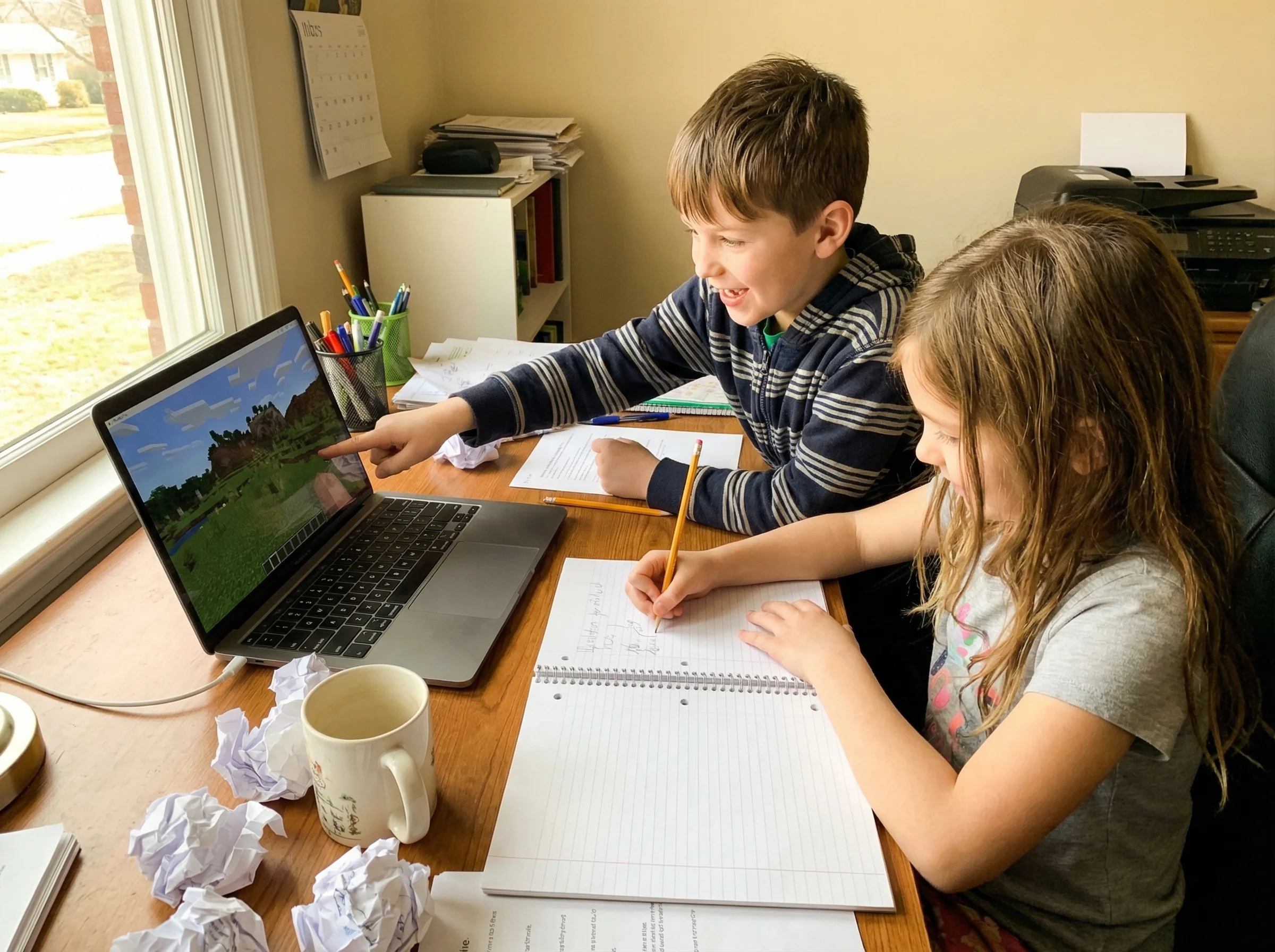
The biggest surprise? They were already cooperating in Minecraft. While they fought over everything in the physical world, they'd been quietly building an elaborate shared world online for months. They had divided responsibilities, shared resources, and even developed their own trading system. I'd been so focused on getting them away from screens that I missed this goldmine of natural cooperation.
The Bridge Strategy: From Fighting to Playing
You can't go from constant fighting to peaceful cooperation overnight. Trust me, I tried. What works is building bridges between where they are now and where you want them to be.
The 10-minute rule saved my sanity. Instead of marathon game sessions that inevitably ended in tears, we started with just 10 minutes of cooperative play. Set a timer. When it goes off, everyone walks away on a high note. My kids could keep it together for 10 minutes. Success felt good. They started asking for "just five more minutes."
Choosing roles, not just games, changed everything; this idea also drives our companion piece on teamwork games for siblings. In our family, my son loves to strategize but hates dealing with game pieces. My daughter loves organizing things but gets overwhelmed by complex rules. So he became the "strategic advisor" while she was the "game manager." Same game, but now they each had a lane that played to their strengths.
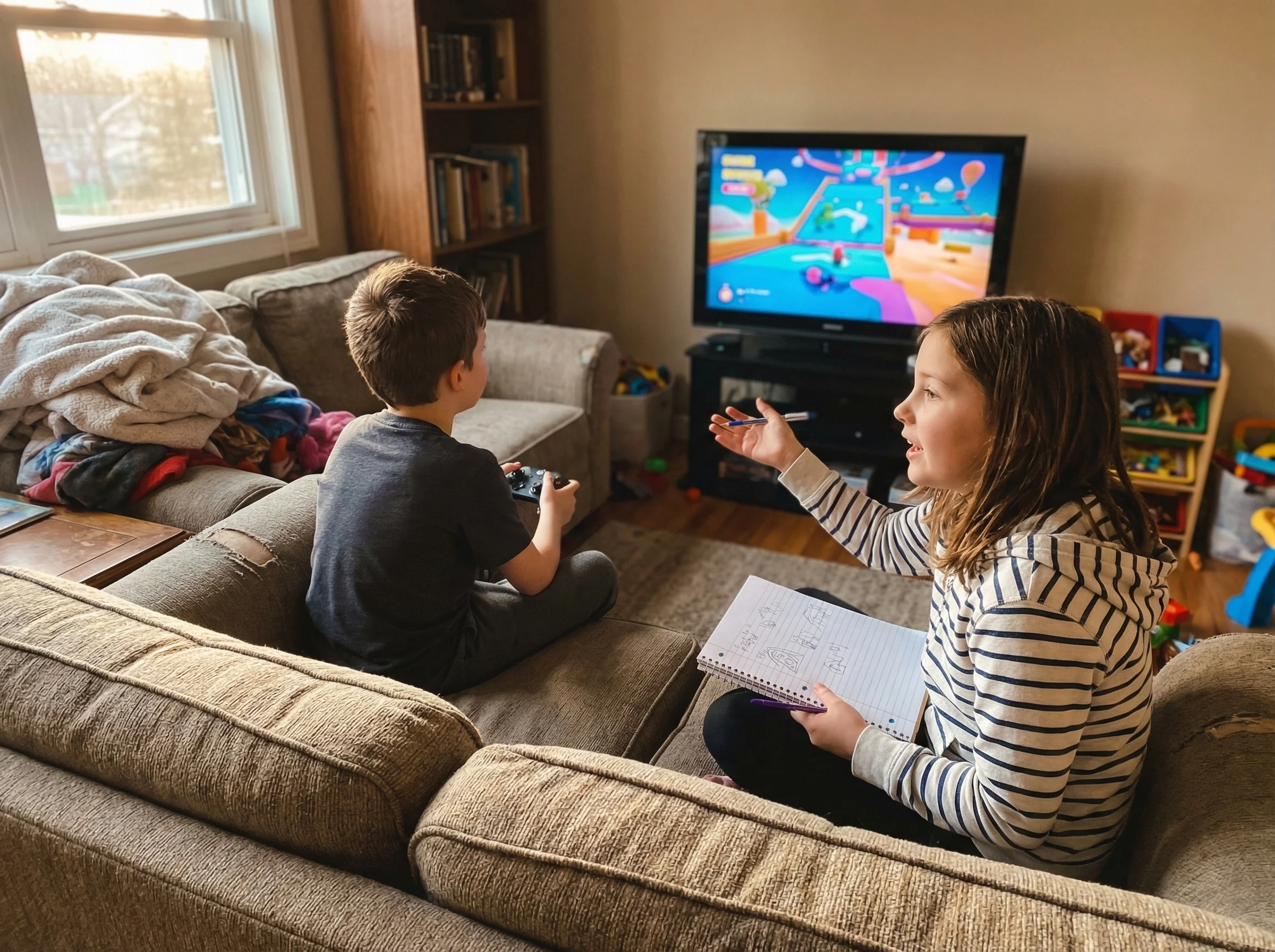
The real breakthrough came with the coach and player dynamic. We turned competitive Super Smash Bros into a cooperative training camp. One kid would play while the other coached from the sidelines. "Watch out for that attack!" "Try the combo I showed you!" They were technically taking turns, but they were invested in each other's success. The "coach" felt important, the "player" felt supported, and nobody felt like they were losing.
For the Quiet Bridge Moment: A neutral question on the drive home gets more cooperation than any pep talk. Stash a Pause, Play, Connect deck in the glove box so you have a prompt ready when both kids are buckled in and the silence is thick.
Digital Cooperation: Why Minecraft Might Be Your Secret Weapon
I fought the screen time battle for years. Then I realized I was fighting the wrong war. My kids weren't just "playing video games," they were solving complex problems together. Once I stopped seeing screens as the enemy, whole new worlds of cooperation opened up.
In their shared Minecraft world, my daughter became the interior designer while my son handled architecture and defense. She couldn't build a structurally sound house to save her life, but she could make any space beautiful. He built boring boxes, but they never got blown up by creepers. Together, they created something neither could do alone.
Different games highlight different skills. My son dominates in strategy games, but my daughter destroys him in rhythm games. We started looking for games where they could take turns being the expert. Animal Crossing became huge in our house because my daughter could design the island while my son managed the economy. Both felt valued.
Here's something nobody talks about: backseat gaming as a cooperation tool. Yeah, backseat gaming. That annoying thing where someone watches you play and constantly gives "advice." Turns out, when you frame it right, it's actually collaborative problem-solving. "What do you think I should do here?" transforms criticism into teamwork.
 After the controller goes downPause, Play, Connect: Core Deck$49 CAD • 172 promptsSee the deck
Age Gap Solutions That Actually Work
My kids are five years apart. For the longest time, I tried to find games they could play "equally." Spoiler alert: that's impossible. A 10-year-old and a 5-year-old are basically different species.
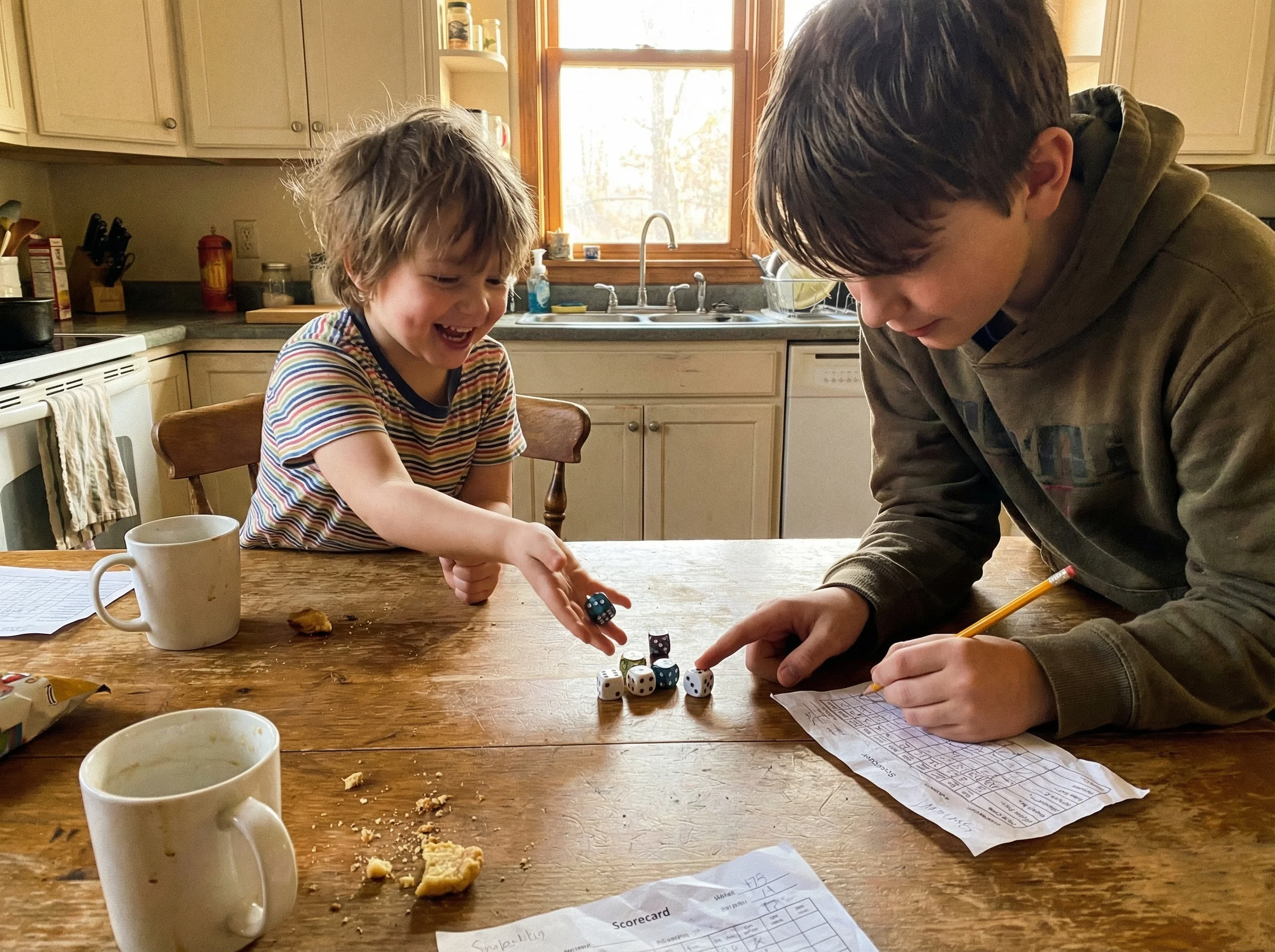
The special assistant role saved us. In complicated games, the younger sibling became the "dice roller," "card dealer," or "piece mover." They felt included and important without needing to understand complex strategy. My daughter loved being the "banker" in Monopoly long before she could actually play.
Some games scale naturally. Yahtzee became our unlikely hero. A 5-year-old can match numbers and celebrate rolling five of a kind. A 10-year-old can strategize about which scoring categories to use. Everyone plays the same game but at their own level.
Sometimes the best solution is accepting that they need to play separately. And that's okay. We have "big kid game time" and "little kid game time." Forcing them together when the gap is too big just frustrates everyone. The key is making sure both feel their game time is valued equally.
When Cooperation Fails: Your Recovery Plan
Let's be real. Sometimes cooperative games still end in disaster. Your kids are human. You're human. It happens.
The 24-hour game break rule keeps small conflicts from becoming permanent grudges. Game causes a fight? That specific game goes on timeout for 24 hours. No punishment, no lectures, just a break. Usually by the next day, they're asking to try again.
Processing fights without punishment changed how my kids handle conflict. "What made that game frustrating for you?" gets way better results than "You need to learn to share!" We talk about what went wrong like scientists analyzing an experiment, not like a judge handing down sentences. Research shows that processing emotions without judgment helps kids develop better emotional regulation skills.
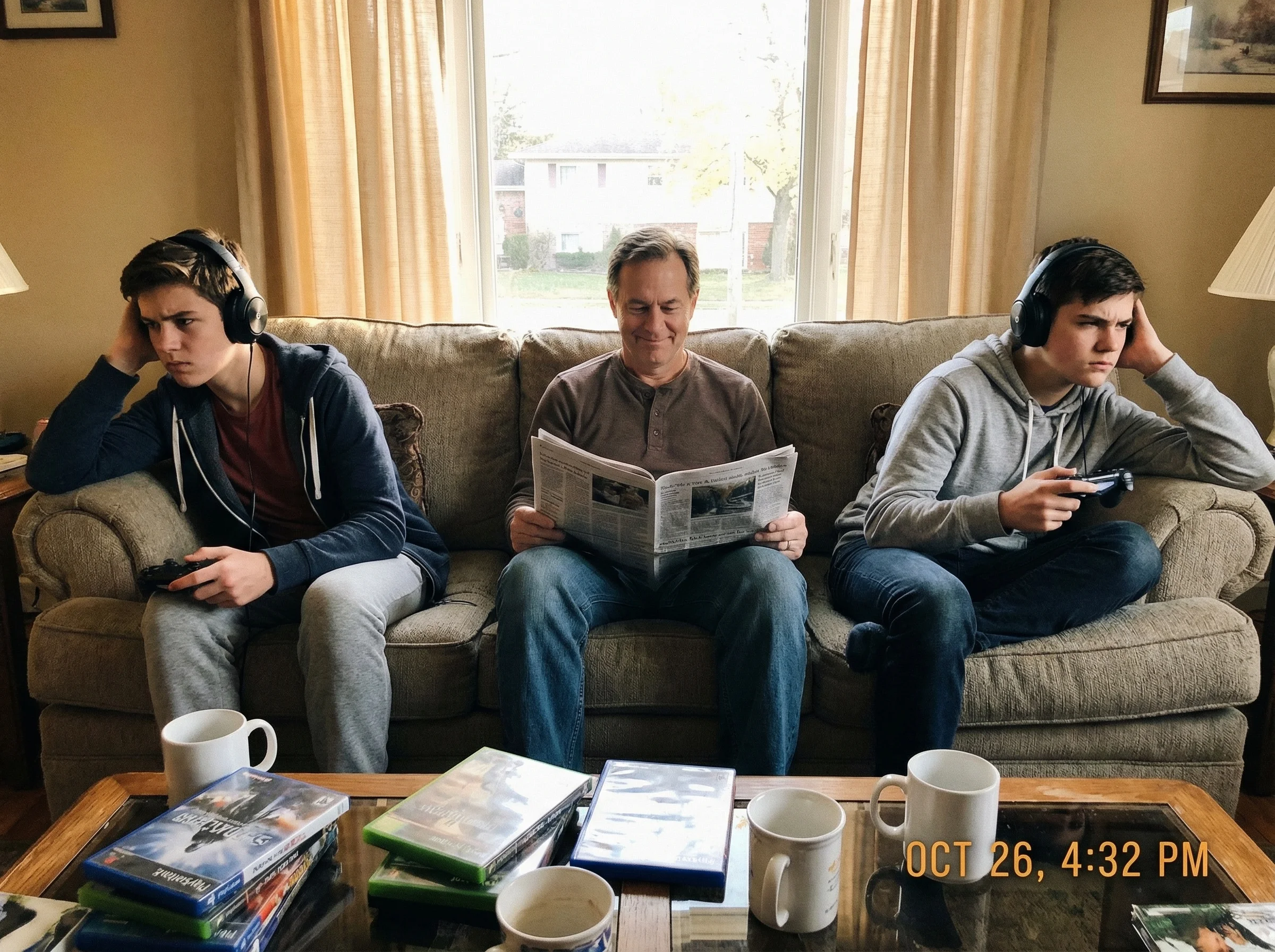
Some games need to be permanently retired, and that's fine. We have a "game graveyard" of boxes that just don't work for our family. Monopoly? Dead to us. Risk? Causes actual sibling warfare. Accepting that some games aren't for your family isn't failure, it's wisdom.
Building Long-Term Cooperation Skills
Real cooperation doesn't happen overnight. It's built through hundreds of small moments over months and years.
Celebrate the tiny wins. The first time my kids high-fived after winning a cooperative level in a video game, I nearly cried. Did I make a big deal of it? You bet. "Did you guys see how you figured that out together? That was amazing!"
We started a monthly game challenge where the kids team up against the parents. Nothing unites siblings like trying to beat mom and dad. Whether it's a board game, video game, or even a cooking challenge, they become co-conspirators with a common enemy (us). Studies from Harvard's Making Caring Common project confirm that shared challenges against external "opponents" can strengthen sibling bonds.
The questions you ask during and after gaming matter more than the games themselves. This is where something like Yakety Pack becomes gold - instead of generic "did you have fun?" questions, you're asking things that actually get kids talking about what they experienced together. My son opened up about feeling left out when his sister took charge, which led to a real conversation about leadership versus bossiness.
For the Repeat Sessions: Cooperation builds when the post-game talk has a script. A deck of conversation cards for families with gamer kids on the coffee table turns the wind-down into the bridge.
The Real Secret Nobody Tells You
Here's what three years of sibling game meditation taught me: cooperative games for arguing siblings aren't about the games at all. They're about creating tiny moments where working together feels better than fighting.
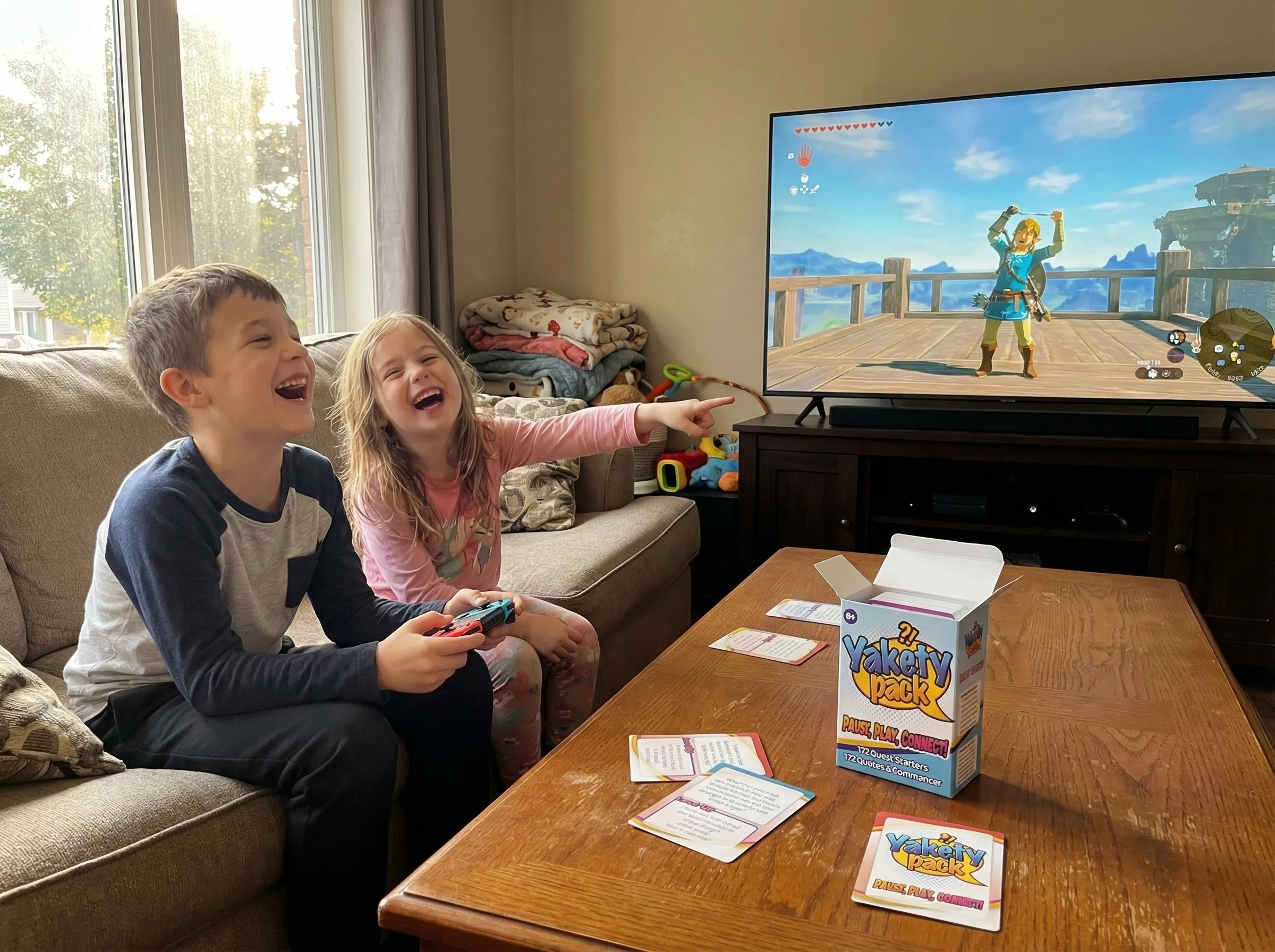
Some days, that looks like a beautifully orchestrated board game session. Other days, it's one kid holding the iPad while the other plays Fruit Ninja. Both count.
Your kids don't need to become best friends who never fight. They need to learn that they CAN work together when it matters. Every successful cooperative moment is a deposit in that bank.
Start small. Start where they are, not where Pinterest says they should be. And yes, sometimes the best cooperative game is taking turns playing Zelda while the other one shouts suggestions from the couch.
Trust the process. Trust that those tiny moments of cooperation add up. And remember - my kids who once threw controllers at each other during cooperative games? They now voluntarily team up to beat me at Mario Kart.
That's what victory really looks like.
Two kids, one shared worldPause, Play, Connect: Core Deck172 prompts that turn the wind-down after a game into the moment they actually cooperate.$49 CAD • 90 cards • 18 reviewsShop the deck

