
My son punched his sister over a Minecraft creeper last Tuesday. Not a real one, obviously, but to him, her blowing up his house he'd spent three hours building was just as real as if she'd knocked over his Legos. That's when I started asking myself, "What is a good consequence for siblings fighting?" and realized most parenting advice about sibling conflict completely misses the mark when it comes to gaming disputes.
See, I used to do what every parenting blog told me: immediate consequences, take away the games, separate the kids. But here's what those generic consequence charts don't tell you - when kids fight over video games, they're not fighting over plastic toys. They're fighting over worlds they've built, progress they've earned, and digital stuff that matters to them as much as any physical possession.
Why Your Go-To Consequences Aren't Working
If the consequence game isn't landing, the broader playbook in our guide on sibling gaming conflicts gives you the why and the upstream fix.
Let me guess what you've tried. Time-outs? Taking away screen time? The dreaded "if you can't share nicely, nobody gets to play"? Yeah, I did all that too. And you know what happened? The fights got worse, not better.
Here's why traditional consequences fail with gaming conflicts. When my daughter deleted my son's Fortnite skins (accidentally, she claims), I did the standard "no games for both of you for a week." Seemed fair, right? Wrong. My son felt double-punished - first his skins were gone, then he couldn't even try to earn them back. My daughter learned nothing except that admitting mistakes gets everyone in trouble.
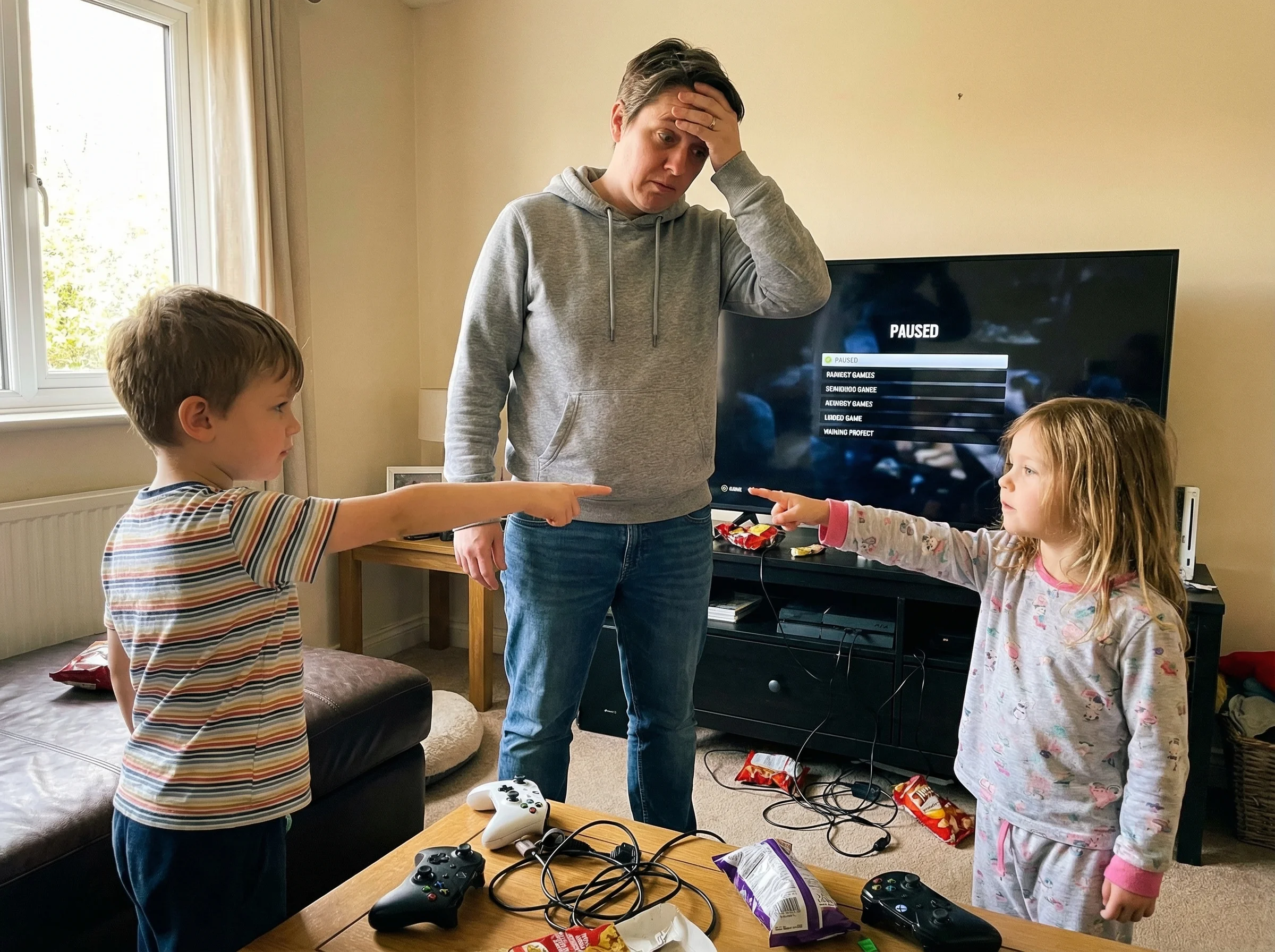
The "everyone loses" approach is lazy parenting dressed up as fairness. I know because I used it for years. It doesn't teach conflict resolution. It teaches your kids to hide their fights better or, worse, to unite against you as the common enemy.
And don't get me started on time-outs for gaming fights. Sending two angry kids to separate rooms after a blow-up over who gets to play what? Congratulations, you've stopped the immediate fight. But tomorrow when they need to share the Xbox again, they still won't know how to navigate that conflict. They've learned nothing except that fighting means alone time.
 When the punishment taught nothingPause, Play, Connect: Core Deck172 prompts that help you get at what the fight was actually about.$49 CAD • 90 cards • 18 reviewsShop the deck
What They're Actually Fighting About (Spoiler: It's Not the Controller)
Last month, I walked in on my kids screaming at each other over Roblox. My first thought? "Here we go again with the turn-taking drama." But when I actually stopped and listened - really listened - my daughter wasn't mad about turns. She was devastated because her brother had logged into her account and spent all her Robux on items for his avatar.
That's when it clicked. We're not dealing with simple sharing issues. We're dealing with:
- Digital property rights - When your kid spends hours building something in Minecraft, that's their creation
- Progress and achievements - Losing game saves is like losing weeks of work
- Identity and reputation - Their gaming accounts are extensions of themselves
- Skill mismatches - When a 12-year-old and 7-year-old game together, frustration is inevitable
Understanding what's really at stake changes everything about how you handle consequences. My kids weren't being dramatic when they fought over "stupid game stuff." To them, it was as real as any physical conflict.
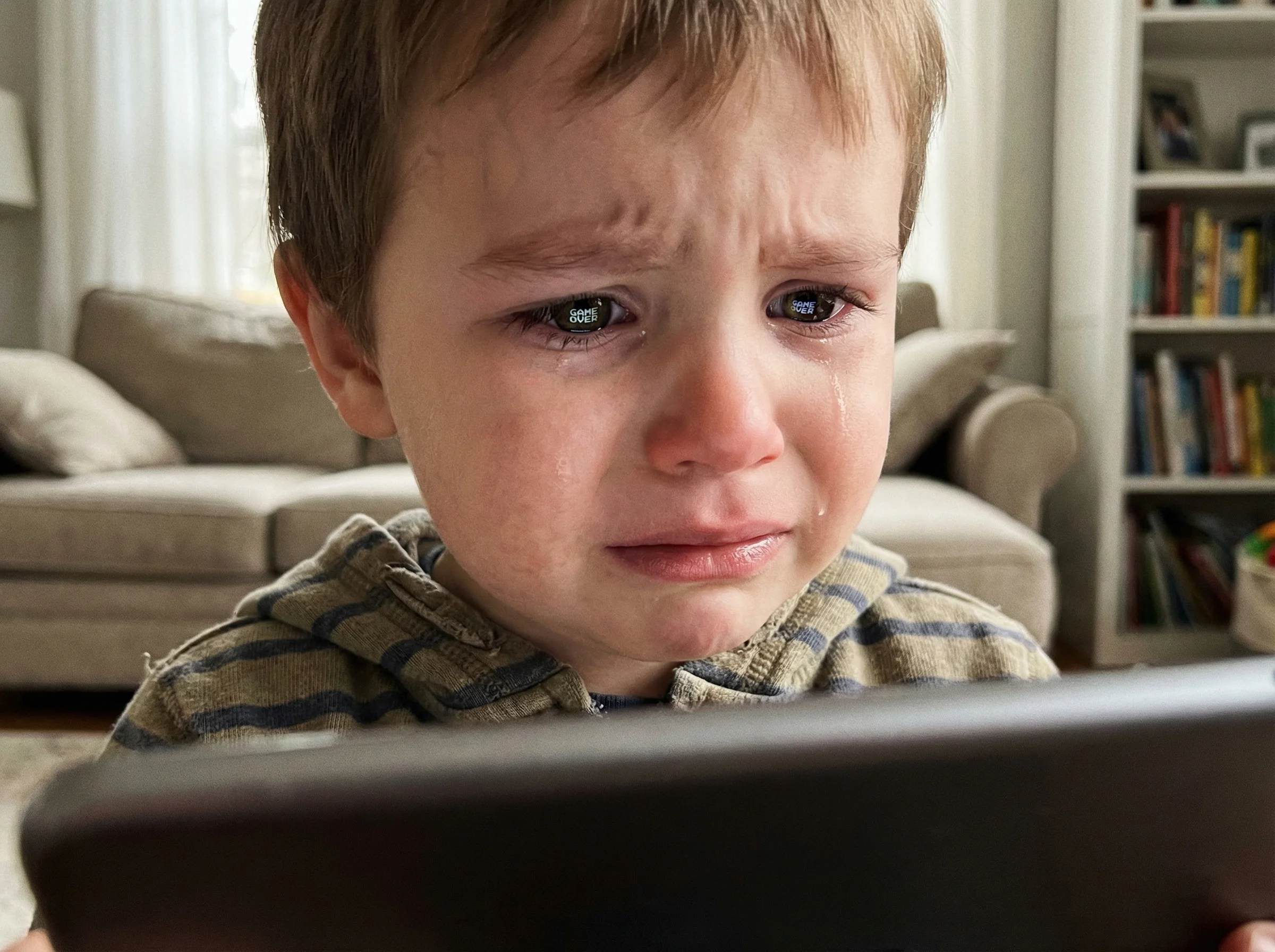
Consequences That Actually Teach Something
One that works surprisingly well is sentencing them to a round of our family-tested cooperative games for arguing siblings instead of solo screen time.
Here's what changed everything in our house: I stopped seeing consequences as punishment and started seeing them as teaching tools. Revolutionary, right?
After the Great Fortnite Skin Deletion of 2023, instead of banning games, we tried something different. The consequence? My kids had to sit down together and create their own "Gaming Constitution." Not me laying down the law - them figuring out their own rules for:
- Account boundaries (no touching each other's profiles without permission)
- Turn-taking systems they both agreed to
- What happens when someone breaks the rules
- How to handle skill differences in multiplayer games
Was it painful? Absolutely. They argued through the entire process. But here's the thing - they were arguing productively. They were negotiating, compromising, seeing each other's perspectives. And when they fight now? They reference their own rules, not mine.
Natural gaming consequences work better than any punishment I could devise. Can't cooperate in It Takes Two? Guess you're stuck on that level until you figure it out. Deleted your sibling's Minecraft world? Now you're helping rebuild it, block by block. These consequences directly connect to the conflict and actually fix the problem.
Age Matters (A Lot) When Choosing Consequences for Siblings Fighting
What works for a 6-year-old won't work for a 12-year-old. Here's what I've learned through trial and error:
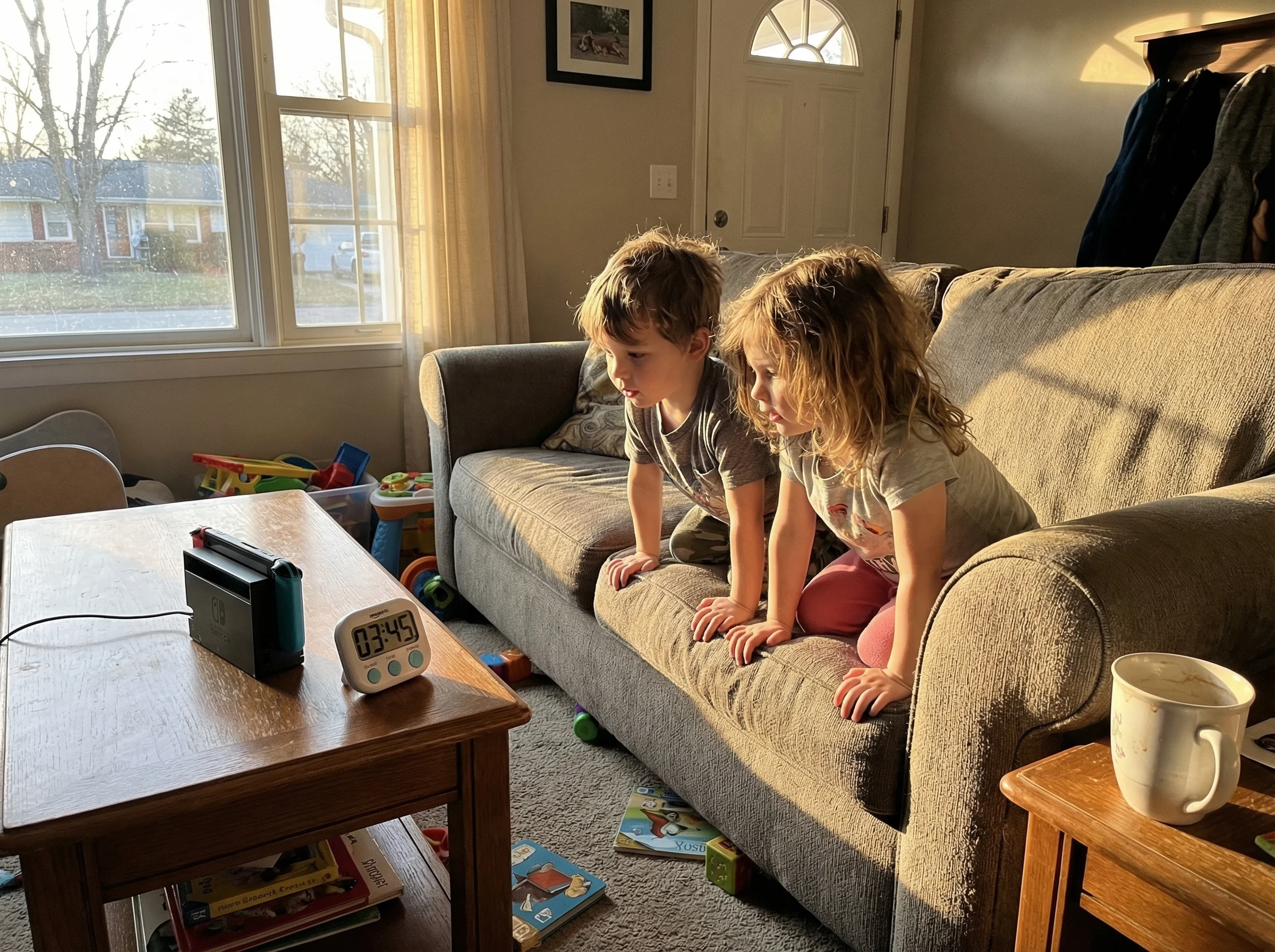
Ages 5-7: Keep it simple and visual. We use a kitchen timer for turns - when it dings, switch. No negotiation, no "just let me finish this level." For consequences, think immediate and connected: Hit your sibling over a game? You're done for the day, but tomorrow we practice taking turns with easier games first.
Ages 8-11: They understand cause and effect better. Consequences can involve earning back privileges. Sabotaged your sister's Animal Crossing island? You're spending your next three gaming sessions helping her rebuild and collect resources. They hate it, but they learn empathy.
Ages 12+: Natural consequences and peer mediation work best. My oldest learned real quick that being a jerk to his sister in Minecraft meant she wouldn't help him in Overwatch later. Sometimes the best consequence is letting them experience the natural fallout of their actions.
For the Heated Moment: Consequences land softer when you have a script. Keep a Pause, Play, Connect deck in the kitchen drawer so a calm prompt is ready when the shouting peaks.
The "Fix It Together" Approach
Remember when I said my kids had to create their Gaming Constitution together? That became our go-to consequence framework. Fight over a game? Fix it through the game.
Last week they fought over Splatoon strategies. The consequence? They had to win three matches as a team before either could play solo. The first match was a disaster - they spent more time blaming each other than playing. By the third match? They were calling out positions and actually strategizing together.
This works because:
- They can't stay mad when they need each other to succeed
- The game provides immediate feedback on their cooperation (or lack thereof)
- Success feels earned, not handed to them
- They're building skills for future conflicts
We also started using Yakety Pack questions after gaming conflicts. Instead of lectures about sharing, we'll pull a question like "What's the best teammate move you saw today?" Suddenly they're talking about how the other sibling helped them or made a good play, even after a fight.
 After the consequence is setPause, Play, Connect: Core Deck$49 CAD • 172 promptsSee the deck
When You Need the Nuclear Option
Look, sometimes consequences need to be swift and serious. Physical violence over games? That's an immediate full stop. Not a "finish your turn then stop" - controller down, game off, now.
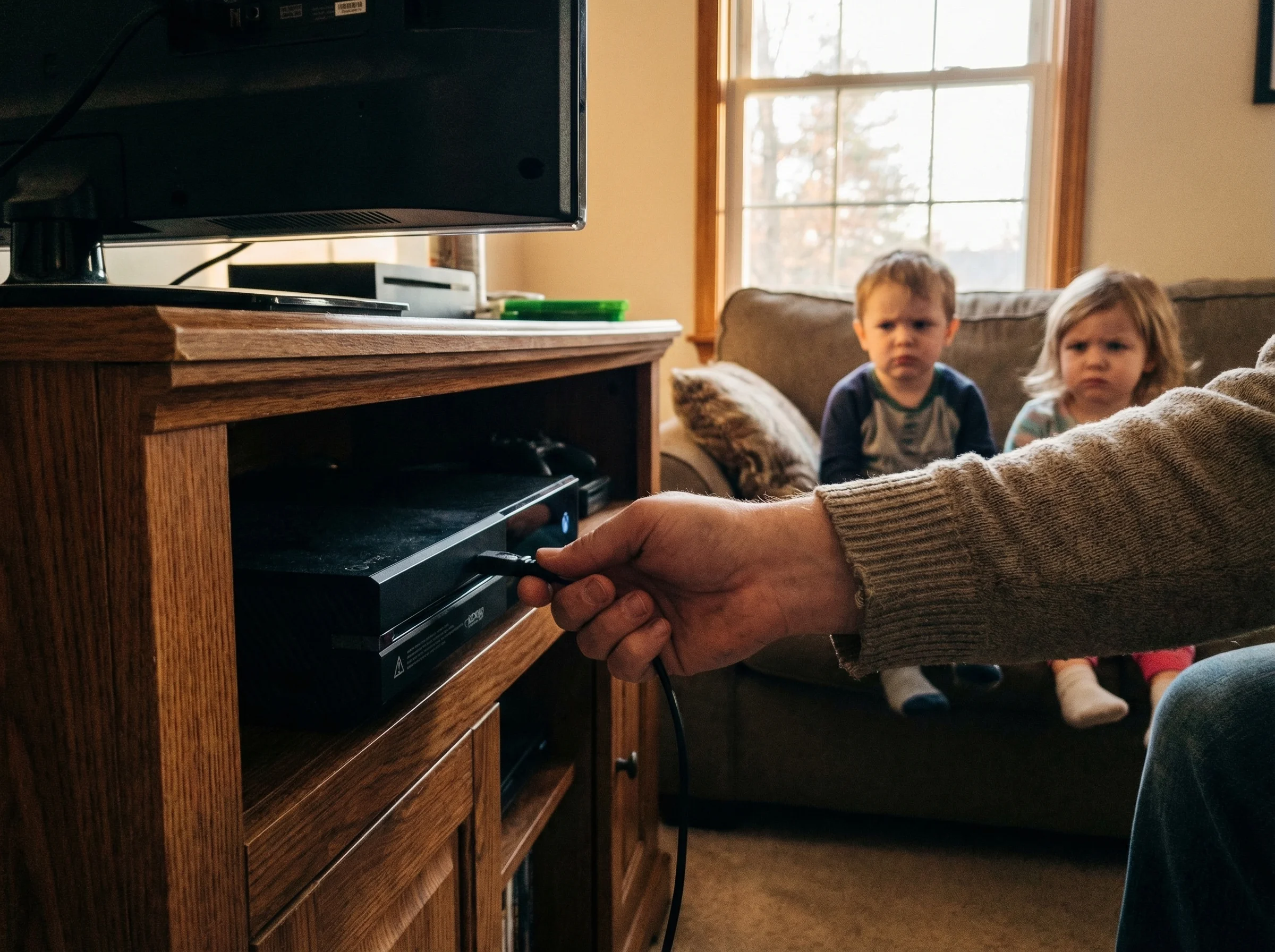
For serious infractions (hitting, destroying property, malicious account sabotage), we have the "nuclear option" - complete gaming blackout for a set period. But here's the key: there's always a path to redemption. You hit your brother? Three days no games, then you can earn back time by showing you can handle frustration better with non-gaming activities first.
The nuclear option works because:
- Kids know exactly what triggers it (we're crystal clear about the lines)
- It's consistent - no negotiation when those lines are crossed
- There's always a way to earn trust back
- We focus on learning new behaviors, not just punishment
Making It Work Without Becoming the Game Police
I can't stand over my kids 24/7 making sure they follow consequences. And honestly? I shouldn't have to. Here's how we make consequences self-enforcing:
Tech tools that help:
- Parental controls that enforce time limits automatically
- Separate user profiles so they can't mess with each other's progress
- Screen time apps that require both kids to "check in" for shared gaming
Kid-enforced systems:
- They track their own turn times (with oversight)
- Natural consequences when they don't cooperate
- Peer pressure from friends who won't play with someone being a jerk
The buddy system: Sometimes I'll make them accountable to each other. "You two figure out fair turns for the next hour. If I hear fighting, tomorrow's gaming time gets cut in half." Amazing how well they can cooperate when they're both invested in the outcome.
What Actually Works (From a Dad Who's Tried Everything)
After years of trial and error, here's what actually reduces sibling gaming fights in our house:
-
Respect their digital property - Their game saves and progress matter to them. Treat it that way.
-
Make them part of the solution - Kids follow rules better when they help create them.
-
Use the games themselves - Natural consequences through gameplay teach better than any lecture.
-
Connect consequences to the specific conflict - Generic punishments teach generic lessons (aka nothing).
-
Always provide a path forward - Kids need to know how to make things right.
-
Ask questions that build empathy - "How do you think your sister felt when you..." works better than "That was mean."
The Real Truth About Gaming Consequences
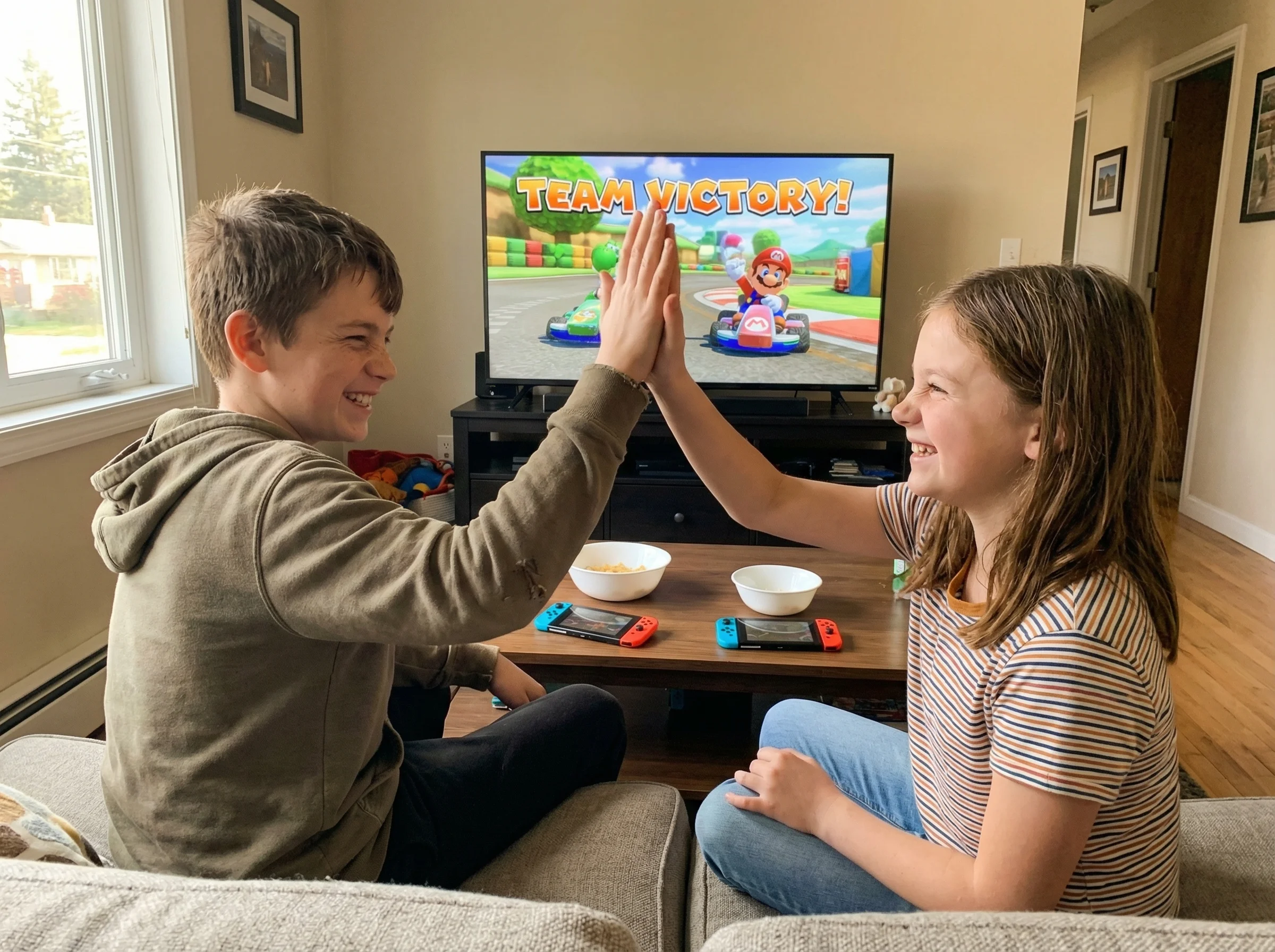
Here's what no parenting blog will tell you: sometimes the best consequence for siblings fighting over games is making them play together MORE, not less. I know it sounds crazy, but forcing cooperation in a game they both love teaches better lessons than any punishment.
My kids fought constantly over Mario Kart until I made them do team races together for a week. They had to work as a team against the computer. First day was rough. By day three, they were strategizing together. By the end of the week? They were choosing to play team mode on their own.
The goal isn't to stop all sibling gaming conflicts. That's impossible. The goal is to teach them how to handle those conflicts better each time. And yeah, they still fight sometimes. But now they have tools to work through it - tools they created themselves.
For Tomorrow Night: Repair conversations are easier with a stack of conversation cards for families with gamer kids on the table to anchor the talk after the consequence.
Your Next Step
Today, try this: Next time your kids fight over a game, resist the urge to immediately punish. Instead, pause and ask: "What are you really upset about?" Listen to the answer. Not the surface "it's my turn" answer, but the real issue underneath.
Then, instead of imposing your consequence, ask them: "How do you think we should fix this?" You might be surprised by their solutions. And even if their ideas are terrible, you're teaching them to think about resolution, not just reaction.
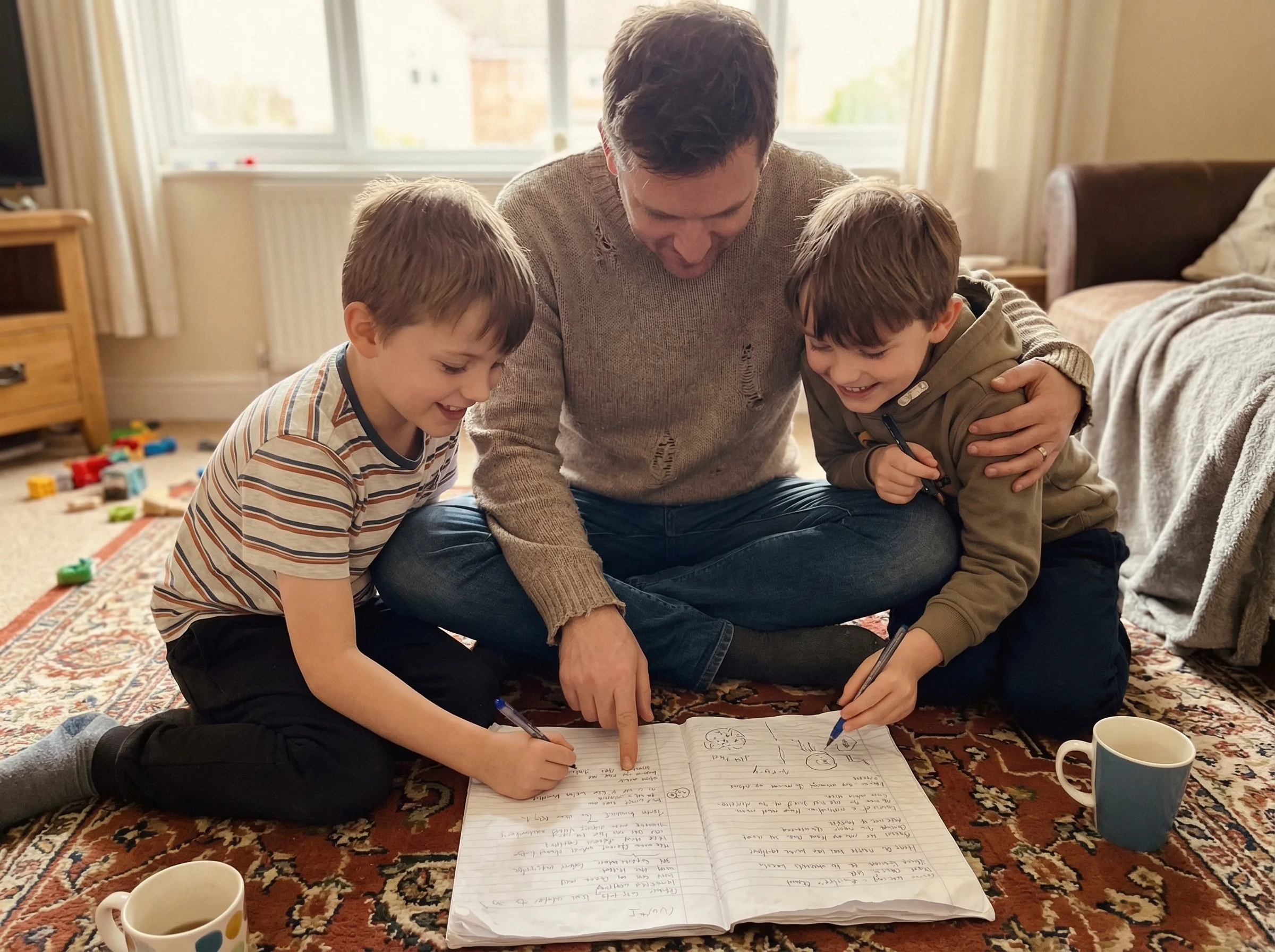
Fair warning: this approach takes more time upfront than just sending everyone to their rooms. But it saves you from having the same fight every single day for the next five years. Trust me on that one.
Remember, the best consequences for gaming fights aren't about winning the battle - they're about teaching your kids how to handle the next one better. And maybe, just maybe, enjoying some cooperative gameplay along the way.
When the truce needs wordsPause, Play, Connect: Core Deck172 prompts that turn a truce between siblings into an actual conversation.$49 CAD • 90 cards • 18 reviewsShop the deck

