
I used to worry that video games help my kid calm down a little too well, like maybe he was "addicted" to Minecraft because he'd rush to it after hard days. Then I realized I do the exact same thing with Netflix after work. The difference? Nobody judges me for needing to decompress.
Last Tuesday, my 11-year-old came home from school looking like he'd been through a blender. Failed math test, lunch table drama, and his best friend was home sick. I watched him drop his backpack, grab the controller, and load up his Minecraft world. Twenty minutes later? Different kid. Shoulders relaxed, breathing steady, actually able to tell me about his day.
That's when it really hit me. He wasn't escaping reality. He was regulating his emotions in the safest way he knew how.
Why Gaming Calms Kids Down (It's Not What You Think)
Here's what took me way too long to understand: when kids use games to calm down, it's not about the pretty colors or even the dopamine hits everyone warns you about. It's about control.
Think about your kid's day. They don't choose their schedule, their classmates, their lunch options, or when they can use the bathroom. They live in a world of other people's rules. Then they come home and boot up a game where they're in charge. They decide what to build, where to go, who to talk to. For an anxious kid, that control is everything.
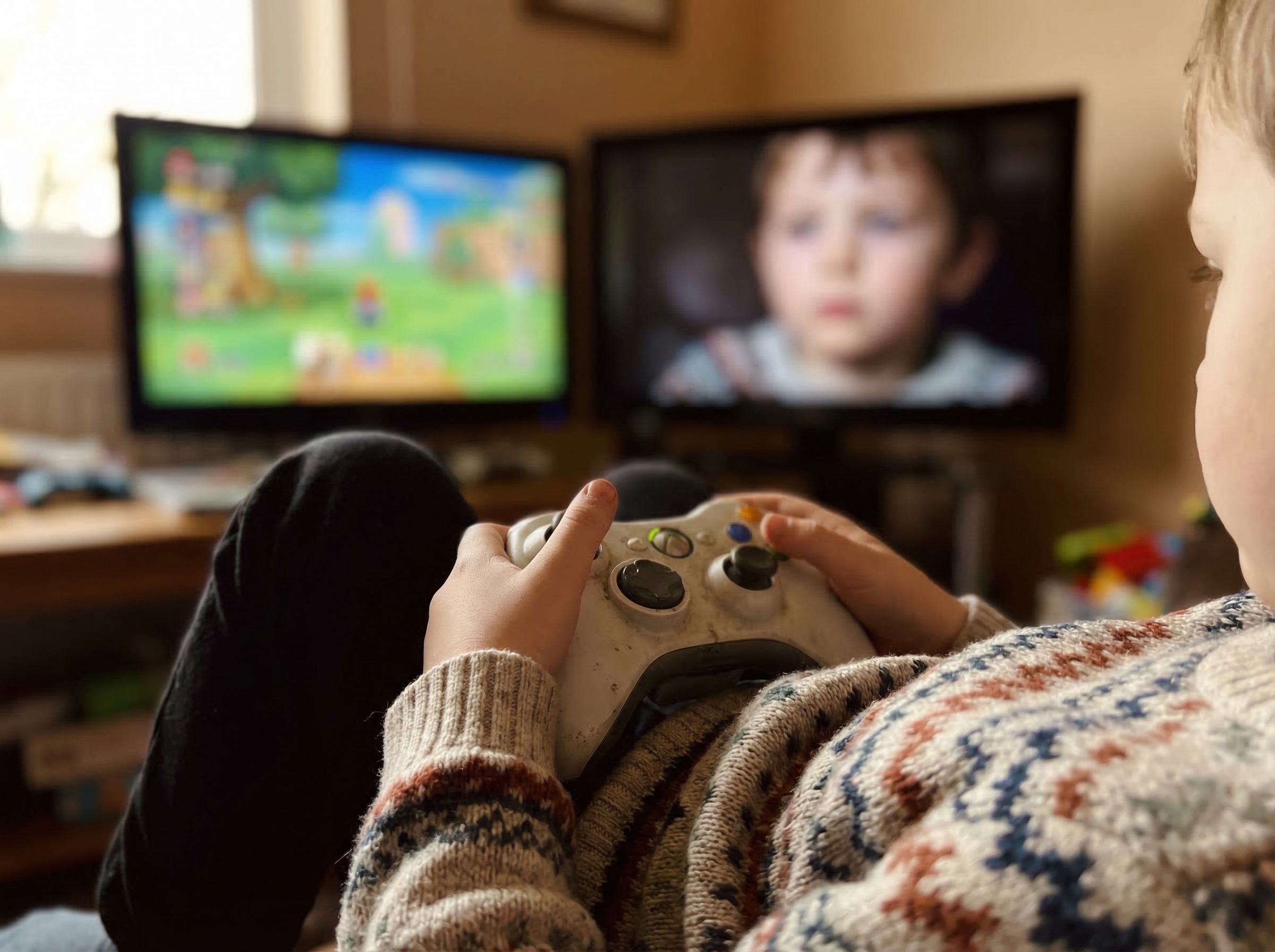
I learned this the hard way. My oldest would come home wound tighter than a spring. I'd suggest deep breathing (he'd roll his eyes), going for a walk (yeah right), or talking about feelings (absolutely not). But put him in his Minecraft world where he could organize, build, and create? Magic. His breathing would slow without me mentioning it. His voice would drop from that high, stressed pitch. He was literally building his way to calm.
The predictability matters too. In Minecraft, water always flows the same way. In Fortnite, the storm circle follows rules. In Animal Crossing, Tom Nook never surprises you with a pop quiz. When your kid's real world feels chaotic, these predictable game worlds offer something their nervous system craves - consistency.
 Have a question readyPause, Play, Connect: Core Deck172 prompts that give you something to ask about the game your kid just played.$49 CAD • 90 cards • 18 reviewsShop the deck
Different Kids Need Different Games
This one threw me for a loop. I assumed "calming games" meant slow, peaceful stuff. You know, virtual fish tanks and meditation apps. Then I watched my younger son try to relax with Animal Crossing. Disaster. He lasted five minutes before he was more wound up than before.
Turns out he needs Rocket League to calm down. Yes, the crazy car soccer game with explosions.
Here's why it works for him: his anxiety runs fast. His thoughts race, his body vibrates with nervous energy. Slow games make him feel trapped. But Rocket League? It matches his internal speed. Five minutes of intense matches and suddenly his real-world anxiety has somewhere to go. It's like he's burning off the mental energy physically.
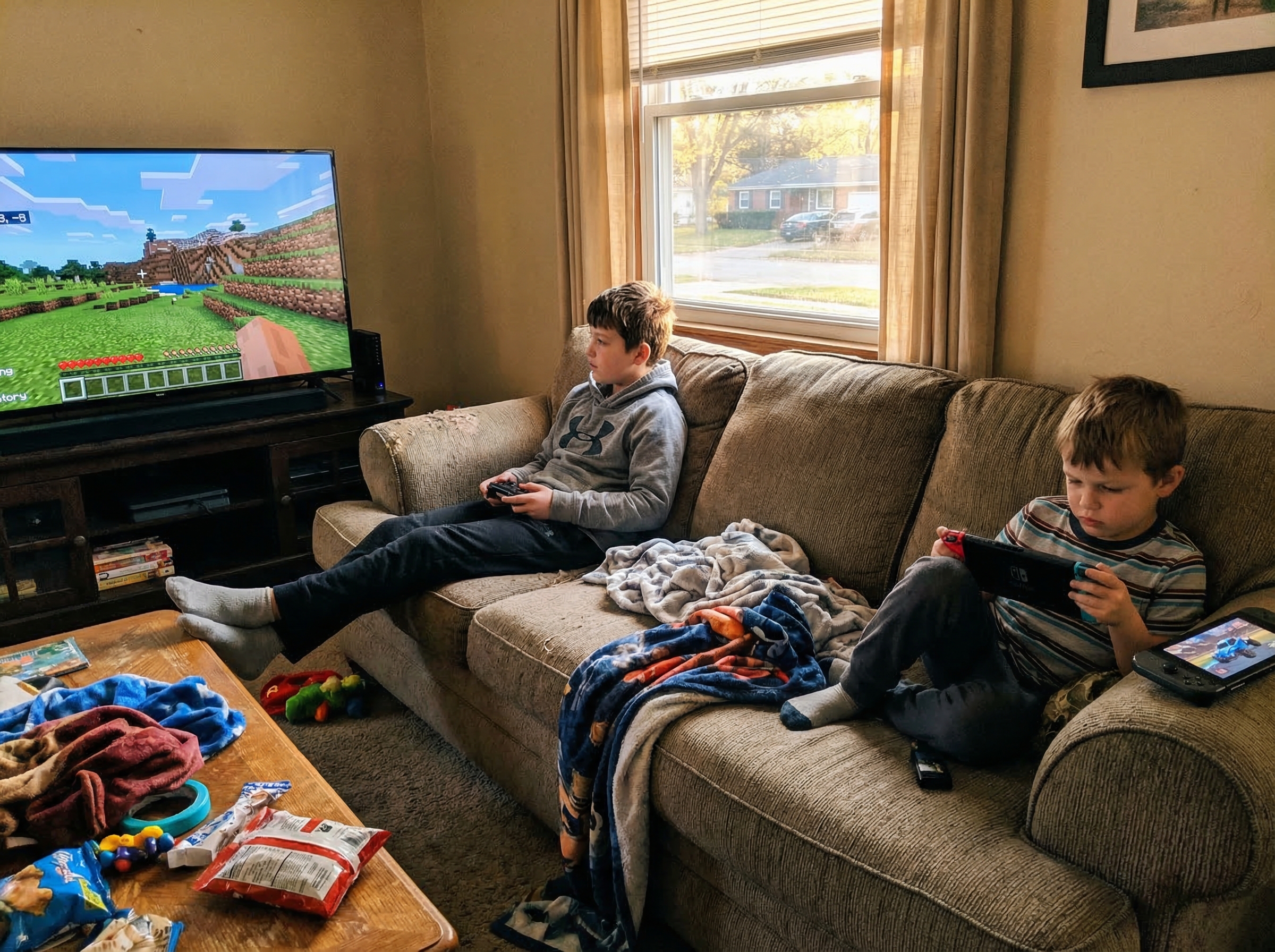
Meanwhile, his older brother finds Rocket League stressful. He needs creative control. Building games, strategy games, anything where he can plan and execute without time pressure. Same family, same parents, completely different nervous systems.
Some patterns I've noticed:
- Kids who need control often love building or strategy games
- Kids with social anxiety might find online games with friends less stressful than real-world hangouts
- Kids with racing thoughts sometimes need fast-paced games to match their mental speed
- Kids who feel overwhelmed might need solo games without social pressure
The key is watching your kid, not following some list from a parenting blog.
The Hard Truth About "Just Five More Minutes"
This is where things get tricky. When gaming is your kid's regulation tool, transitions are brutal. You're not just asking them to stop having fun. You're asking them to leave their calm space and face whatever they were escaping from. The path here is to turn screen time into connection time rather than treat it as the enemy that has to be cut off.
I used to handle this terribly. "Time's up! Off the game!" Then wonder why my regulated kid turned back into a stress ball. Now I know better.
The bridge strategy changed everything for us. Instead of announcing game time is over, I start by asking about the game. "What are you working on?" or "How's your world coming along?" This isn't manipulation - it's recognition. I'm acknowledging that what they're doing matters.
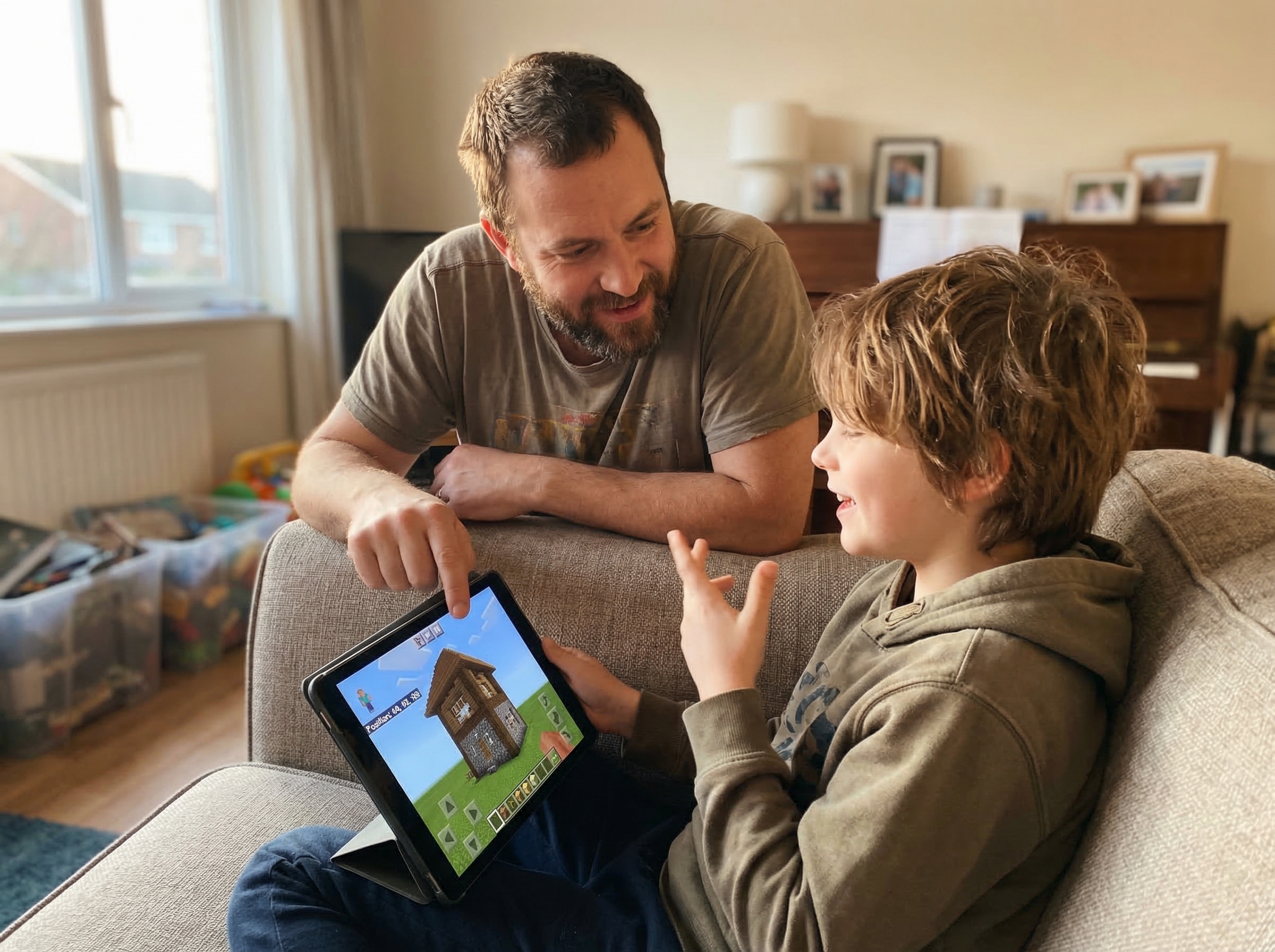
Then we created a ritual. Not a timer, not a battle, but a predictable transition. For my Minecraft kid, it's "Find a good stopping point in the next ten minutes and tell me about what you built today." For my Rocket League kid, it's "Finish this match and we'll check your rank progress."
The game debrief became our secret weapon. Those first few minutes after gaming, when they're still calm but back in the real world? Gold. That's when they'll actually talk about the math test or the friend drama. But you have to ease them out, not yank them. A deck of conversation cards for families gives you ready-made prompts so you do not lose the window thinking about what to ask.
 Between the session and dinnerPause, Play, Connect: Core Deck$49 CAD • 172 promptsSee the deck
When Partners and Parents Don't Get It
My wife was on board pretty quickly, but the grandparents? Different story. My mom visited last spring when my oldest was going through a rough patch. He'd game for an hour after school before he could handle homework. She saw this as "rewarding bad behavior" and threatened to take the Xbox away.
The explosion was epic. Not from my son - from me finally standing up and explaining.
Here's what I've learned to say:
To the "you're enabling" crowd: "He's learning to recognize when he needs to regulate and choosing a tool that works. Would you prefer he punch walls?"
To the "in my day" people: "You had your coping mechanisms too. His just happens to involve a screen."
To the "what about limits?" worried folks: "We have limits. They're just different from what you expect. He can game to calm down, but he also knows when it's not helping anymore."
The key is comparing it to adult coping mechanisms. I tell skeptics, "You know how you need to decompress with a book after a stressful day? He needs to decompress with Minecraft. Same need, different tool."
Setting boundaries WITH your kid instead of FOR them makes the biggest difference. My sons helped create our gaming agreements. They know gaming helps them calm down, but they also recognize when they're using it to avoid instead of regulate. That awareness didn't come from me lecturing. It came from conversations during those calm post-game moments.
Building Beyond the Game
Here's what nobody tells you - the real magic happens after the gaming. That calm state your kid reaches? It's the perfect time for connection. But you have to approach it right.
Questions that work:
- "What helped you feel better while you were playing?"
- "I noticed you seemed stressed earlier. Feeling more settled now?"
- "Tell me about what you were working on"
- "That looked intense - what was happening?"
Questions that don't work:
- "Done wasting time yet?"
- "Ready to do something productive now?"
- "Don't you think you play too much?"
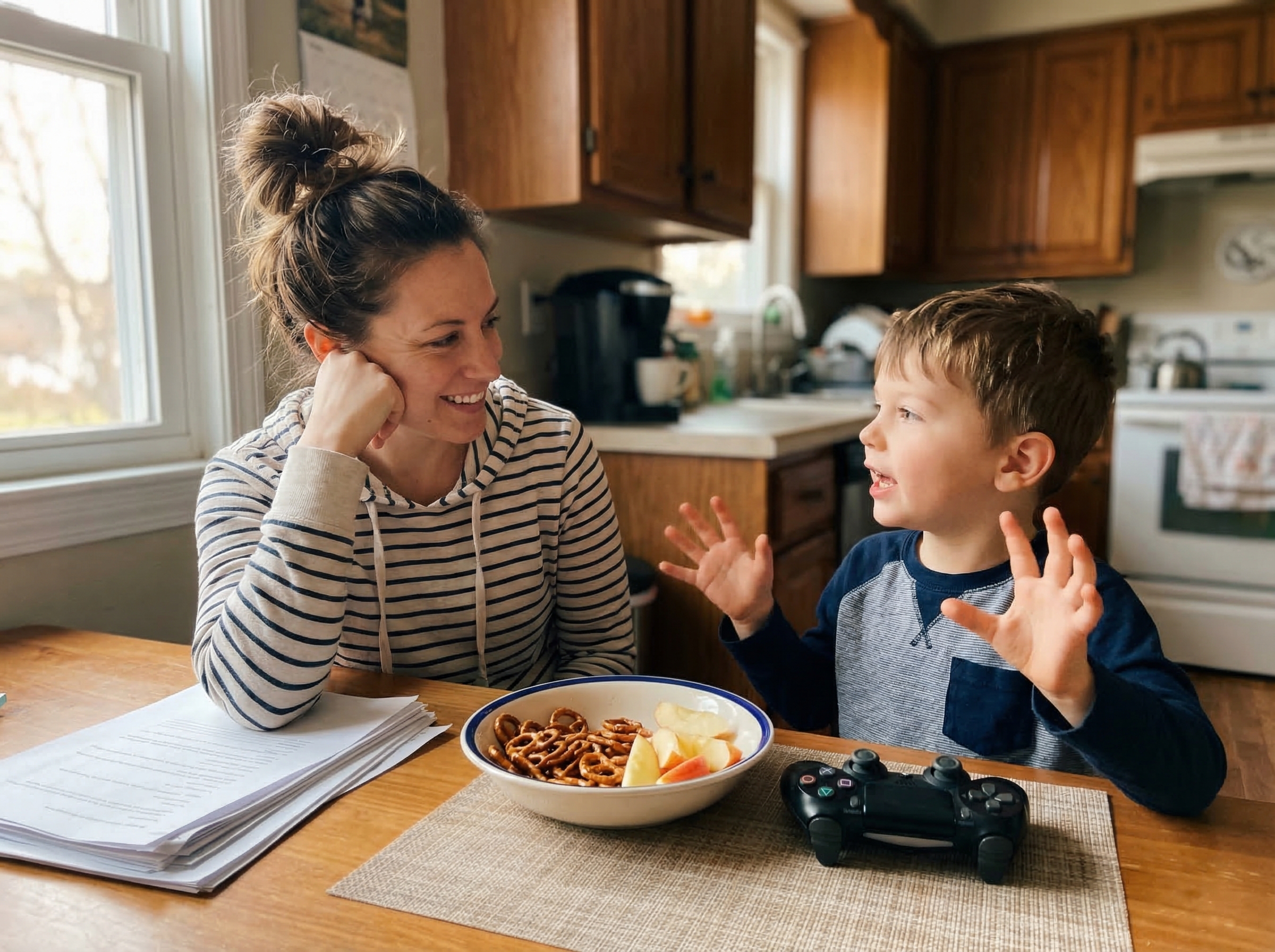
The goal is to help kids recognize their own patterns. My oldest can now tell me, "I need about 30 minutes of building to decompress after school." That's huge. He's not mindlessly gaming - he's consciously using a regulation tool.
One dad in my circle started using conversation cards designed for gaming families, and his daughter finally explained why Animal Crossing helped her anxiety. Turns out organizing her island gave her a sense of control when her real room felt too overwhelming to tackle. Once he understood that, they could work together on both spaces.
When Gaming Stops Helping
Let's be real - sometimes gaming shifts from helping to hurting. The difference between decompression and escape is huge, and it's not always obvious.
Warning signs that caught my attention:
- Gaming becoming the ONLY way they can calm down
- Increasing time needed for the same calming effect
- Choosing games over sleep consistently
- Isolation from friends who don't game
- Anxiety spiking higher when they can't access games
We hit this point with my oldest last year. Gaming went from his tool to his only tool. The conversation wasn't easy, but framing it as "expanding your toolkit" rather than "gaming is bad" made all the difference.
"I notice Minecraft helps you calm down, which is great. What else could we add to your calm-down toolkit for times when gaming isn't available?"
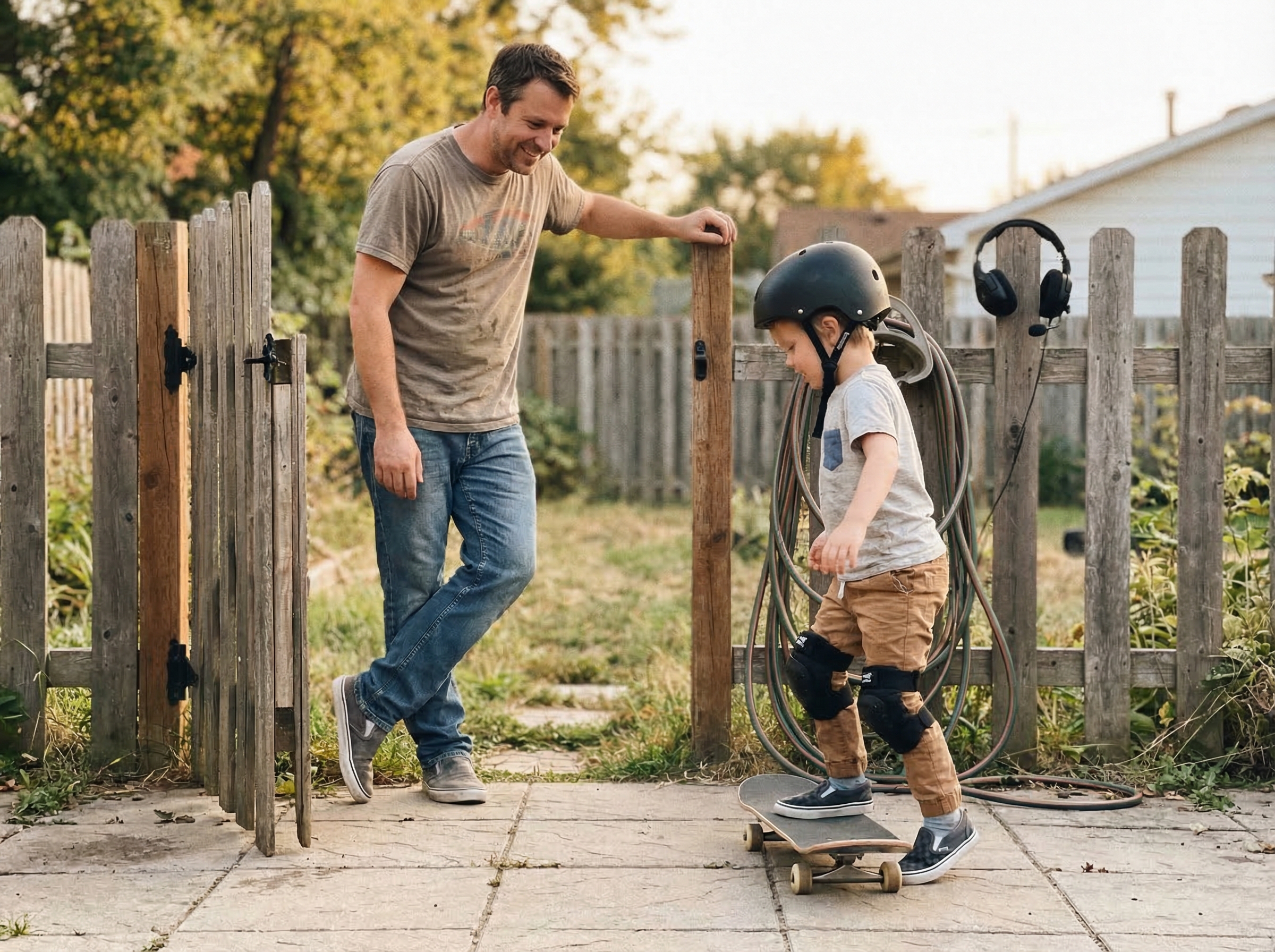
We didn't take gaming away. We added other things. Rock climbing gave him that same sense of mastery. Drawing provided creative control. Gaming stayed in the toolkit, just not as the only tool.
Your Permission Slip
Here's what I wish someone had told me three years ago: letting your kid use video games to calm down doesn't make you a lazy parent. It makes you a parent who recognizes what works for your specific kid.
The guilt is real though. Every time you see another "kids and too much screen time" article, you wonder if you're ruining them. When other parents brag about their screen-free houses, you feel like you're failing.
But here's the thing - your kid isn't their kid. Your anxious, intense, beautiful child might need different tools than the neighbor's kid who calms down with yoga. That's not failure. That's parenting the kid you have, not the kid Instagram thinks you should have.
Try reframing it. Instead of "my kid spent an hour on screen time," try "my kid spent an hour practicing emotional regulation." Instead of "gaming again," think "using his coping strategy." The words matter, especially the ones in your own head.
The question that changed everything for our family: "Is this helping you feel better or helping you avoid feeling?" Teaching kids to recognize the difference gives them a skill for life.
Your Next Step
Tonight, when your kid games, watch them. Not the screen - watch their body. Watch their shoulders drop, their breathing slow, their face relax. Then, when they finish, ask one question about what they were doing. Not why they like it, not how long they played, just what happened in their game world today.
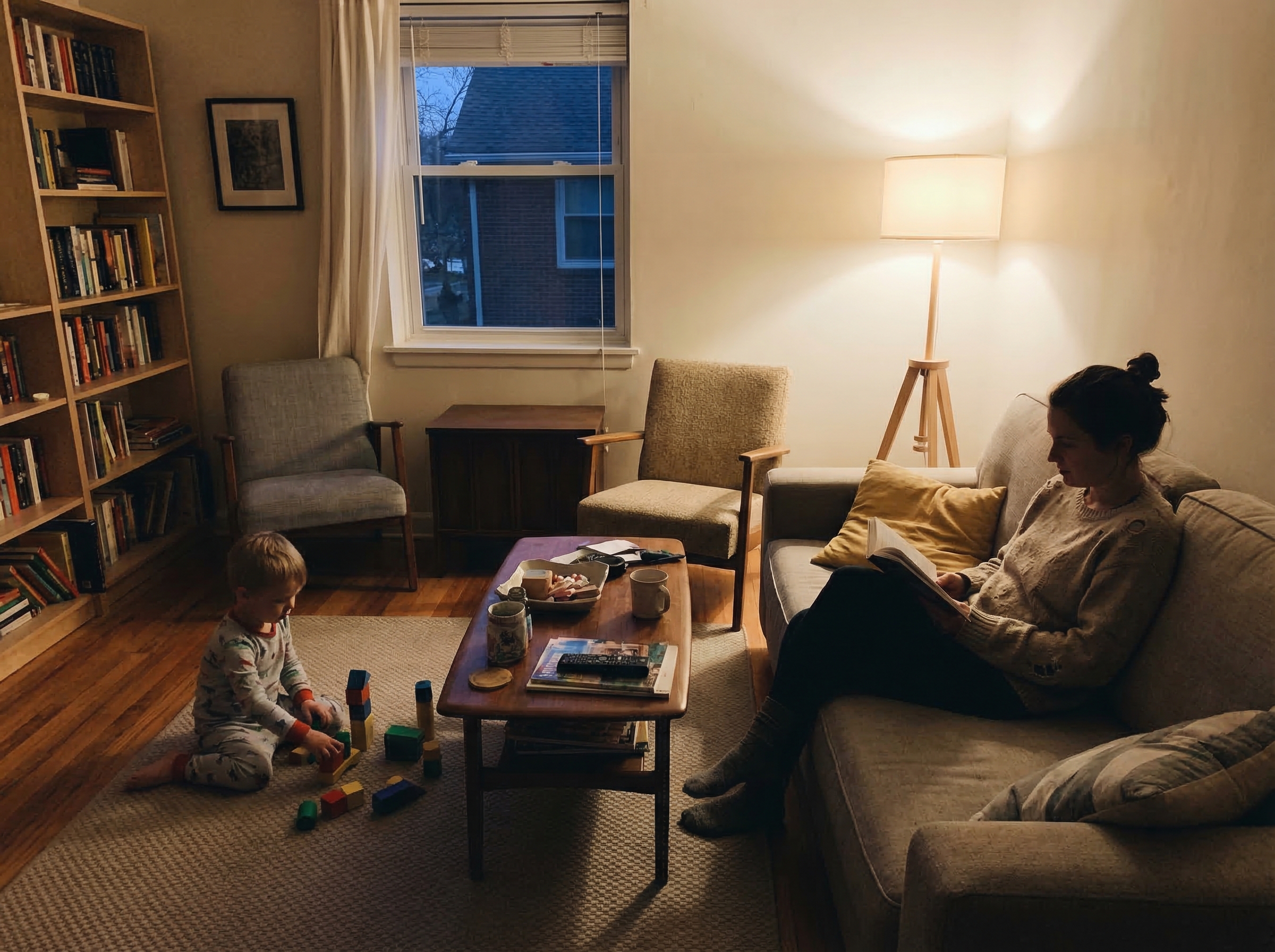
That's where connection starts. In recognizing that their digital world matters because it helps them handle their real world.
And if you're still feeling lost about how to connect with your gaming kid? That's normal too. We're all figuring this out as we go, one respawn at a time.
Talk about the game itselfPause, Play, Connect: Core Deck172 prompts about games and family life, for the evenings when you want something to ask.$49 CAD • 90 cards • 18 reviewsShop the deck
Related Articles
Looking for more? Check out these related articles:

