
My son died to the same boss 200 times. Not exaggerating - he kept count. What happened next taught me more about completing games teaching perseverance skills than any parenting book ever could.
This was Hollow Knight, final boss. Pure Vessel. If you know, you know. If you don't, imagine a fight so brutally difficult that grown adults post celebration videos when they finally beat it. My 12-year-old decided this pixelated nightmare was his mountain to climb.
For three months, I watched him fail. And fail. And fail again. Controller slammed down. Tears of frustration. "This is impossible!" shouted at least fifty times. I almost stepped in so many times. Almost said "maybe try a different game." Almost suggested we look up cheats. Almost did what I thought good parents do - protect their kids from unnecessary frustration.
Thank God I kept my mouth shut.
 After they finish the gamePause, Play, Connect: Core Deck172 prompts that give you a way to ask about the game your kid just finished.$49 CAD • 90 cards • 18 reviewsShop the deck
The 200-Death Lesson
For the bigger frame, see our pillar piece on turn screen time into connection time.
Around death 150, something shifted. He stopped counting failures and started counting attempts. "Dad, I almost got to phase two that time!" Phase two. Like it was NASA mission control, not a video game. He started recording his fights, studying them like game tape. YouTubed strategies. Tried new charm combinations (don't ask me what those are, but apparently they matter).
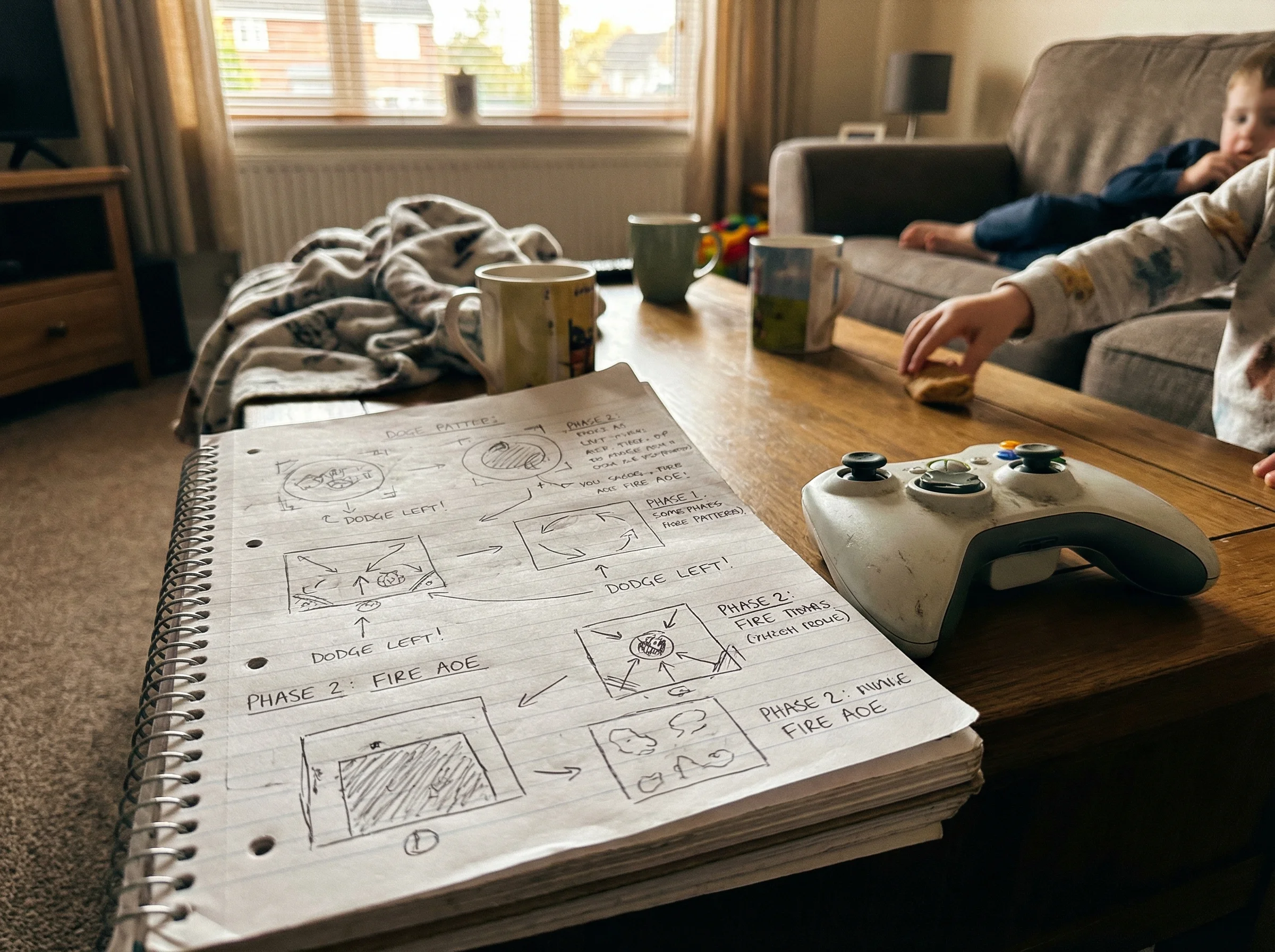
Death 189 was different. I was making dinner, heard silence from the living room. Not good silence - that tense, breath-held silence. Peeked around the corner. He was in the zone. Dodging attacks I couldn't even see coming. Managing some kind of soul meter while platforming while attacking. It was like watching a pianist play a piece they'd practiced a thousand times.
Death 200 wasn't a death at all.
"I did it," he said. Not screaming. Not celebrating. Just... satisfied. Like he'd proven something to himself that had nothing to do with the game.
That's when it clicked for me. The perseverance wasn't in the winning. It was in death 67 when he came back the next day. Death 134 when he switched strategies instead of repeating the same failing approach. Death 178 when he asked for headphones so he could hear attack patterns better.
The game didn't teach him perseverance. His decision to keep playing did.
Not All Game Struggles Are Created Equal
Here's what nobody tells you about completing games teaching perseverance skills - different challenges build different mental muscles. After watching three kids game for years, I've noticed patterns:
Skill walls are what my son faced in Hollow Knight. Dark Souls has them. Cuphead is basically one giant skill wall with jazz music. These require physical practice, pattern recognition, motor memory. Kids learn that complex tasks can be broken down and mastered through repetition. My daughter spent two weeks learning to parry in Sekiro. Two weeks on one mechanic. Now she approaches piano practice the same way.

Knowledge gaps show up in puzzle games. Zelda temples. Portal test chambers. Minecraft redstone contraptions. These teach a different perseverance - the patience to experiment, to be wrong fifty times before finding the right answer. My youngest once spent an entire Saturday figuring out how to build an automatic chicken farm in Minecraft. Eight hours. One chicken farm. The perseverance here isn't in repeating - it's in trying new approaches.
Patience tests are the grind. Animal Crossing debt. Pokemon leveling. Stardew Valley crop cycles. This is delayed gratification perseverance. My middle kid saved 500,000 bells in Animal Crossing for some fancy bridge. Took her six weeks of daily play. She learned that some goals just take time, no matter how skilled you get.
Recognizing which type your kid faces matters. Skill walls need practice. Knowledge gaps need experimentation. Patience tests need... patience. Getting this wrong is like telling someone stuck on a Rubik's cube to "just practice more." Wrong tool for the job.
The Quitting Conversation That Changes Everything
"Dad, this game sucks. I'm done."
Every gaming parent hears this. Here's the conversation that changed everything in our house:
"Is it hard-frustrating or bad-frustrating?"
Sounds simple. Took us months to figure out the difference. Hard-frustrating means the game is challenging but fair. You can see what you did wrong. You feel like you're getting slightly better each time. Bad-frustrating means broken controls, unclear objectives, or difficulty that's just punishing without purpose.
My framework:
- Can you explain what's beating you? (If yes, probably hard-frustrating)
- Are you making any progress, even tiny improvements? (If yes, keep going)
- Does the game feel unfair or just difficult? (Unfair = quit)
- Are you learning anything from each failure? (If no, move on)
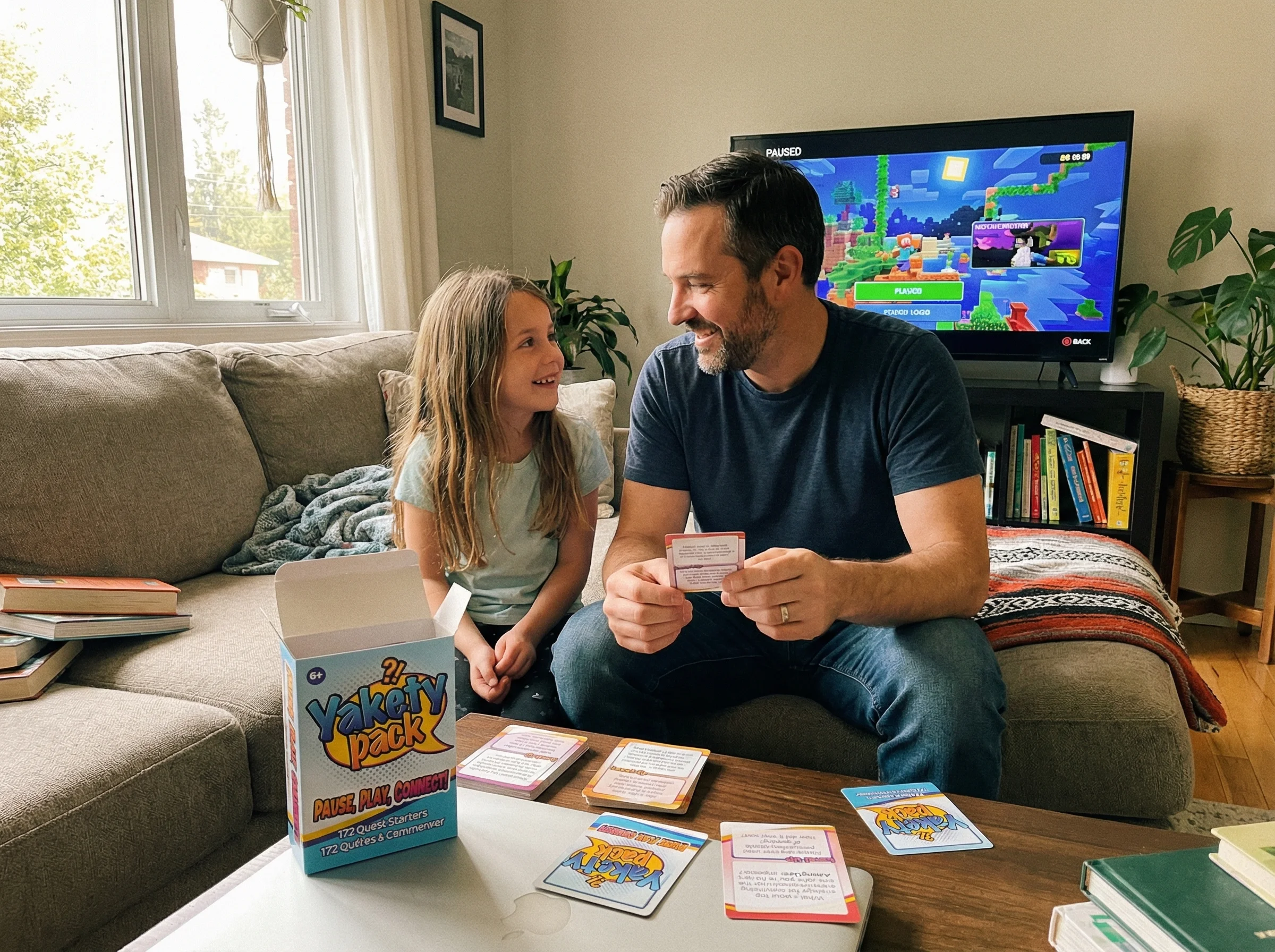
Real example: My daughter quit Battletoads after an hour. Good call - that game is bad-frustrating by design. Same kid stuck with Ori and the Blind Forest through multiple rage moments because she could feel herself improving. She knew the difference.
The "parking lot" strategy saves games that aren't clicking. "Let's put this in the parking lot and try again in six months." No shame, no failure, just not the right time. My son parked Bloodborne for a year. Came back and loved it. Sometimes kids need to level up in real life before tackling certain game challenges.
 Ask how it endedPause, Play, Connect: Core Deck$49 CAD • 172 promptsSee the deck
Your Role in Their Boss Battles
"You can do it!" is the worst thing I used to say. Sounds supportive. Actually meaningless. Here's what works better:
"What have you tried?" Gets them thinking strategically instead of emotionally.
"What could you try next?" Shifts focus from failure to possibility.
"Want to show me what's happening?" Sometimes explaining the problem out loud reveals the solution.
"Remember when you couldn't do [previous challenge]?" Connects current struggle to past victories.
The Cuphead co-op disaster taught me something crucial. My daughter and I attempted that game together. We were equally terrible. Died constantly. But dying together changed everything. Instead of her failing while I watched, we problem-solved as a team. "Maybe if you handle the pink objects while I focus on shooting?" "What if we stay on opposite sides?"
We never beat Cuphead. Doesn't matter. Those shared deaths taught more about perseverance than any solo victory could. Now when she's stuck on something, I don't offer advice from the sidelines. I grab a controller and fail alongside her.
For the Tough Level: A curiosity card lands during the in-between beats. Leave the Pause, Play, Connect deck out so a prompt is close by when you sit down together.
Making Completion Meaningful (Without Making It Mandatory)
For the Long Build: Connection grows from many small low-pressure conversations. A deck of conversation cards for families with gamer kids on the table makes those talks routine.
Forced completion kills everything games teach naturally. "You started it, you finish it" turns gaming into homework. Here's what we do instead:
The "victory lap" tradition started accidentally. My son finally beat that Hollow Knight boss, and I asked him to show me the fight again. Not to prove it - just because I wanted to see this thing that had consumed three months of his life. He loaded up the save file before the boss and destroyed it in one try. We both just sat there for a minute, appreciating the difference between first attempt and mastery.

Now every big gaming victory gets a victory lap if they want. Beat a tough boss? Show the family. Finally finish that massive Minecraft build? Give us a tour. The key - they choose what to share. Some victories they keep private. Others become family legend.
One night at dinner, my wife asked about everyone's day. My youngest said, "Remember the Hollow Knight boss?" That's it. That's all he said. We all knew he meant he'd pushed through something difficult at school. The game had become our family shorthand for perseverance.
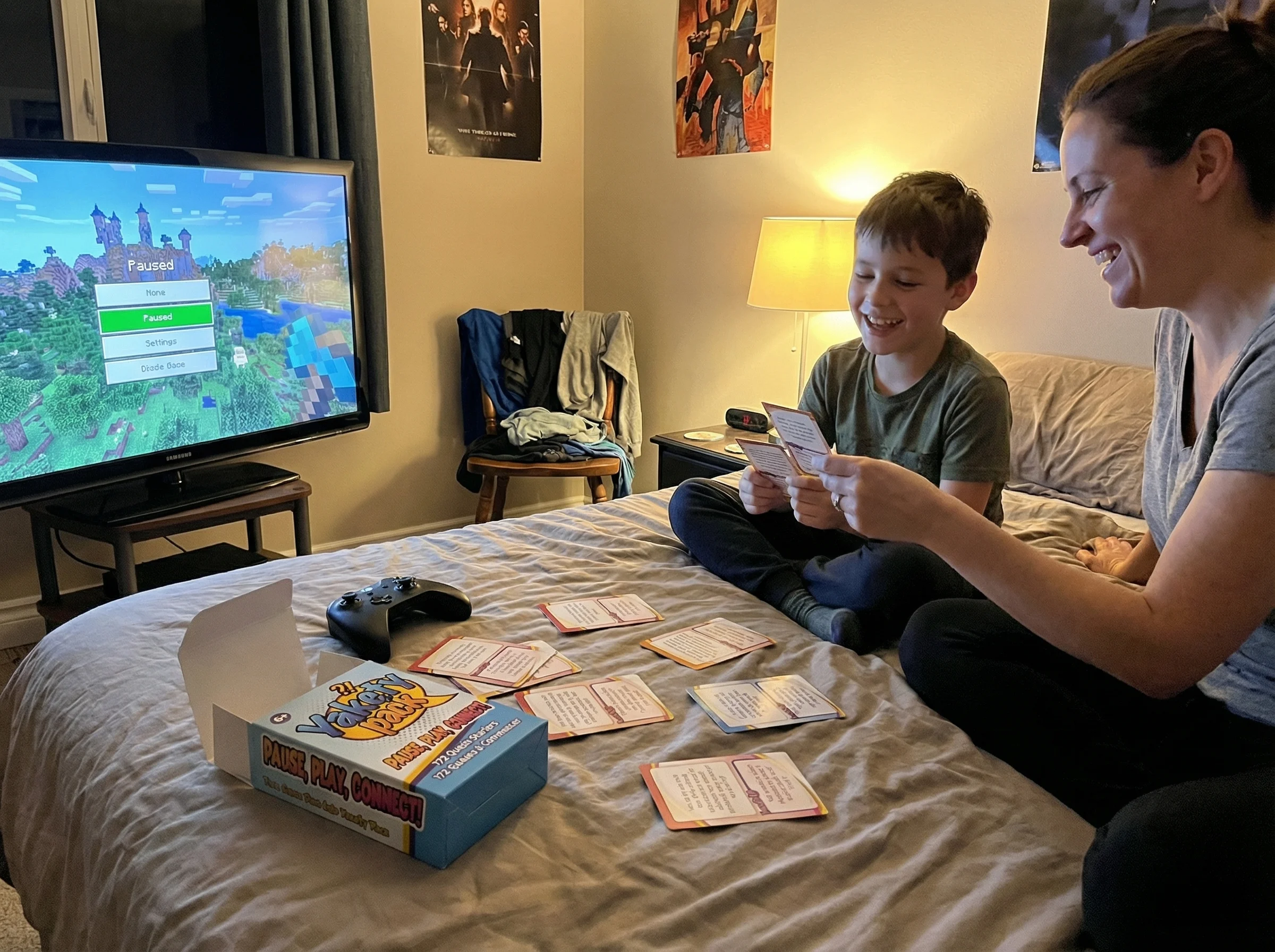
This is where Yakety Pack cards work perfectly. One asks about greatest gaming achievements. Kids light up sharing these stories. Not because we're forcing reflection, but because they're genuinely proud of what they overcame.
The Games That Actually Work for Teaching Perseverance Skills
Not all games teach perseverance equally. Here's what actually works:
Ages 6-9: Mario games remain undefeated. Clear challenge progression. Instant retry. Visual progress through worlds. Minecraft on peaceful mode - different perseverance through long-term building projects.
Ages 10-13: Celeste deserves a medal. Built-in assist mode that kids can adjust without shame. Story literally about climbing a mountain and dealing with anxiety. Ori games. Hollow Knight if they're ready. Zelda games for puzzle perseverance.
Ages 14+: Whatever Souls-like they gravitate toward. Hades for story-driven perseverance (dying is part of the narrative). Monster Hunter for team-based long hunts. Competitive games if they can handle losing as learning.
The surprise hit? Stardew Valley teaches planning and patience better than any "hard" game. My daughter mapped out a two-year farm plan. Two years of game time. That's perseverance without a single boss fight.
When Gaming Perseverance Transfers to Real Life
The transfer isn't automatic. Here's how we help it along:
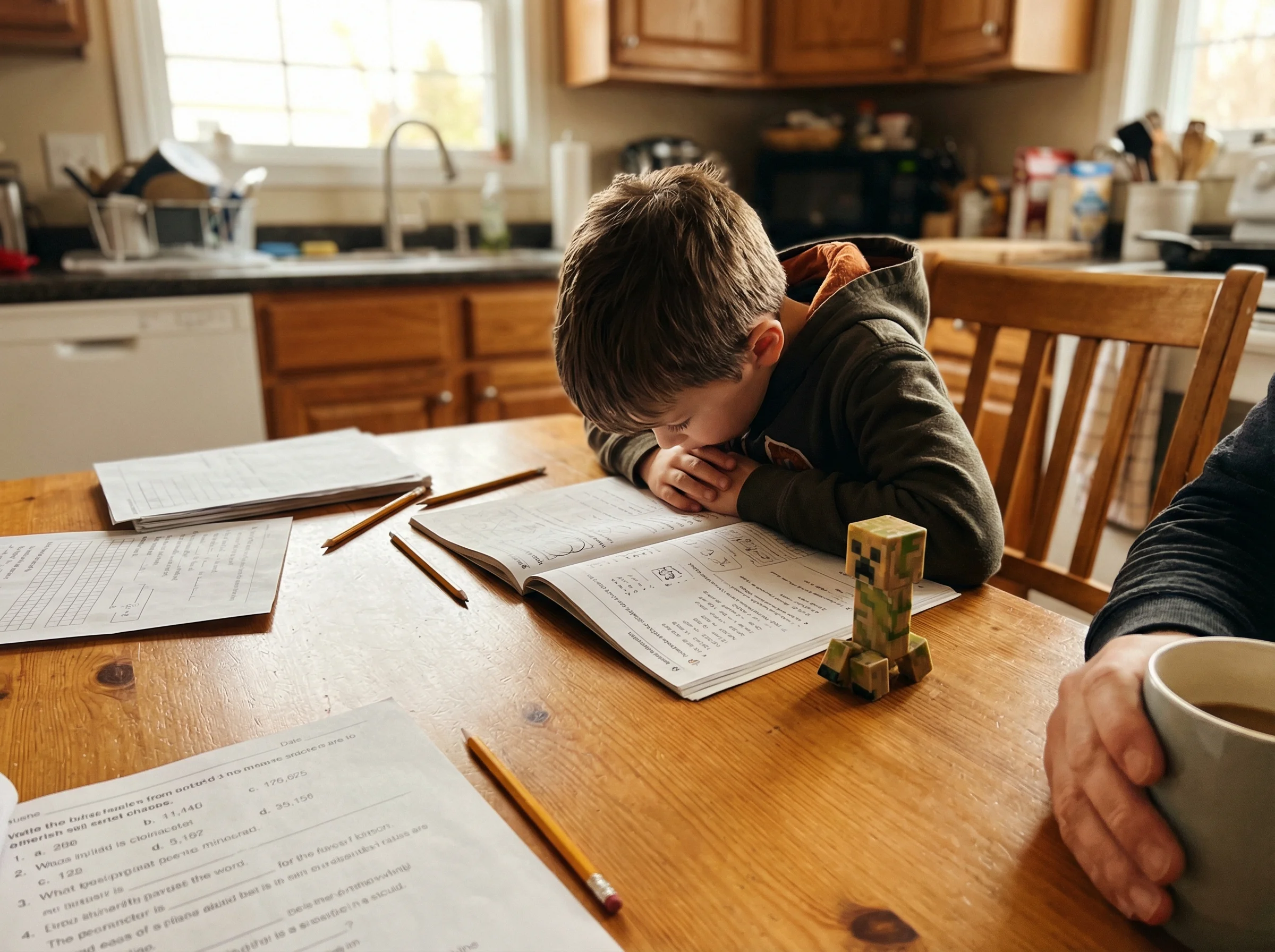
Homework connection happened naturally. Kid stuck on math problems, visibly frustrated. "This is like when you kept dying to that boss. What did you do then?" "I tried different strategies until one worked." Lightbulb moment. Now he approaches homework like game challenges - what strategy haven't I tried yet?
"Remember Hollow Knight" became code in our house. Soccer practice. Piano lessons. School presentations. When things get tough, someone says it. Not pushy. Just a reminder that they've proven they can push through difficulty.
The key is letting them make the connection. Asking "what game challenge does this remind you of?" works better than telling them "this is just like that game." They own the insight when they discover it themselves.
The Reality Check
Sometimes kids need to quit games. Sometimes they'll have complete meltdowns over digital challenges. Sometimes they'll obsess unhealthily. This is all normal. The learning happens in how we handle these moments, not in avoiding them.
My son's 200 deaths taught him perseverance because he chose them. Because I didn't rush in to fix or minimize his struggle. Because we treated his gaming challenges as real challenges worthy of respect.
Your kid rage-quitting might be the first step toward learning perseverance. Or it might just be a kid rage-quitting. The difference is in what happens next - do they come back? Do they try something new? Do they learn to evaluate their own frustration?
That's where we come in. Not to push them through every challenge, but to help them recognize which challenges are worth pushing through. To celebrate the attempt, not just the achievement. To share their failures and victories like they actually matter.
Because they do.
For the Repeat Sessions: A deck of Yakety Pack conversation cards near the gaming setup keeps the post-game ritual going.
The story behind the creditsPause, Play, Connect: Core Deck172 prompts that get you the whole story of a long game, not just the last five minutes.$49 CAD • 90 cards • 18 reviewsShop the deck
Related Articles
Looking for more? Check out these related articles:

