
Look, I'm going to tell you something that took me way too long to figure out: why do siblings turn against each other? It's rarely about the thing they're fighting over.
The day I found my younger son crying because his brother had told all his online friends he was "trash at gaming," I thought I was dealing with typical sibling rivalry. You know, the kind where you separate them for an hour and they're back to normal. But this was different. My boys had gone from building elaborate Minecraft worlds together to literally deleting each other's saves out of spite. They'd transformed from co-op partners to sworn enemies, and I had no idea why do siblings turn against each other like this.
What I discovered changed how I think about sibling relationships forever. And yeah, it involves gaming, but not in the way you might expect.
The Myth of "Just Sibling Rivalry"
The version that plays out around screens has its own dynamics; we mapped them in our piece on sibling gaming conflicts.
Here's what every parenting article gets wrong: they treat all sibling conflict like it's the same thing. Like a four-year-old fighting over blocks is basically identical to teenagers destroying each other emotionally. They'll tell you "it's just a phase" or "they'll grow out of it."
But sometimes they don't.
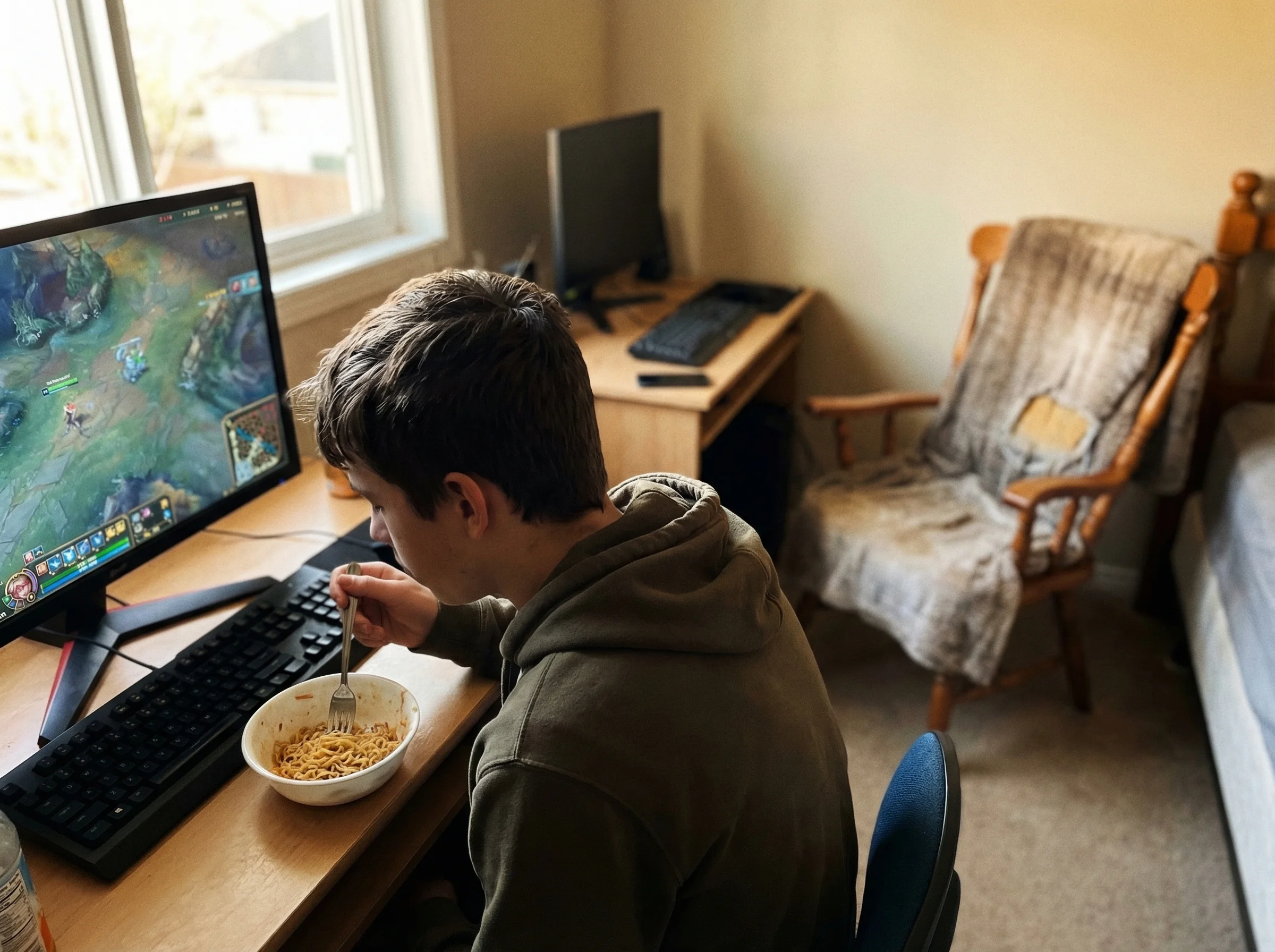
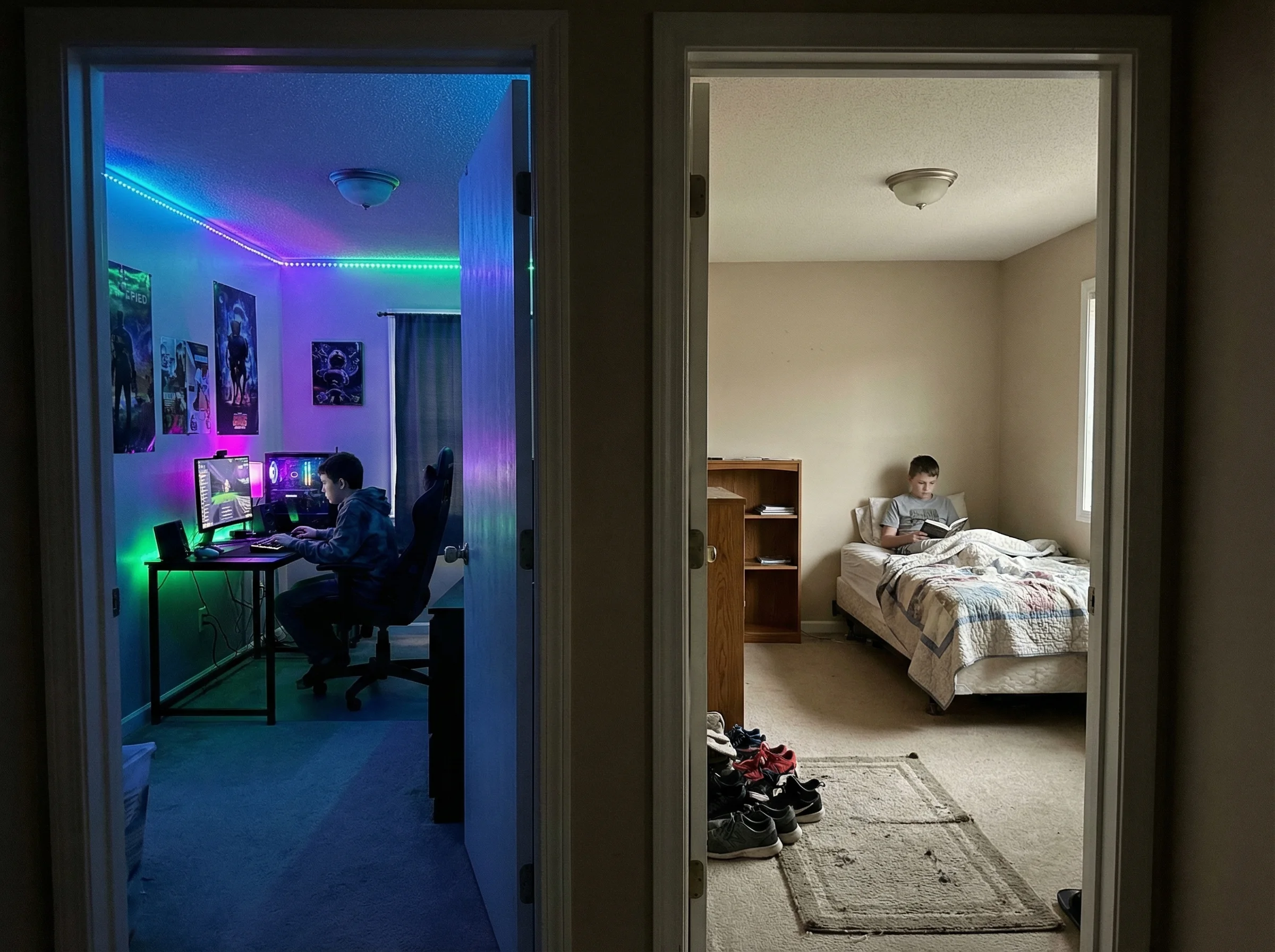
I watched my kids go from sharing a YouTube channel where they posted their gaming highlights to demanding separate rooms, separate gaming setups, separate everything. My older son started eating dinner in his room just to avoid his brother. The younger one would literally turn his chair away if they ended up in the same space.
This wasn't rivalry. This was war.
The breaking point came during what I now call "The Controller Incident." They were playing Rocket League, supposedly on the same team. My younger son missed a save, and his brother didn't just get mad. He stood up, walked over, and snapped his brother's favorite controller in half. Not in a heat-of-the-moment accident. Deliberately. While looking him in the eyes.
That's when I knew we'd crossed into dangerous territory.
 When the sides hardenPause, Play, Connect: Core Deck172 prompts that give a kid a way to name the hurt sitting under the anger.$49 CAD • 90 cards • 18 reviewsShop the deck
Why Love Hurts: The Care Theory of Sibling Conflict
After months of trying to figure out what went wrong, I had a revelation that sounds backwards but makes perfect sense: siblings don't turn against each other because they hate each other. They turn against each other because they care too much and don't know how to handle it.
Think about it. Who else knows exactly what will hurt you most? Who else has watched you fail, succeed, cry over defeats, and celebrate victories? Your sibling has a PhD in what matters to you, and when things go south, they know exactly where to aim.
My boys' gaming rivalry was the perfect example. They'd spent years in the same digital worlds, building the same skills, loving the same games. When my older son started getting recognized for his builds online and his younger brother felt left behind, it wasn't just about Minecraft anymore. It was about identity. Worth. Their place in each other's lives.
The cruelty was proportional to the caring. The more it mattered, the more it hurt.
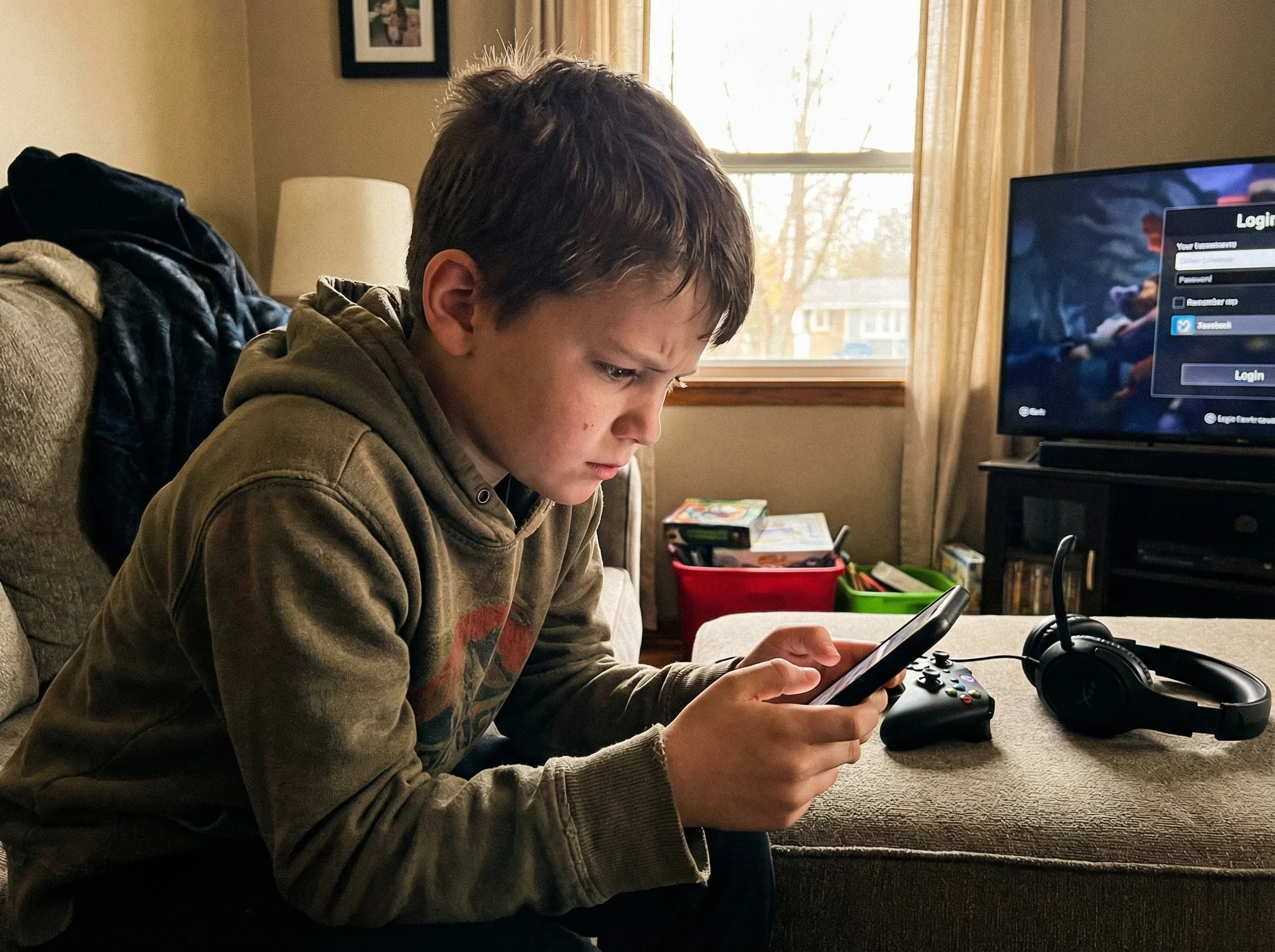
My older son weaponized his brother's favorite streamer, constantly comparing his stats unfavorably. "Even my seven-year-old brother plays better than you," he'd say, knowing that streamer was his brother's hero. My younger son retaliated by "accidentally" deleting saves, spoiling game endings, and once even changing his brother's Xbox password right before a tournament.
They weren't fighting over games. They were fighting over who they were allowed to be.
The Digital Battlefield: How Modern Kids Fight Differently
Here's something nobody talks about: digital conflicts between siblings hit different than physical ones. When I was a kid, if my brother broke my toy, I could see the broken pieces. There was evidence. Adults understood.
But when your sibling deletes your Minecraft world that you've worked on for six months? When they grief your base while you're at school? When they share your embarrassing gaming clips in group chats? That's invisible violence that leaves real scars.
I didn't understand this until I watched my younger son's face when he logged into Minecraft and found his castle covered in lava. His brother had spent hours methodically destroying not just blocks, but memories. Every secret room, every carefully placed decoration, every sign with an inside joke. Gone.
"It's just a game," I almost said. Thank God I didn't.
Because here's what I learned: digital destruction feels more personal than physical destruction. When someone breaks your toy, they're attacking something you own. When someone destroys your Minecraft world, they're attacking something you created. Something that represents hundreds of hours of who you are.
The permanence problem makes it worse. Deleted saves don't come back. Exposed secrets can't be unshared. Screenshots last forever. Kids know this, and they use it.
Reading the Warning Signs (Through Their Interests)
Want to know if your kids' conflict has crossed into dangerous territory? Don't just watch how they interact. Watch how their gaming behavior changes.
Here's what I missed for too long:
The Avoidance Patterns: My younger son stopped playing any game his brother liked. Not because he didn't enjoy them, but because shared interests had become battlegrounds. He'd literally check if his brother was online before logging in.
The Sabotage Mindset: Instead of trying to win, they'd try to make each other lose. My older son would join games just to team-kill. The younger would intentionally feed in team games to tank his brother's rank.
The Interest Weaponization: They stopped sharing discoveries or cool moments. Worse, they'd use each other's interests as ammunition. "Of course you'd like that streamer, he's trash just like you."
The Identity Splitting: They started defining themselves as opposites. If one liked Fortnite, the other suddenly hated all battle royales. If one was into building games, the other became exclusively into shooters.
The red flag I should have seen sooner? When "I don't want to play with them" turned into "I don't want to play what they play" which became "I hate everything they like." That's not rivalry. That's rejection of everything associated with their sibling.
 One kid at a timePause, Play, Connect: Core Deck$49 CAD • 172 promptsSee the deck
The Bridge-Building Approach
The most reliable bridge we have found in our house is a session of cooperative games for arguing siblings, where the structure does the work.
Here's where I messed up initially: I tried to force reconciliation. Made them apologize. Insisted they play together. Lectured about being brothers.
Total failure.
What actually worked shocked me. I stopped trying to minimize their gaming conflicts and started using gaming as a lens to understand what was really happening. But I had to be sneaky about it.
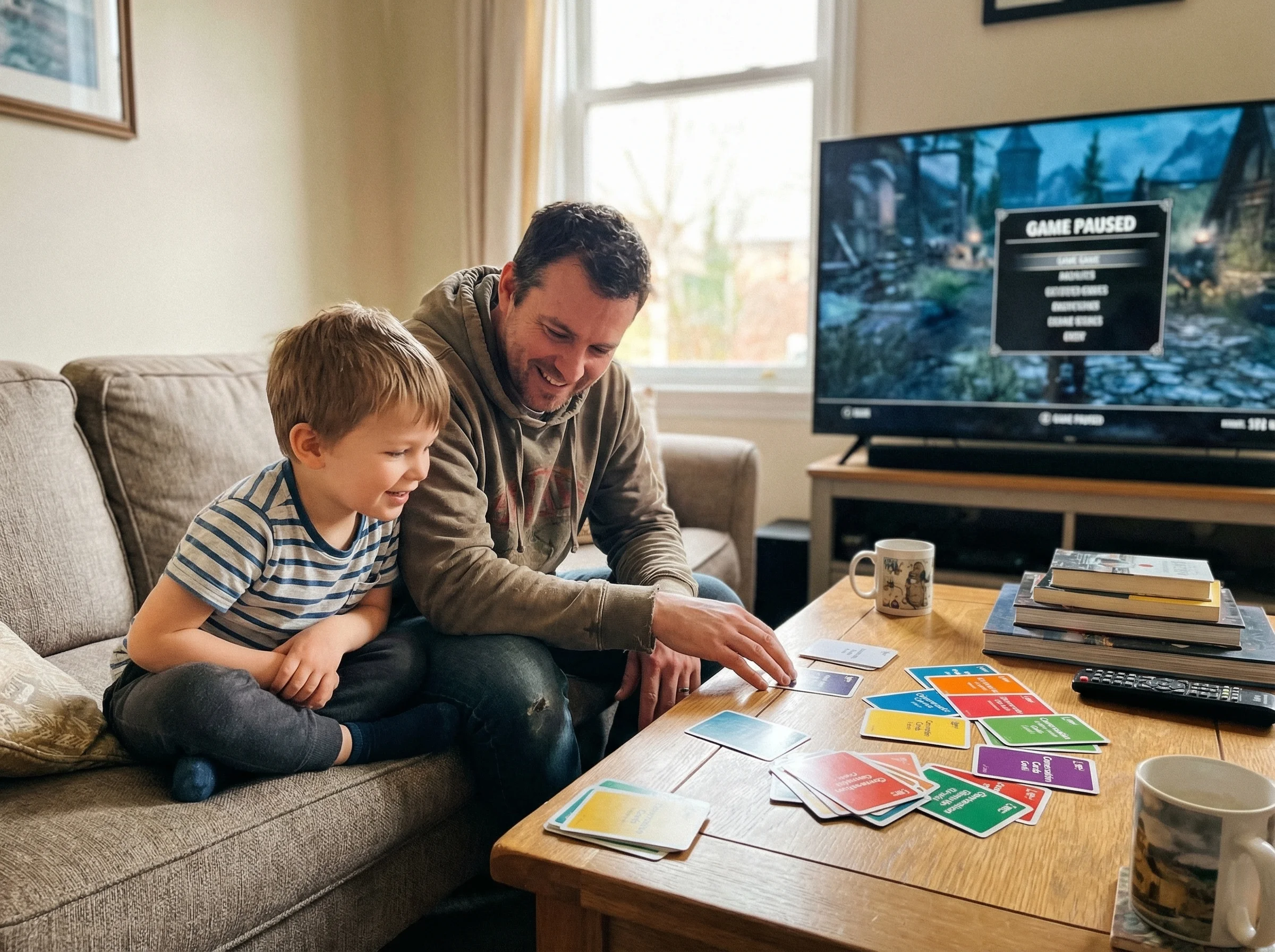
Instead of "Why can't you be nice to your brother?" I started asking different questions. During a rare moment when my younger son was alone, I pulled out a Yakety Pack card that asked, "Which video game character would have your back in real life?"
He thought for a minute. "Probably Luigi," he said.
"Why Luigi?"
"Because he's always helping Mario even though Mario gets all the credit. Like how I used to help Jake with his builds before he got famous."
There it was. The hurt behind the anger.
With my older son, I asked what game character reminded him of his brother. "Tails from Sonic," he said immediately. Then, quieter: "He used to be my player two."
Scripts that actually worked:
- "What's a game you think your brother would secretly love?"
- "If you could design a character based on your brother's actual skills, what would their special ability be?"
- "What's something in gaming your brother understands that most people don't?"
Notice what these questions do? They create space to think about their sibling positively without forcing direct interaction.
For the In-Between Moments: Allies are rebuilt through small talk, not big interventions. Leave a Pause, Play, Connect deck within reach to have a soft prompt ready when they are close but not yet talking.
From Enemies Back to Allies
I need to be real with you: the path from enemies back to allies is longer than any parenting blog admits. It took my boys eight months. Eight months of careful navigation, setbacks, and small victories.
Here's what the journey actually looked like:
Month 1-2: Complete separation. Different gaming times. Different games. Different spaces. I had to accept that forcing togetherness made things worse.
Month 3-4: Parallel existence. They'd be in the same room but doing different things. No interaction required. Just coexisting without conflict was the goal.
Month 5-6: Indirect connection. They'd watch the same gaming streams (separately) and I'd ask each what they thought. They started having opinions about the same things without having to interact.
Month 7: The breakthrough. My younger son was stuck on a Hollow Knight boss. Without me asking, his brother left a sticky note with tips on his desk. No direct contact. Just help.
Month 8: They started a new Minecraft realm together. Different bases, clear boundaries, but same world. They'd leave supplies in chests for each other. Still minimal talking, but cooperation.
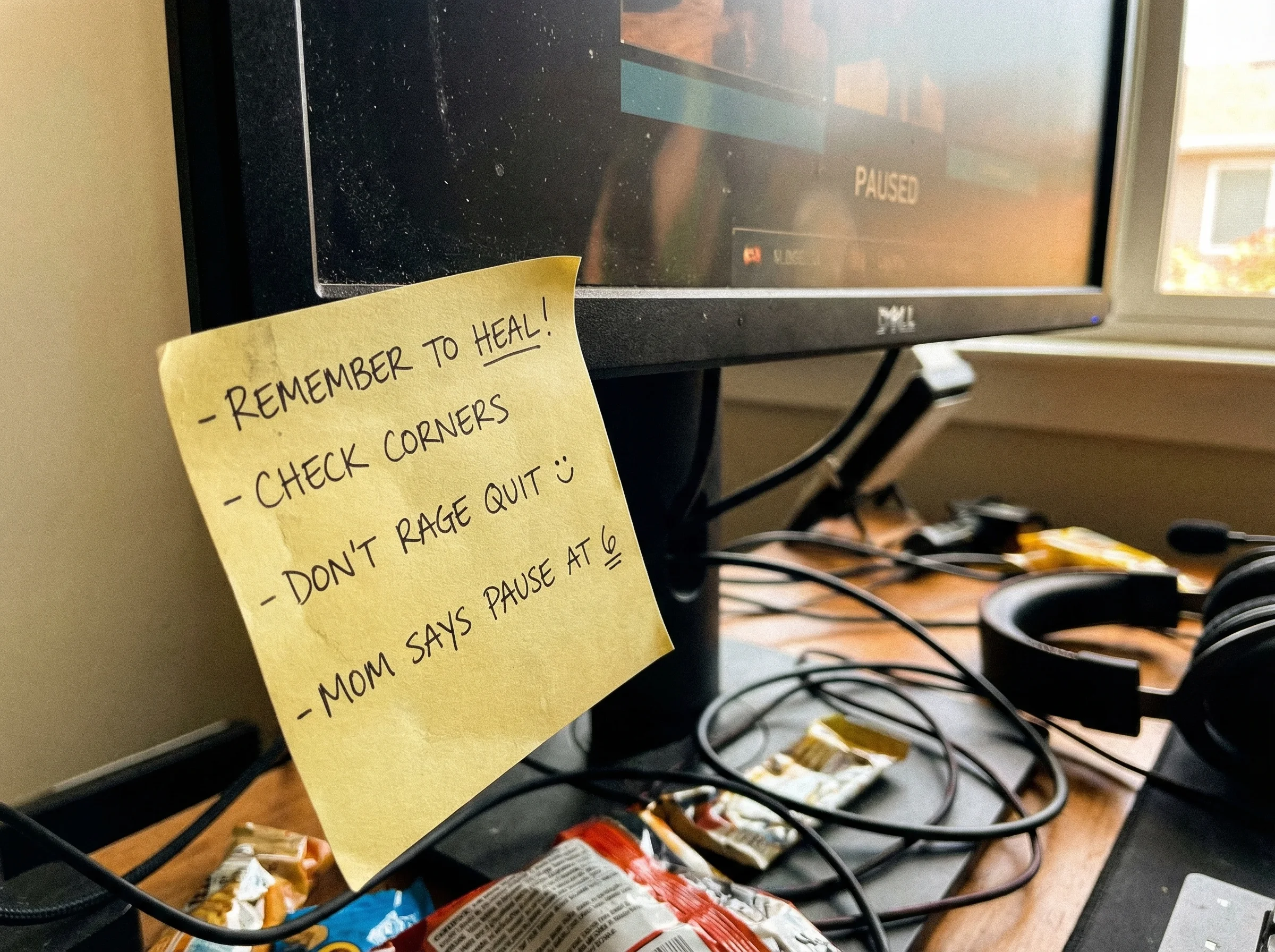
Now? They run a genuinely successful co-op YouTube channel where they specifically play games that require teamwork. But it took accepting that some siblings need space within their shared interests, not forced togetherness.
When to Worry, When to Wait
Let me clear something up: not all sibling conflict needs intervention. But some does. Here's how to tell the difference:
Normal rivalry looks like:
- Competition over who's better at specific games
- Temporary anger after losses
- Trash talk that stays within the game context
- Quick recovery after conflicts
Concerning patterns look like:
- Systematic destruction of each other's work/progress
- Using personal vulnerabilities as weapons
- Physical violence over digital conflicts
- Complete rejection of shared interests
- Sustained campaigns to hurt each other
The parent guilt trap is real. I spent months thinking I'd failed because my kids hated each other. But here's the truth: sometimes sibling conflict is about them figuring out who they are as individuals. It's not your fault. But it is your responsibility to guide them through it.
Some siblings need space, and that's okay. The goal isn't constant harmony. It's teaching them how to navigate conflict without destroying each other.
For the Long Arc: Repair conversations need a place to land. A deck of conversation cards for families with gamer kids on the table keeps the path forward visible every night.
The Real Path Forward
Here's what I wish someone had told me when my boys were at their worst: sibling hatred is usually misdirected love. The intensity of their anger matched the intensity of their connection. They turned against each other not because they didn't care, but because they cared so much it scared them.
Understanding why do siblings turn against each other changed everything about how I approached their conflict. Instead of trying to eliminate the gaming battleground, I learned to use it as a translation tool. When they fought over Fortnite rankings, we talked about how different players have different strengths. When they sabotaged each other's progress, we discussed how speedrunners handle setbacks.
The transformation didn't happen overnight. But it happened.
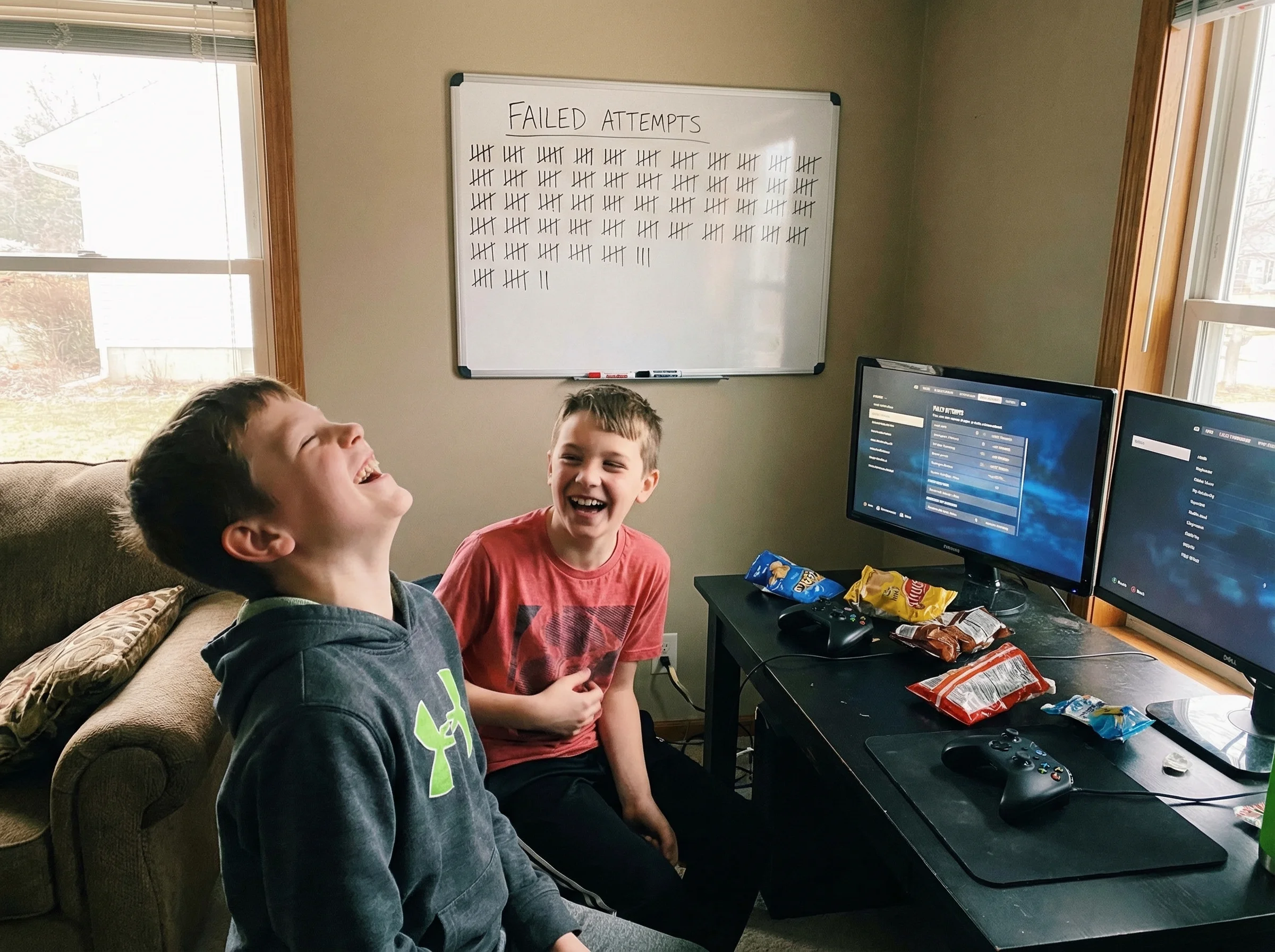
Last week, I heard them on Discord at 2 AM. They were attempting some insanely difficult co-op achievement in It Takes Two. My younger son kept dying at the same spot. Instead of the old rage and blame, I heard his brother say, "Okay, new strategy. You focus on the timing, I'll handle the enemies."
They failed fifteen more times. They laughed at every one.
That's when I knew we'd made it through.
If your kids have turned against each other, if their rivalry has become something darker, know this: the same intensity that drives them apart can bring them back together. But first, you have to understand why they're really fighting. And sometimes, the answer is hidden in the very games they play.
Sometimes the right question at the right moment changes everything. For us, it started with understanding that behind every deleted save and cruel comment was a kid who missed his brother but didn't know how to say it. Once we found the right language, usually through gaming itself, the walls started coming down.
The enemy was never each other. It was the fear of not mattering to the person who mattered most.
The way back to alliesPause, Play, Connect: Core Deck172 prompts that make room for two siblings to talk without having to face each other yet.$49 CAD • 90 cards • 18 reviewsShop the deck

