
Look, I'll save you the suspense: the answer isn't yes or no. I spent six months telling my son no to Fortnite based on headlines I'd skimmed and assumptions I'd made about cartoon violence and kids getting addicted to loot boxes. Then I actually sat down and played a few matches with him. Got absolutely destroyed by what I'm pretty sure was an 8-year-old in a banana costume. And I realized I'd been answering the wrong question the whole time.
If you're Googling "is Fortnite bad for a 10 year old boy," you're probably hoping someone will just tell you. Yes, ban it. Or no, you're overreacting. I can't do that, because the honest answer is messier and more useful than either.
The Real Question Isn't "Is Fortnite Bad?"
The question every parent types into Google is the wrong question. "Is Fortnite bad" treats the game like a substance, like sugar or screen time in general. But Fortnite isn't a substance. It's a context. And whether it's "bad" depends almost entirely on the kid playing it and how they're playing it.
My buddy's son in Calgary plays Fortnite with his cousins on Saturday afternoons. They get on a call, build dumb forts, lose, laugh, log off. It's the highlight of his week and probably the closest he gets to his extended family. Another kid I know, same age, same game, can't lose without throwing his controller. He plays late, can't sleep, comes downstairs the next morning still talking about the match he lost. He's not having fun. He's stuck in a loop.
Same game. Two kids. Opposite outcomes. Fortnite isn't doing either of those things on its own. The match-up between this kid, this family, and this game is what determines whether it's "bad."
So the better question is: is the way MY 10 year old plays Fortnite working for him? That one you can actually answer.
 You cannot tell from outsidePause, Play, Connect: Core Deck172 prompts that help you find out how the game actually lands for your own kid.$49 CAD • 90 cards • 18 reviewsShop the deck
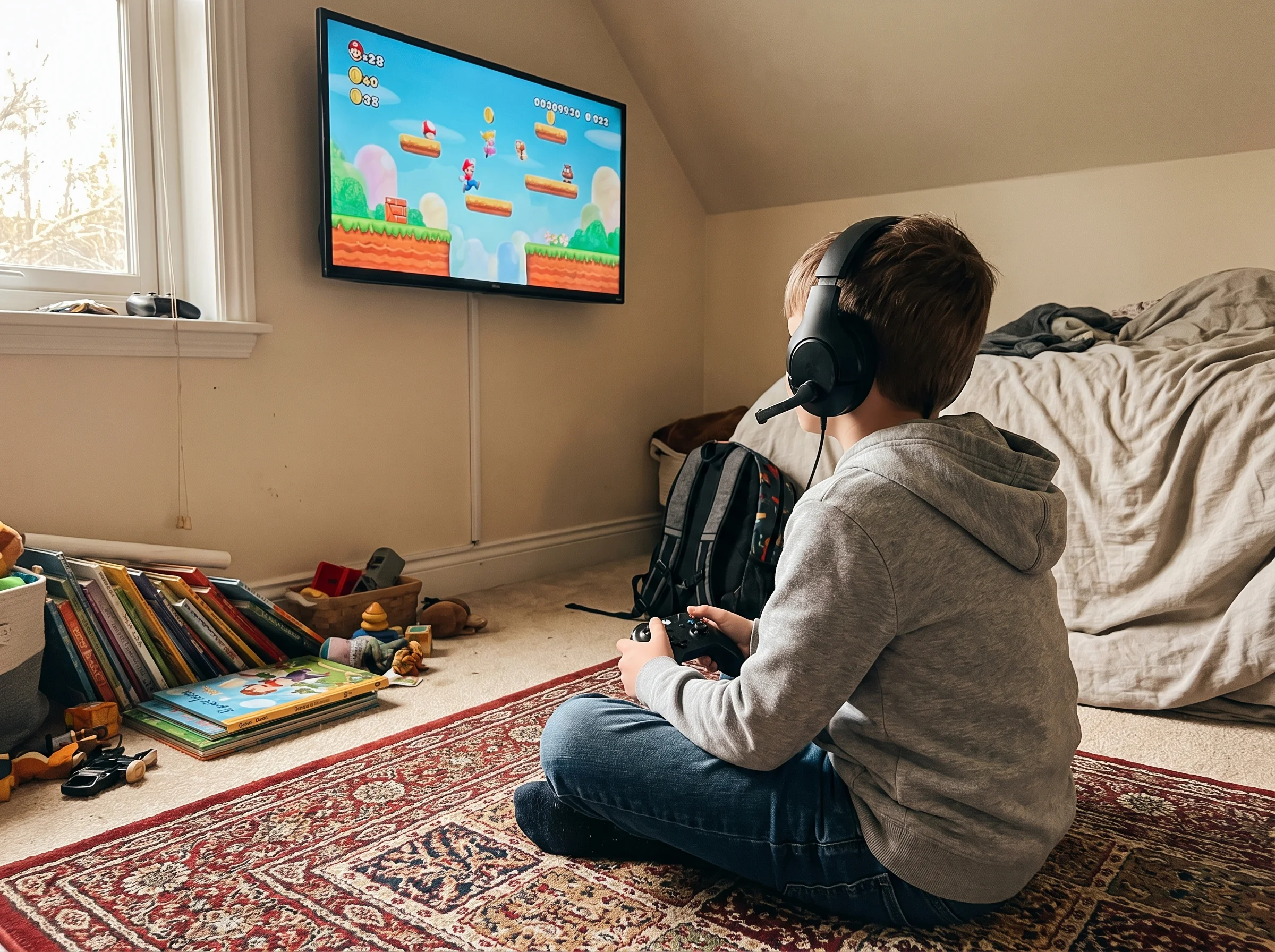
What Fortnite Actually Is (Because Most Articles Get It Wrong)
Here's the thing that drives me nuts about most parenting articles on Fortnite: they're written by people who've never played it. You can tell because they describe it as "a violent shooter where children kill each other." Technically accurate. Practically misleading.
Fortnite is cartoon characters dancing on top of forts they just built. There's no blood. When you "eliminate" someone, they turn into a little glowing icon and float away. The vibe is closer to a Saturday morning cartoon than to Call of Duty. Comparing Fortnite violence to actual violent video game violence is like comparing Tom and Jerry to John Wick. The ESRB rates Fortnite as Teen mostly for cartoon action, which is a useful baseline.
It also isn't one game. There are several modes most parents have never heard of:
- Battle Royale is the original. 100 players, last one standing, with building mechanics.
- Zero Build is the same thing but without building. More about positioning and aim.
- LEGO Fortnite is basically Minecraft. Survival, crafting, no shooting strangers.
- Festival is a Guitar Hero style rhythm game. Your kid might be playing Fortnite and not shooting anyone at all.
If your son is playing LEGO Fortnite, the conversation you're having in your head about a violent shooter isn't the conversation that matches reality.
The Three Things That Actually ARE Concerning
I'm not here to tell you Fortnite is harmless. There are real issues. They're just not the ones most parents focus on.
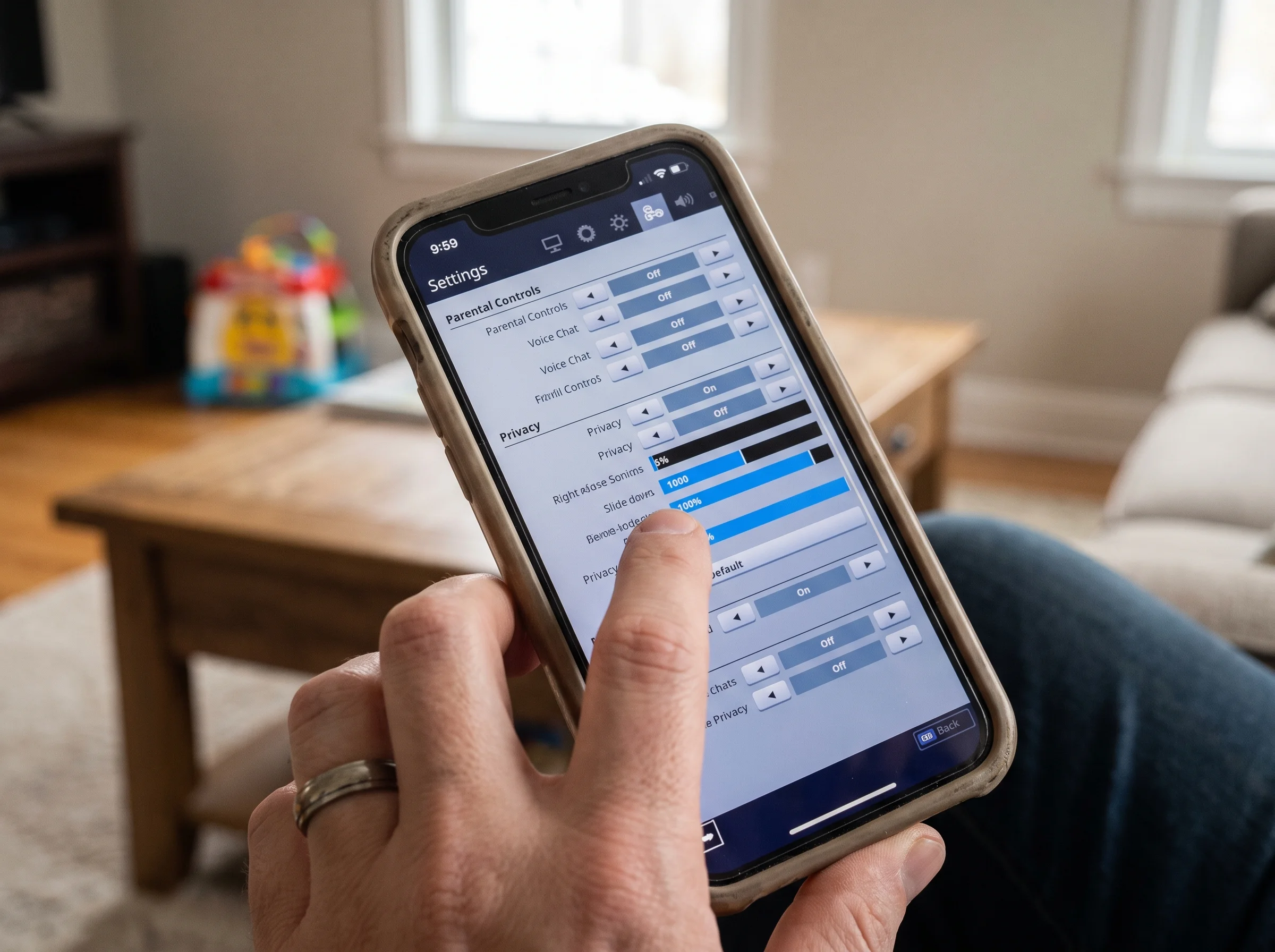
1. Voice chat with strangers
This is the actual biggest risk and almost nobody leads with it. Default voice chat settings can let your son talk to anyone in his match. Most of the time it's another 10-year-old yelling about pickaxes. Sometimes it's not. Go into settings right now and set voice chat to "friends only" or off entirely. It takes 30 seconds. This single change eliminates the most genuine danger in the game. Common Sense Media has a solid breakdown of the specific settings worth knowing.
2. V-Bucks and the FOMO store
The Fortnite item shop is engineered. Limited time skins. Battle passes with countdown timers. "Last chance" banners. The store is doing to your kid what casinos do to adults, except your kid has none of the defenses adults barely have. The violence in Fortnite isn't where I'd point parents. The store is.
Remove your saved card. Use prepaid V-Bucks cards if you allow purchases at all. Talk about why the store works the way it does. Kids can handle that conversation if you have it.
3. The "one more match" loop
Matches are roughly 20 minutes. They end on a dramatic note (you won, you lost, you almost won). The game is designed to make stopping feel wrong. If you say "ten more minutes," you've set him up to fail because no match fits in ten minutes. Tie limits to natural stops: "finish this match, then we're done." That single shift removes 80% of the screen-time fights in our house.
 Rookie questions are finePause, Play, Connect: Core Deck$49 CAD • 172 promptsSee the deck
The Friend Group Reality Nobody Talks About
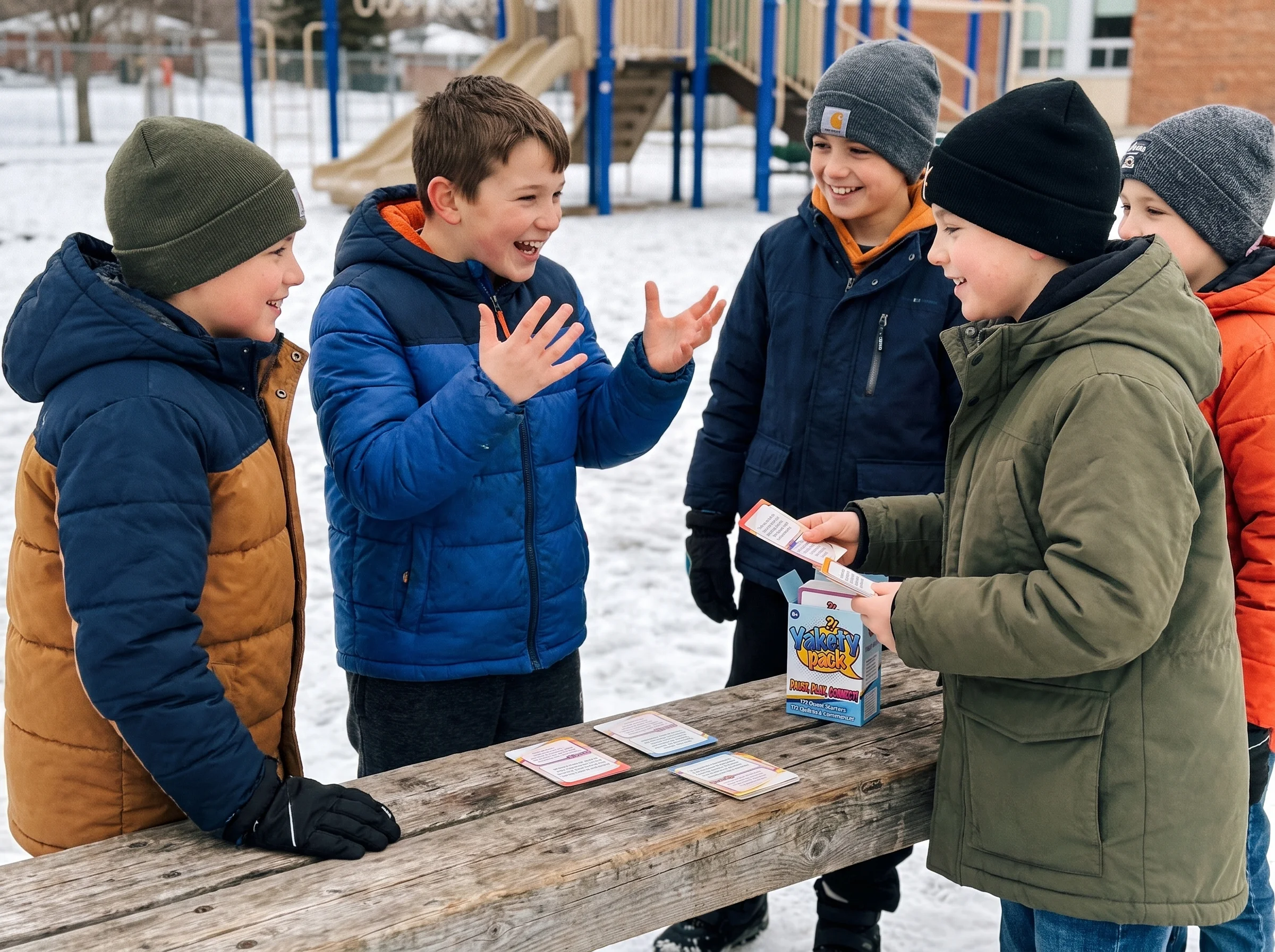
Here's what competitor articles won't tell you because it complicates their tidy advice: for a lot of 10-year-old boys, Fortnite is the playground.
It's where the inside jokes happen. It's where they hang out after school without driving. The skins they wear at recess are conversation starters. The events (Travis Scott concerts, Marvel crossovers, whatever's next) are cultural moments their friend group experiences together.
Saying no to Fortnite isn't just saying no to a game. In some friend groups, it's saying no to the social layer your kid lives in. That doesn't mean you have to say yes. It means you should factor that cost in honestly.
I watched my son sit silent during a recess story his friends were telling about a Fortnite event he hadn't seen. He wasn't sad exactly. He was just outside of it. That's a real thing, and pretending it isn't doesn't help anyone make a good decision.
Signs Fortnite Isn't Working for Your Kid
Watch for these. They're not reasons to ban the game. They're reasons to adjust how he's playing it.
- Can't lose gracefully. Rage quits, controller throws, hour-long sulk.
- Sleep disruption. Talking about matches at midnight, can't wind down.
- Hiding playtime. Sneaking sessions, lying about how long he played.
- Personality shift after playing. He comes off the game meaner, more on edge, harder to reach.
If you see this, the answer usually isn't "no more Fortnite." It's "no more Fortnite in the hour before bed," or "no more solo matches with strangers," or "let's only play with cousins this week." Adjust the variables before you nuke the activity. Research from the American Academy of Pediatrics backs up the "how" mattering more than the "how much."
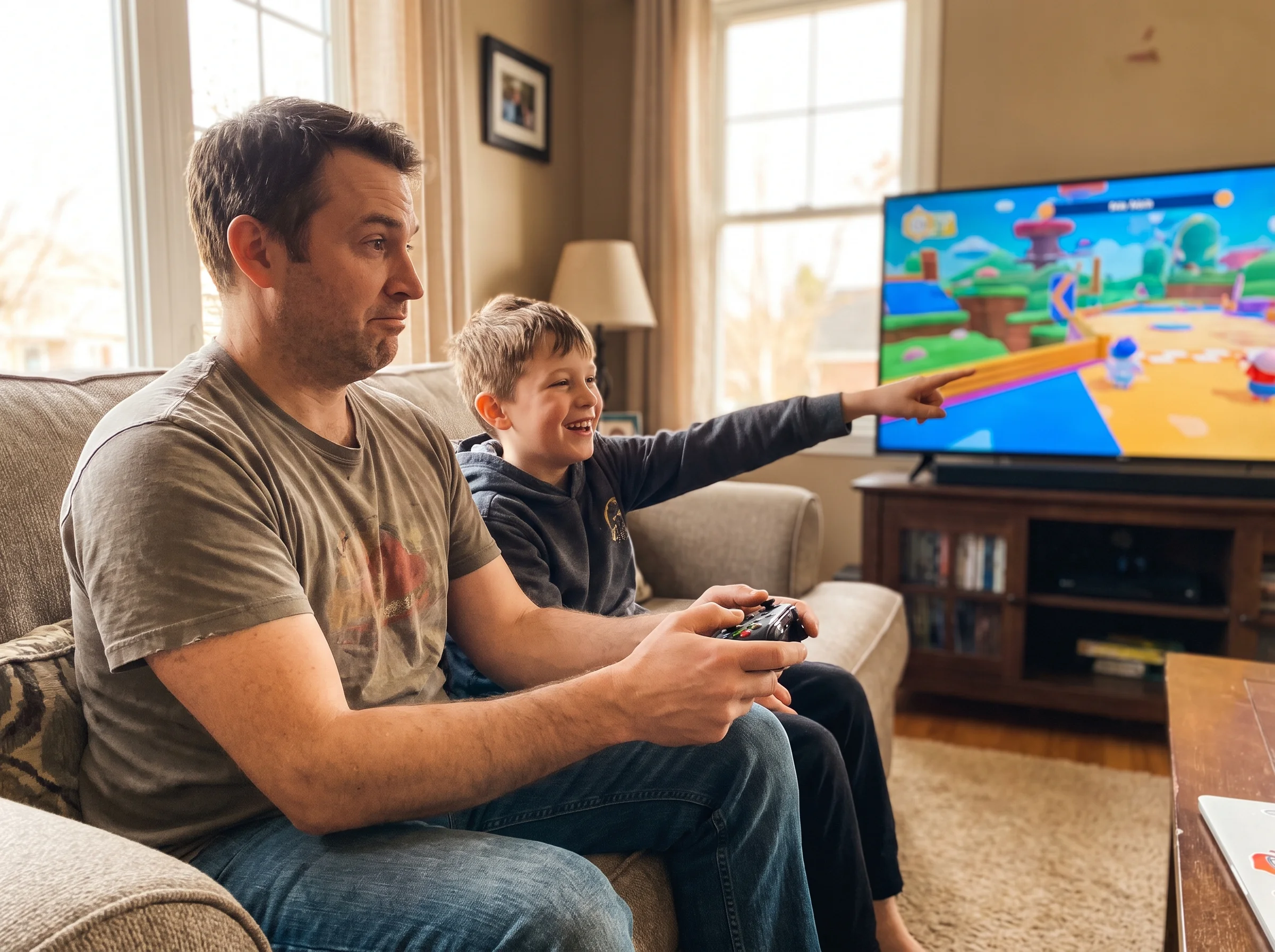
How to Actually Play It With Him
The single biggest thing I've changed as a parent: I stopped monitoring and started participating.
Sit down. Play one match. You will be terrible. Lean into it. Ask him to teach you. The power dynamic flipping for 20 minutes (he's the expert, you're the rookie) is worth more than any lecture you could give.
After my first match with my son, I asked him what his favorite skin was. He talked for 25 minutes. About skins. I learned more about him in that conversation than in the previous month of "how was school?" questions.
This is actually why we built Yakety Pack. Asking "how was your Fortnite game?" gets you a grunt. Asking "if you could design a Fortnite skin, what would yours look like?" gets you a kid's imagination. The question matters more than almost anything else, and gaming is a goldmine of better questions if you know how to ask them.
A Reasonable Framework for Saying Yes
If you decide to let your 10-year-old play, here's what reasonable looks like in practice:
- Voice chat set to friends only, no exceptions
- No saved payment methods, V-Bucks via prepaid cards if at all
- Time limits tied to natural match endings, not mid-game
- Play it with him at least occasionally
- Revisit the whole arrangement every few months because he's changing fast
Is Fortnite bad for a 10 year old boy? It can be. So can soccer if you're the kid whose dad screams from the sidelines. So can YouTube if no one's watching what he watches. The game isn't the variable that matters most. You are.
If you want to go deeper on actually having the conversations that make all of this work, I wrote a bigger piece on Fortnite conversations with kids that gets into the specifics. Start there if you've got a kid who plays and you want a way in.

From this article
Pause, Play, Connect: Core Deck
You are the variable: Whether Fortnite works for your ten-year-old comes down to whether you are in the conversation, not just the settings menu. The Pause, Play, Connect Core Deck gives you the "design your own skin" style questions that turn matches into talks.

