
For a solid year, I tried pulling my introverted son away from his Xbox to do "family stuff." Board games. Hikes. Movie nights where I'd watch him watch the clock instead of the screen. I thought I was building connection. He thought I was hostage-taking.
It took me embarrassingly long to figure out I had it completely backwards.
If you've got an introverted kid who games, and you're reading parenting blogs that keep telling you to enforce "tech-free time" and "have meaningful conversations at dinner," I want to save you about twelve months of frustration. Helping an introverted gamer connect with family members is not about dragging them out of their world. It's about learning to step into it. The advice out there is mostly written for extroverted families by people who don't actually understand introverts OR gamers. Let's fix that.
First, Stop Treating Two Different Things Like One Problem
Introversion is not shyness. It's not social anxiety. It's not sadness. It's how your kid's battery works. Extroverts charge up around people. Introverts charge up alone. That's the whole thing. If you want the actual science on this, Susan Cain's research on introversion is the best 19 minutes you'll spend.
Gaming isn't making your kid introverted, either. And here's the part that messed me up the most: gaming might actually be where your introverted kid is doing the MOST socializing. They're just doing it on terms that work for their brain.
I figured this out one night when I walked past my son's room and heard him talking. Like, really talking. Animated, laughing, telling a long story about something that happened at school. I stood in the hallway like an idiot, listening to my "quiet" kid be the loudest voice in a Discord call with his squad.
He wasn't broken. He wasn't even that quiet. He just hadn't found a reason to talk to me yet.
That's the real question. Not "how do I make my kid less introverted." But "how do I become someone they actually want to talk to."
 A reason to talkPause, Play, Connect: Core Deck172 prompts that are specific rather than open-ended, so there is something concrete to answer.$49 CAD • 90 cards • 18 reviewsShop the deck
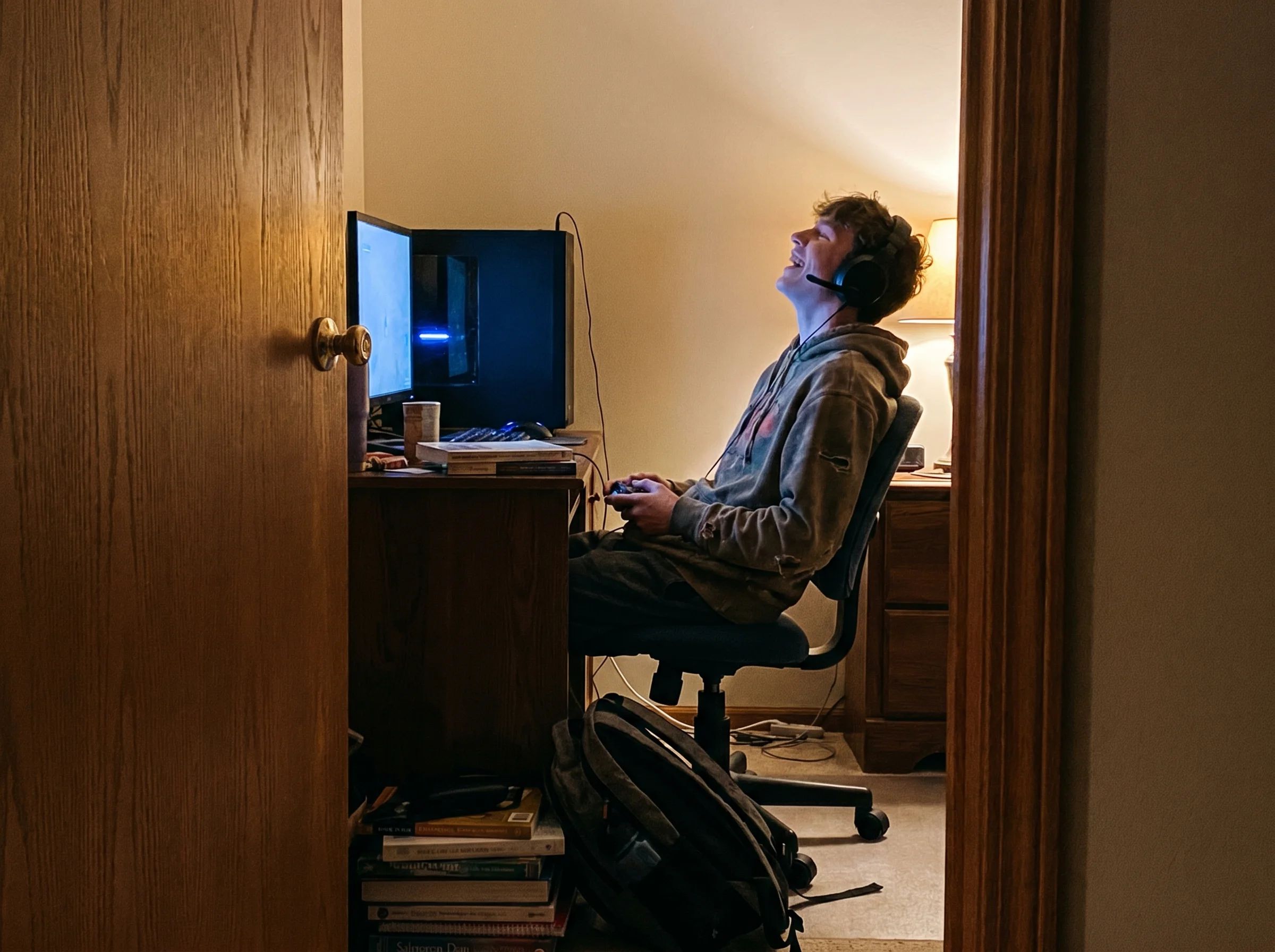
Drop the Interrogation. Sit Beside, Not Across.
Here's the introvert rule nobody tells you: connection happens side-by-side, not face-to-face.
Eye contact is exhausting for introverts. A family dinner where everyone's looking at each other and asking "so how was your day" is basically an introvert torture chamber. But sitting next to someone, both looking at the same thing? That's the safest possible setup for their brain to relax and start talking.
Parenting blogs talk about "parallel play" constantly for toddlers, then act like it stops mattering at age 6. It doesn't. It matters more.
The first time I tried this, I just walked into the living room while my son was playing Hollow Knight, sat down on the couch, and said nothing. I didn't ask questions. I didn't comment. I just watched. For about 20 minutes I thought I was wasting my time.
Then he paused, looked over, and said, "Dad, watch this part."
That was the door opening. Took 20 minutes of silence to get it. Worth it.
Specific Questions Beat Open Questions Every Single Time
"How was gaming today?" gets you a grunt. Every time. Open-ended questions overwhelm introverts because there are too many ways to answer and they don't know where to start.
Specific questions give them a hook. Watch what happens when you swap these:
- Instead of "tell me about your game," try "what's the weirdest thing in your inventory right now?"
- Instead of "how's it going with your friends online," try "who in your squad would you actually want to hang out with in real life?"
- Instead of "did anything interesting happen," try "what's the dumbest way you died this week?"
- Instead of "what do you like about this game," try "what's something in this game you wish existed in real life?"
- "If your character had to get a regular job, what would they be terrible at?"
These work because they're specific enough to grab onto, weird enough to be interesting, and they assume your kid is a person with opinions, not a subject in your parenting experiment.
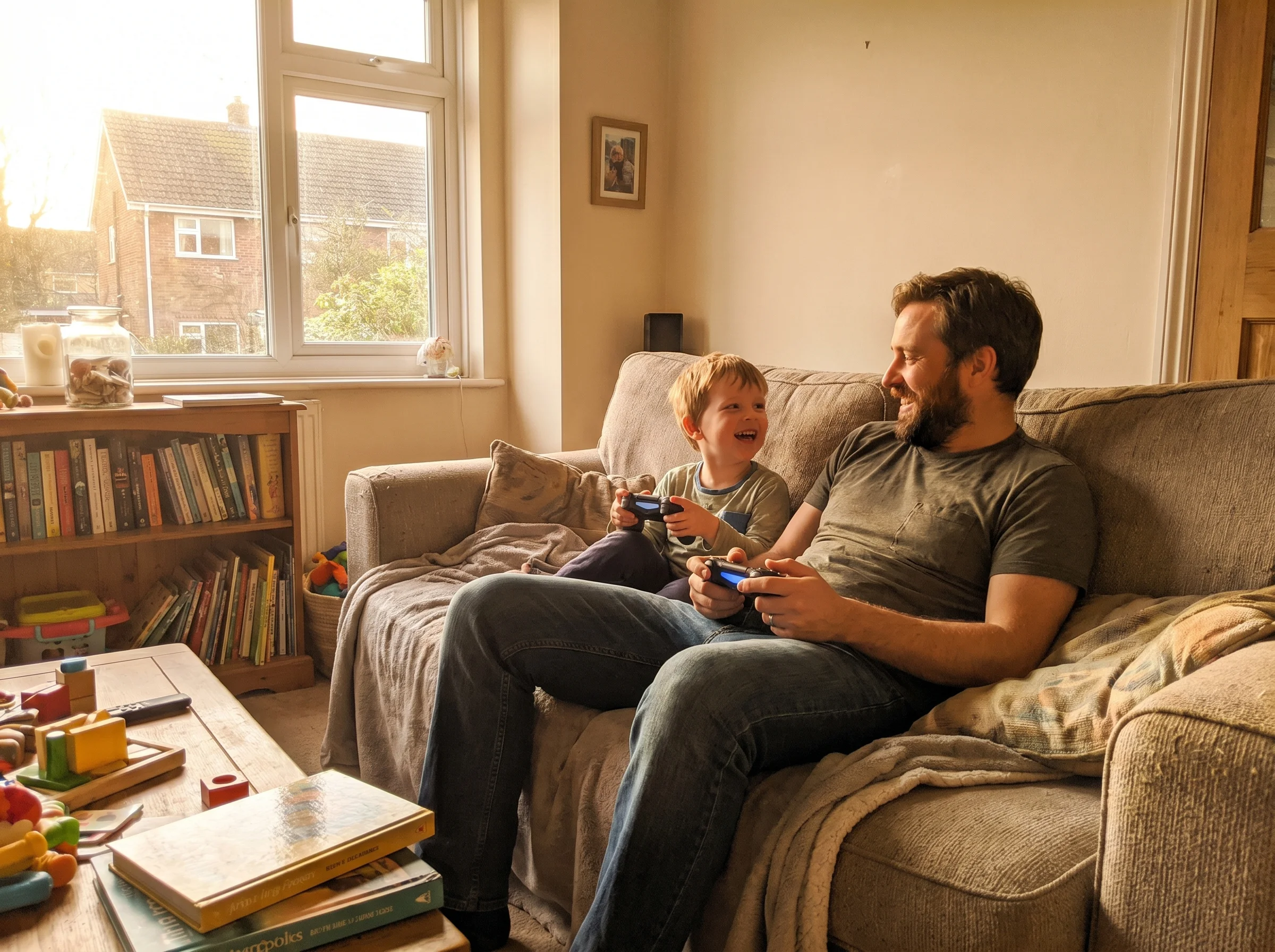
This is exactly the gap we kept hitting when my wife and I were trying to figure out how to talk to our kids. Generic questions kept failing us. So we built Yakety Pack around the kinds of questions that actually crack open conversations with kids whose default response is a shrug. One of the cards just asks, "What game character would you want as a friend?" Sounds tiny. Try it at dinner and watch the table go quiet for a second before your kid lights up.
What If You Don't Game? (Most Parents Don't)
You don't need to learn Fortnite. You need to learn THEIR Fortnite.
There's a difference. Nobody's asking you to grind ranked matches. You just need to understand enough of the vocabulary that your kid doesn't have to translate everything for you. If you need a starting point, the Common Sense Media game guides give you a 5-minute overview of pretty much anything your kid is playing.
The phrase that changed everything for me: "Explain this to me like I'm seven."
That sentence does two things. It admits you don't know. And it asks them to be the expert. Introverted kids especially love being the expert in something, because it's the one situation where talking a lot feels safe instead of exposing.
My wife doesn't game. At all. She asked our son to walk her through building a redstone contraption in Minecraft once. He talked for 45 minutes. She understood maybe 12% of it. He felt seen for 100% of it.
If you want a shortcut, watch a 10-minute YouTube video of their favorite game. Just enough to know what a "creeper" is or who the main villain is. The investment is laughably small and the payoff is huge.
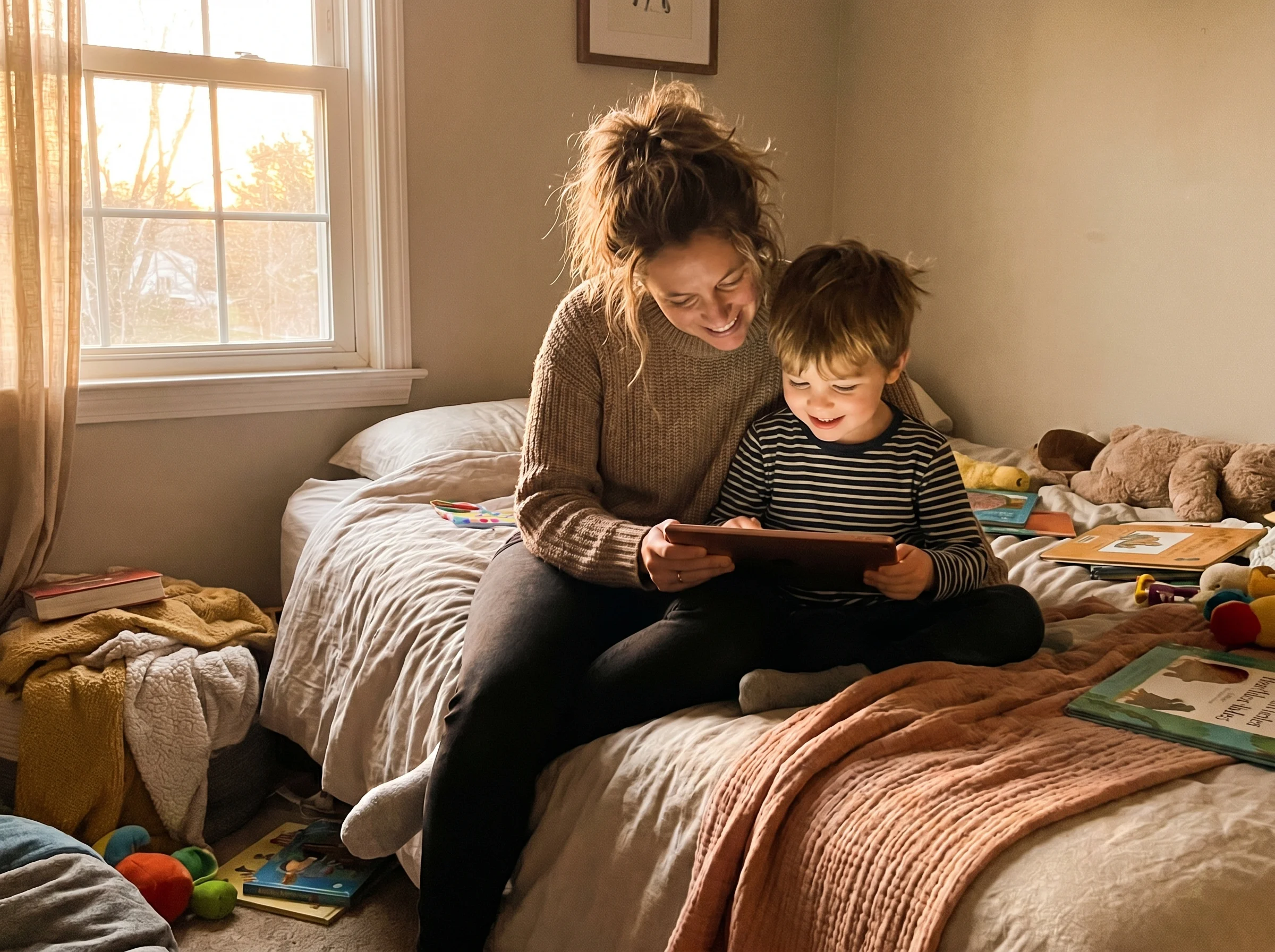
Stop Forcing Group Activities. Build 1-on-1 Rituals.
Introverted gamers DREAD the whole-family-in-the-living-room energy. It's not personal. Group settings drain them. This is also a big part of helping an introverted gamer connect with family members without burning them out in the process.
What works instead: small, repeatable, one-on-one moments. One parent. One kid. One small thing.
- The drive to school
- A late-night snack run
- Sitting on their bedroom floor while they play, doing your own thing
- Walking the dog together, no agenda
A 10-minute one-on-one beats a 2-hour family game night every time. The repetition is the magic. Same time, same place, no pressure. They start to expect it, and eventually they start to bring stuff to it.
 Small, repeatable, one on onePause, Play, Connect: Core Deck$49 CAD • 172 promptsSee the deck
How to Loop In Siblings and Grandparents Without Wrecking the Vibe
Don't make your introverted kid be the family entertainment. Don't put them on the spot to "show grandma your game" at a holiday dinner. That's a nightmare scenario for them.

Instead, give the people in your kid's life one specific question to use. My dad thinks "the cloud" is weather. He was never going to learn Minecraft. But he learned to ask one question: "Show me something cool you built."
Now they have a thing. My son sends him screenshots. My dad responds with stuff like "is that a castle or a chicken coop?" and my son loses his mind laughing. That's connection. One good question, used on repeat.
For siblings, shared games beat forced sharing. If two kids play the same game together, even occasionally, you don't have to manufacture connection. It's already there.
What This Actually Looks Like Over Time
Connection with an introverted gamer kid isn't built in big moments. It's a thousand small ones. You're not going to have a breakthrough heart-to-heart on a Tuesday. You're going to get a kid who, six months from now, starts volunteering information without being asked. Who invites you into their game. Who actually asks how YOUR day was.
That's the gold. And it shows up because you stopped trying to extract them from their world and started showing up in it.
The teen years are coming. If you build the bridge now, while they still kind of want you around, you'll have something to walk across later when things get harder. Research from the American Psychological Association on parent-teen communication backs this up: small consistent moments matter more than big talks. If you spend these years fighting their interests, you'll be a stranger by the time they're 15.
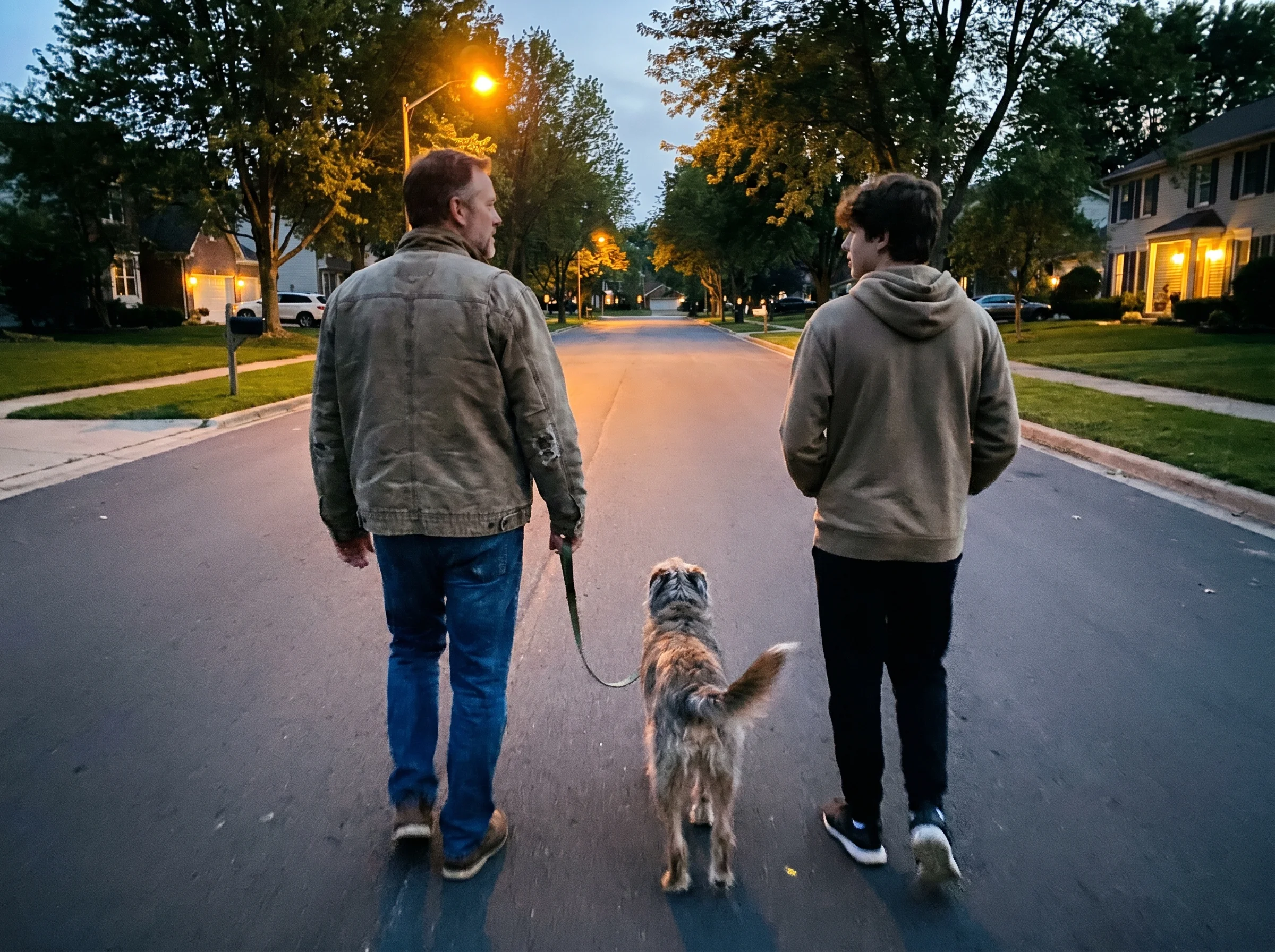
One Thing to Try Today
Tonight, walk into the room where your kid is gaming. Sit down. Don't ask anything for 10 minutes. Then ask ONE specific question from the list above. Just one. Then shut up and listen to whatever you get, even if it's small.
That's it. That's the whole move. Do it three times this week.
If you want a stack of questions that have actually worked in our house and in thousands of other families, that's literally why we built Yakety Pack and why we keep writing about gaming communication skills for families. Whether you use our cards or just steal the questions in this article, the point is the same: meet your kid in their world, ask better questions, and stop trying to pull them out of the thing that makes them feel most like themselves.
They're not hiding from you. They're just waiting for you to show up in a way that doesn't feel like an ambush.
Specific beats open-endedPause, Play, Connect: Core Deck172 prompts written to be answerable, so you are not inventing a question on the spot.$49 CAD • 90 cards • 18 reviewsShop the deck
Related Articles
Looking for more? Check out these related articles:
