
The technical answer is Duolingo. Over 500 million downloads, the green owl is everywhere, the ad campaigns went viral, conversation over.
But if you're a parent typing "what is the world's #1 learning app?" into Google because you've got a 12-year-old who needs to actually LEARN something, I've got bad news and good news.
The bad news: "#1" doesn't mean "best for your kid."
The good news: there's a way smarter way to think about this whole question, and I'm going to walk you through it as someone who downloaded Duolingo for my son, watched him quit in nine days, and then noticed where his actual learning was happening.
The Honest Answer: It's Duolingo (For Now)
Let's just get this out of the way.
By every metric the internet uses to rank "learning apps," Duolingo wins. Half a billion downloads. Top of the App Store education category basically forever. A mascot that became a meme. They went public. They're enormous.
And honestly? Duolingo does some things really well. The daily habit loop is brilliant. The streak system is one of the most effective behavioral design tricks ever shipped to consumers. If you're an adult who wants to dabble in French for 10 minutes a day, it's hard to beat.
I downloaded it for my son when he was 11. Everyone does. You read three articles, they all say Duolingo, you tap install, you feel like a good parent for about 45 minutes.
Then reality shows up.
 When the streak runs outPause, Play, Connect: Core Deck172 prompts that get a kid explaining the thing they figured out on their own, in their own words.$49 CAD • 90 cards • 18 reviewsShop the deck
Why "#1" Doesn't Mean "Best for Middle Schoolers"
Here's the thing nobody says out loud: Duolingo is built to keep you ENGAGED, not to make you fluent.
That's not a knock. It's the business model. The app needs you to come back tomorrow. So it's optimized for short, satisfying, dopamine-hitting sessions. You can rack up a 200-day Spanish streak and still not be able to order food in Madrid. I've seen it. The streak is a measure of consistency, not competence.
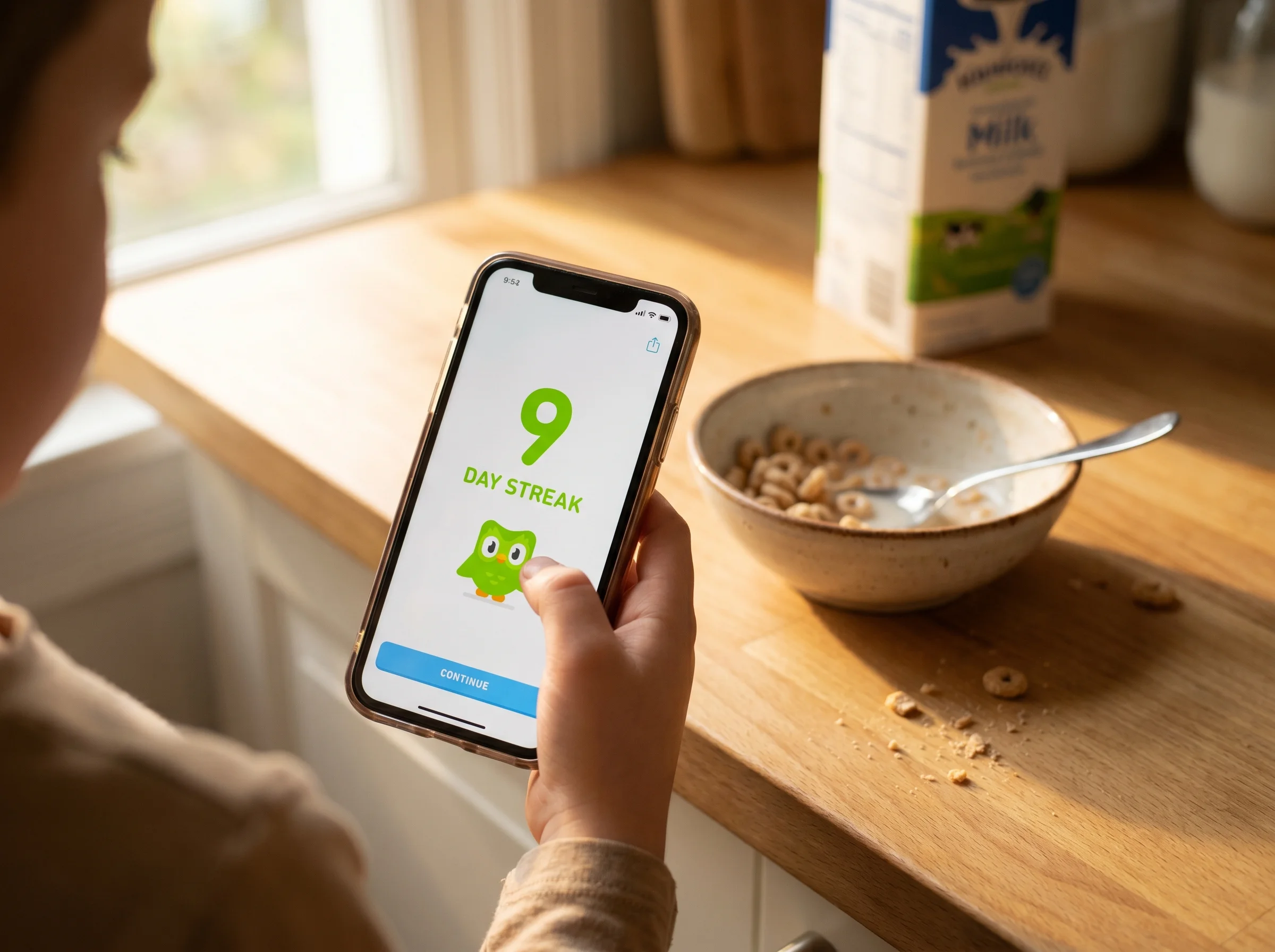
My son's Duolingo run lasted nine days. On day ten he forgot. On day eleven the owl started guilt-tripping him. On day twelve he was done.
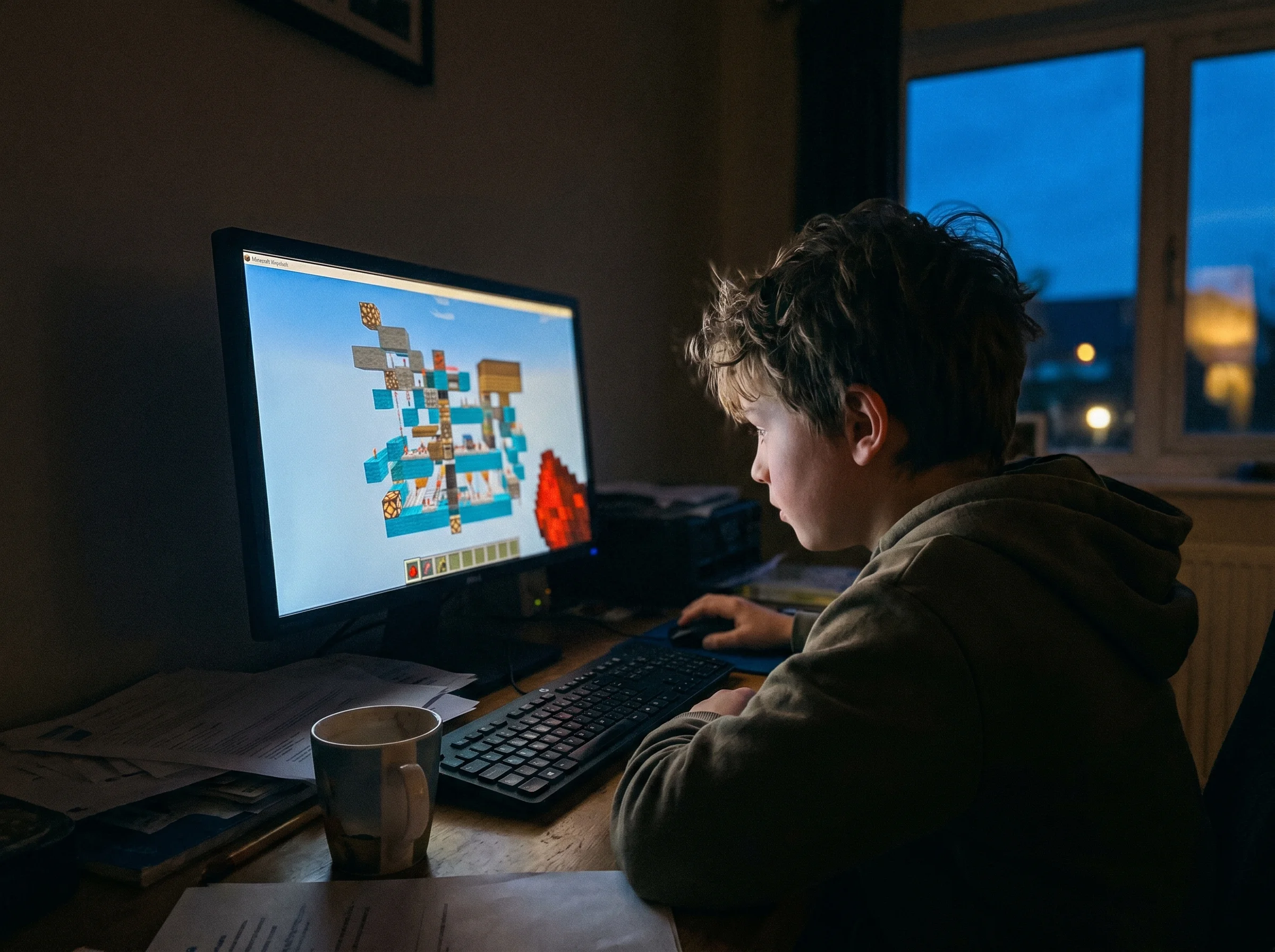
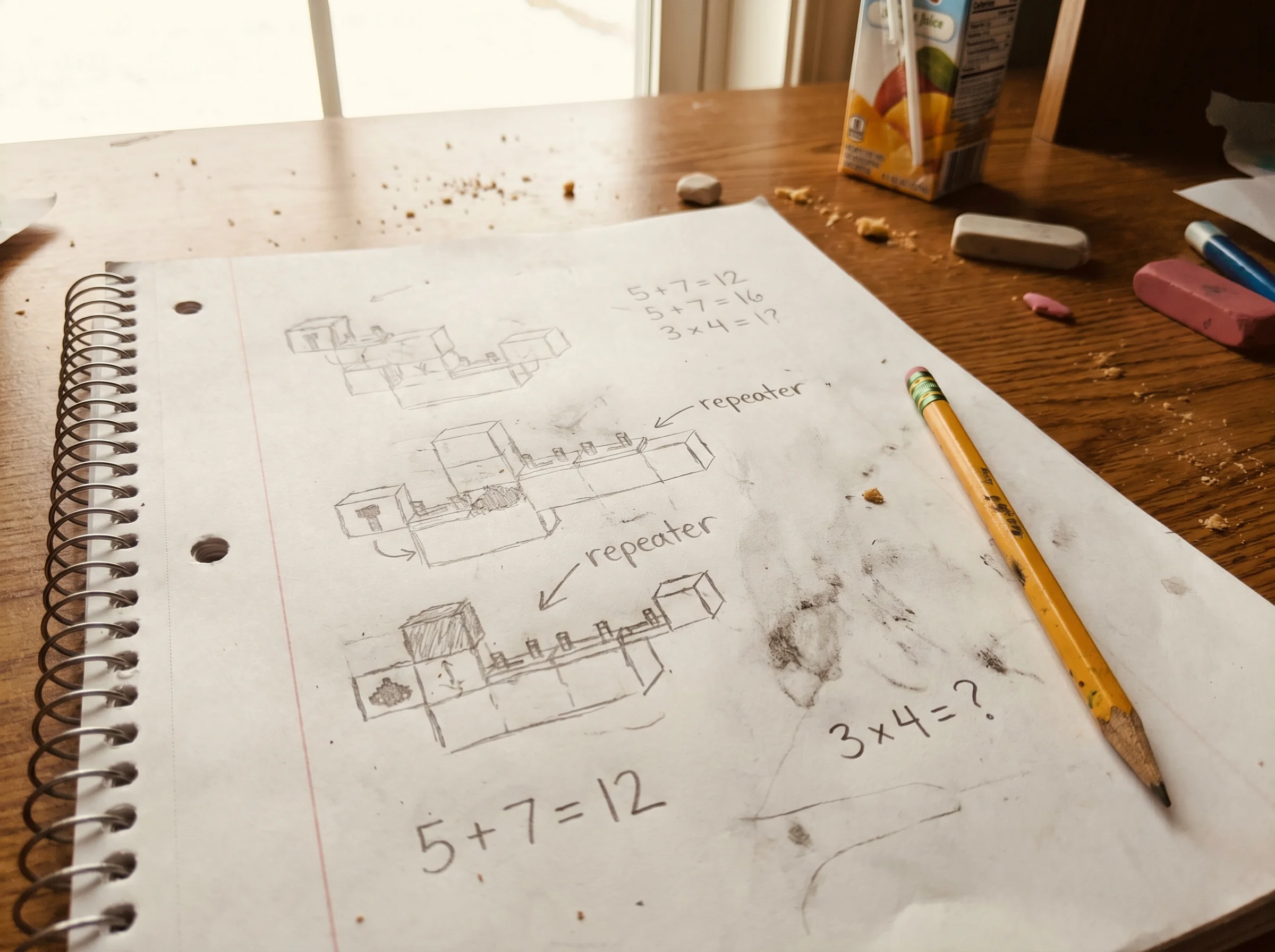
What I noticed while he was abandoning Duolingo: he'd been spending two and three hour stretches watching YouTube tutorials about Minecraft redstone. Building working calculators. Logic gates. Binary math. Actual circuit design.
He was learning constantly. Just not in the place I'd labeled "learning."
The Real Contenders for Middle Schoolers
If we're being honest about what works for the 11 to 14 zone, here's the real lineup:
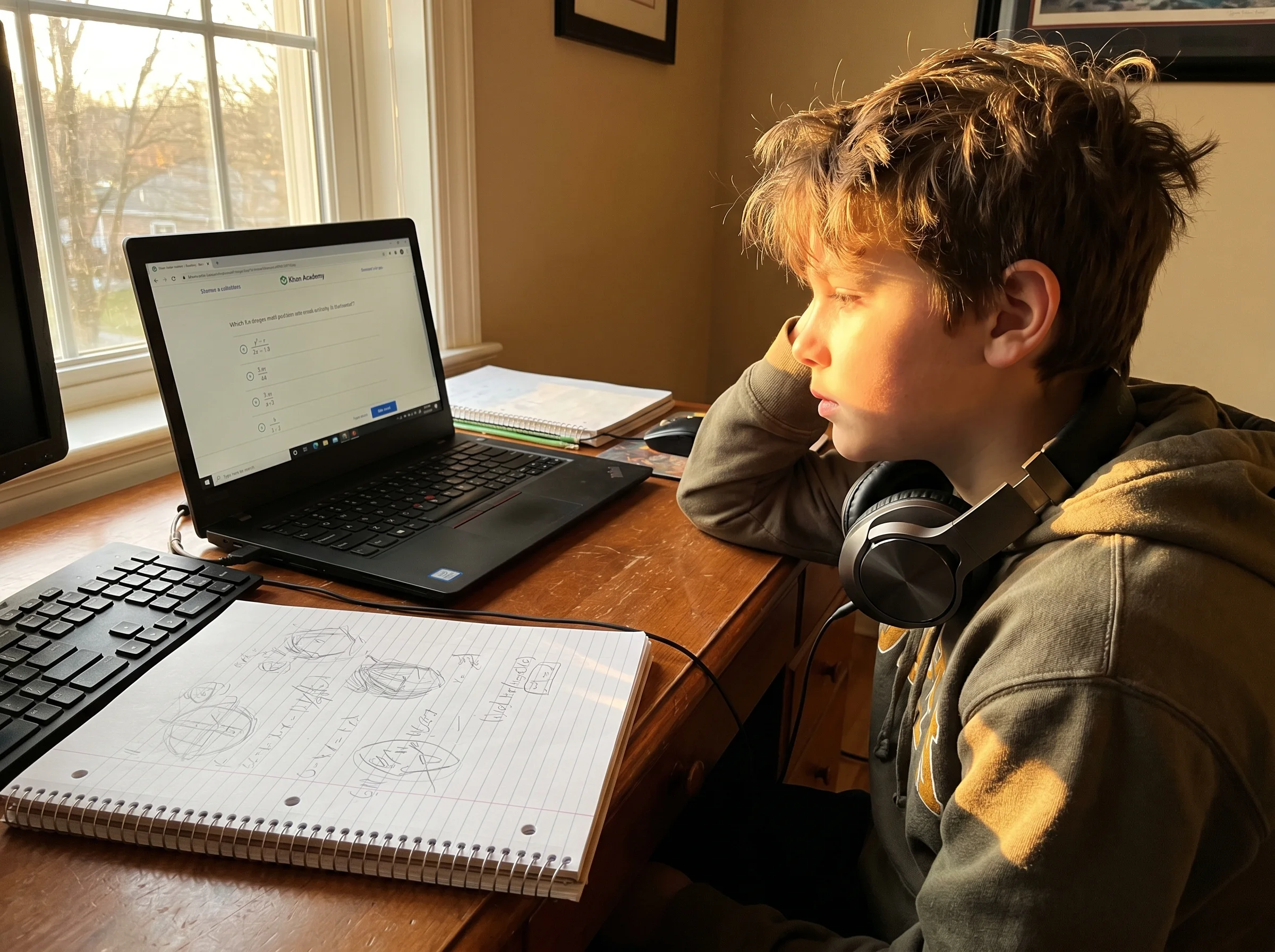
Khan Academy. The substance king. If your kid actually wants to understand math or science, nothing beats it. The catch: zero dopamine. It feels like school. Which is great for the motivated kid and a non-starter for the kid who already hates school.
Duolingo. Best for daily-habit language exposure. Don't expect fluency. Do expect your kid to learn how to say "the bear drinks the beer" in seven languages.
Brilliant. Genuinely excellent for math and logic, but it's built for kids who already enjoy thinking hard about puzzles. If your kid doesn't, this app will sit there.
Prodigy Math. Actual gamification done right for elementary and early middle school math. Some kids love it. Some find it babyish by 7th grade. Try before you commit.
Photomath and Quizlet. Tools, not learning apps. Photomath shows you how to solve the problem. Quizlet helps you memorize. Both useful. Neither will "teach your kid" anything they're not actively trying to learn.
There's no single #1. There's only the right tool for the specific kid, the specific subject, and the specific moment.
The Apps Your Kid Is Already Learning From (That Nobody Calls Learning Apps)
This is the part every other article skips.
Your middle schooler is probably learning more from these than from anything labeled "educational":
- YouTube tutorials. Minecraft redstone, Roblox scripting, drawing techniques, guitar tabs, sneaker history, you name it. Self-directed learning at scale.
- Minecraft. Spatial reasoning, basic engineering, resource management, and if they get into command blocks or redstone, legitimate logic and programming concepts. Researchers at MIT have been studying this kind of play-based coding for years.
- Roblox Studio. Not Roblox the game. Roblox Studio. Kids who get into it are writing actual Lua code. I know a 13-year-old who's better at debugging than half the adults I work with.
- Discord servers. Reading, writing, arguing, organizing, moderating. Whatever you think about Discord, kids are practicing communication there constantly.
When I watched my son spend three straight hours on YouTube learning how to build a four-bit binary calculator in Minecraft, I had to sit with something uncomfortable: that was engineering. That was sustained focus. That was problem solving. Nobody was tracking it. There was no streak. No badge. No parent dashboard.
But it was learning. The real kind.
 Where the three hours wentPause, Play, Connect: Core Deck$49 CAD • 172 promptsSee the deck
How to Tell if Your Kid Is Actually Learning Anything
Streaks lie. Badges lie. Parent dashboards mostly lie.
Here's what doesn't lie:
Can they teach it to you? If your kid can't explain the thing they "learned" in their own words, they didn't really learn it. They recognized it.
Does it show up off the app? Real learning transfers. If your kid spent a month on Duolingo Spanish and can't say a single sentence at dinner when you ask, that's a signal. If they spent a month in Minecraft and suddenly start sketching circuit diagrams on napkins, that's also a signal.
Are they curious about more? Learning creates more questions. Memorization shuts them down.
Ask your kid to show you the coolest thing they figured out this week. If they light up and start explaining, that's where the learning is. Follow it.
How to Get Your Kid to Stick With It Past Day Three
Whatever app you pick, here's what actually works:
Don't make it homework. The second a learning app becomes a chore, you've lost. The whole appeal of these apps is that they don't feel like school.
Use their interests as the door in. Kid loves soccer? Spanish through soccer commentary. Kid loves Minecraft? Math through redstone tutorials. The entry point matters more than the app.
Sit next to them, not over their shoulder. Hovering kills curiosity. Sitting nearby and being genuinely interested invites it.
Ask better questions. This is the one I had to learn the hard way. "How was Duolingo today?" gets you a grunt. "What's the weirdest sentence Duolingo made you translate this week?" gets you a story.
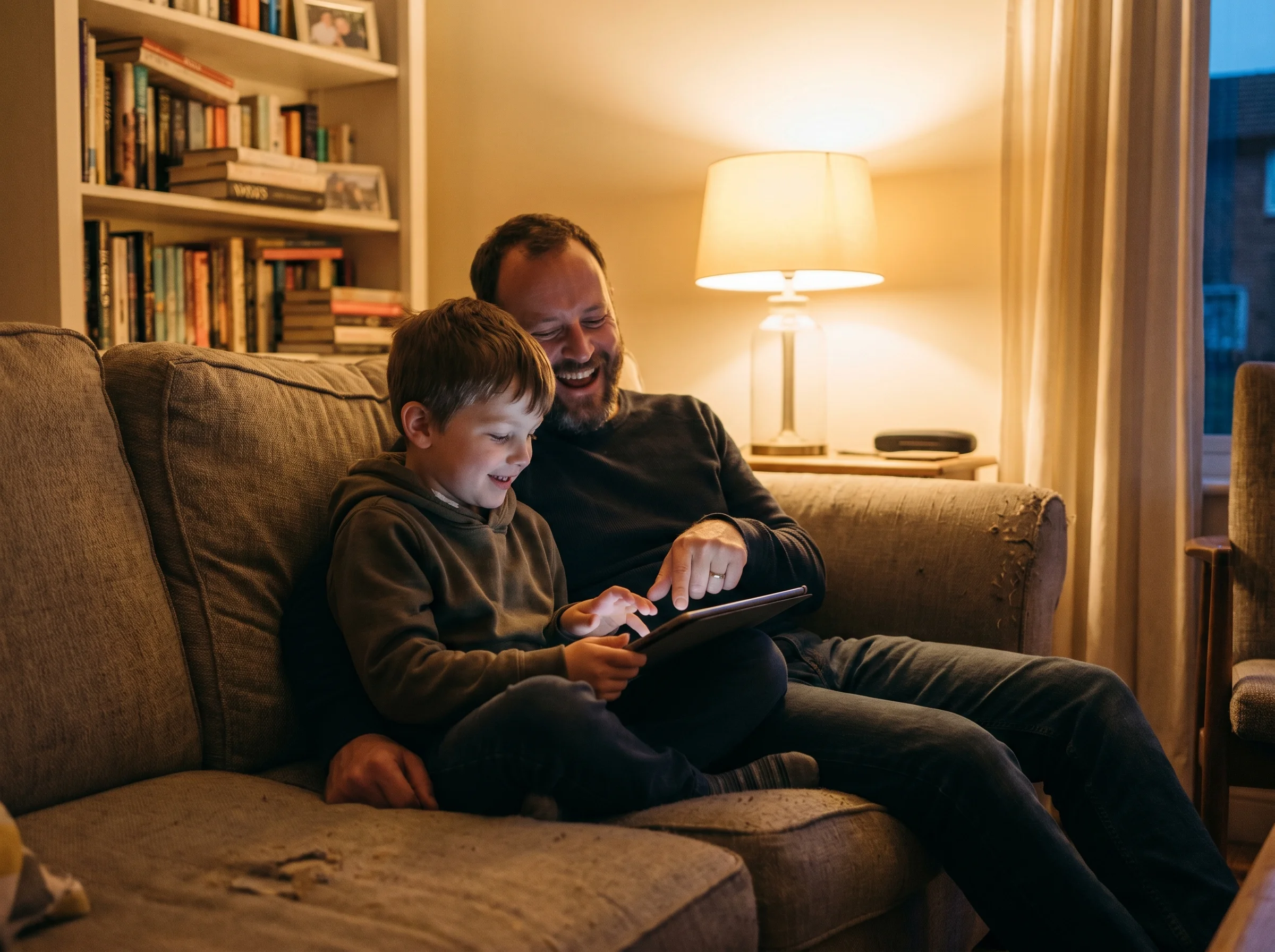
That's actually why my co-founder and I built Yakety Pack. I kept failing at the "how was your day" conversation with my son. I needed questions that actually got him talking, especially about the stuff he cared about, which for him was always games and the rabbit holes around them. The cards aren't about gaming specifically. They're about getting past the grunt.
My Actual Recommendation
If you want a clean answer to "what is the world's #1 learning app," here it is:
- For language exposure: Duolingo. Just don't expect fluency.
- For real academic support: Khan Academy, with Prodigy if your kid is younger or needs more game-feel.
- For the curious, puzzle-loving kid: Brilliant.
- For the kid who hates anything labeled "learning app": let them go deep on Minecraft, Roblox Studio, or whatever YouTube rabbit hole has them hooked. Then actually engage with what they're learning there.
The world's #1 learning app, by raw numbers, is Duolingo.
The world's #1 learning, for your specific kid, is happening wherever they're choosing to spend three hours without anyone making them.
One of the Yakety Pack cards just asks "what's something you got really good at without anyone teaching you?" Nine times out of ten, my son's answer involves a game. That's the learning nobody's tracking. And once you start tracking it, the whole "best learning app" question kind of dissolves into a better one: what is my kid already learning, and how do I get in on that conversation?
If you want to go deeper on this stuff, check out our pillar piece on gaming apps and technology for middle schoolers, or the spoke on best educational gaming apps for middle schoolers. Both pick up where this one leaves off.
The owl is fine. Just don't mistake the streak for the learning.

From this article
Pause, Play, Connect: Core Deck
Zero downloads, no owl: The learning your kid does in Minecraft only counts for your relationship if you hear about it. One card from the Pause, Play, Connect Core Deck at dinner surfaces the redstone calculator story you'd otherwise never know existed.

