
Last week, my 12-year-old explained his plan to reach Diamond rank in Rocket League. It included practice schedules, YouTube tutorials, and finding a mentor. Meanwhile, I'd been trying to get him to set "real" goals for months.
"Dad, I need to improve my aerial control by 15% and my rotation timing is off by about half a second. I'm thinking two hours of training packs daily, plus I found this coach on Discord who reviews gameplay for free if you're under 16."
This kid. The same one who shrugs when I ask about his science project. The one who "forgets" to practice piano. He'd just laid out a three-month development plan that included metrics, mentorship, and deliberate practice schedules.
That's when it hit me. He doesn't lack goal-setting skills. I lack translation skills.
The Day I Realized I Was Speaking the Wrong Language
For years, I tried the standard parent playbook. "What goals do you want to set for this school year?" Shrug. "Where do you see yourself improving?" Eye roll. "Let's make a plan for getting your grades up." And he'd shut down completely.
But ask him about his gaming goals? Suddenly I'm getting TED talks.
"So I'm 200 SR away from Diamond, right? But my mechanics are already Diamond level. It's my game sense that's holding me back. So I've been watching replays of my deaths - not my goals, my deaths - to spot positioning mistakes. And I made a spreadsheet tracking which mistakes happen most."
A spreadsheet. My 12-year-old made a spreadsheet. For a video game.
Here's what took me way too long to understand: "What are your goals?" sounds like homework. But "What are you grinding for?" That's speaking his language.
Gaming Goals ARE Real Goals (A Translation Guide)
Once I started paying attention, I realized gaming has its own sophisticated language for concepts I'd been trying to teach:
Grinding = Deliberate practice. When my son says he's "grinding ranked," he means focused, repetitive practice with the specific intent to improve. That's literally what music teachers beg students to do.
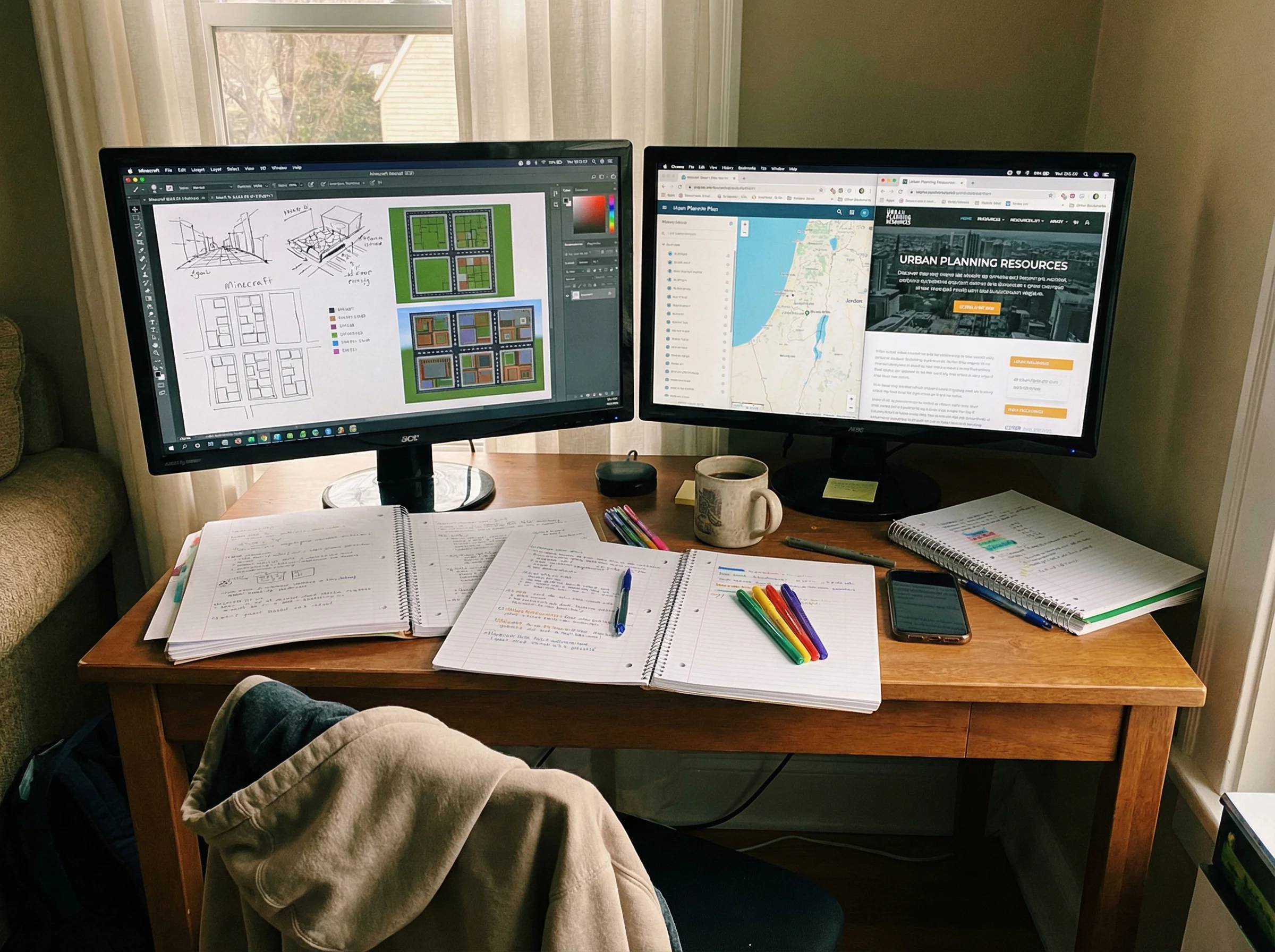
Skill trees = Learning pathways. Games show you exactly which abilities unlock others. My daughter once mapped out her Minecraft building skills like a skill tree - "I need to learn redstone basics before I can do automatic farms." That's curriculum design.
Achievement hunting = Milestone setting. Games break massive goals into bite-sized pieces. "Defeat 100 enemies with headshots" teaches the same incremental progress as "read 20 books this year."
Raid planning = Project management. Try organizing 40 people across three time zones to defeat a boss that requires perfect coordination. That's MBA-level stuff.
Last month, my daughter spent three weeks planning a Minecraft city. She researched real city layouts, created districts for different functions, planned traffic flow, and even considered sight lines for "tourist screenshots."
"Dad, you can't put the farms next to residential. Nobody wants to live near cow noises."
She'd accidentally taught herself urban planning. While I was trying to get her interested in "real world" goals.
Why Kids Set Better Gaming Goals Than Life Goals
Gaming goals work because games understand something schools and parents often miss: feedback needs to be immediate, specific, and emotionally neutral.
In Rocket League, you miss an aerial shot and instantly know why - approach angle was wrong, boosted too early, whatever. The game shows you exactly what happened. No judgment. Just data.
Compare that to school: "Your essay needs work." Work on what? How? Why? When my son gets a C on a math test, he has no idea which specific skills need improvement. But when he loses a match, he can watch the replay and identify the exact moment things went wrong.
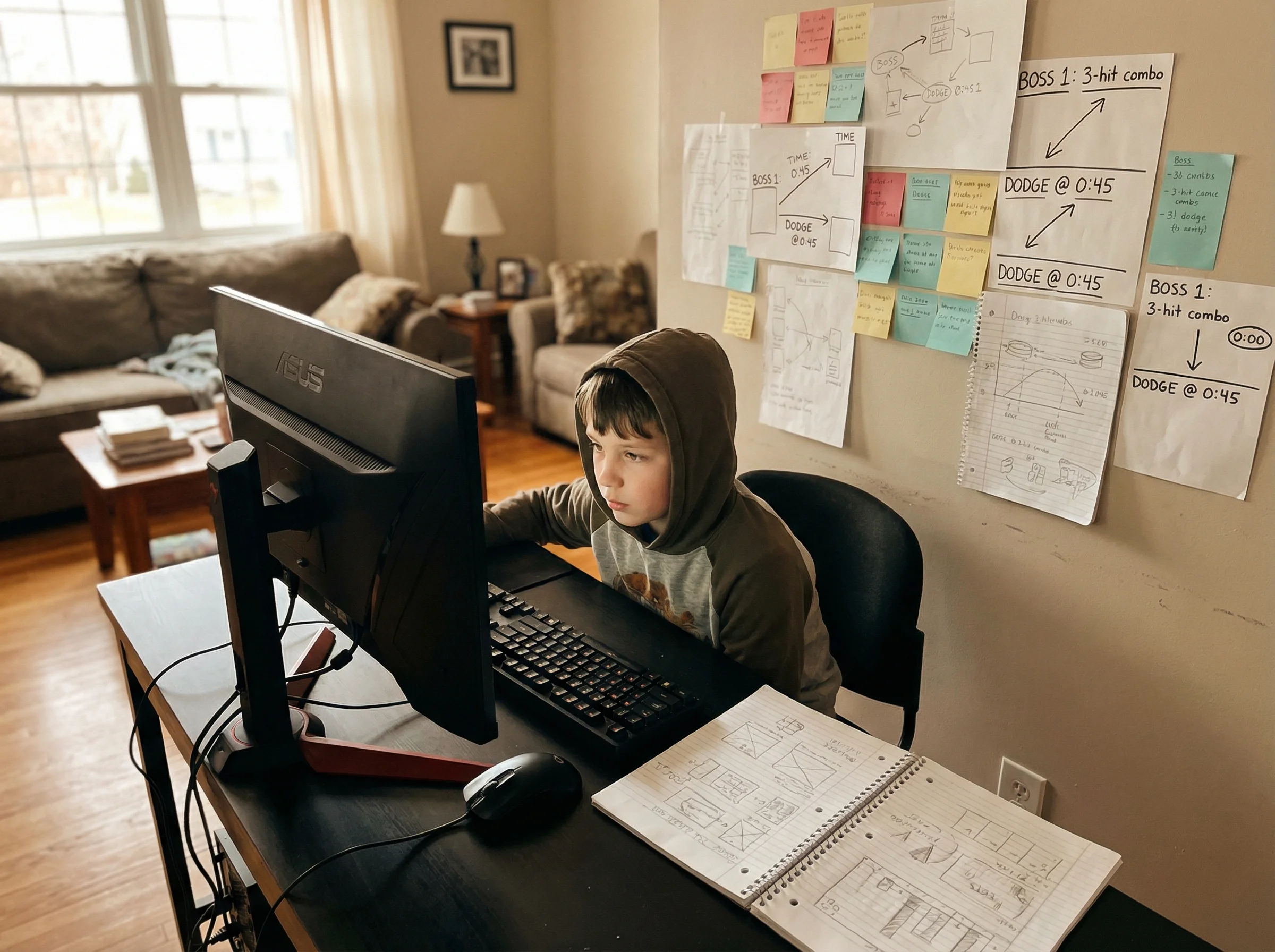
My son once fought the same Dark Souls boss 47 times. Forty. Seven. Times. Each death taught him something specific - dodge timing, attack patterns, stamina management. After failing one math test? He wanted to give up on the entire subject.
The difference? Gaming normalizes failure as information. School treats it as judgment.
The Bridge Questions That Actually Work
Want to connect with your gaming kid about goals? Stop using corporate speak. Here's what actually works:
Instead of: "How was school today?"
Try: "What was today's main quest?"
Instead of: "You need to set some goals"
Try: "What's your next achievement unlock?"
Instead of: "Why can't you focus on homework like you focus on games?"
Try: "What's different about focusing on that boss fight versus math homework?"
Real conversation from last Tuesday:
Me: "That thing you do where you practice the same Rocket League shot 50 times - what would happen if you practiced math problems that way?"
Him: "Math doesn't tell me what I did wrong. It just says 'incorrect.'"
Me: "What if we made it tell you?"
Him: "...how?"
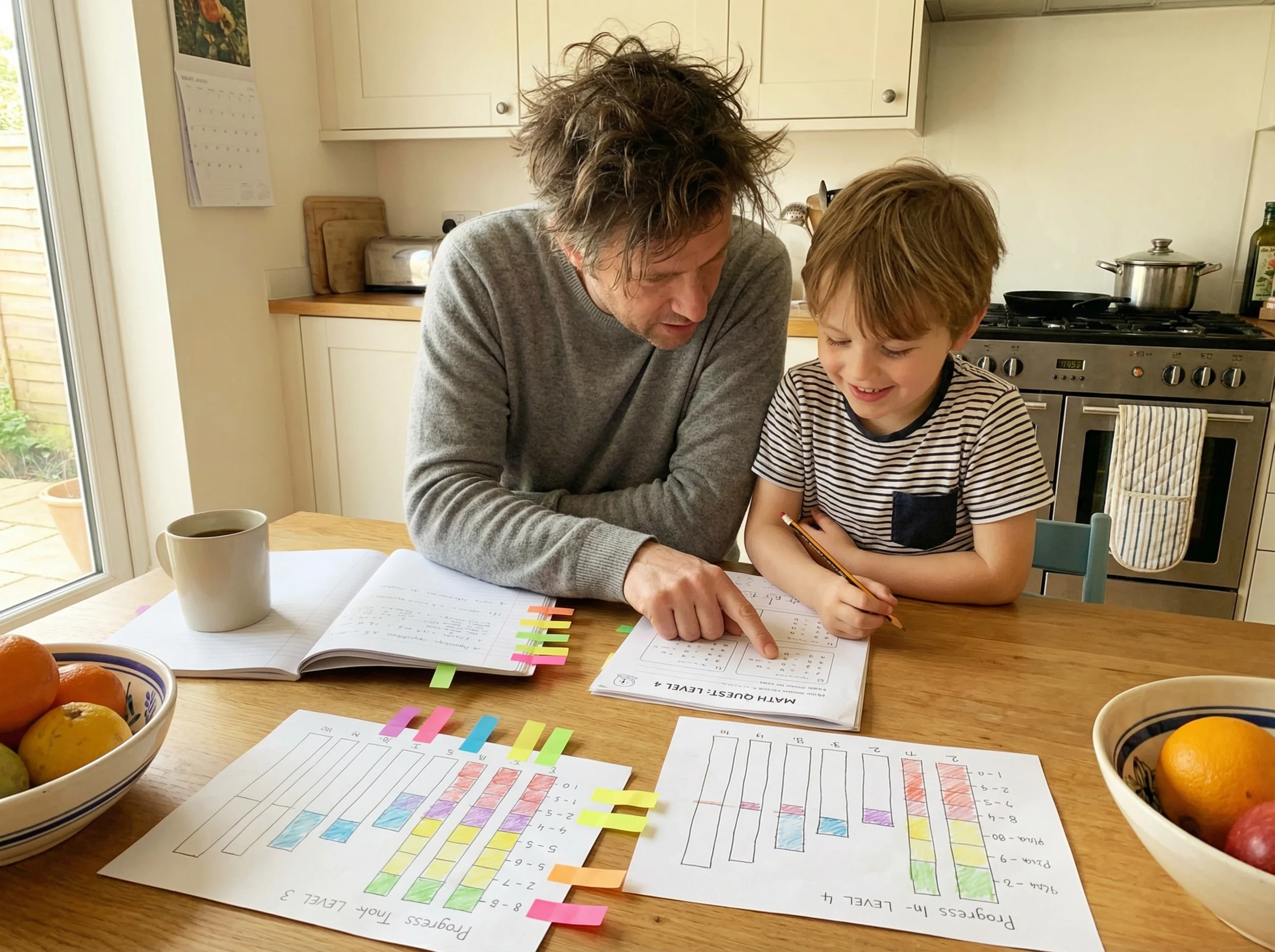
That led to us creating a "training pack" for algebra where each problem type had specific "mechanics" to master. His grade went from C to A in six weeks. Not because he got smarter. Because we translated the goal into his language.
When Gaming Goals Teach Life Lessons (Without Them Knowing)
The beautiful part? Kids are already learning massive life skills through gaming. They just don't realize it.
My son learned budgeting from managing FIFA Ultimate Team coins better than any allowance lesson I tried. He keeps spreadsheets of player prices, tracks market trends, and calculates opportunity costs. "Dad, if I buy Messi now, I can't afford a defense upgrade for three weeks. Is one player worth weakening the whole team?"
That's a retirement planning seminar disguised as a soccer game.
His gaming clan taught him more about leadership than student council. He had to coordinate practice schedules across countries, mediate personality conflicts, and make tough decisions about who plays in tournaments. One kid kept missing practices but was their best player - does the team prioritize winning or fairness?
"We voted to bench him for one tournament," my son explained. "He was mad but showed up to every practice after that. Sometimes people need consequences to take things seriously."
I'm sorry, my 13-year-old just explained performance management to me?
The Plot Twist: Let Them Teach You
Here's what changed everything for us: I stopped trying to teach goal-setting and started asking them to teach me about their gaming goals.
"Walk me through your strategy for reaching Diamond rank."
"Explain why this achievement is harder than that one."
"Show me how you decide which goals to pursue first."
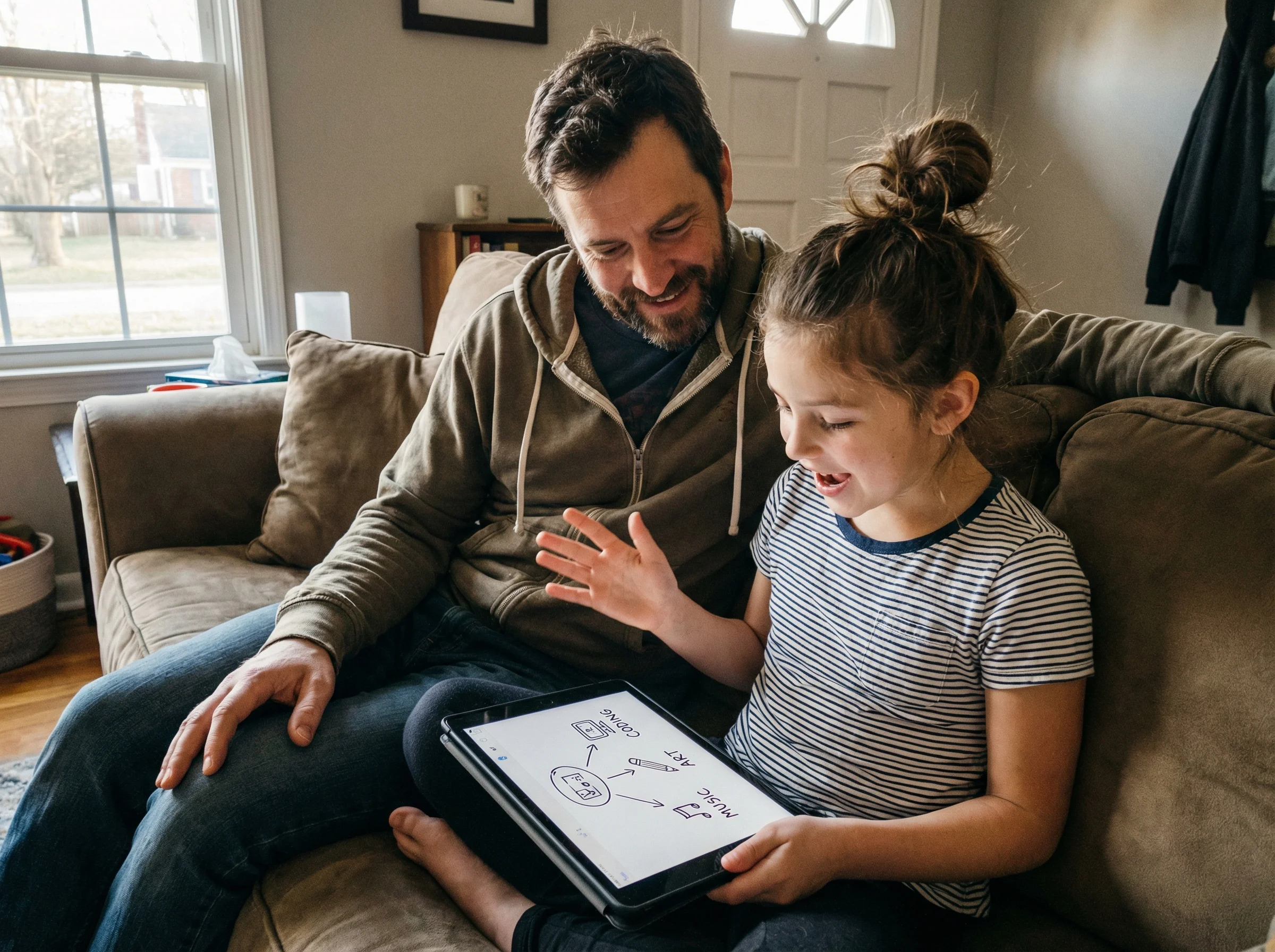
The magic happens when you point out what they're doing: "Wait, you just created a three-phase plan with checkpoints and backup strategies. You know that's exactly what project managers do, right?"
Their response is usually surprise. They don't see grinding rank as "goal-setting." It's just what you do. But when you connect those dots - "That thing you naturally do in games? That's a superpower most adults struggle with" - suddenly they realize they already have the skills.
One Yakety Pack card asks: "What's the hardest gaming achievement you've earned?" When my daughter answered, I asked her to explain the process. Twenty minutes later, she'd outlined a six-month journey that included skill development, resource management, and coordinating with friends across time zones.
"You just described everything they teach in business school," I told her.
Her eyes went wide. "Wait, really?"
Making the Connection Stick
The key to bridging gaming goals and life goals isn't pulling kids away from games. It's showing them they're using the same skills with different skins.
When my son hit Diamond in Rocket League, we celebrated like he'd made varsity. Because the dedication was identical. Three months of daily practice, analyzing failures, seeking mentorship - how is that different from making a sports team?
We started using gaming language for everything. Piano practice became "grinding mechanics." His science fair project had "phases" with "achievement unlocks." We even made a skill tree for learning guitar, complete with prerequisites - "Unlock 'Barre Chords' after completing 'Basic Chord Mastery.'"
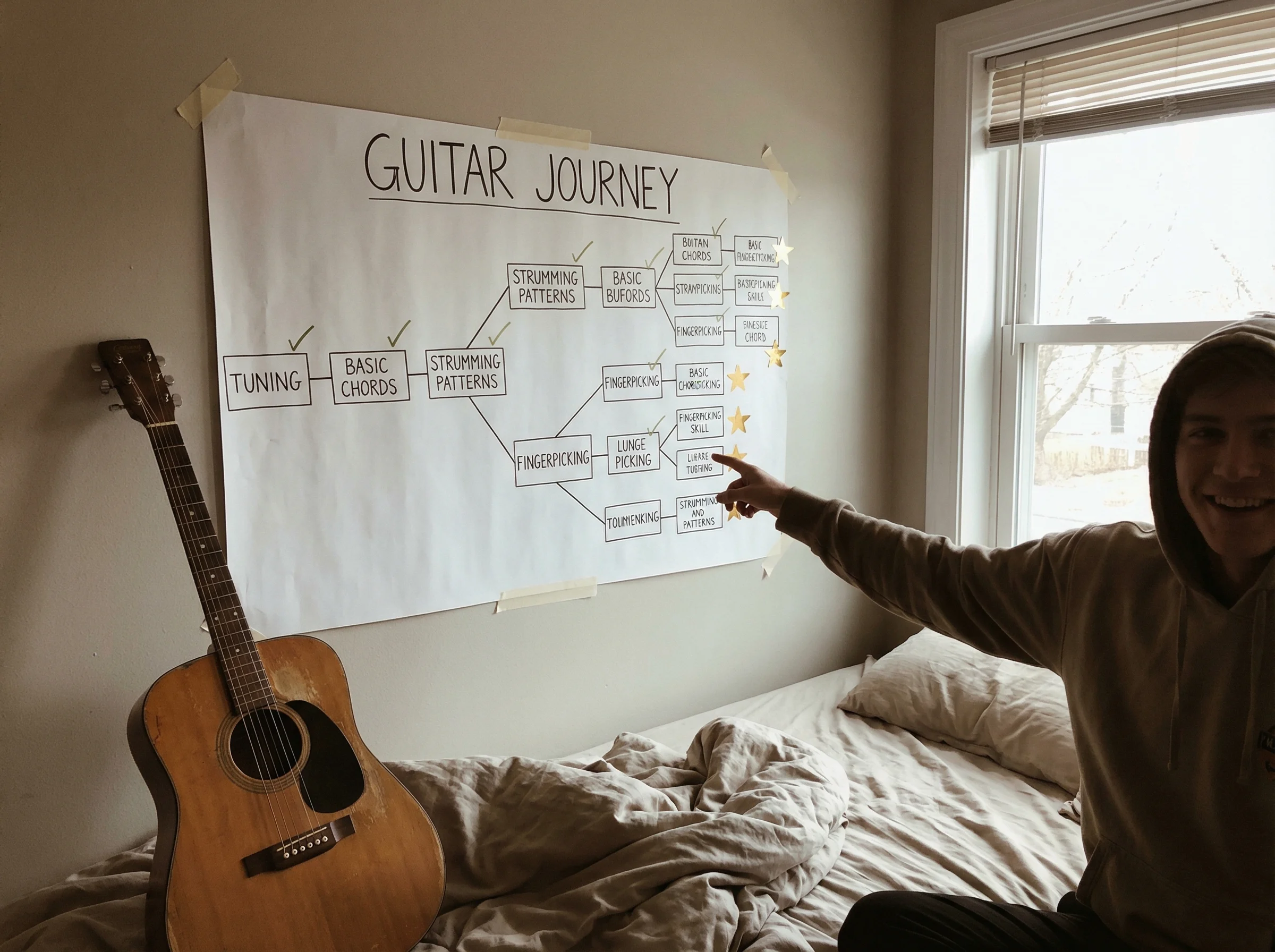
Is it silly? Maybe. Does it work? My kids now approach life goals with the same strategic thinking they use for gaming. They see challenges as bosses to defeat, not obstacles to avoid.
The most powerful phrase in our house: "You already know how to do this."
Because they do. Every kid who's ever grinded for a rare item, organized a guild, or spent weeks perfecting a speedrun already understands goal-setting better than most adults.
We just need to speak their language.
Your Next Quest
Tonight, ask your kid about their current gaming goal. Not with judgment - with genuine curiosity. Have them explain their strategy in detail. Ask why they chose that goal over others. Learn their process.
Then, point out one real-world skill they're using. Just one. "That thing where you figured out the most efficient path? That's called optimization. People get paid a lot of money to do that."
Watch their face when they realize they've been upgrading life skills while having fun.
That's when the real game begins.
Related Articles
Looking for more? Check out these related articles:
