
For about two years, I treated my son's gaming like a problem I had to manage. Time limits, eye rolls, the occasional "are you STILL on that thing?" from the hallway. I figured I was being a responsible dad.
Then one Saturday morning, instead of walking past his room, I sat down on the floor and just watched.
He was thirteen, headset on, leading four other kids through some Minecraft raid I didn't understand. He was calm. He was funny. He was telling one kid to "chill, we got this" and telling another "good call, switch left." He was a version of himself I'd literally never met. And it hit me: gaming wasn't the thing affecting my kid. My reaction to it was.
That morning changed how I think about this whole question of how online gaming affects children, and it's the reason I write about this stuff at all.
 The question, not the hoursPause, Play, Connect: Core Deck172 prompts that pick up where how was the game leaves off.$49 CAD • 90 cards • 18 reviewsShop the deck
The Real Question Isn't "Does Gaming Hurt Kids?"
If you Google "how does online gaming affect children," you'll get a hundred articles that treat gaming like it's one thing doing one thing to one kind of kid. It's not.
A 7-year-old building a treehouse with their cousin in Minecraft is not having the same experience as a 15-year-old in Valorant voice chat at 11pm. A kid who games for an hour after homework with engaged parents is not having the same experience as a kid who games alone for six hours because nobody's home. Same activity. Wildly different effects.
The variable nobody talks about? You. The adult in the room. Gaming's impact on your kid depends almost entirely on whether you treat it as a threat to manage or a doorway to walk through. The strictest parents I know often have the most disconnected gaming kids. The curious parents, the ones who'll watch a stream or fumble through a match, usually have kids who'll actually talk to them about what's going on in their world.
Screen time is the wrong metric. Connection is the right one. The American Academy of Pediatrics shifted its own guidance in recent years to focus more on context and quality of media use than raw hours. They were onto something.
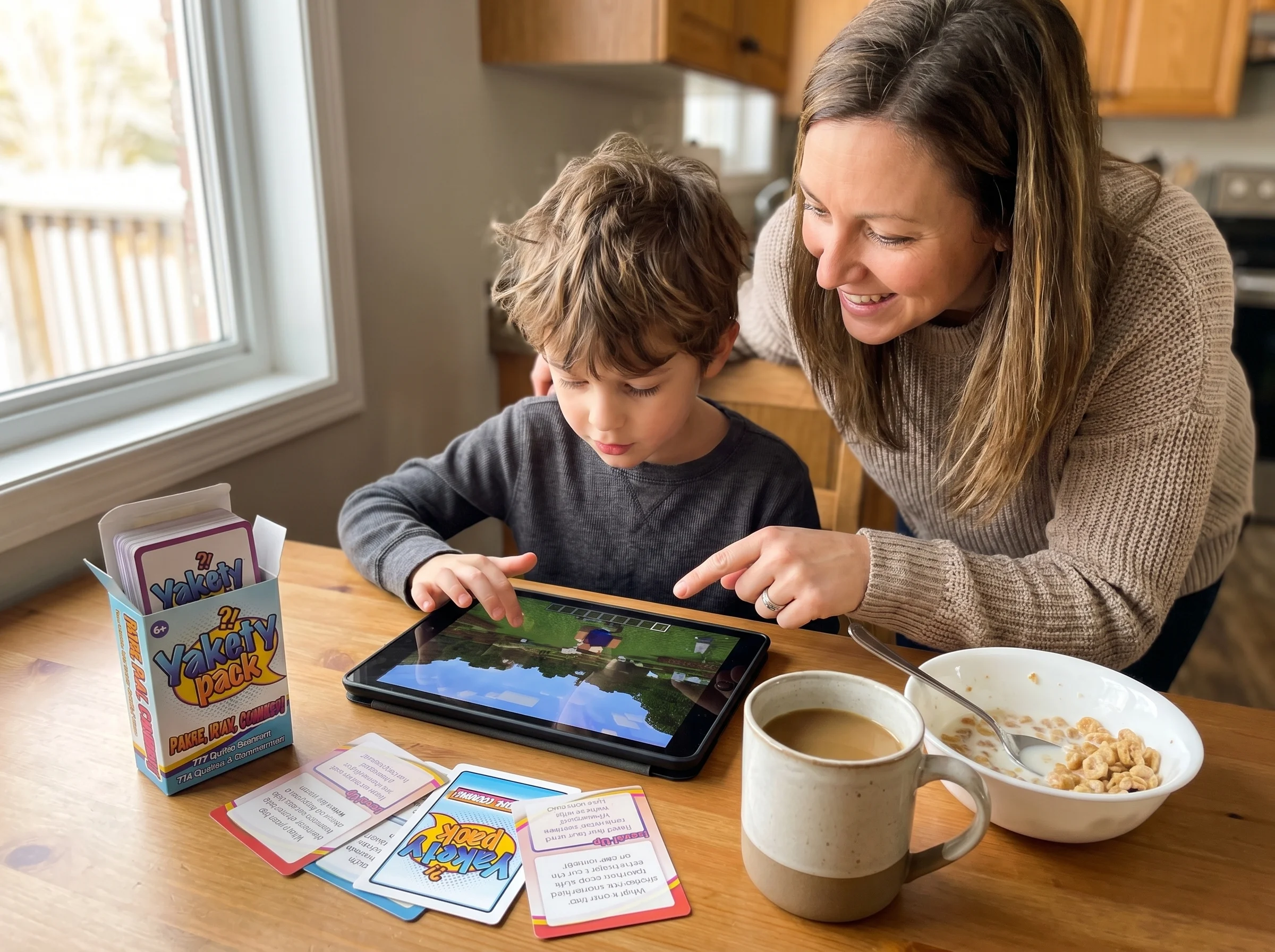
What Gaming Actually Does to Kids (The Honest List)
I'm not going to pretend gaming is all upside. Let me give you the real list.
The good stuff that's actually good:
- Problem-solving reps in low-stakes environments (lose, retry, adjust, win)
- Identity experimentation. Kids try on personalities in games they can't try on at school.
- Social skill development that looks weird to us but is real. Coordinating five people on a raid is leadership.
- Finding their people. The quiet kid in third period might be running a Discord server with 40 friends.
The stuff that's real and worth watching:
- Frustration that spills into the rest of the day
- Sleep disruption if you're not paying attention
- Emotional intensity around losses, especially ranked games
- Using gaming as a hiding place when other parts of life feel hard
My son cried for an actual hour after losing a ranked match once. My first instinct was "it's just a game." But it wasn't just a game. He was twelve, and he was learning how to lose in public, in front of his friends, with no way to hide it. Gaming gave him reps at something school never did. That cry was growth, not weakness.
Age Matters Way More Than Anyone Admits
"How does online gaming affect children" is basically an unanswerable question because "children" isn't a group. Here's roughly what I've seen:
Ages 5-8: Mostly parallel play, simple mechanics, very little real "online" social stuff. Your involvement matters most here. Play with them. Learn the game. This is when you set the tone for the next decade.
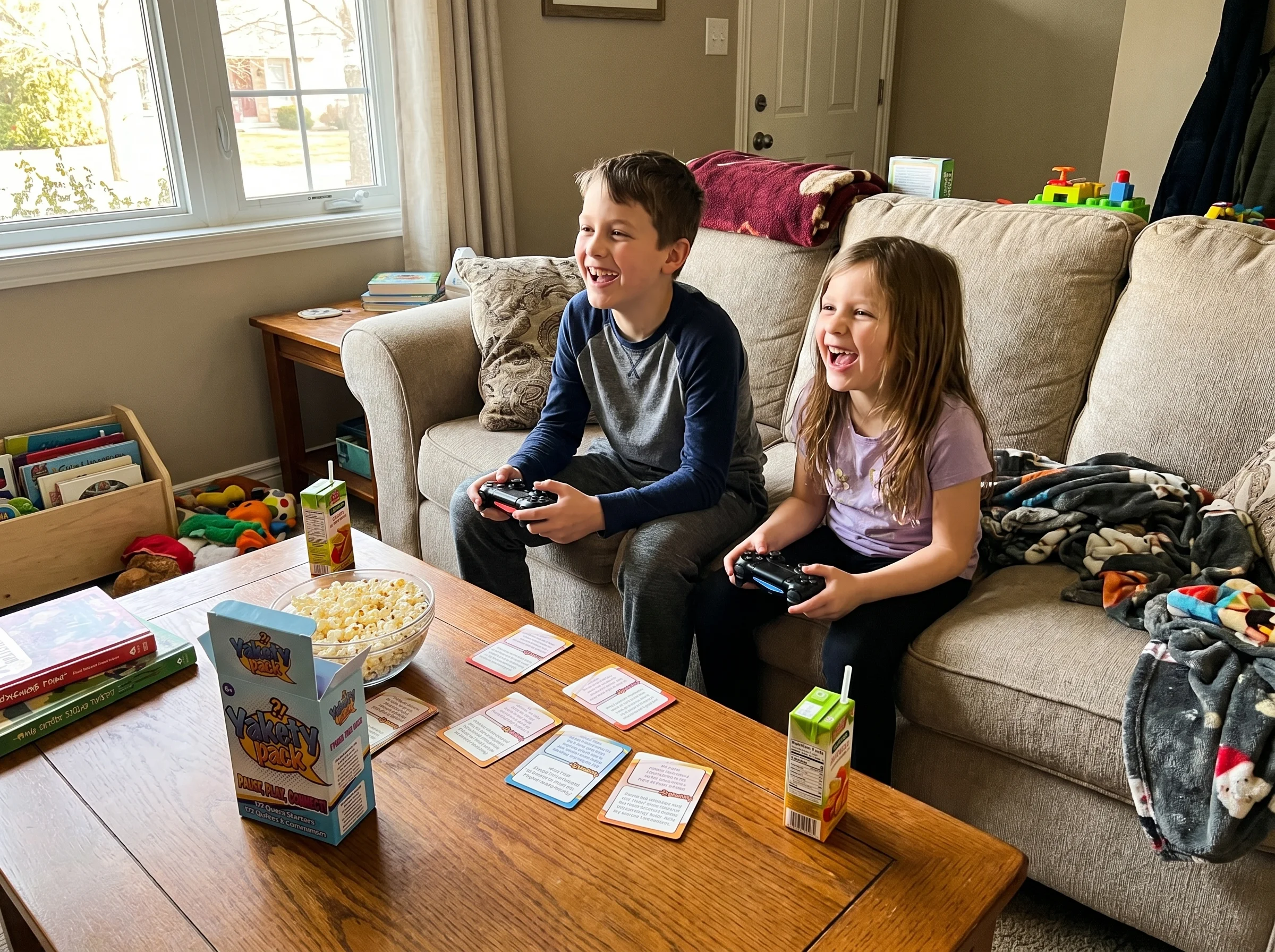
Ages 9-12: Social gaming kicks in hard. Friendships start forming around games. Identity stuff begins. They start caring what their friends think, in the game and about the game.
Ages 13+: Voice chat becomes the main thing. Gaming friendships become real friendships, sometimes their primary friendships. This is when most parents panic and most kids shut down. (Pew Research has found that the vast majority of teen boys play video games, and many form real friendships there.)
I tried to use the same approach with my younger kid that I'd used with my older one. Didn't work. They needed totally different things. One needed me to sit next to them. The other needed me to ask one good question at dinner and then back off.
What Should Actually Worry You (And What Shouldn't)
This is where most articles fail parents. They list vague warning signs and leave you panicking about normal stuff.
Normal, not a problem:
- Getting frustrated, sometimes very frustrated
- Wanting to play more than you'd like them to
- Talking about games constantly
- Having online friends you've never met
- Big emotions when you ask them to stop mid-match
Worth paying attention to:
- Sleep getting wrecked
- Dropping interests they used to genuinely love
- Hiding screen time or sneaking devices
- Withdrawal or flatness when they're not playing
Actual red flags:
- Deception about who they're talking to
- Cutting off in-person friendships they used to value
- Total secrecy about online relationships
- Using gaming to avoid every other part of life, every single day
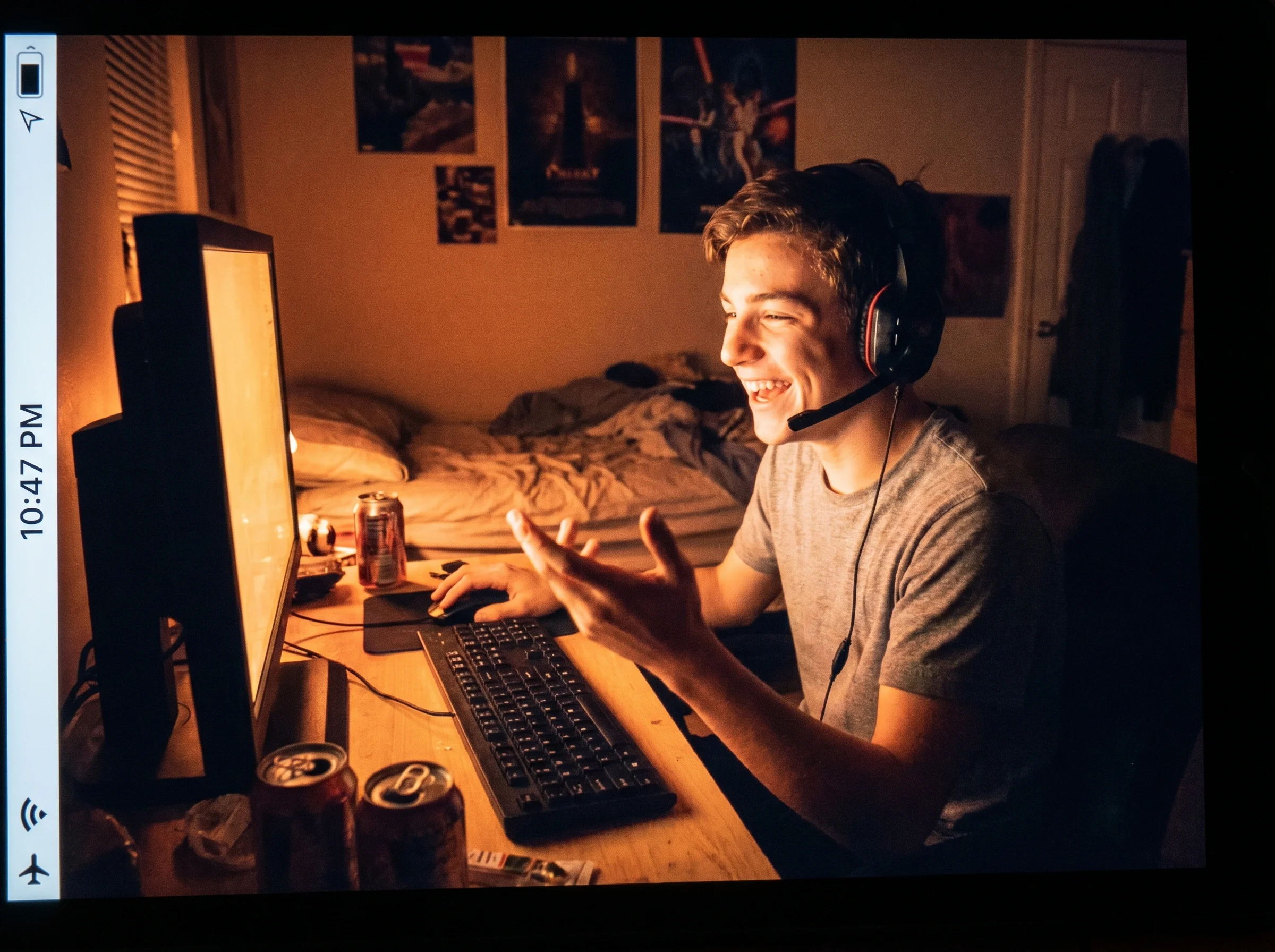
The Xbox-shutdown meltdown I mentioned? I almost banned the whole console that night. I thought I was witnessing addiction. Turned out my son was mid-tournament with his team and I'd just bailed on his friends without warning. Once I understood the context, the "addiction" looked a lot more like loyalty. Context changes everything.
 Change the questionPause, Play, Connect: Core Deck$49 CAD • 172 promptsSee the deck
The Mistake Most Parents Make (Including Me)
The biggest mistake I made for two years was treating gaming like the enemy instead of the doorway.
I asked terrible questions. "How was your game?" Grunt. "Did you have fun?" Grunt. "What did you do?" Played the game, Dad. Then I'd get frustrated that he didn't talk to me, walk away, and tell myself the games had made him distant. They hadn't. My questions had.
One night I tried something different. Instead of "how was Minecraft today," I asked, "what's the craziest thing that happened in your world this week?" He talked for twenty minutes. Twenty. About accidentally flooding a village he'd spent two weeks building. He was laughing. I was laughing. The game wasn't the problem. My questions had been.
That's actually the reason my co-founder and I ended up building Yakety Pack. I needed better questions than the ones I had, and I figured I probably wasn't the only parent staring at a kid across the dinner table going "tell me about your day" and getting "fine" back. Better question, better answer. It's almost embarrassingly simple.
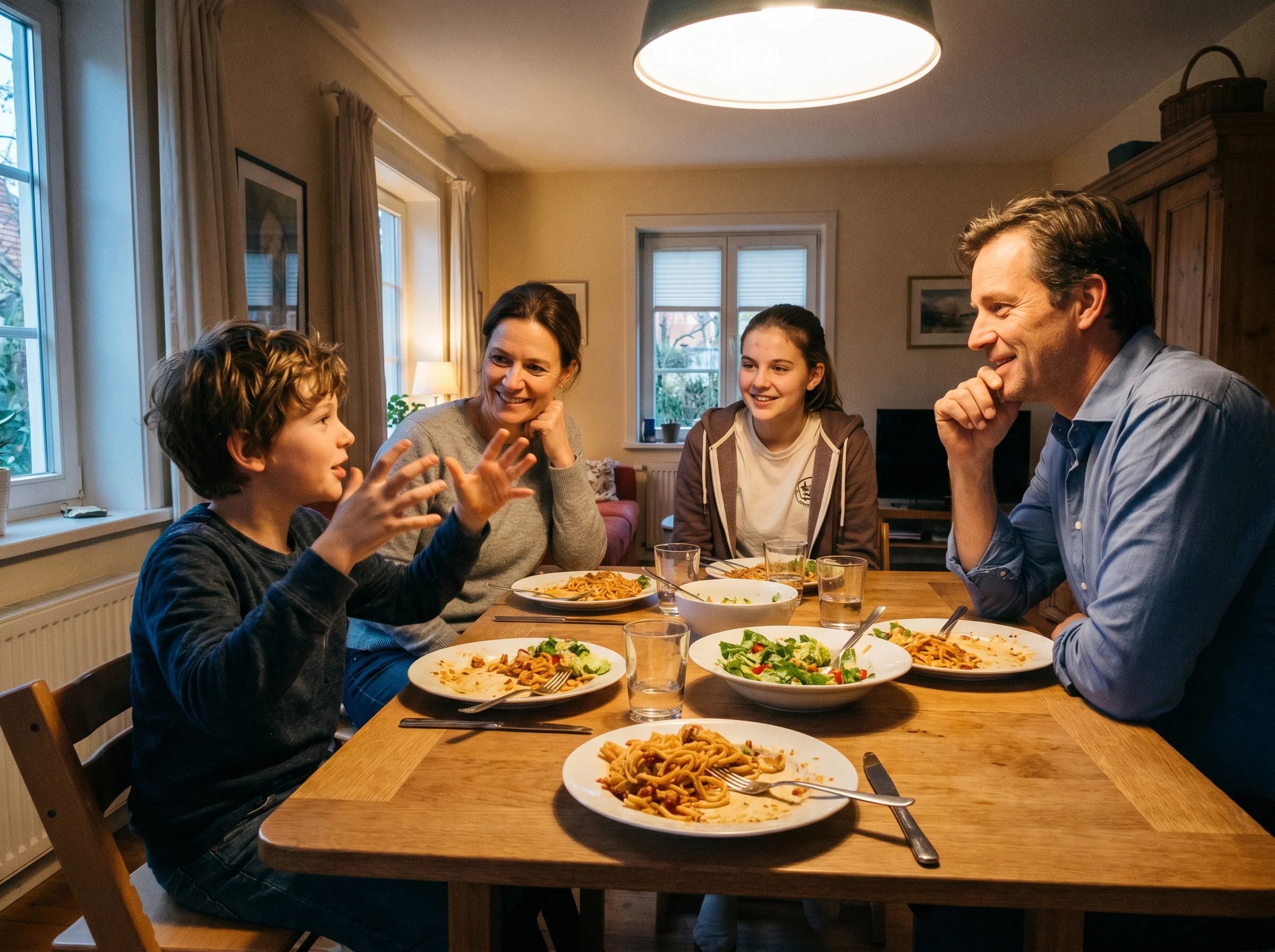
How to Use Gaming as a Window Instead of a Wall
If you want the practical version, here's what's actually worked for me and for the parents I've talked to:
- Watch them play without commentary. Don't critique. Don't ask why they did that thing. Just watch. You'll learn more in twenty minutes than you have in six months.
- Ask about the people, not the game. "Who were you playing with? What's that kid like?" beats "what game were you playing?" every time. (I went deeper on this in our piece on online gaming friendships and why they matter.)
- Learn one term a week. Ask what a "shader pack" is. Ask what "ranked" means. Let them teach you.
- Play with them, badly. The night my son taught me Rocket League was one of the best nights we've had. I was hilariously bad. He laughed at me for an hour. Something cracked open.
- Treat their online friends like real friends. Because they are. Ask about them by name. Remember stuff.
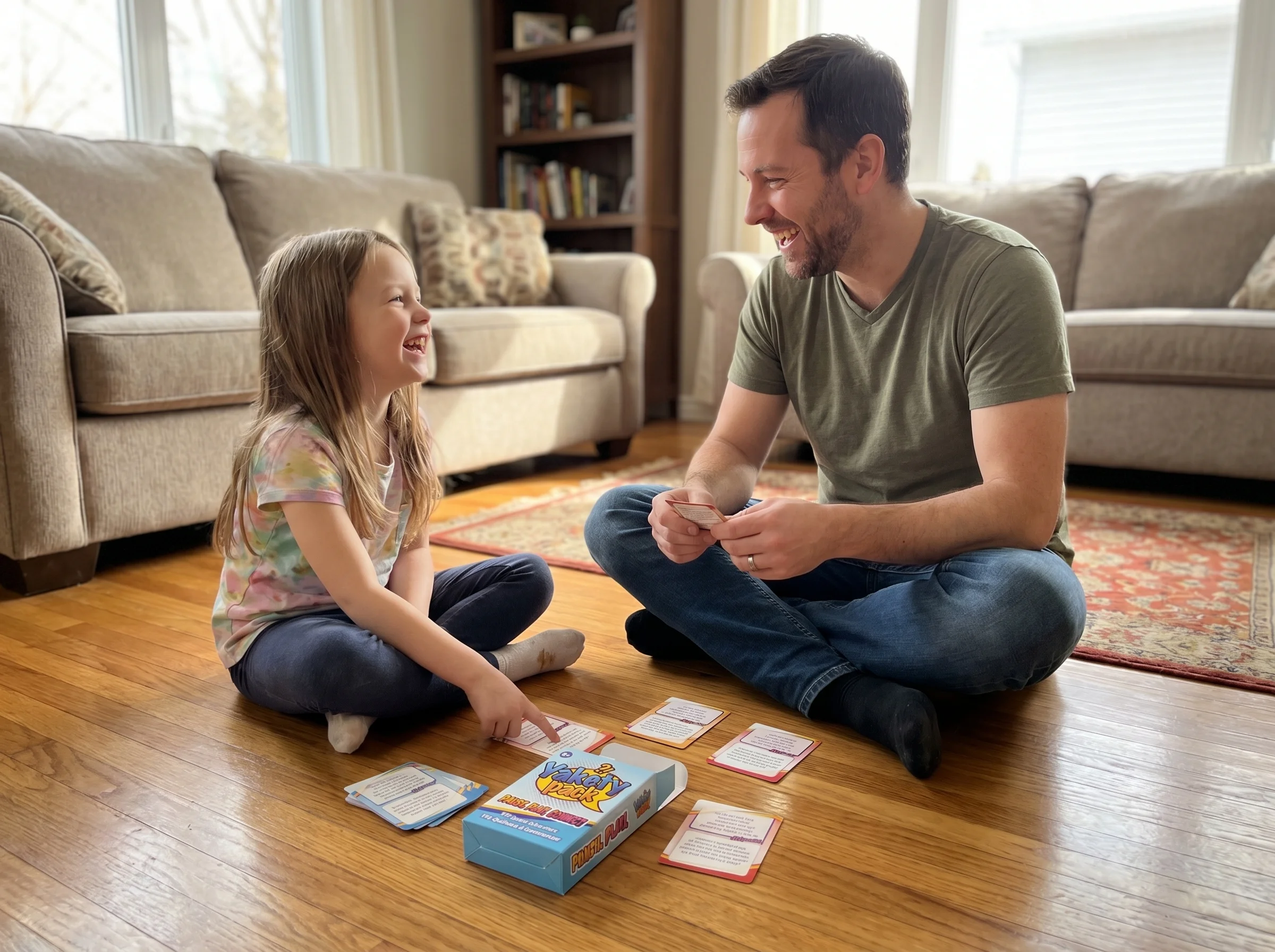
One of the Yakety Pack cards asks "what game character would you want as a friend and why?" My daughter's answer told me more about what she values in people than any direct question I'd ever asked. Sometimes the side door is the only door open.
The Bottom Line
Gaming isn't neutral. But it isn't the villain either. The biggest predictor of whether gaming is good or bad for your kid isn't the game, the hours, or the platform. It's whether there's a curious adult in their life who treats what they love as worth understanding.
Your kid is telling you who they are through what they play, who they play with, and how they play. The question isn't whether to let them game. It's whether you're paying attention to what gaming is showing you.
Try one thing this week: sit down, don't say anything for ten minutes, and just watch. Then ask one question about a person, not the game. See what happens.
That's how it started for me. I'm still figuring it out. But I'm not on the outside of my kid's world anymore, and that's worth more than any time limit I ever set.

From this article
Pause, Play, Connect: Core Deck
Start with ten quiet minutes: If gaming's effect depends on the curious adult in the room, the follow-up question is your biggest lever. The Pause, Play, Connect Core Deck was built for exactly that moment after you watch them play and want to say something better than "how was the game."
Related Articles
Looking for more? Check out these related articles:

