
When my son told me he wanted to get an esports scholarship, I laughed. Out loud. To his face.
That was probably the dumbest parenting move of my year. Two weeks of actual research later, I owed him an apology and a real conversation. Because here's the thing nobody told me: esports scholarships for high school students are real, they're at real universities, and the kids chasing them are doing something a lot more serious than I gave them credit for.
If you're reading this, you're probably standing where I was. Skeptical. Confused. Wondering if your kid heard about this on TikTok and is now spinning a fantasy, or if there's something actually worth supporting here. Let me walk you through what I learned, including the parts I got wrong.
Yes, Esports Scholarships Are Real. Here's What "Real" Actually Means.
Over 200 colleges in the U.S. offer esports scholarships right now. Most are members of NACE (the National Association of Collegiate Esports), which is basically the NCAA of competitive gaming. Schools like UC Irvine, Maryville University, Boise State, Miami University, and Shenandoah have legit varsity programs with coaches, dedicated arenas, and yes, scholarship money.
But here's where most articles oversell it: the average award is somewhere between $1,000 and $8,000 per year. Full rides exist. They are rare. They go to the top of the top, and even then they're often "full rides" because they're stacking academic scholarships on top of esports money.
There's also a big difference between varsity programs (scholarship-eligible, coaches, structured practice) and club teams (student-run, no money, more like an intramural league). If your kid is talking to a school, the first question is: varsity or club? It changes everything.
When I actually pulled up the list and saw the schools involved, my whole "this is a scam" framing collapsed in about ten minutes.
 Not research, just talkingPause, Play, Connect: Core Deck172 prompts that turn a skeptical parent and a hopeful kid into an actual conversation.$49 CAD • 90 cards • 18 reviewsShop the deck

The Honest "Is My Kid Actually Good Enough?" Conversation
Nobody wants to ask this question. I get it. But it's the most important one.
Being the best gamer in your friend group means absolutely nothing. Being the best at your school means a little. The benchmark colleges actually care about is somewhere in the top 1% of the ranked playerbase for whatever game your kid plays. Specifically:
- League of Legends: Diamond and above, with Masters+ being recruiting territory
- Valorant: Immortal or Radiant
- Rocket League: Grand Champion or Supersonic Legend
- Overwatch 2: Top 500 or high Grandmaster
- Smash Ultimate: Regional tournament placements (PGR-adjacent)
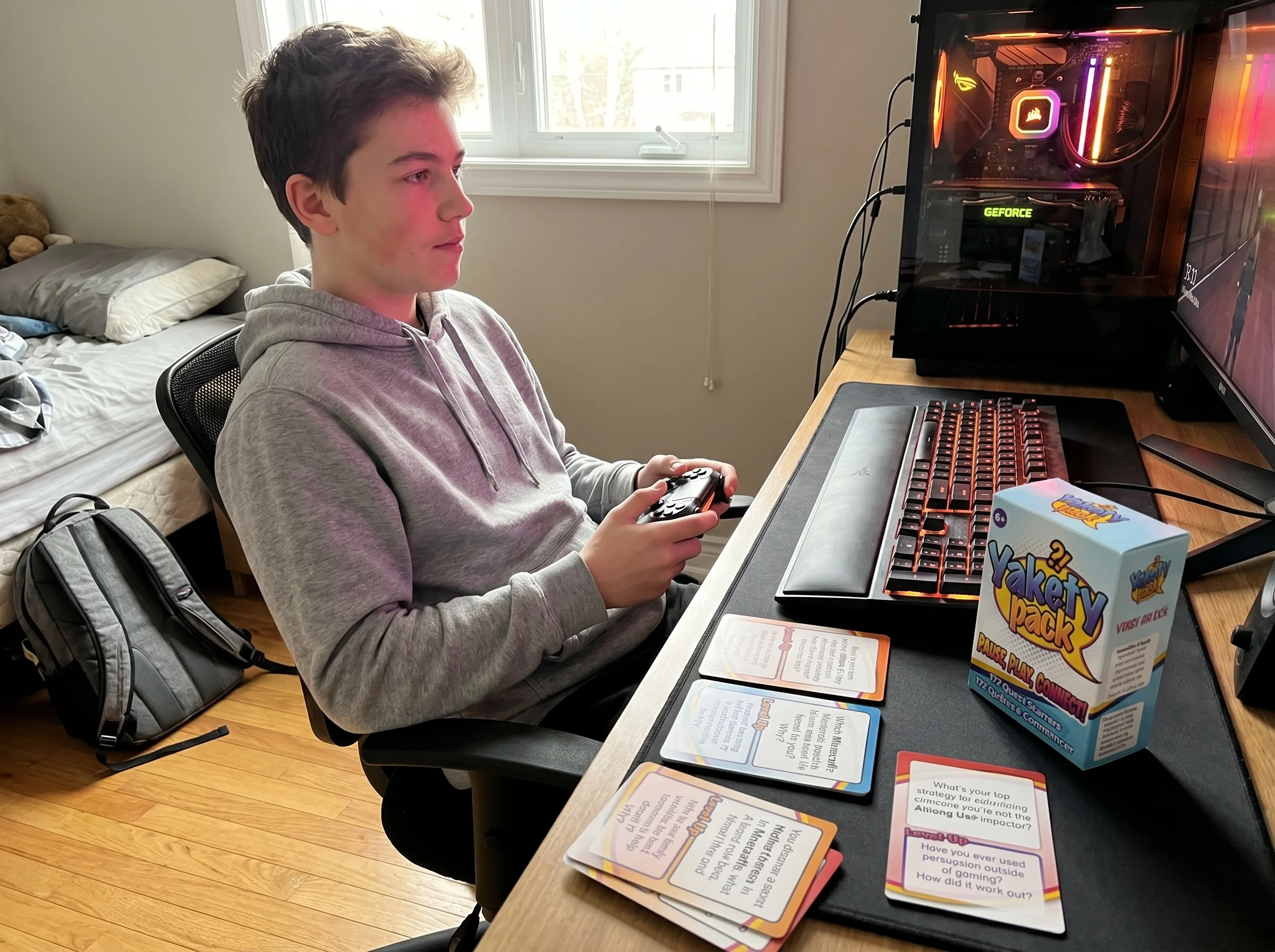
My son insisted he was "really good." So one Saturday we sat down and watched a regional high school tournament VOD together. Within twenty minutes, he turned to me and said, "Yeah. I'm not there yet." It was humbling for him and clarifying for both of us. I'd recommend every parent do this exact exercise. Watch a real high school or amateur tournament in your kid's game. See the gap honestly. Then have the conversation.
Which Games Actually Get Scholarships (And Which Don't)
This one surprised me. Kids assume their favorite game has a recruiting pipeline. Often it doesn't.
Games with strong scholarship pipelines:
- League of Legends
- Valorant
- Rocket League
- Overwatch 2
- Super Smash Bros. Ultimate
- Hearthstone (smaller, but exists)
Games that often DON'T have varsity scholarship paths:
- Fortnite (huge prize pools, almost no college varsity support)
- Call of Duty (hit or miss, depends on the school)
- Apex Legends (growing but inconsistent)
Why the gap? Schools care about developer support, team-based structure, and broadcast viability. Battle royales are hard to coach and harder to broadcast as a varsity sport. If your kid is grinding Fortnite hoping for a college payday, that's a tough conversation worth having early.
What Each Year of High School Should Actually Look Like
Most articles skip this. They give one giant blob of advice. Here's the breakdown I wish I'd had:
Freshman and sophomore year: Focus on grades. Seriously. Join the high school esports club if there is one, or find an amateur Discord-based team. Play ranked seriously, not just casually. Start learning what VOD review even is.
Junior year: Build a tournament resume. PlayVS, High School Esports League (HSEL), and local LAN events all count. Start cold-emailing college coaches. Put together a player profile with ranked screenshots, tournament placements, and a short VOD reel of your best moments.
Senior year: Applications, official visits (yes, those happen now for esports), and commitment. Coaches want to see consistency in rank over time, not a one-week peak.
If you want the full recruiting playbook, I broke that down separately in how to get recruited for an esports scholarship.
The GPA Thing Nobody Wants to Tell You
Here's the part that crushes most kids' dreams faster than ranked anxiety: most esports scholarships require a 3.0 GPA minimum. Many schools require higher. And a lot of programs stack the academic scholarship first, then add esports money on top.
Translation: your kid's grades matter more than their KDA.
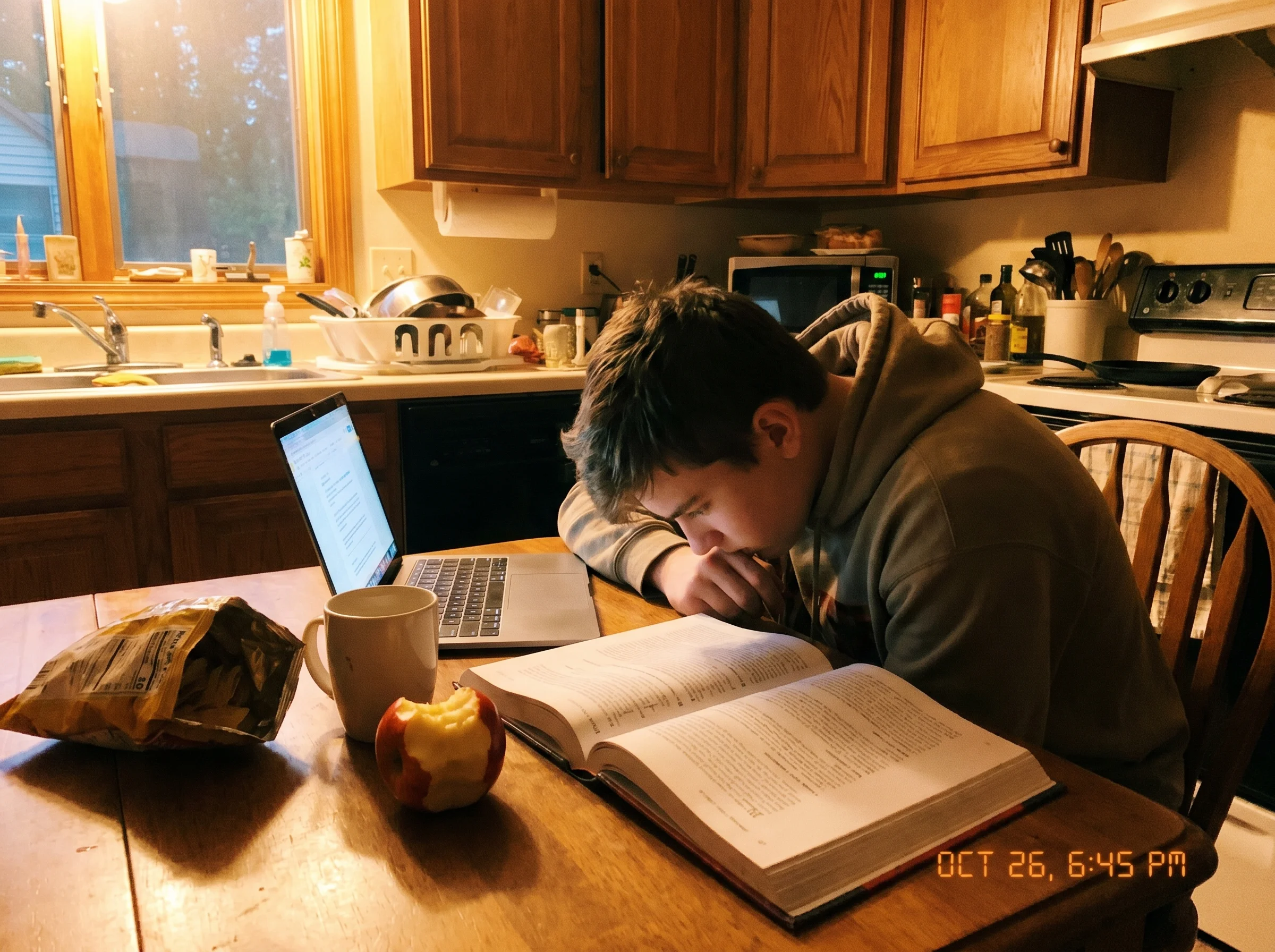
I told my son once, "Your scholarship is sitting in your English teacher's gradebook, not in your ranked queue." He didn't love hearing it. But he understood it. We started treating homework as part of "training," not as the thing that takes him away from training. That mental shift mattered. (If you want the deeper dive, see what GPA gets you a full ride.)
How Recruiting Actually Works (Hint: It's Not Like Football)
Forget what you know from traditional sports recruiting. No clipboards. No showcase camps. No coaches in folding chairs at the high school gym.
Esports coaches scout through:
- Ranked ladders (they literally watch the leaderboards)
- Tournament VODs
- Discord communities
- Player profiles on platforms like PlayVS and NCSA Esports
- Cold emails from players themselves
That last one matters. Cold-emailing college esports coaches is normal and expected. It's not pushy. It's the front door. Your kid needs to be findable too: Twitch clips, a clean Liquipedia or tournament results page, and a one-page player resume.
If your kid is introverted (mine is), this is where you can actually help. Sitting next to them while they draft the first email goes a long way. Don't write it for them. Just be in the room.
 Be in the roomPause, Play, Connect: Core Deck$49 CAD • 172 promptsSee the deck
What If This Doesn't Work Out?
Here's the conversation I almost didn't have, and I'm glad I did.
Somewhere around 95% of kids chasing esports scholarships won't get a meaningful one. That's the math. But the kids who chase it properly, with structure and intention, build skills that absolutely transfer: teamwork, communication, analytics, leadership, content creation, video editing, community management. Those skills lead to real careers in tech, esports business, broadcasting, and team operations.
The scholarship is the goal post. The growth is the prize.
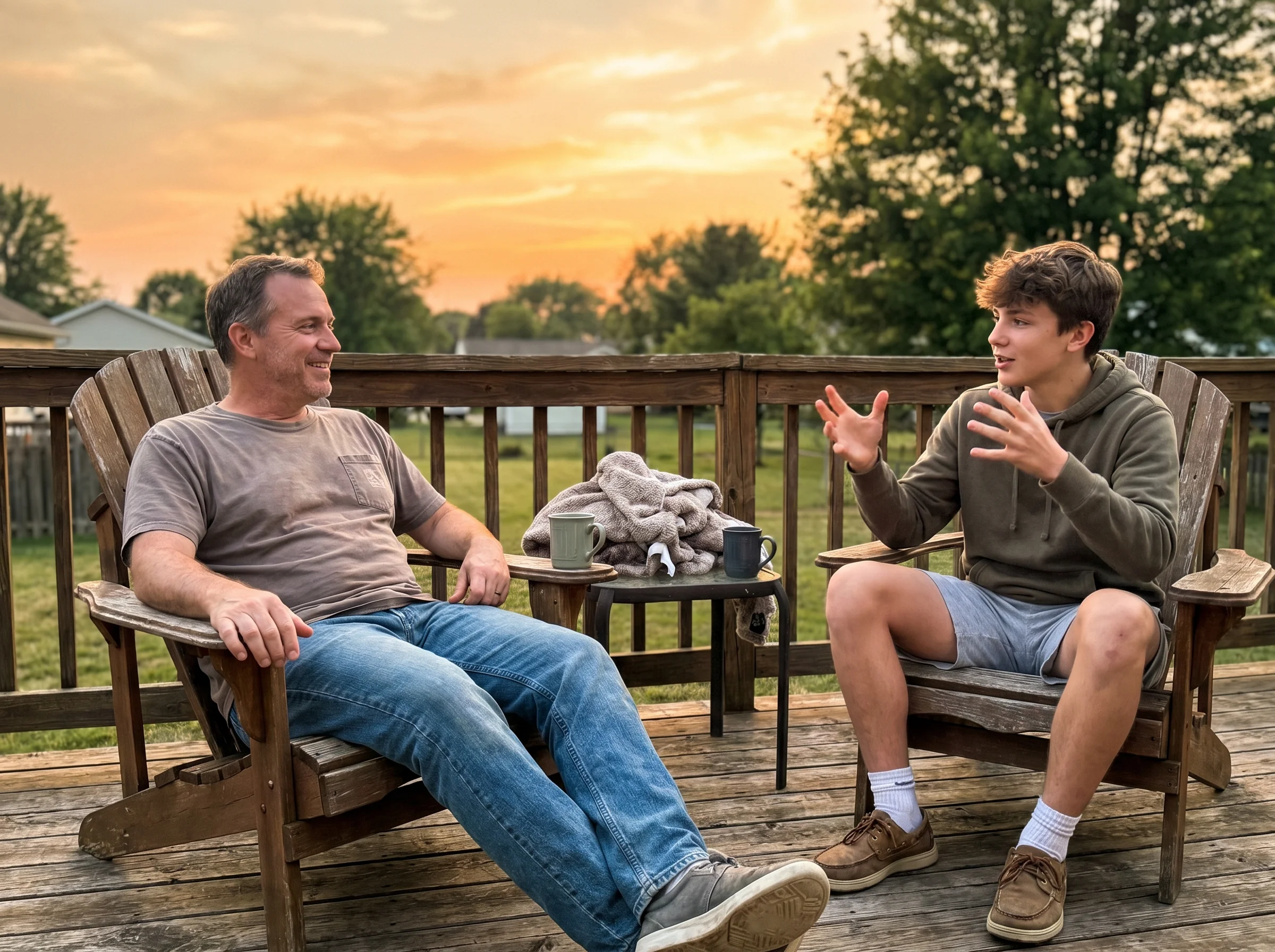
I almost asked my son, "What's your backup plan?" Instead I asked, "What do you love about chasing this?" He talked for forty minutes. About wanting to lead a team. About reading the game better than his friends. About the satisfaction of clean execution under pressure. That's a life skill conversation disguised as a gaming conversation.
We actually built Yakety Pack because I kept fumbling these moments. One of the cards in our deck asks, "What's something you're chasing that nobody else in your life seems to take seriously?" I asked my son that one. He told me about a tournament he wanted to win. Best forty minutes of that month.
The Counter-Intuitive Advice Most Parents Need to Hear
If your kid is seriously chasing this, don't limit their gaming. Restructure it.
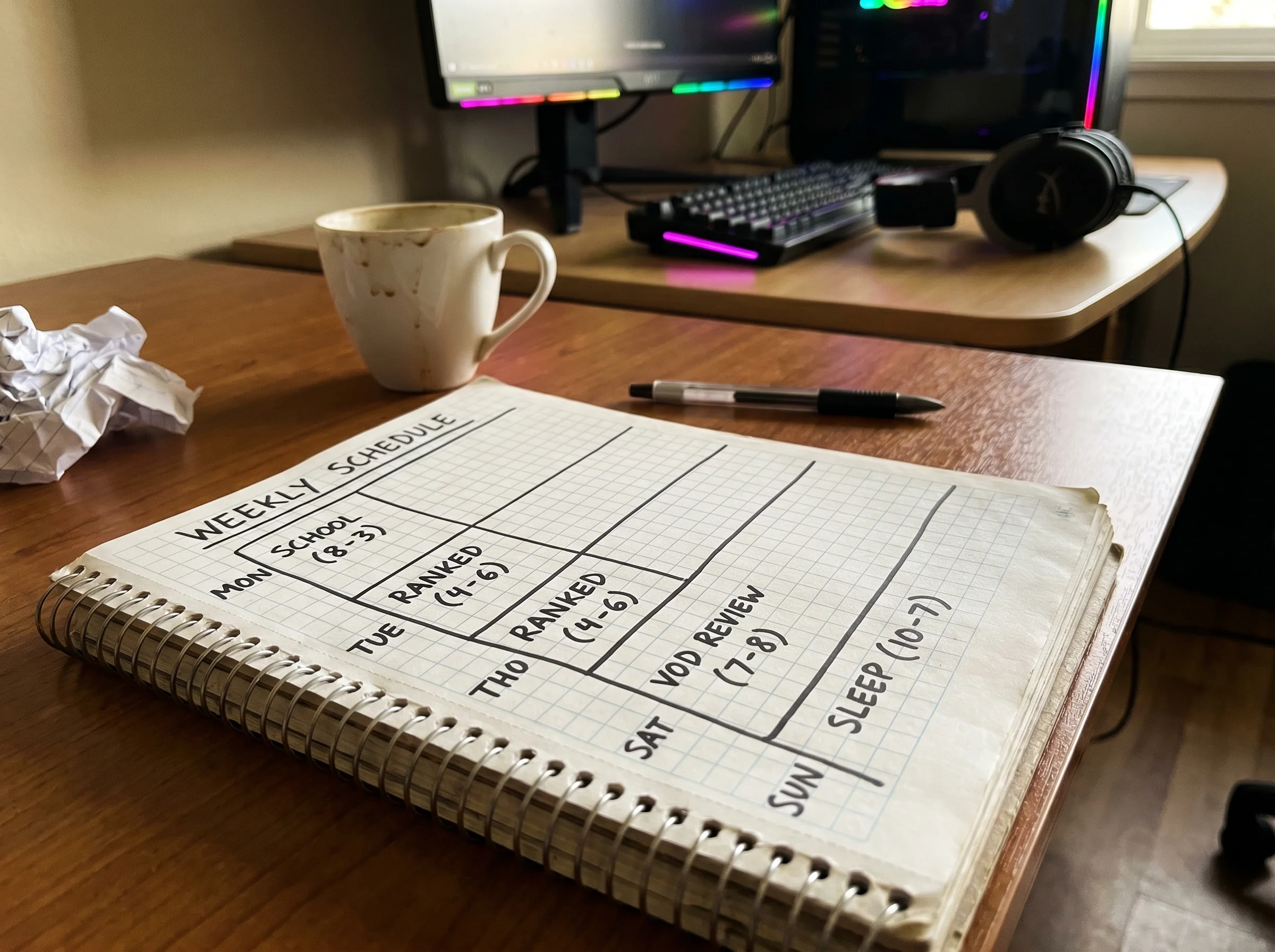
I know that sounds backwards. Every parenting article tells you to reduce screen time. But telling a serious esports prospect to play less is like telling a JV quarterback to skip practice. What they need is intentionality: scheduled VOD review, scrim discipline, actual sleep, school staying first, and breaks built in. That's training. The kid who plays six hours a day with no structure isn't getting recruited. The kid who plays three hours of focused ranked, reviews one VOD, and gets eight hours of sleep is.
Your job isn't to be the screen-time cop. It's to be the coach who helps them treat this seriously.
One Thing You Can Do This Week
Watch one match with your kid. Not over their shoulder while you're on your phone. Sit down. Ask them to explain what's happening. Ask what their role is. Ask what a "good" version of this match would look like for them.
You'll learn more about your kid in thirty minutes than you have in months. And if a scholarship is somewhere in their future, you'll have just taken the first real step toward supporting it.
If it's not in their future, you'll have done something even better. You'll have shown up.
That's the whole game.

From this article
Pause, Play, Connect: Core Deck
Whether or not they go varsity: The forty-minute "what are you chasing" talk did more for us than any recruiting spreadsheet. That exact question lives in the Pause, Play, Connect Core Deck, ready for the night after you watch that first match together.

