
My son told me at 13 that he wanted to "go pro."
I assumed he meant the sport I'd been driving him to practice for since he was 6. I had this whole speech ready about how only 2% of high school athletes get D1 scholarships, how he'd need to put in more reps, how I'd support him but he had to be realistic.
He meant a video game.
That conversation sent me down a rabbit hole I didn't expect. I started looking up what is the hardest sport to get a D1 scholarship in, sport by sport. And what I found didn't just change how I felt about gaming. It changed how I think about the whole "scholarship dream" conversation that millions of us are having with our kids right now.
So let's get into it.
The Short Answer (For People Who Just Want the Stat)
If you're here for a quick answer on what is the hardest sport to get a D1 scholarship in, here it is. The hardest D1 scholarships to land, by the raw numbers, tend to be:
- Men's volleyball. Around 4.5 scholarships per team, with rosters of 15-20 guys. And only about 30 D1 programs exist.
- Men's gymnastics. There are roughly 15 D1 men's gymnastics programs left in the entire country. Fifteen. Total.
- Wrestling. 9.9 scholarships per team, sliced up across a 30+ man roster.
Honorable mentions: men's tennis, men's swimming, and men's soccer, mostly because of something we'll get to in a minute that nobody talks about.
But here's the thing. The number of scholarships isn't the whole story. Not even close.
 For the drive homePause, Play, Connect: Core Deck172 prompts that get a kid talking about what they actually love, not what they think you want to hear.$49 CAD • 90 cards • 18 reviewsShop the deck
Headcount vs. Equivalency (The Thing Nobody Explains)
This was the part that blew my mind when I first learned it.
D1 sports are split into two categories: headcount and equivalency.
Headcount sports give full rides. Period. If you're on scholarship, your tuition, room, and board are covered. According to the NCAA's official scholarship rules, the headcount sports are football, men's and women's basketball, women's tennis, women's gymnastics, and women's volleyball. That's it.
Everything else is equivalency. Which means the coach has a pool of scholarship money and can chop it up however they want. One full ride? Sure. Or twelve kids each getting 8%. Or some combination.
My buddy's daughter swims D1. On scholarship. He still pays around $40K a year out of pocket. When he told me that, I thought he was joking. He wasn't. Her "scholarship" covers about 30% of the bill. That's normal in swimming.
So when a parent says "my kid got a D1 scholarship," it might mean a full ride. Or it might mean books and a parking pass. Most articles ranking sports by "hardest" never explain this. It matters a lot.
The International Athlete Thing
Here's another piece missing from every article I read.
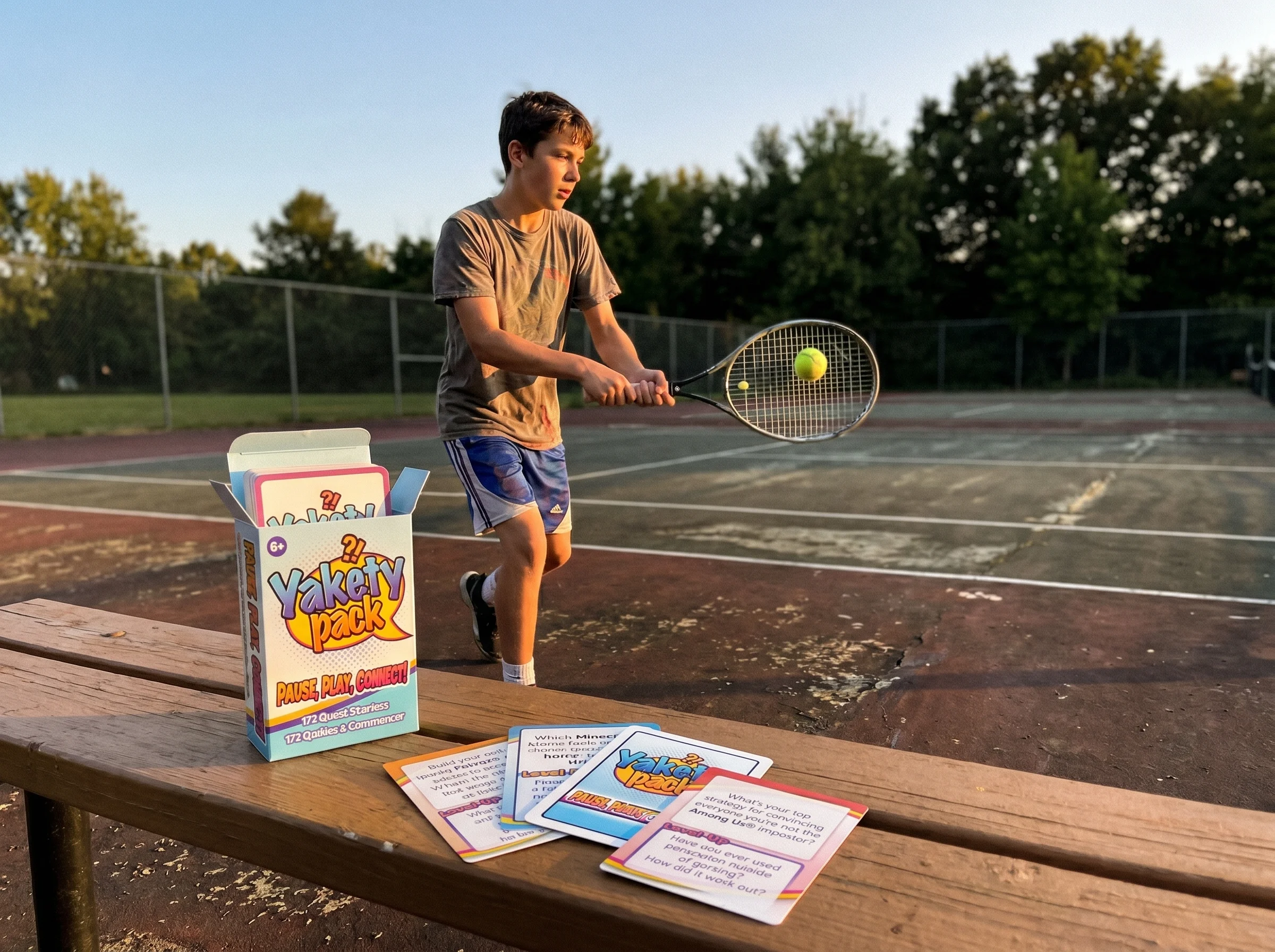
In men's tennis, over 60% of D1 roster spots go to international athletes. Men's soccer is similar. Swimming too. These coaches are recruiting globally, and a 22-year-old who's been training at a European academy since age 8 is a different animal than a 17-year-old American kid.
I'm not complaining about it. International kids work hard and earn those spots. But if you're a dad in Ohio whose son is grinding tennis, you need to know your real competition isn't just other American kids. Your kid is competing against the entire planet for one of maybe 4 spots a year on a given roster.
That changes the math considerably.
 When the dream is theirsPause, Play, Connect: Core Deck$49 CAD • 172 promptsSee the deck
Women's Sports Are a Different Game
Title IX created some interesting dynamics that people don't talk about.
Because schools have to balance scholarship dollars between men and women, and football eats up a massive chunk of the men's side, women's sports often have more scholarships available relative to the talent pool. Women's rowing is the classic example. Big rosters, lots of scholarships, and relatively fewer girls grow up dreaming of being a college rower. If your daughter is 6 feet tall, athletic, and willing to learn, rowing coaches want to talk to you.
That's not a knock on the sport. Rowing is brutal. But the odds of an athletic, tall kid landing a real scholarship there are way better than her shot at, say, women's basketball.
Where Esports Fits Into This
Okay. Back to my kid.

Esports isn't technically NCAA. But D1 schools like Boise State, UC Irvine, Maryville, and dozens of others offer real scholarship money for it. We're talking partial to full rides depending on the program and the game.
The number of programs is exploding. The talent pool is smaller than traditional sports (for now). And here's what nobody told me: the kids getting these scholarships aren't just good at the game. They're obsessed. They study film. They analyze meta shifts. They communicate under pressure. They make decisions in milliseconds that adults can't track.
That's the same stuff D1 coaches in any sport look for. Obsession. Game sense. Coachability. Composure.
My son was doing all of that. I just couldn't see it because it was happening on a screen instead of a field.
We built Yakety Pack because of moments like that one. One of the cards in the deck asks, "What's a skill you have that adults underestimate?" My son talked for 30 minutes about reading opponents and managing tilt in his game. Thirty minutes. From a kid who usually answers "how was your day" with "fine."
That's not a kid wasting time. That's a kid building something. I almost missed it because I was busy asking the wrong questions.
The Real Hardest Scholarship to Get
Here's where I'm going to push back on the whole premise of this article.
The real answer to what is the hardest sport to get a D1 scholarship in isn't men's volleyball or gymnastics or wrestling. It's the one your kid is chasing for the wrong reasons.
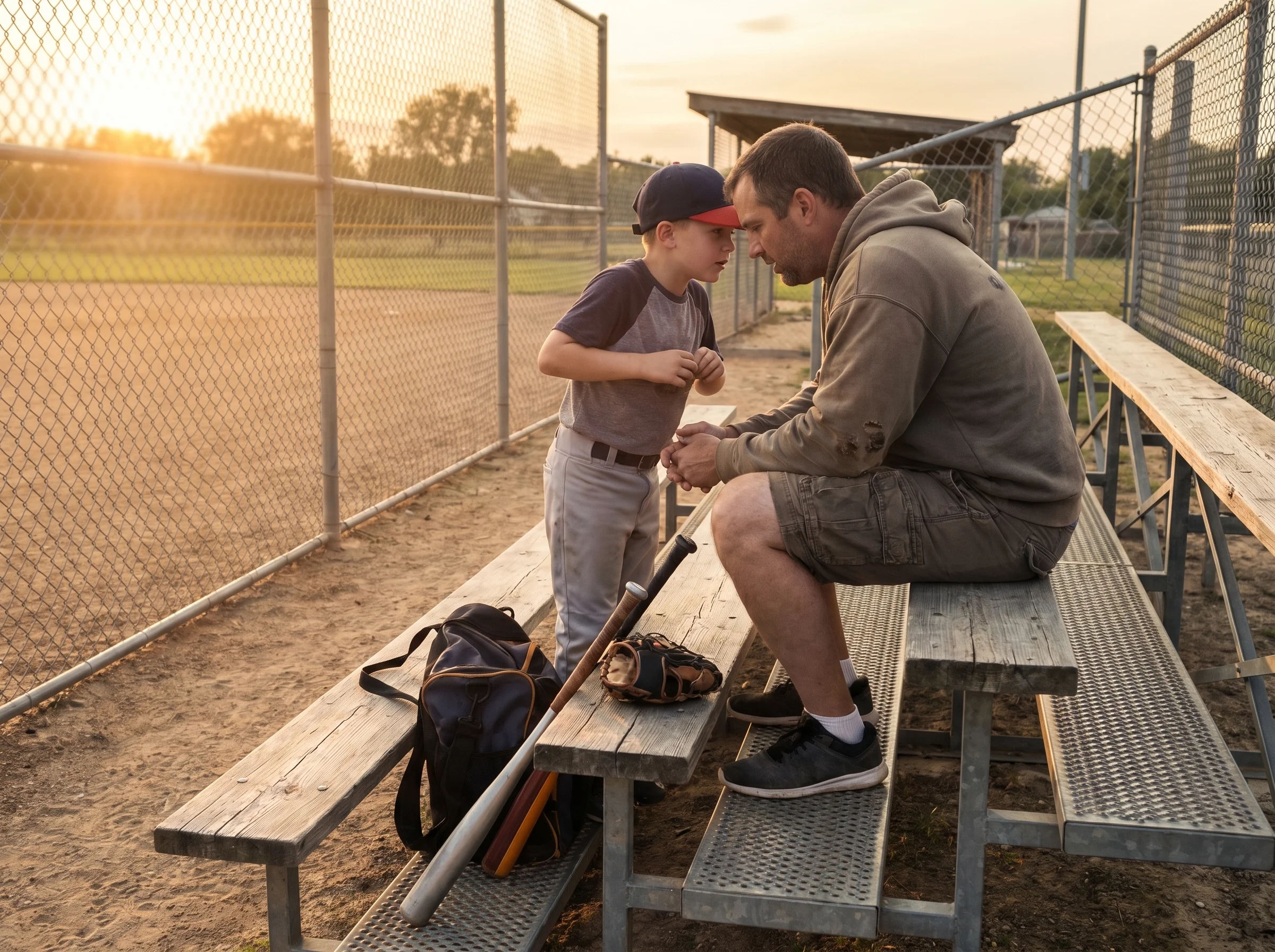
A friend of mine had a son who played travel baseball from age 6 to 15. Nine years. Thousands of dollars. Hundreds of weekends. The kid quit at 15. Burned out, depressed, said he hated the sport. My friend admitted to me later, over a beer, that the kid had been chasing his dad's dream the whole time.
Elite-level recruiters can spot that kid from a mile away. They watch how a kid responds to a bad practice. How they talk to teammates when they think nobody's watching. Whether their eyes light up or glaze over when the coach starts explaining a system.
You can't fake obsession. And obsession is what closes the gap between "good high school player" and "scholarship athlete." Research from the Aspen Institute's Project Play backs this up: kids who self-direct their sport stick with it longer and perform better at higher levels.
So picking a less competitive sport to game the system almost never works. Coaches can tell. What works is finding the thing your kid is already obsessed with and figuring out if there's a real path there.
Sometimes that path is a uniform. Sometimes it's a controller. Sometimes it's something you haven't even considered yet.
What to Actually Do With This
If you're trying to figure out the scholarship question for your kid, here's what I'd actually do:

- Start with the real conversation. Not "are you going to get a scholarship?" Try "what part of this do you actually love?" The answer will tell you everything.
- Research the specific sport's reality. Headcount or equivalency? International recruiting percentage? Roster size vs. scholarships? Don't trust the surface-level numbers.
- Take walk-on paths seriously. A lot of equivalency sports will offer money to walk-ons who prove themselves freshman year. This is especially true in wrestling, swimming, and track.
- Don't dismiss non-traditional paths. Esports scholarships are real. So are rowing, rifle, and a dozen other sports your kid hasn't considered.
- Watch what your kid does when nobody's making them. That's the obsession signal. Follow it.
If you want to go deeper on the esports angle, I've written more about esports scholarships and how to actually get recruited for one.
And if you're stuck figuring out what your kid is actually obsessed with, sometimes you just need better questions. That's why we made Yakety Pack. Because I spent years asking my son the wrong stuff and getting one-word answers. The right question opened up a future I didn't even know existed.
The hardest scholarship in the country isn't worth chasing if it's not the one your kid actually wants. Figure that part out first. The rest gets a lot clearer.

From this article
Pause, Play, Connect: Core Deck
Before you pick the sport: The obsession signal is easier to hear than to guess, you just need the question that lets your kid say it out loud. The Pause, Play, Connect Core Deck is how we found out my son's D1 dream had a controller in it.

