
Last month, I watched my 70-year-old mom trash-talk my teenage son while playing a game about drawing dinosaurs on her phone. Twenty minutes earlier, she'd sworn she "didn't do video games." That's when I realized I'd been thinking about party games all wrong.
For years, I'd try to impress guests with "real" games. You know, the ones that show off what modern gaming can do. Precision platformers. Strategic masterpieces. Games that required actual skill.
Then came the Overcooked disaster of 2019. Picture this: My competitive sister, three glasses of wine in, trying to chop virtual onions while the kitchen's on fire. My brother-in-law attempting to wash dishes but throwing them in the trash instead. Me, yelling "SOMEONE GET THE FISH!" like Gordon Ramsay's disappointed father.
Twenty minutes later, my sister was in tears, my brother-in-law was on his phone, and my wife gave me that look. You know the one. The "you've ruined game night again" look.
That's when my kids taught me something crucial: The best party games aren't always the "best" games.
Why Most Party Game Lists Get It Wrong
Here's what every "Top Party Games" article misses: They're written by gamers, for gamers. They assume everyone at your party knows what the left stick does. They recommend Cuphead because it's "brilliantly designed" without mentioning it'll make your casual gaming friends want to throw your controller through the TV.
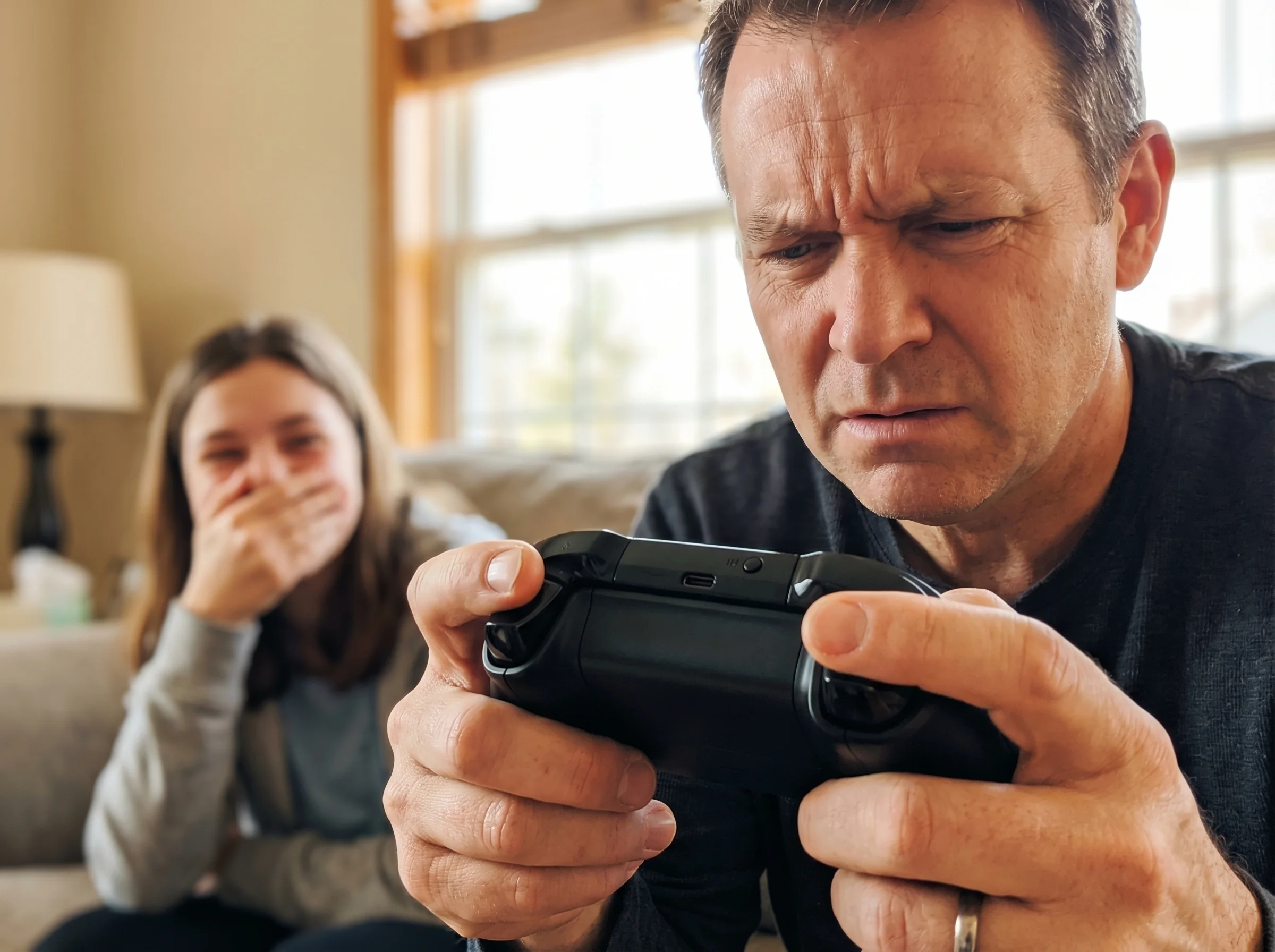
Most lists treat all parties the same. They'll tell you Mario Kart is perfect for everyone, then jump straight to some indie roguelike that requires a gaming degree to understand. There's this whole awkward middle ground they ignore. What about people who've outgrown Mario but aren't ready to memorize combo moves?
And nobody talks about the controller problem. "Just play 8-player Smash Bros!" they say. Cool, let me just pull out my collection of 8 Nintendo controllers I definitely have lying around.
The real issue? These lists focus on game mechanics, not party dynamics. A great party game needs to create moments worth stealing phones from pockets, not just fill time between checking Instagram.
 When not everyone playsPause, Play, Connect: Core Deck172 prompts that give the non-gamers in the room something to jump into right away.$49 CAD • 90 cards • 18 reviewsShop the deck
The Three Types of Party Games (And When to Use Each)
After years of failed game nights, I've figured out there are really only three types of party games that work:
Laugh Makers
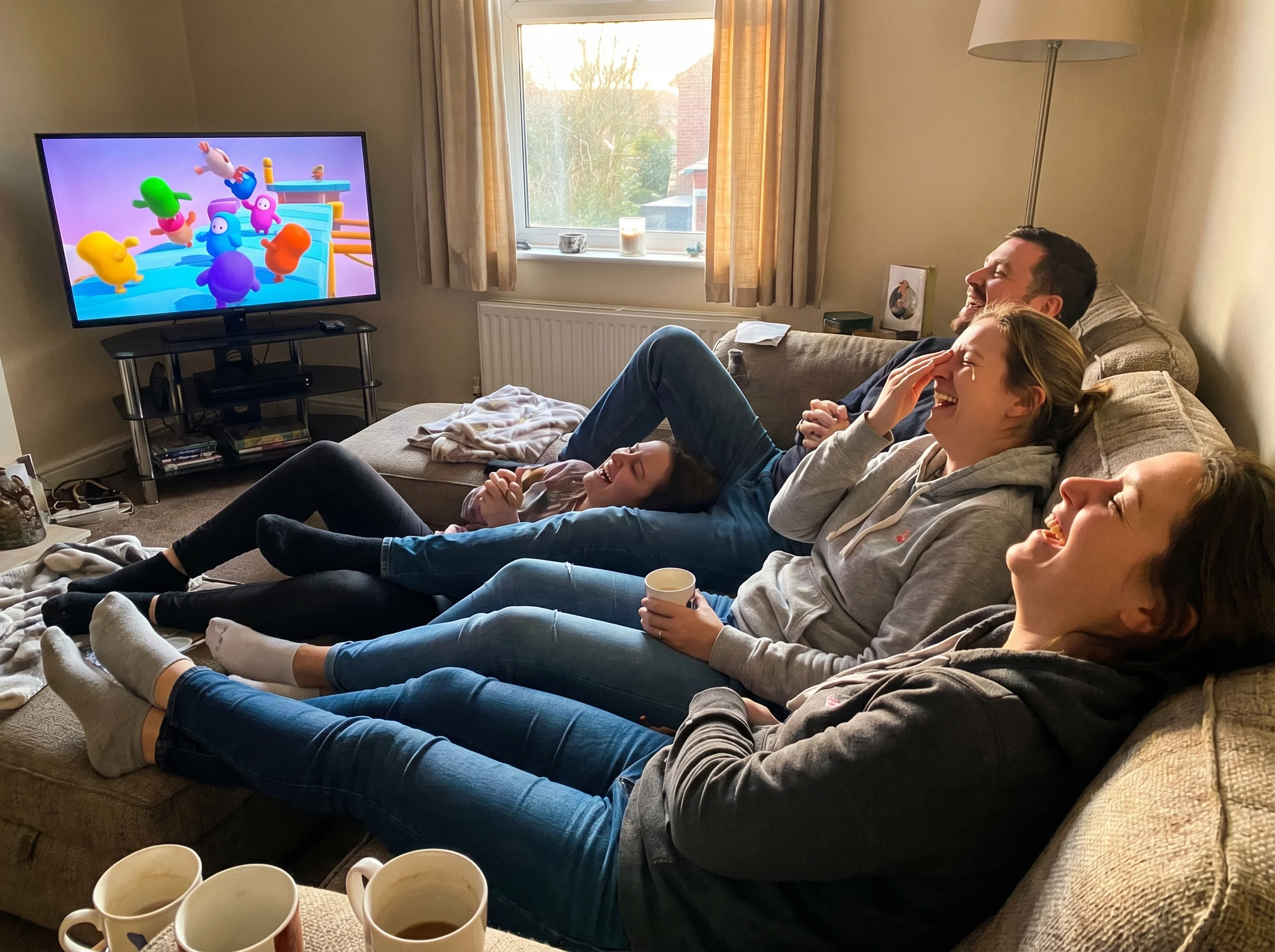
These are games where failing is funnier than winning. Gang Beasts saved my Thanksgiving last year. Picture eight adults controlling what look like drunk Play-Doh figures trying to throw each other off a Ferris wheel. My brother spent five minutes stuck in a door. My dad accidentally knocked himself out. Nobody cared who won because we were too busy crying from laughter.
Human Fall Flat works the same way. You control these wobbly humans with the motor skills of newborn giraffes. Watching your uncle try to climb a wall for ten minutes straight? Comedy gold.
Use these when: You've got a mixed crowd and need everyone loosened up fast.
Story Creators
These games generate "remember when" moments. Jackbox Games are the kings here. Quiplash has players writing funny answers to prompts on their phones. Drawful is Pictionary where being terrible at drawing actually helps.
The magic? Your mom's inappropriate answer becomes family legend. That terrible drawing your friend made becomes an inside joke for years. We still talk about the time my mother-in-law drew what was supposed to be a "butterfly" but looked like... well, let's just say it wasn't a butterfly.
Use these when: You want conversations to continue after the controllers go down.
Easy Ins
Games anyone can join mid-session without ruining everything. Rocket League with mutator settings (giant ball, low gravity) turns soccer with cars into pure chaos. Fall Guys lets people drop in and out between rounds. Even Minecraft mini-games work if you set up simple stuff like spleef or parkour races.
Use these when: People are arriving at different times or you need something in the background while socializing.
The Controller Problem Nobody Talks About
Here's the dirty secret of party gaming: Most people don't have enough controllers. And controllers are expensive. Like, "maybe I should just buy board games" expensive.
The solution? Phone games. I know, I know. "Phone games aren't real games." Tell that to my mom after she destroyed us all at Quiplash.
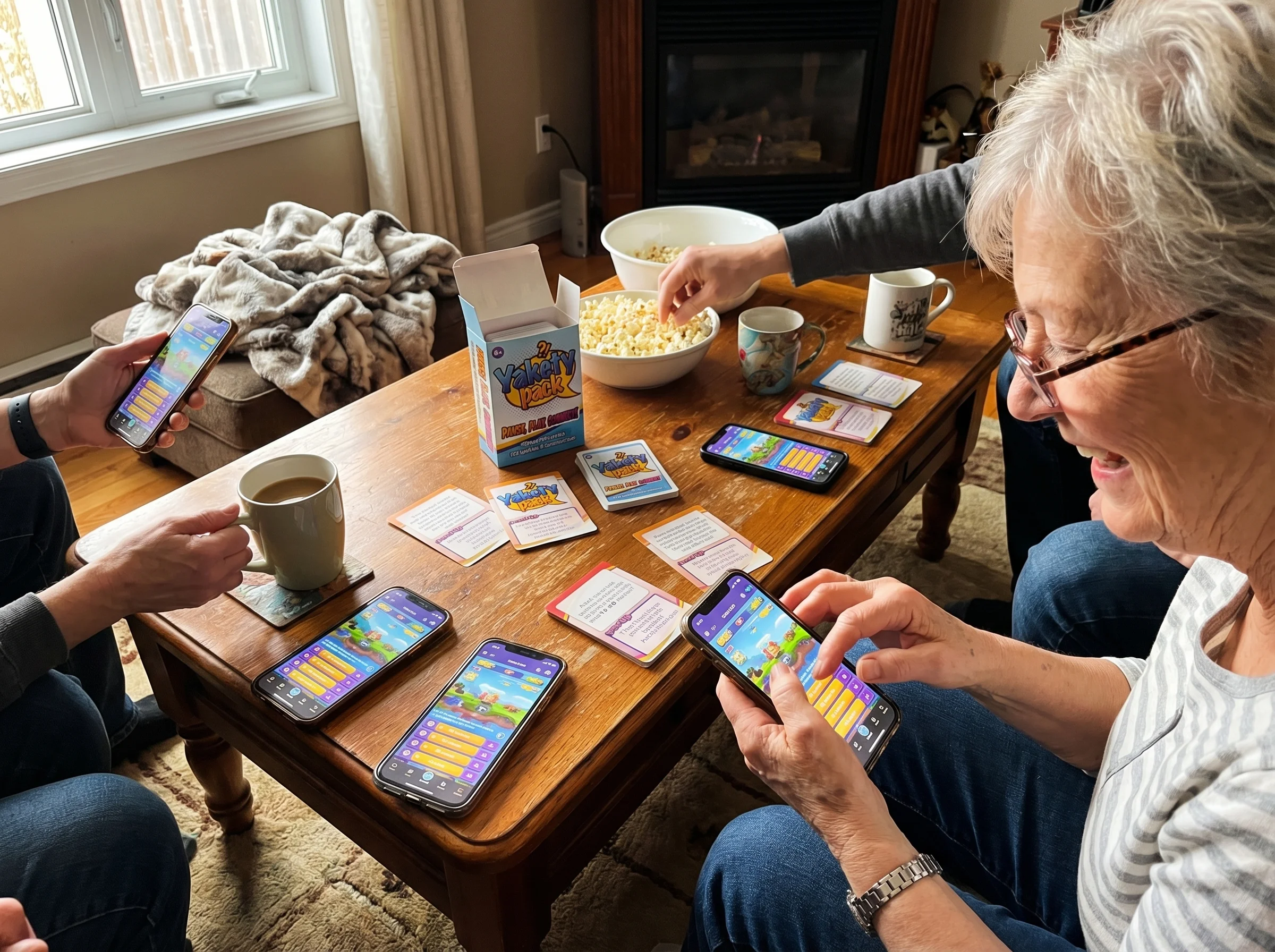
Jackbox Games are genius because everyone uses their phone as a controller. You can have 8 people playing with zero extra hardware. Fibbage, Drawful, Quiplash, Trivia Murder Party. Each one's designed for non-gamers to jump in immediately.
For limited controllers, try pass-and-play games. Stick Fight has quick rounds perfect for rotating players. Ultimate Chicken Horse lets you take turns building death traps for each other. Even single-player games like Getting Over It become party games when everyone's shouting advice and taking turns failing.
Some games work as "spectator sports" where watching is as fun as playing. Surgeon Simulator with one person playing while others shout increasingly bad medical advice? Perfect. Keep Talking and Nobody Explodes where one person defuses a bomb while others read the manual? Instant party energy.
What Couch Co-op Games Are Good for Parties with Mixed Skill Levels?
My 8-year-old is the family champion at Boomerang Fu. This game about food fighting with boomerangs shouldn't work at a party with adults. But here's the thing: It's so chaotic that skill barely matters. You can be amazing at games and still get destroyed by a button-mashing kid who accidentally discovered the perfect combo.
Smart party games have built-in equalizers. Mario Kart's auto-steer and auto-accelerate mean your non-gaming friend can focus on having fun instead of driving into walls. Overcooked 2 (yes, I gave it another shot) has an assist mode that makes it way less stressful than my 2019 disaster.
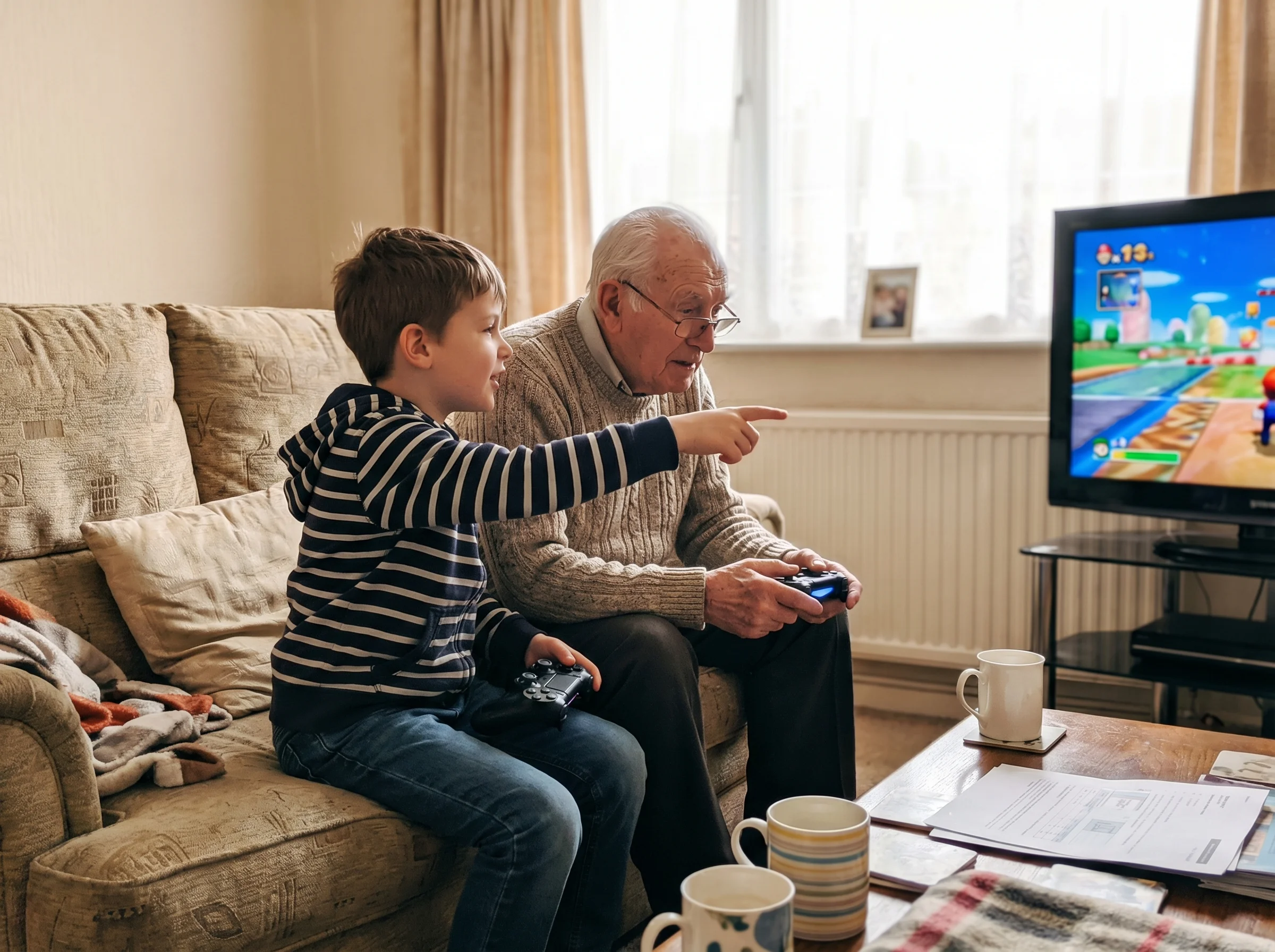
Team games balance skills naturally. Pair your hardcore gamer cousin with someone who barely plays. Suddenly they're coaching instead of dominating. Moving Out, Unravel Two, It Takes Two - these co-op games force people to work together, turning skill gaps into teaching moments.
Some games use asymmetric gameplay brilliantly. In Keep Talking and Nobody Explodes, the person defusing the bomb needs steady hands, but the manual readers need communication skills. Different strengths, equal importance.
 While the next round loadsPause, Play, Connect: Core Deck$49 CAD • 172 promptsSee the deck
Reading the Room: When to Switch Games
You know a game's dying when phones come out. Side conversations start. Someone asks "How many rounds left?" That's your cue.
I follow the 15-minute rule: If people aren't engaged after 15 minutes, switch. No game is worth pushing through if half your party's mentally planning their Uber home.
Signs to watch for:
- The competitive person is winning everything (time for luck-based games)
- People are struggling with controls (switch to simpler games or phone games)
- Energy's dropping (bring out the Laugh Makers)
- Groups are forming (time for larger team games)
Keep "palate cleanser" games ready. Quick, stupid fun that resets the mood. Use Your Words takes two minutes to explain. Heave Ho is just holding hands and not dropping each other. These aren't deep games, but they get people laughing again.
Platform Breakdown: What You Actually Need
Real talk: You don't need every console. A Nintendo Switch is probably your best party game investment. Portable, decent game library, controllers that split into two (sort of). PlayStation and Xbox have great games too, but Switch dominates local multiplayer.
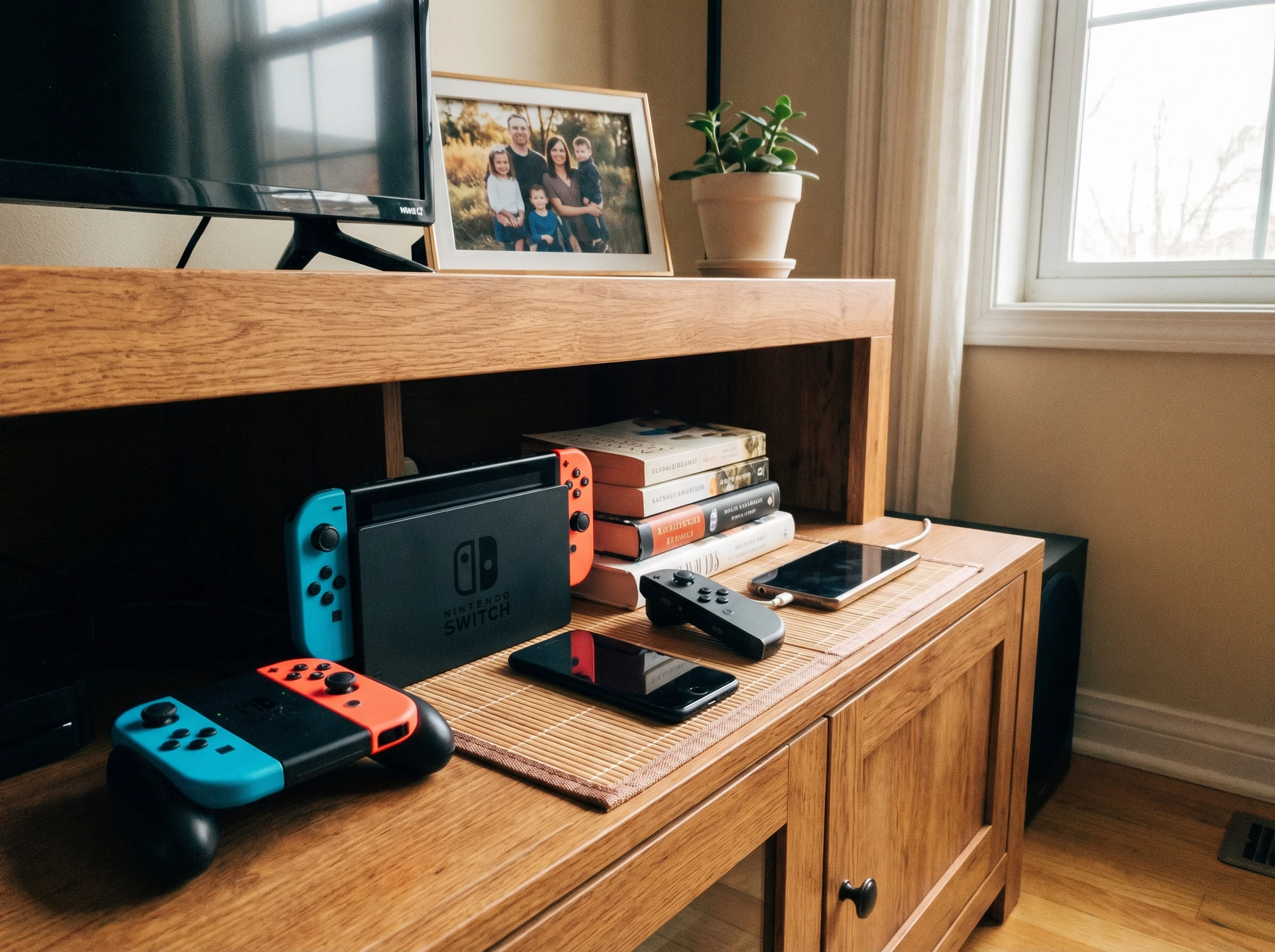
But here's what surprised me: We've had entire game nights using just phones. Spaceteam is free and has everyone shouting technobabble at each other. Heads Up gets people acting out clues. Even Among Us works if everyone has it downloaded.
Don't sleep on Steam either. Cheap indie games often make the best party games. Stick Fight: The Game? $5. Duck Game? $13. Gang Beasts? $20. You could buy ten great party games for the price of one AAA title.
Making Memories, Not Just Filling Time
The best part of game night isn't the games. It's what happens between rounds. The trash talk. The conspiracy theories about who's cheating. The ridiculous house rules you create.
We have a rule: Spectacular failures get celebrated more than wins. Accidentally eliminated yourself? Victory lap around the room. Scored on your own goal? You're choosing the next game. This shifts focus from winning to entertaining.
Ask questions during breaks. "What was your strategy there?" becomes "Why did you think throwing your teammate off the cliff would help?" These conversations matter more than high scores. Actually, this is exactly why we created Yakety Pack - those between-round conversations were always the best part of family game time. One card asks 'If you could live in any game world for a day, which would you choose?' It's not about screen time. It's about connection time.
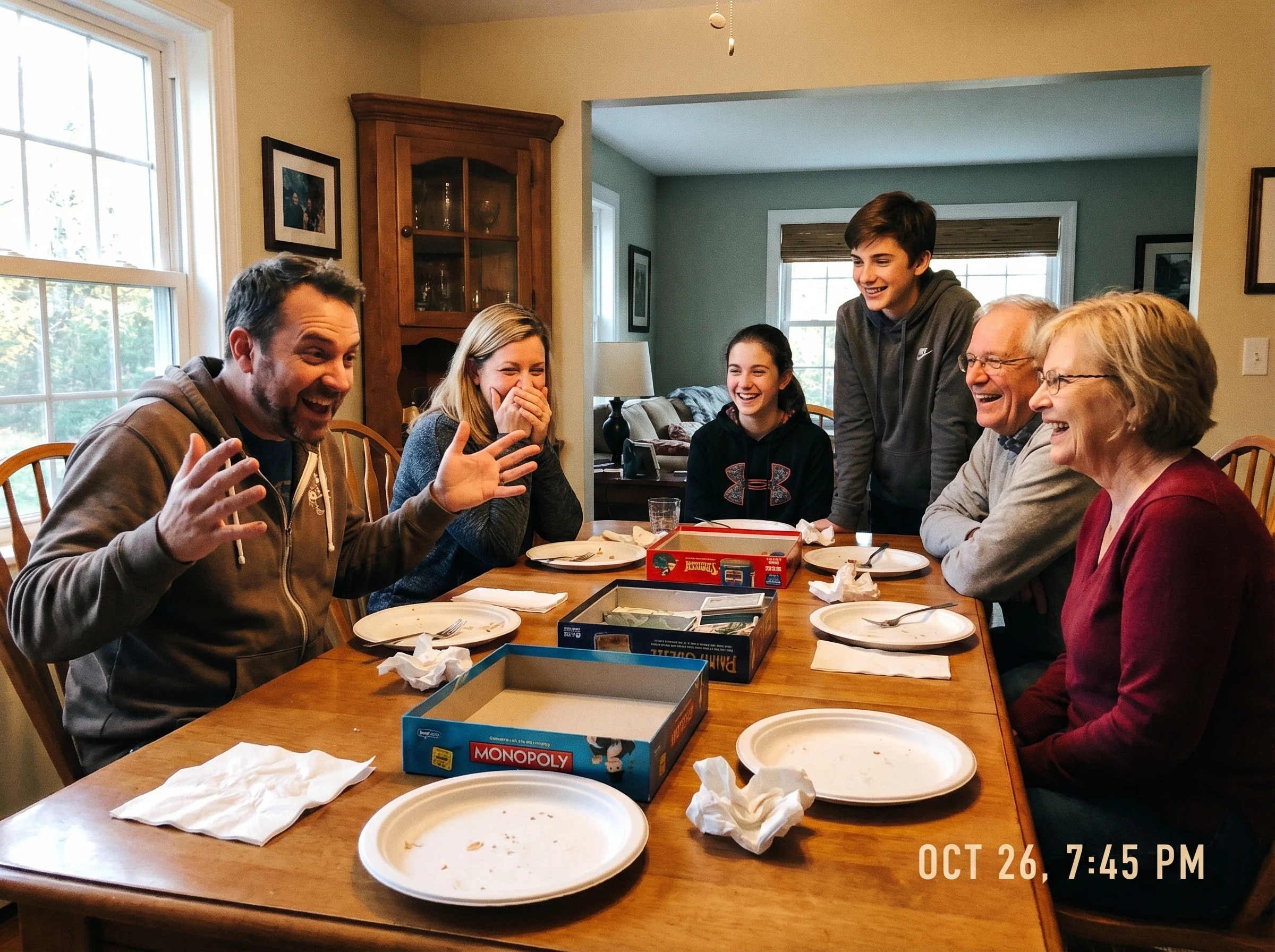
Create traditions. We always end with one round of Quiplash where everyone writes sincere compliments instead of jokes. Cheesy? Sure. But it sends everyone home feeling good instead of bitter about losing.
The Bottom Line
The best party game is the one that gets your mom laughing, not the one with the best Metacritic score. I'd rather play a janky physics game that creates stories than a polished fighter that makes half the room feel stupid.
Stop trying to convert non-gamers into "real" gamers. Meet them where they are. Sometimes that means Gang Beasts. Sometimes it means Jackbox. Sometimes it means putting the controllers down and just talking about why your kid built a roller coaster in their Minecraft house.
Your next party? Start with something stupid and simple. Let people fail spectacularly. Celebrate the chaos. The memories you'll make watching your dad figure out Gang Beasts will beat any perfectly executed combo string.
Trust me. I learned this the hard way. Multiple times. Just ask my sister about Overcooked.
After the controllers go downPause, Play, Connect: Core Deck172 prompts that keep the room talking once the TV is off and everyone is still sitting there.$49 CAD • 90 cards • 18 reviewsShop the deck
Related Articles
Looking for more? Check out these related articles:
- family co-op games
- family friendly co-op games under 30 minutes
- What are some good casual multiplayer games?
- What are some good two player co-op games?
- What are some fun free co-op games?
FAQ
What if I only have 2 controllers but 6 people?
Start with Jackbox games (phone controllers) or pass-and-play games like Stick Fight. Use Your Words also works great with phones. For controller games, set up mini-tournaments with quick rounds so everyone rotates fast.
How do I stop one person from dominating every game?
Mix game types. Follow a skill-based game with something luck-heavy. Try Heave Ho or Human Fall Flat where being "good" at games doesn't help much. Or make the dominant player the designated coach for team games.
What couch co-op games are good for parties that include kids and adults?
Boomerang Fu, Moving Out, and Minecraft mini-games work across ages. Jackbox has family-friendly settings. Gang Beasts is rated T but honestly it's just silly physics violence. My 8-year-old loves it and nobody's complained.
Which games work when people have been drinking?
Keep it simple. Gang Beasts, Mount Your Friends, Heave Ho. Nothing with complex controls or reading. Jackbox works if people can still type on their phones. Avoid anything requiring precision or quick reflexes.
What about people who say they hate video games?
Start with Jackbox - it doesn't feel like "video games" to most people. Or try games that mimic real-world activities like Wii Sports or Just Dance. Sometimes the answer is just accepting they'd rather watch and cheer. That's okay too.
