
My 12-year-old came home last month, dropped his backpack on the floor, and said, "Dad, literally everyone is playing GTA 6 except me."
I had two choices. I could give him the standard "it's rated M, end of discussion" answer that my dad would've given me. Or I could actually have the conversation. I picked the harder one, and what I learned over the next few weeks changed how I think about this whole question.
So if you're here because your kid is asking, or because you saw the trailer and panicked, or because you already said yes and now you're second-guessing yourself, let me save you the lecture and give you what I wish someone had given me.
The Short Answer (And Why It's Not That Simple)
Is GTA 6 ok for a 12 year old? Probably not, at least not in the "hand them the controller and walk away" sense. The game is rated M for a reason, and Rockstar isn't going to soften it for younger players.
But here's the thing nobody tells you: that answer alone is useless. Because the real question isn't whether the ESRB rating matches your kid's birthday. It's whether you're going to use this moment to build trust with your kid about gaming, or burn it.
I know parents who said a flat "no" to GTA 5 and felt great about it. Then they found out two years later that their kid had logged 400 hours at a friend's house. Four hundred. That's not a parenting win. That's a kid who learned that gaming is something to hide from mom and dad.
 When everyone else is playingPause, Play, Connect: Core Deck172 prompts that get a kid talking about the game instead of hiding it from you.$49 CAD • 90 cards • 18 reviewsShop the deck
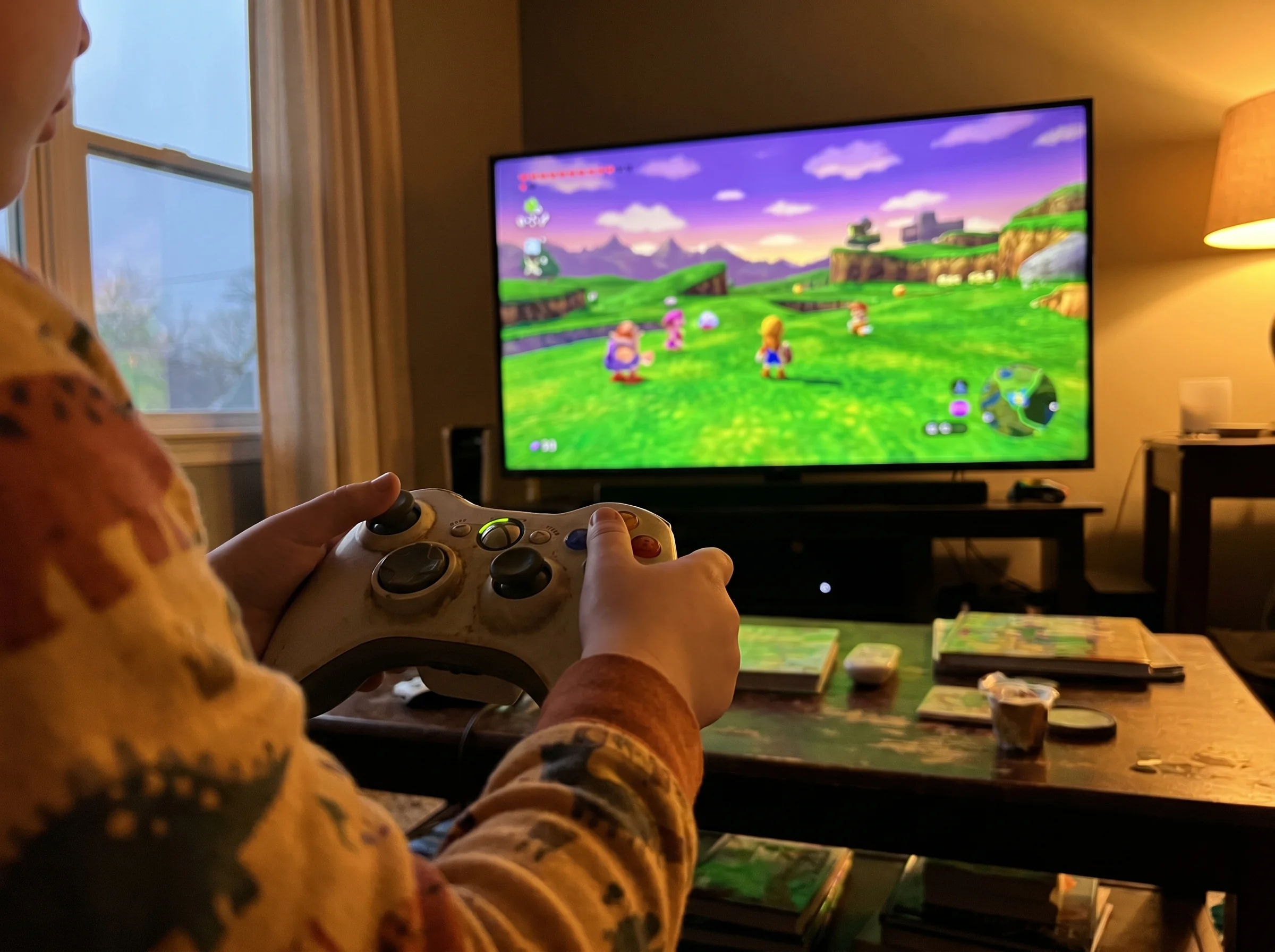
What's Actually in GTA 6 (Not the Scary Headline Version)
Let's be honest about what's in the game. Realistic violence, sexual content, drug use, strong language, and a story built around criminal activity. Rockstar makes adult games. That's their whole thing.
But there's a difference between "content exists in the game" and "content your kid will actually encounter while playing it." Most kids in GTA aren't running around shooting civilians. They're doing stunts off mountains. Customizing cars. Pulling heists with their friends. Hanging out in online lobbies the way we used to hang out at the mall.
The story mode and the online mode are basically two different games. Story mode has the cutscenes, the strip clubs, the drug stuff, the heavy stuff. Online with friends in a private lobby is closer to a giant playground with cars and guns. Still not for everyone, but very different from what you see in the trailer breakdowns.
And here's the part nobody wants to admit: your kid has almost certainly already seen the worst of it on YouTube and TikTok. Streamers play GTA constantly. The "shocking" content isn't a surprise to a 12-year-old who has a phone. That doesn't make it fine. It just means pretending the game is some sealed vault of horrors is naive.
The 5 Questions to Ask Before You Decide
Forget "consider their maturity." That's not a framework, that's a fortune cookie. Try these instead.
1. Have they played other M-rated games, and how did they handle it? If your kid already plays Call of Duty at their cousin's house and comes home fine, that's data. If they had nightmares after watching a Marvel movie, that's also data.
2. Do they want to play alone or with friends? This matters more than you think. A kid who wants to play GTA Online with three buddies from school is asking for something very different than a kid who wants to lock the door and play story mode at midnight.
3. Can they tell game logic from real-world ethics? Ask them directly. "In the game you can steal a car. What would happen if you did that in real life? Why is it ok in the game?" If they can answer that without getting weird, you're working with a kid who has a frame.
4. Will they actually talk to you about what happens in the game? This is the single biggest predictor of whether saying yes is going to go ok.
5. What are you actually worried about? The violence? The time it'll eat? The fact that you'll lose touch with what they're doing? Name it. Because the answer changes depending on what's really driving the worry.
 After the five questionsPause, Play, Connect: Core Deck$49 CAD • 172 promptsSee the deck
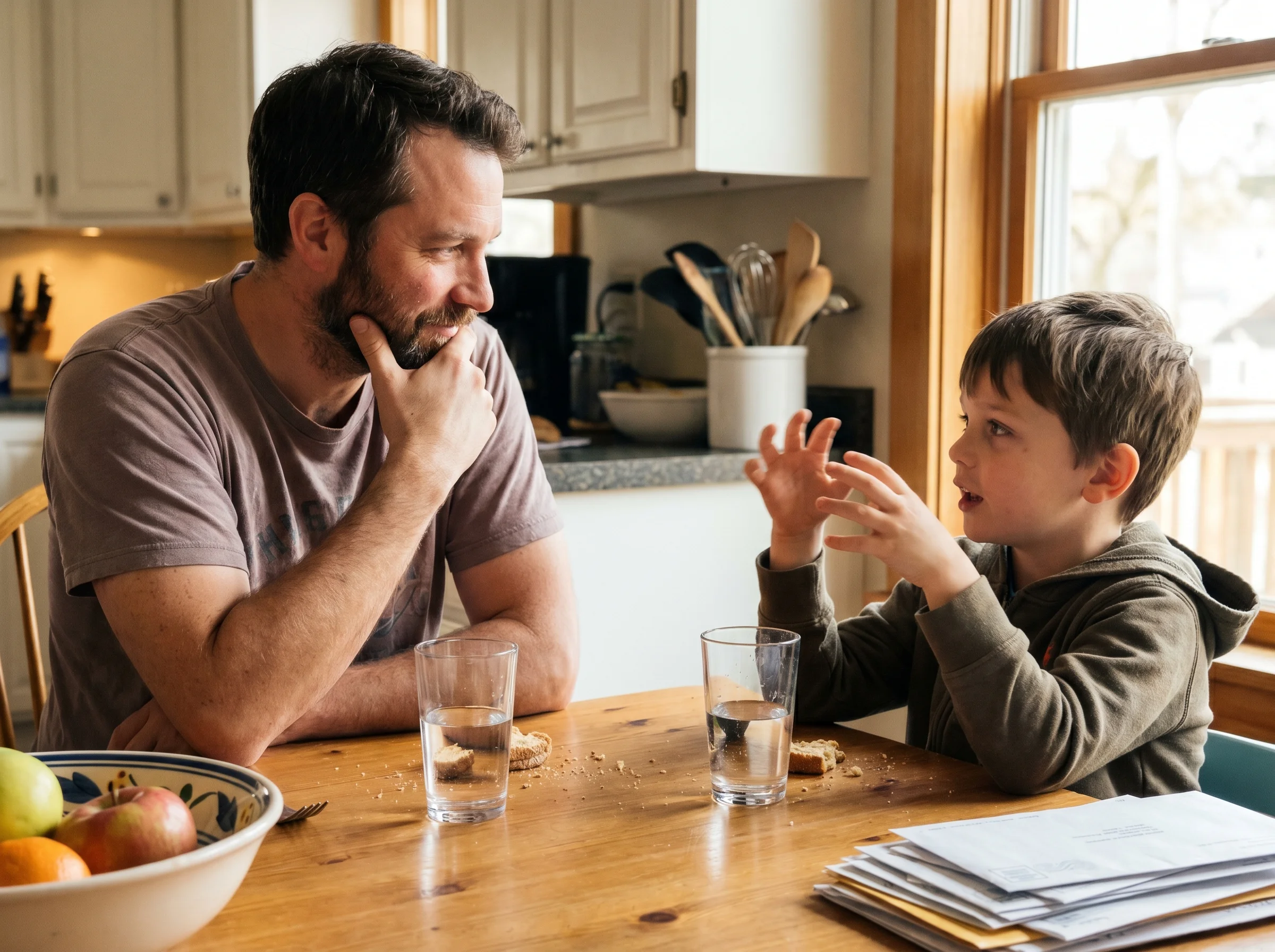
The Conversation to Have (Whether You Say Yes or No)
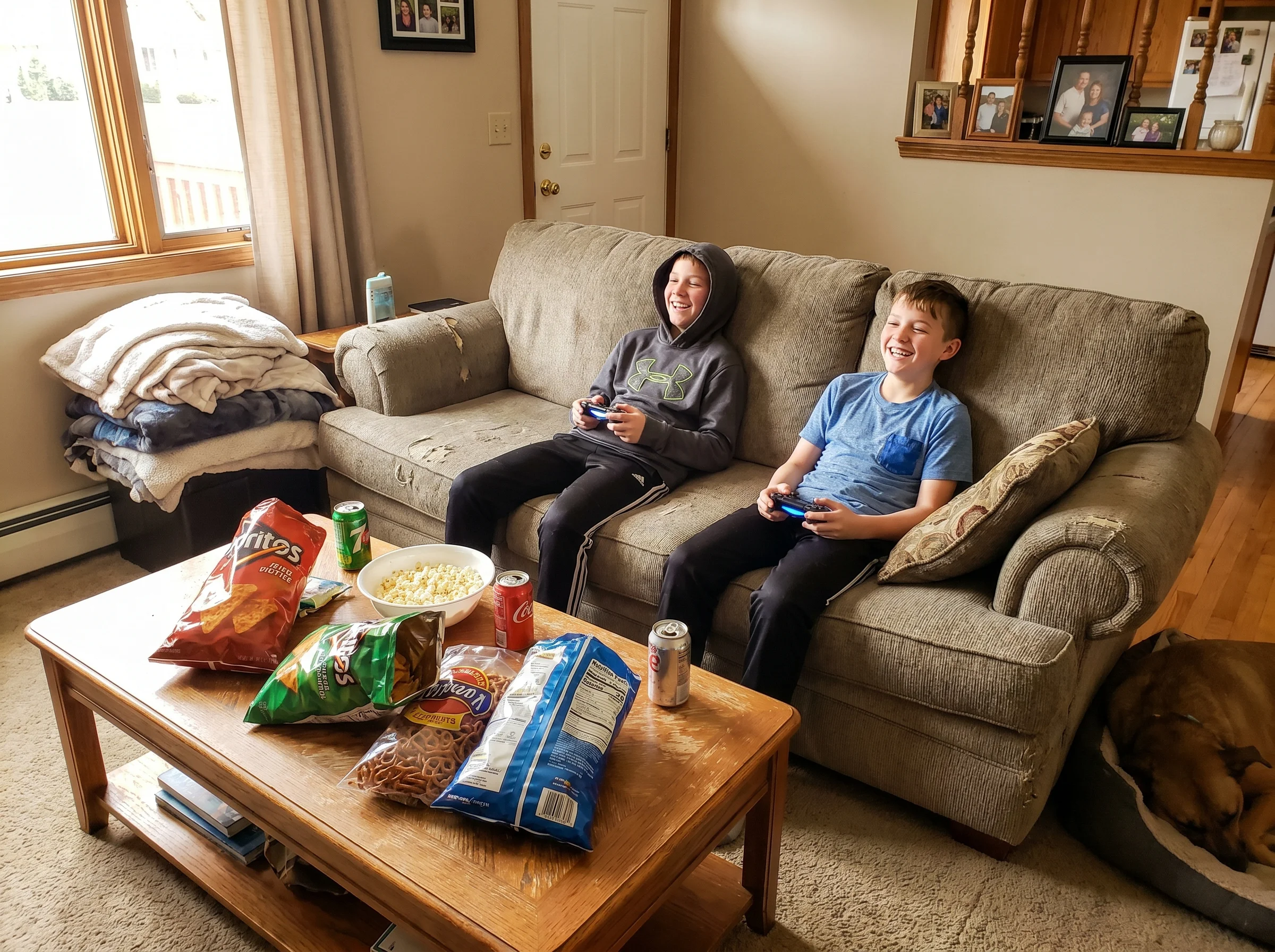
When I finally sat down with my son, I didn't lead with rules. I asked him what he liked about Rockstar games. I expected him to say something about the chaos or the weapons. He said, "The heists with my friends. We plan them out for like an hour before we actually do them."
That floored me. He didn't want GTA so he could shoot things. He wanted it because his friends were planning elaborate schemes together and he was on the outside of it. That's a completely different problem than "my kid wants to play a violent game."
If you say no, explain the why. Acknowledge that yeah, his friends are playing it and that's actually hard. Offer something real instead, not "go read a book." Forza Horizon if it's the cars. Sea of Thieves if it's the heist-with-friends thing. Spider-Man if it's the open world.
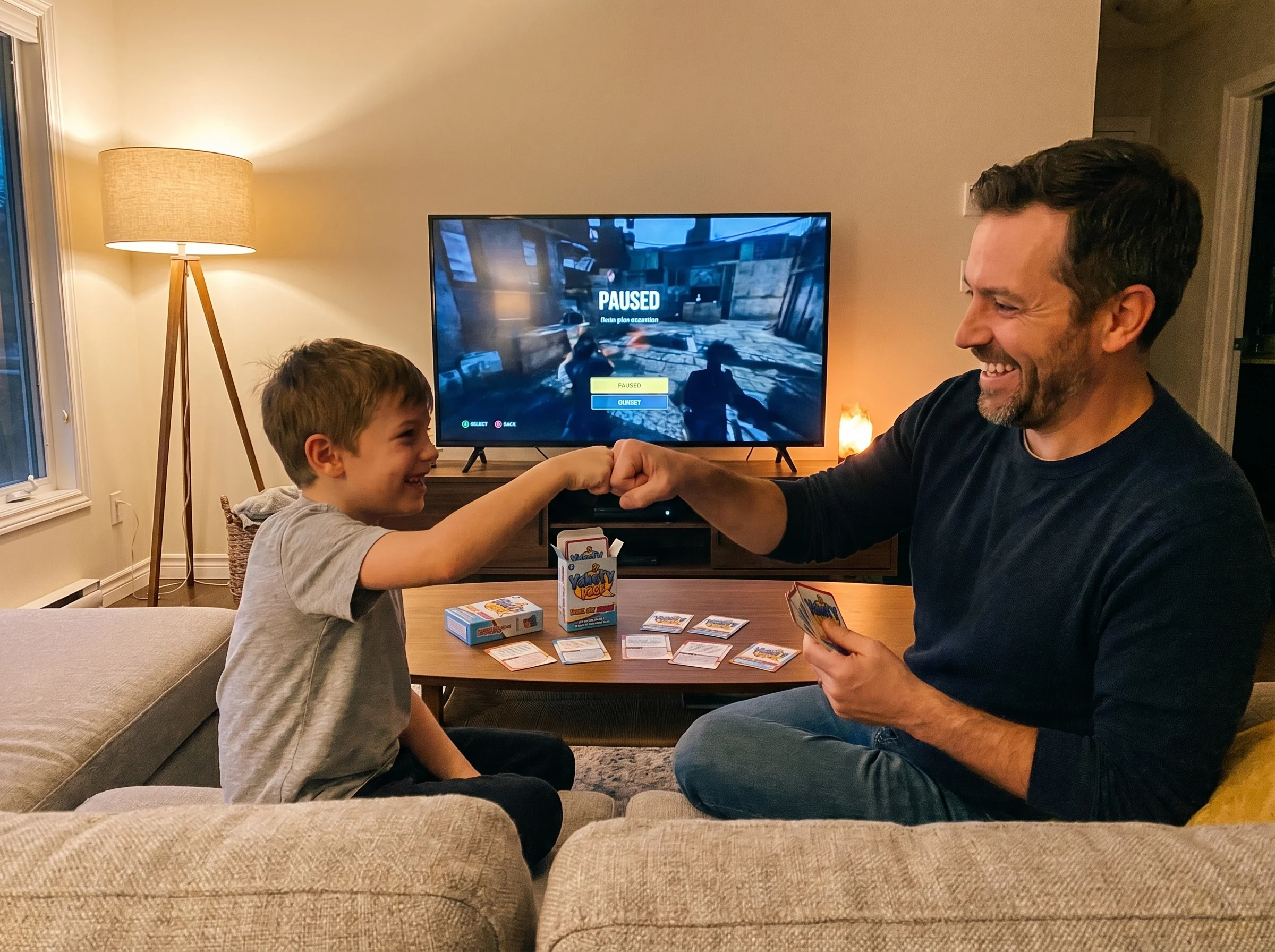
If you say yes, set the terms together, not from on high. What's off limits. When you'll check in. Whether it's online-only or story mode too. And here's the move almost no one talks about: play it with them for the first week. Sit on the couch. Watch. Ask questions. You'll learn more in two hours of co-play than in two months of monitoring.
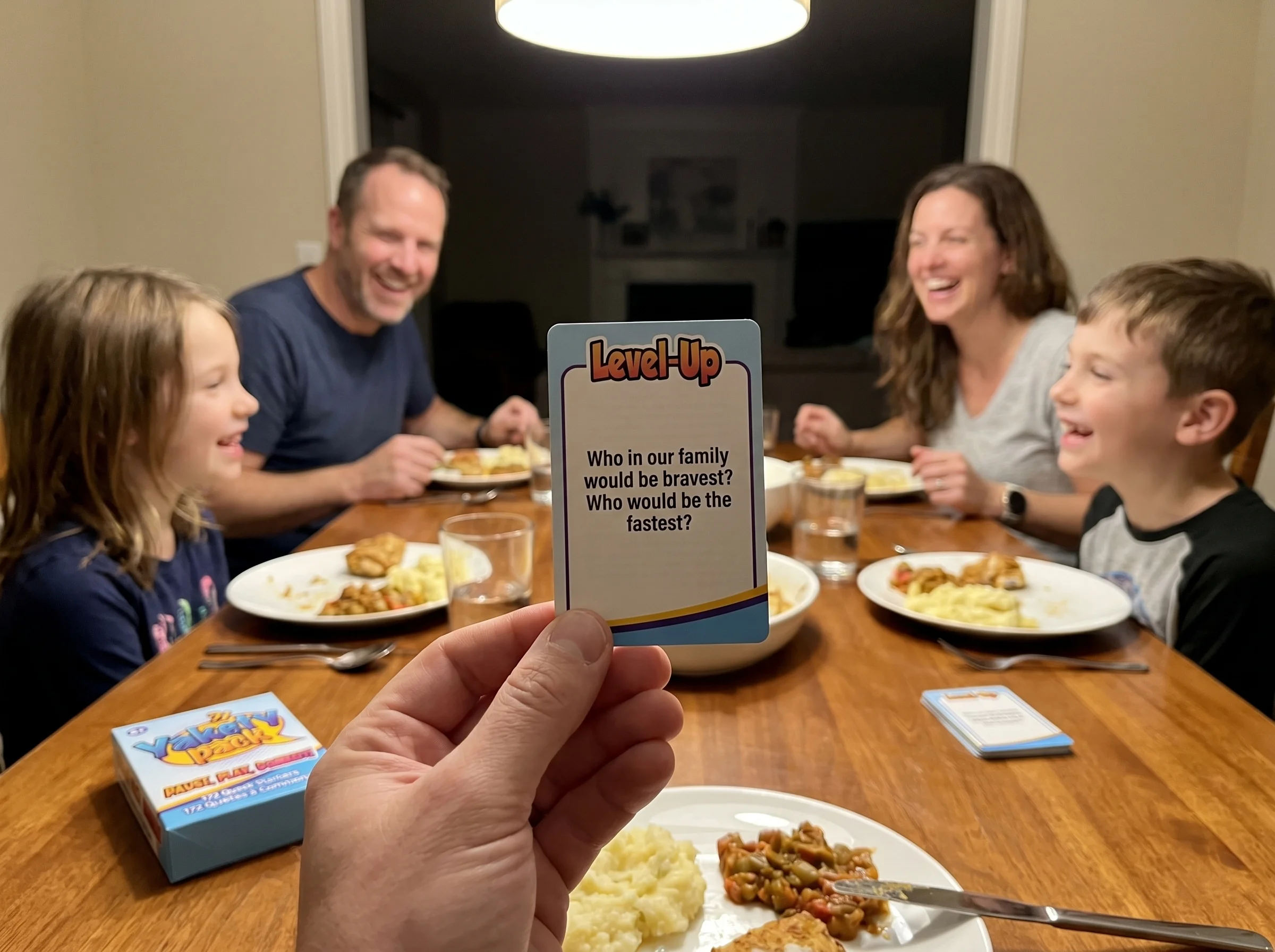
This is honestly why we built Yakety Pack. The best conversations I've had with my kids started with weirdly specific questions about their world, not lectures about mine. One of the cards in our deck asks, "If you could pull off any heist with three friends, what would you steal?" Sounds silly. But that question got me further with my son than any rule I ever set.
What to Do If They're Already Playing It at a Friend's House
This is the situation half of you are in and nobody writes about it.
First, don't freak out. Don't ban the friend. Don't call the other parents and make it a thing, at least not yet. Your kid told you (or you found out), and the worst move is to make that feel like a mistake on their part.
Ask, "What's it like?" instead of "Did you play it?" The first question gets you a story. The second question gets you a denial.
If you want to talk to the other parents, keep it neutral. "Hey, I'm trying to figure out the GTA thing with our kid. What's your take on it?" People will tell you a lot if you don't come in swinging.
And then make a decision about your own house. The fact that he played it somewhere else doesn't mean you have to allow it at home. But it does mean a flat ban is now mostly symbolic. You're better off going to the conversation level than the rule level.
What I Got Wrong
My early years of parenting around games were a lot of flat nos. No Fortnite. No Roblox without me watching. No anything rated T or above. I thought I was being a good dad. What I was actually doing was teaching my kids that I wasn't a useful person to talk to about the thing they cared about most.
The shift happened when I stopped asking "is this game ok?" and started asking "what does my kid want out of this game, and is there a version of yes that works?" Sometimes the answer was still no. But it was a no with a reason, not a no with a wall. Common Sense Media is a decent starting point if you want a content breakdown, but a rating alone won't tell you what your kid actually needs.
With GTA 6, we landed on a version of yes that's specific to him. Online only, no story mode for now. Private lobbies with kids I know. I play with him on weekends. We'll revisit it in six months. He knows the deal, he helped set the deal, and he's not hiding the game from me.
That's the win. Not the rule. The relationship.
If you want the bigger picture on the apps and games middle schoolers are actually using, I wrote a whole guide on gaming apps and technology for middle schoolers that walks through it. But for tonight, just go ask your kid what they actually like about the game. You might be surprised what you hear.

From this article
Pause, Play, Connect: Core Deck
Find your version of yes: Whatever you decide about GTA 6, the deal only holds if the talking keeps going after the decision. The Pause, Play, Connect Core Deck is full of heist-planning-grade questions that keep your kid negotiating with you instead of around you.

