
For two years I tried to get my son into chess. Bought the fancy wooden set. Signed him up for a Saturday morning club at the library. Read him a book about Bobby Fischer like that was somehow going to land with a nine-year-old. He hated all of it.
Meanwhile, he was spending hours on Clash Royale, and I kept nagging him to "play something with strategy." I said this with a straight face. To a kid who was running elixir math in his head, counter-picking decks, and adapting to opponents in real time.
The joke was on me. He was doing more strategic thinking before breakfast than I was doing in my afternoon meetings. I just couldn't see it because it didn't look like the strategy I grew up respecting.
If you're wondering why strategy games are good for kids, I want to save you the two years I wasted. Here's what I actually learned once I stopped rolling my eyes and started paying attention.
 Talk about it togetherPause, Play, Connect: Core Deck172 prompts that turn a quiet evening into a family conversation, no setup and no winner.$49 CAD • 90 cards • 18 reviewsShop the deck
First, Let's Redefine What a "Strategy Game" Even Is
When most parents hear "strategy game," they picture chess, Risk, maybe Settlers of Catan if they're fancy. Those are great. They're also a tiny slice of what kids are actually playing.
A strategy game is any game where your decisions compound. Where what you do in minute two affects what's available to you in minute eight. By that definition, here's what your kid is probably already playing:
- Clash Royale (deck building, resource management, real-time counter-play)
- Minecraft survival mode (planning, prioritization, long-term builds)
- Civilization (literally a strategy game, and a great one)
- Roblox tycoon games (economic strategy)
- Among Us (social deduction, bluffing, deception)
- League of Legends / Valorant / Fortnite (team strategy, map awareness, role play)
- Age of Empires, StarCraft, Total War (the classic RTS canon)
There's this weird snobbery where Catan is "strategy" and Clash Royale is "screen time." I bought into it for years. Then one night I watched my son build a Clash deck and realized he was doing the exact same thing I used to do playing poker in college: weighing probabilities, accounting for opponent behavior, building a system with redundancies. The medium changed. The skill didn't.
Kids can smell the hypocrisy when you call one form of strategy noble and another a waste. Drop it.
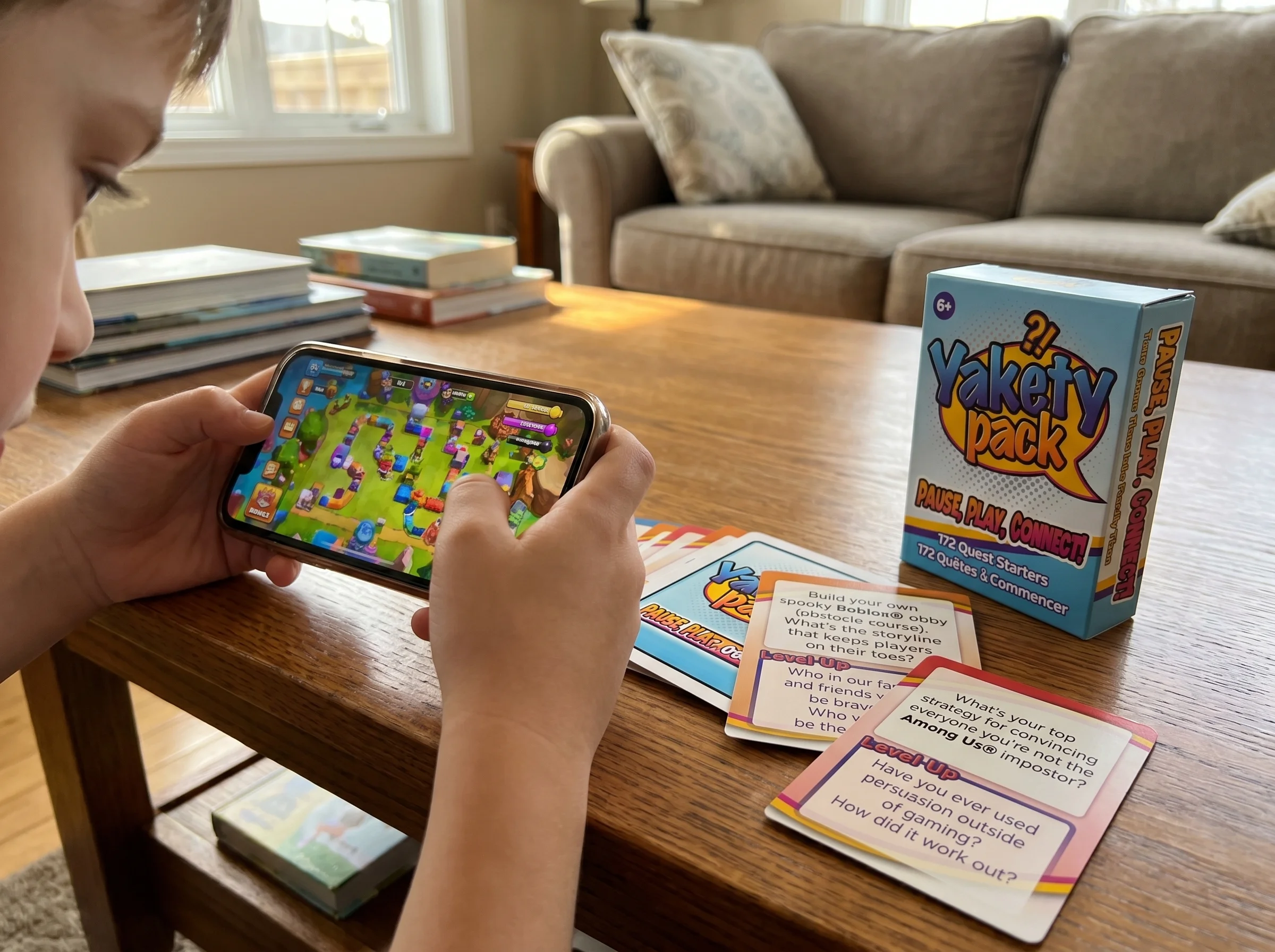
They Teach Kids to Lose, and That's the Real Magic
Nobody talks about this one, and it's the biggest benefit by a mile.
A kid playing a strategy game loses constantly. Dozens of micro-losses per session. Bad match, blown push, wrong pick, dumb mistake. Then they hit "play again" and try to do better.
Where else does that happen in modern childhood? School gives you one shot at the test. Sports gives you a game a week. Friendships are messy and hard to debrief. But a strategy game gives a kid the chance to lose, feel it, adjust, and re-enter in under sixty seconds. That's a resilience gym you cannot replicate anywhere else.
My son once lost a Clash match, punched a pillow, said something I won't repeat here, and then went right back in. My instinct was to lecture him about being a sore loser. I bit my tongue. Twenty minutes later I asked what changed in his next match. He said, "I stopped using my win condition too early." I don't even know what that means fully, but I know what it sounds like. It sounds like a kid processing a loss and adjusting. That's the work.
The rage-quit isn't the failure of the game. It's the muscle building. Researchers at the American Psychological Association have actually documented this resilience effect in kids who play challenging games.
They Force Real Decisions With Real Consequences
Kids don't get to make many decisions that actually matter anymore. Their schedules are planned, their meals are chosen, their school days are scripted. Even most of their play is supervised.
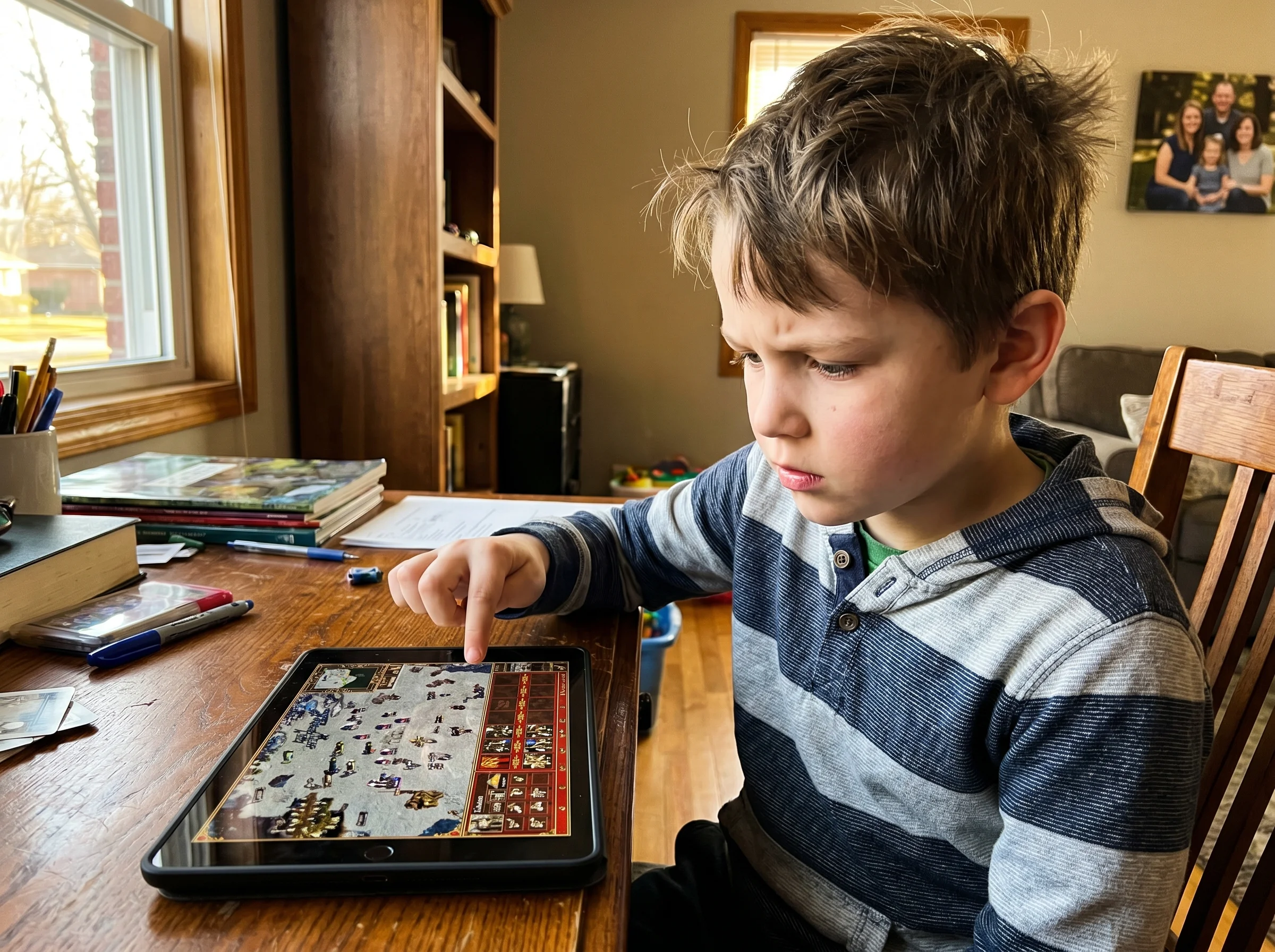
In a strategy game, choosing wrong costs you the match. They feel that. It's not graded by an adult. It's not softened. The game just tells them, plainly, "that didn't work." And then it lets them try again.
That feedback loop, choice plus consequence plus retry, is decision-making practice that worksheets can't touch. It's also the same loop they'll need later when they're choosing classes, picking friends, applying to jobs, navigating relationships. You can't lecture kids into being good decision-makers. You have to let them practice. Strategy games let them practice safely, dozens of times a day.
Why Strategy Games Are Good for Kids' Brains (With One Big Catch)
Yes, strategy games build planning, working memory, pattern recognition, and all the executive function buzzwords articles like to throw around. That part is real, and you can find solid research on it from places like the American Academy of Pediatrics.
Here's the catch nobody mentions: it only works when the kid actually cares about winning.
A kid grinding Clash Royale by choice, getting genuinely frustrated, studying YouTube videos to get better, that kid is building cognitive muscle. A kid being dragged through a chess lesson because it's "good for them" is building nothing except resentment.
Motivation is the multiplier. The strategy game your kid loves is doing more for them than the strategy game you respect. I'd rather my son spend a year obsessed with a "lesser" game than a year being bored by a "better" one. Engagement is the whole game.
That's why "what should I make my kid play?" is the wrong question. The right one is "what are they already drawn to, and what's it teaching them?"
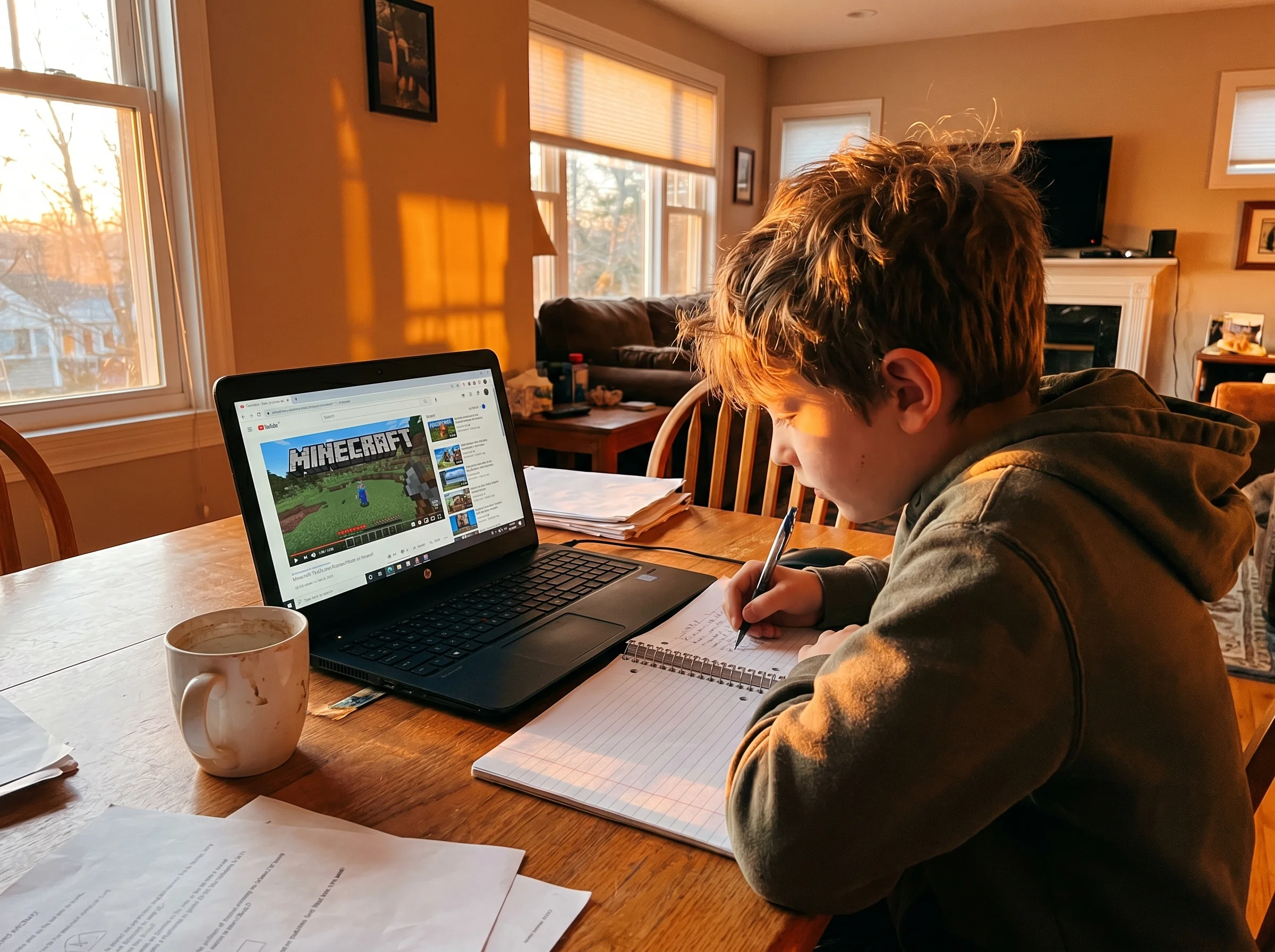
They're a Social Workout in Disguise
This one snuck up on me. I used to think gaming with friends online was the antisocial version of hanging out. Then I started actually listening.
Team-based strategy games like League, Valorant, Fortnite squads, and Overwatch require real-time coordination with other humans. Kids are calling plays, assigning roles, managing frustration when a teammate messes up, hyping people up after a loss, deciding when to push and when to fall back. They're doing all of this with kids they often can't see.
I once overheard my son say, "Hey, no worries, my bad for not rotating, let's reset." To a stranger. Mid-match. After a loss. I about fell off the couch. That's a level of emotional regulation and leadership I didn't have until my late twenties. It's the same kind of teamwork I've written about in coaching youth sports, just on a different field.
These are group project skills. They're job skills. They're marriage skills, honestly. And kids are practicing them in a Fortnite squad on a Tuesday night.
 Just questions, no scoringPause, Play, Connect: Core Deck$49 CAD • 172 promptsSee the deck
What This Actually Means for You as the Parent
You don't have to play the games. You don't have to love them. You just have to stop dismissing them and start noticing what's happening underneath.
The shift that changed everything for me: I stopped asking "is this game good for him?" and started asking "what is he learning, and how do I see it?"
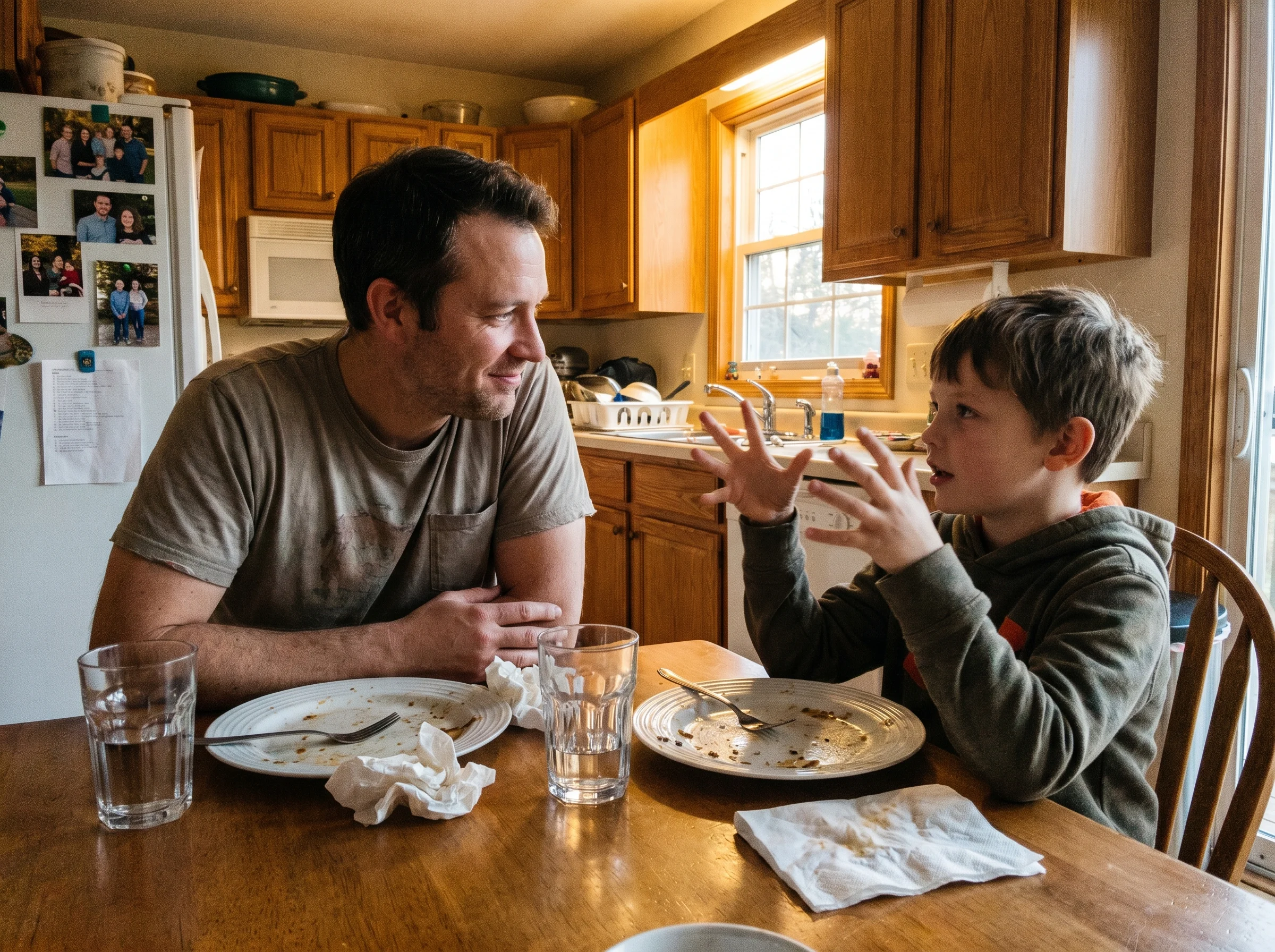
That meant changing my questions. "How was your game?" gets you a grunt. Try these instead:
- "What's a move you're proud of from this week?"
- "Did anything go wrong that you figured out how to fix?"
- "Who's the best teammate you played with lately, and why?"
- "What's a decision you'd make differently if you replayed it?"
These questions work because they treat your kid like the strategist they already are. If you want more of these, I've written about conversation starters that actually work with gamer kids.
Honestly, this is why we made Yakety Pack. I kept fumbling questions and getting nothing from my son. One of the cards in our deck asks something close to "What's a move you're proud of from this week?" and the first time I pulled it, he gave me a ten-minute breakdown of a Clash Royale comeback where he was down a tower and clutched it out. The strategy game gave him something to be proud of. The right question let him share it. That's the whole loop.
A Quick Honest Word on Limits
Strategy games are good for kids. Unlimited anything is not.
The metric I watch isn't hours. It's whether my son can put the game down and come back to it. Can he stop when dinner's ready? Can he be done when he's done, or is he fried and chasing one more match to feel okay? That tells me everything. Common Sense Media has some decent age-by-age guidance if you want a starting point.
There's a difference between a kid who plays strategy games to engage, learn, compete, and connect, and a kid who plays to escape. Watch for that, gently. Don't moralize. Just notice.

The Real Takeaway
Strategy games aren't good for kids because they sneakily teach math or planning. They're good for kids because they're one of the only places left where a kid gets to make real decisions, fail, adapt, and try again without an adult hovering over them. That's rare now. That's precious.
The game is the gym. Your job isn't to run the workout. It's to notice the muscle building, and maybe ask a decent question about it at dinner.
If you want to go deeper on which strategy games actually work for different ages and what to look for, our pillar piece on strategy games for kids breaks it down further.
In the meantime, here's my question for you: what's your kid's strategy game right now, and when's the last time you asked them about a move they were proud of?
Try it tonight. Report back. I think you'll be surprised what comes out.

From this article
Pause, Play, Connect: Core Deck
Noticing the muscle: The gym runs itself, your job is the question at dinner. The Pause, Play, Connect Core Deck keeps "what move are you proud of" prompts in your hand so the report-back actually happens.
If your family is all in, the full bundle adds the Parent Power-Up deck and two digital parent guides, $146 of family fun for $59.

