
Look, for two years I thought my son was "just playing Minecraft."
Then one night I grabbed a chair, sat down behind him, and actually watched. In thirty minutes, he negotiated a trade with a kid in Belgium over Discord, walked his 8-year-old cousin through building a redstone door, and managed a diamond budget like a tiny CFO debating whether to expand the warehouse.
The learning had been happening the whole time. I just didn't know how to see it.
That's the problem with figuring out how to measure learning outcomes from gaming. Most of us are looking at the wrong dashboard. We're staring at hours-played in some screen time app while the actual education is happening in plain sight, just in a language we never learned to speak.
Here's what I've figured out after years of getting this wrong.
Why Most Parents Measure the Wrong Thing
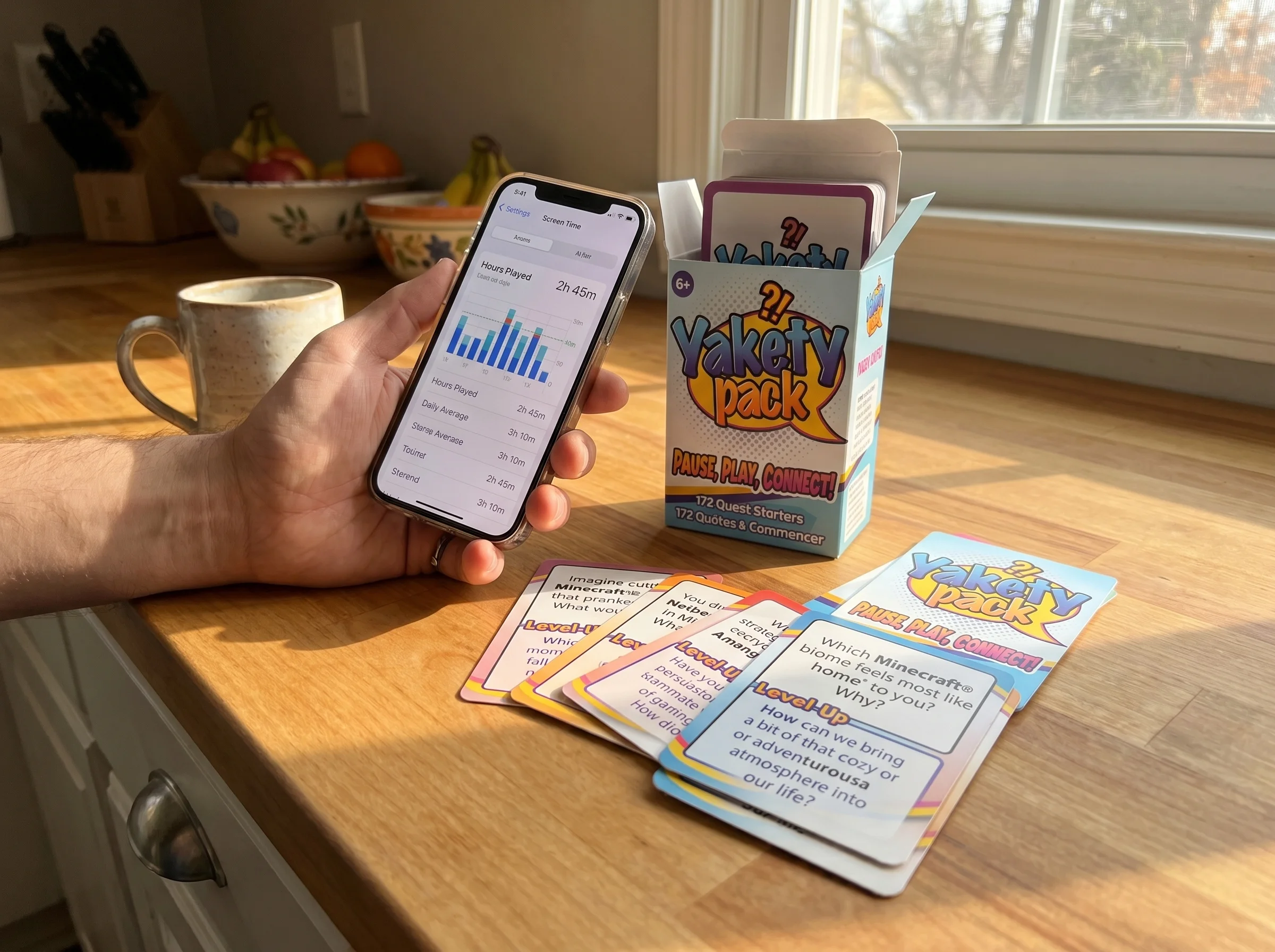
When I first got worried about gaming, I did what most parents do. I installed a screen time tracker. I watched the hours tick up. I felt vaguely anxious. I made vaguely anxious comments at dinner. None of it told me anything useful.
Hours played is the laziest possible metric. It's the equivalent of measuring whether your kid is "learning" at school by counting how long the bus ride is.
The other trap is the "educational games" label. Most apps marketed as educational are just multiplication flashcards with a cartoon raccoon. Meanwhile, your kid playing Roblox is running a small business, your kid playing Rocket League is studying physics and team communication, and your kid playing Stardew Valley is learning resource management and seasonal planning. The "educational" label is mostly marketing. Real learning hides in regular games.
And grades? Grades will tell you if your kid can take a test. They won't tell you if your kid can lead a group of strangers through a problem nobody's solved before. Gaming teaches that. School often doesn't. There's actually a growing body of research from the American Psychological Association showing video games can build cognitive, motivational, emotional, and social skills, the stuff that doesn't show up on a report card.
 Worth asking him aboutPause, Play, Connect: Core Deck172 prompts that get a kid talking about their game without it feeling like a quiz.$49 CAD • 90 cards • 18 reviewsShop the deck
The Four Categories Worth Tracking
Forget Bloom's taxonomy. Here's what actually matters when you're looking at your kid playing a game:
Cognitive skills
Problem-solving, planning, spatial reasoning, pattern recognition. Minecraft is huge here. So is anything with building, puzzles, or strategy.
Social skills
Communication, negotiation, leading, following, conflict resolution. Anything multiplayer. Rocket League teaches teamwork the hard way. Among Us is basically a class in persuasion and reading people.
Emotional skills
Frustration tolerance, resilience, patience, handling losing. This is the big one parents miss. Every time your kid dies in Elden Ring and tries again, that's a rep. Real reps.
Creative skills
Building, storytelling, self-expression, design thinking. Minecraft creative mode, Roblox Studio, Dreams, any sandbox game.
Here's the thing nobody tells you: the soft skills matter more than the hard ones. Your kid will not grow up to be a professional Fortnite player. But they will grow up needing to handle frustration, work with people they don't like, and bounce back from failure. Games train those muscles constantly. School barely touches them.
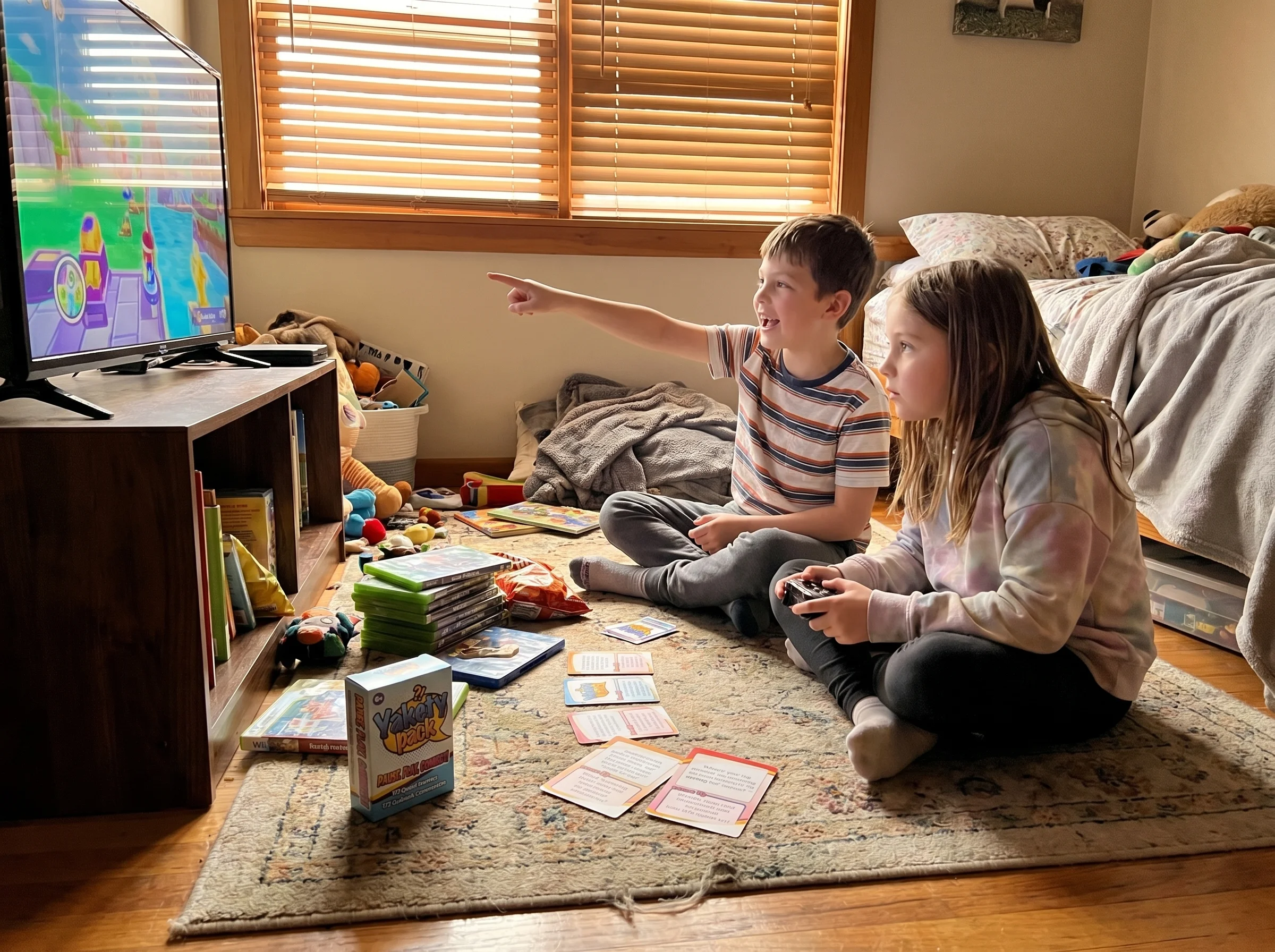
Different games train different categories. Don't apply a one-size rubric. A kid playing Rocket League is not learning what a kid playing Stardew Valley is learning. Map the game to the category before you try to "measure" anything.
Your Baseline (The Step Everyone Skips)
You can't measure change without knowing where you started. This is so obvious it's almost insulting, and yet nobody does it.
Before you start tracking anything, answer these five questions about your kid as they are right now:
- How do they handle frustration when something is hard?
- How do they communicate with teammates or siblings on a shared project?
- How do they break down a big task into smaller steps?
- How do they react to losing or failing?
- How willing are they to teach someone else what they know?
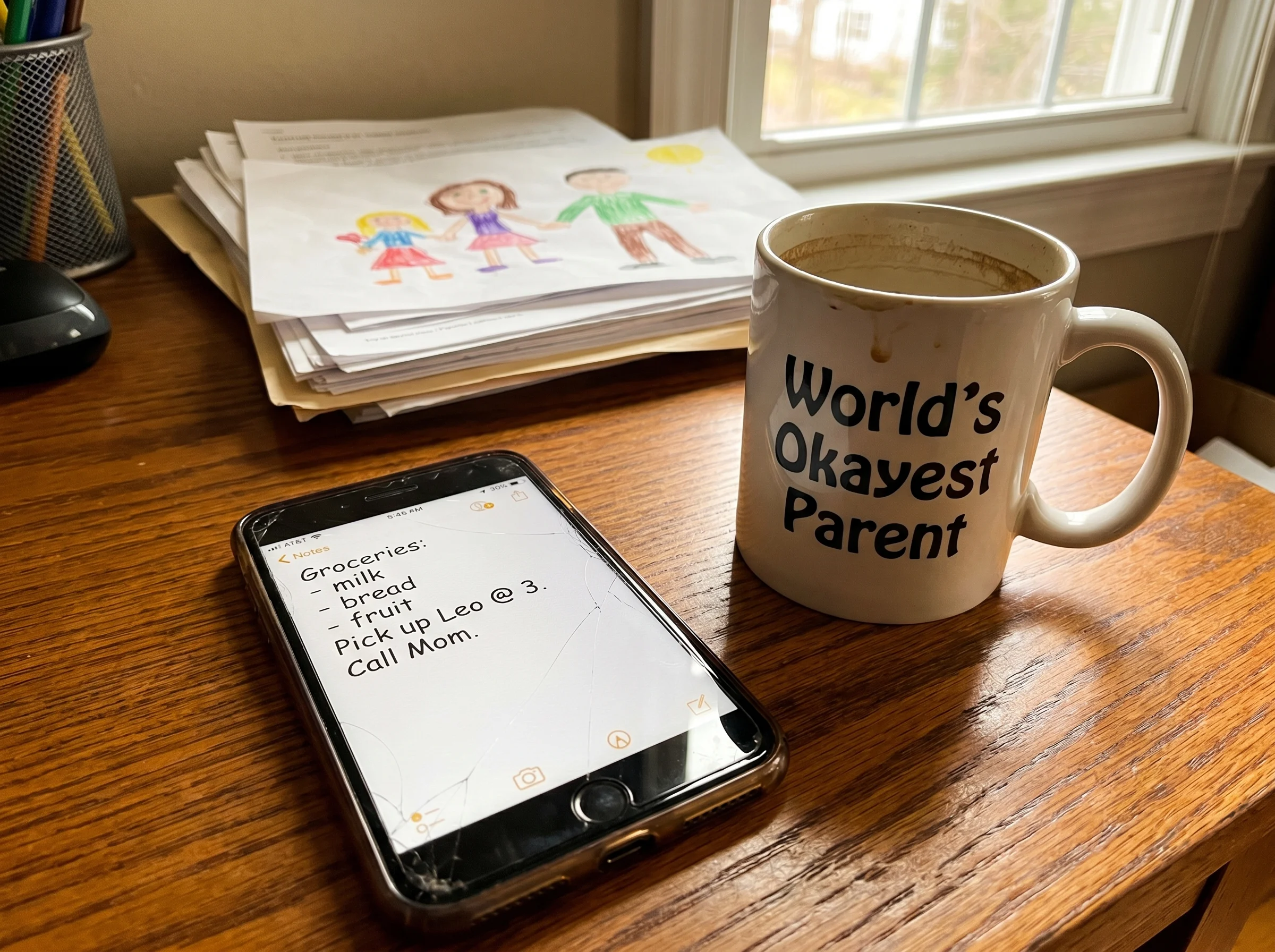
Write the answers in your phone's notes app. Not a spreadsheet. Not a journal. The notes app, because you'll actually find it again in three months.
That's your baseline. Now you have something to compare against.
The Conversation Is the Measurement
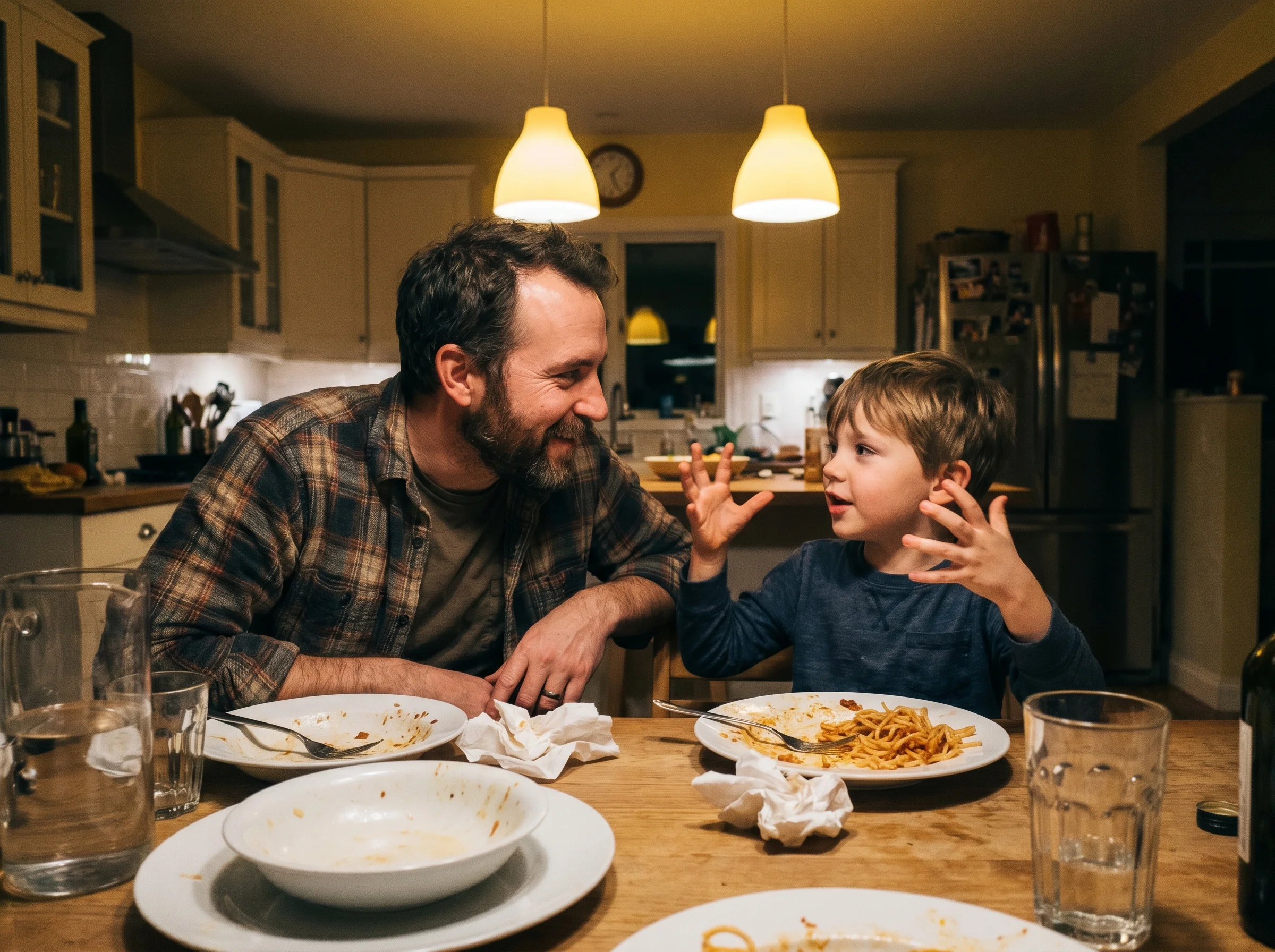
Here's the secret nobody writes about: your kid is the best data source on their own learning. You just have to ask in a way that doesn't feel like a setup.
I tried asking my son "how was Minecraft today?" for weeks. Got grunts. Got "fine." Got the teenage version of leave-me-alone.
Then I asked, "What's the craziest thing that happened in your world this week?"
Twenty minutes. He talked for twenty minutes about accidentally flooding his entire village trying to make a moat, then having to rebuild three houses, then negotiating with a neighbor (real kid, his school friend) for replacement materials.
In that twenty minutes I heard: problem-solving, taking responsibility, negotiation, project recovery, peer collaboration. I didn't have to "measure" anything. He told me.
The questions matter. "What did you learn?" gets you nothing. "What was the hardest part?" gets you something. "Who did you play with and what were they good at?" gets you a lot. "What's something you figured out that nobody told you?" is gold.
This is actually why we built Yakety Pack. After the flood conversation, I realized the bottleneck wasn't my kid's willingness to share, it was my ability to ask questions that didn't sound like a parent-teacher conference. The cards are just questions that surface what kids are actually thinking and learning, without making them feel like they're being studied. I made the thing I wished I'd had.
The whole game is trust. If your kid suspects you're collecting evidence to take the game away, you'll get nothing. If they believe you're genuinely curious, they'll tell you everything.
 One question, then listenPause, Play, Connect: Core Deck$49 CAD • 172 promptsSee the deck
Spotting Transfer in Real Life
Transfer is when a skill they built in a game shows up somewhere else. It's the holy grail, and it happens way more than parents realize. We just don't notice because we're not looking. Researchers at MIT's Education Arcade have spent years documenting how the planning, iteration, and systems thinking kids practice in games quietly show up in school and life.
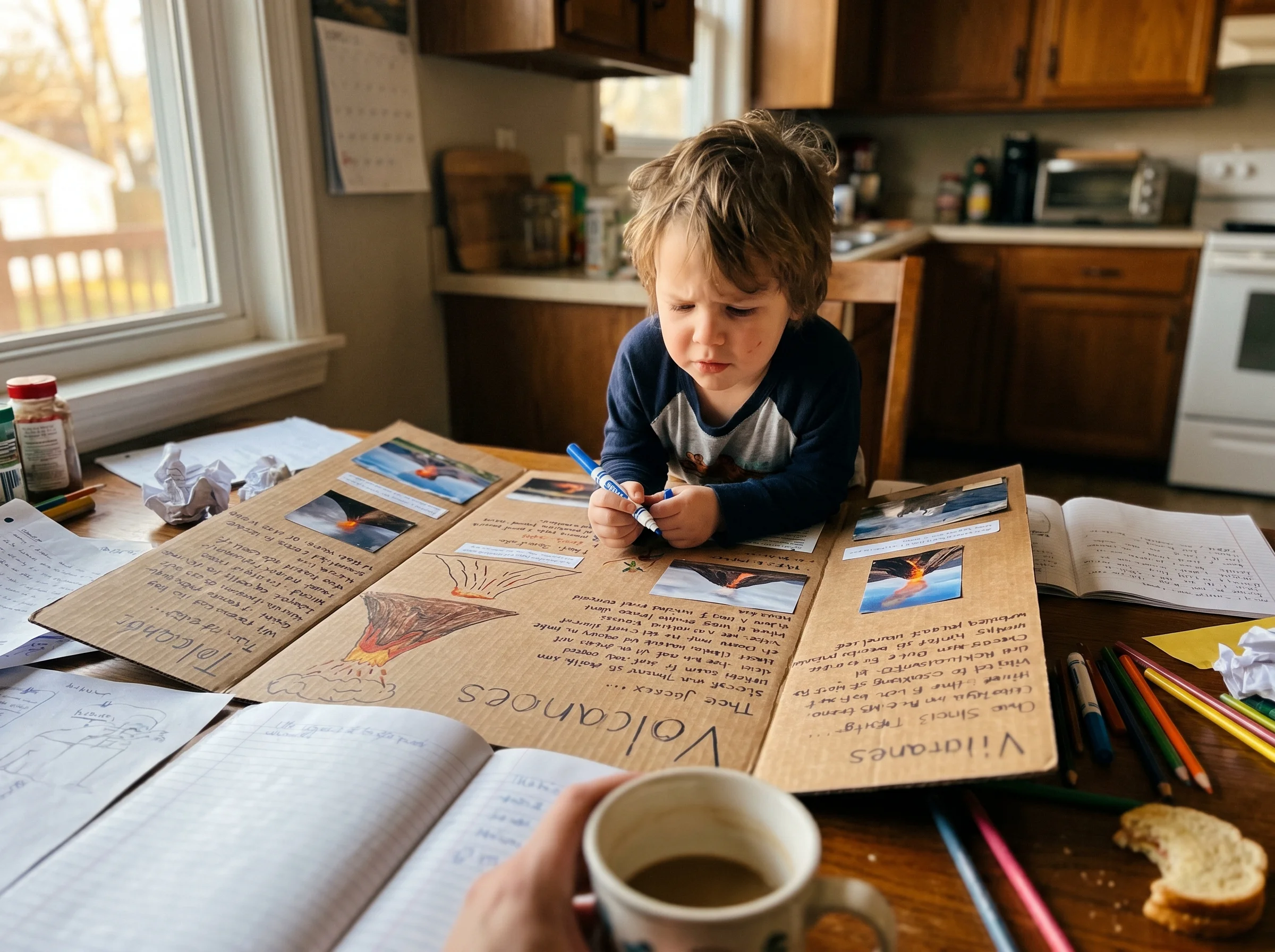
Last spring my son had a science fair project. He sat down at the kitchen table and, completely unprompted, sketched out a build order. "Okay, I need to do these three things first because the others depend on them." That's Minecraft brain. He was project-managing a school assignment the same way he plans a base.
I almost cried. Then I texted my wife. Then I wrote it down.
Things to watch for:
- At school: breaking projects into stages, persistence on hard problems, working with a group, asking better questions
- At home: budgeting allowance, organizing space, teaching a younger sibling, planning a trip or event
- In conversation: using strategy language, describing trade-offs, weighing options out loud
Keep a running list in your phone. When you see transfer, write it down with two words and a date. "Science fair, planning. 3/14." That list is your real progress report.
A Monthly Check-In That Won't Become a Chore
Once a month, do three things. Total time: about 30 minutes.
-
Ask three questions. What got harder this month? What got easier? What surprised you? You can pull a Yakety Pack card if you want a different angle, something like "teach me something I don't know about your game." Same idea. Open the door, then shut up and listen.
-
Watch them play for 15 minutes. No commentary. No "be careful" or "is that appropriate." Just watch. You'll see things you've never noticed.
-
Compare to your baseline notes. Pull up that note from three months ago. Are they handling frustration differently? Communicating differently? Note what's changed.
That's it. That's the whole system. No spreadsheets. No rubrics. No printable trackers you'll abandon by week two.
When the Outcomes Aren't What You Hoped
Sometimes you measure and you don't like what you find. Your kid is learning to trash-talk. They're rage-quitting more than they used to. They're isolating instead of playing with friends. They're stuck on something they used to crush.
This is good information. This is the whole point of measuring.
It's not a reason to ban gaming. It's a reason to steer. Maybe the game itself isn't serving them right now. Maybe the friends they're playing with aren't a great fit. Maybe they're going through something off-screen that's showing up on-screen.
Have the conversation. Use what you've observed. "I've noticed you've been pretty frustrated when you play X lately. What's going on?" You've earned the right to ask that question because you've been paying attention to the right things.
Measurement isn't about catching them. It's about knowing them well enough to help.
The One Thing to Do Today
Open your phone notes. Write down five sentences describing where your kid is right now with frustration, teamwork, planning, communication, and resilience.
That's your baseline. You just started measuring.
In a month, ask them three questions about their favorite gaming moment, listen for twenty minutes, and compare notes. You'll be ahead of 99% of parents trying to figure out what their kid is actually learning.
And if you want the bigger picture on how all of this fits together, head over to our pillar piece on measuring learning outcomes from gaming. This is one slice of a much bigger conversation, and the conversation, it turns out, is the whole point.

From this article
Pause, Play, Connect: Core Deck
Baseline, then talk: The notes-app system above lives or dies on the monthly three questions, and coming up with fresh ones is the part parents skip. The Pause, Play, Connect Core Deck keeps that check-in stocked so the system survives past month two.

