
For two years, I asked my son "did you learn anything today?" after he finished gaming. Two years of grunts and "I dunno" and one memorable "Dad, please."
Turns out I wasn't measuring his learning. I was just annoying him.
If you're a parent trying to figure out how learning outcomes can be measured when your kid's classroom is a video game, or whether they're just melting their eyeballs into Cheeto-colored mush, this is the article I wish someone had handed me five years ago. Here's what actually works.
Why the School Model Doesn't Work at Home
Schools measure learning with tests because tests scale, not because they're accurate. When you've got 30 kids and one teacher, a worksheet is the only practical option. That doesn't mean it's the best option. It means it's the cheapest one.
Gaming teaches in messy, non-linear ways. A kid playing Minecraft is doing geometry, resource budgeting, sequencing, and live negotiation with three friends on Discord, all at the same time. Try putting that on a rubric. You can't.
Early on, I tried to quiz my son about Minecraft. "What did you build today? What did it cost in resources? What did you learn?" He looked at me like I'd asked him to recite tax law. The information was all in his head. My questions just couldn't get it out.
Researchers have been making this point for a while. The MIT Education Arcade has spent years documenting how games teach systems thinking in ways standardized tests can't capture.
The "is he learning?" question is the wrong question. The right question is "what is he learning, and would I notice it if I saw it?"
 Something better than I dunnoPause, Play, Connect: Core Deck172 prompts that give you a real question to ask instead of did you learn anything.$49 CAD • 90 cards • 18 reviewsShop the deck
The Three Things You Actually Need to Measure
Most parents skip two of these. I did, for years.
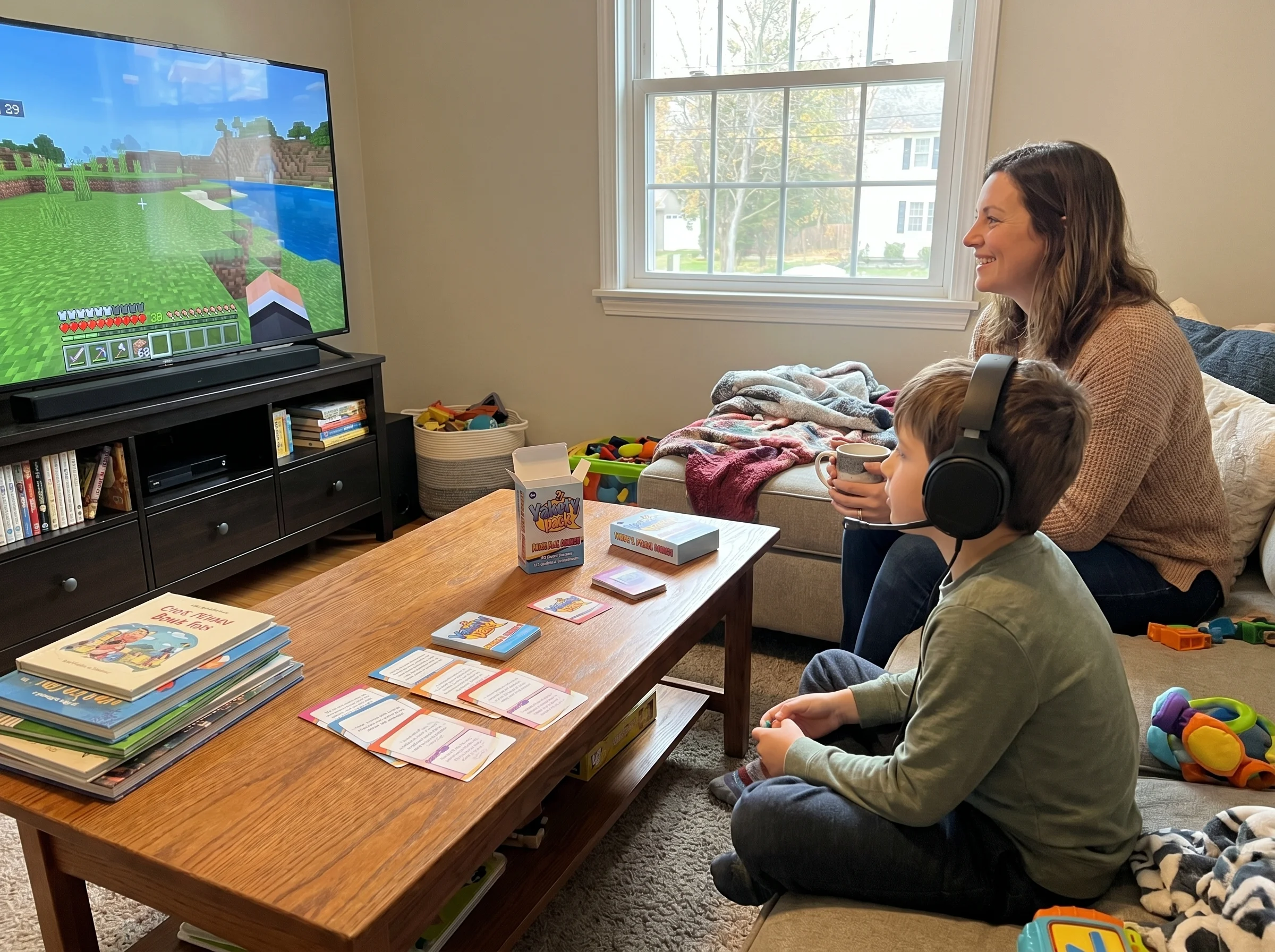
Observation. Watching without interrupting or judging. This is harder than it sounds. The first time I sat down to watch my son play, I lasted about four minutes before I said something like "wouldn't it be faster if you..." He muted his headset and gave me the look. Observation means shut up and watch. Notice how they handle a stuck moment. Notice whether they plan or react. Notice who they're talking to and how.
Conversation. Asking questions that invite stories, not answers. More on this in a minute, because it's the part most parents botch.
Transfer. Spotting when a game skill shows up in real life. This is the gold standard, and almost nobody talks about it. If something was actually learned, it leaks. It shows up at the dinner table, in homework, in how they handle their little sister stealing the remote.
My favorite transfer moment: my son bombed a school project. Old him would've melted down for an hour. New him sighed, said "okay, respawn," and started over with a different approach. That's gaming logic applied to real life. That's learning I could measure with my own eyeballs.
The 5 Categories Worth Watching For
You don't need a clipboard. You just need to know what you're looking for.
Problem-solving. What do they do when they're stuck? Do they rage-quit, look up a tutorial, ask a friend, or try ten different things? All four are data. The kid who looks up a tutorial is learning research skills. The kid who asks a friend is learning collaboration. The kid who tries ten things is learning iteration.
Communication. Listen to how they talk to teammates. Are they calling out information clearly? Are they bossing people around? Are they encouraging someone who messed up? My son's voice chat is a window into his developing social skills, and it's louder than anything he says at the dinner table.
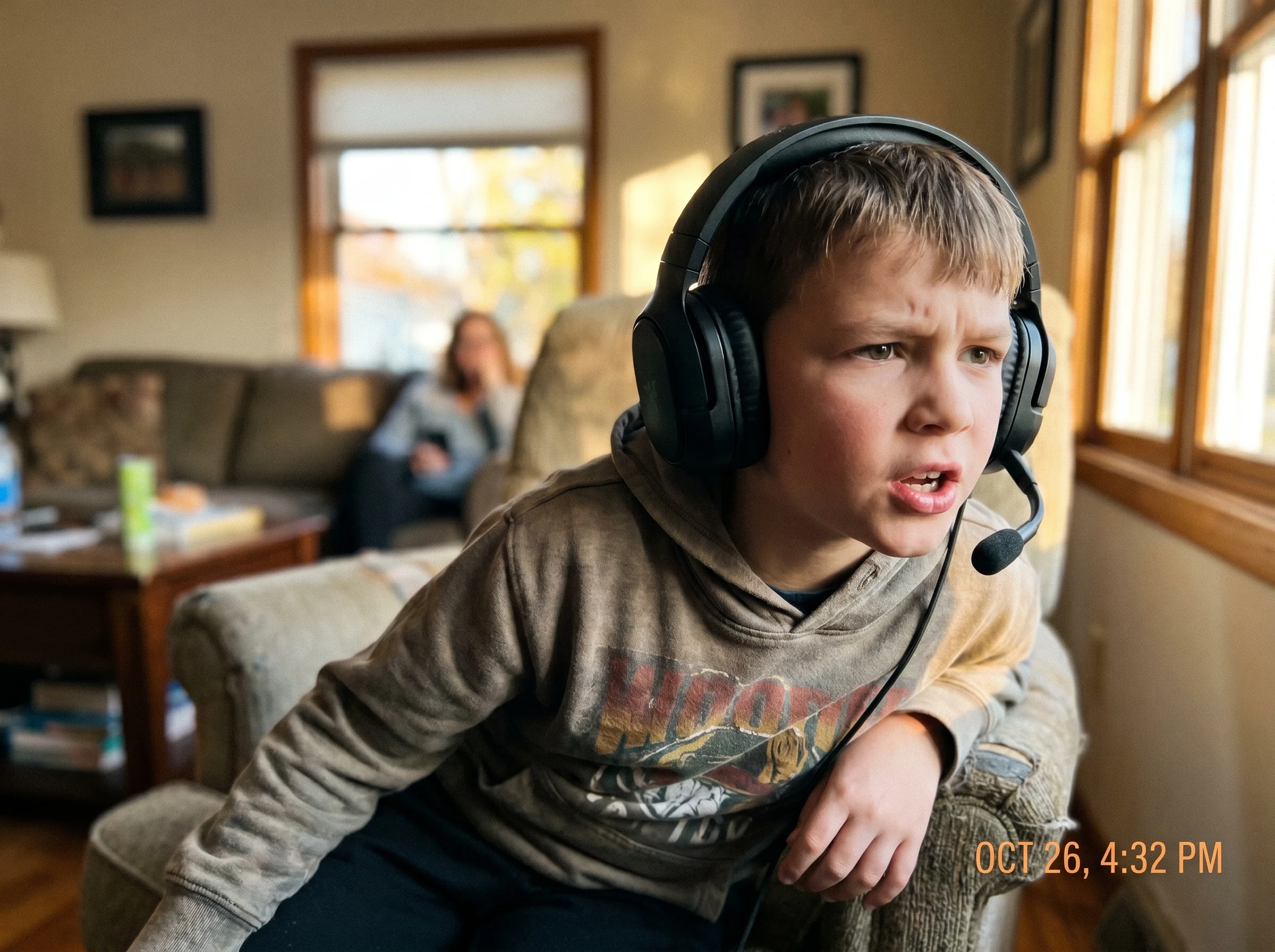
Persistence. What happens after they fail? This one's huge. A kid who tries a Souls boss 47 times is learning something a worksheet will never teach.
Creativity. Are they building, designing, modding, writing? Or just consuming what the game serves them? Both are fine, but they're different. Roblox builders and Minecraft creators are exercising different muscles than Fortnite battle royale players.
Social negotiation. What happens when their friend group disagrees mid-game? Who caves, who leads, who mediates? This is real-world stuff happening in a digital sandbox.
 Stories, not summariesPause, Play, Connect: Core Deck$49 CAD • 172 promptsSee the deck
How Can Learning Outcomes Be Measured Through Real Conversation?
Here's where I wasted the most time. I asked the wrong questions for years.
Bad questions:
- "Did you have fun?" (yes)
- "What did you learn?" (nothing)
- "Was it educational?" (please stop talking)
Better questions:
- "What was the hardest moment today?"
- "Who made the call when your team disagreed?"
- "What was the dumbest thing that happened?"
Best questions:
- "Walk me through how you figured that out."
- "What's the craziest thing that happened in your world this week?"
That last one. That's the one that broke the dam for me. I asked it on a random Tuesday and got a 20-minute monologue about how my son accidentally flooded his Minecraft village trying to make a moat. He explained the water mechanics, the sunk-cost decision to keep digging, the negotiation with his friends about whether to rebuild or relocate. I learned more about how his brain works in those 20 minutes than I had in two years.
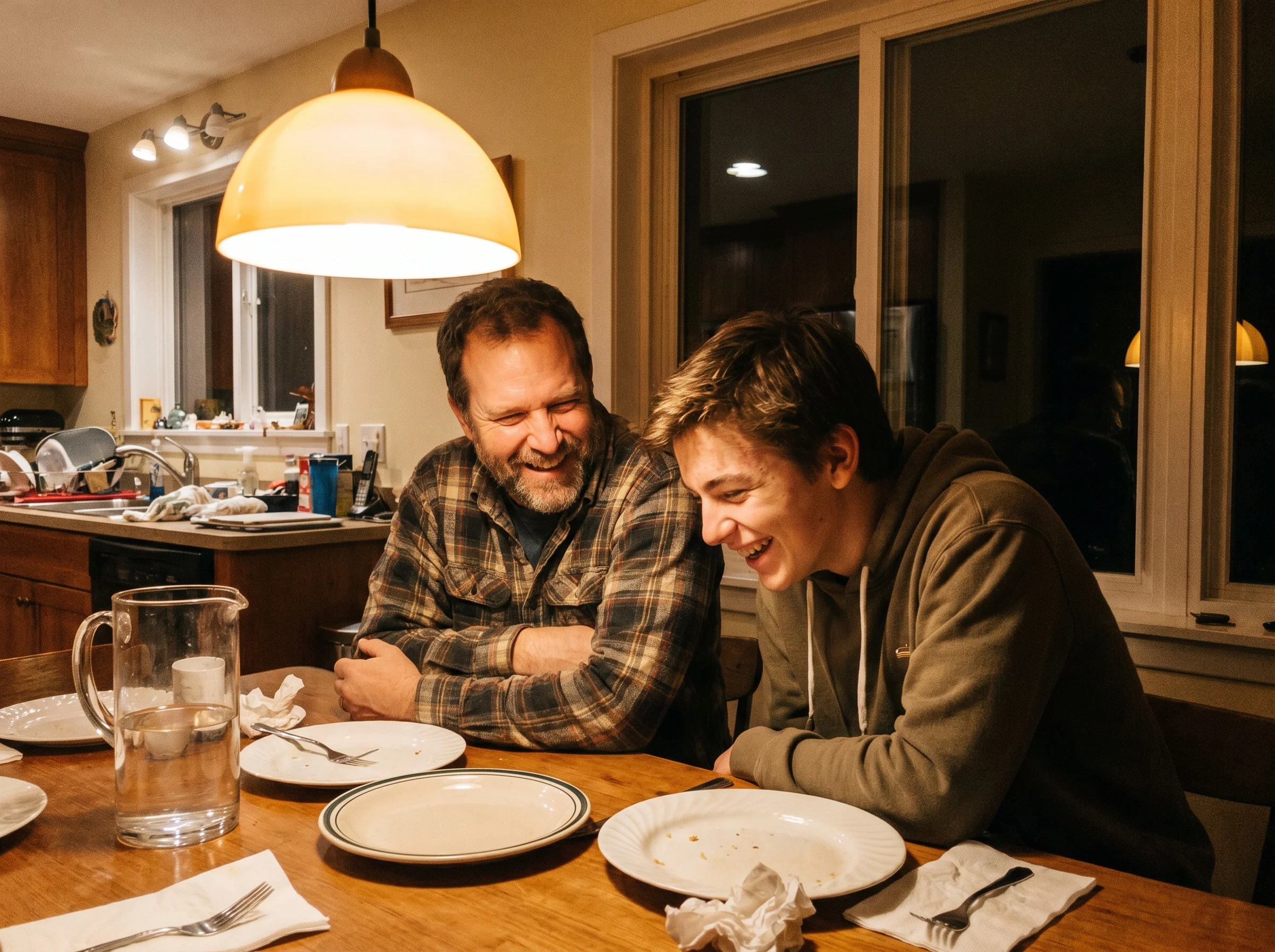
The pattern: ask for stories, not summaries. Kids don't summarize. They narrate.
This is genuinely the whole reason we built Yakety Pack. After years of forgetting good questions in the moment, or freezing up at dinner and defaulting to "how was school," I wanted a pack of cards I could hand my kid that asked things like "what game character would you want as a friend?" Not to test them. Just to get them talking. Sometimes you need a prompt. That's all the cards are.
The Transfer Test: Where Real Learning Shows Up
Here's the most practical measurement tool I've ever found, and it's free: pick one skill you think they might be developing, and watch for it outside the screen for 30 days.
If you think they're getting better at planning from a strategy game, watch for planning in homework, in how they pack for school, in how they handle a Saturday with no plans.
If you think they're learning patience from a hard game, watch for patience with their siblings, with a slow internet connection, with you when you say something dumb.
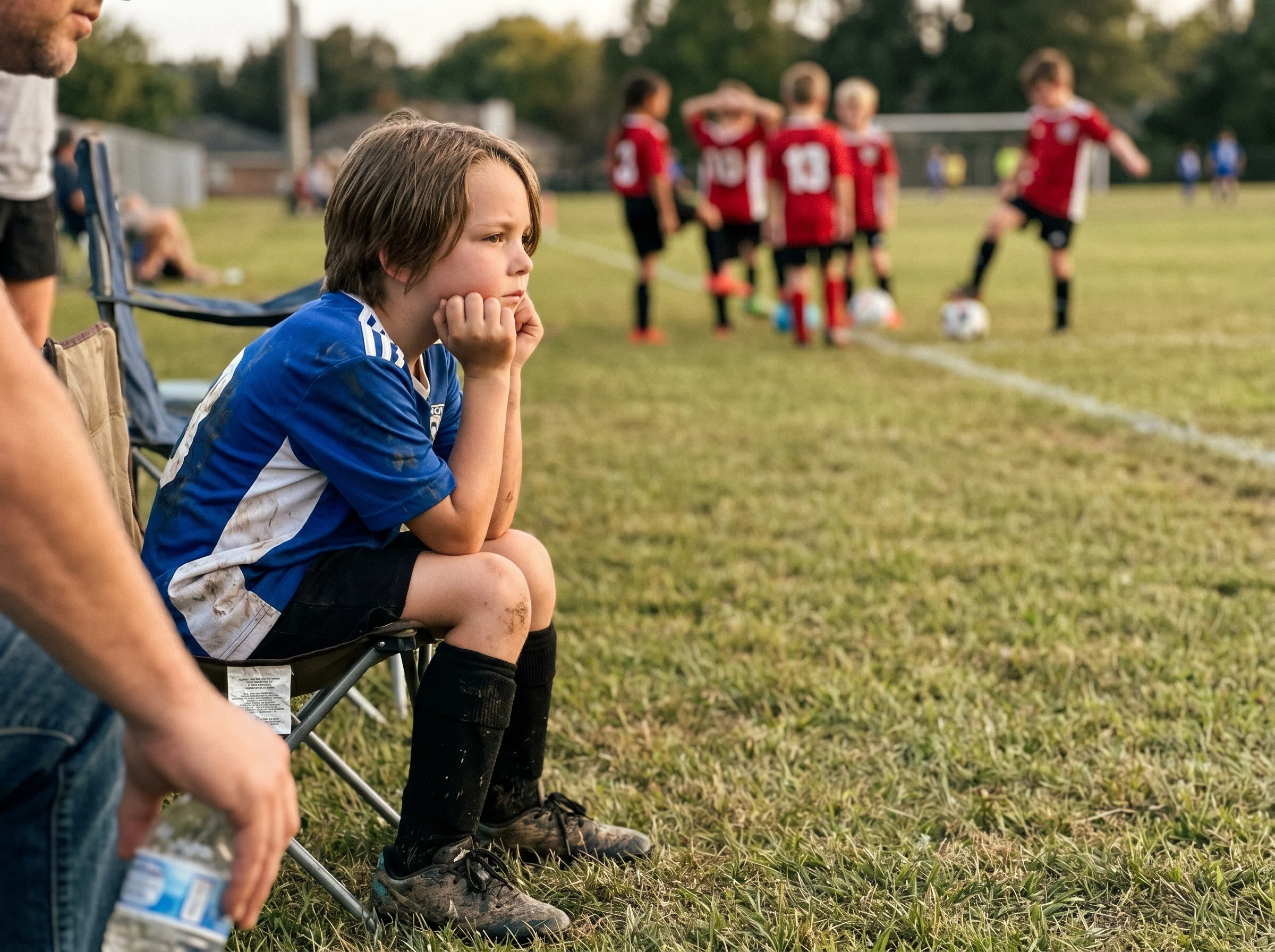
My son started "scouting" before his soccer games after about six months of heavy strategy gaming. He'd watch the other team warm up and tell his coach who looked fast and who didn't. Nobody taught him that. He learned it from a game and his brain ported it over.
This idea has a name in education research, it's called "transfer of learning," and the American Psychological Association has good material on why it's the truest test of whether something stuck.
If a skill transfers, it was learned. If it doesn't transfer in 30 days, either it wasn't really learned or the game isn't teaching what you thought it was teaching. Both are useful data.
What to Do When You Measure and Find Nothing
Sometimes you'll watch, ask, and look for transfer, and you'll come up empty. Some games are genuinely just brain candy. That's not a failure of measurement. That's data.
I had a moment a couple years ago where I realized one game in our rotation was contributing nothing. Not problem-solving, not creativity, not even much social stuff. Just pure dopamine drip.
I didn't ban it. I'm not a ban-it dad. What I did was introduce a different game alongside it, something I'd heard was more open-ended, and watched what happened to the engagement. Within a few weeks, the brain-candy game faded on its own because the new one was more interesting. The "shift, don't ban" approach works because kids resist removal but respond to addition.
The point is, measurement isn't always going to give you a feel-good answer. Sometimes it'll tell you something needs to change. That's the whole reason you're measuring.
Making This a Habit Without Making It Weird
Don't turn every gaming session into a parent-teacher conference. Nobody wants that. Not you, not them.
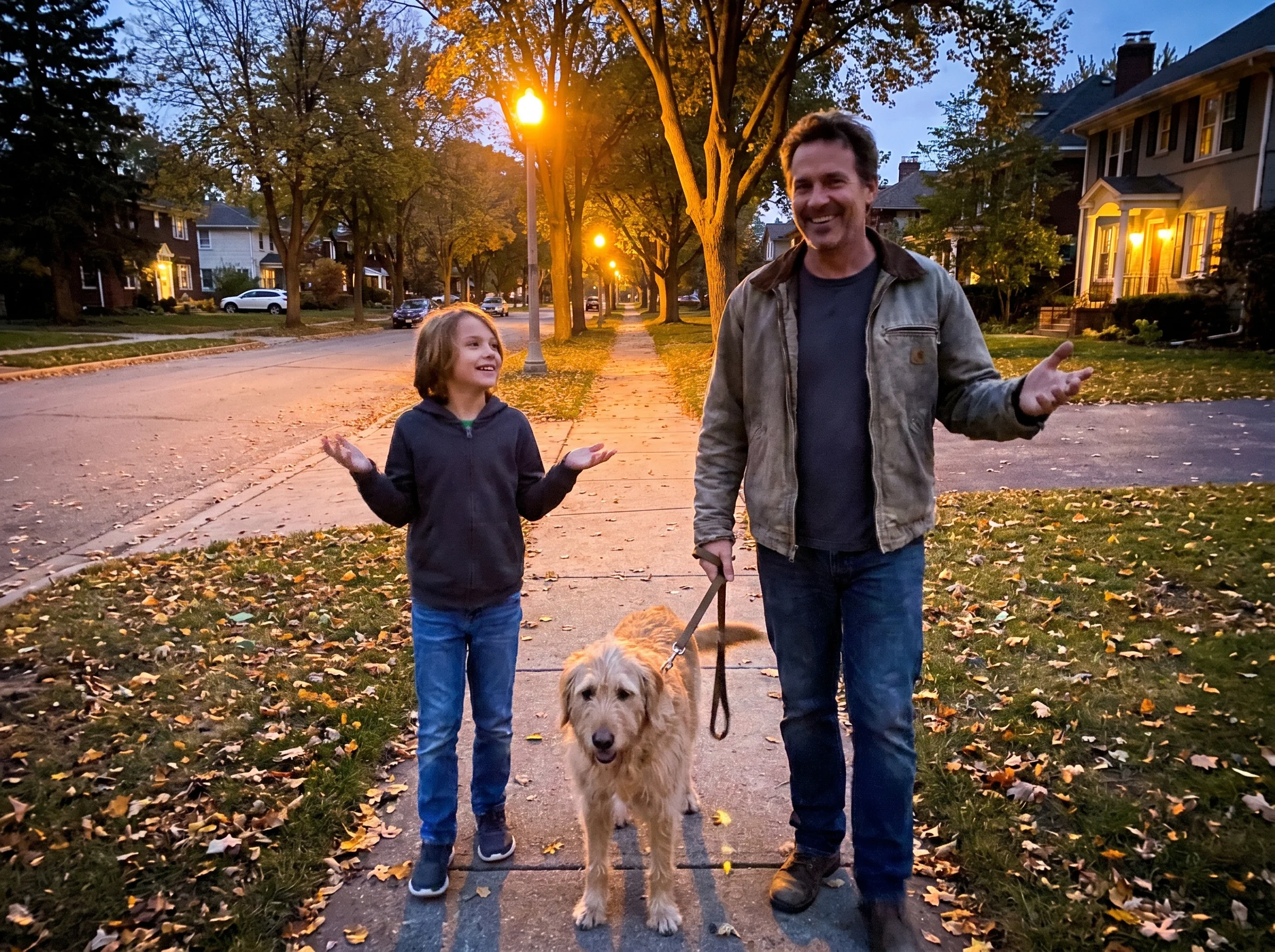
What works for me: one good question in the car, at dinner, walking the dog. That's it. One question a day, asked casually, with genuine curiosity. If they give you a story, great. If they grunt, try again tomorrow with a different question.
Track loosely, not obsessively. A note in your phone is fine. I keep a running list of moments where I caught a game skill showing up in real life. It's like seven entries long. That's enough.
Use whatever helps you remember good questions. For me, it's the prompt cards we made. For you, it might be a sticky note on the fridge. Doesn't matter. The tool isn't the point. The habit is.
The Counter-Intuitive Truth
Here's the thing I want you to take away from all this: if you can measure it on a worksheet, it probably isn't the most valuable thing they're learning.
The skills gaming teaches best, negotiation, persistence, systems thinking, creative problem-solving, are exactly the ones traditional measurement misses. Stop trying to grade gaming. Start trying to notice it.
The best measurement isn't a test. It's a conversation. And the best conversation starts with a question you actually want the answer to.
Try one this week. "What's the craziest thing that happened in your game this week?" See what you get.
I bet it's more than a grunt.

From this article
Pause, Play, Connect: Core Deck
Measurement by conversation: If the best test really is one good question a day, it helps to have a stack of them within arm's reach. The Pause, Play, Connect Core Deck is the fridge-sticky-note version we made for our own kitchen table.

