
My eight-year-old asked me this at breakfast last spring, mid-bite of cereal: "Dad, how do Pokémon actually talk?"
I had nothing. I mumbled something about how they "just say their names" and watched his face fall. He shrugged, finished his cereal, and went to put his shoes on. Conversation over.
Here's the thing I didn't realize at the time: that question wasn't really a question. It was a door. And I almost shut it because I was so focused on giving the "right" answer that I missed what he was actually offering me.
I've spent the months since then getting better at this, mostly by getting it wrong first. So if you're a parent who just got hit with "how do Pokémon talk?" and you're scrambling, this is the article I wish I'd had on my phone at that breakfast table.
The Short Answer (For When Your Kid Is Standing Right There)
Most Pokémon "talk" by saying variations of their own name. Pikachu says "Pika," "Pika-pi," "Pikachu," "Pika-CHU" with about fifteen different inflections, and the actual meaning comes from the tone, the pitch, and the body language.
Other Pokémon understand each other through context, same as how dogs read each other without using words. Trained humans, like Ash in the anime, can usually tell what their Pokémon means because they know them well.
That's the answer you can give in ten seconds. But if your kid keeps asking, you're in the good part now. Don't rush it.
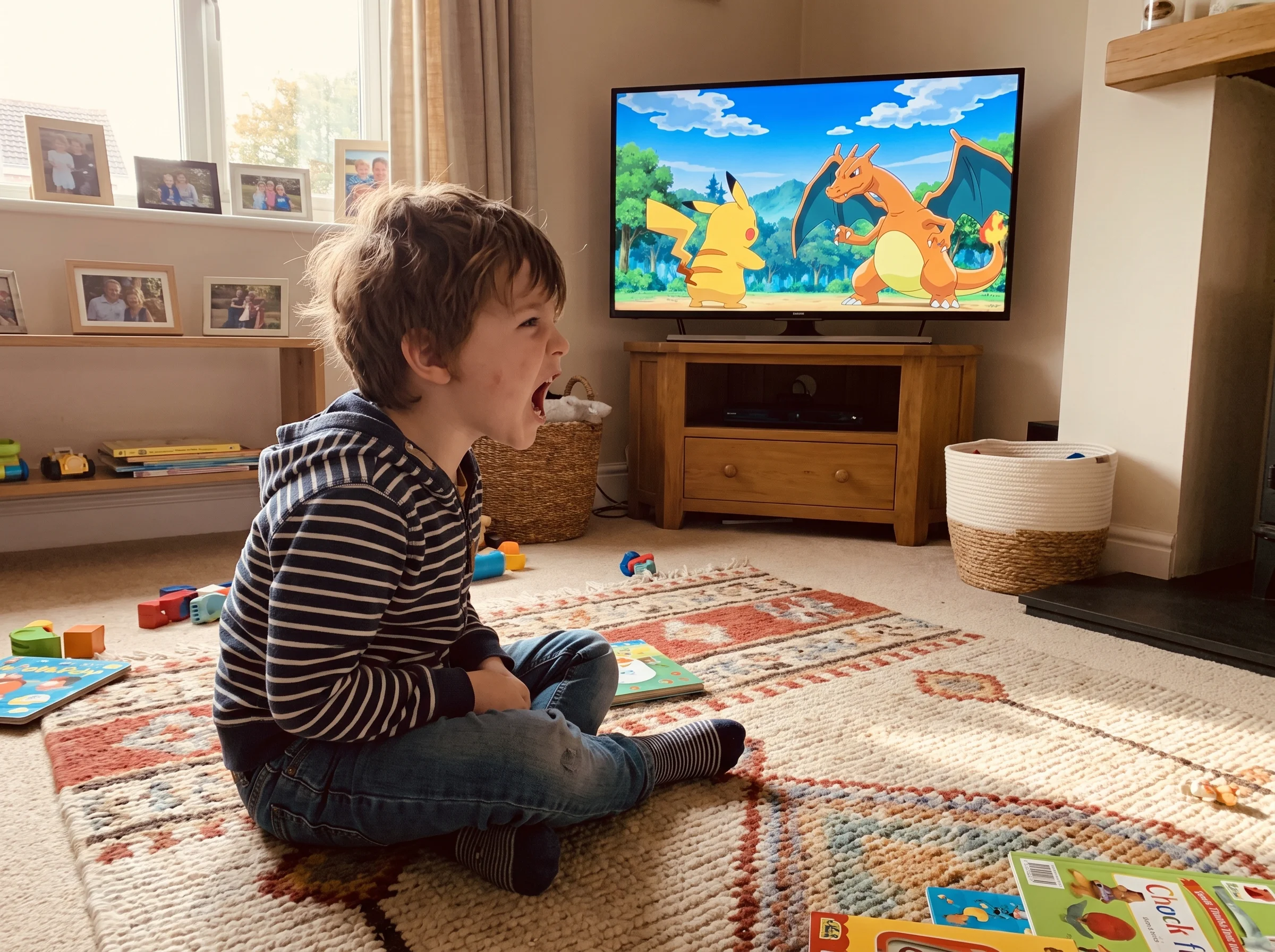
When I finally tried this answer out loud with my son, he immediately lit up and started demoing different Pikachu tones at me. Angry Pika. Sad Pika. Hungry Pika. I had no idea he'd been studying this.
 Once the short answer landsPause, Play, Connect: Core Deck172 prompts that keep a question going after your ten-second answer runs out.$49 CAD • 90 cards • 18 reviewsShop the deck
Why Pokémon Say Their Own Names (The Real Reason)
This is the part that earns you instant cred with your kid, so file it away.
Pokémon saying their own names started in the anime, not the games. In the original Game Boy games, Pokémon just made sound effects, like little 8-bit chirps and roars. When the anime came out in 1997, the creators decided that having Pokémon speak their own names would make them more memorable and easier for kids to identify.
Pikachu's voice has been the same actress, Ikue Otani, since 1997. Same voice. Almost thirty years. That blew my son's mind when I told him.
If your kid is the type who notices that Pokémon sound different in the video games versus the show, congratulations, you've got a detail-oriented kid.
The Pokémon That Break the Rules
Here's where I face-planted.
I confidently told my son, "All Pokémon just say their names." And he, with the gentle patience of a kid who knows you're wrong but doesn't want to embarrass you, said, "Dad… Meowth talks."
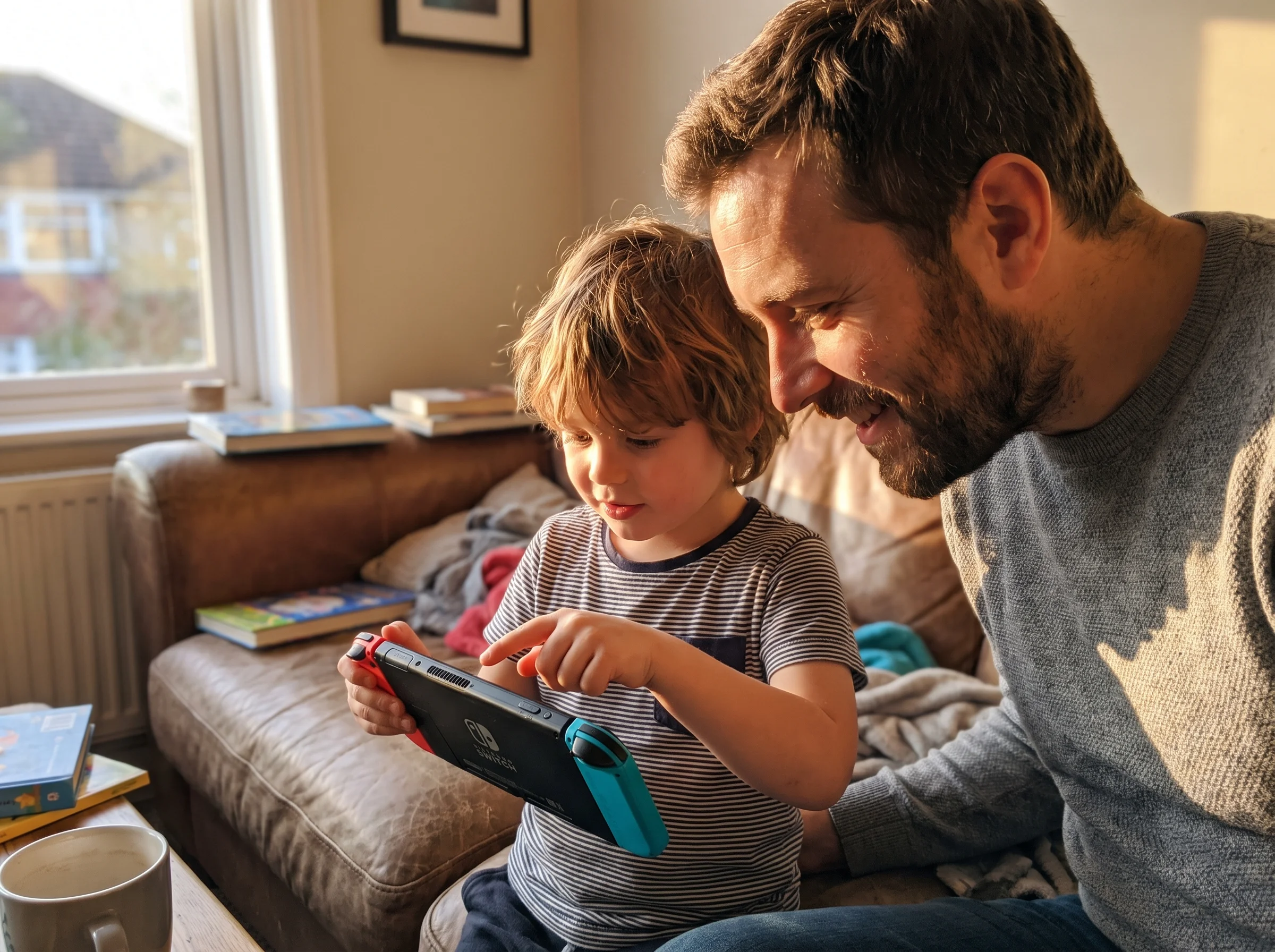
He was right. Meowth from Team Rocket speaks full human language. And there's actually a backstory: in the anime, Meowth learned to talk and walk on two legs to impress a female Meowth he had a crush on. It didn't work out. He's been bitter about it for like 25 seasons.
There are other exceptions too. Mewtwo speaks through telepathy. So does Lucario in some movies. And Detective Pikachu, in that whole movie, talks in Ryan Reynolds' voice, which threw a lot of parents for a loop.
The point isn't to memorize all of this. The point is to know that if your kid corrects you, they're probably right. Roll with it.
 Reading tone, not wordsPause, Play, Connect: Core Deck$49 CAD • 172 promptsSee the deck
How Pokémon Actually Understand Each Other
This is the part I think is genuinely cool, and most articles skip it.
When Pikachu and Charizard "talk," they're reading:
- Tone of voice (excited, scared, annoyed)
- Ear position and tail movement
- Body language and posture
- Context, what just happened, where they are, who's around
Your kid has figured this entire system out without anyone teaching them. They can tell you the difference between "Pika!" (happy) and "Pi-ka-chu" (annoyed) and "PIKACHUUU" (about to electrocute somebody). That's emotional literacy. That's reading tone. That's a real skill they're building, dressed up in a yellow electric mouse costume.
Researchers at Harvard have written about how reading nonverbal cues is a foundational part of how kids learn to communicate. Pokémon is basically that, with sparks.
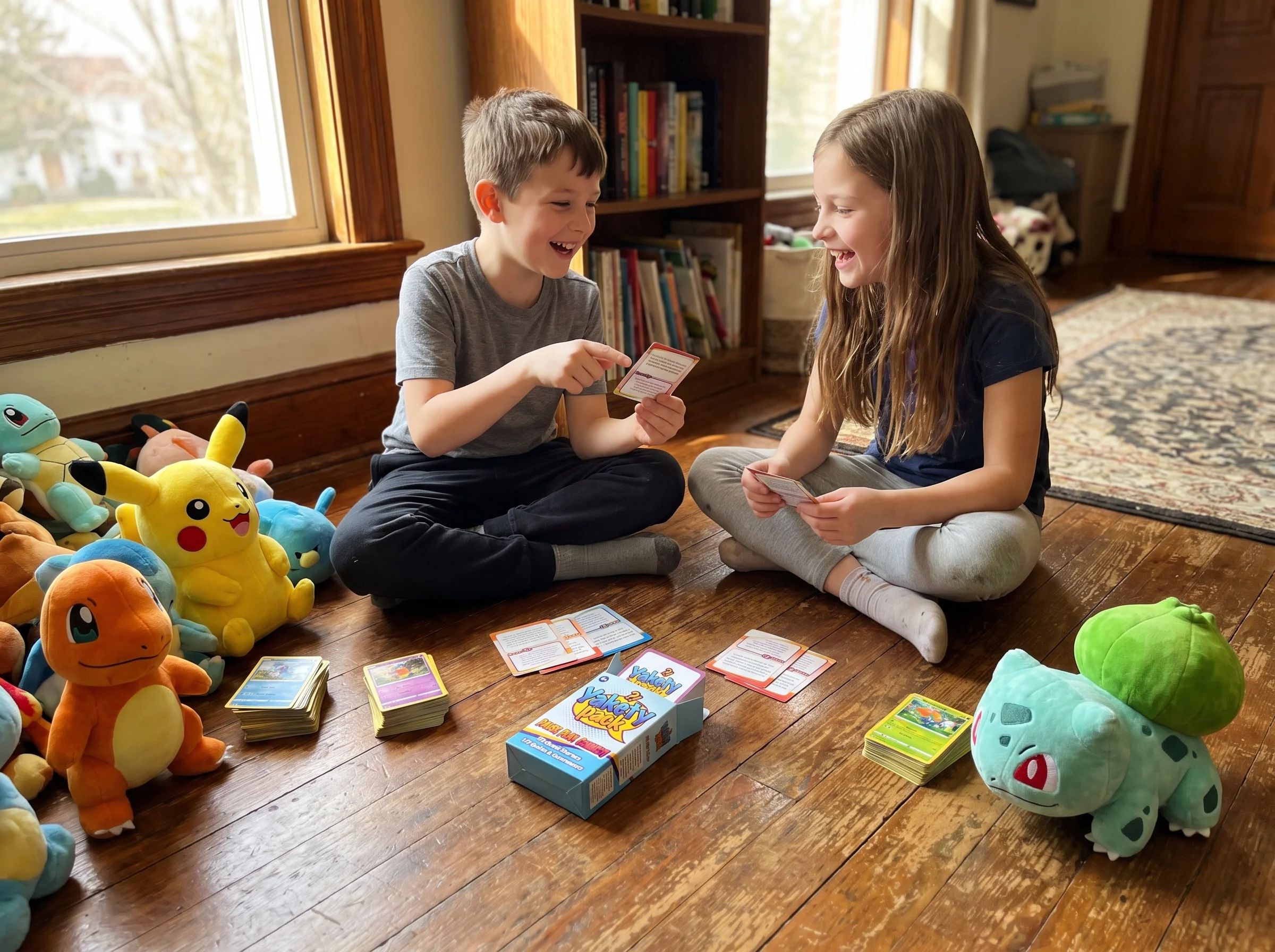
What to Ask Your Kid Instead of Just Answering
Here's the move that changed everything for me. When my son asks a Pokémon question now, I try to answer it briefly and then turn it back into a question.
A few that have worked:
- "Which Pokémon do you think has the coolest voice?"
- "If your favorite Pokémon could talk in real words, what would they say?"
- "How do you know when Pikachu is mad versus happy?"
- "Are there any Pokémon you wish would just shut up?"
That last one got me a full review of every Pokémon my son finds annoying, which was hilarious and also told me a lot about his sense of humor.
The "what would your favorite Pokémon say if it could talk" question got me a twenty-minute monologue about Charizard's personality. Charizard, according to my son, would be sarcastic but loyal, would absolutely roast Ash for being bad at battling, and would have a deep voice "but not too deep." I learned more about how my kid's brain works in those twenty minutes than I had in a month of "how was school?"
This is genuinely why we built Yakety Pack. I kept having moments where I had the answer but not the question. The cards exist because I needed something to nudge me toward better questions when my brain was tired.
When Your Kid Corrects You, Let Them
The Meowth correction was the best thing that ever happened to our Pokémon conversations.
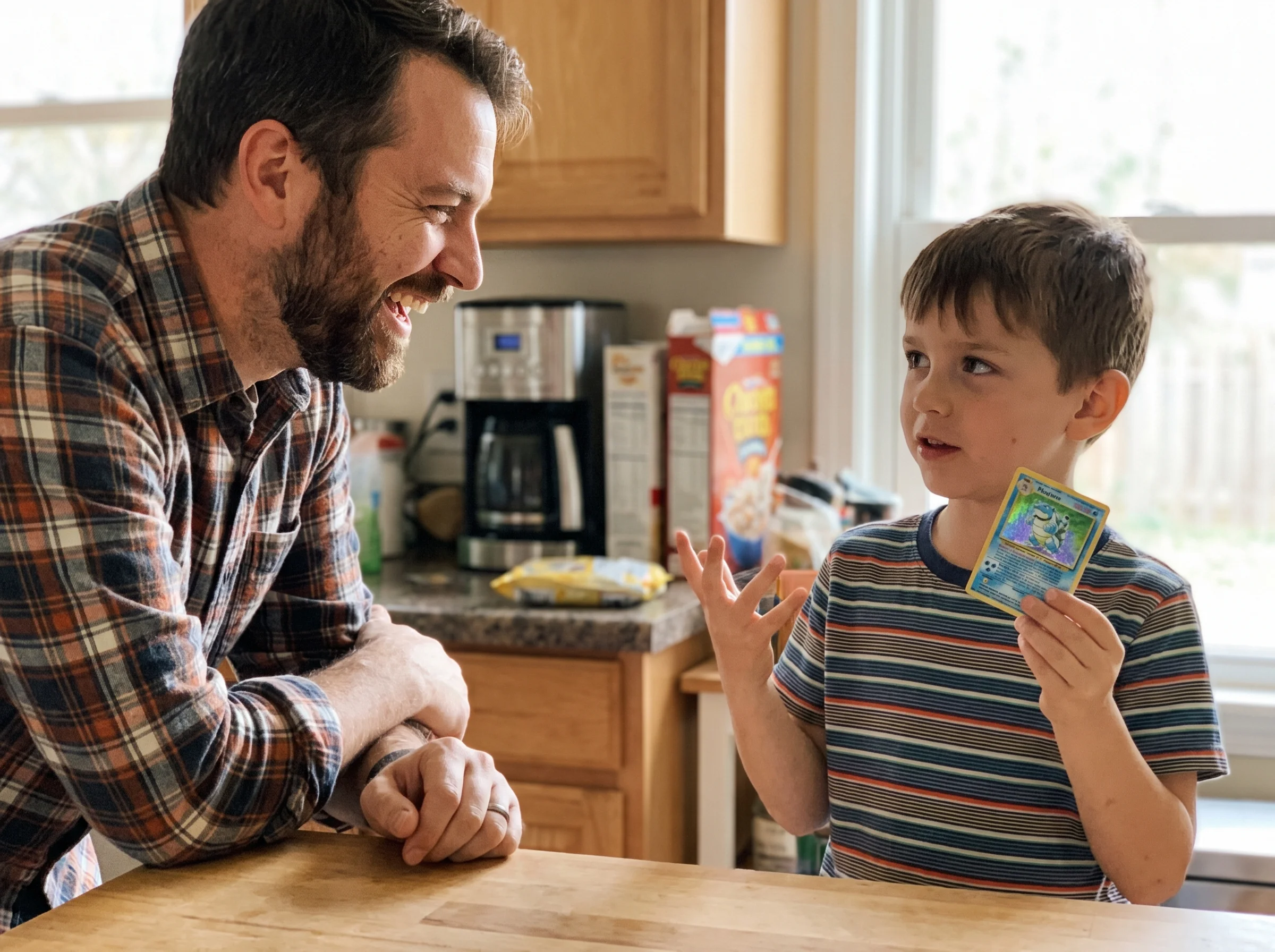
Because in that moment, the dynamic flipped. He became the teacher. I became the student. And kids LOVE this. They so rarely get to be the expert on anything that when they catch you being wrong about something they actually know, it's a gift to them.
Don't defend yourself. Don't say "well actually." Just say, "Oh dang, you're right, tell me more."
Watch what happens.
The Bigger Thing Going On Here
Here's the part that finally clicked for me.
When your kid is parsing how Pokémon talk, they're doing the same cognitive work that will later help them read poetry, understand Shakespeare, pick up a second language, or notice when their friend says "I'm fine" but doesn't mean it. They're learning that meaning lives in more than just words.
That's not nothing. That's actually a big deal. The American Academy of Pediatrics has noted that shared media moments between parents and kids can be one of the most overlooked tools for emotional development.
So when they ask "how do Pokémon talk?", they're not asking for a Wikipedia entry. They're inviting you to be curious about something they've already figured out.
The best advice I can give you: stay a beginner. Don't try to become the Pokémon expert in the house. Your kid already is. Let them have it. Ask dumb questions on purpose. Get corrected. Laugh about it. That's the whole game.
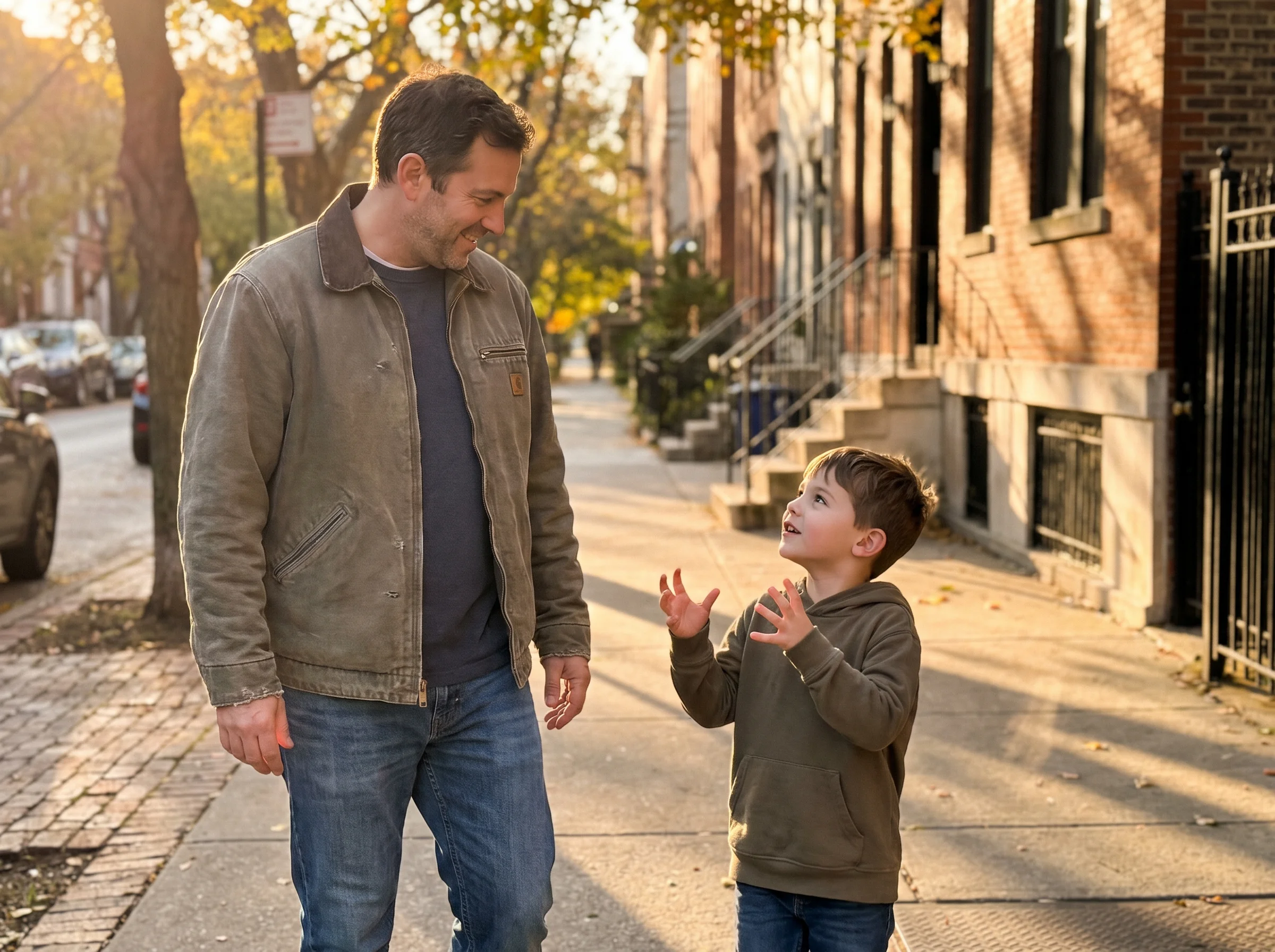
One Thing to Try Today
Next time your kid mentions Pokémon, don't try to answer anything. Just ask one question: "How can you tell what Pikachu is feeling when he talks?"
Then shut up and listen. Set a timer if you want. I bet you get three minutes minimum.
The Pokémon talk question is one of the easiest on-ramps you'll ever get into your kid's imagination. Don't waste it the way I almost did at that breakfast table.

From this article
Pause, Play, Connect: Core Deck
When the door opens: A Pokémon question at breakfast is your kid handing you the mic; the trick is having a follow-up ready before the cereal is gone. The Pause, Play, Connect Core Deck keeps a stack of those follow-ups on standby.

