
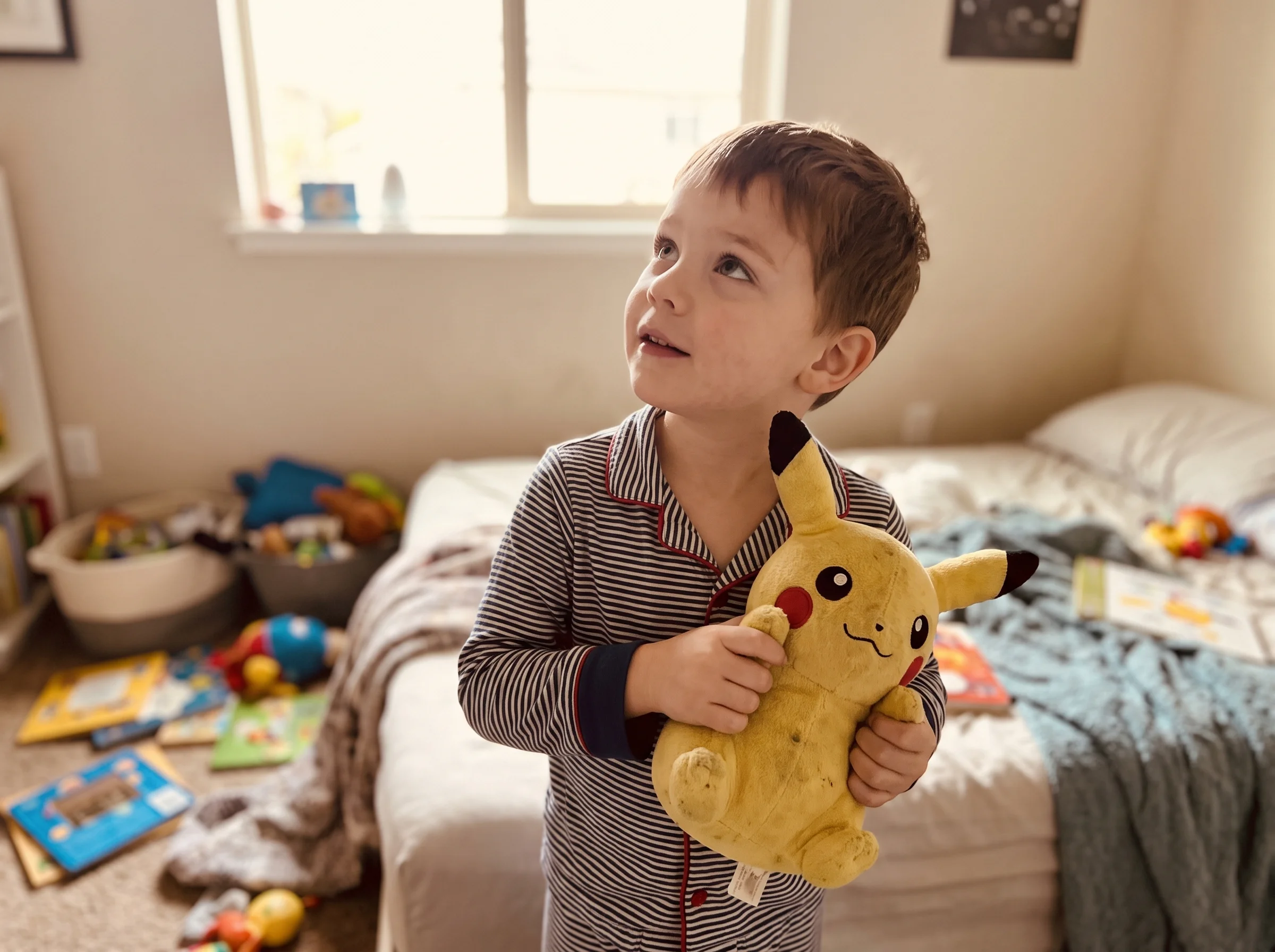
My son asked me this at 8:47 PM on a Tuesday, two minutes after I thought he was finally asleep. His head popped up off the pillow like a prairie dog. "Dad. How does Pikachu know what Ash is saying?"
I almost said "it's just a show, buddy, go to sleep." I had one foot out the door. My coffee was calling. The dishwasher needed unloading.
Thank god I didn't say it.
Because that question, how do Pokémon understand human speech, that "just a cartoon" question, turned into one of the best 20-minute conversations we've ever had. And it taught me something I keep coming back to: when a kid asks how Pokémon understand humans, they're almost never just asking about Pokémon.
The Short Answer (Because Your Kid Wants It Now)
Here's the quick version you can give while you brush your teeth:
Pokémon understand humans through a combination of things. The bond with their trainer. Tone of voice. Body language. And for some Pokémon (the Psychic ones), actual telepathy. They don't speak English back, but they understand it. Kind of like how your dog knows "walk" and "treat" and "off the couch" without speaking a word.
That's the 30-second answer. If your kid is satisfied, great. But if they keep asking, that's your signal to lean in. Because the deeper answer is way more interesting.
The Trainer Bond Is the Real Answer
Here's what the anime and games actually tell us: the closer a Pokémon is to its trainer, the more it understands. Not the more words it learns. The more it gets the person.
You know the classic example? Ash's Charizard. Early on, Charizard straight up ignored Ash. Wouldn't listen, took naps in the middle of battles, occasionally flamethrowered him in the face. Then over time, after Ash kept showing up, kept caring, kept earning it, Charizard became one of his most loyal Pokémon.
Same idea in the games. Ever wonder why obedience is tied to gym badges? It's not because the badges have magic powers. It's because the badges represent that you've earned trust. You've put in the work. The Pokémon recognize that.
My son figured this out on his own one night. We were watching an early episode and he said, "Dad, Pikachu won't go in the Pokéball." And I said yeah, that's weird, right? And he thought about it for a second and said, "I think he just wants to walk next to him."
That's it. That's the whole thing. Friendship over containment. A 6-year-old got it before I did.
Some Pokémon Literally Talk (And Why That's Cool Fact-Fuel)
Now, here's where it gets fun, because your kid is going to bring up Meowth and you need to be ready.
Meowth from Team Rocket actually learned to speak human language. There's a whole episode about it. He taught himself to talk because he had a crush on a female Meowth who only liked humans. The man learned English out of unrequited love. Tell your kid that and watch their brain explode.
Then you've got the Psychic types. Mewtwo, Alakazam, Gardevoir, these guys skip language entirely and use telepathy. They project their thoughts directly into your head. Mewtwo's whole introduction in the first movie is basically him talking to humans without ever opening his mouth.
Lucario reads "auras," which is basically reading the energy a person gives off. Slowking talks. There are a handful of others. So the answer to "do Pokémon understand humans" isn't one thing. It depends on the Pokémon.
This is great fact-fuel for the kid who wants to feel smart at recess.
How Pikachu Does It (The Method Most Pokémon Use)
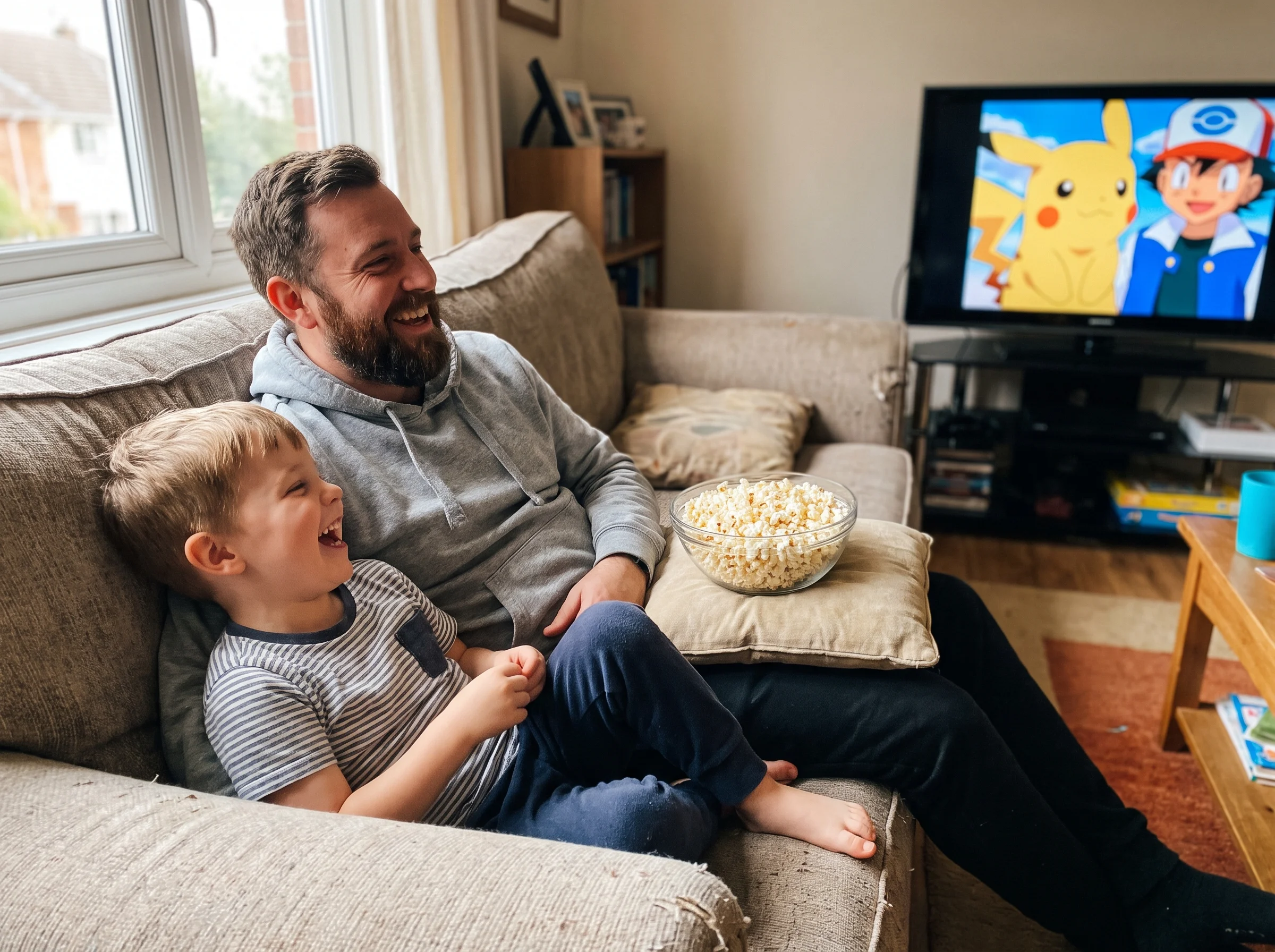
Most Pokémon, though, work the same way Pikachu does. And Pikachu doesn't speak English. So how does he know when Ash says "use Thunderbolt"? This is the heart of how Pokémon understand human speech.
Three things:
Tone of voice. Ash sounds different when he's scared, excited, angry, focused. Pikachu picks up on that instantly.
Body language and facial expressions. When Ash points, when he crouches, when his eyes go wide, all of that is information.
Repetition and routine. Pikachu has heard "Thunderbolt" a thousand times in a specific context. He's connected the dots.
You know who else communicates exactly this way? Babies. Dogs. Best friends who can finish each other's sentences. Your kid, with you, before they could talk. Researchers have shown that dogs read human cues like pointing and gaze in ways that are surprisingly close to how toddlers do.
This is the part where I told my son: "You already know how to do this. You do it every day."
The Question Behind the Question
Here's where I almost blew it that night, and where I think most parents do.
The lore answer is fine. It's accurate. But when a kid asks "how do Pokémon understand human speech?" they're usually circling something bigger. They're asking about how connection works. How do you understand someone when you can't use the same words? How do you know someone cares about you? How do you trust somebody?
That's a massive question. Don't waste it on a wiki answer.
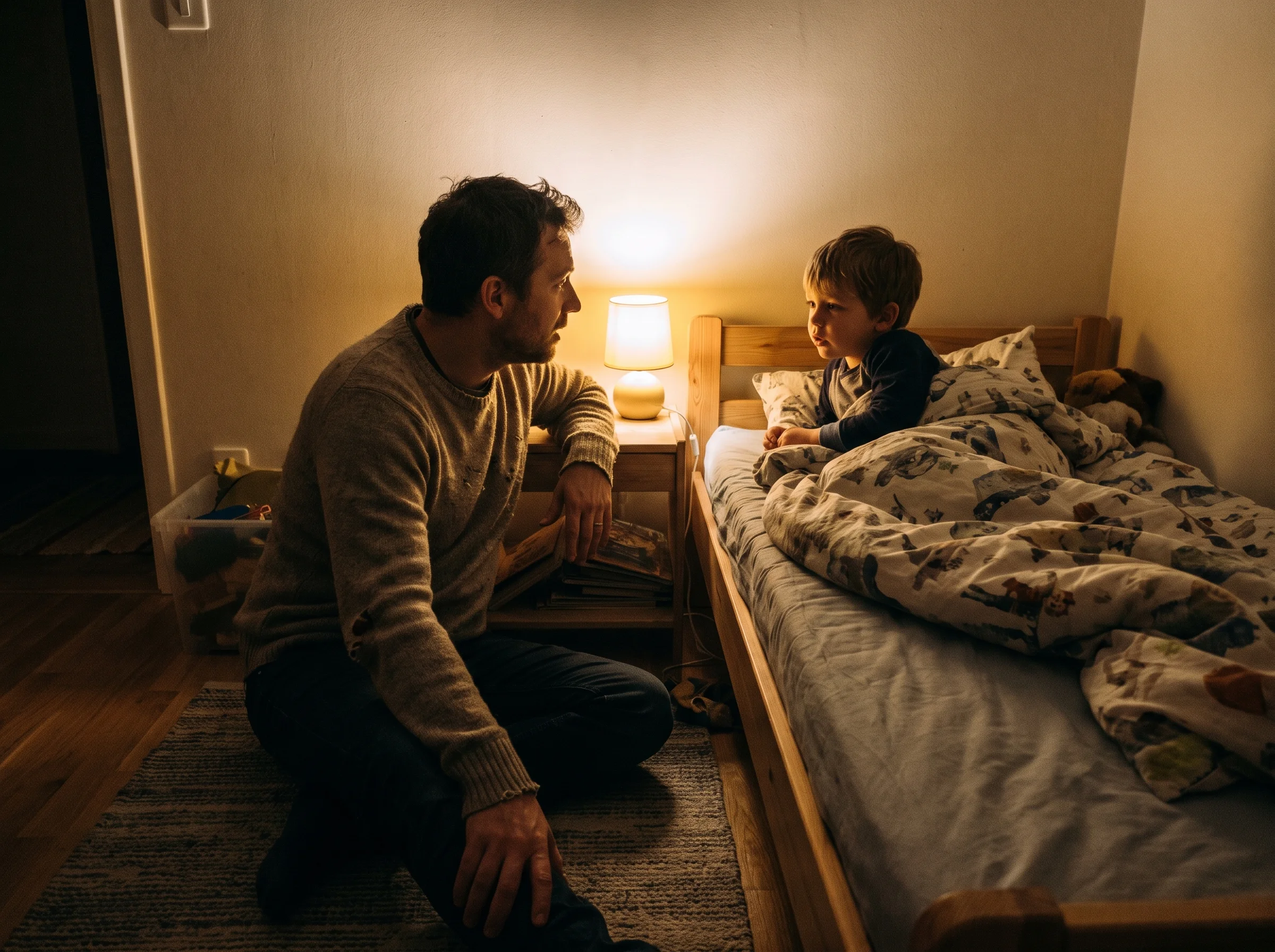
After I explained the Pikachu stuff to my son that night, he was quiet for a minute. Then he said, "There's a kid at school. I can tell when he's sad even when he says he's fine."
I sat down on the edge of the bed. We talked for another fifteen minutes about his friend. About how you can tell things about people without them saying anything. About what it means to pay attention.
None of that would've happened if I'd said "it's just a cartoon."
What to Ask Your Kid Next
If you want to keep the conversation going (and you should), here are the questions that actually unlock something:
- "Which Pokémon do you think understands its trainer best? Why that one?"
- "If you had a Pokémon, how would you teach it what you mean?"
- "Do you think Pikachu listens to Ash because Ash is nice to him, or because they've been together a long time?"
- "Who in your life understands you without you having to say much?"
That last one is the cheat code. Try it.
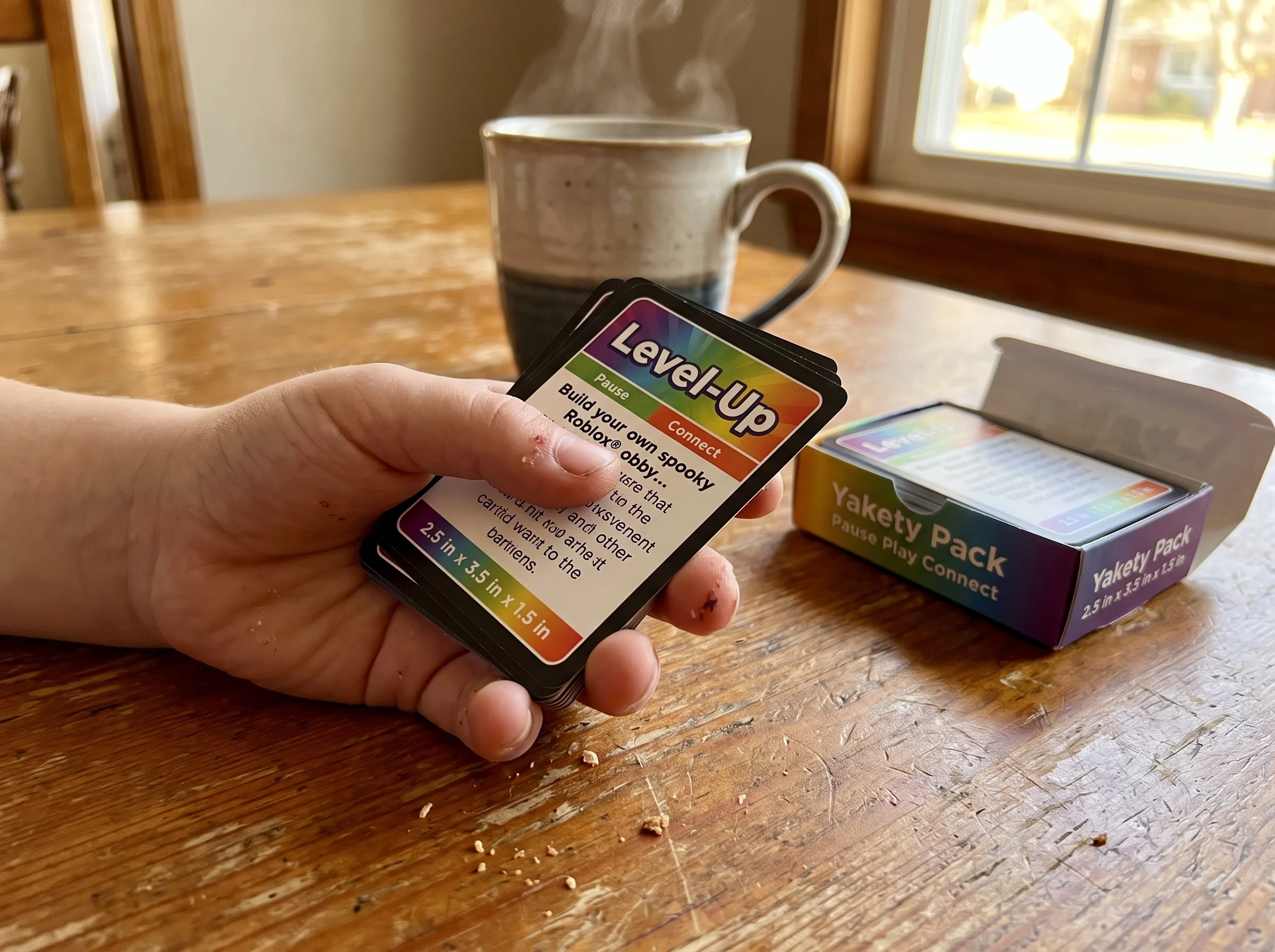
Honestly, this is the exact kind of accidental magic that got us to build Yakety Pack in the first place. My wife and I kept stumbling into these conversations by luck, and we wanted a way for other parents to make them happen on purpose. Pokémon happens to be one of the best doorways into kid-brain there is.
Quick Answers to the Follow-Ups They'll Ask
"Do Pokémon think in words?" Probably not. Most likely they think in feelings, images, and instincts. Same way your dog probably "thinks."
"Why does Pikachu only say his own name?" That's how non-Psychic Pokémon talk to each other. They use their own name in different tones and pitches to mean different things. Other Pokémon understand each other just fine. It's just us humans who need subtitles.
"Could I understand a Pokémon if I had one?" Yeah. Probably. If you spent enough time with one, paid attention, and treated it well, you'd start to read it the same way it reads you. That's kind of the whole point.
"Do wild Pokémon understand humans?" Some, sort of. But it takes the bond to really click. That's why catching one is just the beginning, not the end.
The Bigger Lesson
The next time your kid asks you something that sounds like a "just a cartoon" question, pause for one second before answering. Just one second. There's almost always a bigger question underneath, and if you answer too fast, you'll miss it.
Pokémon understand humans because they pay attention. They watch. They listen to tone. They learn what their person means, not just what their person says. Child development researchers have found that this is exactly how kids learn to communicate too, through what they call "serve and return" interactions.
Turns out, that's exactly how we understand our kids, too. The best questions they ask are almost always disguised as something else. That's the whole reason we keep making the cards we make. And it's why I'm grateful I didn't tell my son to go back to sleep at 8:47 on that Tuesday.
He wasn't asking about Pikachu. He was asking about how friendship works.
I'm glad I was paying attention.

From this article
Pause, Play, Connect: Core Deck
For the 8:47 questions: The best kid questions arrive after lights-out, disguised as cartoon trivia, and it pays to have a way to keep them coming. A Pause, Play, Connect Core Deck on the nightstand turns that lucky Tuesday into a repeatable habit.
