
I used to think "strategy" was a word for boardrooms and business books. The kind of word that lived inside PowerPoint decks and got thrown around by guys in quarter-zips talking about Q4.
Then I watched my 11-year-old spend a Saturday morning explaining to his little sister why she should hold her best card until turn six. He was breaking down probabilities. He was reading her tells. He was managing her impatience like a hostage negotiator. He was running a full strategic analysis on a kitchen table covered in juice stains.
He just didn't know it had a name.
The name, as it turns out, is the 5 C's of strategy. And after spending the last few years watching my kid play (and slowly losing my "screen time bad" stance), I'm convinced he understands it better than most adults I know.
So What Are the 5 C's of Strategy, Really?
The 5 C's started life as a marketing and business framework. Companies use it to size up a situation before making a big move. The classic version, well documented by sources like the American Marketing Association, goes like this:
- Company (what you've got)
- Customers (who you're serving)
- Competitors (who's in your way)
- Collaborators (who's on your side)
- Climate (the conditions around you)
There's also a less famous "thinking process" version floating around education circles: Clarify, Consider, Choose, Commit, Confirm. That one's useful too, but when people Google "what are the 5 C's of strategy," they almost always mean the business version. So that's what we're working with.
Here's the part nobody mentions. This framework isn't just for executives. It's a near-perfect description of what's happening in your kid's brain when they boot up a strategy game. Let me walk you through it.
 What the shrug is hidingPause, Play, Connect: Core Deck172 prompts that get a kid talking about the calls they made and why they made them.$49 CAD • 90 cards • 18 reviewsShop the deck
Company: What Have I Got to Work With?
In business, "Company" means honestly assessing your resources, strengths, and weaknesses. What do you actually have in the bank?
In a strategy game, it's the exact same thing. Gold count. Unit count. Tech tree. Card hand. Health bar. Elixir.
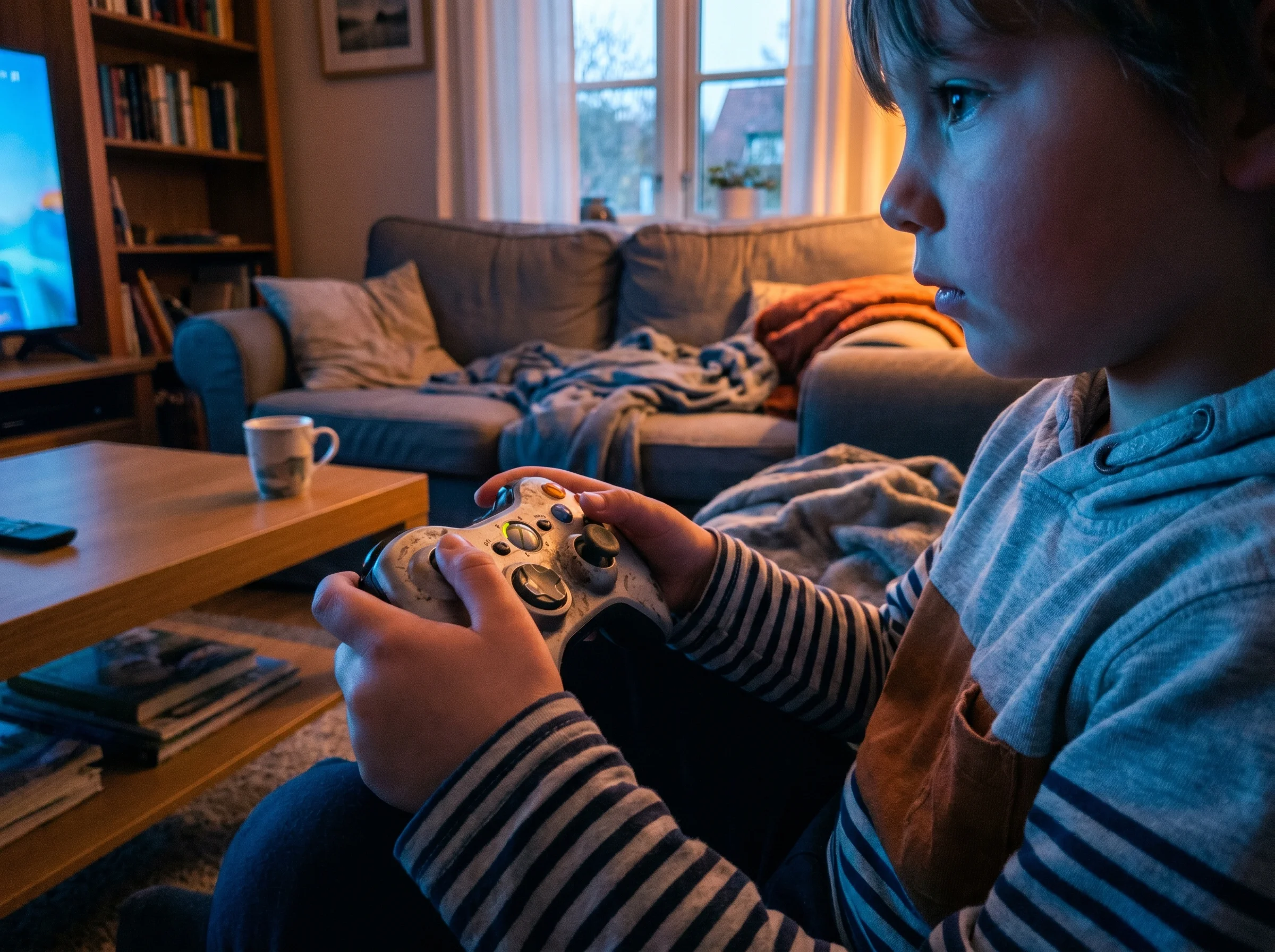
My son will not, under any circumstances, engage in a Clash Royale match until he's checked his elixir bar and mentally counted what he can deploy in the first 30 seconds. He's done this since he was 9. If you ask him why, he'll shrug. But if you watch him, he's doing self-assessment. He's answering the question "what can I actually do right now?" before he decides what he wants to do.
That's a skill a lot of adults skip. We jump to "what do I want" before we ask "what do I have." Kids who play strategy games practice this hundreds of times a week.
Parent tip: ask your kid "what do you check first when you start a game?" You'll get more than a grunt. I promise.
Customers: Who Am I Doing This For?
In business, customers are the people you serve. In strategy games, it's your team, your allies, or whatever objective you're playing toward.
The first time this clicked for me was watching my son play a co-op game with a friend over voice chat. His friend was getting hammered. My son had two options: push for a personal win or peel back and defend his teammate. He peeled back. Lost the round. Won the friendship.
When I asked him about it later, he said "yeah, but if I let him die, he wouldn't have wanted to play tomorrow."
That's customer thinking. Long game. Reading what the other person needs. Choosing relationship over score. I've worked with grown adults who can't do that.
Competitors: Who's Trying to Stop Me?
This is where strategy games turn kids into little analysts.
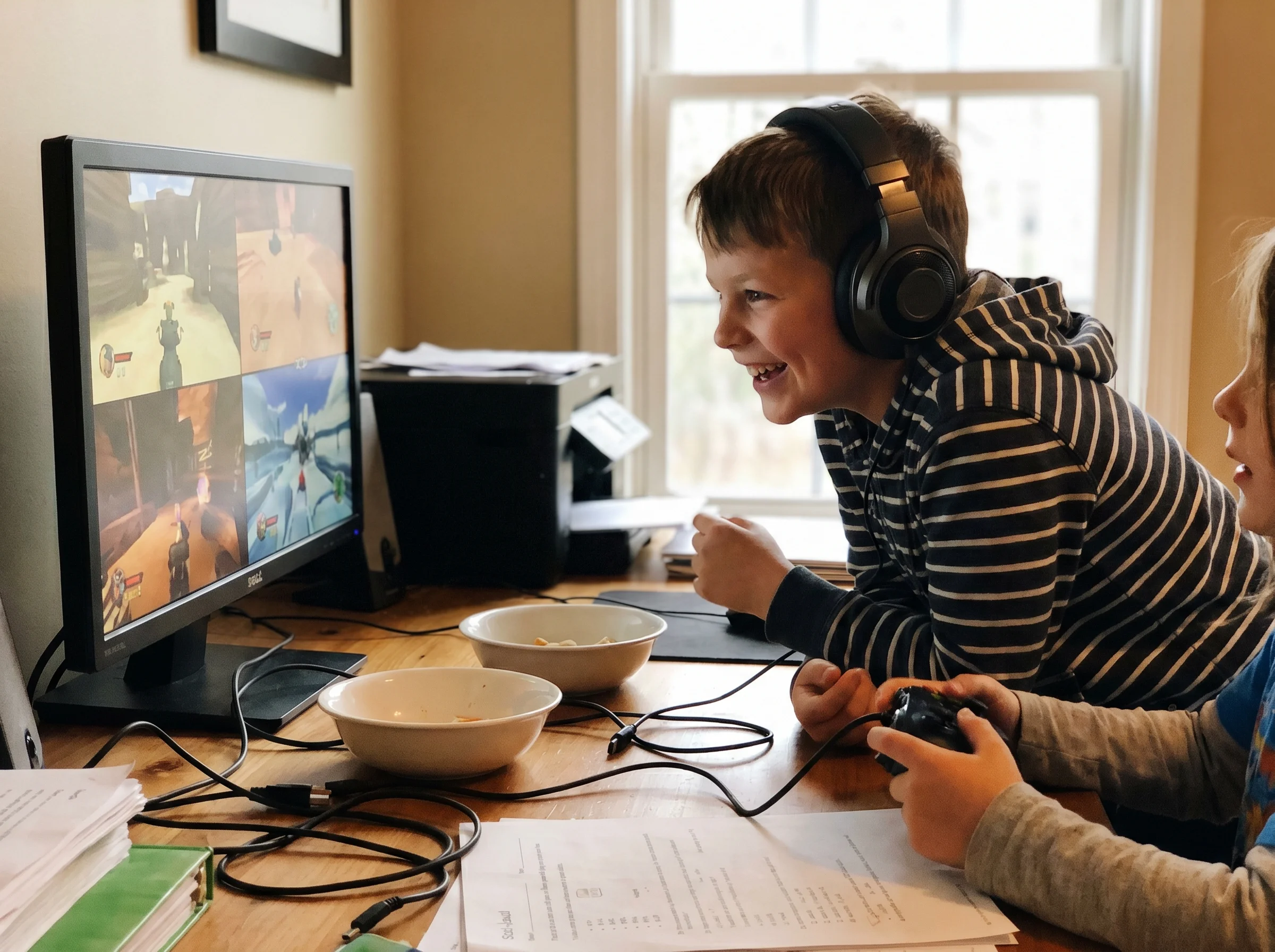
Watching my son lose three matches in a row to the same opponent online was painful. He was furious. He stomped around. He came back for a fourth match and won decisively. When I asked what changed, he said "he always rushes on the left side around minute two. I just baited him into it."
He'd studied the guy. Without being told to. He'd watched, pattern-matched, and adjusted.
That's competitor analysis. It's the "anticipation muscle" that parents massively underestimate. Your kid isn't just reacting to what's on screen. They're predicting what a human (or AI) is about to do based on what that opponent has done before. According to research from the American Psychological Association, strategic video games can actually improve problem-solving skills and pattern recognition in kids. That's a thinking skill that transfers to debate, sports, group projects, and yes, eventually, business.
 Something to open withPause, Play, Connect: Core Deck$49 CAD • 172 promptsSee the deck
Collaborators: Who's On My Side?
Here's the one that surprised me most.
The negotiation that happens in games like Risk, Diplomacy, or even Among Us is genuinely wild. Kids will broker alliances, betray each other, re-form alliances ten minutes later, and somehow walk away friends. They're practicing partnership formation at a level most adults gave up on by 30.
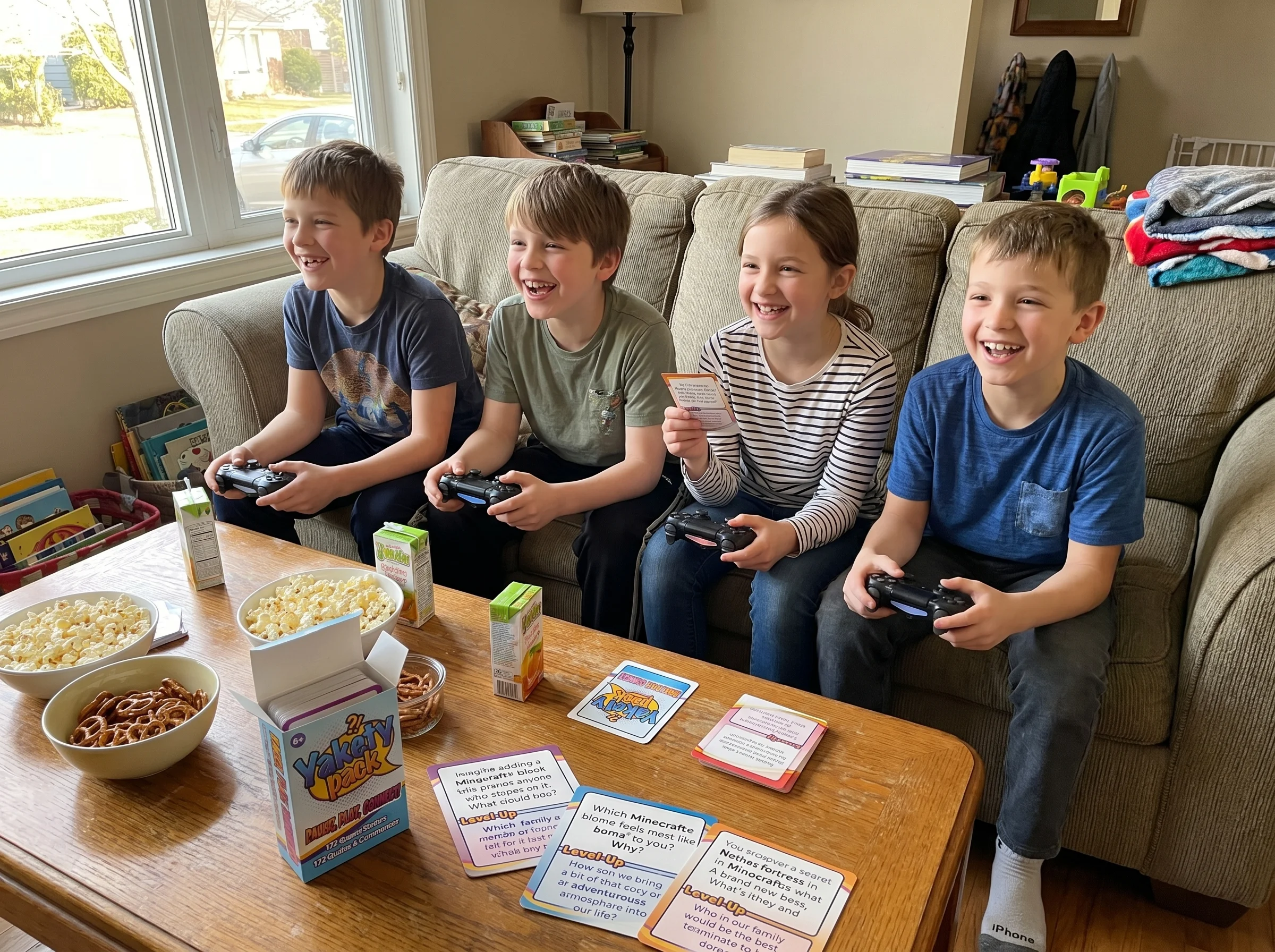
I watched my son and three of his friends spend 20 minutes on Discord arguing about a base layout in a multiplayer survival game. There was conflict. There was compromise. Somebody got overruled. Somebody got their idea adopted. Nobody quit. They figured it out.
I've sat in corporate meetings that went worse.
Collaborators are the C that kids are weirdly better at than adults, because they haven't yet learned to take alliance failures personally. They cut deals, lose deals, and try again. It's beautiful, honestly.
Climate: What's Going On Around Me?
This is the C that separates good players from great ones. Climate is the context. The environment. The stuff outside your control that you still have to account for.
In a strategy game, it's the map. The weather. The time limit. The surprise event that just dropped on turn 12.
The story that genuinely changed how I see my kid: he was up on units in a match and I asked why he wasn't attacking. He looked at me like I was slow and said "the map's bad. I'd lose the high ground if I pushed now. I'm waiting for him to come to me."
I had to sit with that for a minute. My 11-year-old just explained terrain advantage to me like he was Sun Tzu. He wasn't just looking at his stuff and the opponent's stuff. He was reading the conditions of the world they were both standing in.
That's climate analysis. That's the C most adults forget when they make decisions.
How to Actually Talk to Your Kid About This Stuff
Here's where most parenting advice falls apart. People tell you to "engage with your kid's interests" and then leave you with no idea how to actually do that without sounding like you're interviewing them for a job.
Don't lecture. Ask. And ask better questions than "how was your game?"

Things that work:
- "What did you decide first this round?"
- "What made you change your plan?"
- "Who'd you team up with and why?"
- "What's something the other player did that surprised you?"
- "If you played that match again, what's the one thing you'd do differently?"
These questions get kids talking about strategic thinking without ever using the word "strategy." And once they start talking, you'll hear them describe all five C's in their own words.
This is honestly the reason we built Yakety Pack. One of our cards literally asks "What's a move you made in a game that you're proud of?" That question opens a door the phrase "how was your day" never will. Kids will give you 30 seconds about school and 30 minutes about a game decision they're proud of. The question is the unlock.
The Counter-Intuitive Truth About the 5 C's of Strategy
Your kid playing strategy games for two hours isn't a waste. It's probably the most rigorous strategic thinking exercise they'll do all week. They're running the 5 C's on loop, in real time, under pressure, against unpredictable opponents.
Their school group project, by comparison? Two kids doing all the work while three coast. That's not strategy. That's survival.
The 5 C's gym is open in their bedroom every afternoon. You just couldn't see the equipment.
One Thing to Try This Week
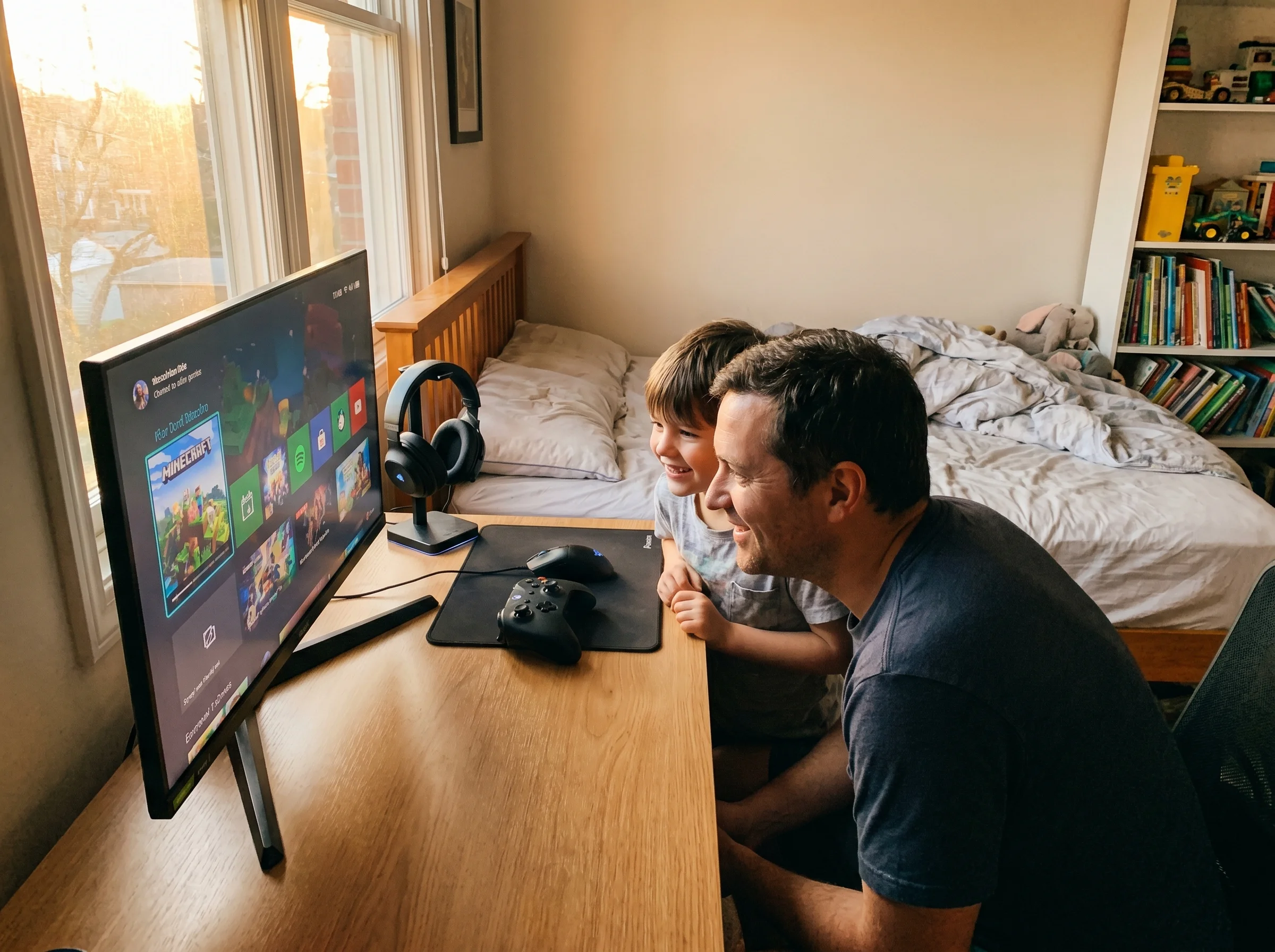
Sit next to your kid during a game. Don't talk for the first 10 minutes. Just watch. Then ask one question: "What were you thinking about right before you made that move?"
Whatever they say, ask one follow-up. That's it.
You'll learn more about how your kid thinks in 15 minutes than you have in months of "how was school." And if you want a head start on the questions that actually work, that's what we built Yakety Pack conversation cards for. The default questions parents ask don't unlock anything. The questions about what kids are actually thinking about, their games, their moves, their decisions, unlock everything.
Strategy games aren't the enemy. They're the gym. The 5 C's are just the workout plan your kid is already running, whether you noticed or not.
Now you've noticed.

From this article
Pause, Play, Connect: Core Deck
Sizing up your own move: If your kid can explain terrain advantage, they can explain their day. You just need a better opening question than "how was school." A deck like the Pause, Play, Connect Core Deck hands you the questions so the 5 C's conversation actually happens at your kitchen table.

