
Last week, my daughter used a spreadsheet to plan her birthday party. She color-coded activities, budgeted "resources" (aka pizza slices per person), and created contingency plans for rain. She even assigned roles to her friends based on their "stats" - who was best at decorating, who could handle music, who wouldn't eat all the chips before the party started.
Where'd she learn this? Managing her Animal Crossing island.
I stood there watching her work, remembering all the times I'd worried about her "wasting" hours arranging virtual flowers and trading turnips. Turns out she wasn't wasting anything. She was in business school, and I was too blind to see it.
That's the thing about gaming skills transfer to real life - it's happening right in front of us. We just don't recognize it because we're looking for learning that looks like homework, not raids and resource management.
 Name the skill out loudPause, Play, Connect: Core Deck172 prompts that get a kid explaining how they actually think while they play.$49 CAD • 90 cards • 18 reviewsShop the deck
The Skills Hidden in Plain Sight
Here's what hit me hardest: every single game our kids play is teaching them something. Not in a "screens are secretly educational" way that sounds like something you'd tell your judgmental mother-in-law. I mean actual, practical skills they're using every day.
Take resource management. Sounds fancy, right? It's not. It's my son in Minecraft, figuring out he needs exactly 24 iron ingots for full armor, calculating how much coal he needs for smelting, planning mining expeditions based on tool durability. Last month, this same kid used those exact skills to figure out how many lawn-mowing jobs he needed to buy a new controller. Same math, same planning, just swap diamonds for dollars.
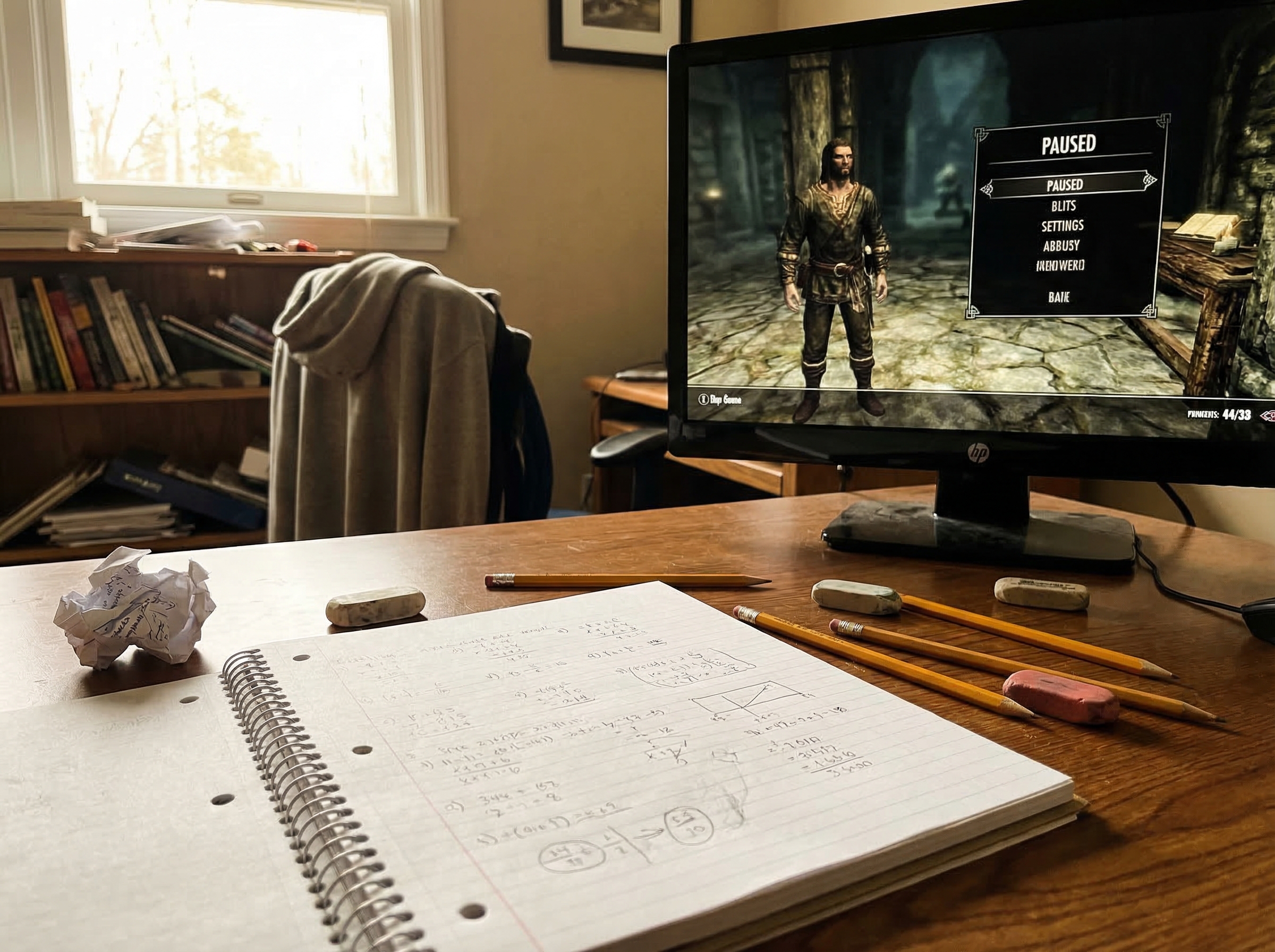
Or strategic thinking. My daughter doesn't just play games - she dissects them. In Splatoon, she's not randomly shooting paint. She's analyzing map control, predicting opponent movements, adapting strategies mid-match. Yesterday, she used the same approach to plan her science fair project, breaking it into stages, identifying potential problems, creating backup plans. "It's just like when the other team has a really good sniper," she told me. "You can't use Plan A, so you need Plan B ready."
Even social coordination shows up in unexpected ways. My son games "alone" most nights, headset on, talking to empty air. Except he's not alone. He's coordinating with five friends across three time zones, managing personalities, delegating based on strengths, handling conflict when someone doesn't follow the plan. These are the same skills adults pay thousands for in leadership seminars, and he's learning them trying to beat the Ender Dragon.
But here's my favorite: failure recovery. The respawn mentality. In games, death is temporary. You lose, you learn, you try again with new information. My kids approach real-world failures the same way now. Failed a test? "Okay, what's my new strategy?" Didn't make the team? "What do I need to level up for next time?" They're not devastated by setbacks because they've failed literally thousands of times in games and learned it's just part of the process.
Last week, my son was helping his sister with Pokemon. Not playing - teaching. He had a notebook out, showing her type advantages using multiplication. "Fire does 2x damage to grass," he explained, "but water resists it, so that's 0.5x. Now if you have a fire move that's 50 power..." She was doing math voluntarily. On a Saturday. Because it mattered to her Charizard.
Age Matters More Than You Think
One thing nobody tells you about gaming skills transfer? It completely depends on how old your kid is. The skills a 7-year-old learns from Minecraft are totally different from what a 15-year-old gets from Valorant.
Ages 6-9: The Foundation Years
At this age, it's all about patterns and basic cause-and-effect. My nephew is 8, obsessed with Mario. He's not learning complex strategy - he's learning that actions have consequences, that timing matters, that practice makes you better. These seem simple until you watch him apply the same patience to learning to ride his bike. "I died like 50 times on this level before I beat it," he told his dad. "I can fall off my bike 50 times too."
Games like Minecraft and Roblox at this age aren't about complex builds. They're about spatial reasoning, basic planning, understanding that you need wood before you can make planks. It's sequence thinking, and it shows up later when they're following recipes or building LEGO sets without constantly checking instructions.
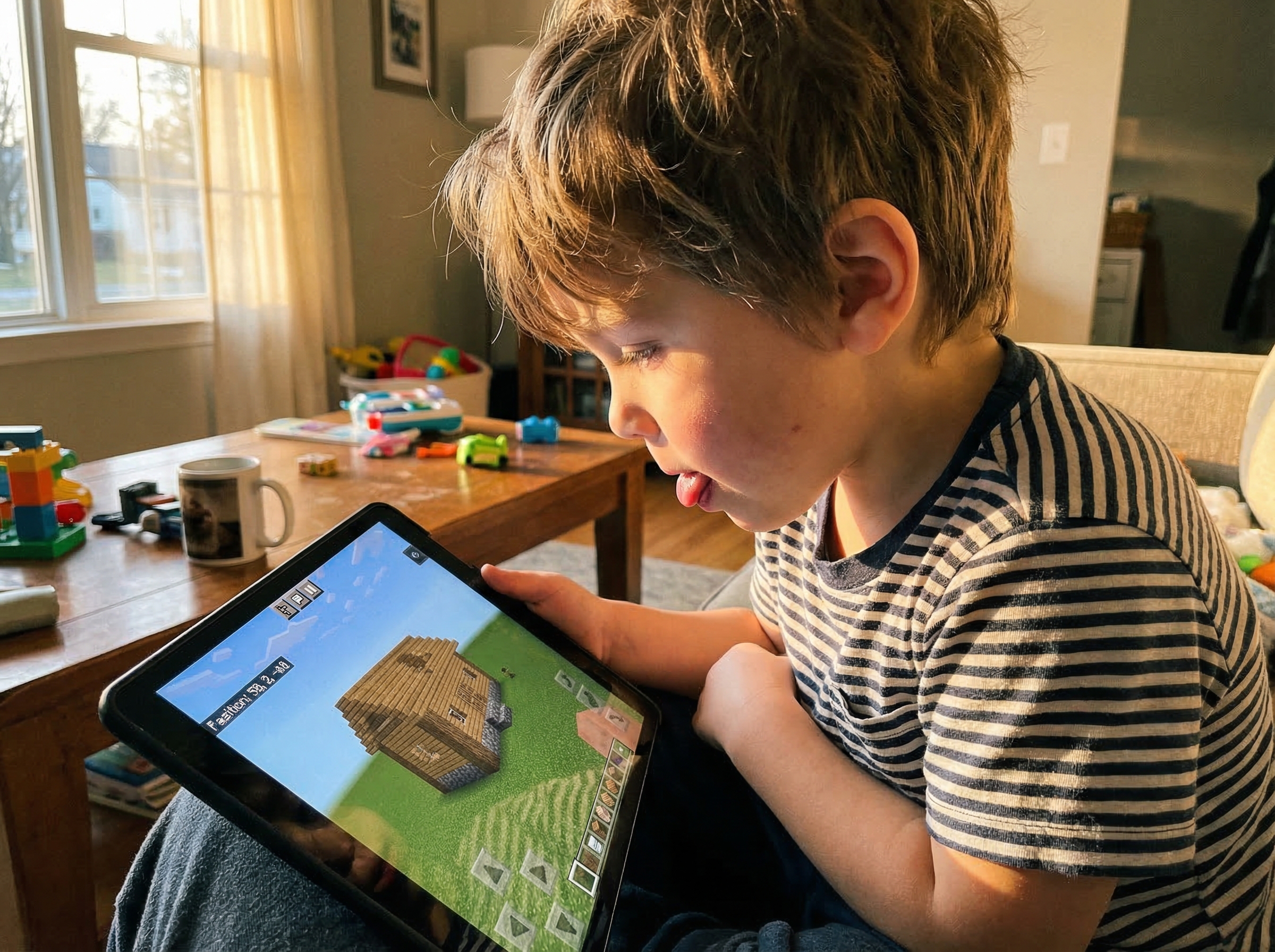
Ages 10-13: The Strategy Awakens
This is when it gets interesting. Kids start seeing systems, not just individual challenges. My son went through this with Terraria. Suddenly he wasn't just building - he was optimizing. Creating mob farms, maximizing resource generation, planning base layouts for efficiency.
The social element explodes here too. They're not just playing together, they're organizing. Creating guilds, assigning roles, dealing with drama when someone doesn't show up for the scheduled raid. It's middle school social dynamics with clearer rules and immediate feedback.
Ages 14+: Leadership and Long Game
Teenage gamers are basically running small businesses. They're managing Discord servers, creating content, building communities. My friend's daughter streams her art while gaming. She schedules content, manages her "brand," interacts with viewers, handles criticism. She's 16 with better marketing skills than most college grads.
The emotional regulation at this age is huge too. Competitive games are brutal. Learning to lose gracefully, manage tilt, stay focused under pressure - these aren't just gaming skills. They're life skills, learned in an environment where the stakes feel high but are actually safe.
What really matters is matching expectations to age. Your 8-year-old isn't learning project management from Animal Crossing. But your 14-year-old organizing a 40-person WoW guild? That's legitimate leadership experience.
Why Some Skills Don't Transfer (And That's Okay)
Let me tell you about the lamp incident.
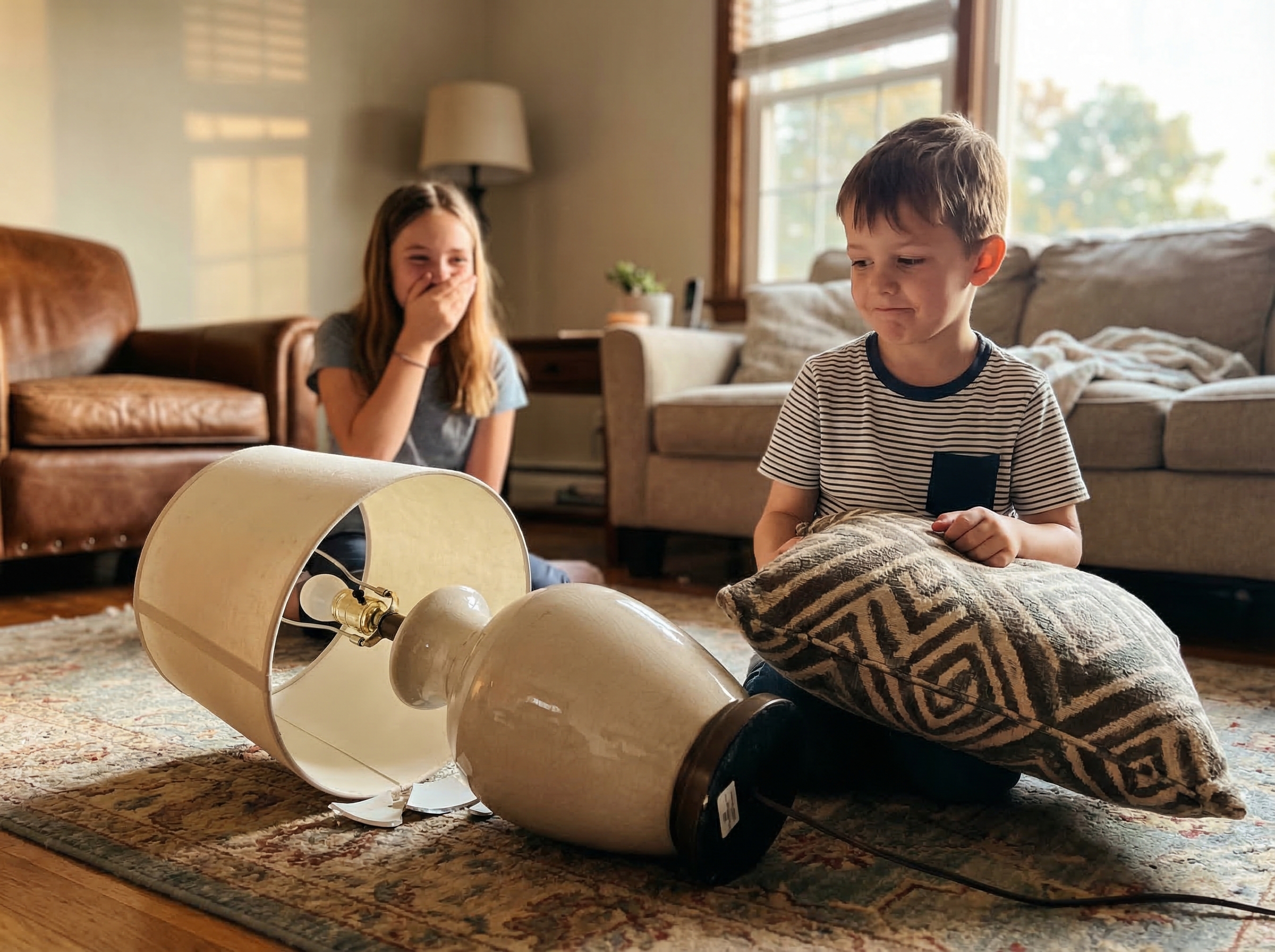
My son was 10, deep in a Fortnite phase. He'd gotten good at the game's building mechanics - throw up walls instantly, create cover, build entire fortresses in seconds. One day, playing tag with his sister in the living room, she cornered him. His gaming instincts kicked in. He tried to "build" - grabbed a throw pillow as a shield and dove behind the couch.
The lamp didn't survive.
As he stared at the broken pieces, I saw him actually look for a respawn point. Like maybe if he waited a few seconds, the lamp would just reappear. That's when I realized: some gaming logic just doesn't work in reality, and we need to help kids understand the difference.
The "respawn mentality" is real. In games, mistakes reset. Break something? Reload the save. Mess up a conversation? Start a new game. But real life doesn't have save points. My daughter once tried to "pause" an argument with her friend. Just held up her hand and said "pause" like she does when her game gets intense and she needs a bathroom break. Her friend was not amused.
There's also the confidence gap. My nephew is a beast at public speaking in VRChat, commanding attention from dozens of strangers. Put him in front of his actual class? Frozen. The skills exist, but virtual confidence doesn't automatically transfer to real-world confidence. Different context, different pressures, different results.
Quick-time events don't exist in real life either. Games train split-second reactions with clear visual cues. Press X to dodge! Real life is messier. My son's amazing at catching falling objects in games but still can't catch a real ball consistently. The skills aren't directly transferable because the feedback systems are completely different.
And that's okay. Not every skill needs to transfer perfectly. The point isn't to turn gaming into life training simulator 2024. It's to understand what does transfer and help kids build bridges between virtual wins and real-world applications.
 Turn watching into a questionPause, Play, Connect: Core Deck$49 CAD • 172 promptsSee the deck
The Art of the Translation
The magic happens when we help kids connect the dots between what they do in games and what they need in life. But here's the thing - you can't force it. You have to be a translator, not a teacher.
I learned this the hard way. Used to walk into my son's room mid-game and launch into speeches. "You know, the teamwork you're using in Overwatch is just like group projects at school..." His eyes would glaze over faster than you can say "payload."
Then I started asking different questions. Instead of "How was your game?" I'd ask "What was the hardest decision you had to make today?" Suddenly he's telling me about choosing between saving resources for later or using them to help a teammate now. That's a real ethical dilemma, discussed through the lens of Apex Legends.
"Tell me about your base" became our best conversation starter. Not "show me" - tell me. Make them articulate their thinking. Why did you put the storage there? How do you decide what to build next? What happens when you run out of space? They're explaining project management without realizing it.
Watch for organic transfer moments. When my daughter was struggling with her science fair project, feeling overwhelmed by all the steps, I didn't lecture about planning. I asked, "How would you tackle this if it was a new area in your game?" She lit up. "Oh! I'd scout first, gather basic resources, then build in stages..." She planned the entire project using gaming logic, and it worked.
Build vocabulary around their learning. When my son clutches a 1v3, we talk about performing under pressure. When he grinds for hours to get specific gear, we name it: dedication, goal-setting, delayed gratification. Not in a preachy way - just giving words to what he's already doing.
The key is making connections without forcing them. You're not trying to justify gaming or make it educational. You're just helping them see that the skills they've already built have value beyond the screen.
When Gaming Becomes the Teacher
This is where it gets fun. Once kids understand that gaming skills transfer to real life, you can flip it. Use gaming to teach real concepts. Not educational games - their actual games, as teaching tools.
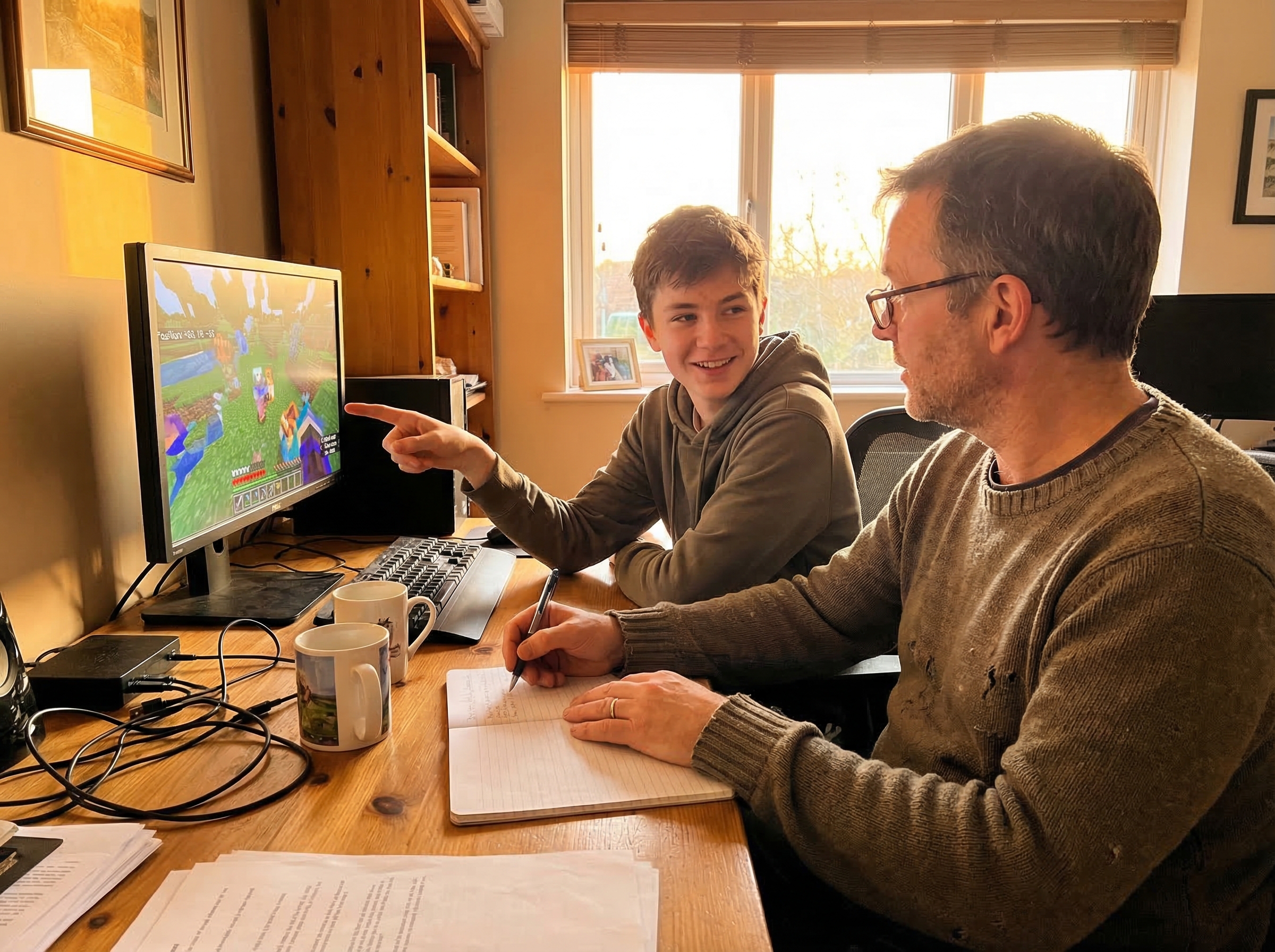
My son was struggling with budgeting his allowance. Kept spending everything immediately, then complaining he couldn't afford what he really wanted. Traditional money talks weren't landing. So I asked, "How do you manage coins in Mario?"
"Well, I save up for the stuff I really need, like extra lives..."
"What happens if you waste coins on small stuff?"
"Then I can't get the important upgrades later... Oh."
Click. Suddenly budgeting made sense because it connected to something he already understood.
Same thing with my daughter and essay writing. She hated outlining, said it was pointless. Then I asked her to explain how she plans her Minecraft builds. She pulled out graph paper, showed me detailed blueprints, explained how she figures out materials needed before starting. "So you're telling me you outline in Minecraft but not in English class?" The look on her face was priceless.
Life is like Minecraft moments actually work when they come from kids' experience. Friendship drama? "Remember when your whole server had to figure out rules after the griefing incident?" Test anxiety? "How do you stay calm when you're last alive in the squad?" Job interview prep with my teenager? "Pretend you're applying to join a serious guild. How would you present yourself?"
Gaming metaphors make abstract concepts concrete. Explaining compound interest? It's like XP scaling - early gains seem small but stack up huge over time. Teaching networking? It's like building your friends list, but for careers. Understanding politics? It's faction reputation on a massive scale.
The beautiful part is you're building on what they already understand instead of forcing them to learn new frameworks. You're speaking their language to teach your concepts.
Your Role as Skills Translator
Here's the truth: you don't need to game to understand what your kids are learning. You just need to watch differently and ask better questions.
I spent months trying to understand Fortnite by playing it. I was terrible. My son would watch me die repeatedly, trying not to laugh. Then one day I just sat next to him and asked him to narrate his thinking. "Why did you go there? What are you looking for? How do you decide when to fight versus hide?"
Suddenly I wasn't watching random shooting. I was watching risk assessment, resource prioritization, split-second decision making. I became the student and my kid became the teacher, and honestly? That shift changed everything.
Observation techniques that actually work: Watch their faces, not just the screen. You'll see concentration during planning, frustration during learning, joy during breakthroughs. Listen to how they talk to teammates. Are they encouraging? Strategic? How do they handle conflict? Watch how they recover from losses. Do they blame others or analyze what went wrong?
The questions matter more than the answers. "What skill did that take?" gets you further than "Did you win?" "What would you do differently next time?" beats "How long have you been playing?" "Who's the best player you know and why?" reveals more than "Is this appropriate for your age?"
When you spot a transfer happening, celebrate it casually. Don't make a big production. Just acknowledge it. "Hey, you organized that playdate the same way you organize your raids. Nice." They need to know you see the connection, but not feel like you're turning everything into a teaching moment.
Sometimes the biggest revelation is realizing how much you don't know. My daughter was explaining Genshin Impact's element system to me, how different combinations create different reactions. The complexity was staggering. I told her, "I had no idea this was so complicated. You're tracking all of this in real-time?" The pride on her face when she realized I finally understood the skill involved - that was worth every minute of confusion.
Making It Stick in the Real World
Seeing the skills is one thing. Helping them stick in real life is another. It's not automatic - kids need practice connecting virtual wins to real-world applications.
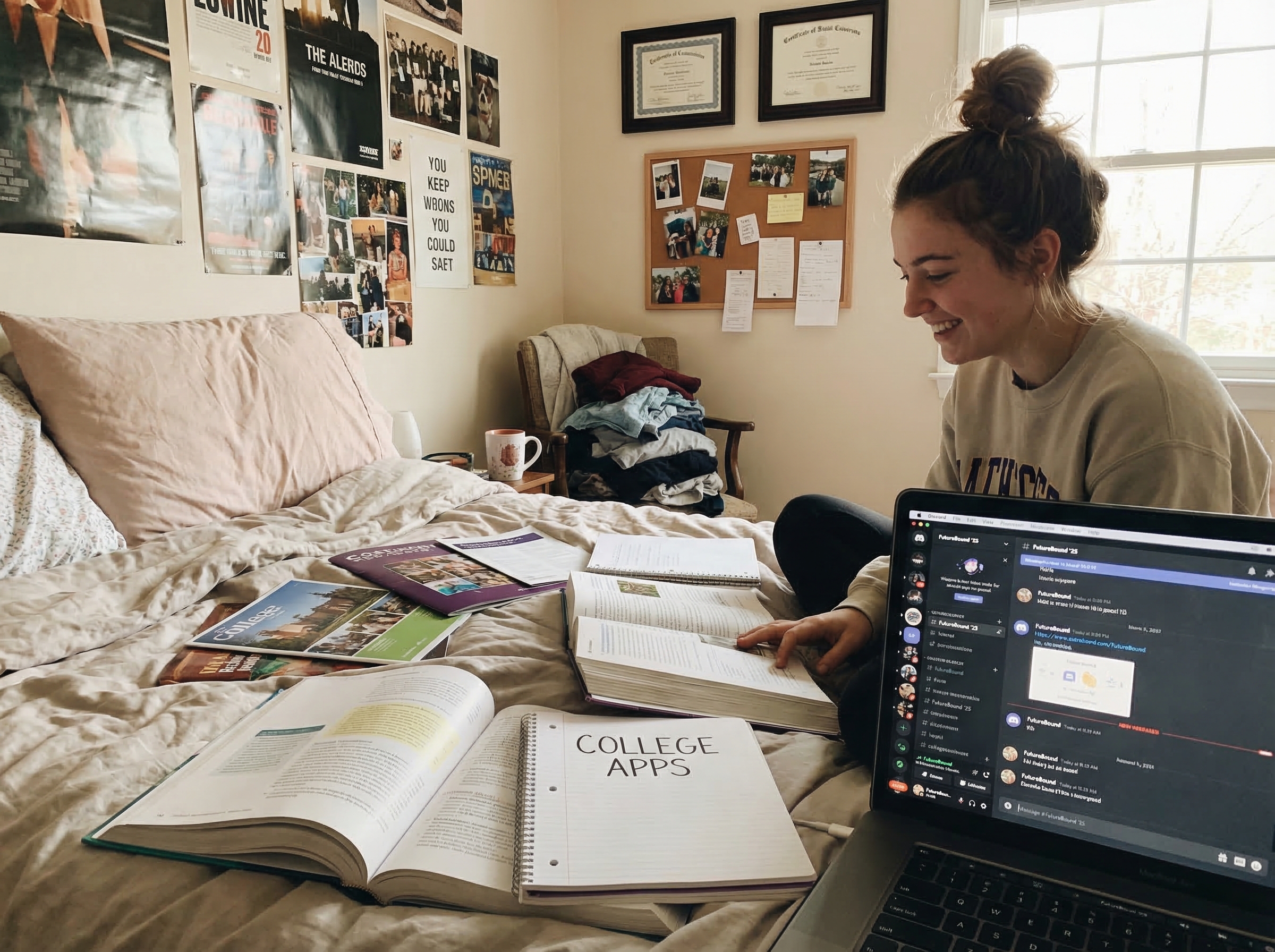
Create opportunities for skill practice without making it obvious. My son loves base-building games, so when we redid his room, I put him in charge. Budget, layout, organization - all his call. He approached it like a game, even drew a floor plan on graph paper. The skills transferred because the context felt familiar.
Natural applications beat forced connections every time. Don't say "Use your gaming skills for homework." Wait for moments when they're stuck and remind them of similar challenges they've overcome. "This group project is like coordinating a raid, right? How do you handle it when teammates aren't pulling their weight in games?"
Building confidence in transfer takes time. Kids often don't believe their gaming skills "count" in real life. They've heard too many times that gaming is wasting time. You have to consistently reinforce that these skills are real and valuable. When my daughter organized her entire grade's secret Santa exchange, I made sure she recognized it: "You basically ran a 30-person guild event. That's leadership."
Long-term skill development happens through reflection. We do "skill inventory" conversations sometimes. What did you get better at this month? Not in games - because of games. My son realized he'd gotten better at teaching when he spent weeks training new players in his clan. My daughter noticed she was better at handling criticism after dealing with toxic players online.
Here's a story that still amazes me: My son started a Minecraft server at 12. By 14, he was managing 50+ players, handling disputes, creating events, managing moderators. When his school needed someone to run a fundraiser, he volunteered. Used the exact same skills - created committees (like mod teams), scheduled events (like server minigames), managed resources (like virtual economies). The fundraiser broke school records. His teacher asked where he learned project management. "Minecraft" wasn't the answer she expected.
The best part? He made the connection himself. All we did was create space for him to apply what he already knew.
Your Next Move
Look, I get it. This might feel overwhelming. You're thinking about all the times you've told your kid to get off the game and do something productive, not realizing they were already building real skills.
Don't feel guilty. We're all figuring this out as we go. The fact that you're reading this means you're trying to understand your kid's world better, and that matters more than being perfect.
Here's what you can do today: Next time your kid is gaming, sit with them for ten minutes. Not to judge or limit - just to watch with new eyes. Ask one question about their decision-making. Listen to the answer. Really listen. You might be surprised by the strategic thinking hiding behind what looks like random button mashing.
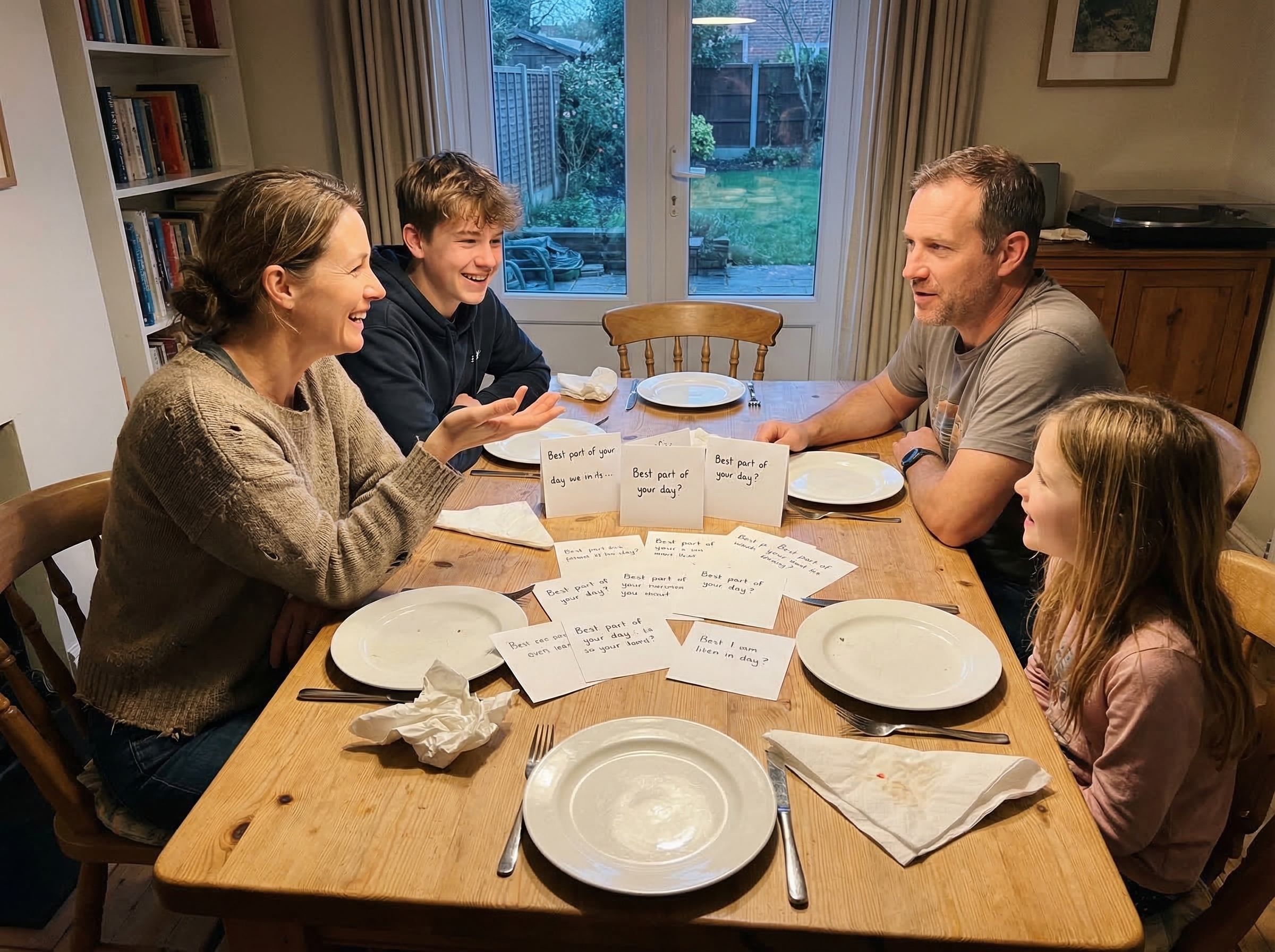
This is exactly why we created Yakety Pack - because sometimes finding the right question is the hardest part. One of our cards asks "What's a skill from gaming you've used in real life?" The first time I used it with my kids, my daughter talked for 20 minutes about using her Animal Crossing design skills to reorganize her closet. I had no idea she'd made that connection on her own.
Whether you use conversation cards or just start asking different questions at dinner, the key is meeting them where they are. Your kids want to share what they're learning. They want you to see that they're not just "playing games" - they're solving problems, building communities, developing skills that matter.
We just have to learn their language first. And honestly? They're pretty great teachers if we let them be.

From this article
Pause, Play, Connect: Core Deck
Try the ten-minute sit-down: Spotting the skill transfer starts with one good question while the controller is still warm. The Pause, Play, Connect Core Deck hands you those questions, including the one that got my daughter talking for twenty minutes.

