
The first board game I bought my 2-year-old cost forty bucks and lasted about four minutes before he ate one of the pieces and threw the board off the table. I learned more from that disaster than I did from every "top educational toys" list I'd been bookmarking for months.
If you're standing in the toy aisle right now wondering which game is actually going to get played, and which one is going to live in the closet behind the play kitchen, this one's for you. The truth about educational board games for toddlers ages 2-4 is messier and simpler than the box copy suggests.
I've been through this with two kids now. I've bought the wrong games, the right games, and the games that were technically right but came out two years too early. Here's what I wish someone had told me.
 Also on the game shelfPause, Play, Connect: Core Deck172 prompts that give a family something to sit down and talk about together.$49 CAD • 90 cards • 18 reviewsShop the deck
First, Let's Talk About What "Educational" Actually Means at This Age
Every box at the toy store wants to sell you on colors, shapes, and counting. "Teaches early math!" "Builds vocabulary!" Sure, fine. But that's not where the real learning happens at 2, 3, or 4.
The actual educational value of a board game at this age is this:
- Learning that there are rules outside their own head
- Waiting their turn (which is genuinely hard cognitive work for a toddler)
- Sustained joint attention with another human, usually you
- Handling the fact that sometimes you don't get what you want and the world keeps going
A 2-year-old who waits 30 seconds for their turn is doing something way harder than identifying the color blue. Research from the Center on the Developing Child at Harvard calls this executive function, and it's the skill that matters. It's the one nobody puts on the box.
If you want the broader view of how this scales up as your kid grows, I wrote a bigger guide to picking games by age and skill level that puts this in context. But for now, stay with me on toddlers.
The 2-Year-Old vs. 4-Year-Old Reality Check
This is where most articles fail parents. They lump "ages 2-4" together like it's one developmental phase. It isn't. There's basically a different kid every six months.
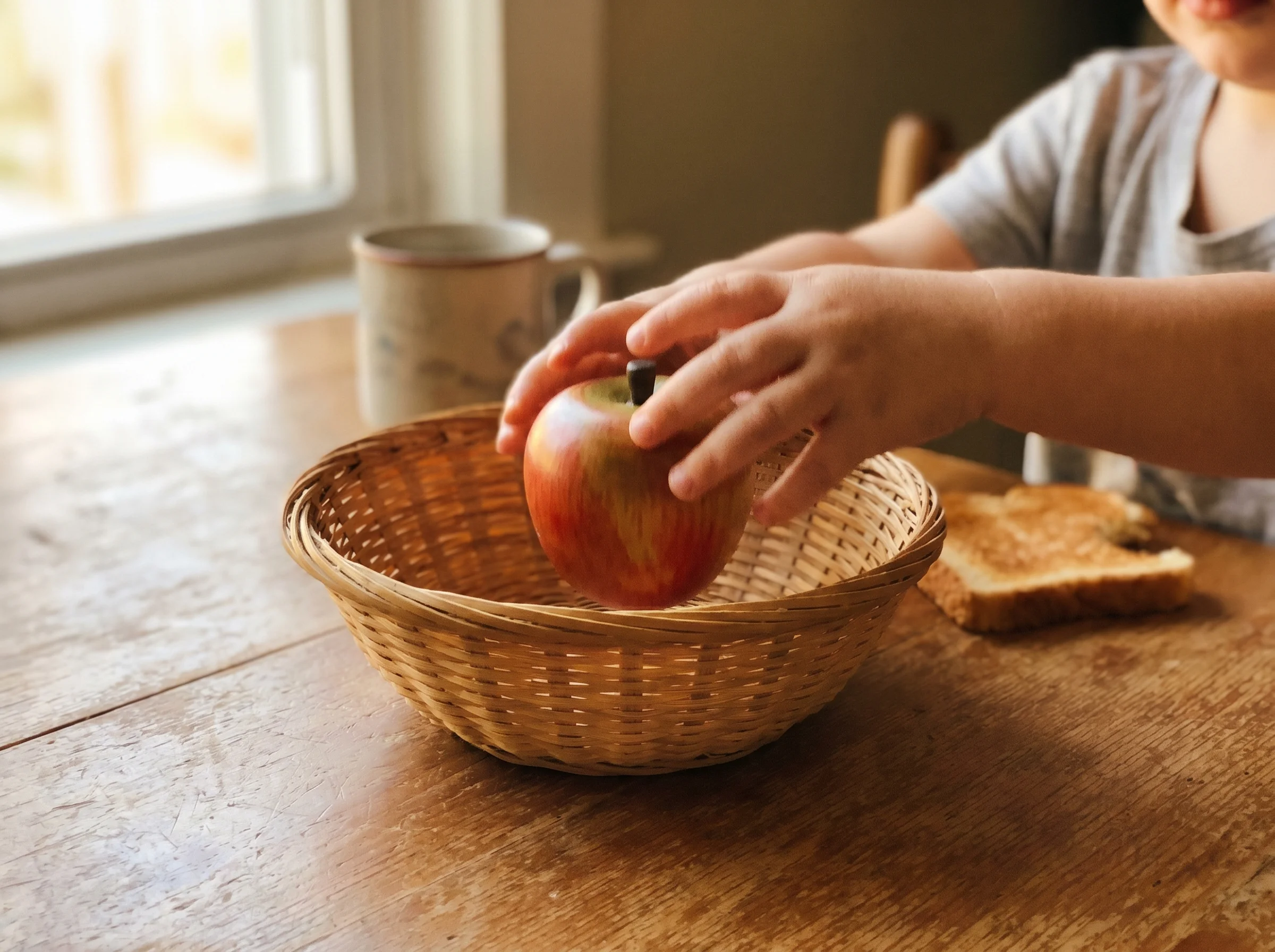
At 2: Your kid is mostly doing parallel play. Real turn-taking is barely on the radar. Attention span for something structured is about 3 to 5 minutes. They will flip the board. They will eat a piece. This is normal. Plan for it.
At 3: Turn-taking is starting to click, but only with heavy coaching from you ("okay, now it's mama's turn, now it's your turn"). You're looking at 5 to 10 minutes of engagement, max. They can follow one simple rule at a time. Two rules is pushing it.
At 4: Now you've got something. Real rule-following, 10 to 15 minutes of focus, and they can sometimes lose without going nuclear. Sometimes. Competitive games start to actually work here, but gently.
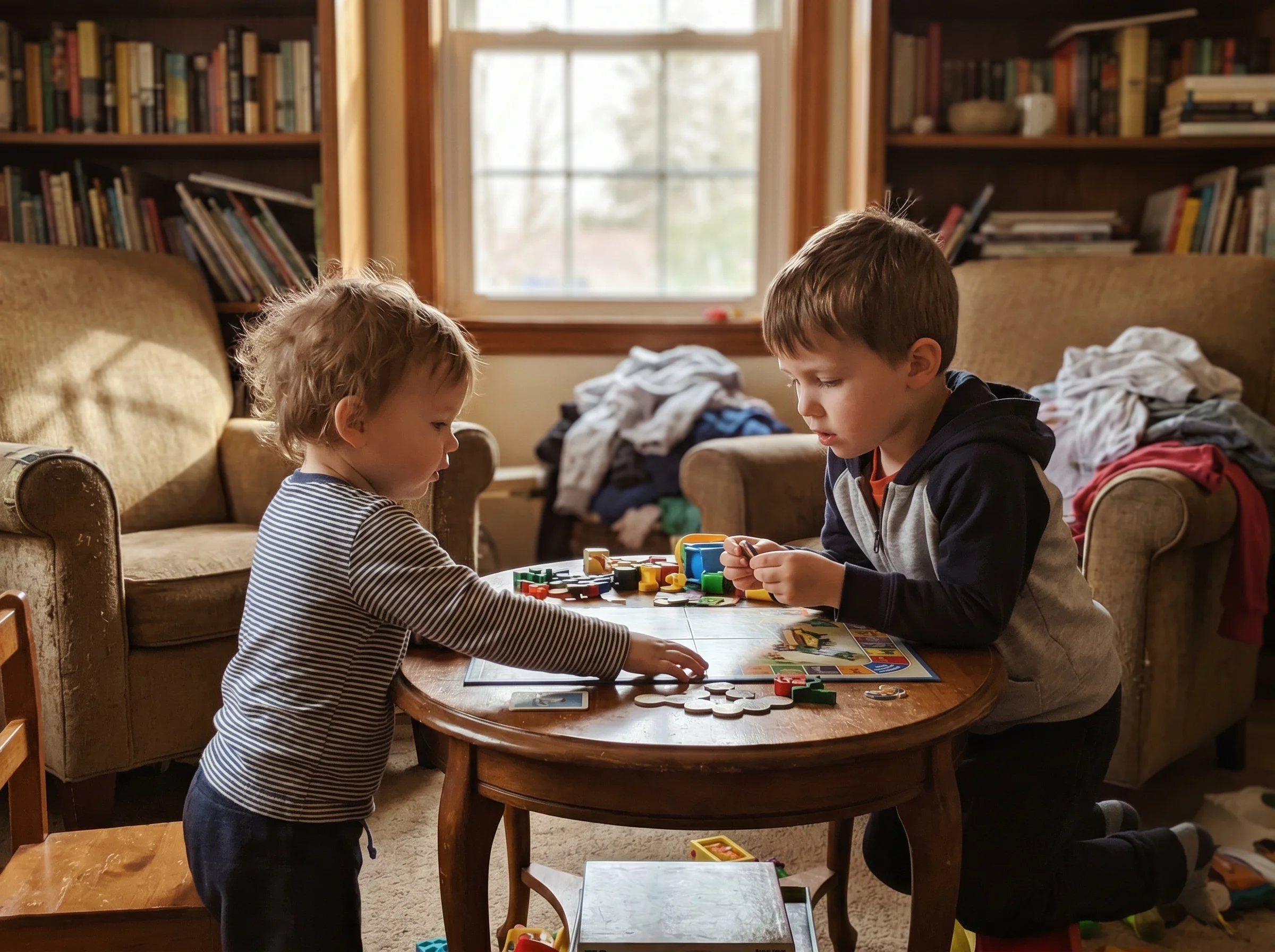
I watched this play out with my own two. My older kid at 4 could play Hi Ho Cherry-O start to finish and laugh when he lost. My younger kid at 2, same game, lasted long enough to put three cherries in the basket before dumping the whole bucket on the dog. Same game. Same parents. Completely different experience. Age matters more than the box copy.
Five Educational Board Games for Toddlers Ages 2-4 That Actually Get Played
I'm not giving you a list of 25. You don't need 25. You need a few that work.
First Orchard by HABA (ages 2-3). This is the one I wish I'd bought first. It's genuinely cooperative, the pieces are chunky wood, and a round takes about 5 minutes. You're all trying to pick the fruit before the raven gets to the orchard. Nobody loses individually, which is huge at this age. Honest downside: it's pricier than the plastic stuff.
Memory/Matching games (ages 2-4). The absolute workhorse. Start with 6 pairs at age 2 and work your way up. We had a farm animal version that got played fifty times because my kid loved making the cow sound every time he flipped a card. The "educational" part wasn't the matching. It was him sitting on my lap, doing something with a beginning and an end.
Roll & Play by ThinkFun (age 2+). No winning, no losing, just a big soft cube you roll and then act out what comes up. Feels like a game to your kid, but there's no losing meltdown built in. Great starter.
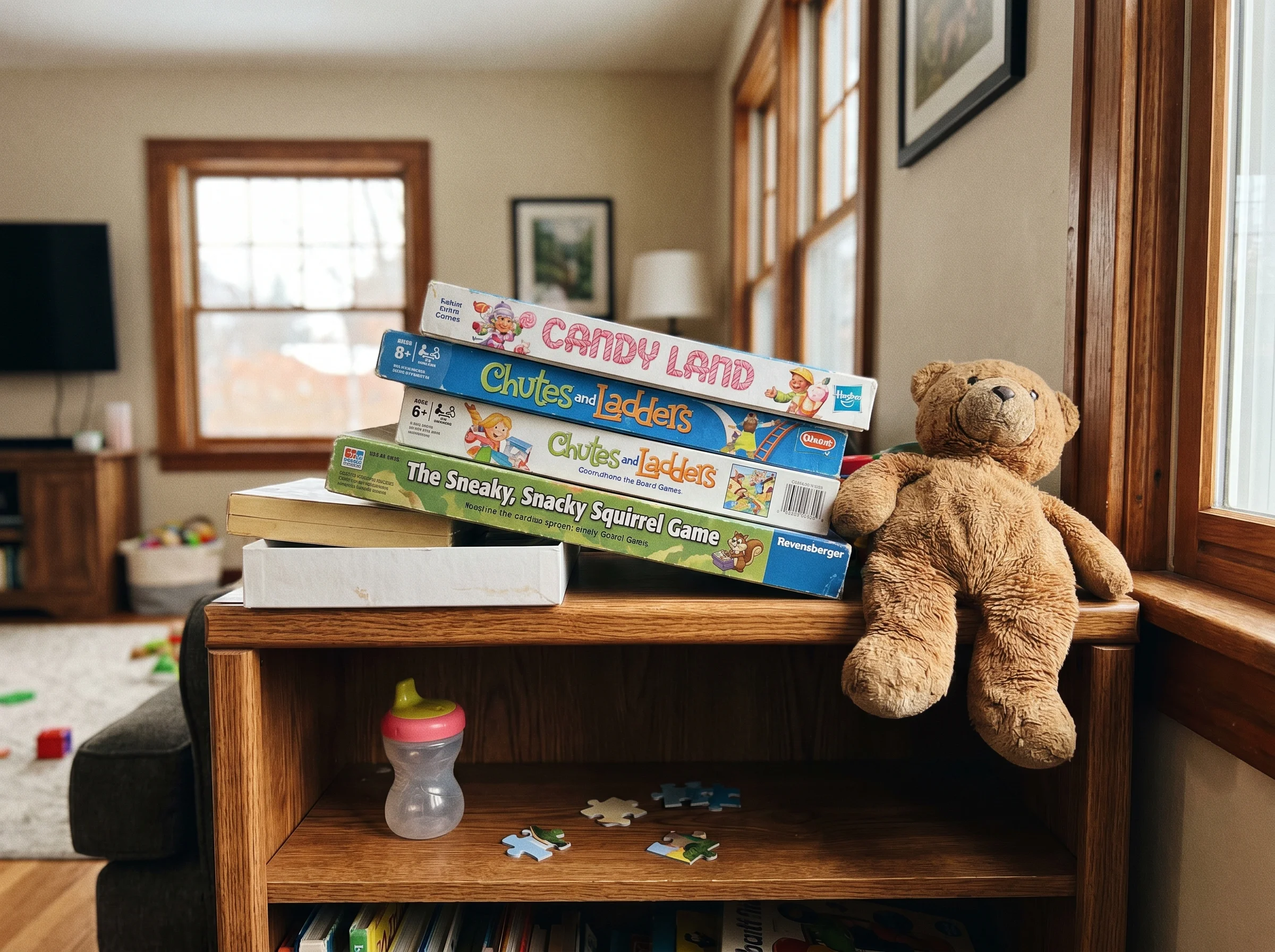
The Sneaky Snacky Squirrel Game (age 3+). Fine motor (the squeezy squirrel tweezers), color matching, and a feel that's more cooperative than competitive even though technically someone wins. My kid was way more interested in operating the squirrel than in winning, which is exactly right for this age.
Hi Ho Cherry-O (ages 3-4). The classic, and for good reason. Counting, simple turns, short rounds. This is also where you start gently introducing the idea of winning and losing. Honest downside: the cherries roll everywhere. Forever.
Buy one. Play it ten times. Then think about the next one.
Why Cooperative Games Beat Competitive Ones Right Now
I learned this the hard way with Candy Land.
My older kid was 3. We sat down to play. He drew the licorice card, which sends you backward, and I'm not exaggerating when I say he cried on the floor for twenty minutes. Not bratty crying. Actual heartbreak. He didn't understand why the game would do that to him.
A 3-year-old losing isn't a teaching moment. It's a nervous system overload. They don't have the emotional regulation tools yet to process "I tried and it didn't work out." That comes later, and you can't rush it. The American Academy of Pediatrics' guidance on emotional development lines up with this: regulation takes years to build.
Cooperative games let kids practice all the structural skills, taking turns, following rules, paying attention, without the emotional gut-punch of losing. Save competitive games for closer to 4, or even 5 for sensitive kids.
If you want to lean further into this, I've got a whole piece on cooperative games that build teamwork for families that goes deeper. It's worth a read.
What to Do When the Game Falls Apart (Because It Will)
Here's the thing nobody tells you: you have permission to abandon the rules.
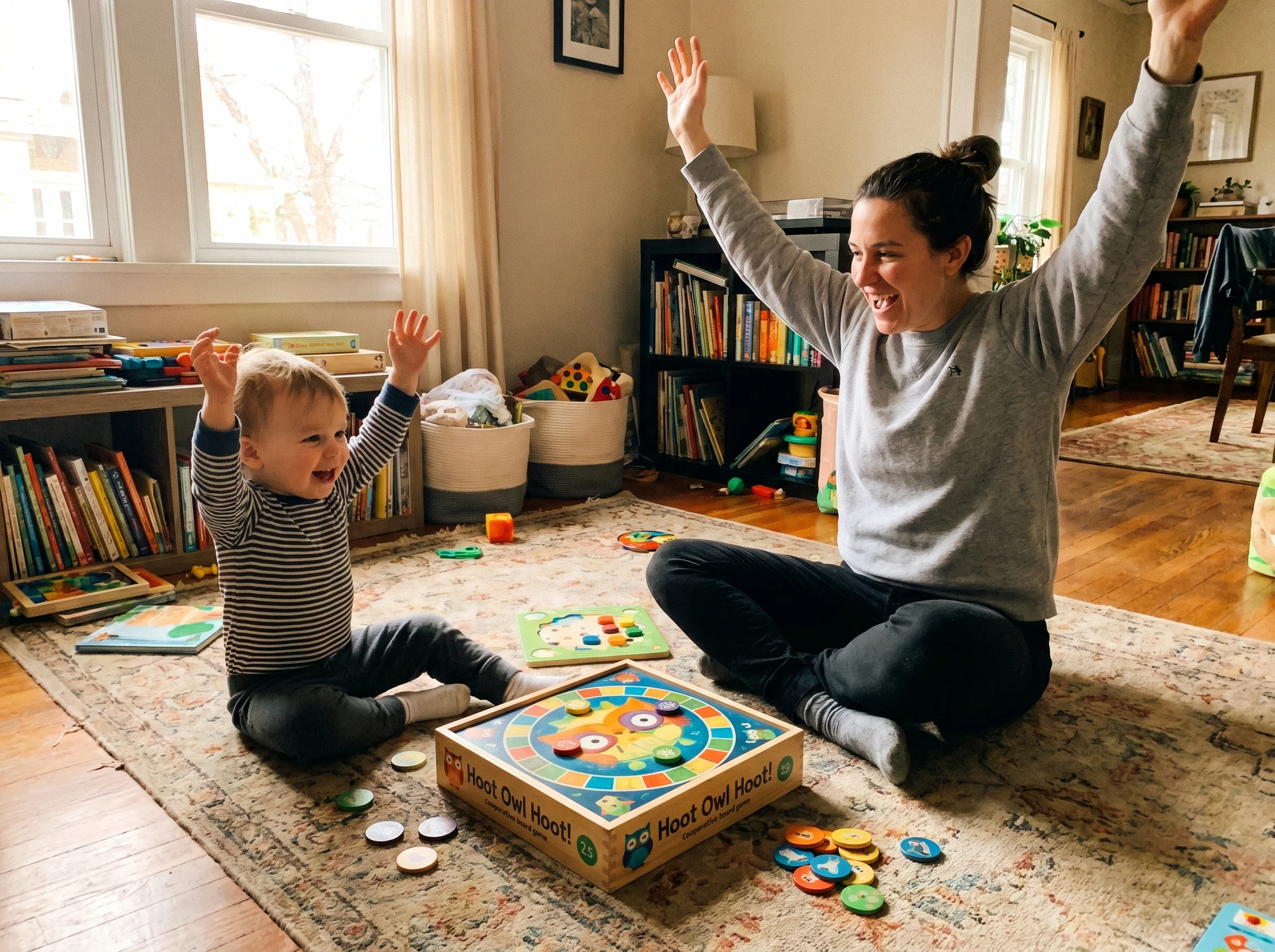
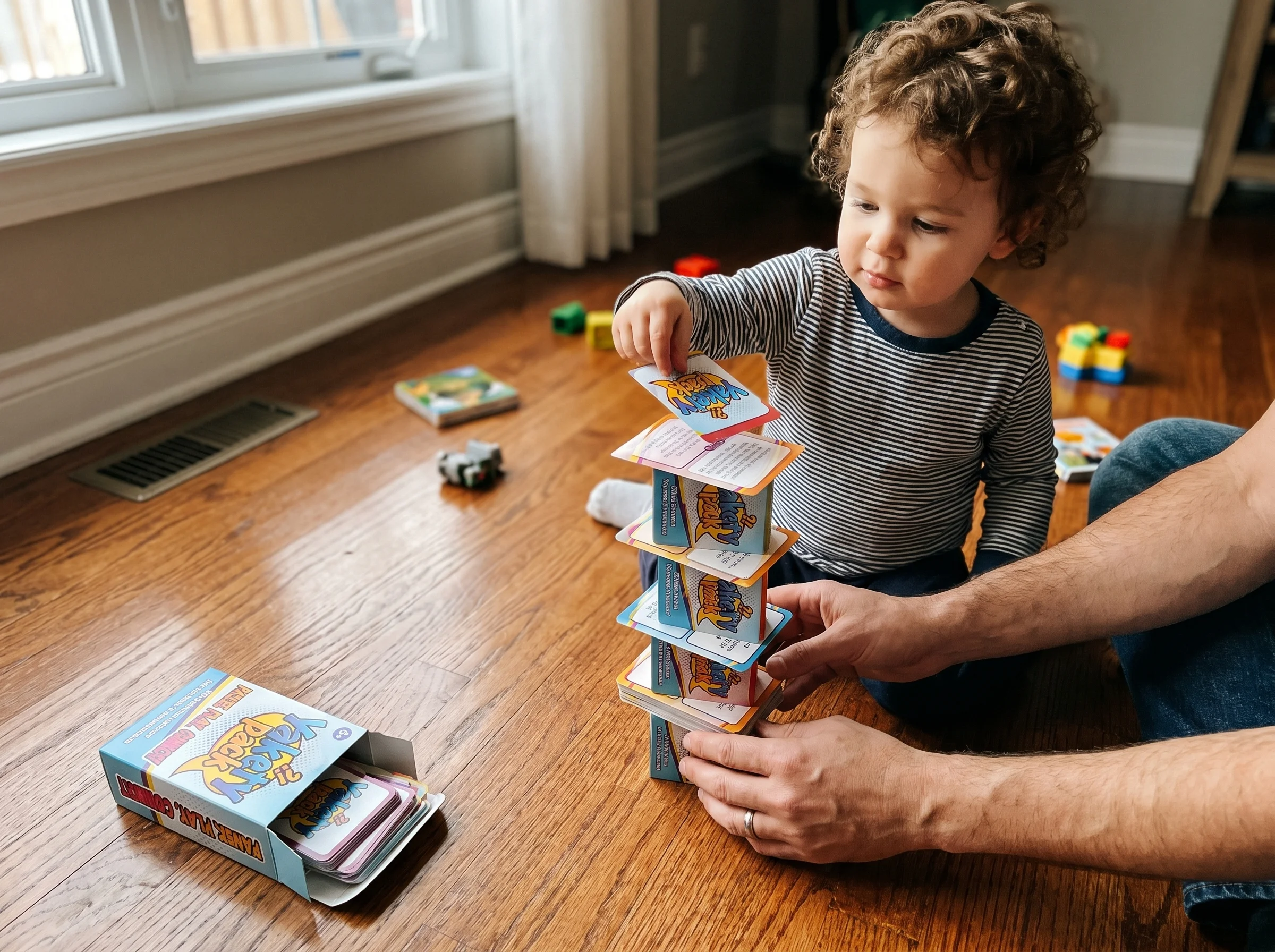
The night after the Candy Land meltdown, we got the game back out. I said, "what if we just stack the cards into towers?" He lit up. We stacked Candy Land cards into towers for the next forty minutes. For weeks after that, he asked to play "the tower game."
Was that the intended use? No. Did it count? Absolutely.
My rule of thumb: if it's been five minutes and your kid is miserable, put it away. No lecture about finishing what you start. No guilt. The game is not the point. The twenty minutes on the floor with your kid is the point. If the game gets you there, great. If free-playing with the pieces gets you there, also great.
 Sitting down and doing somethingPause, Play, Connect: Core Deck$49 CAD • 172 promptsSee the deck
The Long Game (Why Any of This Matters)
Here's what I didn't see until I had a kid old enough to play video games with his friends.
A kid who learns to lose at Hi Ho Cherry-O at age 4 is the same kid who can lose a round of Mario Kart at 8 without throwing the controller across the room. Board games at this age are the training wheels for every social game your kid will ever play, screen or otherwise.
They're also where you build the muscle of "we sit down together and do something." That's a skill, for both of you. It doesn't show up automatically when they're a teenager. You build it now, in five-minute chunks, on the living room floor.
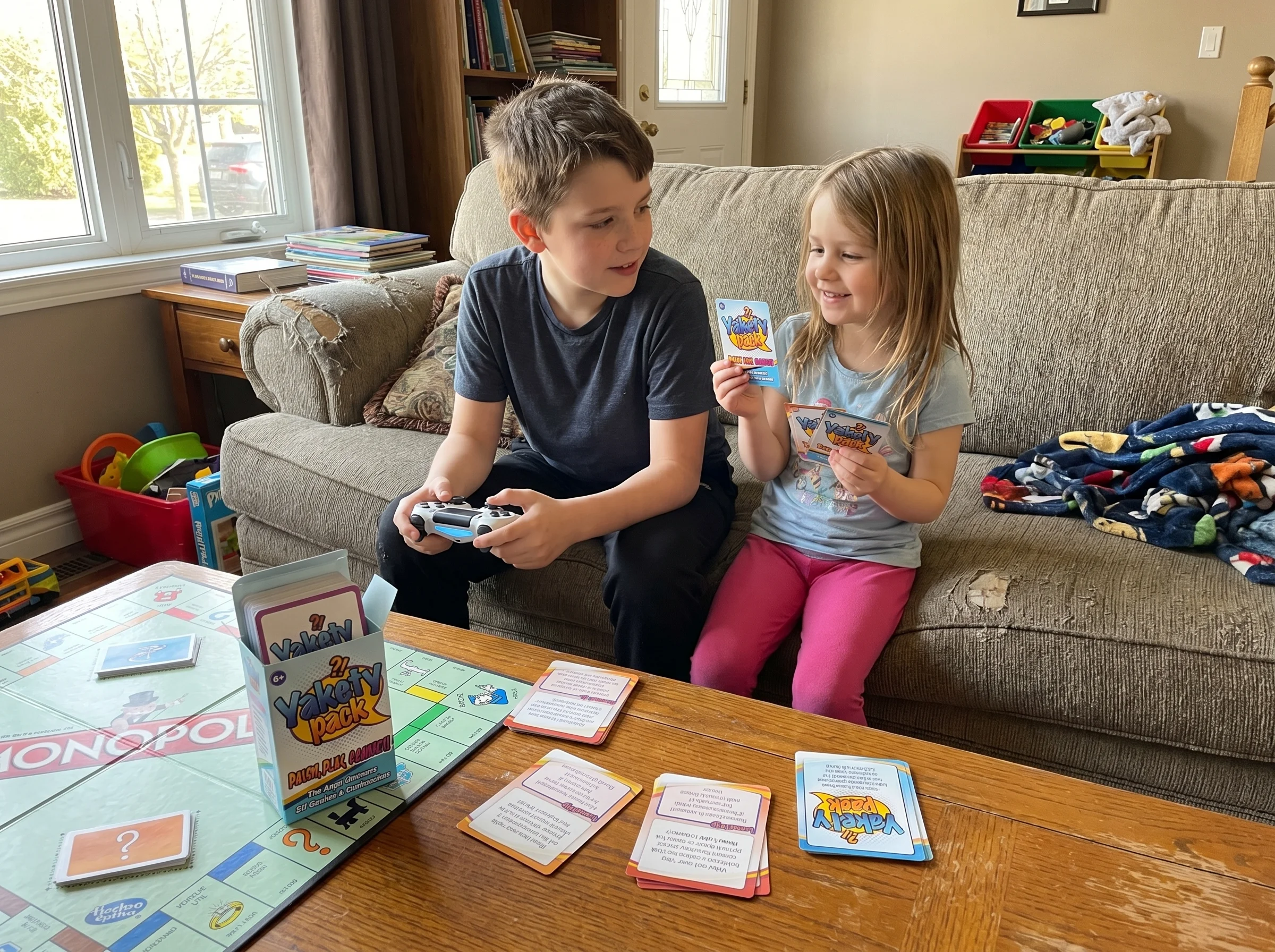
This is actually why we started Yakety Pack. We kept noticing that the kids who were easiest to actually talk to, the ones who could sit across from a parent and have a conversation, were the ones who'd had years of structured "we sit down and play this thing together" time. The skill of engaging with someone face-to-face starts way earlier than people realize. A toddler board game night is the first chapter of that story.
The Quick-Start Plan
If you only do one thing today:
- Got a 2-year-old? Buy First Orchard or a simple memory game. Play for 5 minutes. Expect chaos. Don't take it personally.
- Got a 3-year-old? Sneaky Snacky Squirrel. Keep it cooperative-feeling. Let them bend the rules.
- Got a 4-year-old? Hi Ho Cherry-O. Start gently introducing the idea of winning and losing. Model losing with humor.
Buy one game. Play it ten times. Then think about the next one.
And if you've only got fifteen minutes between bath and bed, check out my list of quick 15 minute games for busy parents. Most of these toddler games fit right in there.
The best educational board game for your toddler isn't the one with the most stickers on the box. It's the one your kid asks to play again. That's it. That's the whole secret.

From this article
Pause, Play, Connect: Core Deck
For the older siblings: If there's a bigger kid in the house already deep in Mario Kart or Minecraft, the sit-down-together muscle works for them too. Our Pause, Play, Connect Core Deck is the grown-up-kid version of First Orchard night, questions instead of wooden fruit.

